Your Old Potting Soil Still Has Work To Do In Tennessee, And Here’s How To Reuse It
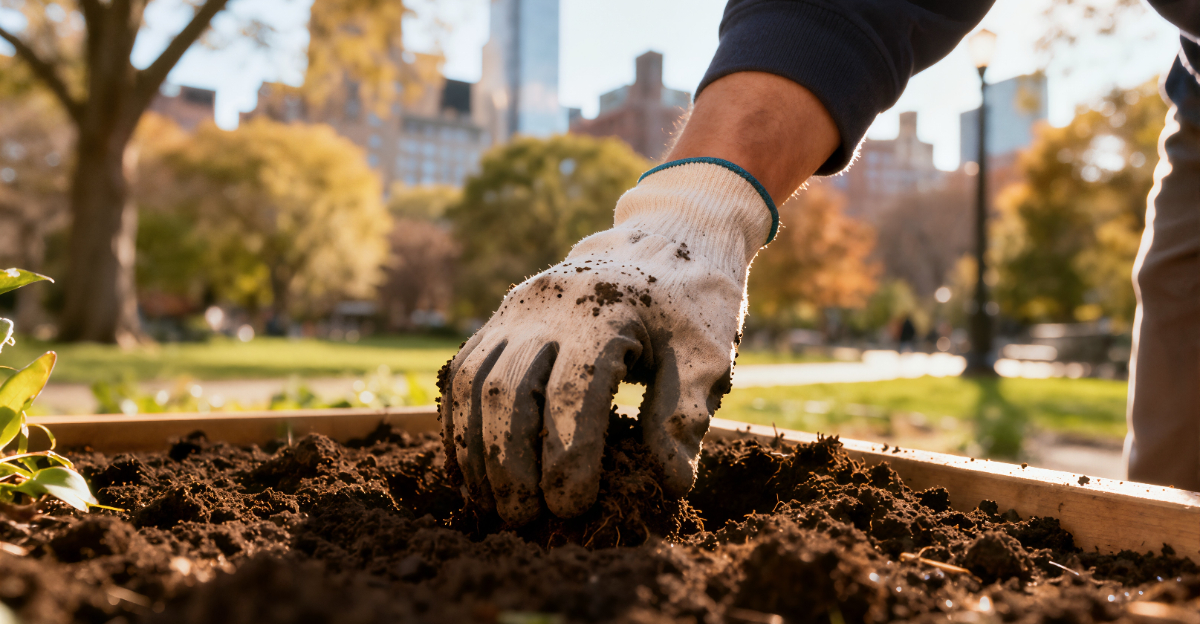
That bag of potting soil wedged behind your lawnmower has been written off too soon. Most Tennessee gardeners do not think twice before tossing it.
They toss spent mix by the bagful every spring, season after season, without stopping to ask whether it still has something to give. It does.
Old potting soil loses its structure over time, sure, but it does not lose everything. The nutrients are depleted, not gone. The texture is compacted, not ruined.
With a little know-how, that same mix can go back into your raised beds, your compost pile, or even your lawn without spending a dime on replacements.
Tennessee summers are hard on soil, and anything that stretches your garden budget deserves a second look. This is what to do with it before it ends up on the curb.
1. Old Potting Soil Works Surprisingly Well As A Raised Bed Filler In Tennessee
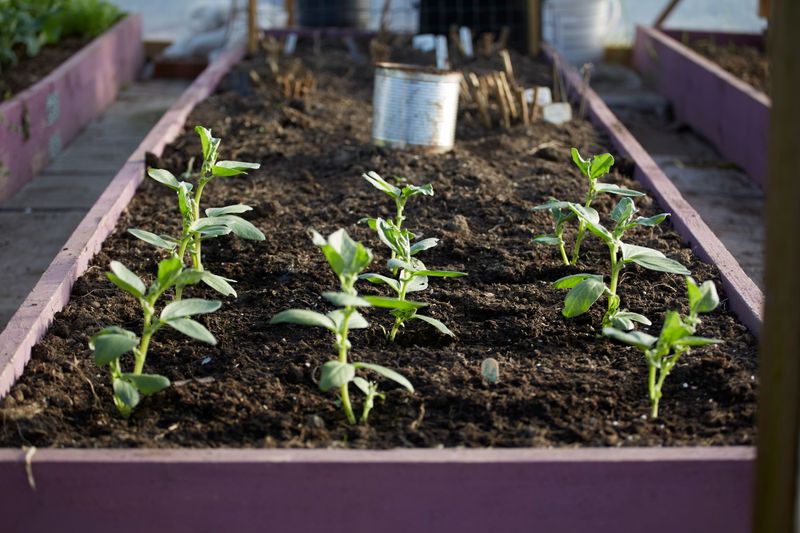
Raised beds eat soil fast, and buying new bags every season gets expensive quick. Old potting soil is one of the smartest fillers you can use when building up those beds, and most gardeners overlook it completely.
Your old potting soil still has structure, even if the nutrients have faded. Roots can move through it easily, and water still drains the way it should.
Mix the spent mix with compost or a slow-release fertilizer to bring it back to life. A simple ratio of two parts old soil to one part compost works well for most raised bed setups.
Raised beds in Tennessee deal with hot summers and heavy rains, and drainage matters more here than almost anywhere else. Old potting mix stays loose even after a hard downpour, which dense garden soil rarely does.
Stack it at least eight inches deep to give roots the room they need. Shallow beds dry out too fast in Tennessee’s July heat, and plants struggle to recover once that happens.
Tomatoes and peppers are heavy feeders, and cucumbers benefit from the extra nutrients too. Pairing old soil with quality compost gives them enough to work with through the season.
Before you fill the bed, remove any old roots or debris from the spent mix. A few minutes of sorting saves you from drainage problems later in the season.
2. Check Your Old Potting Soil Before You Use It Again
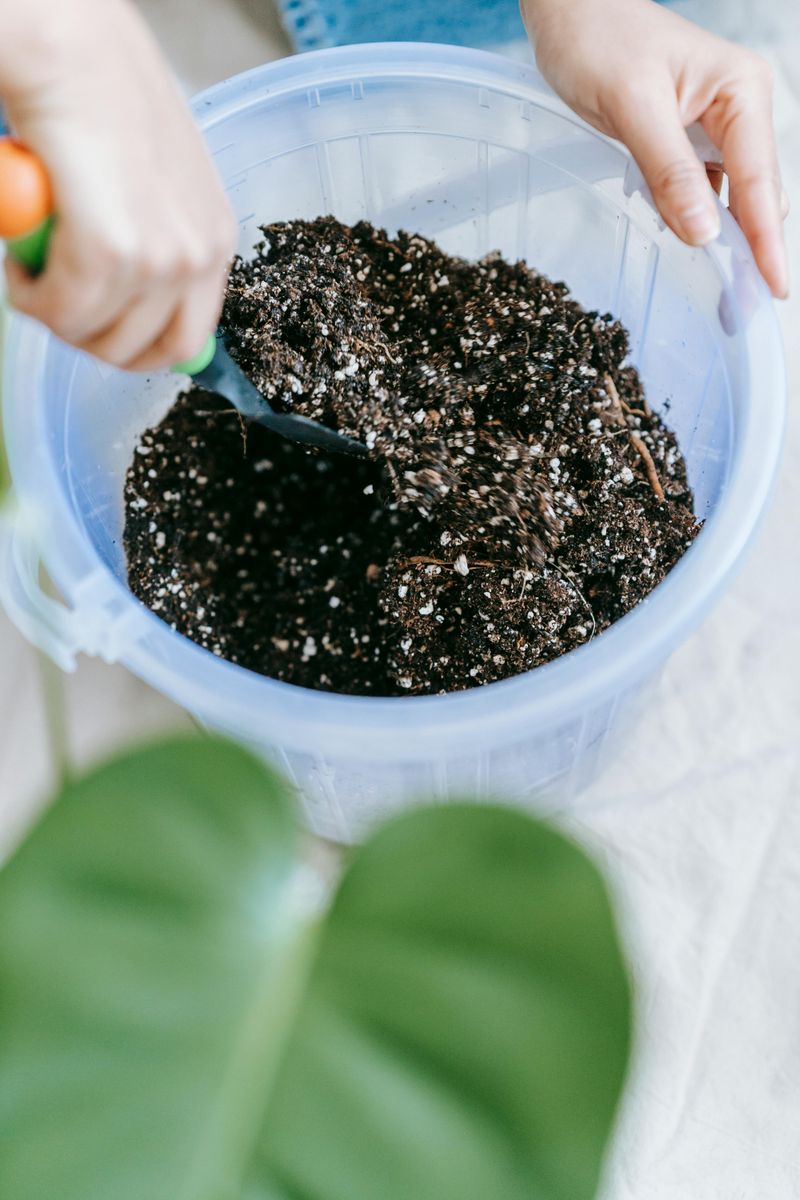
Not every bag of old potting soil deserves a second chance. Some of it is too far gone, and using it anyway can cause more problems than it solves in your Tennessee garden.
Start by squeezing a handful and checking the texture. Good spent mix still feels loose and crumbly, not dense, compacted, or soggy after sitting all winter.
Smell it next. A fresh, earthy smell is a green light, but a sour or rotten odor signals something went wrong during storage and the mix may have gone anaerobic.
Check for mold, mushrooms, or white crusty deposits on the surface. White crust usually points to salt buildup from old fertilizers, which is a common issue in soil stored in a closed or partially sealed bag.
Your Tennessee Garden Changes Every Week. Your Plan Should Too.
Gardening in Tennessee changes quickly throughout the season. Every Friday you’ll receive a simple weekly plan showing exactly what to plant, prune, fertilize, harvest, and protect so you never miss the right timing.
Salt-heavy soil can burn plant roots before they even get started, so do not skip this step. A quick rinse with water can help flush excess salts out before you reuse the mix.
Look for insects or larvae hiding deeper in the mix. Some bugs are harmless, but fungus gnats and grubs can damage new plantings fast, especially in the warm, moist conditions Tennessee summers bring.
If the soil passed your smell and texture test, it is likely safe to reuse with a little help. Working in compost or a balanced fertilizer before planting gives it the boost it needs to actually support growth.
Your old potting soil still has potential even after a rough season. A five-minute inspection tells you exactly how much work it needs before it goes back into the ground.
3. Mix It Into Your Garden Beds To Improve Drainage
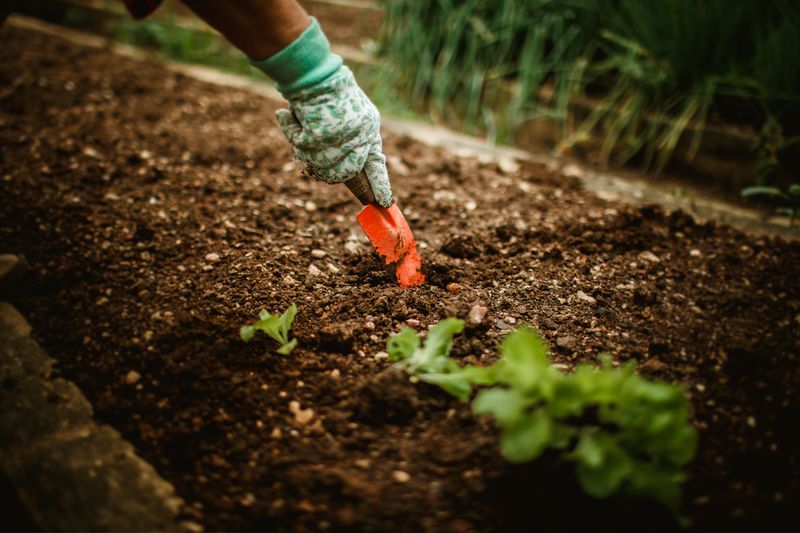
Clay soil is the nemesis of most Tennessee gardeners, especially in the central and western parts of the state. Many gardeners spend years fighting it without ever finding a fix that actually sticks.
Water pools on top, roots suffocate, and plants look miserable by midsummer. It is one of the most frustrating soil problems in the region.
Old potting mix is a surprisingly effective fix. Its lightweight, porous structure breaks up clay and lets water move through instead of sitting on the surface for days.
Work it into the top six to eight inches of your garden bed before planting season. That is the zone where most roots spend their lives, and loosening it up makes a noticeable difference from the first season.
A ratio of one part old potting mix to three parts native soil is a solid starting point. Adjust based on how compacted your ground feels and how much spent mix you have available.
You do not need to buy fancy soil amendments when you already have spent mix in your garage. Old potting mix can help loosen soil, but it is not the same as compost, finished soil conditioner, or a full raised-bed mix.
Sandy soil benefits from this approach too, though for a different reason. Old potting mix adds organic matter that helps sandy ground hold moisture longer during Tennessee’s dry summer stretches.
Do this in fall before the ground freezes, and the soil will have all winter to settle. Earthworms may move in on their own and continue the work through spring.
4. Use It To Pot Outdoor Plants That Are Not Too Fussy
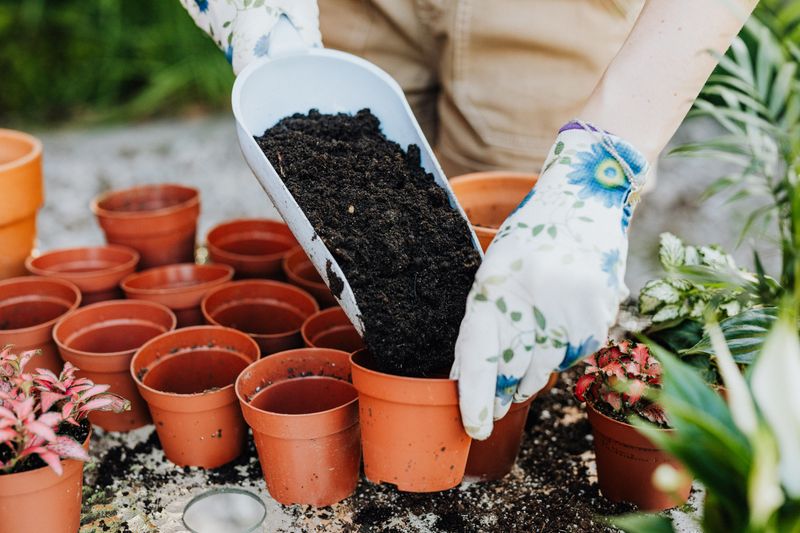
Some plants are drama queens about their growing conditions. Others just want soil, water, and sunshine, and they will figure out the rest themselves.
Old potting soil is perfect for that second group. Marigolds, petunias, sweet potato vine, and ornamental grasses rarely complain about spent mix and tend to do well with minimal fuss.
Refresh the old soil before potting by adding a slow-release granular fertilizer. One scoop per gallon of mix is usually enough to get things going without overdoing it.
Make sure your containers have drainage holes before you fill them. Old potting mix can compact slightly over time, and sitting water will cause root rot faster than most people expect.
Outdoor pots on Tennessee porches take a beating from heat and humidity through the summer months. Container plants are easier to manage than those in the ground because you can move them and adjust watering without replanting anything.
If a plant struggles, shift it to a shadier spot or cut back on water and see how it responds. That kind of flexibility makes containers a forgiving place to experiment with spent soil.
Clean, refreshed potting mix can be used for edibles if it is safe and not contaminated. Depleted nutrients affect flavor, and soil stored for multiple seasons may retain traces of old fertilizers or treatments you do not want near edible plants.
For purely decorative pots, though, old potting soil with a nutrient boost does the job just fine and saves you from cracking open a fresh bag every single season.
5. Spent Potting Soil Makes A Good Base For Compost
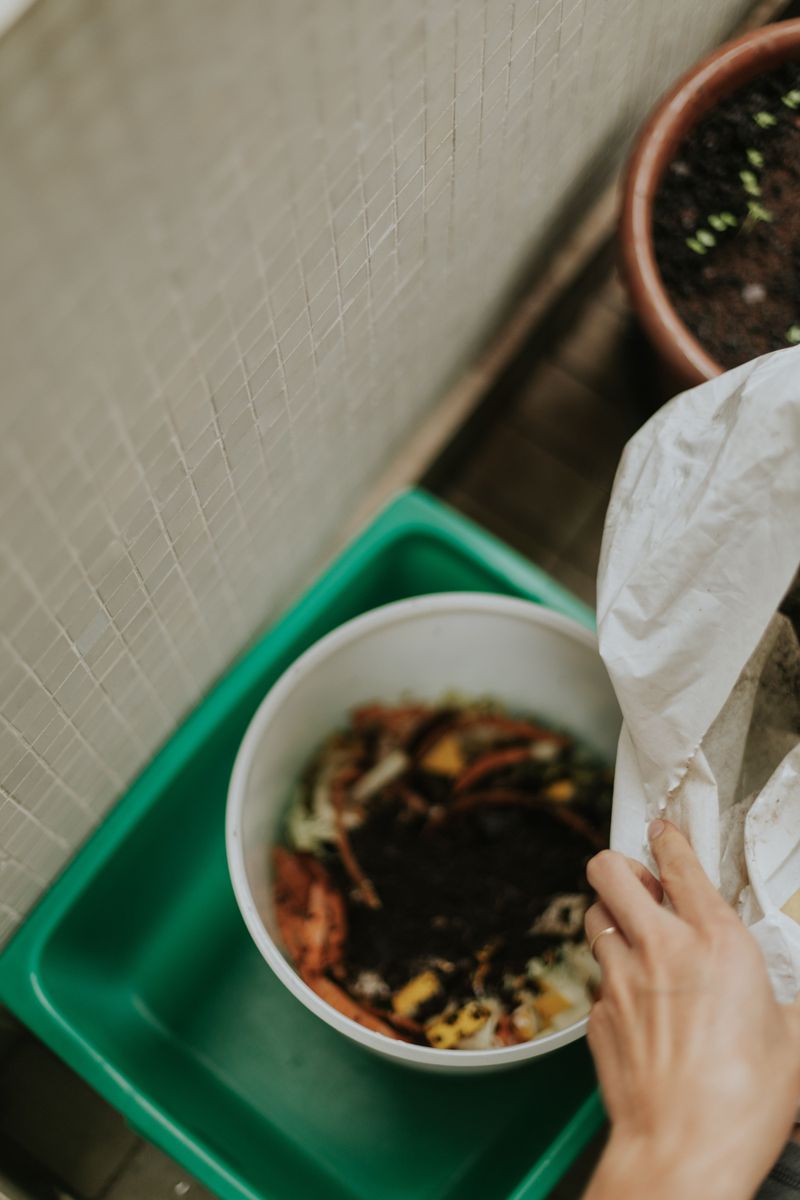
Composting is one of the most satisfying things a gardener can do. You turn kitchen scraps and yard waste into something plants love, and old potting soil fits right into that process.
Use it as a thin soil layer between greens and browns. It adds carbon, improves aeration, and helps balance the wet green materials you toss in.
Layer it between grass clippings, food scraps, and dried leaves. Think of it as the bread in a compost sandwich, keeping the pile from turning into a soggy mess.
Old potting soil also introduces beneficial microbes to your pile. Those tiny organisms speed up decomposition and create richer finished compost than greens and browns alone.
A bin that includes spent mix tends to heat up faster and break down more evenly. That means finished compost in weeks instead of months.
Moisture matters too, and a pile with old potting mix holds it better than one built purely from dry materials. Aim for the consistency of a wrung-out sponge and turn it every week or two.
Avoid adding soil that showed signs of disease or heavy pest activity. Those problems can survive the composting process and spread to your garden later.
Tennessee summers are ideal for hot composting because the heat accelerates everything. A well-built pile can turn out finished material in four to six weeks when the layers are balanced right.
Your old potting soil does not disappear in the compost pile. It transforms into something far more useful than it was sitting in that garage bag all winter.
6. Top Dress Your Lawn With It In The Right Spots
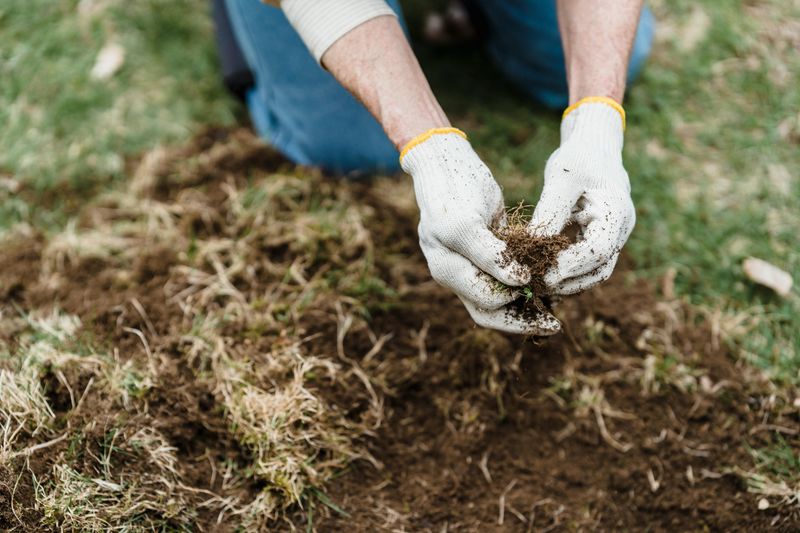
Bare patches in the lawn are embarrassing and stubborn, and grass seed needs good contact with loose soil to germinate properly. Throwing seed onto hard, compacted ground is mostly a waste of time and money.
Old potting mix spread thinly over bare spots gives grass seed exactly what it needs. The lightweight texture keeps seeds from washing away during rain and creates the kind of soft contact zone where germination actually happens.
Apply no more than a quarter inch at a time. Too much smothers the existing grass and creates more problems than it fixes, especially if you are working around healthy turf you want to keep.
Focus on low spots where water tends to collect after a heavy shower. A thin layer of spent mix raises the grade slightly and improves drainage, which makes those soggy patches far less likely to stay bare season after season.
Mixing a little compost into your old potting soil before top dressing adds a nutrient kick. Grass roots tend to respond well to that combination, and results are often visible within a few weeks of application.
Avoid using old potting mix on slopes or areas with active erosion. It is too light to stay put without some type of netting or anchor, and heavy Tennessee rain will move it before the grass has a chance to take hold.
Fall is the best time to top dress cool-season grasses in Tennessee. The soil is still warm enough for seed germination, but the cooler air slows evaporation and gives new grass a better chance of establishing before winter sets in.
A few weekends of effort in October means a noticeably fuller, more even lawn by the time spring arrives.
7. When Old Potting Soil Is Too Far Gone To Save
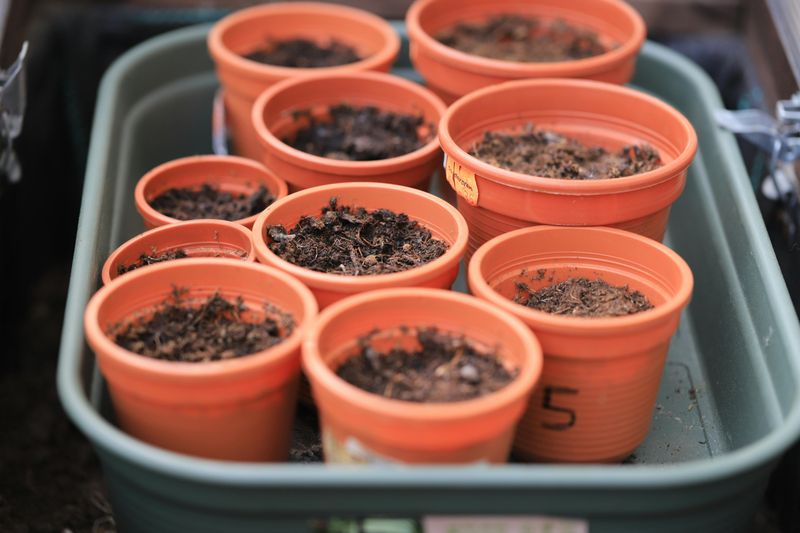
Sometimes a bag of old potting soil has simply crossed the point of no return. Knowing when to let go saves you time and protects the plants you have already invested in.
If the mix smells like ammonia or sewage, toss it without hesitation. That odor signals harmful bacterial activity that no amount of compost or fertilizer will fix, and introducing it to your garden creates more problems than it solves.
Soil packed so tight it holds its shape like a brick is also done. Compacted mix suffocates roots and resists water no matter what you blend into it, and reviving it takes more effort than it is worth.
Visible fungal growth that covers most of the bag is another clear sign. A few mushrooms here and there are harmless, but widespread white or green mold throughout the mix is a signal to walk away.
Do not dump bad soil directly into your yard or near garden beds. Diseased mix can spread pathogens to healthy plants nearby, and the damage tends to show up weeks later when it is harder to trace back to the source.
Check whether your county accepts potting soil in yard waste pickup. Check with your local waste management provider before hauling it anywhere.
You can also move heavily spent soil to a spot far from your main garden and let it sit for a full season before planting anything there. Time and weather do a surprising amount of work on their own.
Your old potting soil still has work to do in most cases, but sometimes the smartest move is making room for something better.