This Native California Groundcover Is Replacing Grass In Front Yards
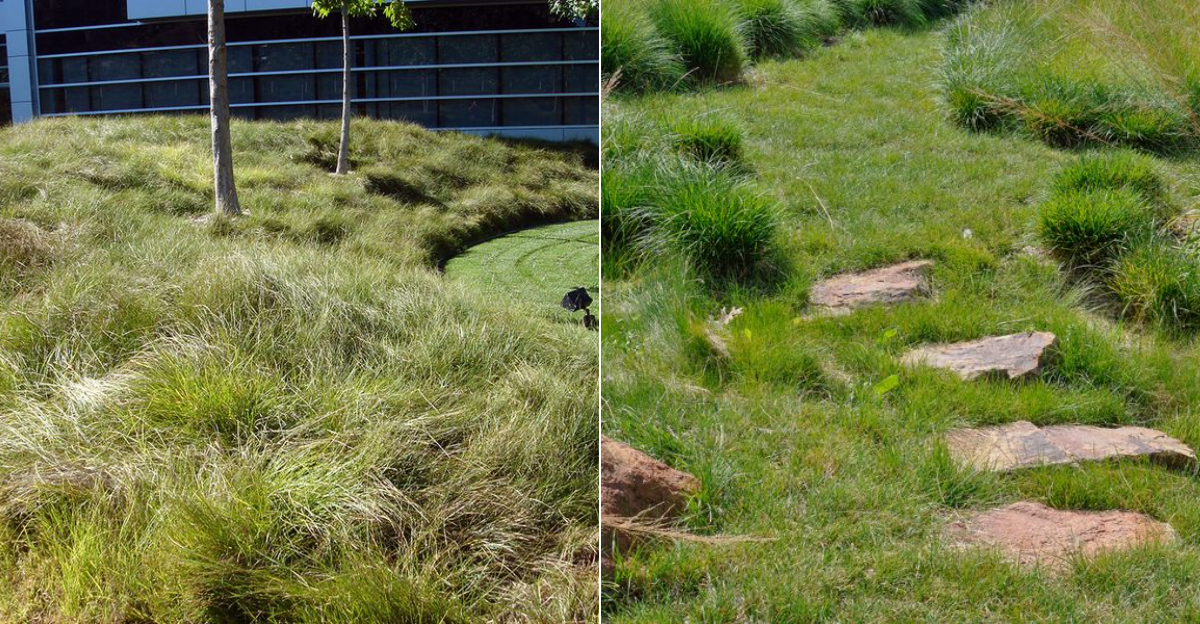
A front yard does not need a traditional lawn to look soft and green. California meadow sedge is giving homeowners a fresh way to cover open ground without the same thirsty routine.
It has a relaxed, natural look that fits many California landscapes, especially where a clipped grass lawn feels like too much work.
Once settled, this native groundcover can create a gentle meadow effect that still looks cared for. It also brings movement to the yard when a breeze passes through. The appeal is simple.
You get a greener front space with less mowing and a look that feels more connected to the local landscape. For gardeners ready to rethink the lawn, California meadow sedge is becoming a smart plant to know.
1. California Meadow Sedge Gives A Lawn-Like Look
Not every yard makeover has to look wild or overgrown. One of the biggest reasons homeowners are choosing this native sedge is simple: it looks like a real lawn.
From the sidewalk, neighbors often cannot even tell the difference at first glance.
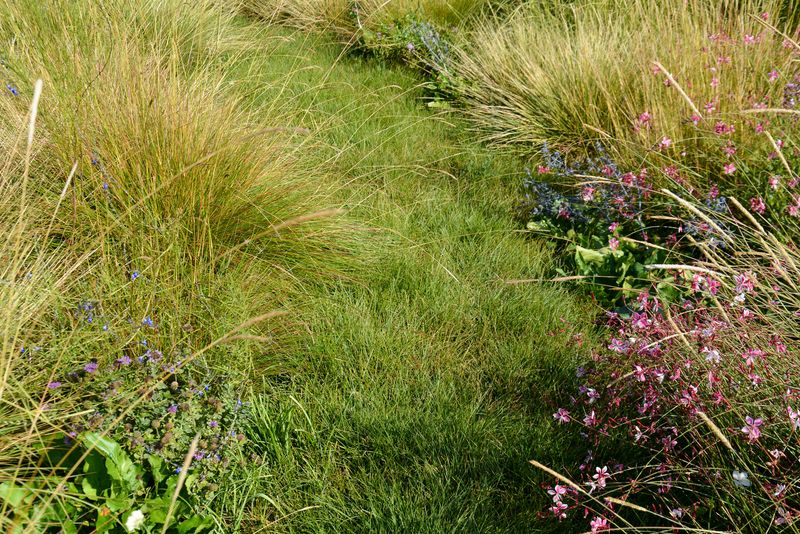
The blades are fine, soft, and a rich shade of green that holds up well through warm months.
They grow in a dense, even pattern that mimics the look of traditional turf without needing the same level of care.
That familiar, tidy appearance matters a lot to people who want a beautiful yard but are tired of fighting with their water bill.
Carex pansa stays low on its own, usually reaching only about six to nine inches if left alone. That means the yard always looks neat, even between trims.
It does not shoot up tall seed heads the way some ornamental grasses do.
The texture is also part of the appeal. Up close, the blades have a slight curl that gives the surface a soft, natural look.
It feels more relaxed than a perfectly manicured turf lawn, but it still reads as intentional and cared for.
For anyone worried about curb appeal, this plant delivers. It brings green, fullness, and structure to a front yard without demanding the resources that traditional grass requires. That is a winning combination in any neighborhood.
2. Soft Blades Fill In Without Traditional Turf
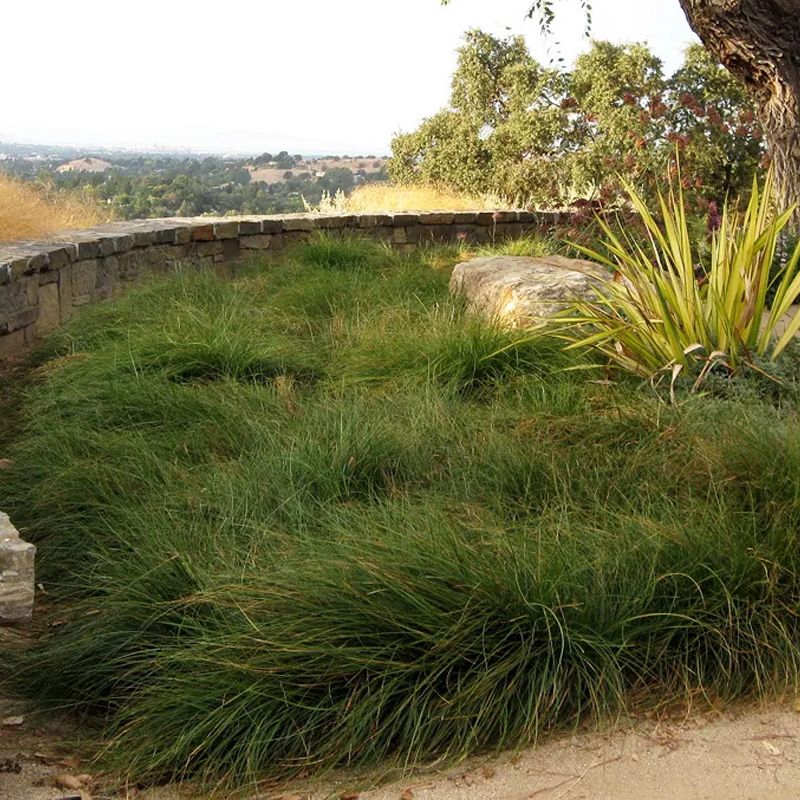
There is something satisfying about watching a bare patch of ground slowly fill in with green.
That is exactly what happens when you plant California Meadow Sedge and give it a little time to settle.
It spreads through underground runners called rhizomes, quietly filling gaps without any extra seeding.
Traditional turf grass often needs reseeding, patching, and constant attention to stay full. This sedge works differently.
Once it gets established, it just keeps growing outward, covering ground on its own schedule.
You do not need to overseed bare spots or worry about thin patches showing up after a dry stretch.
The blades themselves are narrow and slightly arching. They overlap each other as they grow, creating a thick mat that feels surprisingly soft underfoot.
Kids and pets can walk across it without damaging the surface too badly, as long as traffic stays reasonable.
Your California Garden Changes Every Week. Your Plan Should Too.
Gardening in California changes quickly throughout the season. Every Friday you’ll receive a simple weekly plan showing exactly what to plant, prune, fertilize, harvest, and protect so you never miss the right timing.
Another bonus is that this plant does not need rich soil to fill in well. It actually prefers the lean, sandy, or loamy soils common in many parts of the state.
That means less prep work before planting and fewer amendments to buy.
Filling a front yard with this sedge takes some patience in the first season. But by the second year, most homeowners are amazed at how full and even the coverage becomes. It rewards low effort with steady, reliable growth.
3. Mowing Is Optional, Not Constant
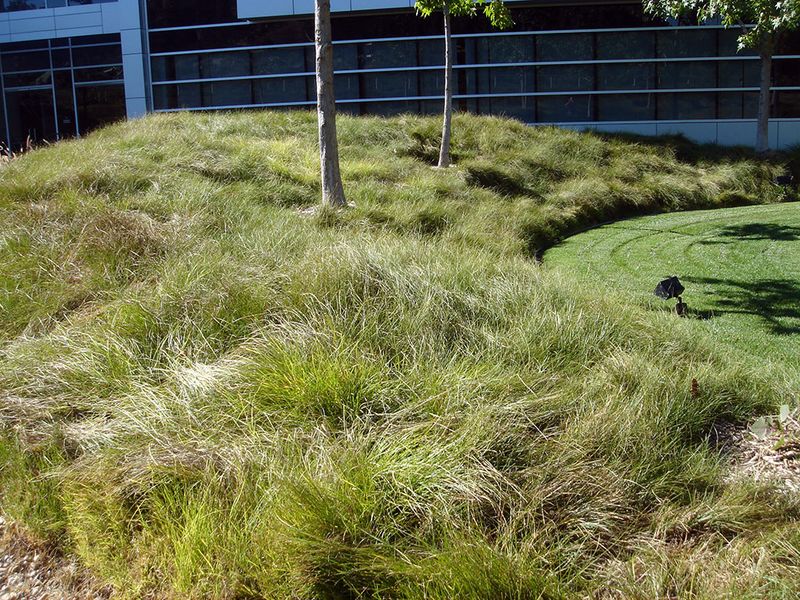
Forget the weekend ritual of dragging out the mower every single week. One of the most celebrated perks of switching to this native sedge is that mowing becomes a choice, not a chore.
Most homeowners mow it once or twice a year at most, and some skip it entirely.
Left to grow freely, the plant reaches about six to nine inches and develops a soft, slightly wavy look that many people find charming. It does not grow tall and scraggly the way unmowed turf does.
Instead, it stays relatively tidy on its own, with blades that arch gently rather than shooting straight up.
If you prefer a neater, more manicured look, a quick trim in late winter or early spring keeps things looking sharp.
Set the mower blade high, around three to four inches, and you are done for months. No weekly commitment, no fuel costs every Sunday morning.
This change alone saves a surprising amount of time over the course of a year. Think about all the hours spent mowing traditional grass from spring through fall.
With this sedge, that time goes back to you. Weekends feel different when the lawn is not demanding attention.
For busy families, older homeowners, or anyone who simply wants a lower-maintenance yard, this is one of the most practical reasons to make the switch.
Less mowing means more living, and that trade-off is hard to argue with.
4. It Spreads Into A Low Green Carpet
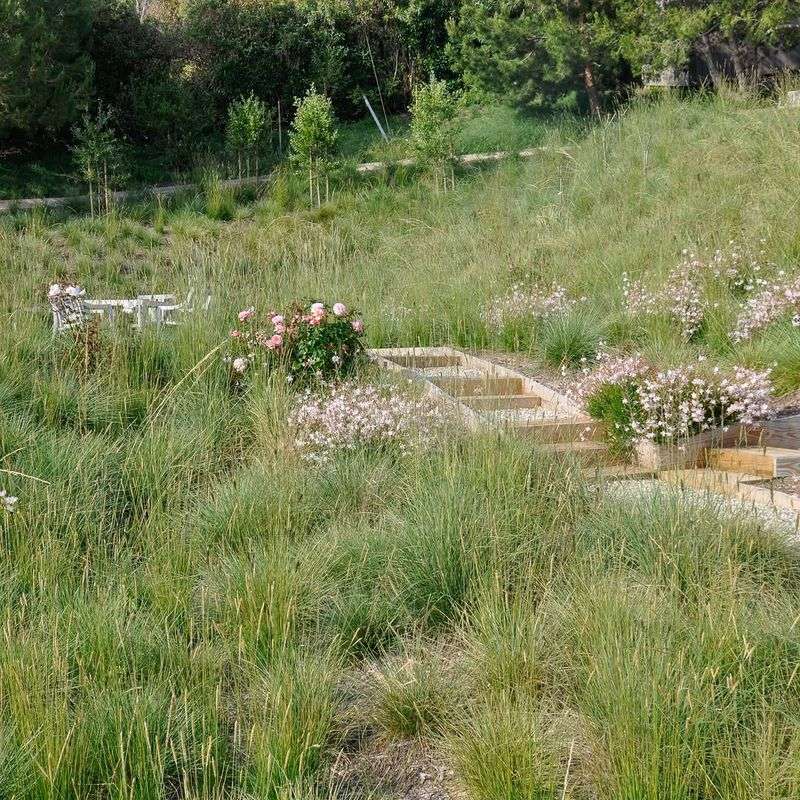
Few things in a garden feel as rewarding as watching a plant do the work for you. Over time, California Meadow Sedge spreads into a seamless, low-growing carpet that covers the ground evenly.
It creeps outward from each plant through underground rhizomes, slowly connecting until the whole surface is covered.
This spreading habit is one of the reasons it works so well as a lawn replacement. You do not need to plant every inch of your yard from the start.
Put in plugs or flats spaced about six to twelve inches apart, water them in, and let them do their thing. Within a season or two, the gaps fill in naturally.
The finished look is genuinely carpet-like. The surface stays low, dense, and consistent in color.
There are no clumps or uneven patches once it matures. It just lays flat and green across the yard like a soft mat.
This growth pattern also makes it great for slopes and edges where erosion can be a problem.
The root system holds soil in place while the foliage covers the surface. That combination protects your yard from washing out during heavy rain events.
Once the carpet is established, maintenance drops to almost nothing. You are left with a yard that looks intentional, feels inviting, and handles the local climate with ease.
That is the kind of groundcover that earns its place in any front yard.
5. Foot Traffic Should Stay Light
Here is something worth knowing before you plant: this sedge is tough, but it is not a sports field.
It handles light foot traffic pretty well, like walking to the mailbox or letting the dog cross the yard.
But it does not bounce back from heavy, repeated use the way traditional turf can.
If your front yard sees a lot of activity, like kids running back and forth or regular parking on the grass, this plant may struggle in those high-traffic zones.
The blades can flatten and take time to recover if they are walked on too frequently or too hard.
The good news is that most front yards do not actually get that much foot traffic. A path to the front door, occasional guests, and a pet or two are usually all a front yard handles.
For that level of use, this sedge holds up just fine.
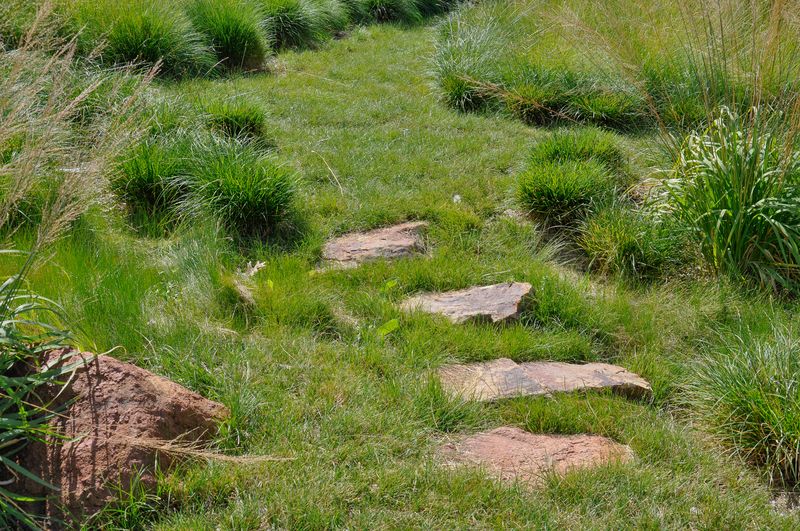
Adding a stepping stone path through the yard is a smart move. It gives people a clear route to follow and keeps the sedge from getting worn down in one repeated line. It also adds a nice visual element to the overall design.
Think of it less like a sports turf and more like a living carpet. Treat it gently and it rewards you with steady green coverage year after year.
Respect its limits and it will be one of the most reliable plants in your yard.
6. It Works Best In Sun To Part Shade
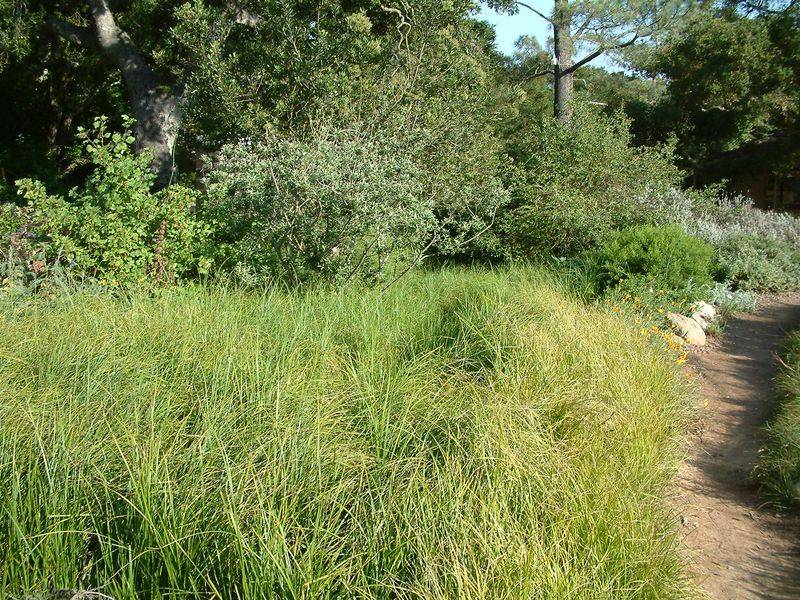
One of the most practical things about this plant is how flexible it is with light. It grows well in full sun, handles part shade without complaining, and even does reasonably well under the canopy of larger trees.
That kind of adaptability is rare in a lawn replacement plant. Many traditional grasses struggle under trees where roots compete for water and the shade gets heavy.
This sedge actually prefers those conditions in warmer parts of the state. The shade helps it stay green longer through hot summers without extra irrigation.
In full sun, it still performs well, especially when it gets a deep watering once or twice a week during the dry season.
Once established after the first year, it can often get by on rainfall alone in many parts of the state. That drought tolerance is a huge selling point.
If your yard has mixed light, meaning some areas get full morning sun and others stay shaded by the house or a fence, this sedge handles the transition smoothly.
You do not need to plant different species for different zones. One plant covers both situations well.
Choosing the right plant for your light conditions is one of the most important decisions in any yard.
With this sedge, you get a wide range of acceptable conditions, which makes planning easier and reduces the guesswork. That flexibility is exactly what busy homeowners need.
7. Dense Growth Leaves Less Room For Weeds
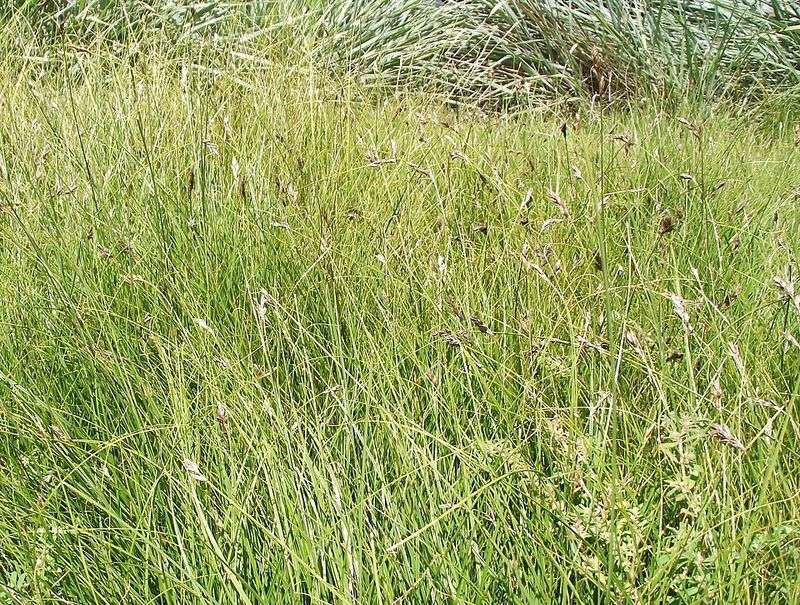
Weeds are one of the most frustrating parts of maintaining any yard. They pop up in bare spots, spread fast, and take over if you look away for too long.
One of the quiet benefits of this native sedge is that its dense growth habit makes it harder for weeds to get a foothold.
When the sedge fills in fully, the blades and roots cover the soil surface so thoroughly that weed seeds have fewer open spots to germinate.
Sunlight cannot reach the soil as easily, which means fewer weed sprouts making it through.
It is not a perfect weed barrier, but it is a significant improvement over patchy or sparse turf.
During the first year, while the sedge is still spreading and filling in, some weeding will be needed. Hand-pulling weeds before they set seed keeps the competition manageable.
Once the sedge reaches full coverage, the maintenance drops noticeably.
Mulching between plugs in that first year helps too. A light layer of wood chip mulch suppresses weeds while the sedge establishes itself.
By the time the mulch breaks down, the sedge has usually taken over and does the suppressing on its own. Fewer weeds means less time on your hands and knees and fewer herbicides needed.
For homeowners trying to reduce chemical use in their yards, this plant offers a natural way to manage weed pressure without constant intervention. That is a practical win worth celebrating.
8. Front Yards Look Softer Without A Thirsty Lawn
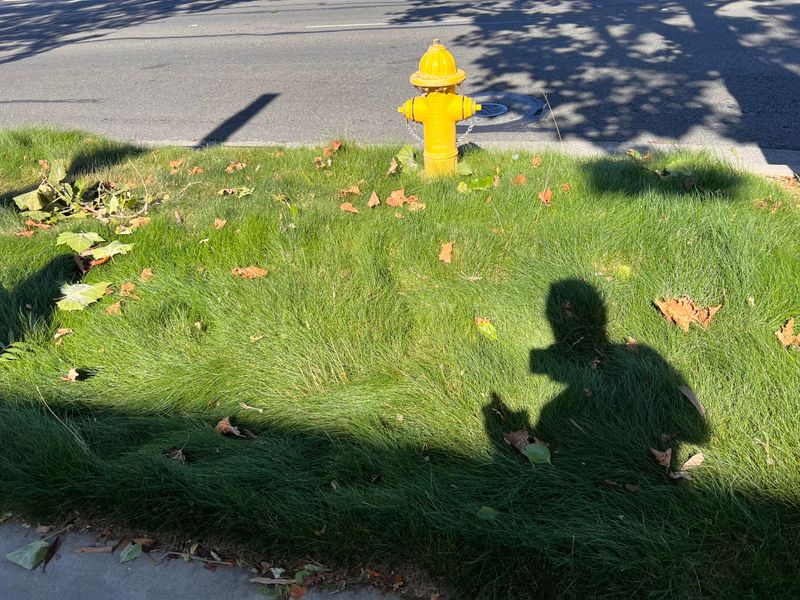
There is a certain harshness to a perfectly edged, bright green turf lawn in the middle of a dry summer.
It almost looks out of place against the golden hills and dry air that define so much of this state. Switching to this native sedge changes that feeling immediately.
The texture of the sedge is softer and more natural-looking than traditional turf. The blades arch slightly instead of standing stiff and upright.
The color is a deeper, more muted green that fits the surrounding landscape rather than fighting against it.
The whole yard feels more relaxed and connected to the environment. That softer look also pairs beautifully with other native plants.
Combine it with low-growing salvias, native bunch grasses, or drought-tolerant shrubs along the borders, and the front yard starts to look like it belongs here.
It feels designed with intention rather than just planted by default.
Water savings are a huge part of this picture too. Traditional lawns can use up to 70 percent of a home’s outdoor water.
This sedge needs a fraction of that once established. Lower water use means lower bills and a lighter impact on local water supplies during dry years.
A front yard that looks good and uses less water is not a compromise. It is an upgrade.
More homeowners are realizing that native groundcovers offer both beauty and responsibility, and that combination is changing the way neighborhoods look across the state.
9. Let It Grow Meadowy Or Trim It Low
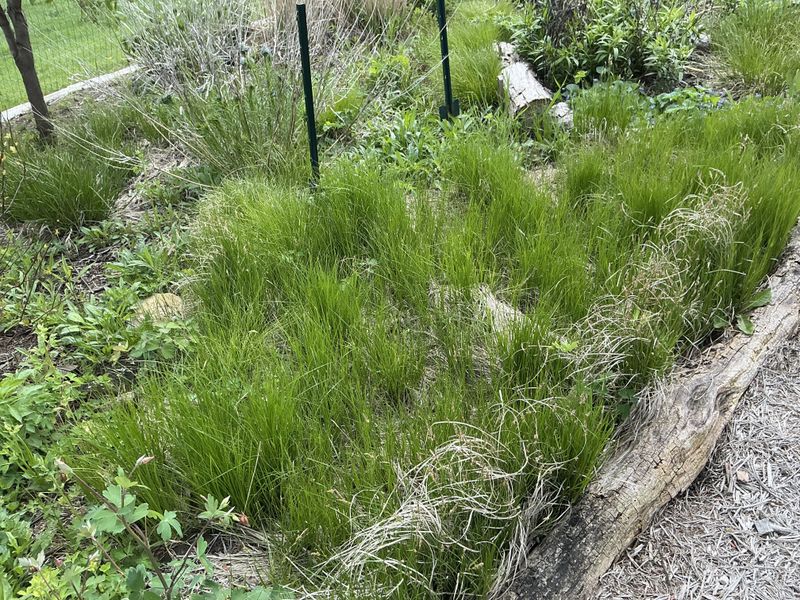
One of the most appealing things about this plant is that it gives you options. You can trim it short for a classic, manicured look, or let it grow out into a soft, flowing meadow style.
Either way, it looks intentional and attractive. Not many lawn plants offer that kind of flexibility.
The trimmed version works well for homeowners who want the water savings and low maintenance but still prefer the clean lines of a traditional lawn.
A single pass with the mower set at three to four inches once or twice a year keeps it looking tidy and even.
The meadow style, on the other hand, has a lot of charm. Left to grow freely, the blades develop a gentle wave and the yard takes on a relaxed, natural character.
Some homeowners add a simple border of river rock or decomposed granite around the edges to give the meadow look a finished frame.
Both styles work well in front yards, and you can even mix them. Trim the area closest to the sidewalk for a neat edge and let the area near the house grow a little fuller.
That layered approach adds depth and visual interest to the landscape.
No matter which style you choose, the plant handles the transition well. It does not sulk after a trim or go patchy if left alone.
It just keeps growing, green and steady, ready to match whatever look you are going for this season.