The Biggest Mistakes Florida Gardeners Make With Desert Rose Plants
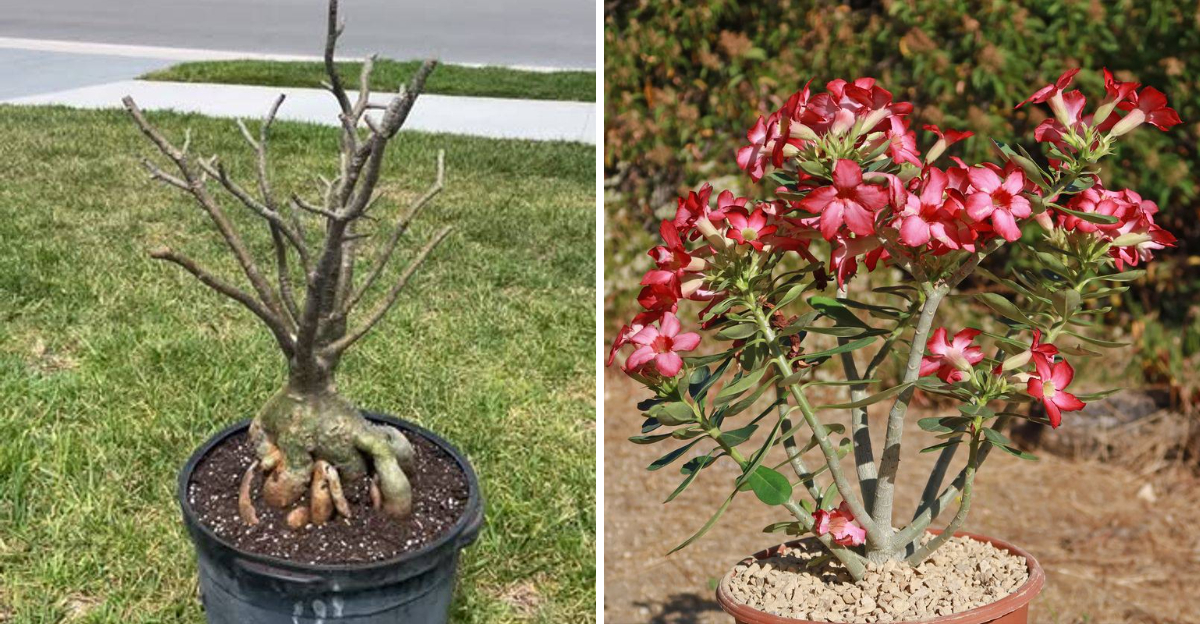
Desert rose is one of those plants that looks effortless in photos and humbles you fast in real life. Florida gardeners fall for it hard and bring it home full of confidence.
Then they watch it sulk, drop leaves, or refuse to bloom despite the heat and sunshine that should, by all logic, make it thrive. The frustrating part is that most problems come down to a short list of very avoidable mistakes.
Not bad luck. Not a defective plant.
Just a few misunderstandings about what desert rose actually needs versus what seems like common sense. Florida’s climate feels like a perfect match on paper.
Warm, bright, humid. But desert rose has some very specific opinions about how it wants to be treated, and Florida conditions can work against you just as easily as they work for you.
1. Soggy Soil Can Rot Desert Rose Roots
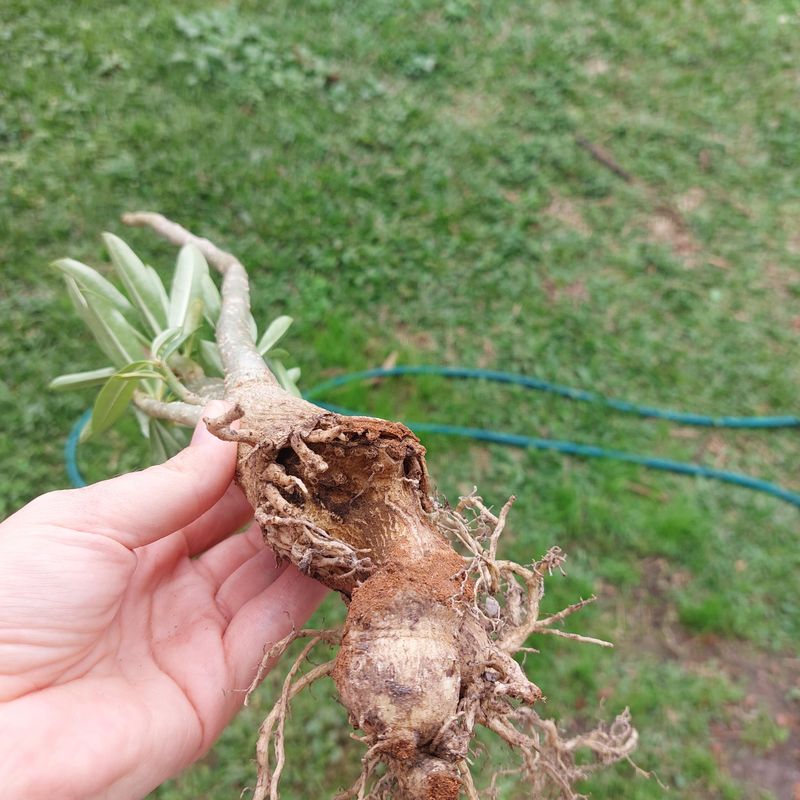
Walk through any Florida neighborhood and you will spot desert rose plants sitting in heavy clay-like potting mixes that hold water for days. That might work for a fern, but for a desert rose, it is a fast path to root rot.
These plants evolved in rocky, fast-draining soils across East Africa and Arabia, and their roots simply cannot handle sitting in wet ground for long.
In this state, summer rain alone can dump several inches of water on a garden in a single afternoon. When soil stays soggy, the caudex and roots begin to soften and break down.
By the time you notice yellowing leaves or a mushy base, the damage is often already advanced.
The fix is straightforward. Use a well-draining mix made for cacti or succulents, or blend regular potting soil with coarse perlite or sand.
Raised beds and containers with drainage holes are popular choices for good reason. According to UF/IFAS, desert rose thrives in sandy, well-drained soils and should never be left in standing water.
If you are growing in a container, always empty the saucer after rain or watering. Choosing the right soil from the start protects the roots and sets your plant up for long-term success.
2. Little Bright Light Means Fewer Flowers
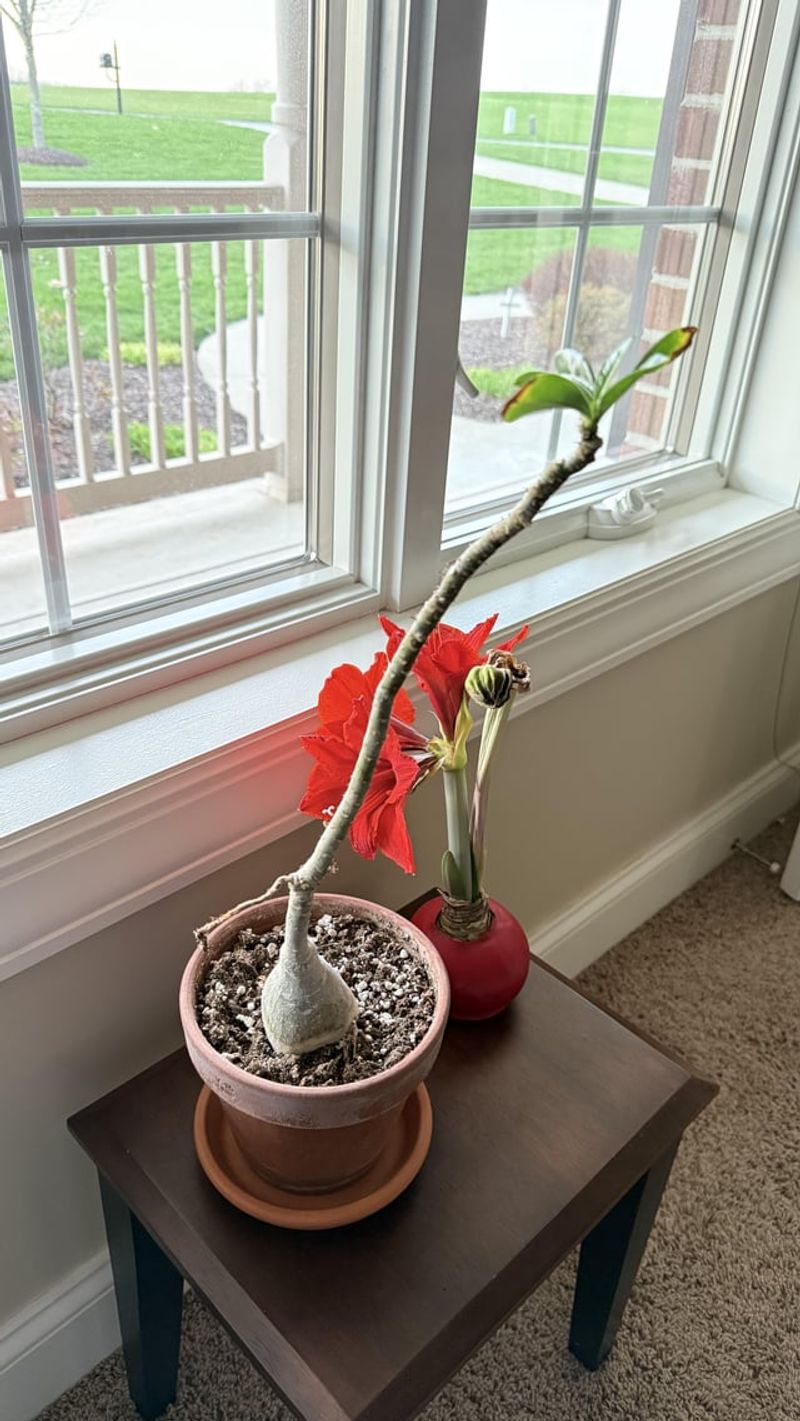
Tucking a desert rose under a porch overhang or beside a shady fence might seem like a kind gesture on a hot July afternoon, but these plants do not see it that way.
Full, direct sunlight is not just preferred for desert rose, it is practically required for consistent blooming.
Without it, the plant may stay alive but will produce very few flowers.
UF/IFAS recommends at least six hours of direct sun per day for desert rose. In this state, that is usually easy to achieve outdoors from spring through fall.
The problem comes when gardeners place their plants in spots that look bright but are actually partially shaded for most of the day. That includes areas under tree canopies or near tall fences that block the afternoon sun.
Low-light conditions also slow the plant’s overall growth and can make it more vulnerable to pest problems. Pale or stretched-out stems are a common sign that a plant is reaching for more light than it is getting.
Your Florida Garden Changes Every Week. Your Plan Should Too.
Gardening in Florida changes quickly throughout the season. Every Friday you’ll receive a simple weekly plan showing exactly what to plant, prune, fertilize, harvest, and protect so you never miss the right timing.
Moving your desert rose to a south- or west-facing spot can make a dramatic difference in flower production. Choose a place where it gets unobstructed sun through the warmest part of the day.
Even a few extra hours of direct sun each week adds up over a growing season and encourages those vivid blooms gardeners love.
3. Cold Snaps Can Damage Desert Rose Fast
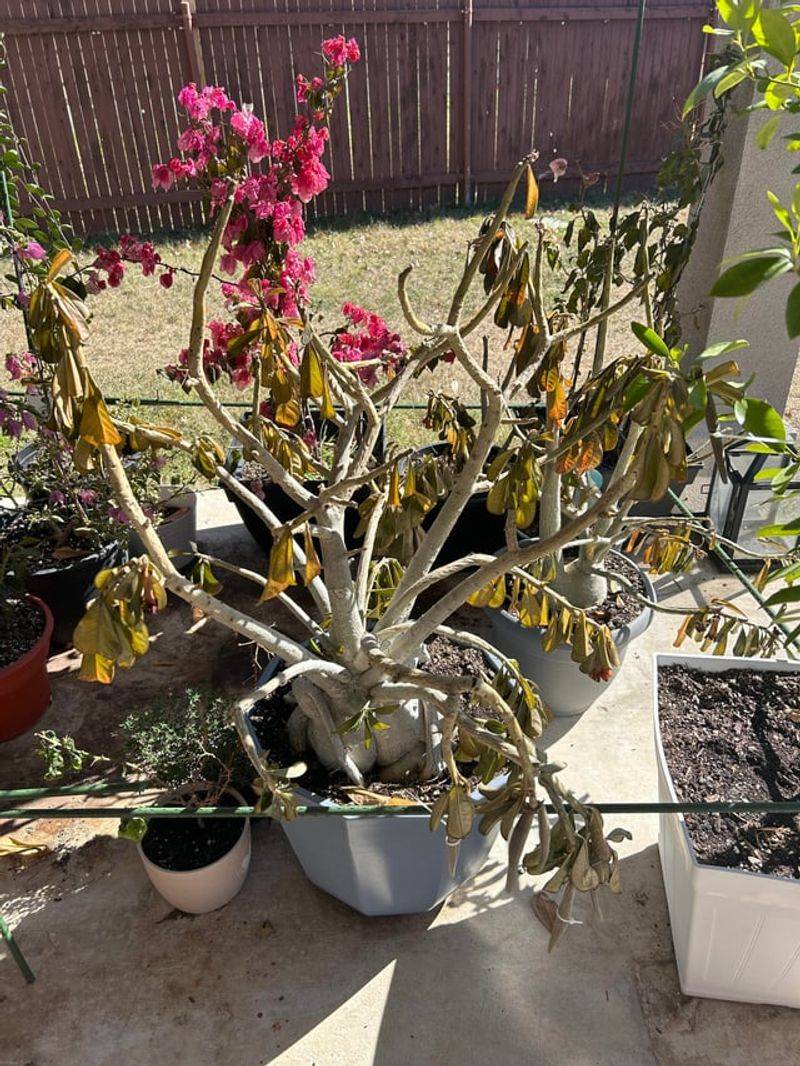
Florida winters feel mild compared to most of the country, but desert rose plants are more cold-sensitive than many gardeners expect.
Temperatures below 40 degrees Fahrenheit can stress these plants, and anything near freezing can cause serious damage to leaves and stems.
In northern regions of the state, hard freezes happen more often than people plan for.
The tricky part is that damage from cold does not always show up right away. Leaves may look fine for a day or two before turning yellow, going limp, or dropping off.
Stems can become soft or discolored below the surface even when the outside still looks normal. By the time the full damage is visible, the cold event is already long past.
Gardeners in central and northern regions should bring container-grown plants indoors or into a garage when overnight lows are expected to drop into the 40s.
For plants in the ground, frost cloth or old bedsheets draped loosely over the plant can help trap warmth on cold nights.
UF/IFAS notes that desert rose is best suited to frost-free areas of the state, which is roughly coastal and southern regions.
If you garden further north, treating desert rose as a container plant gives you the flexibility to protect it when cold weather arrives without much warning.
4. Too Much Water Turns Care Into Trouble
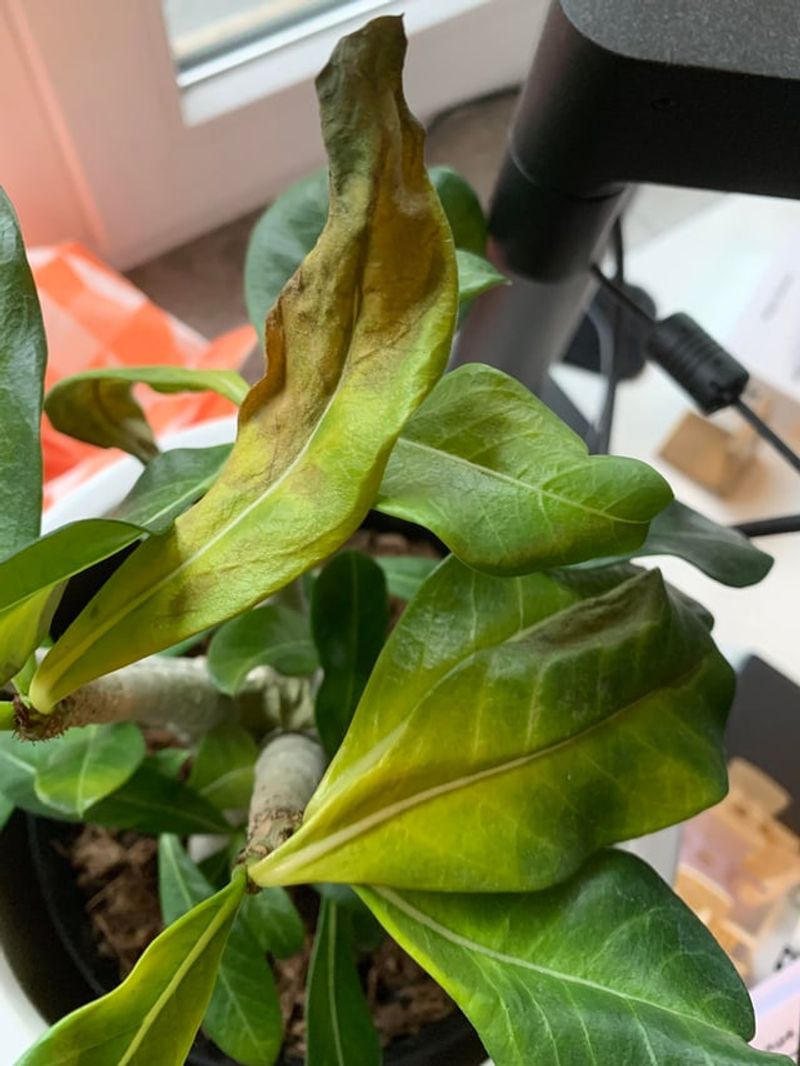
Loving a plant too much with the watering can is one of the most common ways gardeners accidentally harm their desert rose. Because Florida summers are hot and humid, it feels natural to water frequently.
But desert rose stores water in its thick caudex and does not need nearly as much irrigation as other tropical plants in the garden.
Overwatering causes a cascade of problems. Roots sitting in moist soil begin to rot, the caudex can soften, and the plant becomes more susceptible to fungal issues.
Yellow leaves are often the first visible sign, but by then the roots may already be struggling. The plant’s water-storing anatomy is an adaptation, not an invitation to water less carefully.
A better approach is to water deeply but infrequently. Let the soil dry out noticeably between waterings, especially during the rainy season when natural rainfall is doing much of the work.
During the winter months, when growth slows down, reduce watering significantly. UF/IFAS recommends allowing the soil to dry between watering cycles for desert rose, particularly in containers.
Sticking your finger about two inches into the soil is a reliable test. If it still feels damp, wait a few more days.
Matching your watering schedule to the plant’s actual needs, rather than a fixed calendar routine, goes a long way toward keeping it healthy.
5. Freeze Prone Spots Put Outdoor Plants At Risk
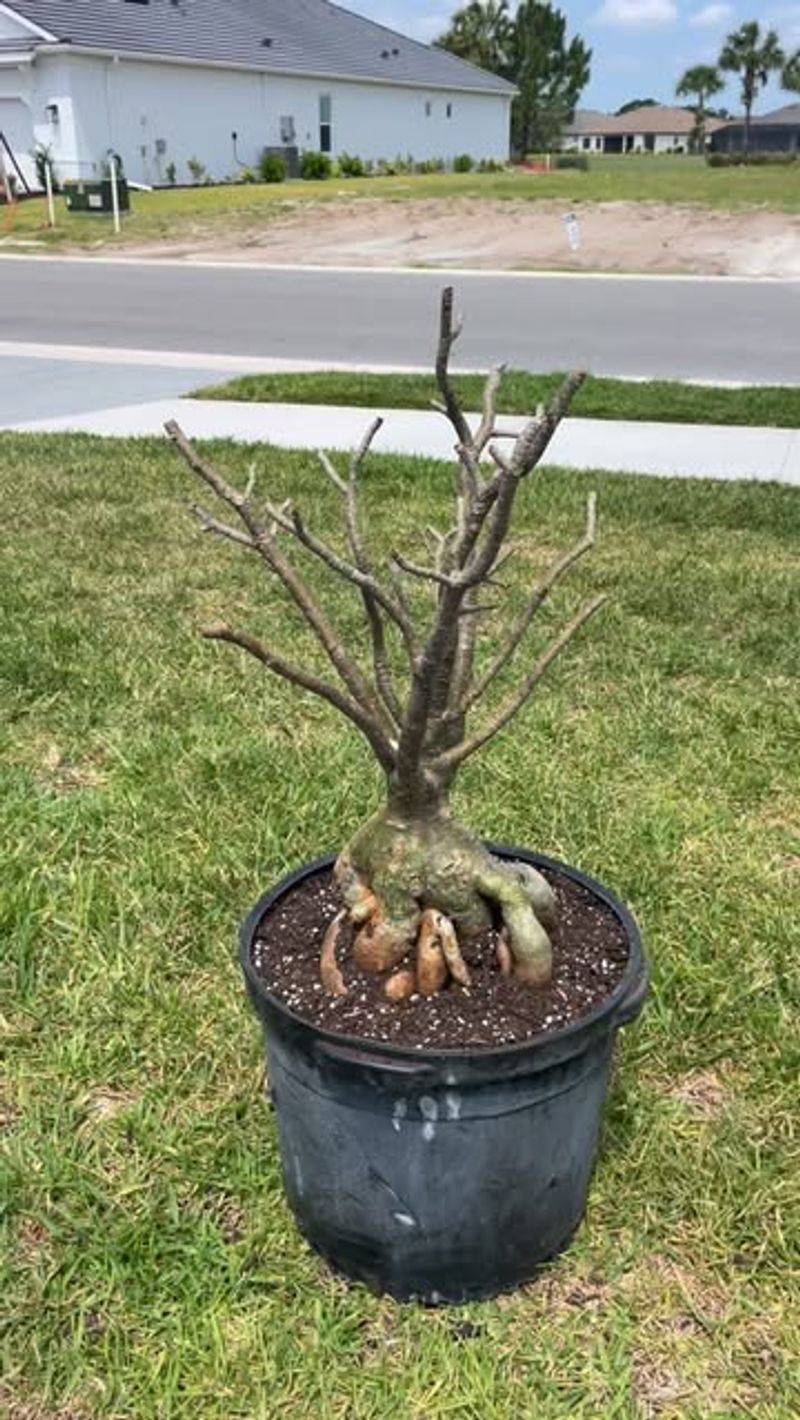
Planting a desert rose directly in the ground sounds appealing. That is especially true when the plant grows large and the sculptural caudex becomes a real focal point in the landscape.
But the location of an in-ground planting matters far more than most gardeners realize, especially when a rare freeze rolls through this state.
Cold air sinks and collects in low spots, near fences, and along the north sides of buildings. These frost pockets can be several degrees colder than the rest of the yard on a still winter night.
That difference can mean the gap between a stressed plant and a severely damaged one. Even in southern regions, an unexpected cold night can catch outdoor plants off guard.
Choosing a planting spot near a south-facing wall or structure offers natural warmth and wind protection. Raised areas of the yard where cold air drains away are safer than low spots.
Mulching around the base of in-ground plants can help insulate the roots during brief cold snaps. UF/IFAS extension resources note that desert rose is best grown in containers in frost-prone parts of the state precisely because it allows for easy relocation.
If your yard has a history of cold air settling in certain areas during winter, those spots are better saved for hardier plants. Protecting your desert rose starts with choosing the right location before the plant ever goes in the ground.
6. Hidden Pests Can Strip Leaves And Weaken Growth
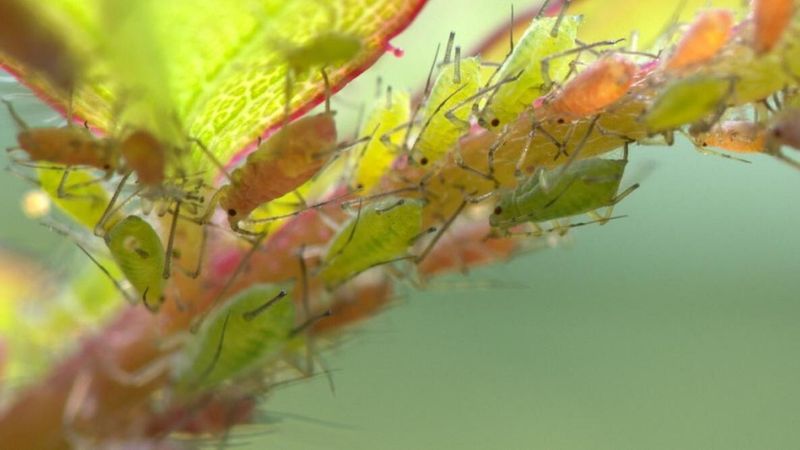
Spider mites, aphids, and oleander caterpillars are not subtle visitors. They can move through a desert rose plant quickly, stripping leaves and leaving behind a weakened, stressed plant before most gardeners even notice something is wrong.
In Florida’s warm, humid climate, pest pressure on outdoor plants stays elevated for most of the year.
Spider mites tend to show up during hot, dry stretches when plants are already under stress. They leave behind tiny stippled marks on leaves and fine webbing on stems.
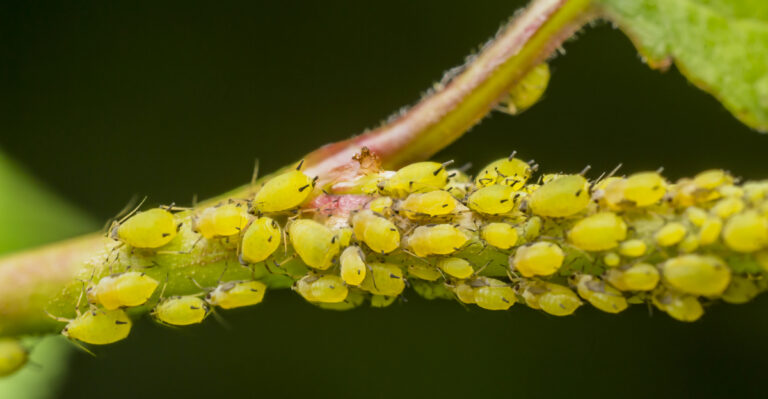
Aphids cluster on new growth and flower buds, sucking sap and causing curled or distorted leaves. Oleander caterpillars, which are bright orange with black tufts, are a particularly common problem in this state and can defoliate a plant rapidly if left unchecked.
Checking plants at least once a week is the most reliable way to catch problems early. Look at the undersides of leaves, along stems, and near new growth where pests tend to congregate.
A strong spray of water can knock off aphid colonies. For heavier infestations, insecticidal soap or neem oil applied in the early morning or evening works well without harming beneficial insects.
UF/IFAS extension resources identify oleander caterpillars as a significant pest of desert rose in Florida. They recommend prompt removal by hand or targeted treatment to prevent major leaf loss.
7. Buried Caudexes Invite Moisture Problems
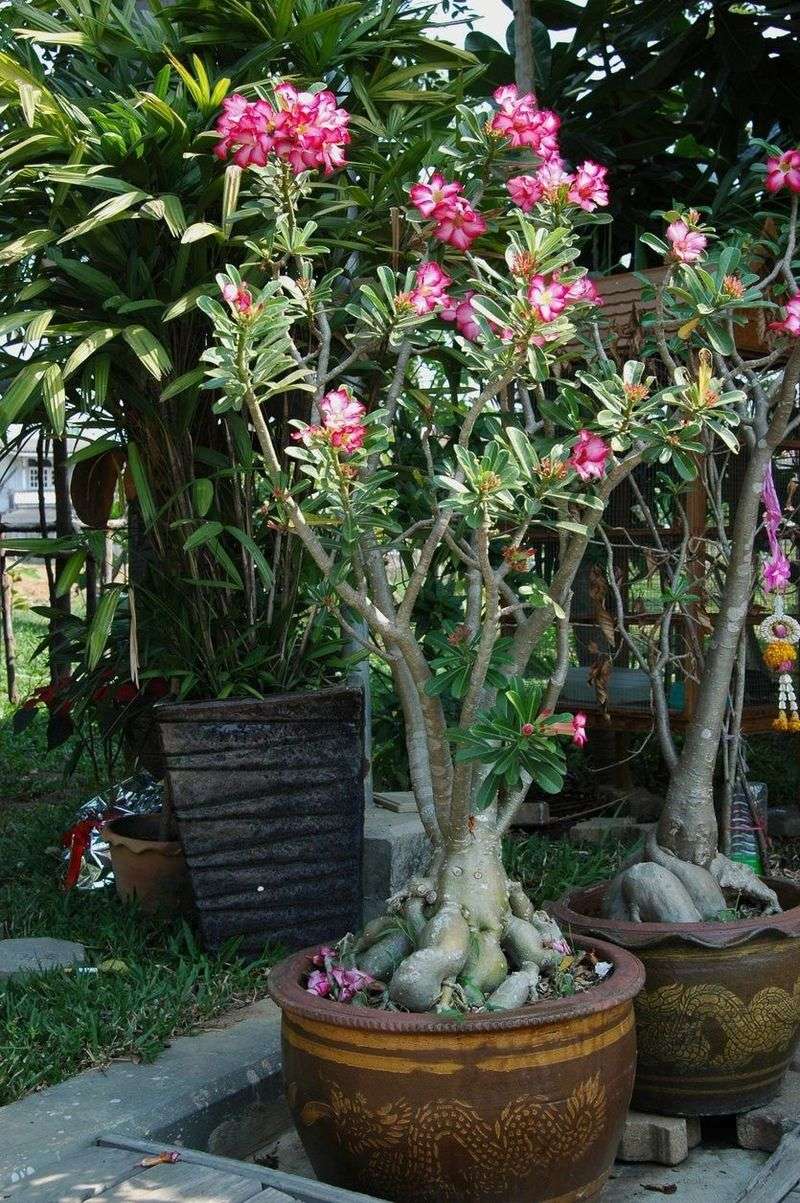
There is something visually striking about a desert rose with its bulging, above-ground caudex sitting proudly at the soil surface. That exposed base is not just for looks.
Keeping the caudex above the soil line is actually an important part of keeping the plant healthy. Burying it too deep is a mistake that creates ongoing moisture problems.
When the caudex is buried, soil and moisture press against the thick stem continuously. Over time, this encourages rot to develop at the base of the plant.
The caudex is designed to store water and nutrients, but it needs airflow and dry conditions on its surface to stay firm and healthy.
In Florida, where humidity is already high and summer rains are frequent, a buried caudex faces extra risk compared to drier climates.
When repotting or planting, position the plant so the widest part of the caudex sits at or slightly above the soil surface. If a plant has been buried too deep, carefully re-pot it to raise the caudex.
Use a well-draining mix and avoid piling soil or mulch directly against the base. Some gardeners even elevate their containers slightly to improve air circulation around the pot.
UF/IFAS growing guides emphasize that desert rose should be planted with the caudex exposed to prevent rot. That is especially relevant in humid, rainy climates like ours.
8. Toxic Sap Makes Careless Pruning A Mistake
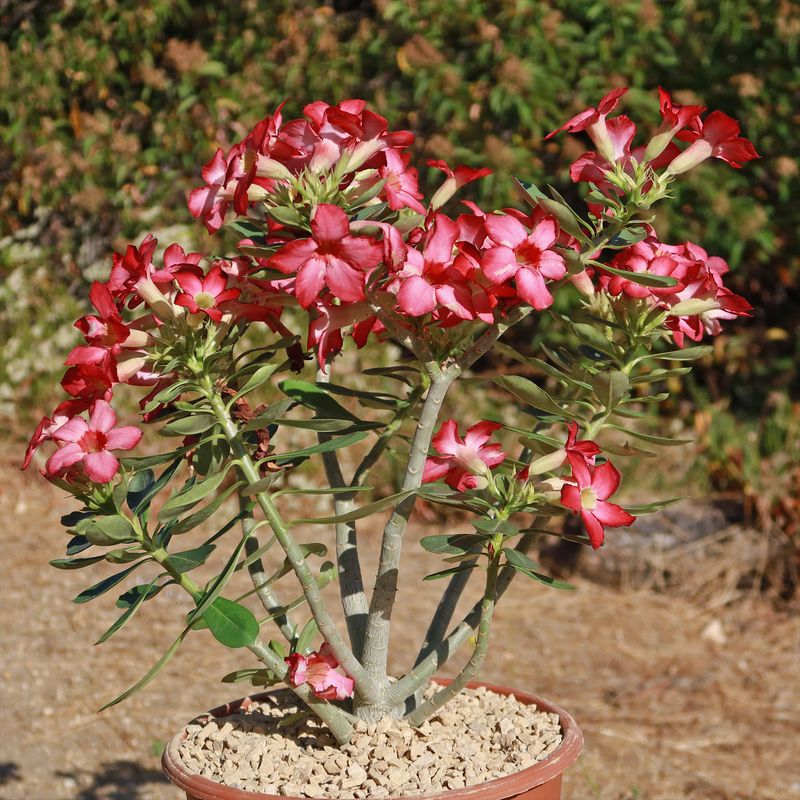
Picking up a pair of pruning shears and trimming a desert rose without any preparation is a habit that can lead to real discomfort. The milky white sap that oozes from cut stems is toxic.
It can cause skin irritation, eye irritation, and digestive issues if it comes into contact with skin, eyes, or mouth. This is not a plant to prune bare-handed.
The sap belongs to the same plant family as oleander and plumeria, and the toxicity is well-documented. UF/IFAS notes that all parts of desert rose contain toxic compounds.
That makes safe handling a genuine concern for gardeners, especially for households with children or pets. Even a small amount of sap transferred from hands to eyes can cause significant irritation.
Wearing gloves and safety glasses before pruning is the simplest and most effective protection. Wash your hands and tools thoroughly after any cutting work.
Keep children and pets away from the area while you are pruning, and dispose of cut stems carefully rather than leaving them on the ground. Pruning itself is beneficial for the plant, encouraging bushier growth and more blooms, so avoiding it entirely is not the answer.
Sharp, clean cuts made with sanitized tools also reduce the risk of introducing disease through fresh wounds. With the right gear and a little awareness, pruning becomes a safe and rewarding part of caring for your desert rose.