Low-Growing Oregon Native Plants That Keep Bare Soil From Turning Into Weeds
Bare soil does not stay bare for long in an Oregon garden. Once rain softens the ground and light reaches the surface, weeds can move in fast.
Low-growing native plants offer a better way to cover that open space. They hug the soil, spread at a steady pace, and make garden beds look more finished.
The right choices can also bring a natural feel to paths, borders, and shady edges. This is not about filling every inch overnight.
It is about giving the ground a living layer that works with Oregon’s climate. When these plants settle in, they help crowd out weeds before they become a constant chore.
Choose natives that match your site, and bare patches can turn into one of the easiest parts of the garden to manage.
1. Lanceleaf Stonecrop
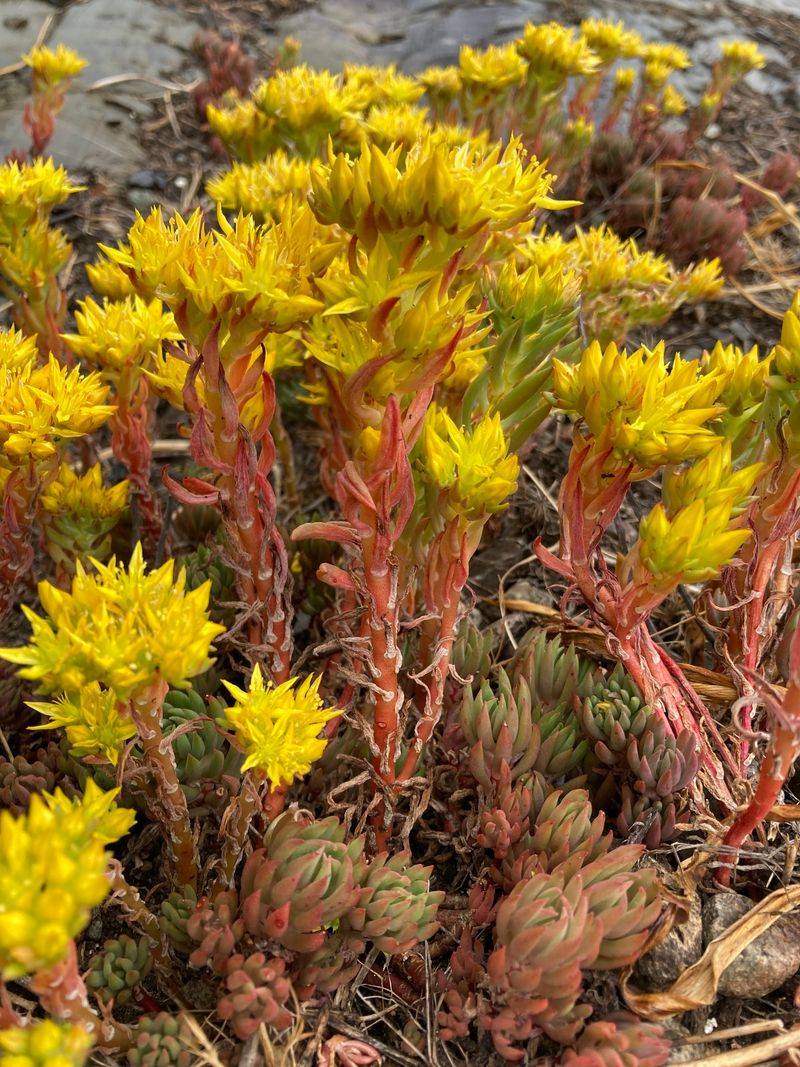
Rocky, dry, sun-baked spots in your yard do not have to stay bare. Lanceleaf Stonecrop, known scientifically as Sedum lanceolatum, is a tough little succulent that loves exactly those conditions.
It forms a dense, low mat of fleshy green leaves that hug the ground tightly, leaving almost no room for weeds to sneak through.
Bright yellow star-shaped flowers appear in late spring and early summer, turning a plain patch of ground into something genuinely eye-catching.
Bees and butterflies are big fans of those blooms, so you are also helping pollinators when you plant this species.
The flowers do not last forever, but the mat stays green and tidy all season long.
One of the best things about this plant is how little water it needs once it gets established. It stores moisture in its thick leaves, which means it can handle dry summers without much help from you.
That makes it perfect for slopes, gravel gardens, and spots where irrigation is tricky.
Planting is easy. Just place small starts or divisions into well-drained soil and give them a little water to get going.
They spread slowly but steadily, filling in gaps over time. In northern regions of our state, it handles cold winters well.
Oregon gardeners looking for a no-fuss solution to bare, rocky soil will find this plant hard to beat.
2. Broadleaf Stonecrop
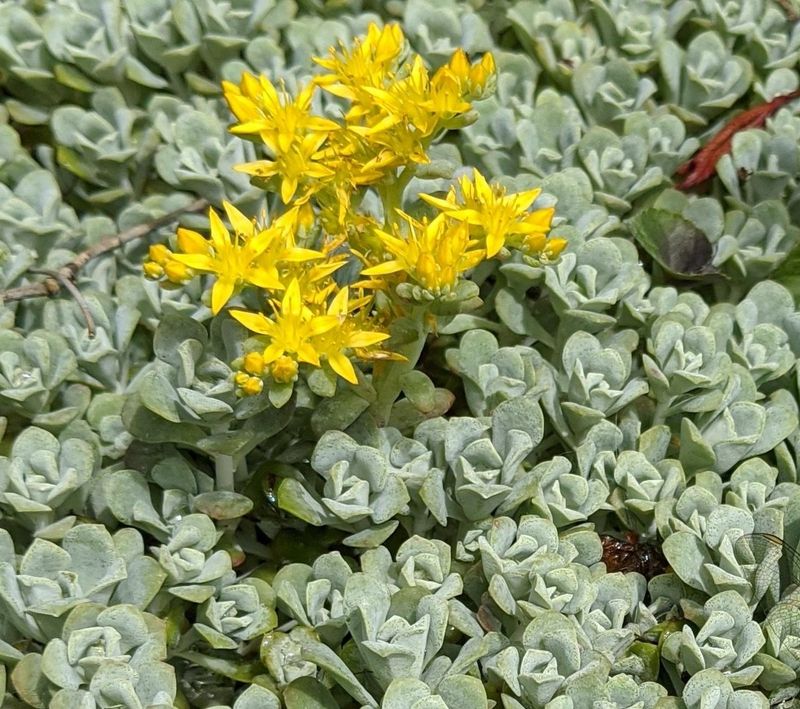
Some plants just seem to glow. Broadleaf Stonecrop, or Sedum spathulifolium, has silvery blue-green rosettes that catch the light in a way that makes any garden bed look intentional and polished.
It grows naturally along rocky outcrops and cliff edges throughout this state, which tells you a lot about its toughness.
This low-growing succulent stays close to the ground, rarely reaching more than four inches tall. That low profile makes it a fantastic weed blocker because it covers soil without shading out neighboring plants.
Small clusters of yellow flowers rise above the rosettes in spring, adding a cheerful pop of color.
Unlike some groundcovers that spread aggressively and become a problem themselves, Broadleaf Stonecrop spreads at a reasonable pace. It fills in bare areas without taking over the whole garden.
That balanced behavior makes it popular with gardeners who want coverage without constant management.
Your Oregon Garden Changes Every Week. Your Plan Should Too.
Gardening in Oregon changes quickly throughout the season. Every Friday you’ll receive a simple weekly plan showing exactly what to plant, prune, fertilize, harvest, and protect so you never miss the right timing.
It thrives in full sun and well-drained, even poor soils. Sandy or gravelly spots that struggle to grow anything else are actually where this plant feels most at home.
Water it occasionally during the first season, then step back and let it do its thing. Coastal Oregon gardens and rock gardens in our state are especially good matches for this species.
It is also a great choice for green roof projects or planting between stepping stones where foot traffic is light.
3. Oregon Saxifrage
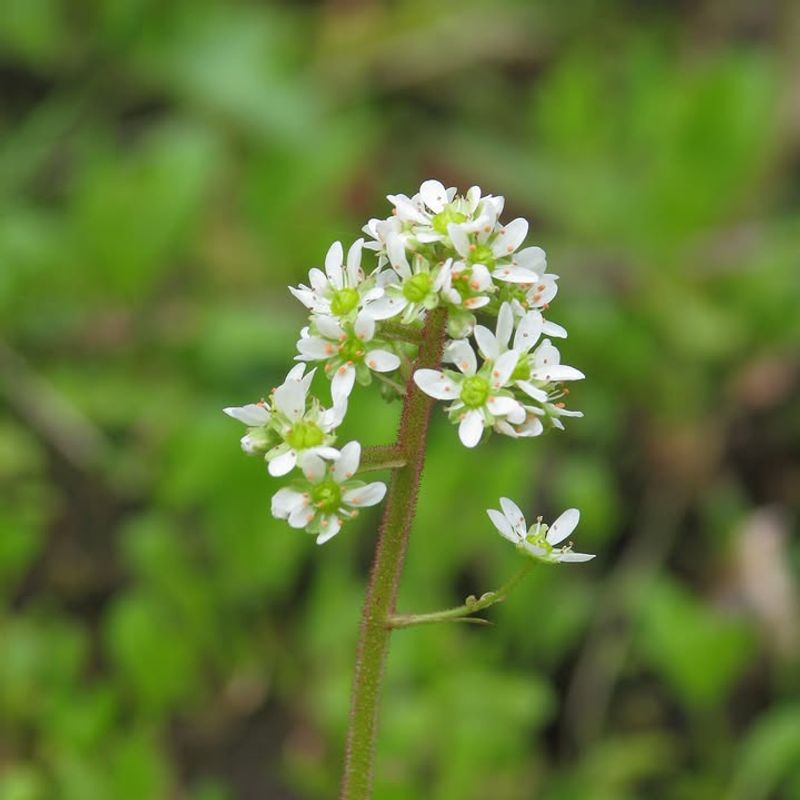
Shady, moist corners of the garden can be the hardest spots to fill with plants that actually look nice. Oregon Saxifrage, or Micranthes oregana, was practically made for those tricky areas.
It forms a tidy rosette of deep green leaves at ground level, creating a dense mat that smothers weeds before they have a chance to establish.
In spring, slender stems rise up from the rosette and carry clusters of tiny white flowers. The effect is delicate and airy, almost like a little firework display at knee height.
Pollinators visit the blooms regularly, making this plant a quiet contributor to your local ecosystem.
What makes Oregon Saxifrage especially useful is its ability to handle consistently moist soil. Many plants struggle in boggy or poorly drained spots, but this one handles wet conditions with ease.
Rain gardens, streamside plantings, and areas near downspouts are all great spots to try it.
It does best in partial to full shade, which makes it a natural partner for ferns and other woodland plants. The foliage stays attractive even when the plant is not blooming, so it earns its place in the garden year-round.
Start with nursery-grown plants and space them about a foot apart. They will slowly knit together into a tidy, weed-resistant layer.
For gardeners dealing with perpetually damp shaded soil, this native is one of the most practical and attractive solutions available.
4. Small-Flowered Alumroot
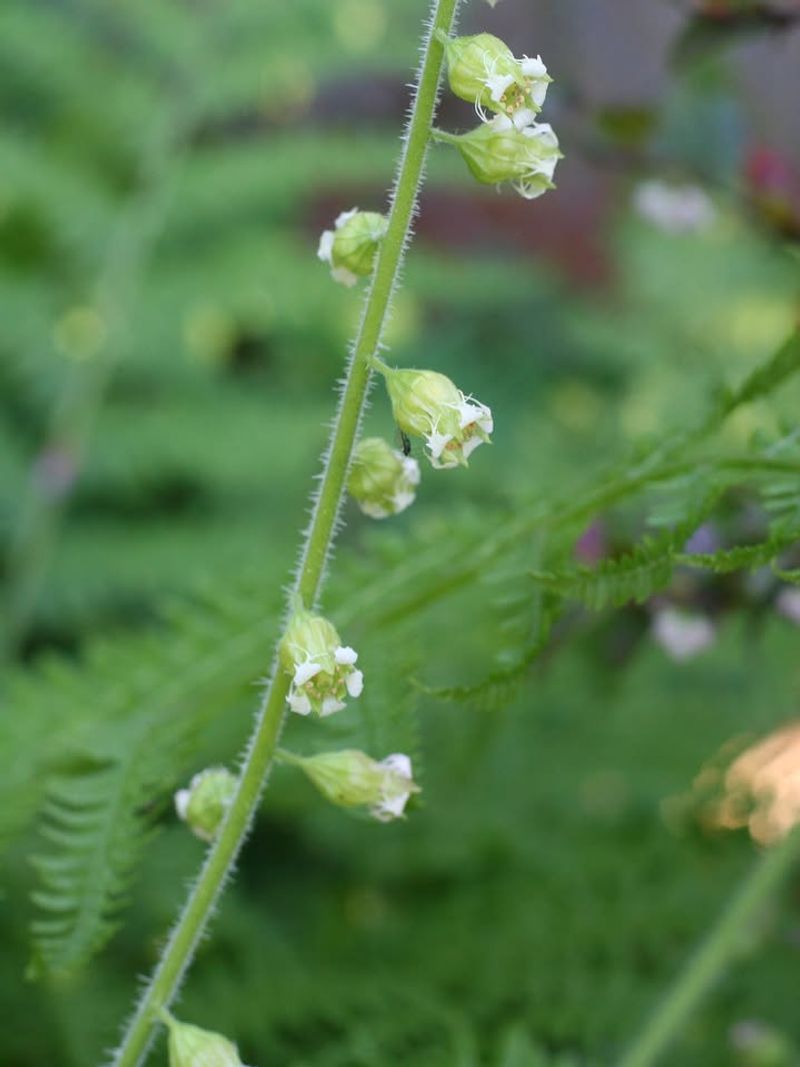
Here is a plant that works quietly and effectively without asking for much attention. Small-Flowered Alumroot, or Heuchera micrantha, is a native perennial that forms attractive mounds of lobed, textured leaves low to the ground.
Those leaves spread outward and overlap, making it very hard for weed seeds to find bare soil to sprout in.
Thin, wiry stems carry sprays of tiny white flowers in late spring and early summer. The flowers are small, but they attract a surprising number of beneficial insects, including native bees and hoverflies.
After blooming, the foliage remains lush and full through the rest of the growing season.
This plant handles shade better than most groundcovers. Under large trees where grass refuses to grow and weeds run rampant, Small-Flowered Alumroot can step in and take over.
It is not a fast spreader, but it is reliable and long-lived once it gets settled in.
Moist, well-drained soil with some organic matter gives it the best start. It can tolerate drier conditions once established, but it really shines in spots that stay a little cool and moist.
Pair it with sword ferns, wild ginger, or bleeding heart for a layered woodland look that feels natural and effortless. Gardeners in the Willamette Valley and along the coast will find this plant especially easy to grow.
It is one of those quiet workhorses that rewards a little patience with years of reliable, low-effort beauty.
5. Springbank Clover
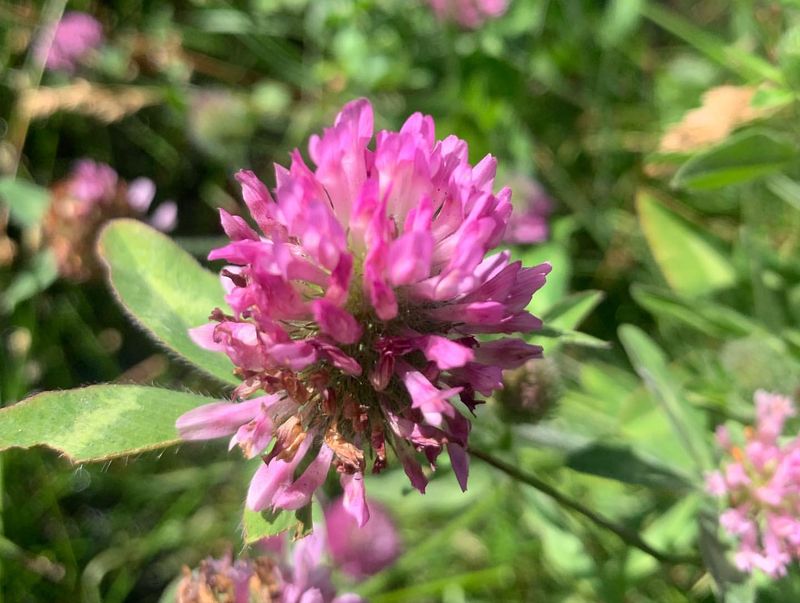
Not all clovers are created equal, and Springbank Clover proves that in the best way possible.
Trifolium wormskioldii is a native clover that spreads by both rhizomes and seed, forming a dense, low-growing mat that covers ground fast and keeps weeds out effectively.
It is one of the hardest-working plants on this list. The trifoliate leaves are classic clover-shaped and stay close to the ground.
Pink to purple flower heads appear from late spring through summer, and they are absolutely loved by bumblebees and other native pollinators.
Planting this species is practically a gift to your local bee population.
Like all clovers, this plant fixes nitrogen from the air into the soil. That means it actually improves soil health as it grows, making your garden beds more fertile over time without any added fertilizer.
That is a pretty impressive bonus for a groundcover.
It does best in moist to wet soils and tolerates seasonal flooding, which makes it ideal for low spots in the yard that collect water. Full sun to partial shade both work well for this species.
It spreads fairly quickly, so give it room to roam or use a border to keep it contained in smaller spaces.
Indigenous communities in our state historically used Springbank Clover as a food source, harvesting the roots and leaves.
That deep connection to the land makes it feel even more meaningful to include in a native plant garden.
6. Sea Blush
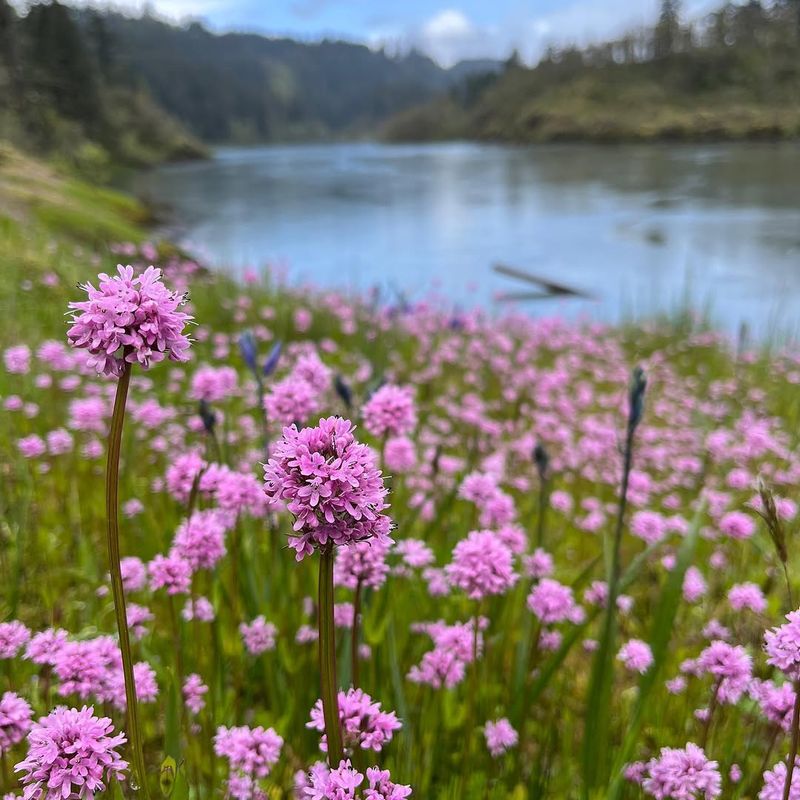
Few plants can match the sheer cheerfulness of a patch of Sea Blush in full bloom. Plectritis congesta is a native annual wildflower that carpets the ground in masses of tiny pink flowers each spring.
When it gets going, it creates a solid layer of color that is genuinely hard to believe came from something so small.
As an annual, it completes its life cycle in one season, but it reseeds itself reliably year after year. Once you get a patch established, it tends to come back on its own without much help.
That self-seeding habit also means it fills in gaps and covers new bare spots over time, which is exactly what you want from a weed-blocking plant.
Sea Blush grows best in open, sunny areas with well-drained soil. It is commonly found on grassy bluffs and rocky meadows near the coast in our state, and it brings that same breezy, coastal energy to garden settings.
It pairs beautifully with other spring natives like camas and farewell-to-spring.
Scatter seeds in fall on prepared, weed-free soil and let winter rains do the rest. Germination happens in late winter or early spring, and the plants grow quickly.
They stay low, usually under a foot tall, so they do not shade out neighboring plants. Pollinators swarm the blooms, especially small native bees.
For a spring groundcover that practically takes care of itself, Sea Blush is a standout choice.
7. Meadowfoam
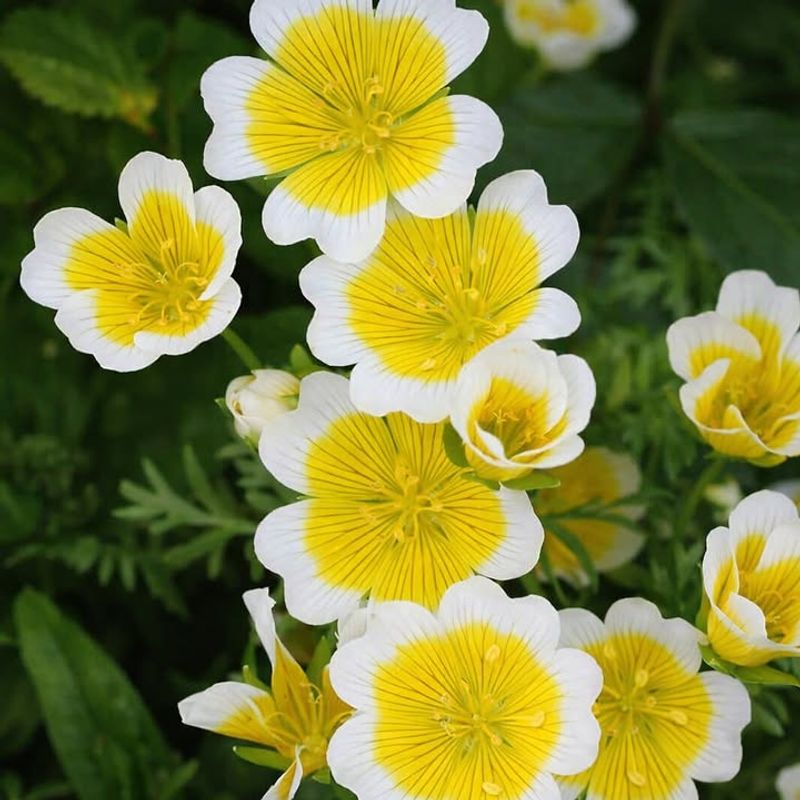
There is something almost magical about a field of Meadowfoam in full bloom. Limnanthes douglasii produces masses of white and yellow cup-shaped flowers that spread across the ground like a frothy blanket, which is exactly how the plant got its common name.
It is one of the most visually striking native groundcovers you can grow in this state.
As a low-growing annual, it stays under six inches tall and spreads outward rather than upward. That horizontal growth pattern makes it a natural weed suppressor.
The dense foliage and flowers shade the soil below, making it difficult for weed seeds to get the light they need to sprout.
Bees absolutely love Meadowfoam. Honeybees and native bees flock to the blooms, and the plant is actually cultivated commercially in our state for its seed oil, which has unique properties used in cosmetics and lubricants.
So you are growing something with both ecological and economic significance right in your own backyard.
Plant seeds in fall in moist, sunny spots. It thrives in areas that are wet in winter and dry in summer, which matches the natural rainfall pattern of much of the Willamette Valley perfectly.
Like Sea Blush, it reseeds readily and will return each year without replanting. Use it in rain gardens, along pathways, or in open meadow-style plantings.
Few plants deliver this much visual impact with this little effort, making Meadowfoam a must-have for native plant enthusiasts.
8. Moss Campion
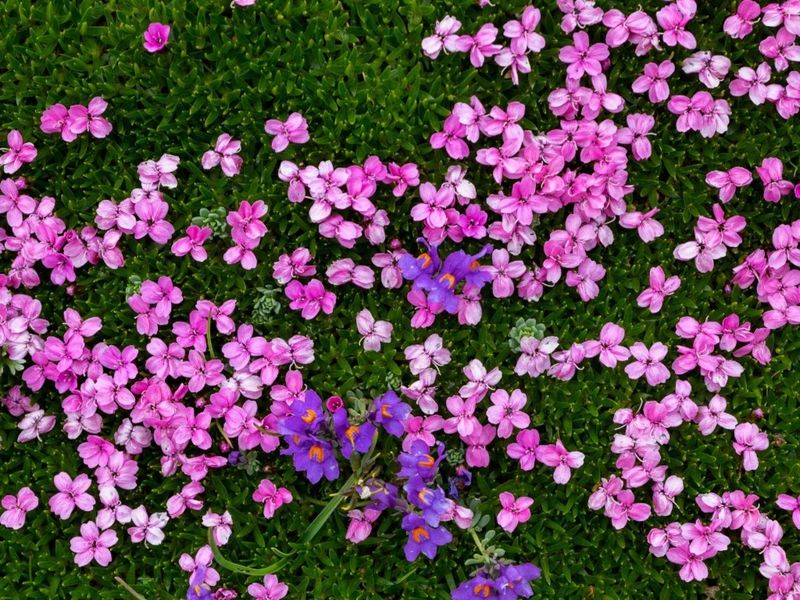
At first glance, Moss Campion looks like a soft green cushion that someone placed carefully on a rock.
Silene acaulis forms an incredibly tight, compact mound of tiny leaves that grows so dense it feels almost solid to the touch.
That tight cushion structure is exactly what makes it such a good weed blocker in rocky, exposed areas.
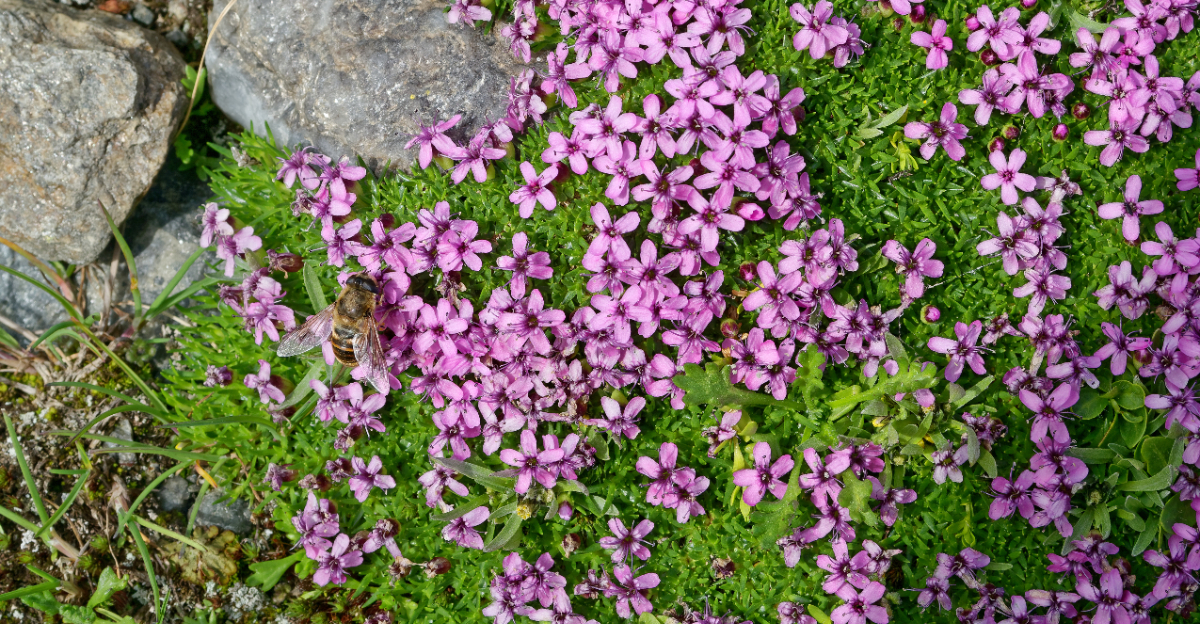
Bright pink flowers dot the surface of the cushion in late spring and early summer, creating a look that is almost too pretty to be real.
Each flower is small, but there are so many of them that the whole plant seems to glow with color.
It is a favorite among rock garden enthusiasts for good reason.
In the wild, this plant grows on exposed alpine slopes and rocky ridges, often in areas with harsh winds and poor soils.
That background means it is exceptionally well-suited to challenging garden spots where other plants struggle. Thin, gravelly, or sandy soils with excellent drainage are ideal.
Growth is slow, which is actually part of its charm. A well-established cushion can be many years old and represents real staying power in the garden.
It does not need fertilizer, rarely needs water once established, and requires almost no maintenance. In northern and mountainous regions of our state, it handles cold and wind without complaint.
If you have a rock garden or a dry, exposed slope that needs coverage, Moss Campion is one of the most dependable and beautiful native options available anywhere in the Pacific Northwest.