The Most Underrated Pennsylvania Native That Brings Fireflies Back To Yards Where They Have Disappeared
Firefly populations across Pennsylvania have been declining quietly for years, and while the reasons are well documented at a broad scale, what gets less attention is what individual homeowners can actually do about it in their own yards.
The answer is more plant-specific than most people realize, and one Pennsylvania native in particular has been gaining attention among gardeners and naturalists who have noticed a meaningful uptick in firefly activity after adding it to their outdoor spaces.
This plant checks nearly every box that firefly populations depend on across their life cycle, from the ground-level conditions larvae need to the moisture and shelter that adults require to stay and reproduce.
It is not a dramatic or showy plant in the way most garden favorites are, but its value to fireflies and to the broader yard ecosystem makes it one of the more impactful additions a Pennsylvania homeowner can make if bringing those summer lights back is genuinely the goal.
Meet Pennsylvania Sedge
Walk through almost any shaded woodland in Pennsylvania and you will likely brush past Pennsylvania Sedge without giving it a second thought. That is exactly what makes it so special.
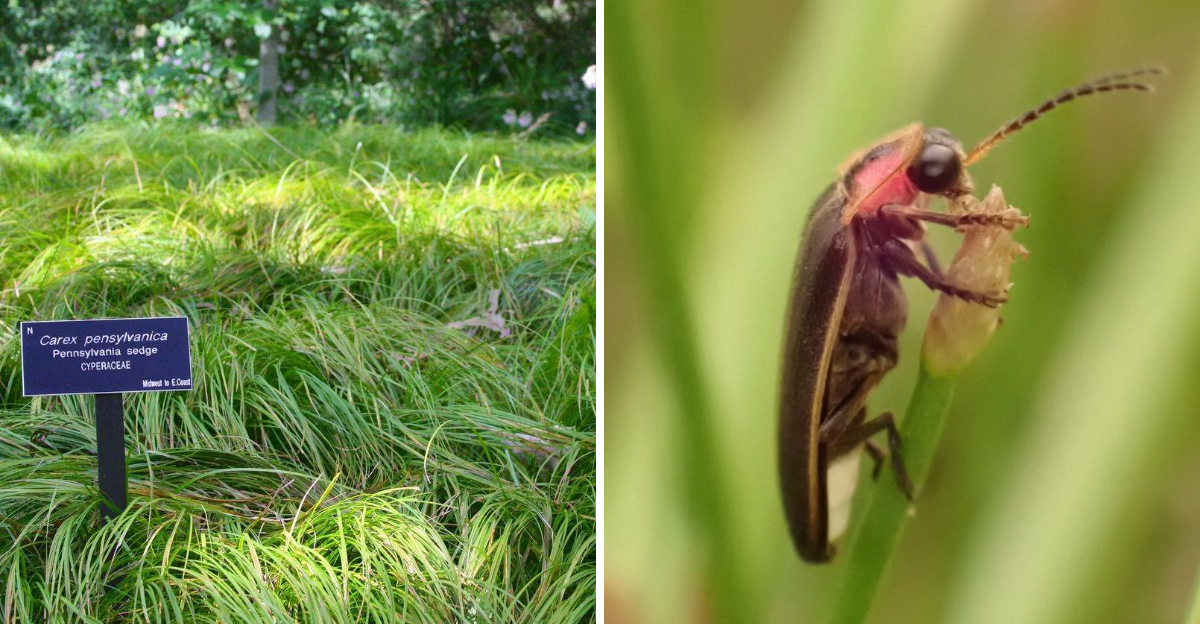
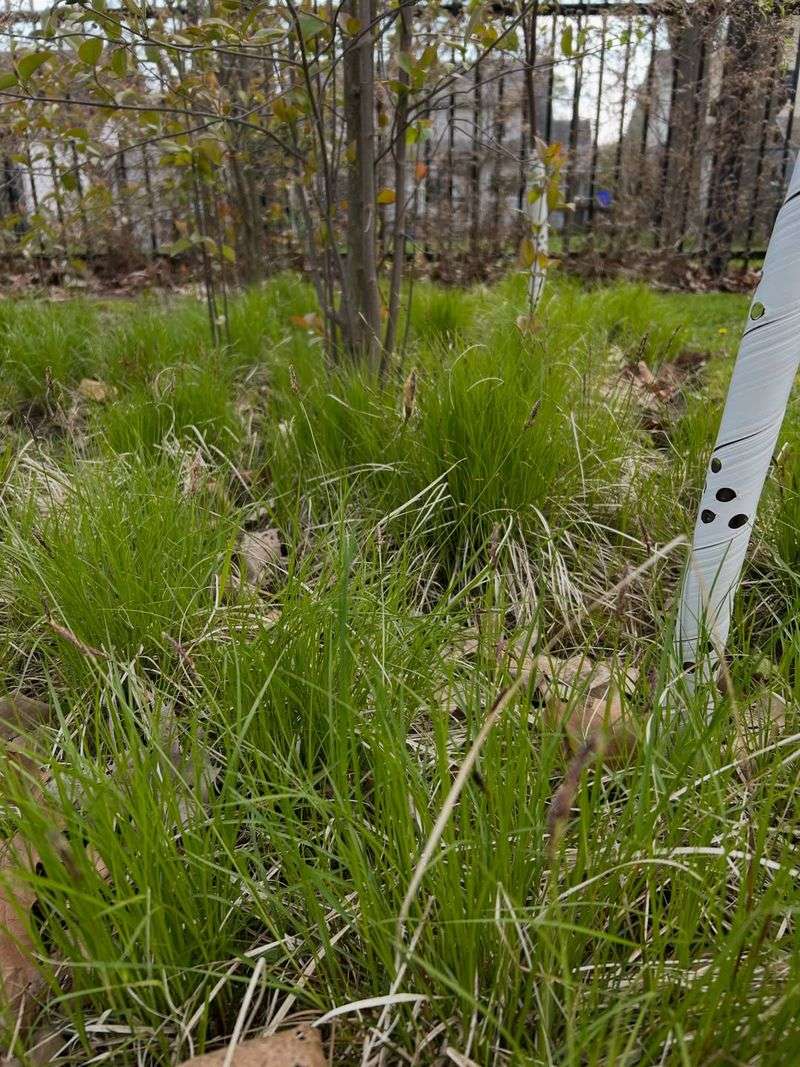
Carex pensylvanica, commonly called Pennsylvania Sedge, is a native groundcover that grows in dense, soft mats just a few inches tall.
It looks a lot like fine grass but behaves very differently, spreading slowly by underground rhizomes to fill in bare patches under trees and along woodland edges.
One of the biggest advantages of this plant is how well it handles conditions that other groundcovers simply cannot. Deep shade, dry soil under tree canopies, and poor fertility are no problem for Pennsylvania Sedge.
It stays green through most of the year, even in zones where winters get cold. Gardeners in Pennsylvania love it because it asks for almost nothing once it gets settled in.
For fireflies, this plant is something close to a miracle worker. The dense mat of leaves and roots creates a layer of moist, protected soil underneath.
Firefly larvae live in the soil for one to two years before they ever produce a single flash of light. They need soil that stays a little moist, shaded from the sun, and filled with small insects and worms to eat.
Pennsylvania Sedge delivers all of that without any extra effort from you. Planting it is one of the simplest and most rewarding things a Pennsylvania homeowner can do to welcome fireflies back to their yard.
It is quiet, green, and genuinely powerful.
How Pennsylvania Sedge Supports Firefly Life
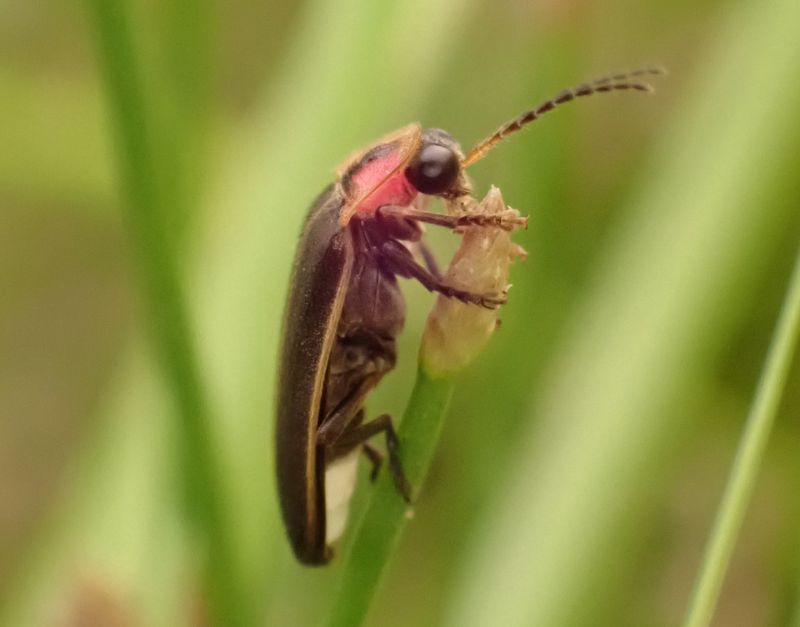
Most people think of fireflies only as the glowing adults that flicker through the air on July evenings. But the truth is, adult fireflies live for only a few weeks.
The larvae, on the other hand, spend up to two full years living underground. That underground phase is where Pennsylvania Sedge becomes incredibly important.
The dense root system and built-up leaf litter from sedge plants create a layered, protected microhabitat that acts almost like a cozy blanket for firefly larvae living in the soil below.
Your Pennsylvania Garden Changes Every Week. Your Plan Should Too.
Gardening in Pennsylvania changes quickly throughout the season. Every Friday you’ll receive a simple weekly plan showing exactly what to plant, prune, fertilize, harvest, and protect so you never miss the right timing.
Firefly larvae are predators. They hunt and eat small soil-dwelling creatures like earthworms, snails, and tiny insects.
Healthy sedge-covered soil is packed with exactly those kinds of creatures. The moist, organic-rich environment that builds up beneath a sedge mat encourages a whole community of small invertebrates to move in.
That food supply is what allows firefly larvae to grow strong enough to eventually pupate and emerge as adults.
Shade is another critical piece of the puzzle. Firefly larvae are sensitive to heat and dryness.
Bare soil dries out fast in summer sun, which makes it hard for larvae to survive. Pennsylvania Sedge keeps the ground shaded and cool even during the hottest weeks of the year.
The leaf blades trap a little moisture and slow evaporation from the soil surface. Think of it as a natural climate system working at ground level.
By simply letting this plant spread across the shaded areas of your yard, you are quietly building the underground nursery that fireflies need to come back season after season.
Natural Pest Control Benefits
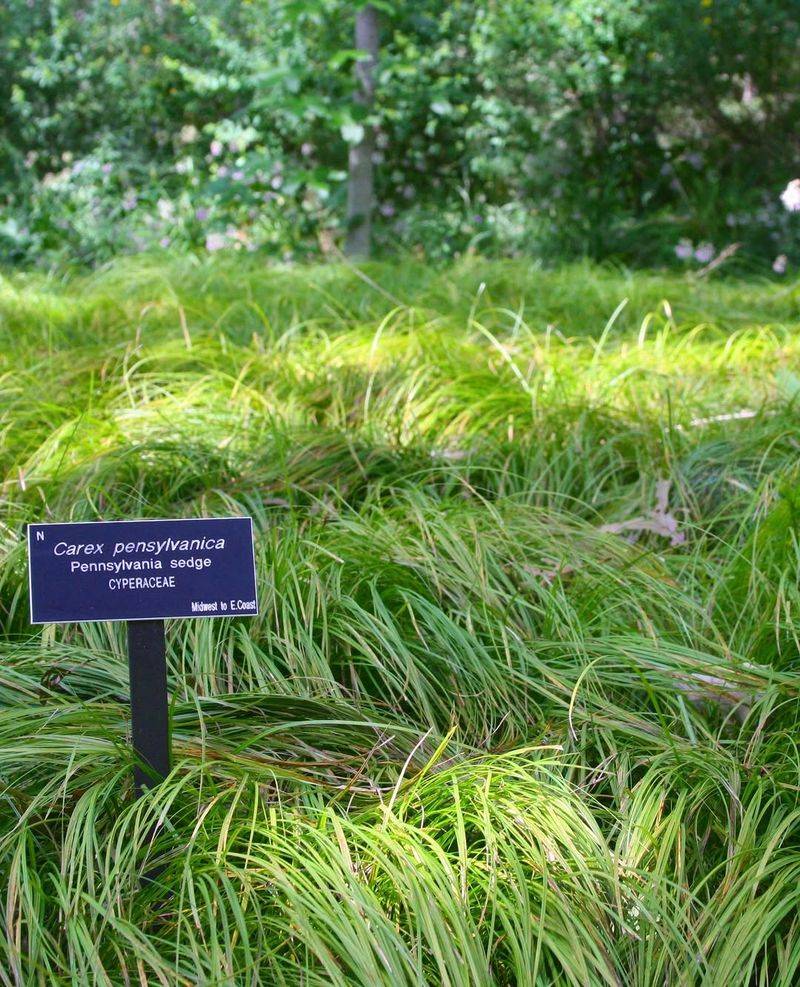
Here is something that surprises most gardeners: firefly larvae are actually fierce little hunters. Long before they ever light up the night sky, they spend their underground years tracking down and eating slugs, snails, and other small soft-bodied pests.
If your garden has ever been chewed up by slugs overnight, you already know how frustrating those creatures can be.
Firefly larvae are one of nature’s most effective answers to that problem, and Pennsylvania Sedge helps bring them right to your garden beds.
Slugs love moist soil, but they also do serious damage to vegetable gardens, hostas, and other plants.
By encouraging a healthy firefly population through Pennsylvania Sedge planting, you are setting up a natural patrol system that works around the clock without any chemicals.
The larvae hunt at night, moving through the soil and leaf litter in search of prey. It is a slow but steady form of pest management that builds up over time as more fireflies return to your yard each year.
Pennsylvania Sedge supports this whole cycle without getting in the way of your garden plants. It spreads as a groundcover under trees and along shaded edges, leaving your sunny garden beds open for vegetables and flowers.
It does not compete aggressively or take over spaces where you do not want it. Instead, it quietly fills in the right spots, building habitat and encouraging the kind of insect diversity that keeps your whole yard healthier.
Choosing native plants like Pennsylvania Sedge is one of the smartest moves a gardener can make for long-term, chemical-free pest balance.
Easy Establishment And Maintenance
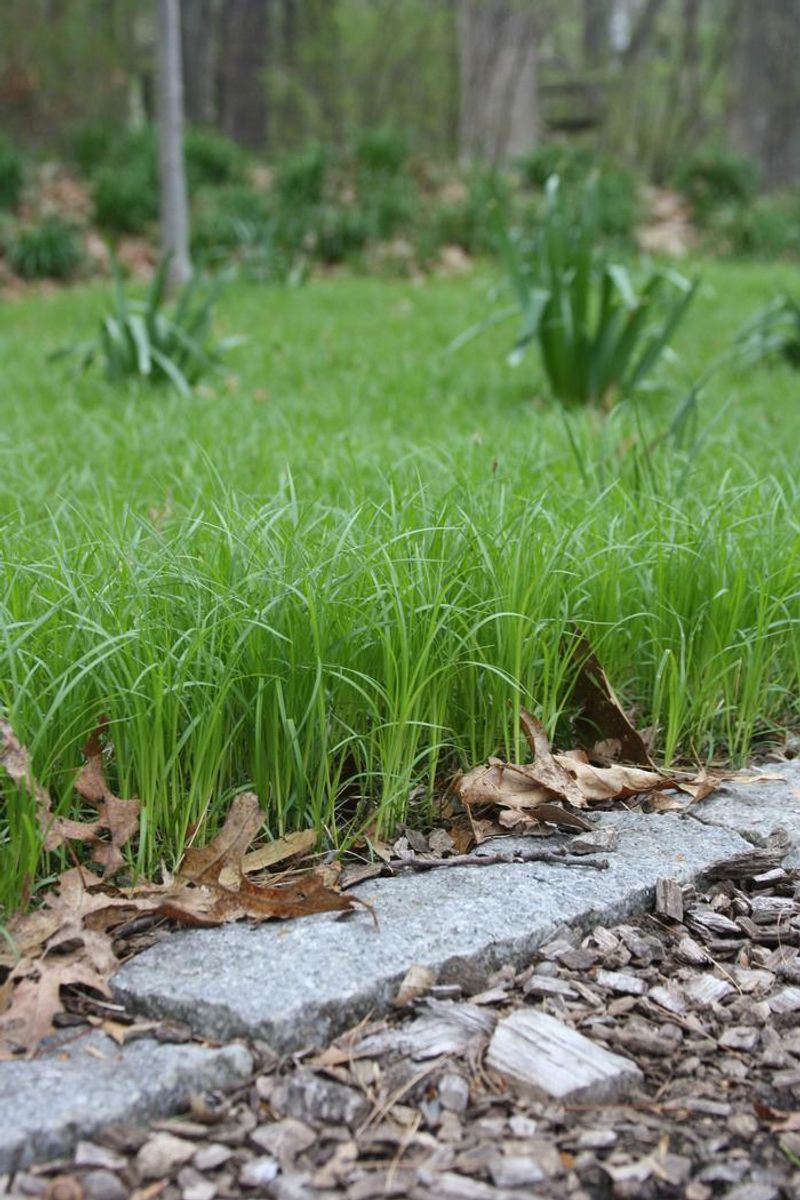
One of the most common reasons people avoid native plants is the fear that they will be hard to grow. Pennsylvania Sedge completely breaks that stereotype.
Once it gets established, which usually takes one full growing season, it practically takes care of itself. No mowing, no fertilizing, no fussing.
It simply spreads slowly and steadily, filling in bare ground under trees where most other plants refuse to grow.
Planting Pennsylvania Sedge is straightforward. You can start with plugs or small potted plants from a native plant nursery.
Space them about six to twelve inches apart in a shaded or partly shaded area. Water them regularly during the first summer to help the roots get a strong grip on the soil.
After that first year, you can mostly step back and let the plant do its thing. It spreads through underground rhizomes, gradually stitching together into a soft, dense carpet that looks tidy and natural at the same time.
Because it grows slowly and stays low, Pennsylvania Sedge never becomes overwhelming or weedy. It builds up a layer of organic matter over time, which actually improves soil quality.
That improving soil is exactly what attracts the earthworms and small insects that firefly larvae feed on. Avoiding chemical fertilizers and pesticides in your sedge area is important, because those products can harm the very insects you are trying to encourage.
The plant thrives with nothing more than occasional watering during dry spells and a light cleanup of fallen leaves in spring if you prefer a neater look. Simple care, big rewards.
Additional Benefits For Your Garden
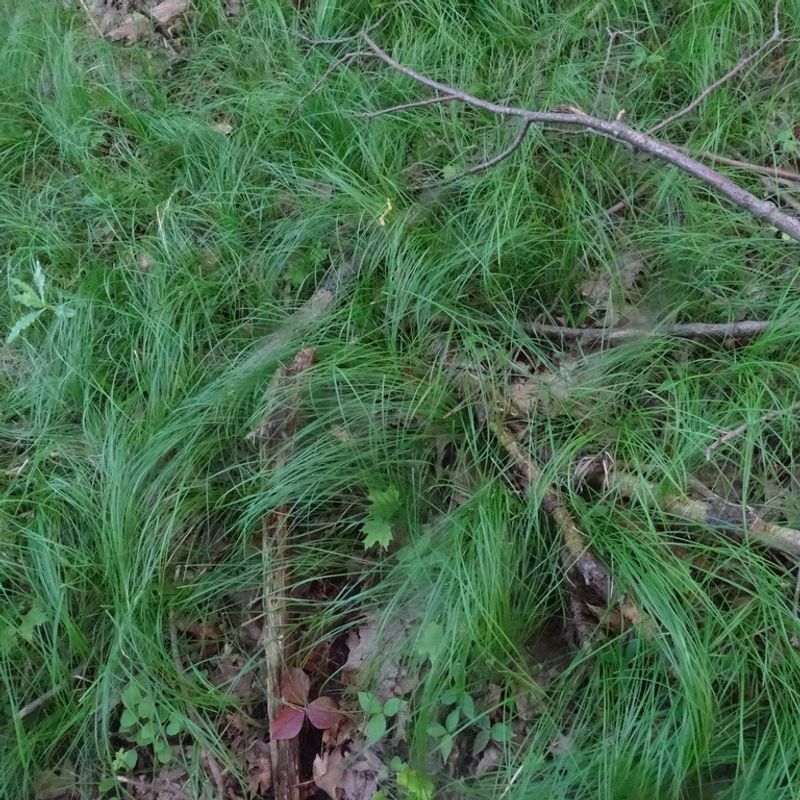
Beyond fireflies, Pennsylvania Sedge quietly transforms the whole character of a shaded yard.
If you have a bare, dusty patch under a large oak or maple tree where nothing seems to grow, Pennsylvania Sedge is your answer. It fills those difficult spots with a soft, fine-textured carpet that looks genuinely beautiful.
The color stays a pleasant medium green through spring and summer, and it holds a warm tan color through winter, giving the garden a layered, natural look even in the coldest months.
Soil health is another area where this plant really earns its place. The root system holds soil in place on slopes and near stream edges, reducing erosion during heavy rain.
As the leaf litter breaks down over time, it adds organic matter back into the soil, slowly building fertility without any bags of compost or fertilizer. That cycle of natural soil improvement is something that benefits every plant growing nearby.
Birds love Pennsylvania Sedge too. Species like sparrows, juncos, and towhees scratch through the leaf litter looking for seeds and small insects.
That foraging activity adds movement and life to a yard that might otherwise feel empty and quiet. Pollinators also benefit from the overall improvement in insect diversity that comes with a healthy sedge patch.
When you plant Pennsylvania Sedge, you are not just adding one plant. You are starting a chain reaction that touches fireflies, birds, soil microbes, and dozens of other small creatures.
That kind of ripple effect is what makes native plants so much more valuable than any ornamental grass or non-native groundcover you could choose instead.
How To Plant Pennsylvania Sedge For Firefly Attraction
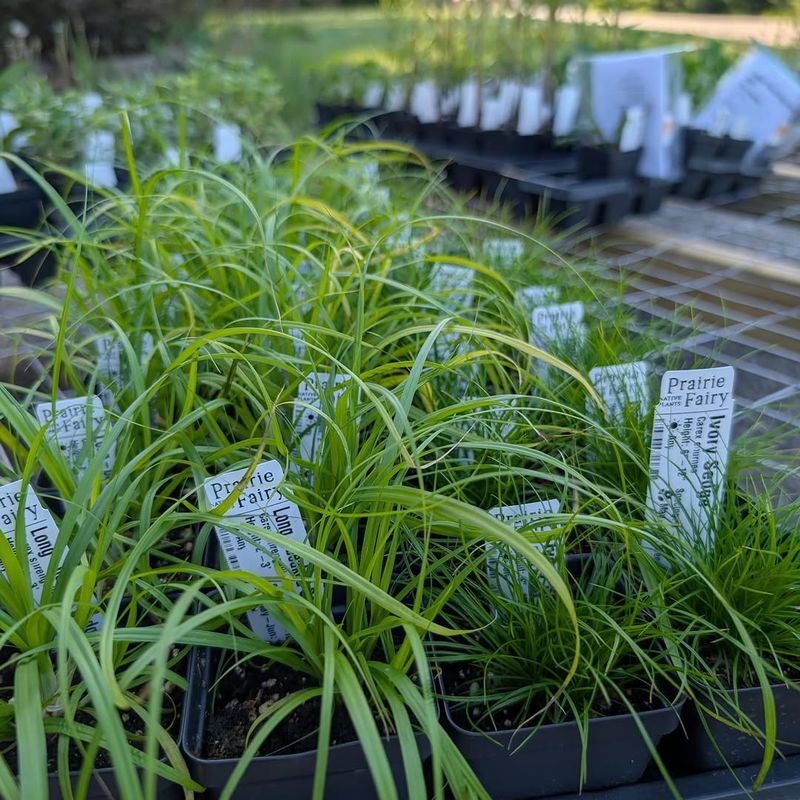
Ready to get started? The best time to plant Pennsylvania Sedge is in early spring or early fall, when temperatures are cooler and rainfall is more reliable.
Start by choosing a spot that gets partial to full shade. Under trees, along the north side of a building, or beside a shaded fence line are all great options.
Avoid areas that get heavy foot traffic, since the plant does not handle being walked on regularly.
Plant in clusters or drifts rather than single plants scattered here and there. Groups of five or more plants establish faster and fill in more effectively, creating the kind of broad, connected mat that firefly larvae need for a proper habitat.
Leave the soil as undisturbed as possible when planting. Do not till deeply or add a lot of amendments.
Firefly larvae and the soil invertebrates they eat do best in soil that has not been disrupted. A light top dressing of leaf compost is fine, but skip the heavy soil overhaul.
Keeping the area chemical-free is absolutely essential. No herbicides, no pesticides, and no synthetic fertilizers in or near your sedge patch.
Those products can wipe out the small insects and soil life that make the whole firefly food chain work. Pair your sedge with other Pennsylvania natives like wild ginger, native ferns, or trout lily for a layered woodland garden that supports even more wildlife.
Add a small water feature nearby if you can, since fireflies are also attracted to areas near standing or slow-moving water. With a little planning, your yard can become a glowing, firefly-filled retreat every summer.