These Oregon Garden Plants Help Native Bees Survive The Summer Flower Gap
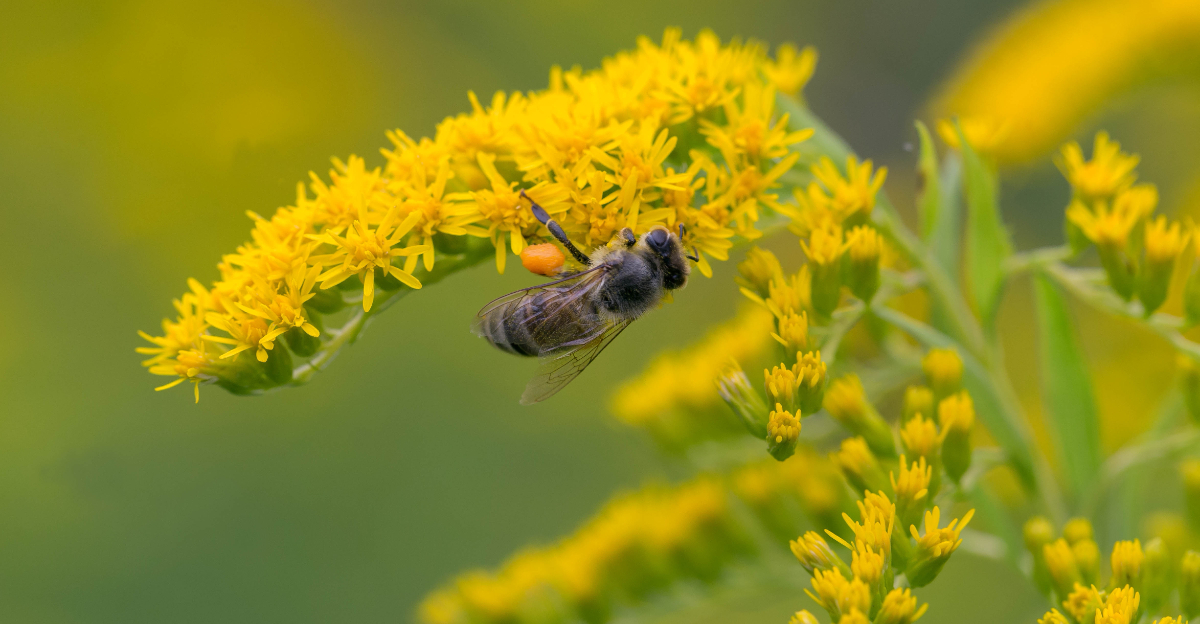
Summer can look full and green in Oregon, but native bees may still have a hard time finding enough flowers. After the big spring bloom fades, some gardens get quieter than they seem.
That gap can leave bees searching longer for the nectar and pollen they need. The right plants can help keep the buffet open when choices get slim.
This is where thoughtful Oregon planting makes a real difference. Late bloomers can carry the garden through the slower weeks and keep pollinators coming back.
They also add color when many beds start looking tired. A few smart choices can turn a pretty yard into a better summer stop for native bees.
Plant for the gap, and your garden can stay useful long after spring’s show is over.
1. Douglas Aster
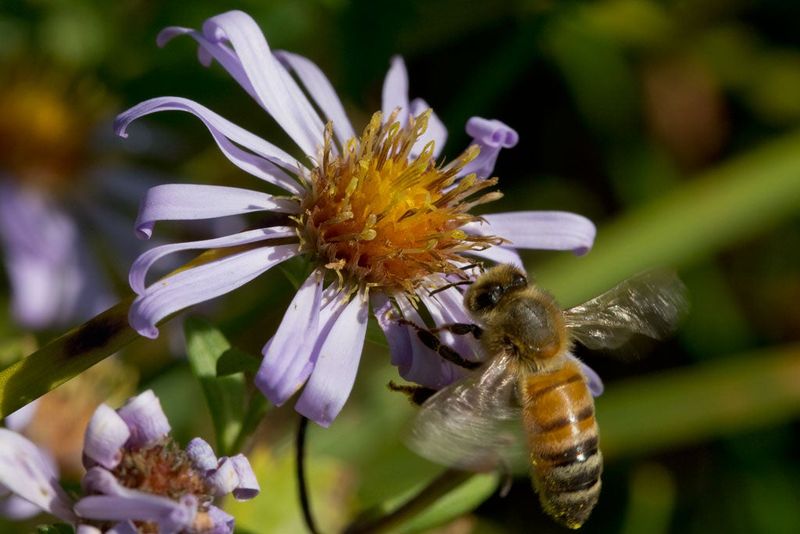
Few late-summer wildflowers put on a show quite like Douglas Aster. Its cheerful purple petals and bright yellow centers are practically a neon sign for hungry bees.
When most garden flowers have already faded, this plant keeps right on blooming, filling the flower gap with color and life.
Native to the Pacific Northwest, Douglas Aster thrives in moist, sunny spots and does especially well near streams, wetland edges, or irrigated garden beds. It can grow two to four feet tall and spreads into generous clumps over time.
That spreading habit is actually a gift, because more blooms mean more food for bees.
Bumblebees absolutely love this plant. You’ll often see them hovering from flower to flower in the late afternoon sun.
Smaller native bees like sweat bees and mining bees are frequent visitors too. The flowers produce generous amounts of nectar, making each visit worthwhile for pollinators.
Planting Douglas Aster is simple. Start with young nursery plants in spring, water them regularly through the first season, and then let them settle in.
Once established, they need very little attention. They’ll come back year after year, growing a bit larger each time.
For Oregon gardeners in our state who want to support native bees with minimal effort, this plant is one of the smartest choices available. Its long bloom time and easy care make it a reliable anchor for any pollinator-friendly garden bed.
2. Goldenrod
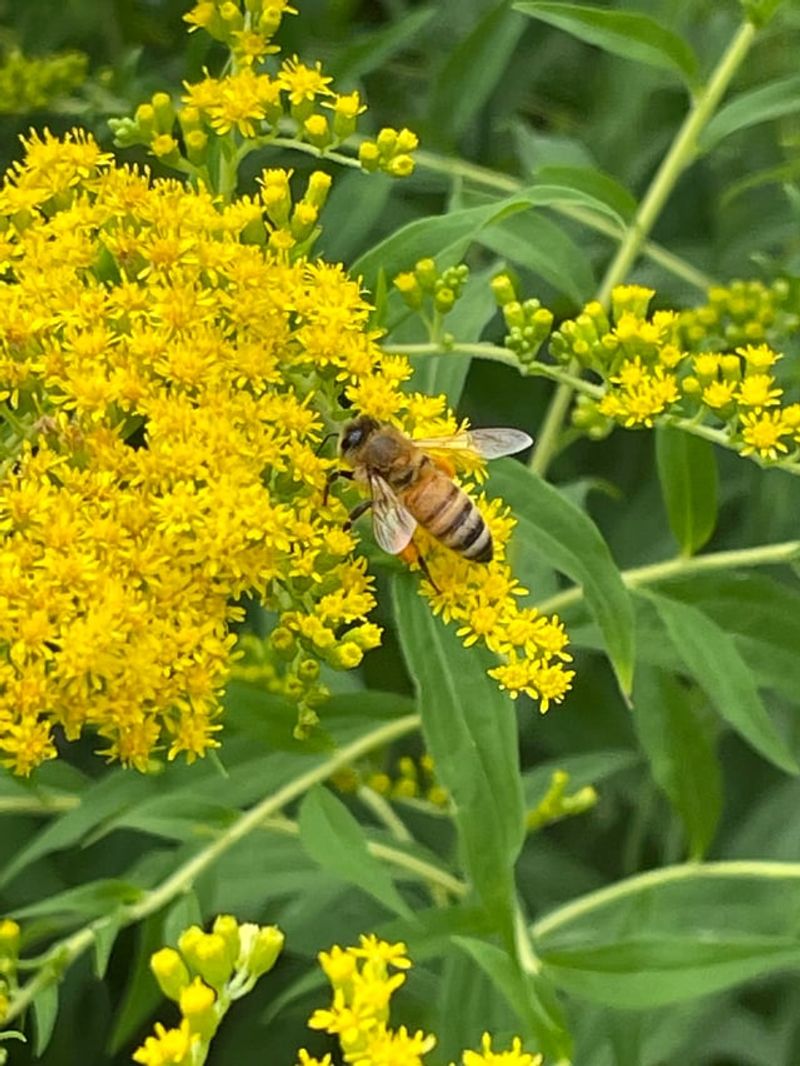
There’s a common myth that goldenrod causes hay fever, but that’s actually not true. Its pollen is too heavy and sticky to float through the air.
Instead, it relies on bees and other insects to carry pollen from flower to flower, which makes it a superstar for native pollinators.
Several goldenrod species grow naturally across our state, from coastal bluffs to dry inland valleys. They bloom in late summer and early fall, right when the flower gap is at its worst.
The dense clusters of tiny yellow flowers are loaded with both nectar and pollen, giving bees a nutritious feast.
Native bees of all sizes visit goldenrod. Bumblebees, sweat bees, leafcutter bees, and even solitary mining bees all show up regularly.
Some specialist bee species in our region depend almost entirely on goldenrod pollen to feed their young. That’s how important this plant really is.
Your Oregon Garden Changes Every Week. Your Plan Should Too.
Gardening in Oregon changes quickly throughout the season. Every Friday you’ll receive a simple weekly plan showing exactly what to plant, prune, fertilize, harvest, and protect so you never miss the right timing.
In the garden, goldenrod is tough and adaptable. Most species prefer full sun and well-drained soil, but they can handle a range of conditions.
They spread by both seeds and underground roots, so give them a bit of room to roam. Cutting them back after blooming helps keep them tidy.
Adding goldenrod to a garden bed is one of the single best things a person can do for local bees. It blooms reliably, grows quickly, and asks for very little in return. That’s a pretty great deal.
3. Pearly Everlasting
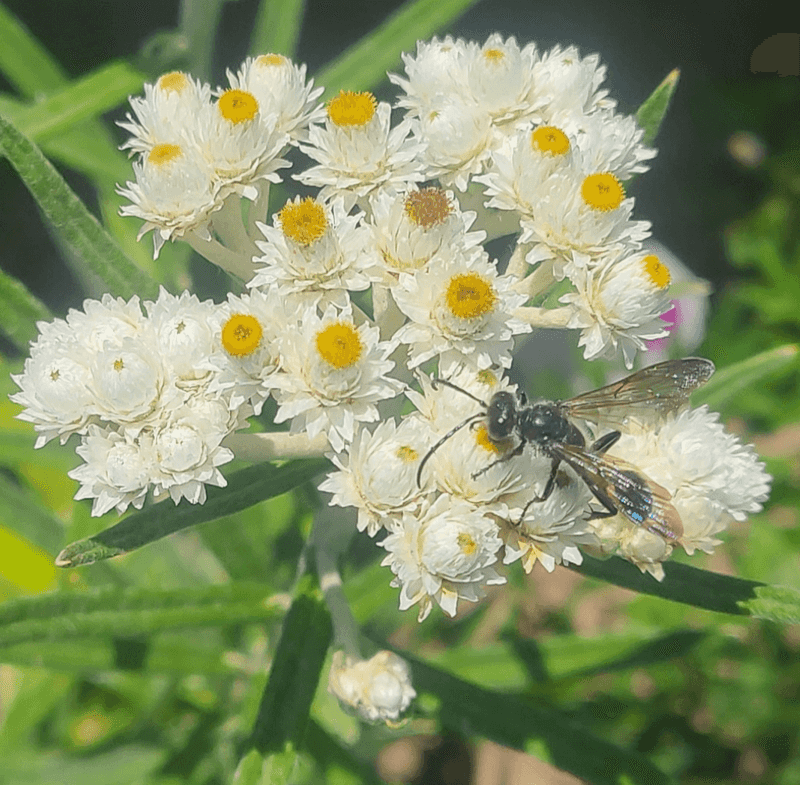
With its papery white flower heads and silvery leaves, Pearly Everlasting has a look all its own. It almost seems too delicate to be a wildflower, but don’t let that fool you.
This plant is tough, drought-tolerant, and incredibly useful for native bees during the dry summer months.
Found across much of our state, from open hillsides to roadsides and disturbed areas, Pearly Everlasting tends to pop up where other plants struggle. It thrives in poor, dry soils and full sun.
Once established, it barely needs any extra water, which makes it perfect for low-maintenance pollinator gardens.
The flowers may look simple, but they’re packed with pollen. Specialist bees in the genus Artemisiapis have actually evolved to collect pollen almost exclusively from plants in this family.
Seeing those little bees working the flowers is a reminder of how deeply connected native plants and native bees really are.
Pearly Everlasting also attracts painted lady butterfly caterpillars, adding even more wildlife value to your garden.
The blooms last a long time and dry beautifully on the stem, which is why florists and crafters have loved this plant for generations. It earns its keep in more ways than one.
To grow it successfully, plant in a sunny, well-drained spot and skip the fertilizer. Rich soil actually makes it leggy and weak.
Lean, dry conditions bring out its best, and the bees will thank you for it every single summer.
4. Gumweed
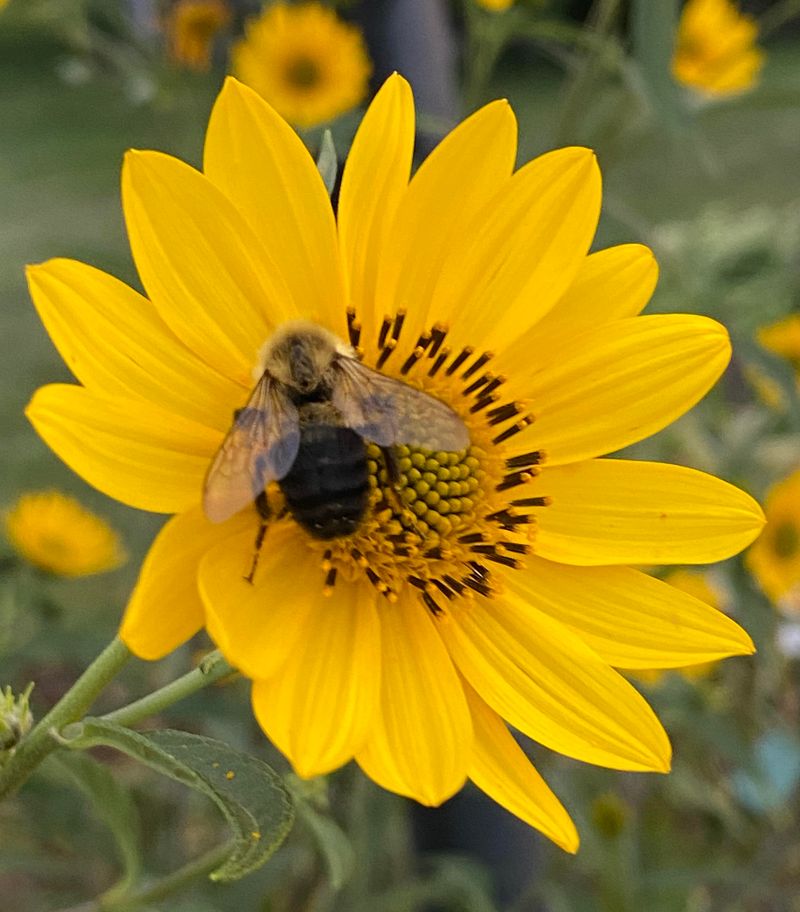
Gumweed might not win any beauty contests at first glance, but native bees beg to differ. This tough, resinous wildflower blooms through the hottest, driest part of summer, making it one of the most valuable plants in any pollinator garden.
When other flowers have given up, gumweed keeps going strong.
The plant gets its name from the sticky, gummy sap that coats the base of its flower heads. That same stickiness that seems odd to us is actually a defense against crawling insects that don’t pollinate.
Flying bees, however, land right on top and get to work collecting nectar and pollen without any trouble.
Several gumweed species grow naturally along our state’s coast, in valleys, and on dry open slopes.
They’re incredibly adaptable and can handle salty air, poor soil, and summer drought without complaint.
That resilience is part of what makes them so practical for home gardeners who don’t want to fuss over their plants.
Bumblebees are especially fond of gumweed. You’ll often see multiple bees on a single plant at the same time.
Smaller native bees like sweat bees and halictid bees visit regularly too. The long bloom season means bees can count on gumweed for weeks, not just a few days.
Plant gumweed in a sunny, dry spot and give it room to spread a bit. It reseeds itself modestly, so you’ll likely get new plants each year without any extra effort on your part.
5. Oregon Sunshine
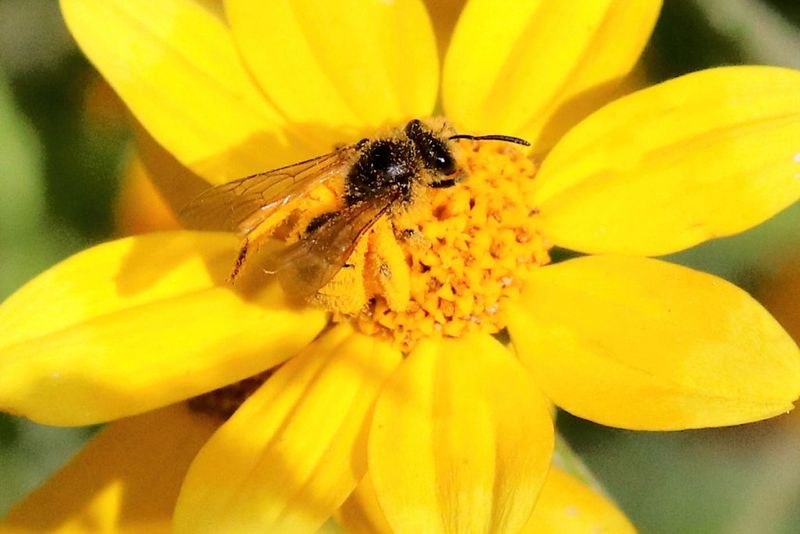
Named for its blazing golden blooms, Oregon Sunshine is one of the most cheerful summer wildflowers in the Pacific Northwest.
The flowers glow like little suns against the plant’s soft, woolly silver-gray leaves. It’s a striking combination, and native bees notice it from a distance.
Technically known as Eriophyllum lanatum, this plant is native to dry, rocky slopes and open meadows across our state.
It’s built for summer heat and drought, which is exactly why it blooms so reliably during the flower gap.
While other plants slow down in the heat, Oregon Sunshine keeps producing fresh flowers.
Bees love the open, daisy-like blooms because the nectar and pollen are easy to access. Native bees don’t have to work hard to get their reward, which means they can visit more flowers in less time.
That efficiency is great for both the bees and the plant’s pollination success.
In the garden, this plant is wonderfully low-maintenance. It prefers full sun and well-drained, even gravelly soil.
Overwatering is the one thing to avoid. Too much moisture causes root problems, so plant it in a raised bed or a slope where water drains away quickly.
Once established, Oregon Sunshine spreads gently and fills in gaps in a garden border beautifully. It also looks fantastic spilling over rock walls or growing along a dry pathway.
For a plant that does so much for bees, it asks for surprisingly little in return.
6. Showy Fleabane
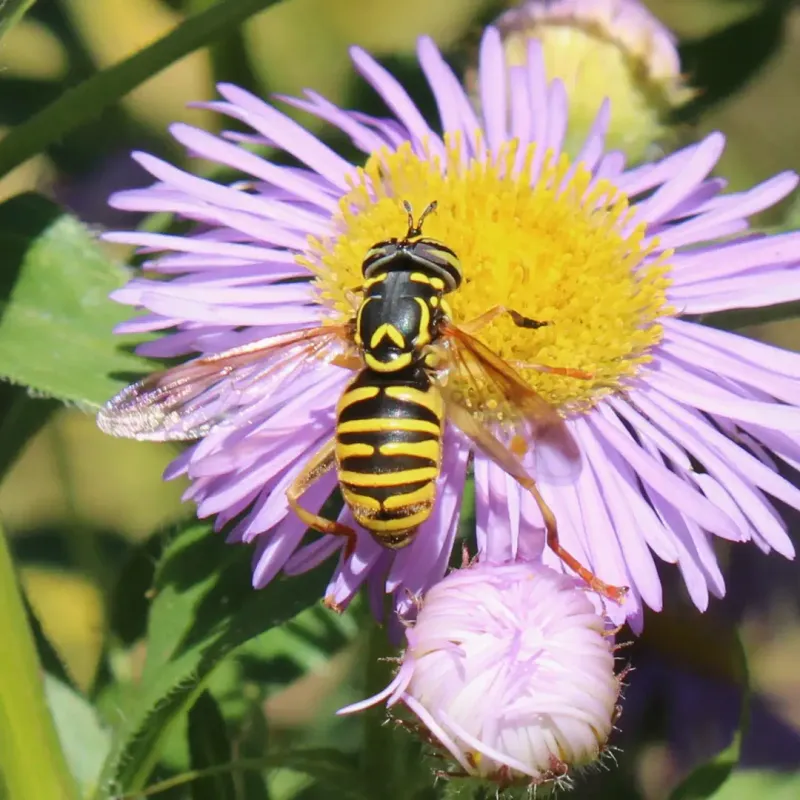
Don’t let the quirky name put you off. Showy Fleabane is one of the prettiest wildflowers you can grow for native bees, and it earns the word “showy” completely.
The lavender to pink petals surrounding a bright yellow center create a classic daisy look that bees find absolutely irresistible.
Found naturally in meadows, rocky slopes, and open forests across our state’s mountain ranges, Showy Fleabane blooms from late spring well into summer.
That extended bloom window is especially helpful because it bridges the gap between spring and late-summer flowers. Bees visiting your garden will always have something to work with.
A wide variety of native bees visit Showy Fleabane, including bumblebees, sweat bees, and small mining bees. The flat, open flower structure makes it easy for bees of all sizes to land and feed.
Even smaller bee species that might struggle with tubular flowers can access this one without any difficulty.
Growing Showy Fleabane successfully is mostly about picking the right spot. It loves well-drained soil and full to partial sun.
In gardens at lower elevations, a little afternoon shade during the hottest weeks of summer helps it stay fresh and keep blooming longer.
This plant also reseeds itself gently, so a small patch can grow into a lovely cluster over several seasons.
It’s a great choice for naturalizing a section of your yard or adding a wildflower feel to a more formal garden border. Bees will show up the first day it blooms.
7. Common Yarrow
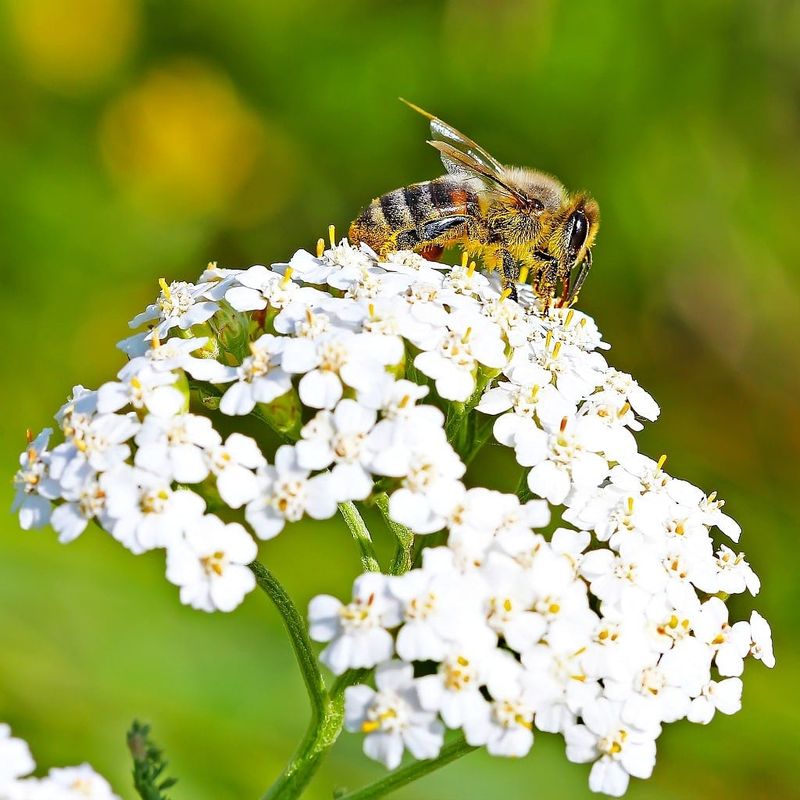
Common Yarrow has been growing wild across the Northern Hemisphere for thousands of years, and native bees have been visiting it just as long.
The flat-topped flower clusters act like a landing pad, giving bees a stable surface to walk across while they collect nectar and pollen from dozens of tiny individual flowers.
In our state, yarrow grows naturally in meadows, roadsides, and open woodlands from sea level up into the mountains.
It’s one of the most adaptable plants around, handling dry summers, poor soil, and even light foot traffic without much complaint. That toughness makes it a go-to plant for beginning gardeners.
What makes yarrow especially valuable during the summer flower gap is its incredibly long bloom season.
Starting in late spring, it can continue blooming all the way through late summer if you deadhead spent flowers regularly.
That gives native bees a reliable food source for months at a stretch. Beyond white, yarrow also comes in shades of pink, yellow, and red.
All colors attract bees, though research suggests native bees may show a slight preference for the white-flowered native varieties over brightly colored cultivars.
Mixing both in a garden bed gives you beauty and function at the same time.
Plant yarrow in full sun and well-drained soil for the best results. It spreads by underground runners over time, so dividing clumps every few years keeps it healthy and vigorous.
Divided pieces transplant easily, making it simple to share with neighbors who also want to help local bees.
8. Varileaf Phacelia
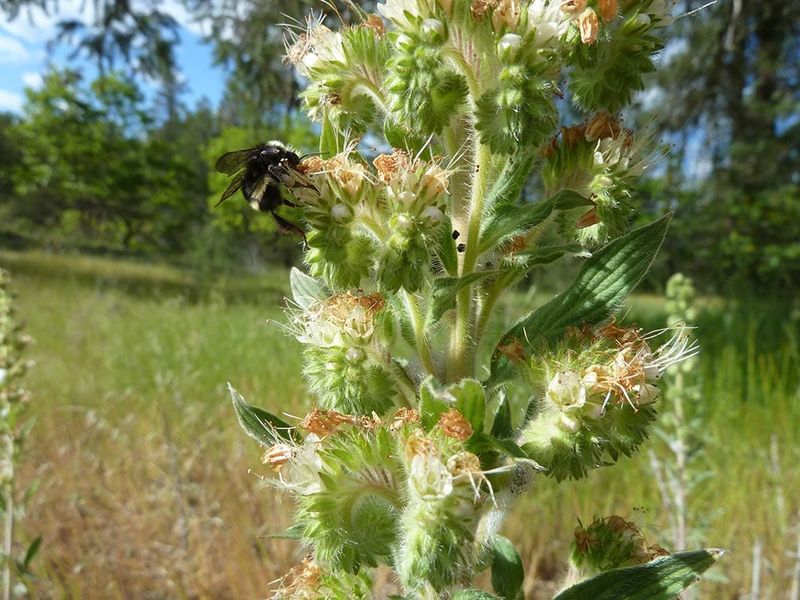
Varileaf Phacelia is one of those wildflowers that looks like it came straight out of a fairy tale.
The coiled clusters of purple-blue flowers uncurl slowly as they bloom, creating a constantly changing display that’s fascinating to watch.
Native bees, especially bumblebees, absolutely go wild for these blooms.
This plant grows naturally on dry, rocky slopes and disturbed areas across much of our state.
It’s well-adapted to summer heat and low water availability, which is exactly what you need in a plant that bridges the summer flower gap. When conditions get tough, Varileaf Phacelia holds its own.
The nectar in phacelia flowers is particularly rich and accessible. Native bees can feed quickly and efficiently, which means they visit more flowers in less time.
That makes phacelia an excellent choice for gardeners who want to maximize the number of bees their garden supports without planting a huge variety of species.
Growing Varileaf Phacelia from seed is surprisingly easy. Direct sow seeds in fall or early spring in a sunny, well-drained spot.
They germinate readily and grow quickly. Because it’s an annual or short-lived perennial, it reseeds itself each year, so once you have it established, it tends to take care of itself.
One heads-up worth mentioning: the plant’s hairy stems and leaves can cause mild skin irritation for some people. Wearing gloves when handling it is a smart habit.
That small caution aside, Varileaf Phacelia is a fantastic addition to any native bee garden in our state.
9. Cascade Penstemon
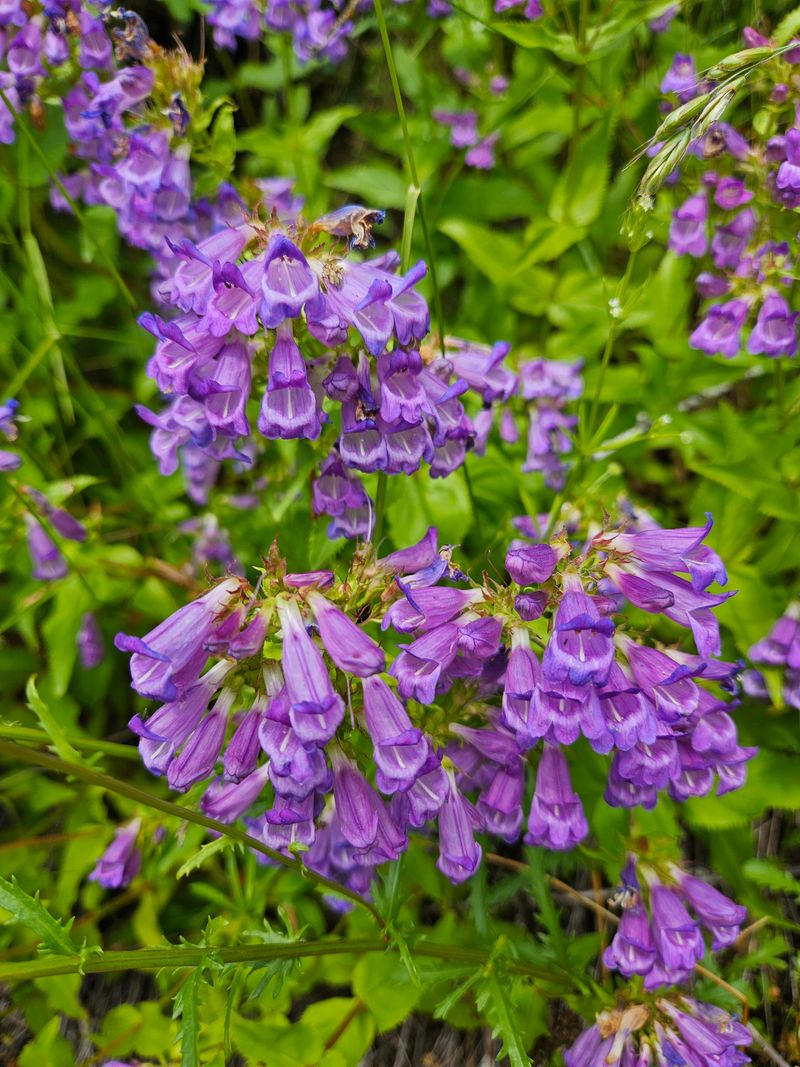
Tall, elegant, and buzzing with activity on a warm summer afternoon, Cascade Penstemon is one of the most spectacular native plants you can add to a pollinator garden.
The tubular purple-blue flowers are perfectly shaped for bumblebees, which are strong enough to push inside and reach the nectar hidden deep within.
Native to rocky slopes, cliffs, and open forests in the Cascades and other mountain ranges of our state, this plant has evolved in some pretty harsh conditions. That background makes it incredibly tough in the home garden.
It handles dry summers, rocky or sandy soil, and blazing sun without skipping a beat.
Bloom time typically runs from late spring through midsummer, which means Cascade Penstemon helps fill the early part of the summer flower gap.
Pairing it with later-blooming plants like goldenrod or Douglas Aster creates a continuous chain of flowers that supports bees all season long.
Hummingbirds also love this plant, so planting it means you’re supporting more than just bees.
The combination of native bees and hummingbirds visiting the same garden bed makes for some seriously entertaining wildlife watching on a lazy summer afternoon.
For best results, plant Cascade Penstemon in full sun with excellent drainage. Avoid clay soils or areas where water pools after rain.
Raised beds, rock gardens, and sloped areas work beautifully. Once settled in, it requires almost no supplemental watering and will reward you with stunning blooms year after year.