Never Ignore Dry Yard Debris During An Oregon Red Flag Warning
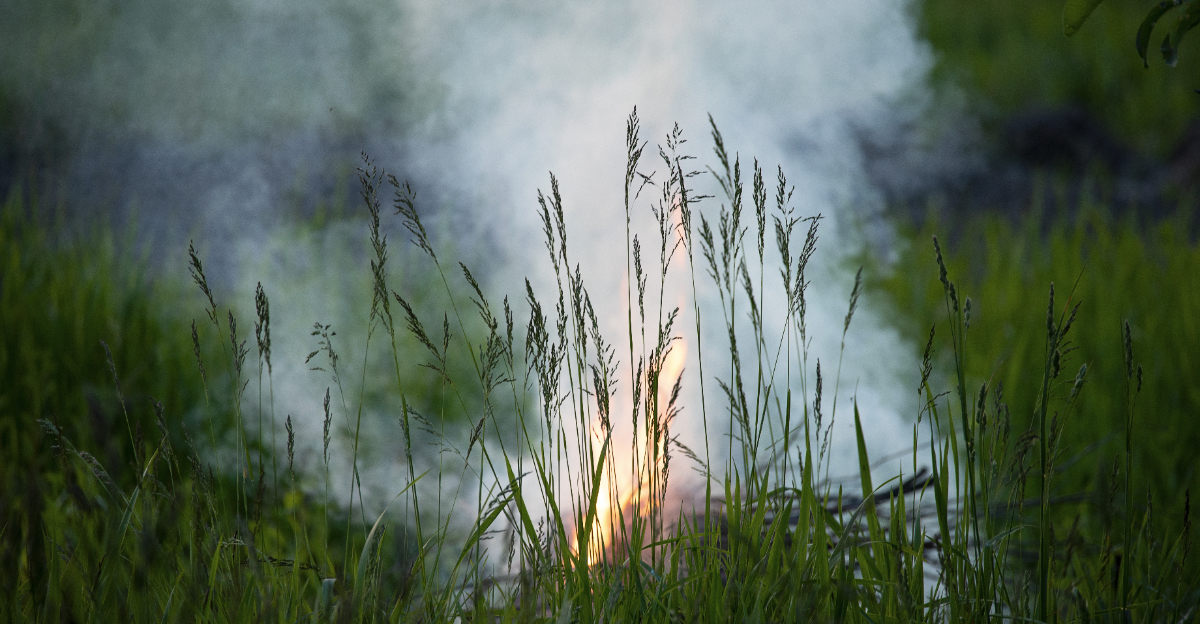
A pile of dry leaves or scattered branches might not seem like a big deal during a busy week.
Then an Oregon Red Flag Warning is issued, and suddenly those everyday bits of yard debris deserve a much closer look.
Conditions can change quickly when hot, dry weather combines with strong winds, turning ordinary landscaping leftovers into something far more concerning. It is easy to put off cleanup for another day, especially when everything seems calm.
Unfortunately, wildfire conditions do not always give that extra time. A few simple steps can make your property safer and give you one less thing to worry about while dangerous weather moves through the area.
1. Dry Leaves Turn Into Fast-Moving Fire Fuel
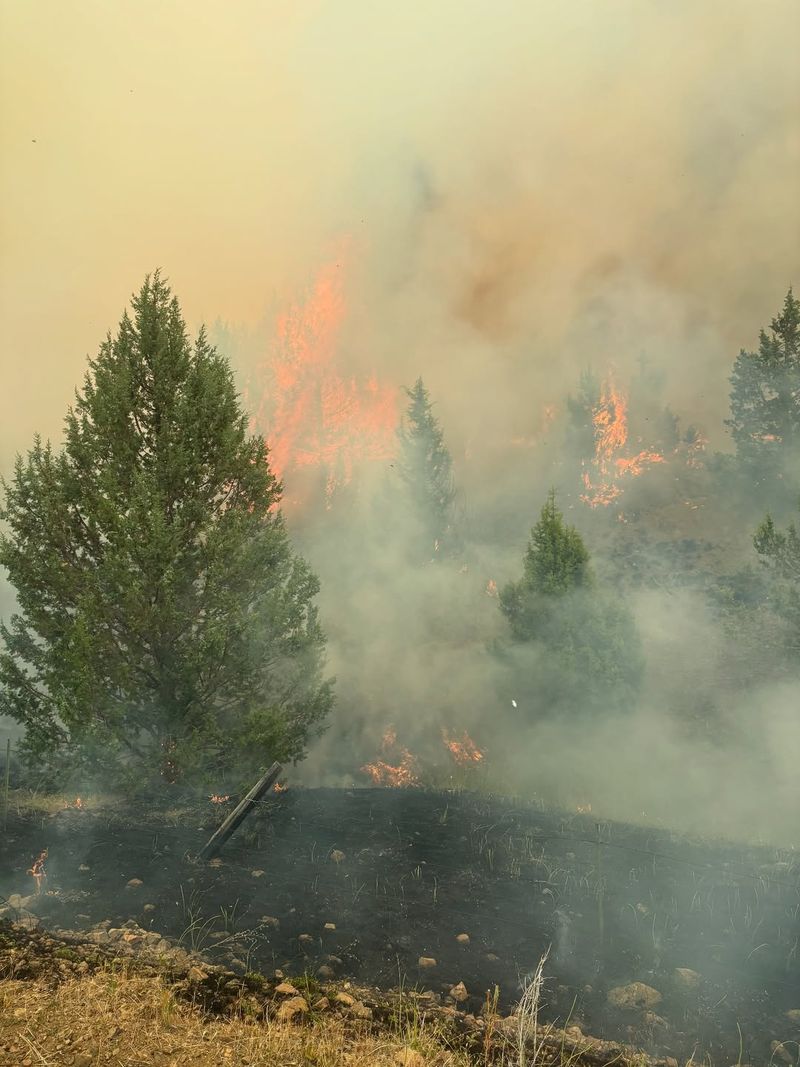
Most people rake leaves because they want a tidy yard. But during a Red Flag Warning, that pile of dry leaves near your fence becomes one of the most dangerous things on your property.
Leaves dry out fast in low humidity and become highly flammable within just a few days.
Wind is the real problem here. A strong gust can scatter a pile of leaves across your yard in seconds.
If an ember lands on that scattered layer of dry leaves, fire can travel across the ground faster than most people expect. The flame does not need much to keep moving.
Leaf litter also builds up in corners, along fences, and against the base of your home without you even noticing. Those tucked-away spots are exactly where an ember would love to land.
Clearing these areas before fire season peaks is a smart habit to build.
Bagging leaves and removing them from your property is the safest option. If you compost, keep the pile far from your home and any structures.
Wet the area around it if possible. During an active Red Flag Warning, do not wait.
Get those leaves off your property or at least move them well away from your home. A few minutes of effort can make a real difference when conditions are extreme.
2. Pine Needles Collect Where Embers Can Land
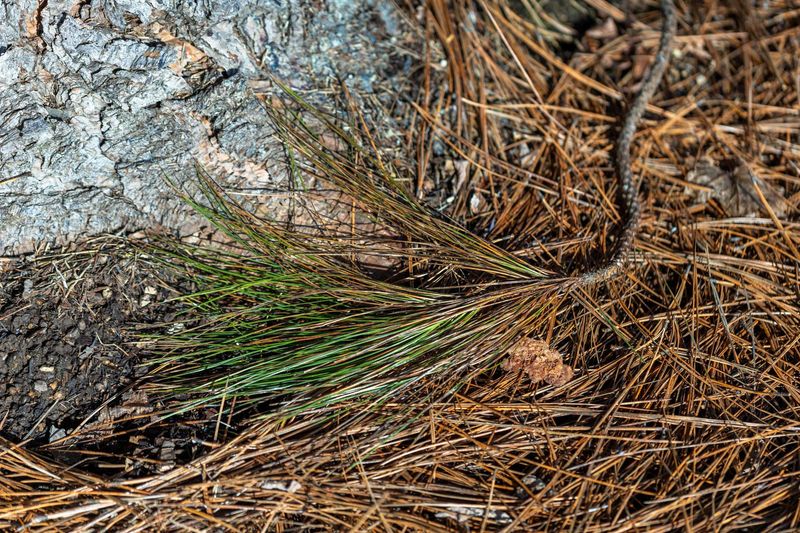
Pine trees are a beautiful part of the Pacific Northwest landscape. They provide shade, wildlife habitat, and that classic forest feel so many residents love.
But those long, waxy needles that fall to the ground are among the most fire-ready materials found in any yard.
Pine needles dry out quickly and pack tightly together when they accumulate. That dense layer holds heat and ignites with very little effort.
Studies on wildfire behavior have shown that pine needle beds can catch an ember and hold it long enough for a flame to grow.
They also tend to gather in spots that are easy to overlook. Roof valleys, window wells, the base of fences, and areas under decks are common collection points.
You may not see them building up until there is already a thick layer sitting there waiting.
During a Red Flag Warning, clearing pine needles from around your home should be a top priority. Focus on areas within 30 feet of any structure first.
Your Oregon Garden Changes Every Week. Your Plan Should Too.
Gardening in Oregon changes quickly throughout the season. Every Friday you’ll receive a simple weekly plan showing exactly what to plant, prune, fertilize, harvest, and protect so you never miss the right timing.
Use a rake or leaf blower to move them away from the house. Do not pile them near any wooden structure or fence.
Dispose of them properly, either by bagging for yard waste pickup or moving them to a composting area far from your home.
Staying on top of this task throughout fall and winter keeps your risk level much lower when dry, windy conditions arrive.
3. Fallen Branches Give Flames A Path Forward
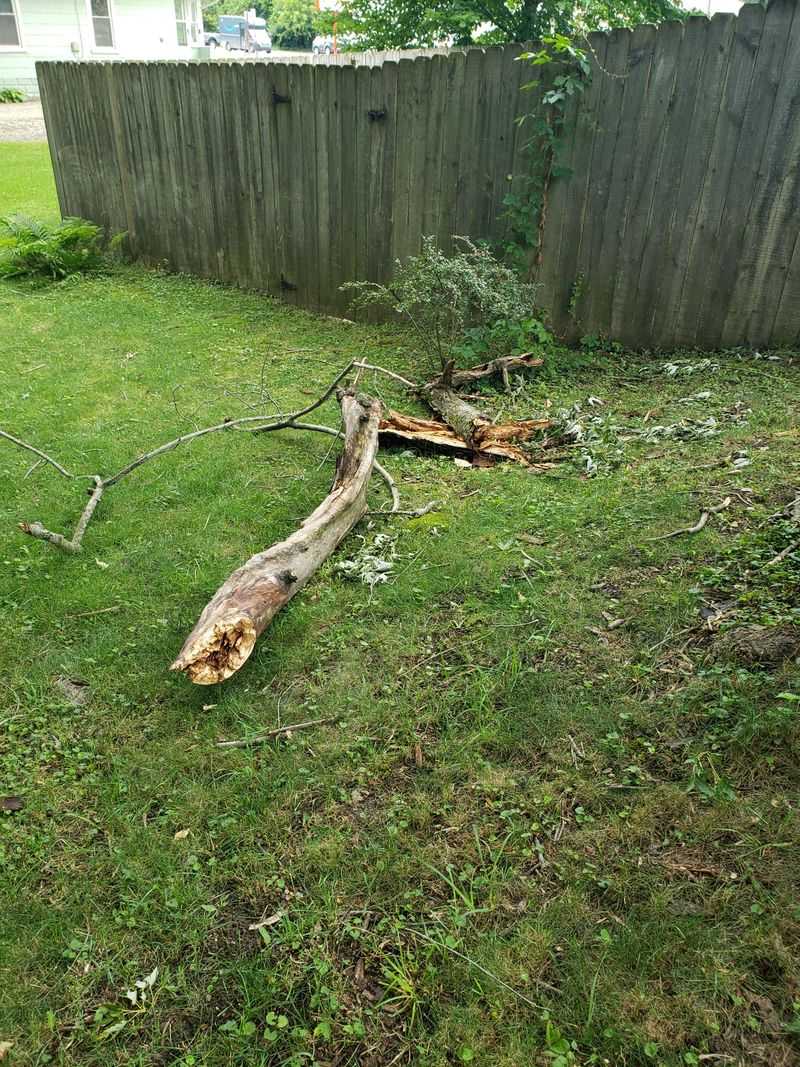
After a windstorm, it is common to walk outside and find branches scattered across your yard. Most people pick up the big ones and leave the smaller twigs behind.
During normal times, that is not a big deal. During a Red Flag Warning, those small branches matter a lot more than they seem.
Fallen branches create what fire experts call a fuel ladder. Smaller twigs catch fire easily and pass the flame upward to larger branches and eventually to tree canopies.
This is how ground-level fires become much harder to manage. The path a fire takes is often guided by the fuel available to it.
Branches that are already dry and brittle are especially risky. You can test this by snapping a small twig.
If it breaks cleanly and quickly, it is dry enough to catch fire with very little heat. That is a sign to clear the area right away.
Homeowners should do a yard walkthrough after every windstorm, especially during fire season. Collect all fallen branches, both large and small.
Stack larger pieces far from your home if you plan to use them as firewood. Chip smaller branches if you have access to a chipper, or bag them for disposal.
Keeping the ground clear within at least 30 feet of your home removes one of the easiest paths a fire could use to reach your structure.
4. Dry Mulch Can Add Heat Around Homes
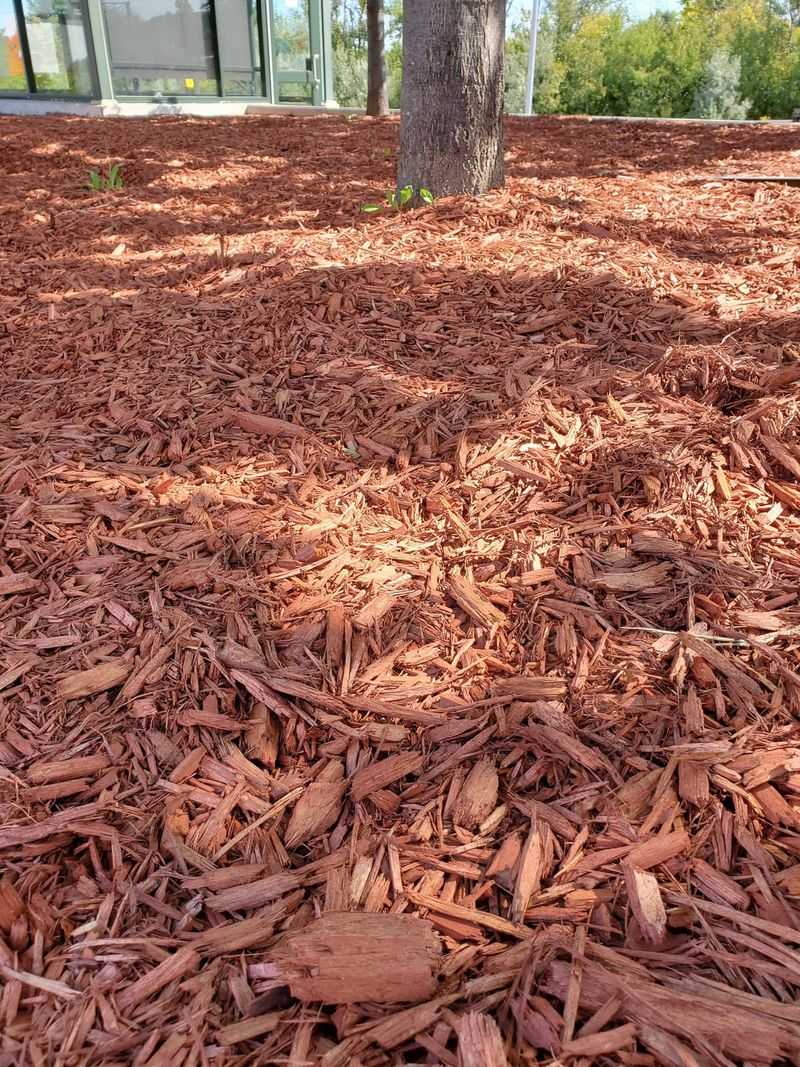
Mulch looks great in garden beds and helps keep moisture in the soil. Homeowners use it all the time around flower beds, trees, and shrubs.
But there is a side of mulch that most people never think about until fire season arrives.
When mulch dries out completely, it becomes flammable. Wood chip mulch, shredded bark, and pine bark nuggets are among the most common types used in yards across Oregon.
All of them can catch fire when dry. The tricky part is that mulch can smolder for a long time before anyone notices a flame.
Placing dry mulch directly against your home’s foundation is one of the riskier landscaping choices during fire season.
If an ember lands in that mulch bed, the fire can slowly work its way toward the structure without producing a lot of visible flame at first.
By the time it reaches the siding or framing, the situation has already escalated.
Switching to non-flammable ground cover near the house is a smart long-term fix. Gravel, stone, or bare soil within the first few feet of your foundation is much safer.
If you keep mulch in your yard, water it regularly during dry periods. During an active Red Flag Warning, soak your mulch beds thoroughly.
Keep an eye on them throughout the day. These small steps can stop a smoldering ember from becoming something far worse.
5. Clogged Gutters Trap Burning Debris
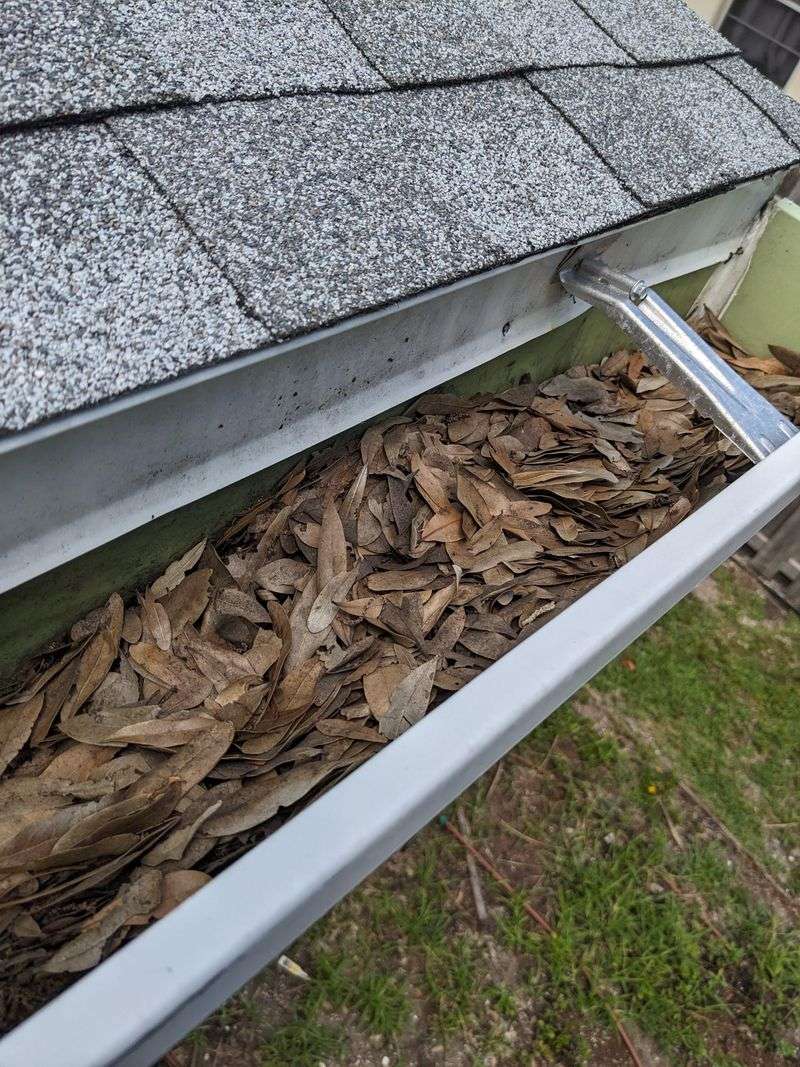
Gutters are easy to forget about until they cause a problem. Most homeowners clean them once or twice a year and move on.
During fire season, though, clogged gutters become one of the most overlooked fire risks on any property.
Dry leaves, pine needles, and small twigs collect in gutters throughout fall and into winter. By the time fire season peaks in late summer, there may already be a dense layer of dry debris sitting right along the roofline.
That is exactly where embers tend to land when wind carries them from a nearby fire.
An ember that lands in a clogged gutter has everything it needs. The debris is dry, the gutter holds it in place, and the roofline is directly connected to your home’s structure.
This is one of the most common ways homes catch fire during wildfires. Fire investigators have pointed to clogged gutters as a starting point in many residential fire events.
Cleaning your gutters before fire season is one of the simplest and most effective things you can do. Use a ladder and gloves to remove all debris, then flush the gutters with a hose.
Consider installing gutter guards to reduce buildup between cleanings. During a Red Flag Warning, check your gutters even if you cleaned them recently.
Wind can quickly fill them back up. A clean gutter is a small detail that carries a lot of protective value for your entire home.
6. Wood Piles Too Close To Homes Raise Risk
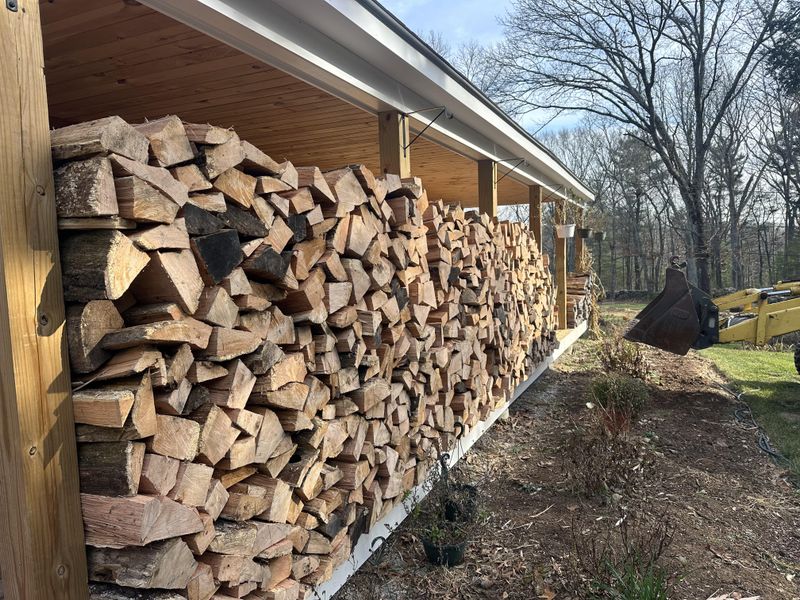
Stacking firewood against the side of your house feels practical. It keeps the wood close for easy access and out of the weather.
But during a Red Flag Warning, that convenience comes with a serious tradeoff that most homeowners have not fully considered.
Firewood is, by nature, dry and flammable. That is what makes it useful for heating your home.
But stacked against an exterior wall, it becomes a direct bridge between any nearby fire and your home’s structure. Embers carried by wind can land on or near a wood pile and ignite it with very little effort.
Once a wood pile catches fire, the heat it produces is intense. Exterior siding, window frames, and roof overhangs can all be affected by the radiant heat from a burning wood pile even before direct flame contact occurs.
This is a well-documented pattern in how homes are lost during wildfires.
Moving your wood pile at least 30 feet from any structure is the recommended guideline from fire safety experts. Store it away from fences, sheds, and other outbuildings as well.
Cover the top to keep moisture out while allowing airflow on the sides. During a Red Flag Warning, avoid bringing large amounts of wood close to the house.
If you need firewood indoors, bring in only what you need for that day. Keeping the wood pile at a safe distance is one of the easiest fire-smart habits to adopt before conditions get dangerous.
7. Tall Dry Grass Creates An Easy Fire Route
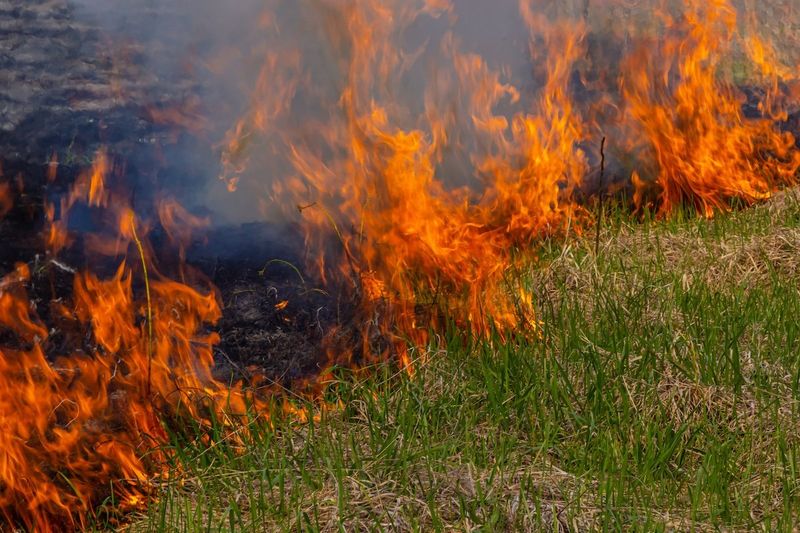
Grass that has turned brown and brittle is one of the fastest-burning materials in any yard. Many homeowners let grass grow tall during spring and then watch it dry out through summer without thinking much about the fire risk it creates.
Dry grass is incredibly efficient at spreading fire. It burns hot, it burns fast, and it spreads in the direction of the wind.
A fire moving through dry grass can travel faster than a person can run in open conditions. In a yard setting, that speed means a fire can reach your home in a very short time.
Tall grass near fences, along property edges, and in areas that do not get regular mowing is especially risky. These spots often go unnoticed until fire season is already in full swing.
By then, the grass may be completely dried out and ready to carry a flame from the back of your property right to your back door.
Mowing your grass regularly throughout the summer is one of the best things you can do to reduce fire risk. Keep it trimmed short, especially within 30 feet of your home.
After mowing, remove the clippings rather than leaving them on the ground to dry further. During a Red Flag Warning, avoid mowing with gas-powered equipment because the heat and sparks from the mower can ignite dry grass.
Early morning mowing before temperatures peak is always the safer choice when conditions are borderline.
8. Dried Plants Leave More Fuel Behind
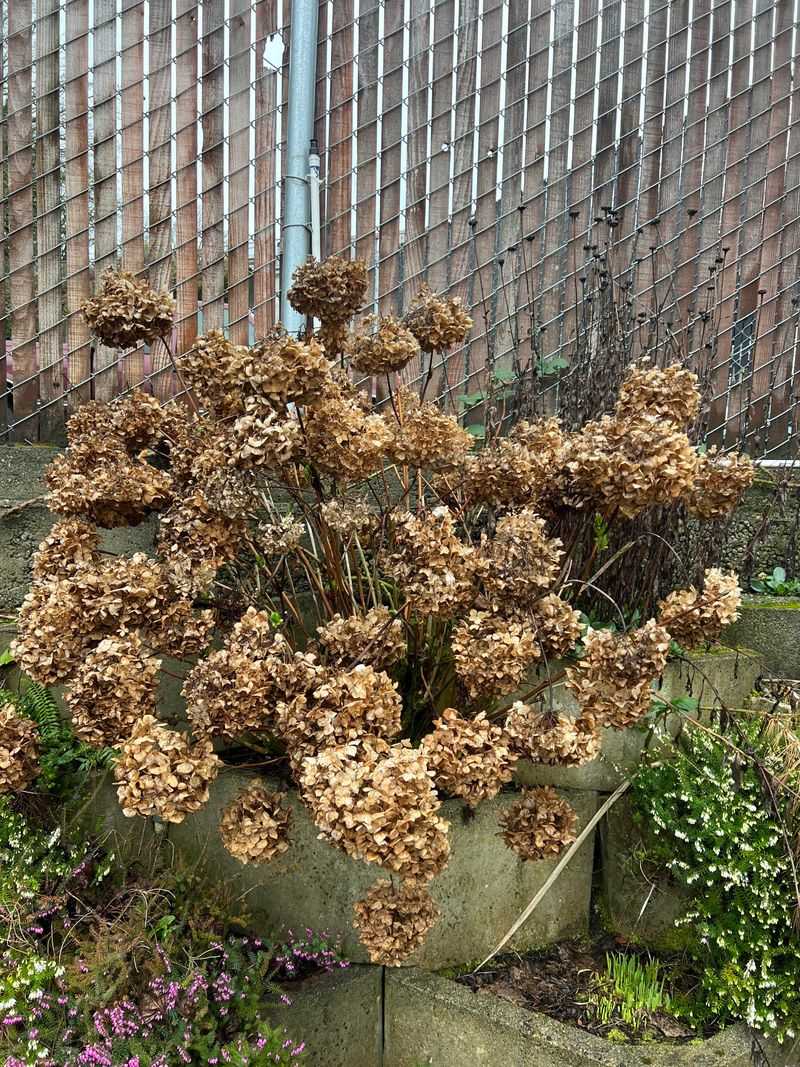
Garden plants that have finished their growing season often get left standing through fall and winter. Oregon gardeners sometimes do this on purpose to provide seeds for birds or to add visual interest to a dormant garden.
During fire season, though, those dried-out plants add a surprising amount of fuel to your yard.
Annuals and perennials that have dried completely are light and airy. That structure actually makes them easier to ignite because air flows through them freely.
A dried flower stalk or seed head can catch an ember and hold a flame long enough to spread it to nearby material.
Garden beds that sit close to the house are the most concerning. When dried plant material is right up against your foundation or under a window, the risk of fire reaching your home increases significantly.
Even ornamental grasses, which look beautiful when they turn golden in fall, become serious fire hazards when they dry out fully.
Cutting back dried plants before fire season peaks is a smart practice. Remove stalks, seed heads, and any dried foliage from beds near your home.
If you want to leave some plants standing for wildlife, do it in areas far from structures. Compost or bag the removed material rather than leaving it in a pile nearby.
Keeping your garden beds clean and free of dry debris is not just good gardening. It is one of the most practical ways to reduce fire risk right outside your door during a Red Flag Warning.
9. Hidden Debris Under Decks Creates Trouble
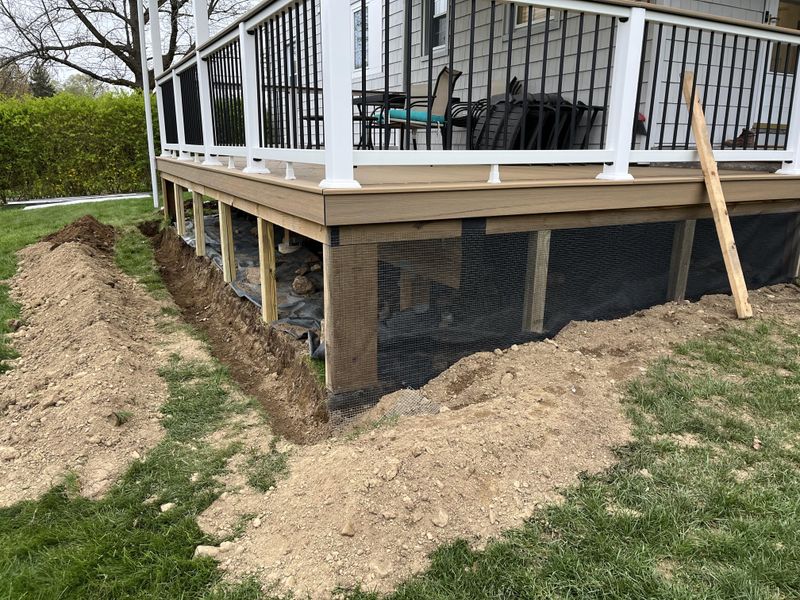
The space under a deck is one of the most overlooked spots in any yard. Out of sight and hard to reach, it collects leaves, pine needles, twigs, and other debris year after year.
During a Red Flag Warning, that hidden accumulation becomes a serious problem.
Decks are often built with wood that is already susceptible to fire. When dry debris packs in underneath, it creates a sheltered space where embers can land and smolder without being seen.
The deck structure above traps heat and limits airflow in ways that can actually help a fire grow stronger before it is noticed.
Fire investigators have found that the area under decks is a common ignition point in residential wildfires. The combination of accumulated debris, sheltered space, and direct connection to the home structure makes it one of the highest-risk spots on any property.
Homes have been lost because of fires that started in this exact location.
Clearing the space under your deck at least once a year is a strong protective measure. Use a rake or leaf blower to remove all dry material.
If your deck is low to the ground and hard to access, consider installing skirting made of non-combustible material to block debris from collecting there. During a Red Flag Warning, check under your deck even if you cleaned it recently.
Wind can push new debris in quickly. A clean under-deck space removes one of the most dangerous hidden fire hazards on your entire property.