Prune Your Arizona Bougainvillea In June The Right Way Before Heat Takes Over
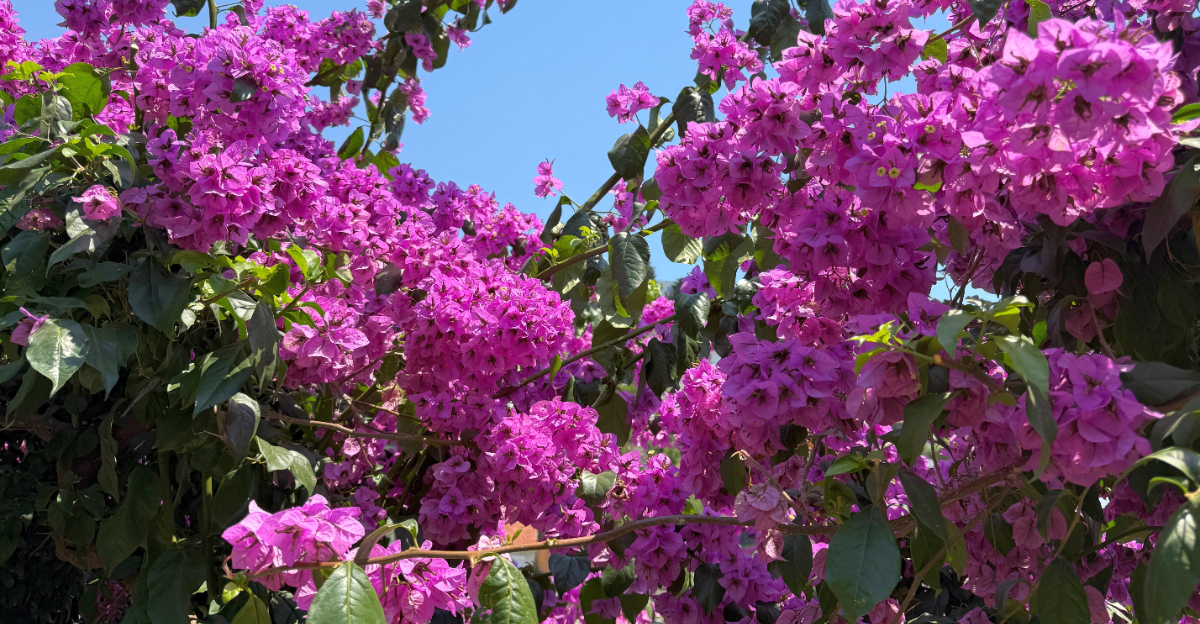
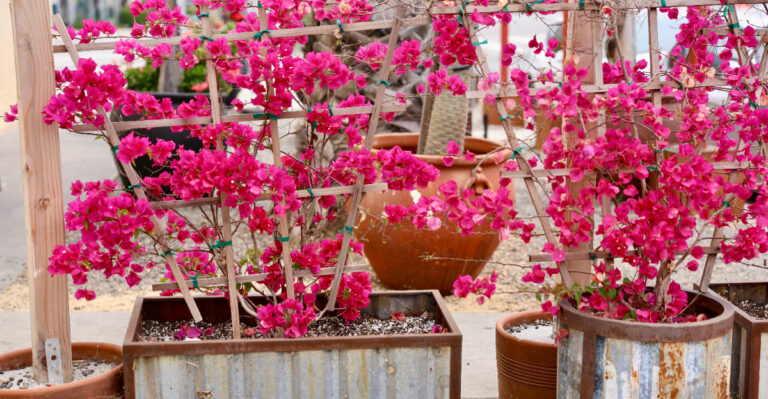
Few plants make a bigger statement in the yard than a bougainvillea covered in bright color. When it is putting on a show, it can easily become the first thing people notice when they walk past a home.
That is why it can be frustrating when a plant that looked fantastic in spring suddenly starts looking a little less impressive as summer settles in.
June is often the month when many gardeners begin paying closer attention to how their landscape is handling the rising temperatures.
Some plants barely seem to notice the change, while others start showing signs that they need a little extra attention before the hottest part of the season arrives.
Bougainvillea has a reputation for being tough, but that does not mean it should be completely ignored.
Arizona summers can be demanding, and a few decisions made at the right time can have a noticeable impact on how a plant looks in the weeks ahead.
1. Inspect The Plant Before Making Cuts
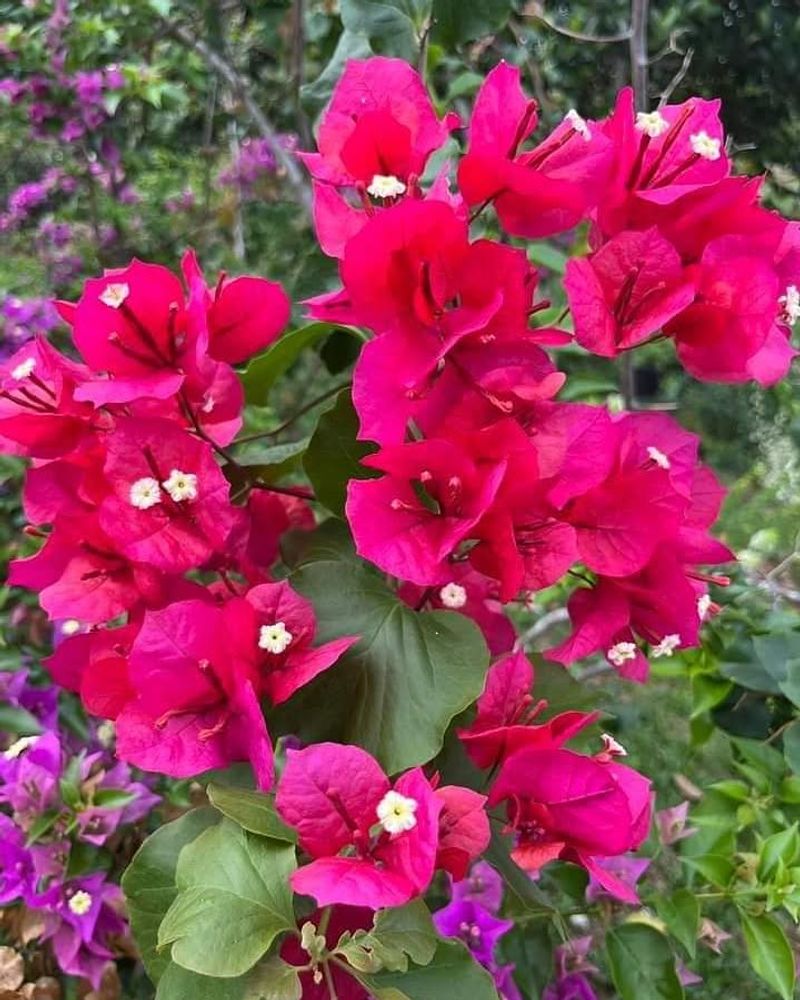
Walk around your bougainvillea before picking up any tool. Look at every branch from multiple angles.
You want a clear picture of what needs to go before you start cutting.
Check for branches that cross over each other. Rubbing canes create wounds that invite pests and disease.
Spot those early and mark them mentally for removal.
Look at the base of the plant. Suckers growing from the root zone pull energy away from the main structure.
Pull or cut them off cleanly at the soil line.
Healthy growth has bright, firm stems. Weak stems look pale, feel soft, or bend easily without snapping.
Separate what is worth keeping from what is dragging the plant down.
Pay attention to the overall shape too. Notice where growth is lopsided or where one side is far heavier than the other.
Balanced plants handle summer stress better.
In hot desert climates, a stressed bougainvillea is slower to recover after pruning. Inspecting first helps you prune with a plan instead of just hacking away randomly.
2. Remove Weak And Damaged Branches
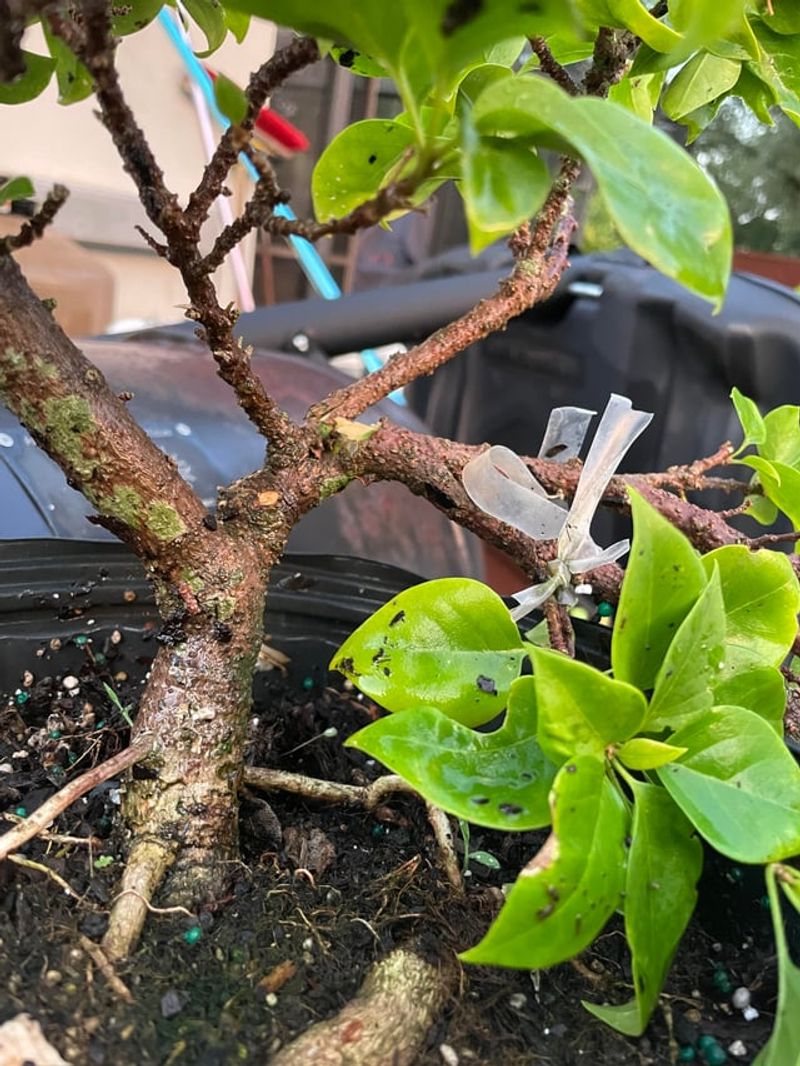
Weak branches are passengers, not contributors. Cut them out early and give the strong growth room to take over.
Your bougainvillea will thank you with better blooms.
Start with the obvious ones. Any branch that looks discolored, feels hollow, or snaps with almost no pressure should come off.
Those branches will not produce new growth or flowers anyway.
Storm damage from monsoon prep season can leave hidden injuries. Look for splits near branch joints and small cracks along the bark.
Even minor damage becomes a bigger problem under summer heat stress.
Use sharp bypass pruners for smaller stems. Dull blades crush tissue instead of cutting cleanly.
Crushed cuts take longer to heal and leave the plant vulnerable during the hottest months.
Cut just above a healthy outward-facing bud or node. That placement encourages new shoots to grow outward instead of back into the center of the plant.
Airflow stays better that way.
Clean your pruning blades between cuts if you spot any signs of disease. Spreading pathogens from one branch to another is easy with contaminated tools.
Your Arizona Garden Changes Every Week. Your Plan Should Too.
Gardening in Arizona changes quickly throughout the season. Every Friday you’ll receive a simple weekly plan showing exactly what to plant, prune, fertilize, harvest, and protect so you never miss the right timing.
Clean cuts on clean tools make a real difference.
3. Shorten Long Shoots To Control Growth
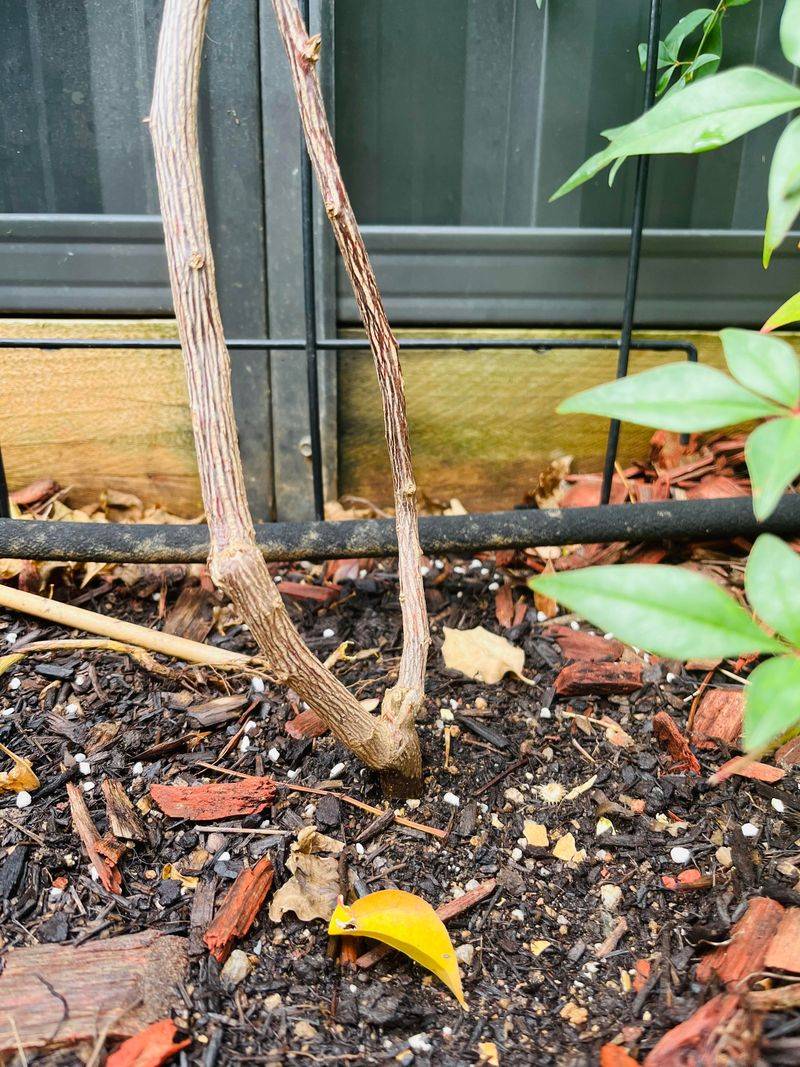
Bougainvillea can put on several feet of new growth in just a few weeks. Left unchecked, long shoots get floppy and heavy fast.
Shortening them now keeps the plant manageable before summer kicks into full gear.
Target shoots that have grown well beyond the plant’s intended shape. Cut them back by about one-third to one-half of their length.
Going further risks cutting into older, unproductive wood.
New growth tips are where flowers form. Cutting a long shoot back to a shorter length signals the plant to push multiple new tips from that point.
More tips mean more blooms later in the season.
Work your way around the plant evenly. Cutting one side heavily while leaving the other untouched creates an unbalanced structure.
Balanced plants distribute stress more evenly when temperatures climb.
Avoid cutting during the hottest part of the day. Early morning is the best time to prune in warm desert climates.
The plant is hydrated and the sun is not yet bearing down on freshly cut stems.
Long shoots that wrap around structures or fencing can be redirected instead of removed. Tie them loosely to a support and let them continue in a controlled direction.
Pruning and training together produce the best results.
4. Thin Crowded Areas For Better Airflow
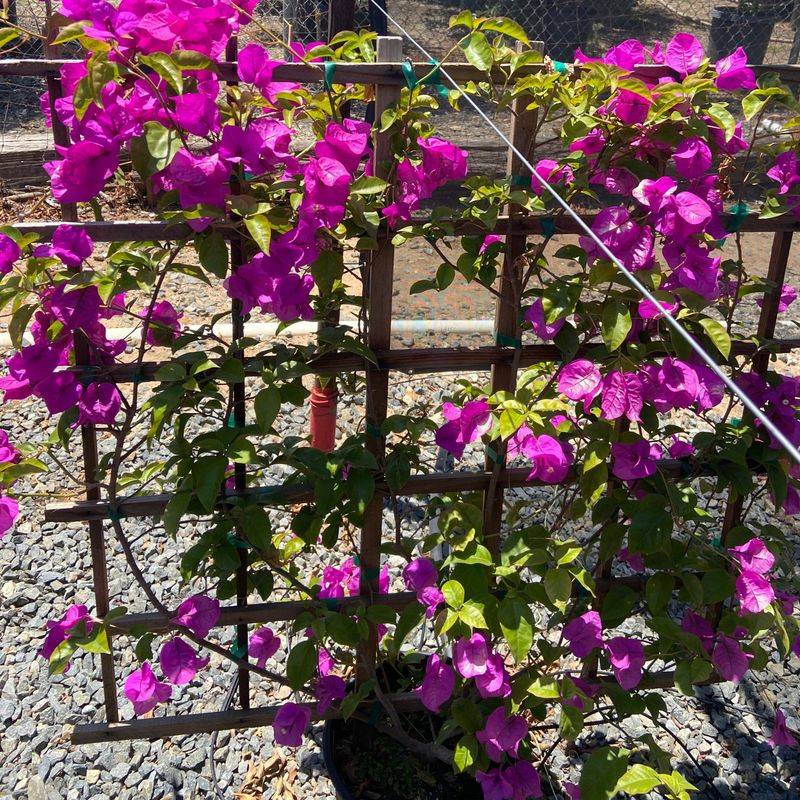
A packed interior is a problem waiting to happen. Crowded branches block airflow, trap moisture, and create perfect hiding spots for spider mites and other pests.
Thinning opens everything up.
Start from the inside of the plant and work outward. Look for branches that grow inward toward the center instead of outward.
Those are the first ones to remove.
Crossing branches are another target. Where two stems rub against each other, the bark wears away over time.
Open wounds on desert plants under intense sun are real trouble spots.
Remove entire branches rather than just trimming tips when thinning. Taking a branch out from the base creates actual open space.
Shortening it just pushes more growth back into the same crowded area.
After thinning, step back and look at the canopy. Light should filter through in multiple spots.
If the center still looks like a solid wall of stems, remove a few more branches until you see clear gaps.
Better airflow reduces fungal issues that can sneak in during the monsoon season. Arizona’s summer humidity spikes are brief but real.
A plant with good airflow dries out faster after those rare rain events.
5. Avoid Cutting Into Thick Older Wood
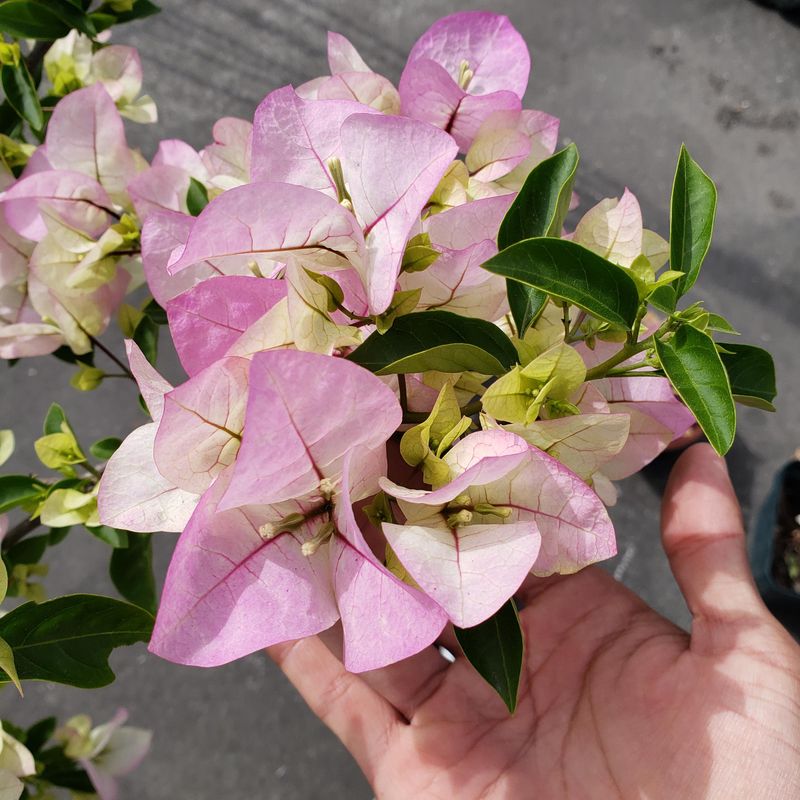
Old wood on a bougainvillea is structural. It is the backbone that holds everything up.
Cutting into it heavily in June is one of the fastest ways to set back a plant that should be heading into peak season.
Thick, dark, corky stems near the base are not meant to be pruned back hard. Removing large portions of that old wood forces the plant into a slow, stressful recovery.
Summer heat makes that recovery even harder.
A good rule of thumb is to stay on growth that is pencil-thickness or smaller. Anything thicker than your thumb is likely old wood that the plant depends on for water and nutrient movement.
Hard rejuvenation pruning is sometimes necessary, but June is not the right month for it. Late winter or very early spring is a far better window for drastic cuts.
Plants bounce back faster when cooler temperatures follow the pruning.
If you spot damaged sections within older wood, you can remove those carefully.
Older wood that is no longer productive can become a breeding ground for boring insects. Cut just back to where healthy tissue begins.
6. Shape The Plant With Light Selective Cuts
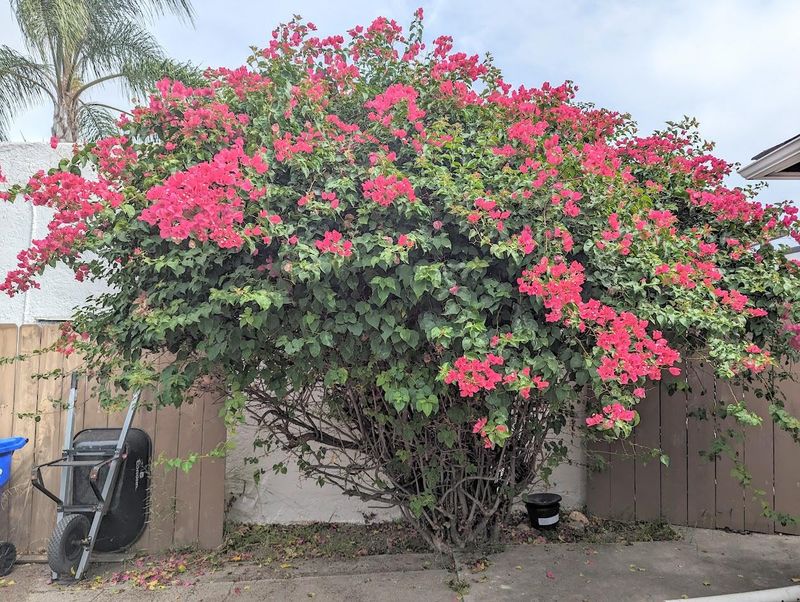
Shaping a bougainvillea is part art and part strategy. You are not just making it look good right now.
You are setting up where the next round of blooms will appear in a few weeks.
Stand back every few cuts and evaluate the silhouette. It is easy to get tunnel vision when you are focused on one spot.
Stepping back helps you see the whole picture and avoid over-cutting one area.
Work with the plant’s natural growth habit. Bougainvillea tends to grow in arching, vining patterns.
Forcing a stiff, geometric shape takes constant maintenance and fights against what the plant naturally wants to do.
Target tips that stick out awkwardly beyond the main canopy line. Snipping those back by a few inches keeps the outline clean without removing productive growth.
Small cuts add up to a big visual improvement.
For plants growing along walls or fences in the desert, shape the outer edge while leaving interior growth mostly intact. The wall-facing side rarely needs shaping since it is out of sight and provides coverage.
Selective cuts also encourage branching. Every time you cut a tip, the plant pushes two or more new shoots from just below the cut.
More branching means a fuller, denser plant heading into the fall bloom season.
7. Water Deeply Once Pruning Is Complete
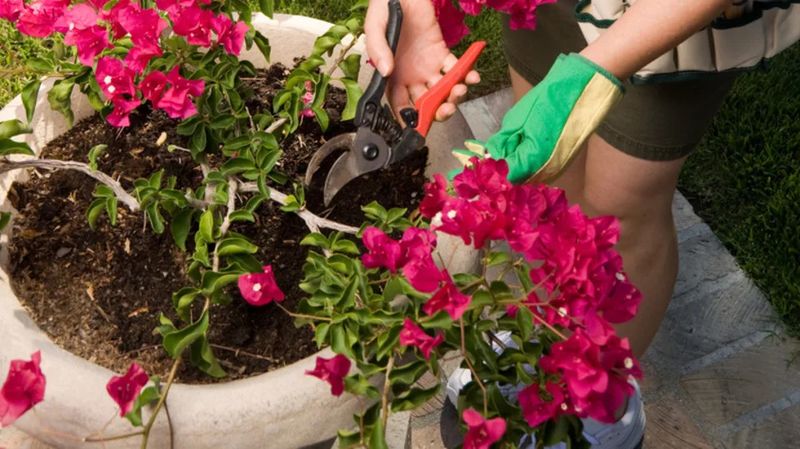
Freshly pruned plants need water. Cut surfaces lose moisture faster than intact stems, and desert heat accelerates that process quickly.
A deep watering right after pruning gives the plant what it needs to start healing.
Skip the light sprinkle. Surface watering barely reaches the root zone of an established bougainvillea.
Roots in desert soils go deep to find moisture, so your watering needs to match that depth.
Let water run slowly at the base for an extended period. A slow trickle for twenty to thirty minutes soaks down much further than a quick blast.
Deep moisture stays in the soil longer and reduces the need for frequent watering.
Avoid wetting the foliage right after pruning. Wet leaves under intense afternoon sun can scorch.
Water at the base only and do it in the early morning when temperatures are still manageable.
Bougainvillea is drought-tolerant once established, but it is not drought-proof. Freshly pruned plants are under temporary stress and benefit from consistent moisture for the first week or two after cuts are made.
Watch the plant for signs of wilting in the days following pruning. Some drooping on very hot afternoons is normal and not alarming.
Wilting that persists into the morning hours is a sign the plant needs more water.