The Backyard Features Ohio Homeowners Love That Also Happen To Be Tick Magnets
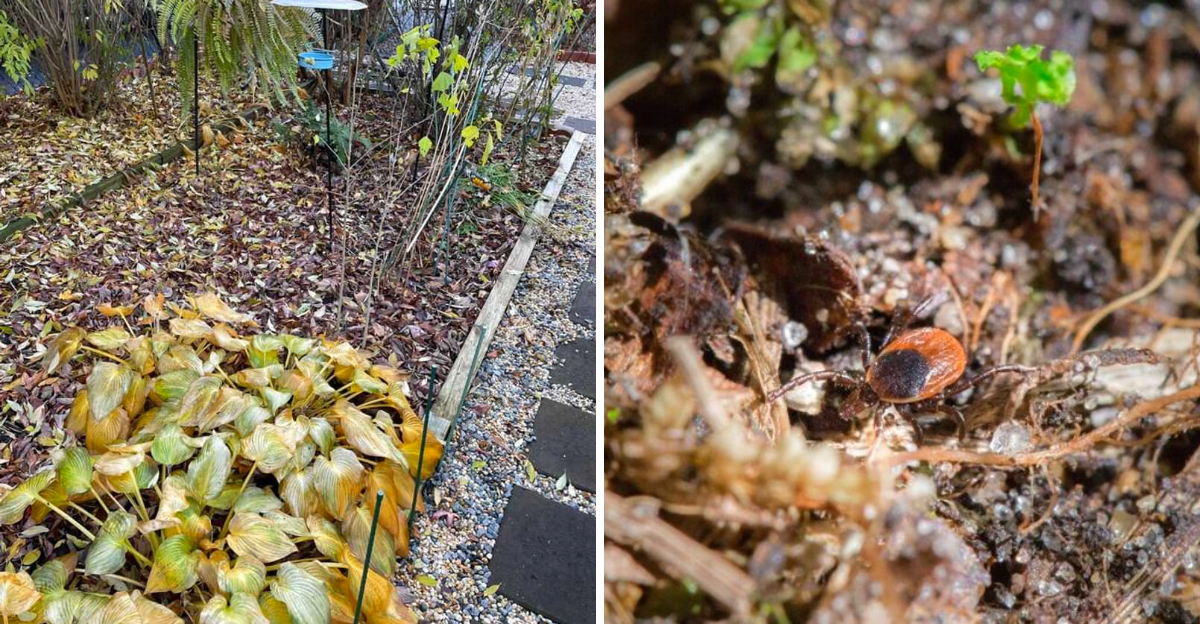
Ohio backyards can be genuinely beautiful, and if yours has shady garden beds, wooded edges, and that lush, layered look that feels like a personal retreat, you have clearly put in the work.
Here’s the part nobody loves to hear though: ticks think your yard looks great too.
The same features that make a backyard feel peaceful and wildlife friendly, thick leaf litter, sheltered borders, dense ground cover, can quietly create conditions that ticks find very comfortable.
That does not mean ripping everything out and starting over.
Not even close. It just means understanding which spots tend to attract ticks during Ohio’s warmer months and making a few thoughtful adjustments that let your family actually enjoy the outdoor space you have worked so hard to create.
Small changes, genuinely meaningful results.
1. Leaf Litter Holds Moisture In Shady Beds
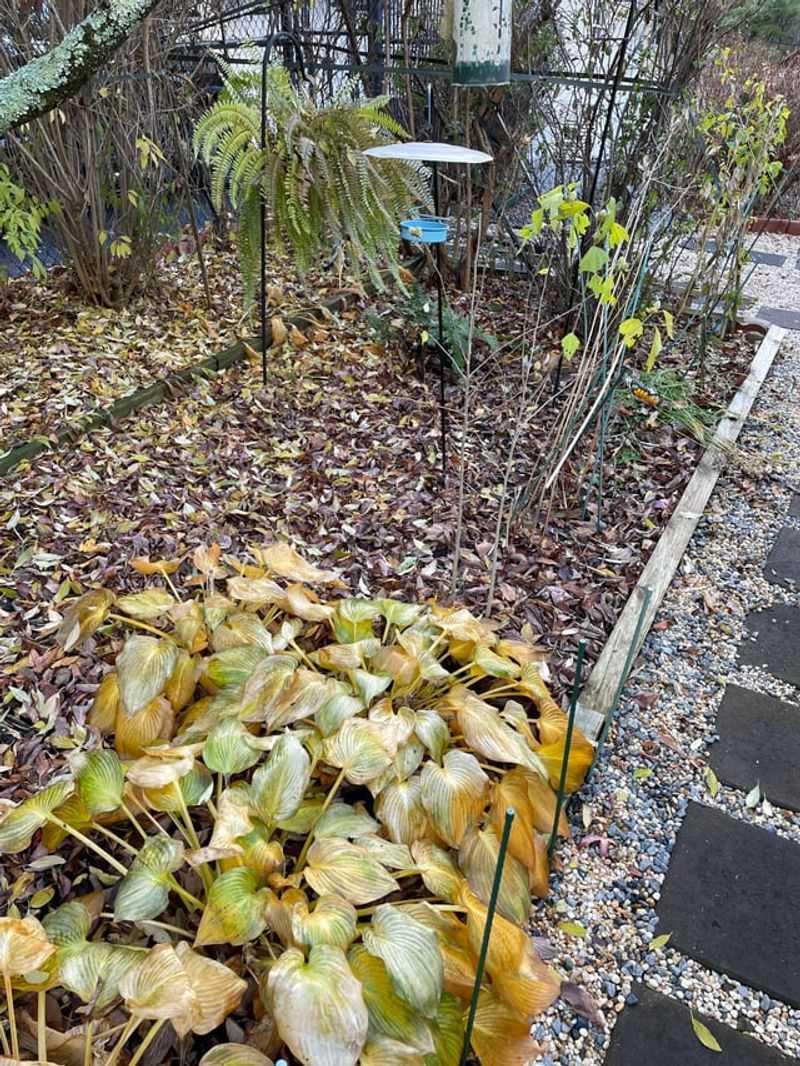
Shaded garden beds in Ohio yards often collect fallen leaves throughout the season, and that buildup does more than just look untidy. Damp leaf layers hold moisture against the soil for long stretches, especially in spots that receive little direct sunlight.
That combination of shade and moisture creates conditions that ticks find genuinely comfortable.
Many Ohio homeowners appreciate the way natural leaf mulch softens the look of garden beds and helps retain soil moisture during dry spells. Those benefits are real, and leaf litter does support soil health in certain settings.
The concern comes when thick, wet layers build up close to areas where people walk or spend time regularly.
A few inches of dry, airy mulch behaves very differently from a compressed, soggy mat of decomposing leaves that sits undisturbed for weeks. Shaded beds along fences, foundations, and wooded edges are especially worth monitoring.
Thinning out heavy leaf accumulation in these spots, while keeping a lighter layer for soil benefits, is a reasonable middle ground that many Ohio gardeners find manageable without stripping beds completely bare.
2. Thick Leaf Layers Create Tick-Friendly Cover
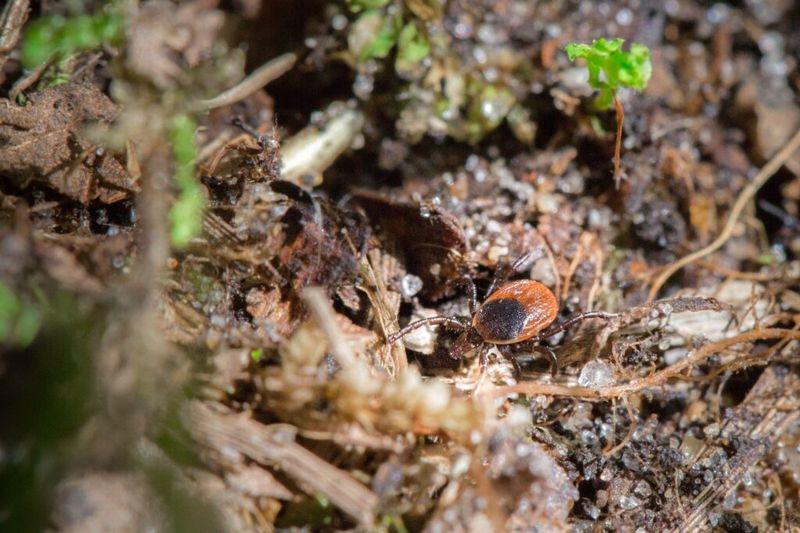
Walking through a yard blanketed in fallen leaves feels like a classic Ohio autumn experience, but those cozy layers can quietly serve as shelter for ticks between hosts.
Thick, compressed leaf mats stay damp underneath even when the surface appears dry, and that protected microclimate is exactly the kind of environment ticks tend to seek out.
The issue is not simply having leaves on the ground. A light, loose layer that dries out between rain events behaves very differently from a dense accumulation that stays moist and dark for weeks at a time.
Ticks are not strong movers, so they tend to stay close to sheltered spots where humidity remains relatively stable.
Ohio yards with heavy tree canopies, north-facing beds, or low-lying areas that drain slowly are more likely to develop the kind of thick, persistent leaf cover that supports tick activity.
Raking or redistributing leaf buildup in these spots, especially near lawn edges and garden borders, can reduce that sheltered layer without requiring homeowners to remove every leaf from the property.
Keeping layers loose and manageable makes a noticeable difference.
Your Ohio Garden Changes Every Week. Your Plan Should Too.
Gardening in Ohio changes quickly throughout the season. Every Friday you’ll receive a simple weekly plan showing exactly what to plant, prune, fertilize, harvest, and protect so you never miss the right timing.
3. Shady Edges Can Increase Tick Encounters
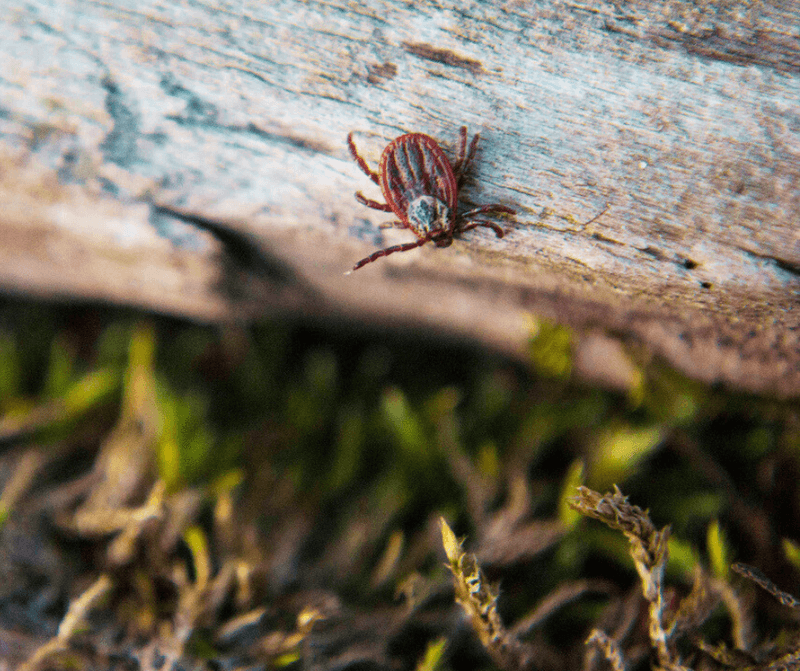
The line where a mowed lawn meets a shaded garden bed or wooded edge is one of the most active zones in any Ohio backyard when it comes to tick encounters.
Ticks tend to position themselves at the tips of low vegetation and leaf edges in shaded, humid spots, waiting for a passing host.
That behavior makes the transition zone between open lawn and sheltered beds a particularly relevant area to pay attention to.
Many Ohio homeowners create beautiful layered borders with ornamental grasses, shrubs, and perennials along shaded edges, and those plantings provide real value for pollinators and garden structure.
The challenge is that dense, low-growing vegetation along shaded edges can also provide the kind of sheltered, humid conditions that support tick activity during warmer months.
Keeping a clear, mowed buffer between the lawn and any shaded or wooded edge can reduce the chance of ticks moving into high-use areas. Even a modest strip of maintained, open ground between a garden bed and the lawn can make a meaningful difference.
Ohio tick season runs through much of spring, summer, and fall, so managing these edge zones throughout the growing season is worth the effort.
4. Rodents May Use Leafy Garden Areas
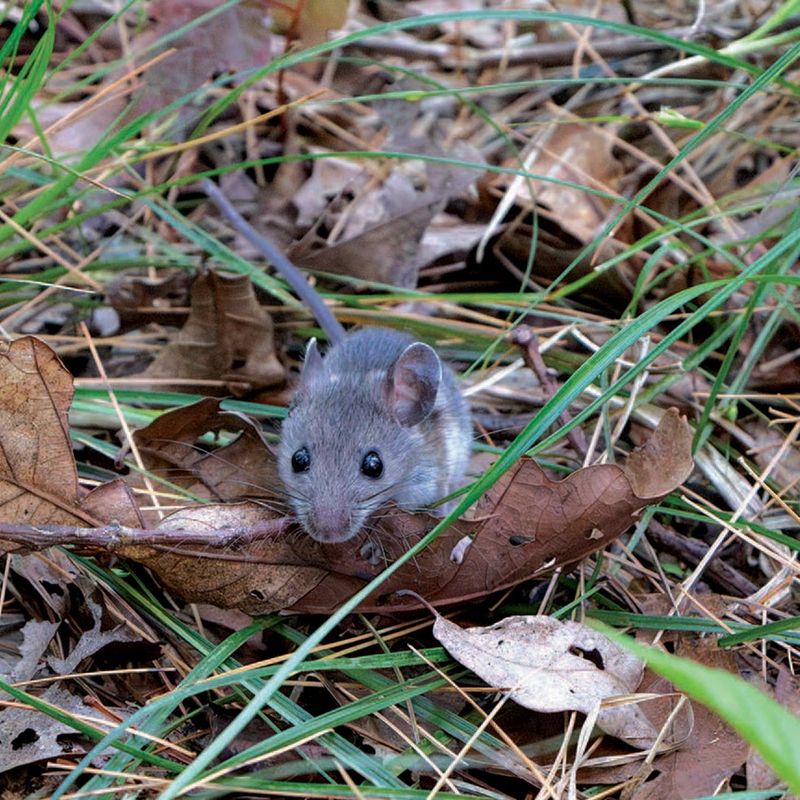
Leaf-covered garden beds do not just attract ticks on their own. They can also draw in the small rodents that ticks rely on during parts of their life cycle.
White-footed mice, voles, and similar small mammals are common in Ohio residential landscapes, and they tend to seek out sheltered spots with plenty of ground cover for nesting and foraging.
Thick leaf litter near garden beds, compost areas, wood piles, and foundation plantings gives these animals exactly the kind of cover they prefer.
When rodents move through leafy areas regularly, they can carry ticks into spots that are very close to patios, walkways, and play areas.
That connection between rodent activity and tick presence is worth keeping in mind when deciding where to let leaf litter accumulate.
Reducing dense leaf buildup near the home’s foundation, around stored firewood, and along frequently used garden paths can make those areas less inviting to small rodents.
Keeping compost bins tightly managed and avoiding ground-level food sources near garden beds also helps.
Ohio homeowners who notice signs of rodent activity near leafy garden areas may want to address both the habitat and the leaf cover at the same time for better results.
5. Paths And Patios Need Clear Borders
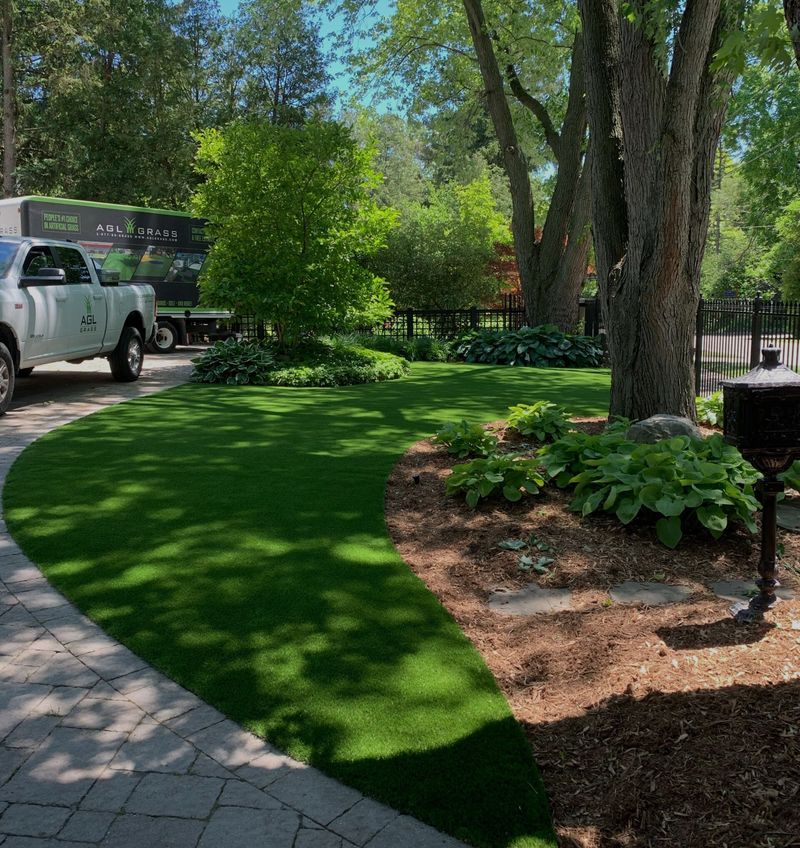
Garden paths and patios are the places Ohio homeowners spend the most time outdoors, which makes the edges of those surfaces worth paying close attention to during tick season.
Leaves and organic debris tend to collect along the sides of walkways and patio borders, especially where garden beds meet hard surfaces.
That narrow strip of accumulated leaf material can sit damp and undisturbed for long periods.
Ticks do not need a large area of habitat to find their way onto a passing person or pet. A small, sheltered patch of damp leaf debris along a frequently used path can be enough.
Keeping the edges of patios and walkways swept clear of leaf buildup, especially during spring and fall when leaf drop is heaviest, is a simple habit that reduces the chance of close encounters.
For Ohio homeowners who have garden beds running alongside paths or patios, pulling back leaf mulch a few inches from the hard edge of the surface creates a small but useful buffer.
Gravel or stone borders between beds and walking surfaces can also help by creating a drier, less sheltered transition zone that is less hospitable to ticks and easier to keep clear throughout the season.
6. Play Areas Should Stay Leaf-Free

Few things matter more to Ohio families than keeping backyard play spaces as safe and enjoyable as possible, and leaf management is one of the more practical steps in that process.
Children spend time close to the ground, crawling through grass, sitting near garden edges, and exploring spots that adults might walk past without a second thought.
That ground-level contact makes leaf-free play zones especially worthwhile.
Swing sets, sandbox areas, and open lawn spaces used for regular play benefit from a clear buffer between the activity zone and any nearby leaf-covered beds or wooded edges.
Leaves that blow or drift into play areas from nearby garden beds or tree lines should be cleared away regularly rather than allowed to accumulate at the edges of the space.
Mulch used under play equipment is worth choosing carefully as well. Wood chip mulch that drains well and dries out between rain events is generally a better option around play structures than compacted leaf material that holds moisture.
Ohio’s spring and fall seasons bring heavy leaf drop right around the times when families are often outside the most, so building a routine of clearing play areas during those months can make a real difference for the whole family.
7. Move Leaf Mulch Away From High-Use Spots
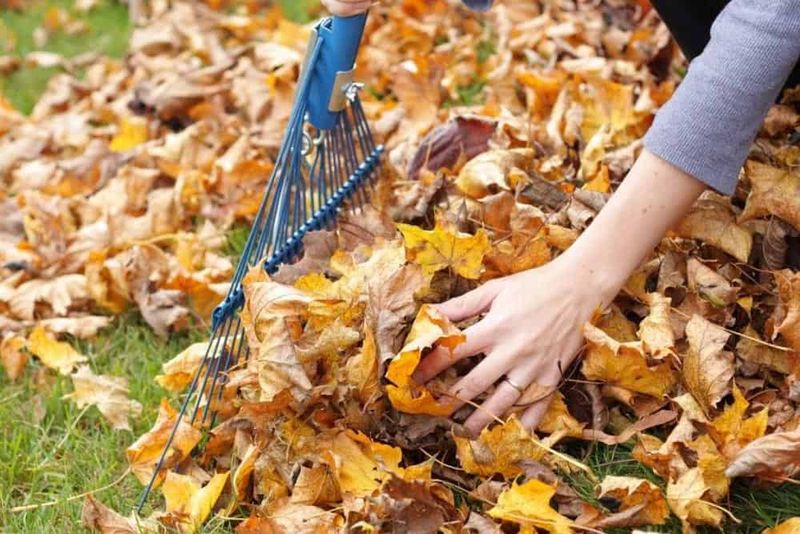
Leaf mulch is genuinely useful in garden beds, and many Ohio gardeners rely on it to protect plant roots, feed soil organisms, and reduce weeding throughout the season.
The goal is not to eliminate it entirely but to be thoughtful about where it sits in relation to the areas people use most often.
Moving leaf mulch away from high-traffic zones is one of the more practical adjustments a homeowner can make.
Foundation beds directly against the house, borders alongside frequently used walkways, and garden edges near patios or lawn seating areas are all spots where leaf accumulation deserves some attention.
Shifting that material toward back garden beds, areas farther from the home, or spots that see very little foot traffic keeps the soil benefits while reducing the chance of ticks moving into high-use zones.
Ohio yards with multiple garden areas often have natural spots that are rarely visited, such as back corners near tree lines or utility areas, where leaf mulch can do its work without increasing tick exposure near the family’s main outdoor spaces.
Thinking of the yard in zones, and managing leaf depth accordingly, gives homeowners a flexible approach that supports both good gardening habits and sensible tick awareness during Ohio’s active outdoor season.
8. Keep Garden Beds Tidy Without Stripping Them Bare

Stripping every leaf and bit of organic material from garden beds is not the answer, and most experienced Ohio gardeners know that. Bare soil erodes, dries out faster, and loses the biological activity that healthy garden beds depend on.
The goal is a managed, tidy layer rather than a thick, compressed mat that stays wet and sheltered for extended periods.
A light, loose layer of leaf mulch that allows air movement and dries out reasonably well between rain events provides most of the soil benefits homeowners are looking for without creating the sustained dampness that ticks prefer.
Keeping beds raked out periodically so leaves do not compact into dense layers makes a noticeable difference, especially in shaded beds that receive little wind or sunlight.
Trimming back low-growing plants and ground covers along bed edges also helps by reducing the sheltered, humid microclimate that builds up when vegetation grows dense and close to the ground.
Ohio homeowners who take a middle-ground approach tend to find a balance that works well for both gardening and tick awareness throughout the season.
That means maintaining tidy beds with a lighter touch on leaf accumulation near high-use areas while allowing more natural buildup in back or rarely visited beds.
9. Use Dry Barriers Along Wooded Edges

Wooded edges are a defining feature of many Ohio backyards, and they add real beauty and privacy to residential landscapes.
They also happen to be one of the most tick-active zones in any yard, particularly during spring and early summer when tick activity tends to peak.
Creating a physical barrier between the lawn and the wooded edge is a well-recognized approach to reducing tick movement into high-use areas.
A strip of wood chips, gravel, or mulch that is kept dry and relatively clear of leaf debris can act as a transition zone that ticks are less likely to cross.
The barrier works best when it is wide enough to be meaningful, generally at least a few feet, and maintained so it does not accumulate the damp organic material that would reduce its effectiveness over time.
Ohio homeowners with wooded edges along the back or sides of their property can combine this barrier approach with keeping the lawn mowed short right up to the edge of the strip.
Tall grass and dense vegetation near the wooded border increase the chance of tick movement into the yard, so keeping that transition zone open, dry, and well-maintained gives the barrier the best chance of being genuinely useful throughout Ohio’s tick season.
10. Check For Ticks After Yard Work
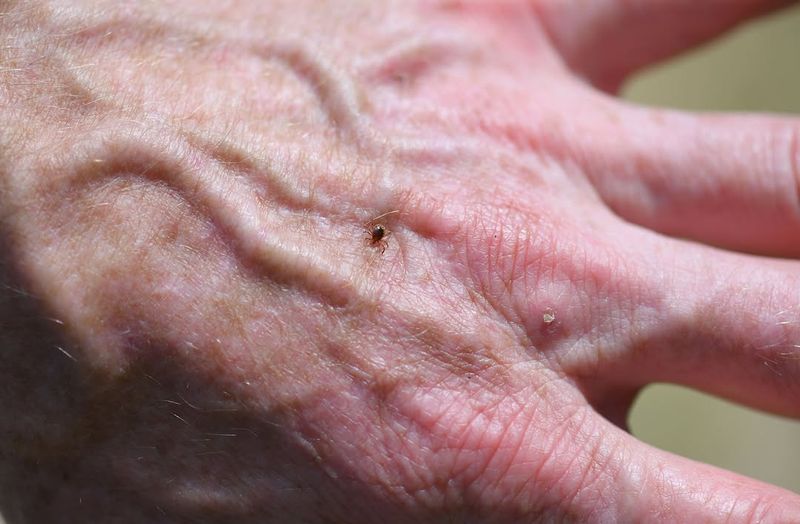
Spending an afternoon raking leaves, trimming garden beds, or clearing out a wooded edge in an Ohio backyard is satisfying work, but it also means spending time in exactly the kinds of spots where ticks may be active.
Getting into the habit of checking for ticks after any outdoor yard work is one of the most straightforward ways to catch a potential problem early.
Ticks tend to move toward warm areas of the body, so checking behind the knees, around the waist, along the hairline, and under the arms is especially worthwhile.
Changing clothes after yard work and tossing them in a hot dryer for a short cycle can also help, since ticks that may have hitched a ride on clothing are not always easy to spot right away.
Ohio’s tick season overlaps almost entirely with the months when most yard work happens, from early spring cleanup through fall leaf removal.
Pets that roam the yard during or after outdoor work should be checked as well, since they can carry ticks inside without any obvious signs.
Building a quick check into the post-yard-work routine, right alongside washing up and putting away tools, makes it an easy habit that the whole family can follow throughout the Ohio outdoor season.