Native Georgia Alternatives To Cherry Laurel For Foundation Beds That Actually Stay Healthy
Cherry laurel has earned its place in Georgia foundation beds, but it has also earned a reputation for outgrowing its welcome.
What starts as a tidy, evergreen foundation shrub can turn into something much larger and harder to manage than most homeowners anticipated, especially when humid summers bring fungal pressure into the mix.
Clay soil, tight planting strips, and the general intensity of Georgia heat make the situation even trickier. Native shrubs offer a more practical path forward for a lot of these spaces.
When matched to the right site conditions, they tend to establish more reliably, stay in proportion, and hold up through seasons without constant intervention.
Eight native options in particular stand out as strong foundation bed alternatives, covering a useful range of sizes, textures, and seasonal interest.
1. Dwarf Yaupon Holly Gives Foundation Beds Evergreen Structure
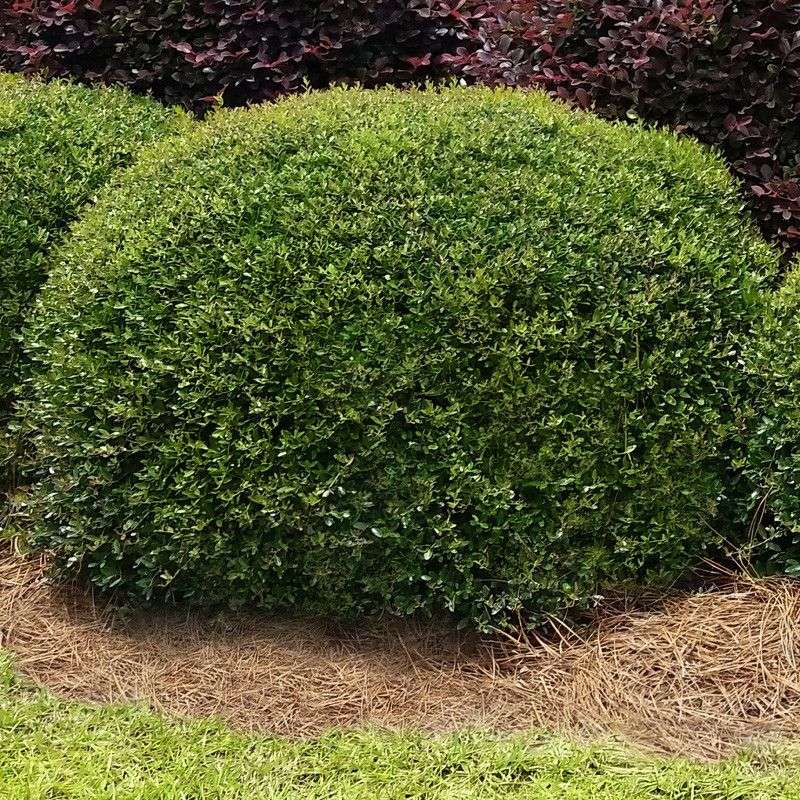
Brick walls near the front entry reflect a surprising amount of heat in Georgia summers, and not every shrub handles that kind of stress gracefully. Dwarf Yaupon Holly is one that tends to manage it well.
Its small, rounded leaves hold up through heat, humidity, and even brief dry spells without looking ragged by August.
This native holly stays naturally compact, typically reaching around three to five feet tall and wide at maturity, which makes it a reasonable fit for narrow foundation strips where overgrown shrubs become a regular maintenance problem.
It does not need heavy shearing to stay tidy, though light pruning can shape it if needed.
The dense branching gives foundation beds a solid, structured look through every season.
Georgia soils vary widely, but Dwarf Yaupon adapts to clay, loam, and sandy conditions with reasonable drainage.
It handles both full sun and partial shade, which is useful near homes where one side of the house gets afternoon shade while the other bakes in direct sun.
Birds are drawn to the small red berries on female plants in fall and winter, adding a bit of wildlife interest to an otherwise low-key shrub.
Homeowners who want year-round evergreen coverage without the size concerns that come with cherry laurel often find this holly a sensible and satisfying choice for Georgia foundation plantings.
2. Schillings Dwarf Yaupon Stays Compact And Tidy
Narrow planting strips between a sidewalk and a house wall leave almost no room for error when choosing a foundation shrub.
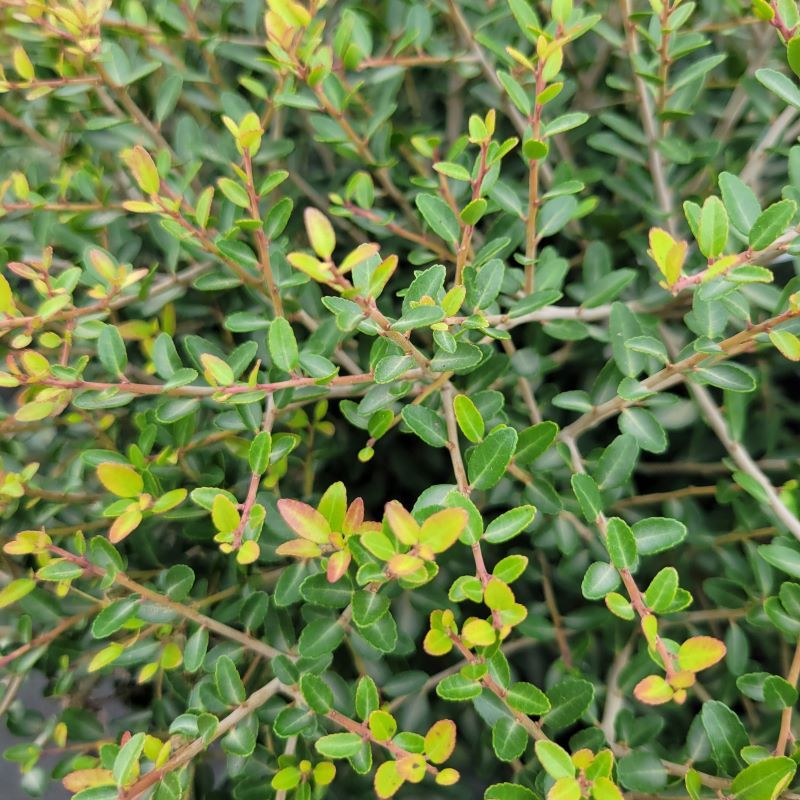
Schillings Dwarf Yaupon is a cultivar of the native Yaupon Holly that stays especially low and rounded, usually topping out around two to three feet tall and spreading to a similar width.
That restrained size is one reason Georgia landscapers often reach for it when space is genuinely tight.
The foliage is fine-textured and dense, giving beds a neat, almost sculpted appearance without constant trimming.
Because it is a selection of a Georgia-native species, it carries the same adaptability to the region’s climate, including summer humidity, occasional drought stress, and the heavy clay soils found across much of the Piedmont.
Good drainage helps it settle in more smoothly, especially in spots where water pools near the foundation after rain.
Your Georgia Garden Changes Every Week. Your Plan Should Too.
Gardening in Georgia changes quickly throughout the season. Every Friday you’ll receive a simple weekly plan showing exactly what to plant, prune, fertilize, harvest, and protect so you never miss the right timing.
Schillings Dwarf Yaupon works well in full sun to light shade and holds its color through winter, which matters in Georgia landscapes where evergreen structure keeps foundation beds from looking bare between December and March.
It is also notably resistant to most of the leaf spot and root issues that can trouble cherry laurel in humid conditions.
Homeowners who have struggled with shrubs that outgrow their space or thin out near the base may find this compact native a genuinely practical option for long-term foundation planting.
3. Nigra Inkberry Adds Native Evergreen Cover
Wet spots near the foundation are one of those persistent problems in Georgia yards, especially in low-lying areas or on properties with heavy clay that drains slowly after rain.
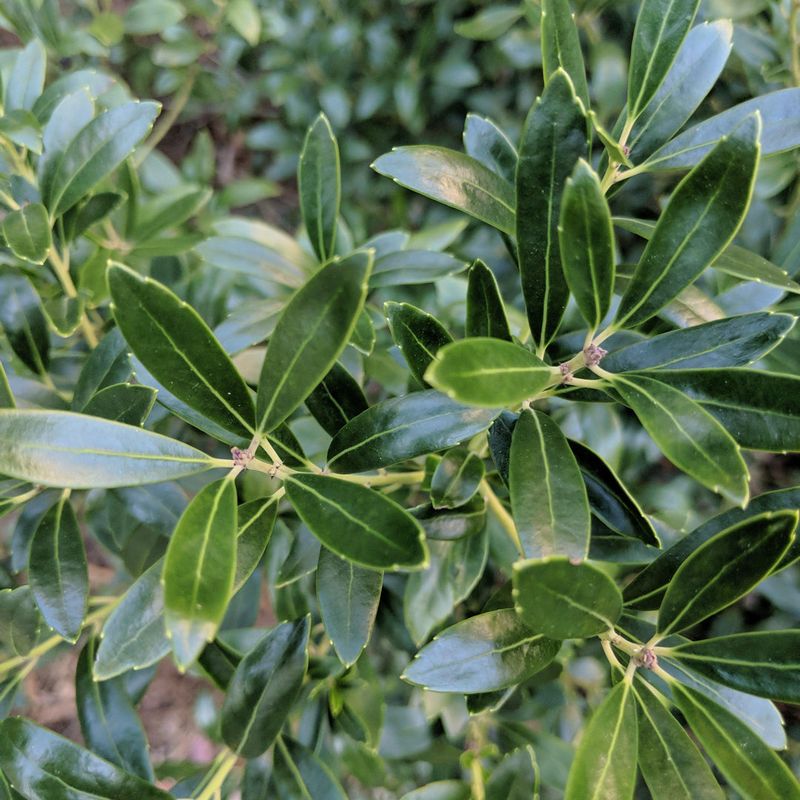
Most foundation shrubs struggle in those conditions, but Nigra Inkberry is a compact cultivar of native Inkberry Holly that actually tolerates moist to wet soils without showing the decline you might expect.
Inkberry is native to the southeastern United States, including Georgia, and Nigra is a tighter, more refined selection that typically grows three to four feet tall and wide. That size works well for foundation beds where a full-sized inkberry might become unwieldy.
The dark green, oval leaves stay on the plant through winter, giving beds a clean, evergreen look even during the colder months.
Small black berries ripen in fall and persist into winter, making the plant a useful food source for birds during a season when other berries are scarce.
Nigra handles partial shade reasonably well, which is helpful near the north or east side of a house where light is filtered or limited for part of the day.
It prefers acidic soil, which is common across much of Georgia, and benefits from consistent moisture rather than dry, droughty conditions.
For homeowners dealing with drainage challenges near the house, Nigra Inkberry offers a native evergreen option that fits both the site and the space.
4. Henry’s Garnet Sweetspire Brings Flowers And Fall Color
Some foundation beds near Georgia porches and front walks could use more than just green leaves from one end of the year to the other.
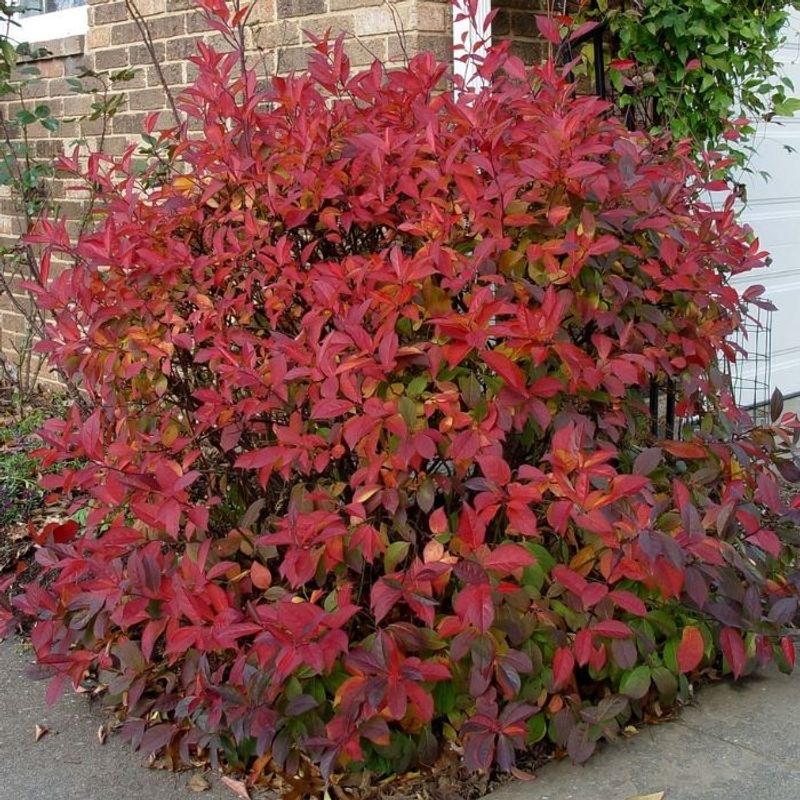
Henry’s Garnet Sweetspire is a cultivar of Virginia Sweetspire, a southeastern native, that delivers two distinct seasons of interest: fragrant white flower spikes in late spring and deep red to burgundy fall color that can last well into November in Georgia.
It typically grows three to four feet tall and spreads a bit wider over time through gentle suckering, forming a soft, arching mound.
That spreading habit is worth knowing upfront so homeowners can give it enough room to fill out naturally rather than fighting it back every season.
The arching branches have a relaxed, graceful look that softens the hard lines of brick or concrete foundations.
Henry’s Garnet adapts to a fairly wide range of conditions, including clay soil, partial shade, and moist sites, which makes it a flexible option for spots near the house that do not always drain quickly.
Full sun to partial shade both work, though fall color tends to be richest with more sun exposure.
Unlike cherry laurel, it does not grow into a towering hedge, and it does not carry the same fungal disease concerns in humid summers.
Gardeners who want seasonal personality in their foundation beds rather than a plain evergreen backdrop often find Henry’s Garnet a rewarding and reliable choice.
5. Dwarf Fothergilla Fits Neatly Near The House
Planting along a porch edge or near a front entry calls for a shrub that earns its space through more than one season, and Dwarf Fothergilla delivers that kind of layered interest in a compact package.
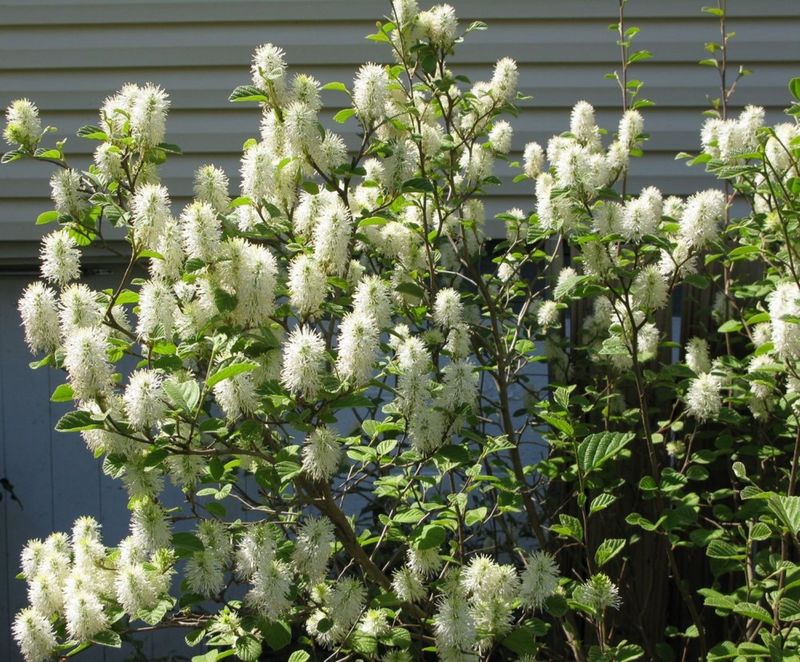
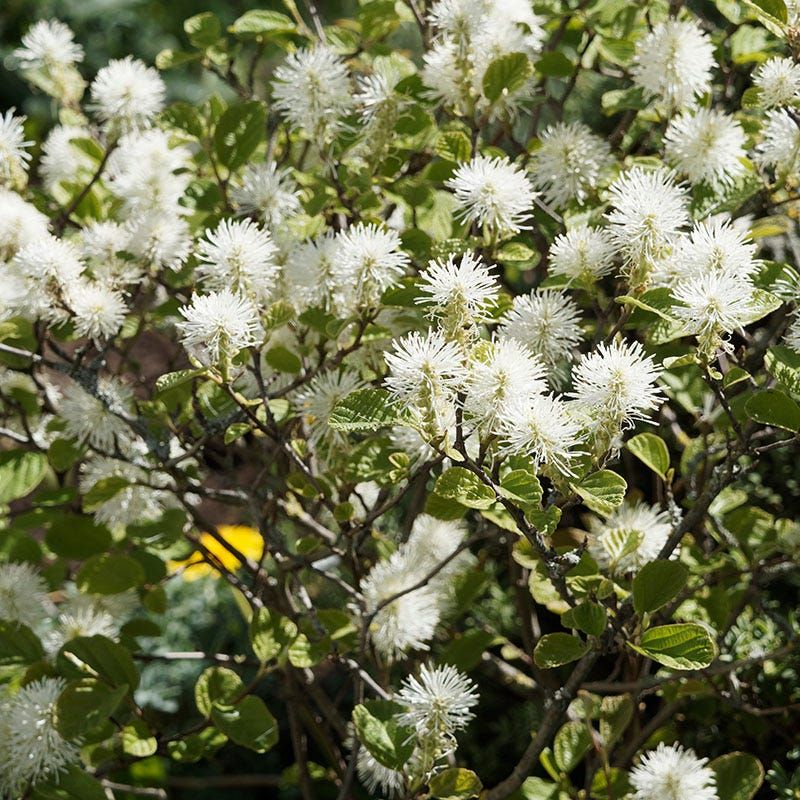
Native to the southeastern United States, including parts of Georgia, this small shrub puts on fragrant white bottlebrush-style flowers in early spring before the leaves fully open, which gives the front of the house a soft, welcoming look when not much else is blooming yet.
At maturity, Dwarf Fothergilla typically reaches two to three feet tall and wide, making it one of the smaller options on this list and a good fit for tight foundation spaces where larger shrubs quickly become a problem.
The rounded, textured leaves turn brilliant shades of orange, red, and yellow in fall, giving Georgia landscapes a seasonal color display that rivals many ornamental trees.
It performs best in acidic, well-drained soil with consistent moisture, which matches the conditions found in many Georgia Piedmont and mountain-area gardens.
Partial shade to full sun both work, though the most vibrant fall color tends to develop with at least a few hours of direct sunlight each day.
Root competition from large trees nearby can be a challenge, so giving it a reasonably open spot helps it establish more successfully.
For homeowners who want a low, tidy, multi-season native near the foundation, Dwarf Fothergilla is a genuinely satisfying option.
6. Mt. Airy Fothergilla Adds Bigger Seasonal Interest
Roof overhangs and wide eaves can leave a dry shadow zone right along the foundation, and shrubs planted in those spots sometimes struggle to get enough water even during wet springs. Mt.
Airy Fothergilla is a cultivar that tends to establish more vigorously than the straight species, making it a bit more forgiving in spots where conditions are not ideal from the start.
Growing four to five feet tall and wide at maturity, Mt. Airy is larger than Dwarf Fothergilla and fits better as a corner planting, a mixed shrub border anchor, or a specimen near the end of a foundation run where more visual weight is welcome.
The white bottlebrush flowers in spring are fragrant and eye-catching, and the fall foliage brings a mix of yellow, orange, and red that can make a front yard look genuinely striking from the street.
Like other fothergillas, Mt. Airy prefers acidic, moist, well-drained soil and does well in partial shade to full sun.
It is native to the southeastern United States and tends to resist the common fungal issues that trouble cherry laurel in Georgia’s humid summers.
Deer browsing can be a concern in suburban areas near wooded edges, so its placement is worth considering in neighborhoods where deer pressure is common.
Gardeners who want a mid-sized native shrub with reliable multi-season interest often find Mt. Airy one of the more rewarding options available for Georgia foundation beds.
7. Coastal Leucothoe Handles Shady Foundation Spots
Shaded corners on the north or east side of a Georgia house can be surprisingly tricky to plant well. Many evergreen foundation shrubs need more sun than those spots provide, and they slowly thin out or lose their color over time.
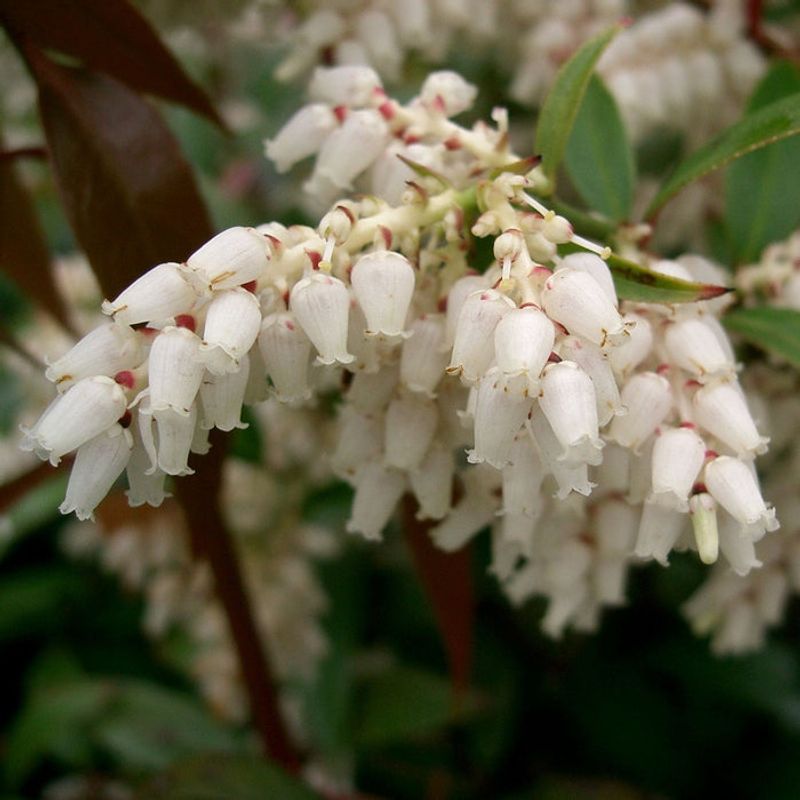
Coastal Leucothoe, also called Drooping Leucothoe, is a southeastern native that genuinely prefers those lower-light conditions and tends to look its best in the kind of dappled or partial shade that defeats less shade-tolerant options.
The arching stems and glossy, lance-shaped leaves give this shrub a graceful, layered appearance that works beautifully near the base of a house where something soft and flowing is more appealing than a stiff, formal hedge.
It typically grows three to four feet tall and spreads wider through gradual suckering, filling in shaded beds over a few seasons without becoming aggressive or difficult to manage.
Foliage often takes on reddish or bronze tones in winter, adding seasonal interest even in the colder months when most other shade plants go dormant.
Coastal Leucothoe prefers acidic, moist, well-drained soil and does best where it does not dry out for extended periods during Georgia summers.
It is sensitive to reflected heat and direct afternoon sun, so placing it in a genuinely shaded or morning-sun-only spot helps it stay healthy and attractive.
For homeowners struggling to find an evergreen native that fits a dark foundation corner, Coastal Leucothoe is one of the most reliable and visually appealing solutions available.
8. Darrow’s Blueberry Works In Sandy Acid Soil
Sandy, acidic soil in south Georgia and the coastal plain region can be a real limiting factor when choosing foundation shrubs, since many common options either struggle to establish or show nutrient deficiencies over time.
Darrow’s Blueberry is a native species that not only tolerates those conditions but actually thrives in them, making it one of the more naturally suited options for Georgia homeowners in those parts of the state.
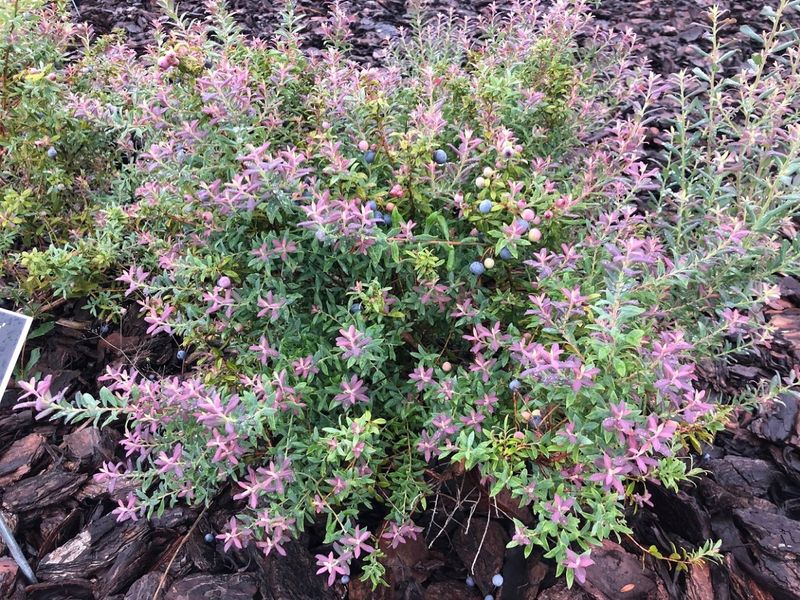
Unlike the large highbush blueberries grown for fruit production, Darrow’s Blueberry tends to stay in the four to six foot range and has a more upright, shrubby form that works reasonably well near a foundation with enough space.
The foliage is semi-evergreen to evergreen depending on winter temperatures, and the white bell-shaped flowers in spring add quiet seasonal charm before the edible blue-black berries ripen in summer.
Birds are strongly attracted to the fruit, so this shrub can bring real wildlife activity to the front or side of the house during summer months.
It needs well-drained, acidic soil and full sun for best fruiting and overall health, so it is not the right fit for shaded beds or spots with heavy clay and poor drainage.
Supplemental irrigation during dry summers helps young plants establish, though established specimens handle drought with more resilience.
For gardeners in sandy Georgia soils who want a native shrub with food, flower, and wildlife value, Darrow’s Blueberry brings a lot to the foundation bed.