The One Florida Yard Visitor That May Be Eating Your Tick Problem
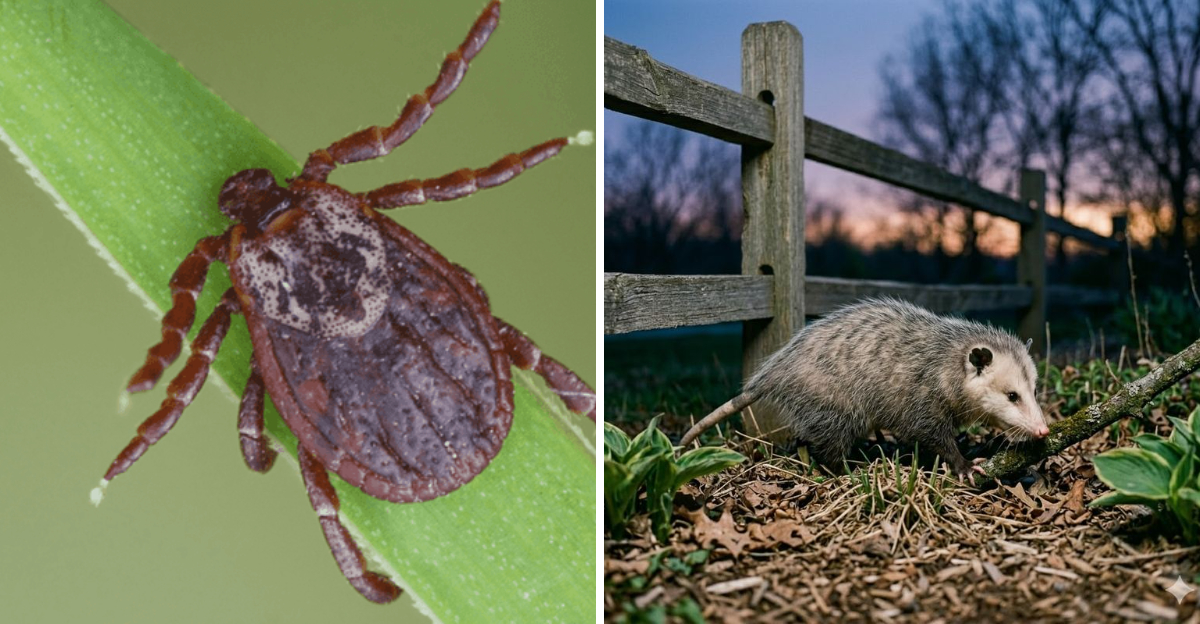
Ticks are a year round reality in Florida, and most homeowners are fighting that battle with sprays, treatments, and a lot of frustration. But there is a creature that some Florida yards are already hosting that researchers have been taking a closer look at lately.
Its relationship with ticks is more interesting than most people realize. The reputation got ahead of the science a little.
The full picture is more nuanced, but still worth knowing about, especially for anyone trying to build a yard that works harder on multiple fronts. The best part is that attracting this visitor costs next to nothing.
No products, no traps, no special setup. It mostly comes down to making your yard a place it wants to be, which turns out to be pretty simple once you know what it actually needs.
One misunderstood yard visitor. One genuinely fascinating story.
Keep reading, because this one earns a second look.
1. Opossums Deserve A Second Look In Tick Season
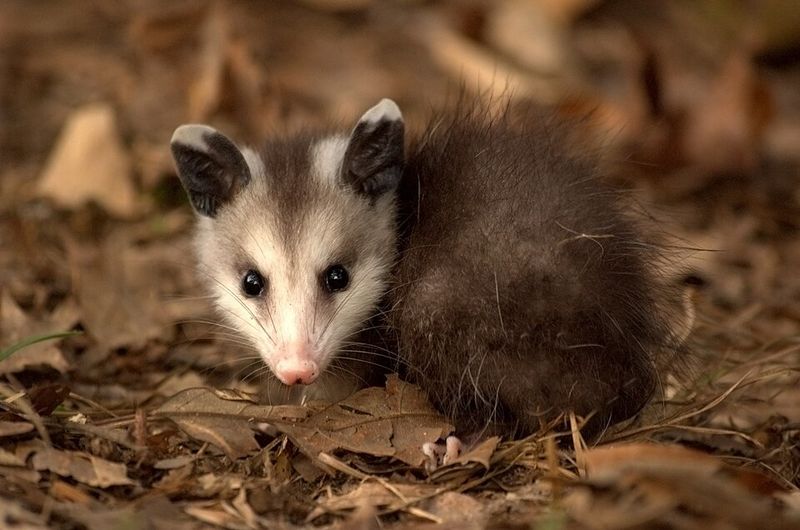
Most people spot an opossum near the fence line and immediately want it gone. That reaction is understandable, but it skips past something worth knowing.
Virginia opossums are native wildlife in this state, not invasive pests. They lived in these landscapes long before suburban yards replaced the forests and wetlands they once roamed freely.
As nighttime visitors, opossums move quietly through yards, sniffing along the ground and poking through leaf litter in search of whatever food happens to be available.
During this foraging and grooming behavior, they may pick up and consume some ticks that have attached to their fur.
Researchers have noted this possibility, though the extent of tick consumption varies and should not be treated as a reliable yard-wide control method.
Tick season in this state runs longer than in most parts of the country. Warm temperatures and high humidity allow ticks to stay active well beyond the summer months.
Knowing which native animals pass through your yard and what role they might play in the local ecosystem is a smart starting point.
Opossums are worth a second look, not because they solve tick problems, but because they are part of a bigger ecological picture that affects every Florida yard.
2. The Tick Eating Claim Needs A Careful Reality Check
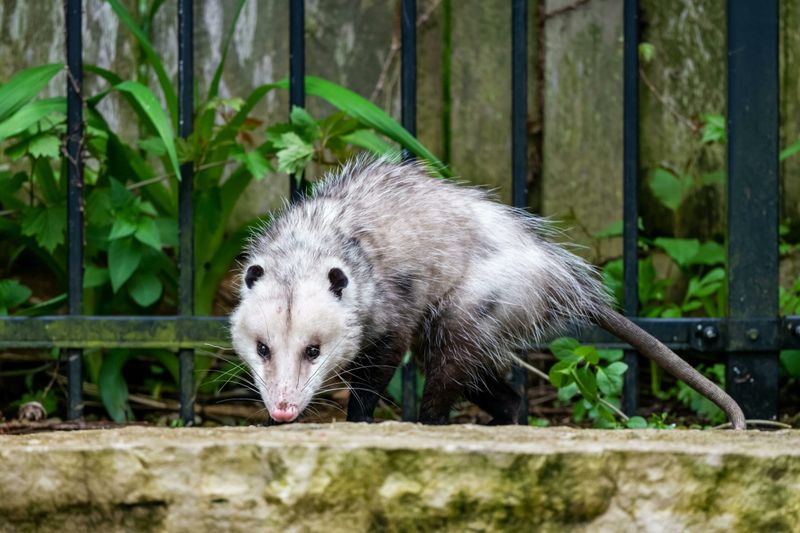
A widely shared claim suggests that a single opossum can consume thousands of ticks in a single week. That number circulated for years and became one of the most repeated wildlife facts on social media.
The problem is that the original figure came from a controlled laboratory study, not from observations of opossums living in real yards and real ecosystems.
Researchers at the Cary Institute of Ecosystem Studies, whose work sparked much of this conversation, have themselves cautioned against overstating the findings.
Real-world tick consumption by opossums appears to be far more variable and context-dependent than the headline numbers suggested.
Opossums groom themselves frequently, and ticks that land on them may be eaten in the process. But the scale of that consumption in an actual suburban yard is simply not well established.
Your Florida Garden Changes Every Week. Your Plan Should Too.
Gardening in Florida changes quickly throughout the season. Every Friday you’ll receive a simple weekly plan showing exactly what to plant, prune, fertilize, harvest, and protect so you never miss the right timing.
Treating opossums as a tick management tool based on one lab study is not a sound approach to protecting your family or pets. The claim deserves respect as a starting point for research, not as a settled fact.
Opossums may still eat some ticks, and that is worth acknowledging honestly. Balanced thinking here matters more than a catchy statistic that oversimplifies a complex ecological relationship.
3. A Nighttime Visitor May Be Cleaning Up More Than You Think
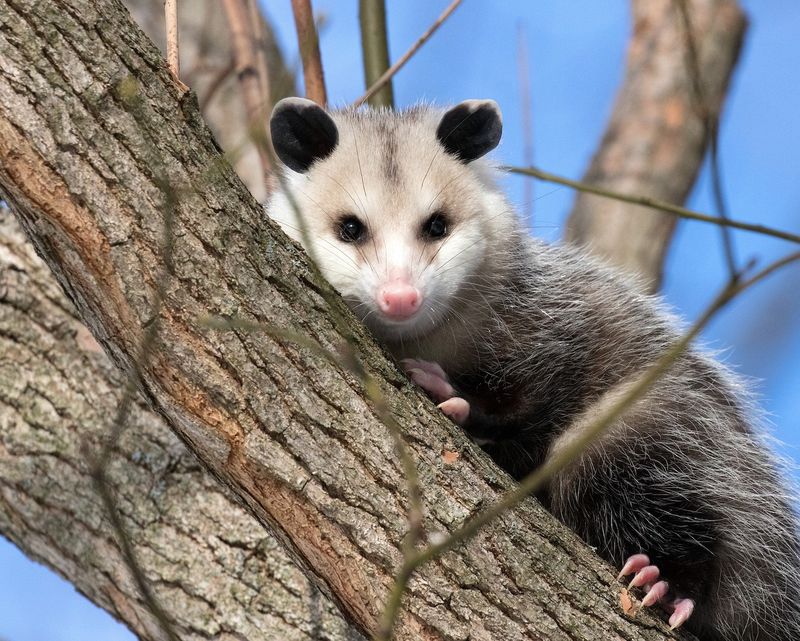
Catch an opossum rooting around your yard after dark and you might assume it is causing trouble. Look a little closer, though, and you will see an animal doing something genuinely useful.
Opossums are opportunistic omnivores, meaning they eat what is available rather than specializing in one food source. That flexibility makes them surprisingly helpful scavengers in a backyard setting.
Their diet can include insects, beetles, slugs, small invertebrates, fallen fruit, carrion, and other organic material that would otherwise sit and rot. In a warm, humid climate like this one, decomposing matter attracts flies, rodents, and other unwanted visitors quickly.
An opossum passing through and cleaning up scattered food scraps or carrion is doing a small but real service to the yard’s overall health.
This scavenging role does not mean homeowners should leave food out to attract them. Feeding wildlife intentionally causes its own set of problems, including animals becoming too comfortable near homes and losing their natural caution around people.
Appreciate the cleanup work from a distance. Opossums are not pets, and they are not tools.
They are wild animals doing what they evolved to do, and the best thing a homeowner can do is let that process happen without interference.
4. Ticks Are Only Part Of The Opossum Diet Story
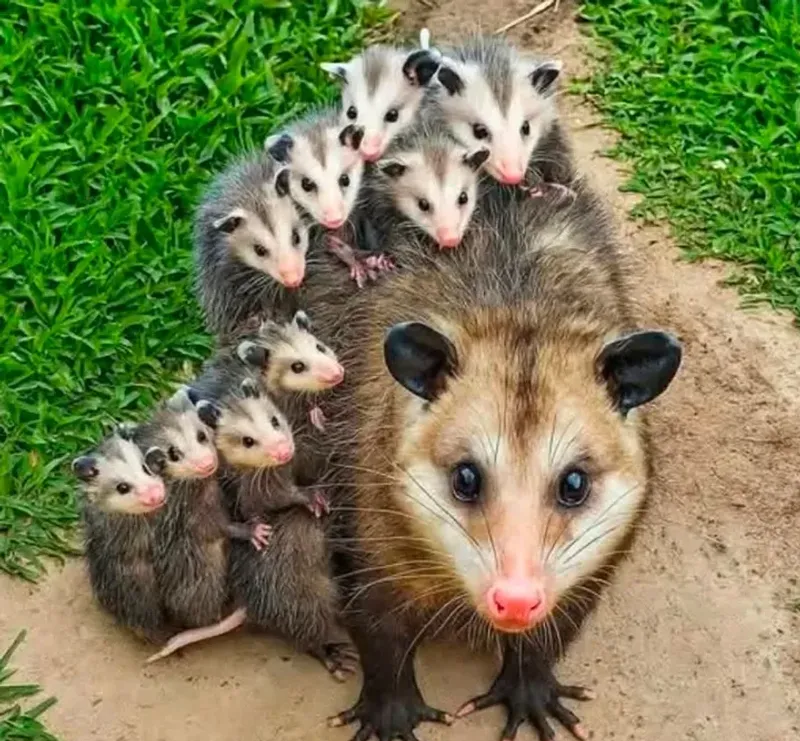
Framing opossums purely as tick eaters flattens a much more interesting story. Ticks represent just one tiny, unpredictable slice of what an opossum might encounter during a night of foraging.
Calling them tick specialists is a bit like calling a raccoon a berry specialist. Both animals eat what they find, and what they find changes with the season, the habitat, and what your yard happens to offer that evening.
As generalists, opossums are built for variety. Beetles, earthworms, slugs, snails, small amphibians, bird eggs, ripe or overripe fruit, and carrion all make appearances in their diet depending on availability.
Florida Fish and Wildlife Conservation Commission guidance encourages residents to observe native wildlife from a safe distance. It also advises avoiding interference with animals that are not posing a direct threat.
Understanding opossums as generalists rather than tick specialists helps set realistic expectations. Welcoming them into your yard because of one possible dietary habit sets up disappointment.
Appreciating them as native scavengers with a broad ecological role gives a more honest picture. The tick connection is real enough to mention, but it is not the main reason opossums matter.
Their value comes from the whole package, not one headline-friendly behavior.
5. A Calm Yard Makes Wildlife Encounters Less Stressful
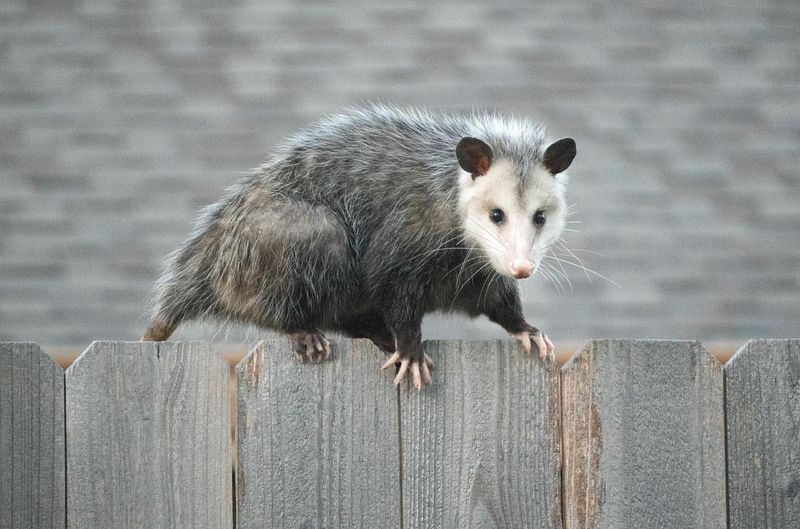
Spotting an opossum near the patio at night can feel startling, especially if pets are outside or children have been playing in the yard. The calmer response, though, is usually the smarter one.
Opossums that are simply passing through are not looking for a confrontation. Given space and time, they will move along on their own without any intervention needed.
Keeping dogs and cats inside or supervised during evening hours is a practical step that benefits both your pets and the wildlife passing through. Dogs that chase or corner opossums can stress the animal and create an unnecessary situation for everyone involved.
An opossum that feels cornered may hiss, bare its teeth, or go still in a defensive posture, none of which signals aggression so much as fear.
Florida Fish and Wildlife Conservation Commission guidance encourages residents to observe native wildlife from a safe distance and avoid interfering with animals that are not posing a direct threat.
Trapping and relocating opossums without proper authorization is not recommended and may be regulated depending on local rules.
If an opossum appears injured, sick, or unusually disoriented, contacting a licensed wildlife rehabilitator or the FWC is the right move. Calm observation, not intervention, is the default approach that works best for everyone.
6. Food Scraps Can Turn Helpful Visits Into Bad Habits
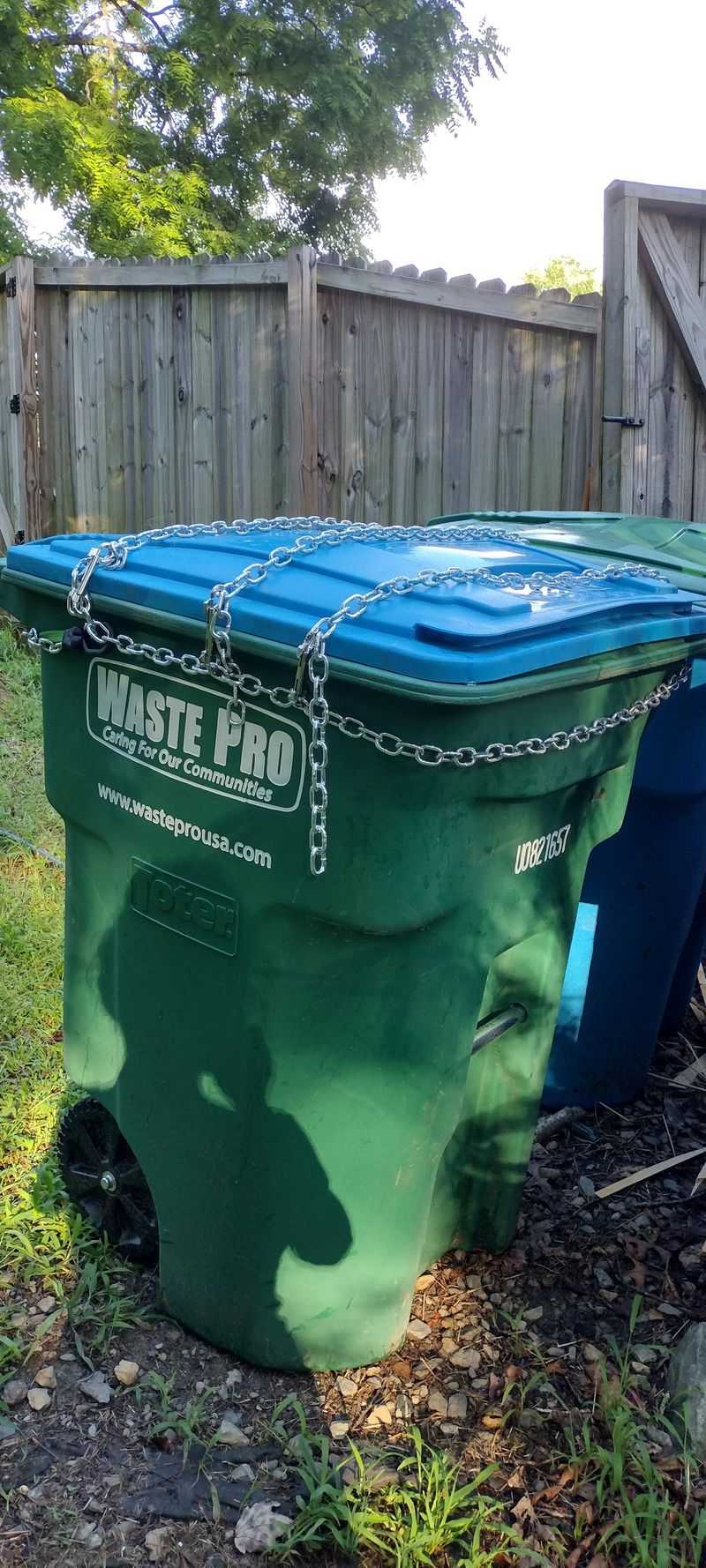
Pet food bowls left outside overnight are one of the fastest ways to turn an occasional opossum sighting into a regular habit. Once a wild animal learns that a yard reliably provides food, it starts returning more often and with less caution.
That shift in behavior is not good for the animal or for the household.
Fallen citrus, mangoes, avocados, and other fruit common in warm-climate yards can draw opossums in just as effectively as a full bowl of kibble. Greasy compost scraps, unsecured trash bins, and outdoor grills with leftover residue all send the same invitation.
UF/IFAS Extension and FWC both advise against intentionally or accidentally feeding wildlife. It creates dependency and can bring animals into closer contact with people and pets than is healthy or safe.
Securing food sources is straightforward and does not require major effort. Bring pet food inside at dusk, use wildlife-resistant latches on compost bins, pick up fallen fruit regularly, and keep trash containers tightly closed.
None of these steps mean you cannot appreciate the opossum that passes through your yard. They simply mean that appreciation stays at a healthy distance, which is better for the animal’s long-term wildness and your household’s long-term comfort.
7. Safe Distance Keeps People And Opossums Better Off
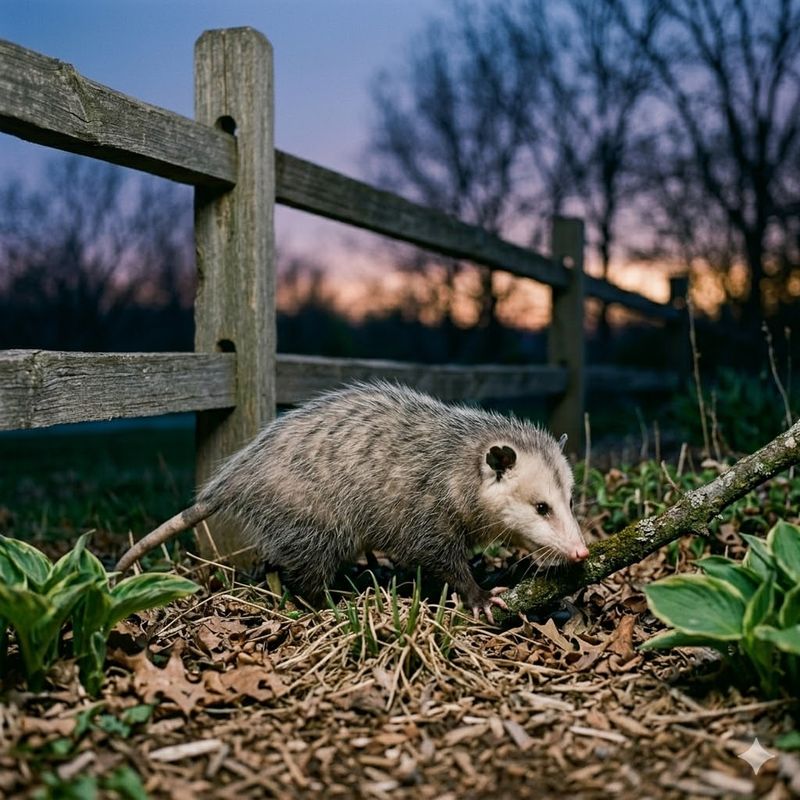
Wild animals and people share more space in this state than almost anywhere else in the country.
Suburban neighborhoods back up against conservation lands, wetlands, and wildlife corridors that keep native species moving through residential areas on a regular basis.
Opossums are part of that movement, and most encounters are brief and uneventful when people simply give them room.
Watching from a porch, through a window, or from across the yard is the right way to experience a passing opossum. Approaching, chasing, or attempting to handle any wild animal carries real risks and is not necessary in most situations.
Even animals that appear calm can react unpredictably when they feel threatened, and opossums are no different.
If an opossum is behaving strangely, that is a situation for professionals, not homeowners. Warning signs include moving during daylight hours when they are typically nocturnal, circling without direction, or showing signs of injury.
Reach out to a licensed wildlife rehabilitator through the FWC’s wildlife assistance network or contact your county’s animal services office for guidance. Respecting that boundary between wild and domestic is not about fear.
It is about keeping both sides of that line safer and healthier over the long term.
8. Tick Control Still Starts With Smart Yard Care
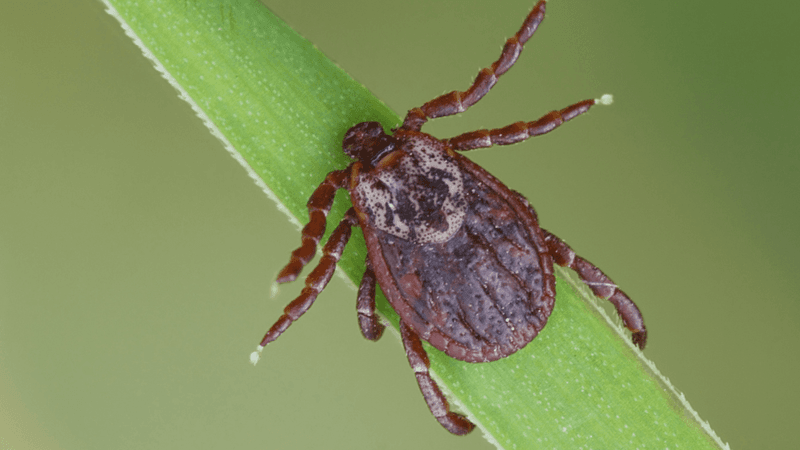
No matter how many opossums pass through your yard on any given night, tick prevention still comes down to what you do during daylight hours. Ticks in this state can stay active across most of the year.
That is especially true in areas with dense vegetation, shaded ground cover, and warm humidity that never fully disappears even in winter months.
UF/IFAS Extension recommends keeping grass mowed short and clearing brushy vegetation along the edges of play areas and walkways. It also recommends reducing leaf litter where ticks tend to shelter.
Checking pets thoroughly after time outdoors and using veterinarian-recommended tick prevention products is one of the most reliable protective steps available.
Checking yourself and family members after yard work or outdoor activity matters just as much.
Opossums can be appreciated as native wildlife that may consume some ticks and contribute to a functioning backyard ecosystem. That appreciation does not replace a solid prevention routine.
Ticks carry real health risks for people and pets in this state. Managing that risk requires active yard care, personal precautions, and guidance from reliable sources like UF/IFAS and the Florida Department of Health.
Opossums are one small piece of a much larger puzzle, and smart yard habits are the frame that holds it all together.