Harvest These 7 Arizona Crops Early Before The Flavor Starts Slipping
The tomato looked perfect from across the garden. The right color, the right size, the right everything.
By the time it came off, something had already changed inside it. The texture was off. The flavor was flat. The moment had passed without any announcement.
Arizona does not warn you when it is about to take something. It just takes it.
Has a vegetable ever disappointed you at the table after a season of doing everything right in the garden?
That gap between what a crop could have tasted like and what it actually tasted like at harvest is almost always explained by the same thing. Not what was done wrong during the growing season. What was done too late at the end of it.
Arizona heat compresses every timeline. The window between peak flavor and past it is genuinely shorter here than gardening guides written for other climates tend to suggest.
Knowing exactly when to harvest changes everything about what ends up on the plate.
1. Pick Lettuce Before Heat Turns Leaves Bitter
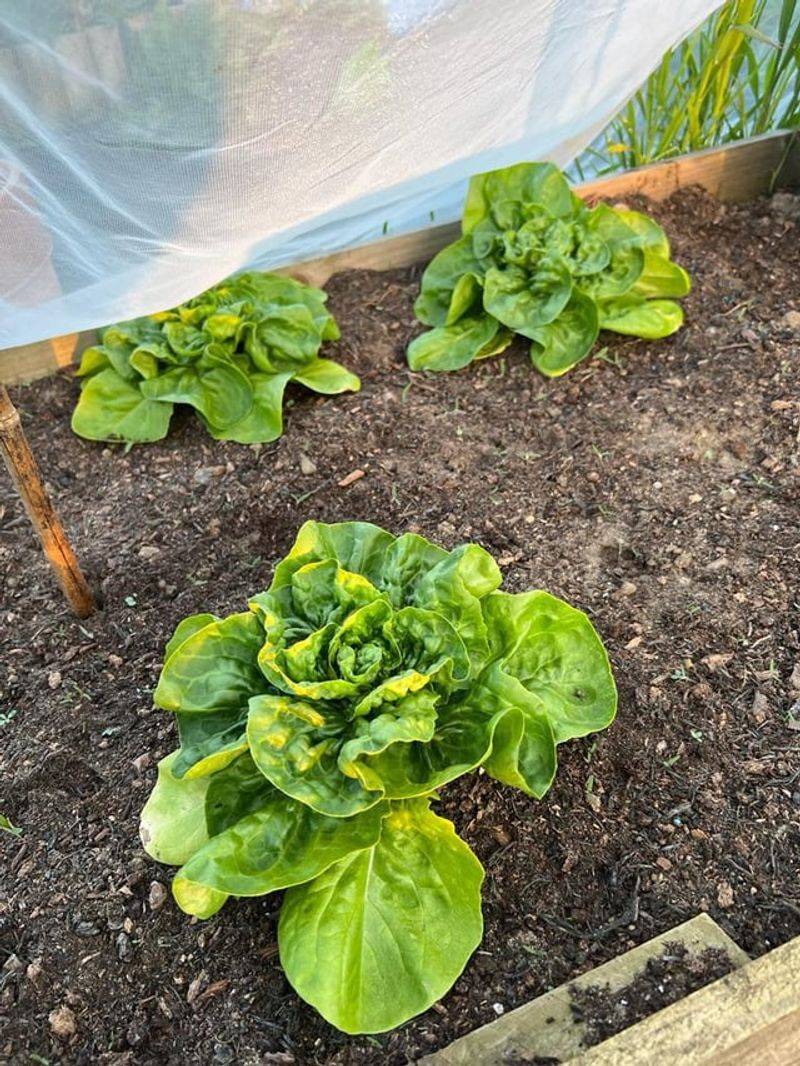
Bitterness in lettuce arrives without much warning in Arizona. Temperatures climbing past 80 degrees Fahrenheit is usually all it takes to start the process.
When heat builds, lettuce shifts energy toward producing a flower stalk and seeds rather than tender leaves. That shift floods the foliage with a bitter compound called lactucin.
Once a tall central stalk appears from the center of the plant, flavor quality drops quickly. Leaves become tough, chewy, and noticeably unpleasant to eat raw.
Harvesting before that stalk forms is the key to keeping lettuce crisp and mild. Morning is the best time to cut in Arizona. Overnight temperatures are cooler and leaves hold more moisture and crunch before afternoon heat sets in.
Loose-leaf varieties offer the most flexibility. Snipping outer leaves as needed rather than waiting for a full head to form keeps quality high across more harvests.
Succession planting makes a real difference here. Staggering plantings every two to three weeks during cooler months ensures a fresh batch is always coming in.
Shade cloth rated at thirty to forty percent can extend the harvest window by several weeks in marginal conditions.
The taste test is your best tool. The moment leaves register even slightly bitter, harvest everything ready without waiting another day.
Arizona lettuce does not negotiate on timing. It gives you a window, and then it gives the window to someone who showed up earlier.
2. Harvest Cilantro Before It Bolts Into Flowers
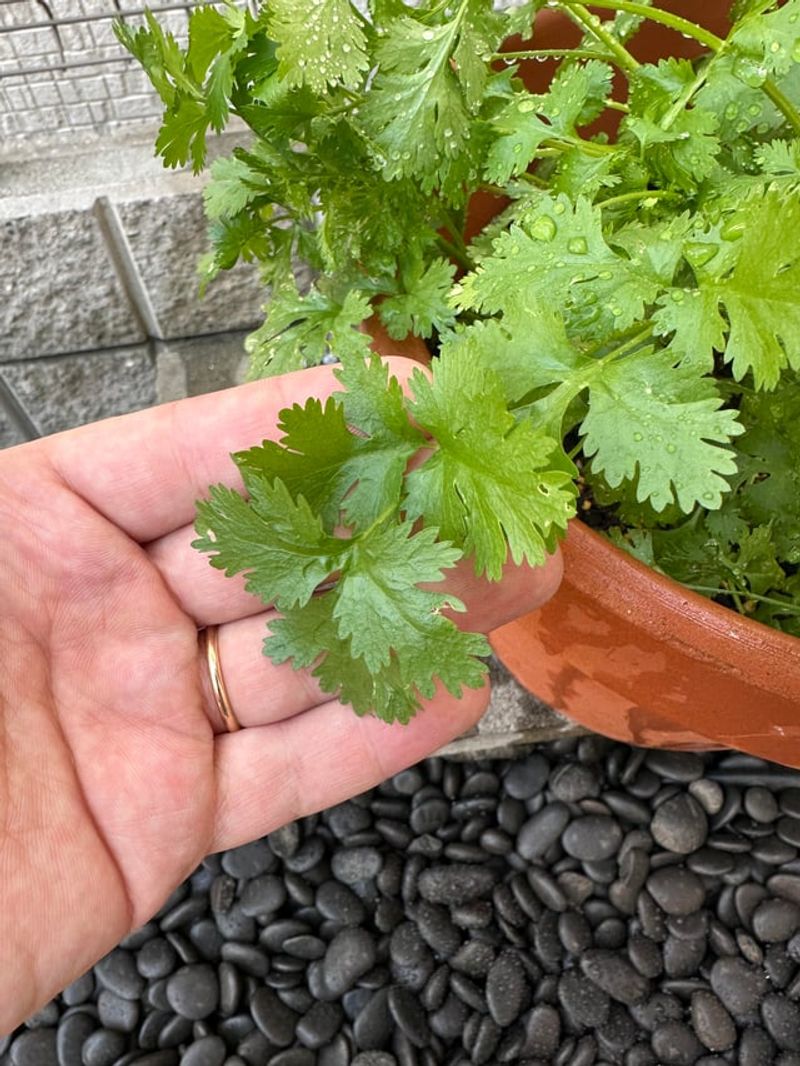
Cilantro in Arizona operates on a schedule that moves faster than most gardeners expect and does not pause for negotiation.
Once temperatures consistently reach the mid-70s and beyond, the plant redirects energy from leaf production toward flowering and seed production.
The change in flavor is immediate and obvious. Leaves become sparse, feathery, and far less aromatic than the broad, flat growth needed for salsas and fresh cooking. The essential oils that give cilantro its fresh, citrusy quality begin fading as soon as flowering starts.
Harvesting leafy stems before any flower stalks appear keeps flavor concentrated and yield generous. Check plants every two to three days during warm spells.
Your Arizona Garden Changes Every Week. Your Plan Should Too.
Gardening in Arizona changes quickly throughout the season. Every Friday you’ll receive a simple weekly plan showing exactly what to plant, prune, fertilize, harvest, and protect so you never miss the right timing.
Thin, wispy leaves replacing broader ones is the visual warning that the shift has already begun. Snipping stems about one-third of the way down encourages fresh leafy regrowth and delays the process slightly.
Bolt-resistant varieties like Leisure or Santo provide extra time in Arizona’s climate. Sowing in partial shade slows the heat stress that triggers bolting.
Consistently moist soil matters too, since drought stress accelerates the timeline considerably.
A plant that does bolt fully is not a total loss. Letting it go to seed produces coriander seeds worth saving for cooking or replanting in the next cooler season.
Cilantro peaked. You either caught it or you made plans to try again in October. Both are valid Arizona gardening strategies.
3. Pull Radishes Before They Turn Woody
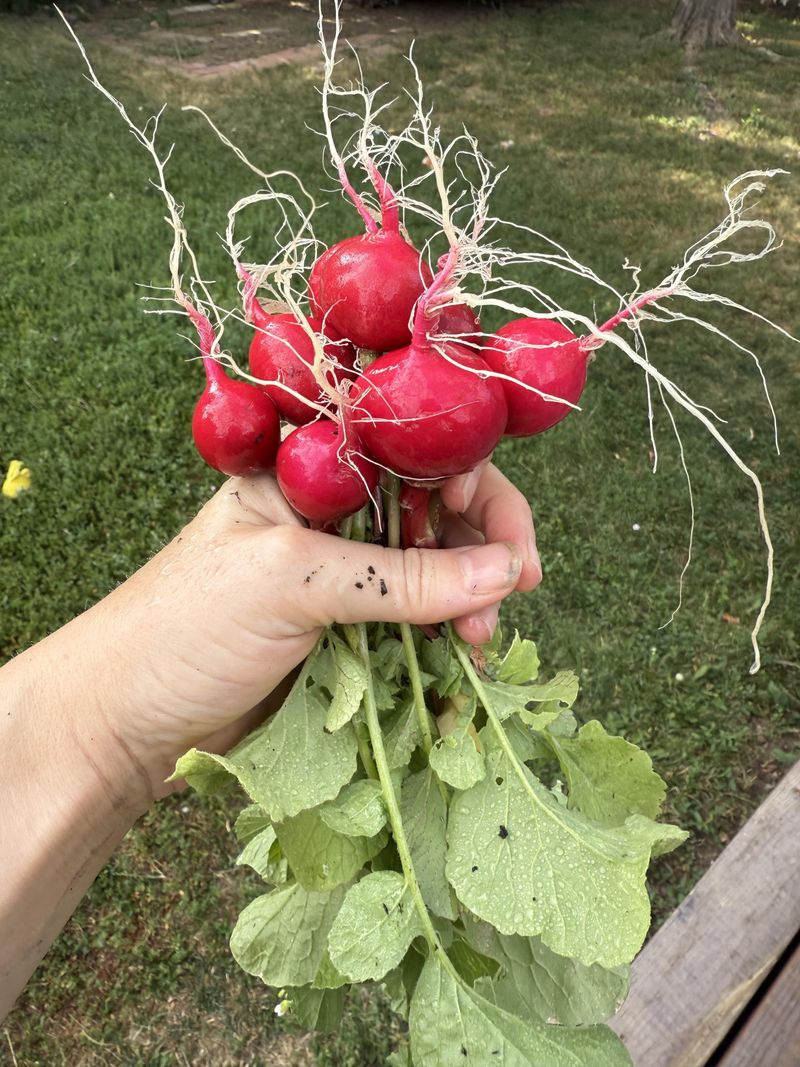
Radishes develop and decline faster in Arizona than most gardeners account for. The reputation for being easy to grow is accurate.
The part about requiring close attention to harvest timing gets less attention, but matters just as much.
In warm Arizona soil, radishes can mature in as little as three to four weeks. Once they reach full size, quality does not hold for long.
The texture turns pithy and spongy. The flavor sharpens into something noticeably unpleasant. Cracking on the outside signals the root has been in the ground too long.
Soil temperatures above 65 degrees Fahrenheit accelerate radish development in ways that reduce quality significantly. The root forms a tough interior instead of the crisp, juicy bite that makes radishes worth growing.
Start checking at the three-week mark by gently brushing soil away from the top of the root. A shoulder the size of a marble or small coin is the signal to pull.
Smaller radishes pulled earlier are almost consistently crisper and milder than larger ones left to develop in warming soil.
Morning is the best harvest time when soil is coolest. After pulling, trim the tops and place radishes in cold water for thirty minutes to restore crunch and revive any wilting from the heat.
Staggering plantings every ten days keeps a continuous supply without giving any batch the chance to overstay its welcome in hot ground.
4. Cut Spinach Early While Leaves Stay Tender
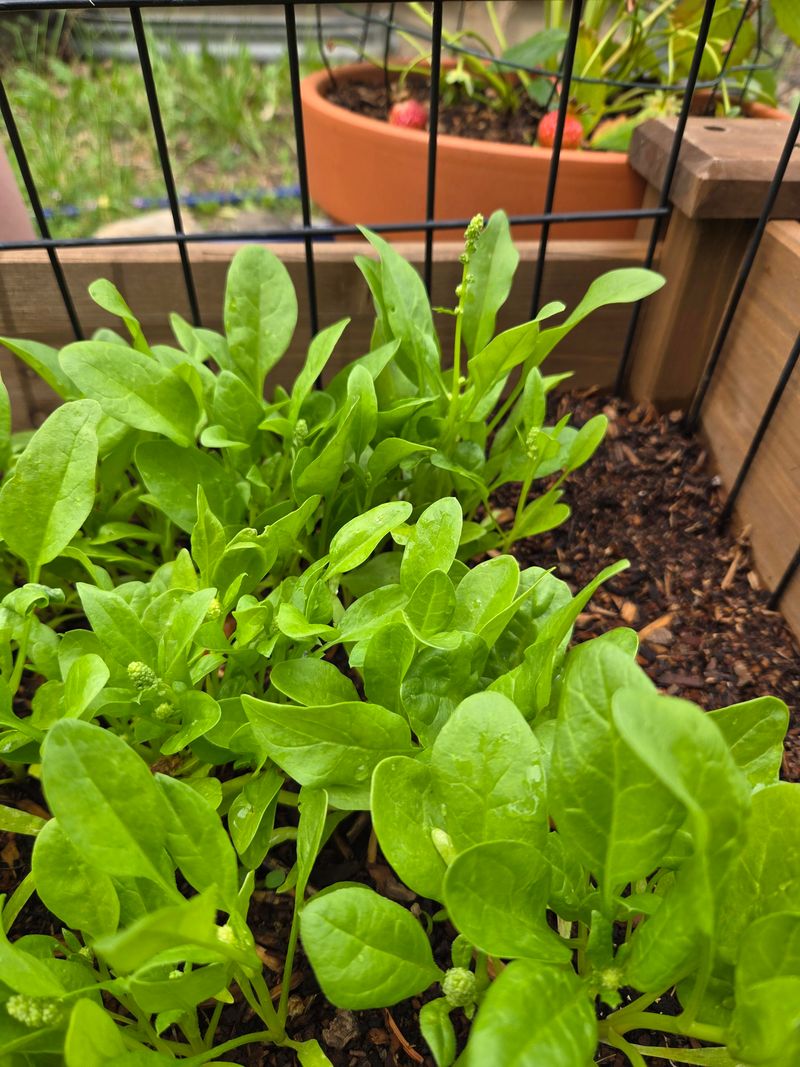
Spinach in Arizona rewards patience right up until the point where patience becomes a liability.
The tipping point arrives faster here than in most other growing climates. Once daytime temperatures push past 75 degrees Fahrenheit consistently, the plant shifts toward bolting and leaf quality changes noticeably.
Leaves turn tough, darker, and more bitter than the tender growth that made them worth harvesting in the first place.
Baby spinach leaves at two to three inches long represent the peak of tenderness and sweetness. The harvest window in most Arizona growing zones falls between November and March.
Pushing that window even a few weeks into warming spring conditions is where crop quality typically gets lost.
Cutting outer leaves while leaving the inner rosette intact extends the harvest across several additional weeks.
A cut-and-come-again approach done with clean scissors rather than pulling protects the shallow root system from unnecessary disturbance.
Leaf color is a useful ongoing gauge. Yellowing or coarse texture developing as temperatures rise indicates heat stress.
At that point, harvesting everything usable is the right move. Waiting for recovery in Arizona heat is rarely a productive strategy.
Blanching and freezing harvested spinach immediately after cutting locks in the flavor and nutrients before the season ends.
Spinach is a crop that tells you clearly when it is done. The question is whether the gardener is listening closely enough to respond before the window closes.
5. Gather Peas Before Pods Lose Sweetness
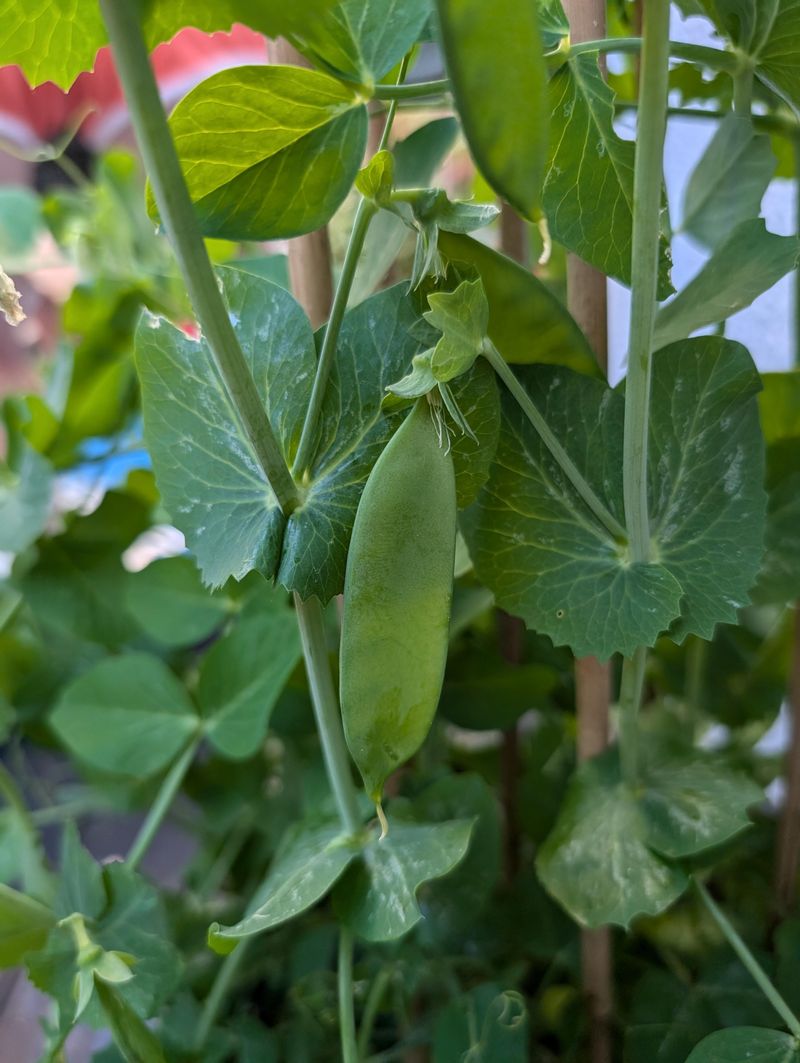
Garden peas have a brief moment of genuine perfection. In Arizona that moment is shorter than almost anywhere else, and it does not announce its arrival.
The sugar-to-starch conversion in peas begins almost immediately after the pod reaches full size. Warm temperatures accelerate that process significantly.
A pod that tastes sweet and fresh in the morning can taste starchy and flat by the following day in Arizona’s spring heat.
The right timing comes just before seeds inside the pod reach full development. Pressing the pod gently between fingers provides a reliable check.
A firm pod where peas roll slightly under pressure means the harvest is right on schedule. A tight pod where seeds feel hard through the skin means the window has already passed.
Check pea plants every single day once pods begin forming. Arizona’s heat accelerates the timeline well beyond what most general gardening guides suggest.
Frequent picking also signals the plant to keep producing new pods rather than concentrating energy into maturing existing ones.
Morning harvest is consistently best. Sugars are at their highest concentration after cool overnight temperatures.
Refrigerating immediately after picking preserves what the night air helped build. Even a few hours at room temperature in Arizona’s heat produces a noticeable reduction in sweetness.
Shelling and blanching extra peas for the freezer right after picking locks in the flavor before the heat makes further storage irrelevant.
Peas in Arizona are essentially a sprint. The gardener who checks daily wins. The one who checks weekly is making soup.
6. Pick Basil Often Before Heat Toughens Growth
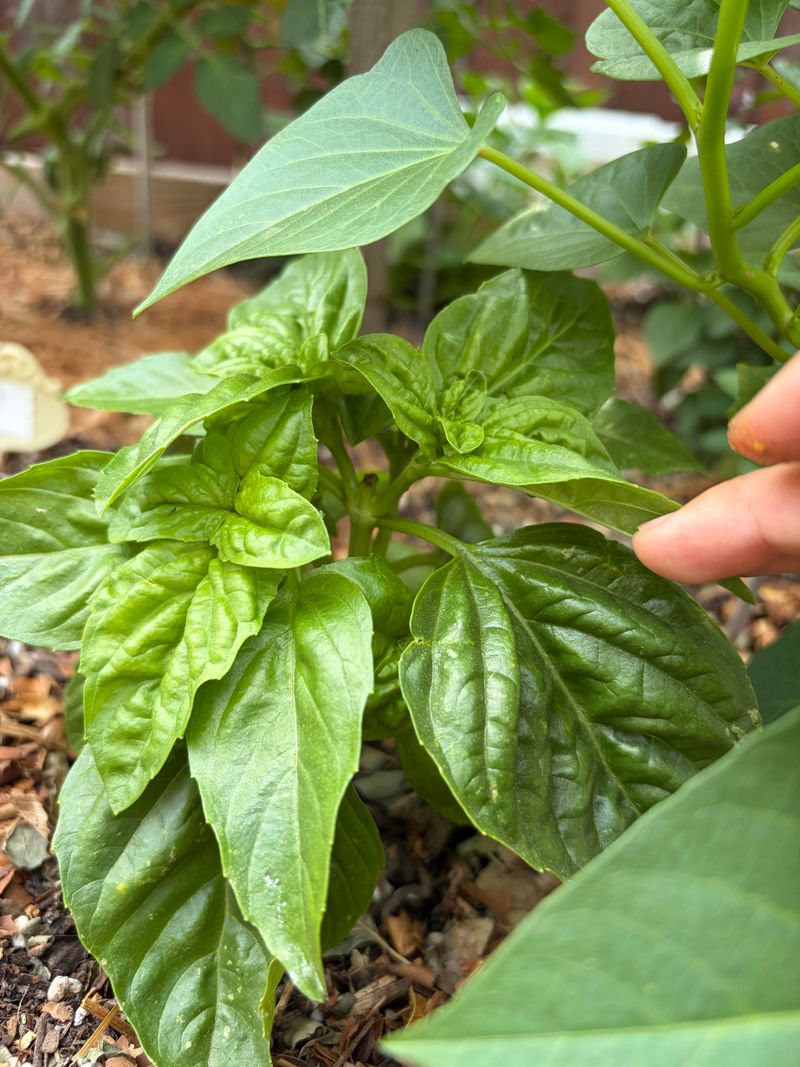
Basil tolerates warmth well. Arizona summers push that tolerance past its useful limit, and the herb responds in ways that reduce both quality and yield.
Frequent harvesting is the most effective single action for keeping basil productive and flavorful through the season.
When the plant is allowed to flower, energy shifts from leaf production to seed development. The leaves that remain become smaller, tougher, and noticeably less aromatic.
Once flowering proceeds fully, the flavor of remaining foliage declines in a way that regular picking cannot reverse.
Pinching flower buds off as soon as they appear redirects energy back into lush leafy growth. This requires checking plants every three to five days during Arizona’s hot months. Flower buds can appear and open surprisingly fast under intense heat.
The right pinching technique matters. Cutting just above a pair of leaves rather than pulling individual leaves encourages two new branches to grow from that point, which compounds the harvest over subsequent weeks.
Deep but infrequent watering builds stronger root development. Mulch around the base keeps soil temperatures lower than bare soil would allow.
Containers provide flexibility, since plants can be moved to afternoon shade positions that slow bolting without eliminating heat entirely.
Regular harvesting also reduces pest pressure, since dense unpicked growth becomes more vulnerable in humid monsoon conditions.
Basil needs to be picked often, and picking it often is exactly what makes it better. This is the rare plant where the more you take, the more it gives.
7. Harvest Cucumbers Small For Better Crunch
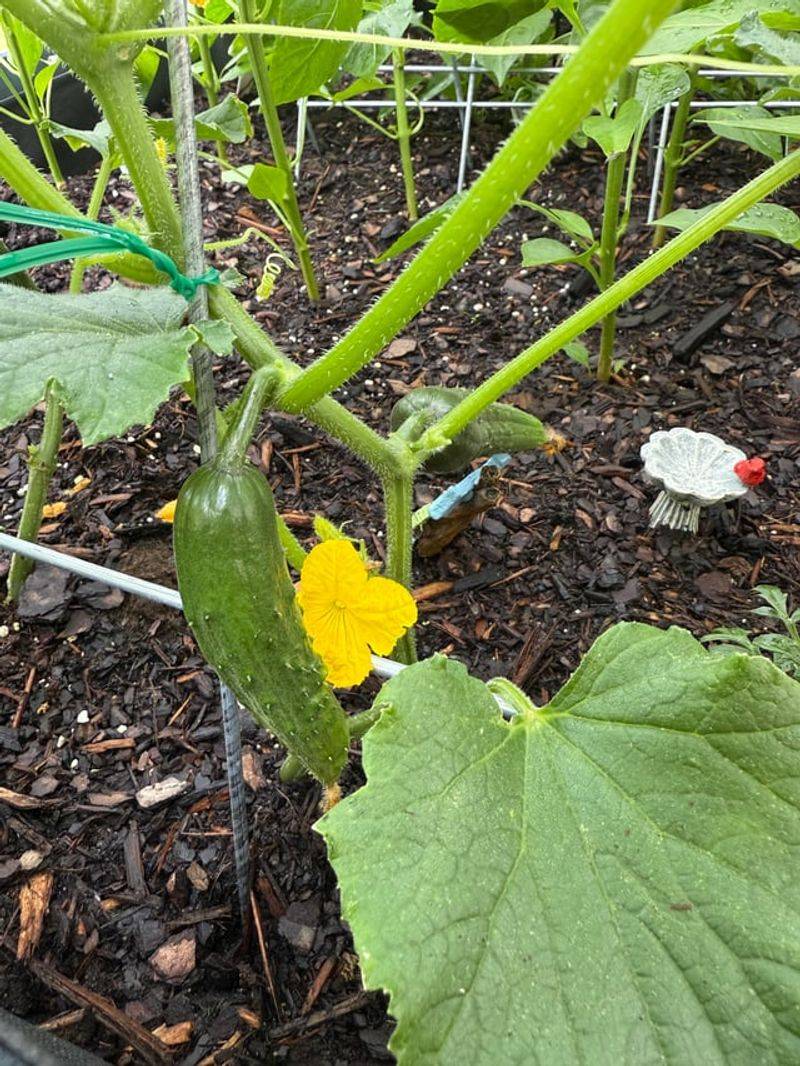
Cucumbers in Arizona’s heat move from ready to past-ready in a timeline that surprises gardeners every season until they have experienced it a few times.
Heat accelerates seed development inside the fruit. As seeds mature, a compound called cucurbitacin increases in concentration throughout the cucumber.
That compound is responsible for the sharp, unpleasant bitterness that replaces the fresh, clean flavor of a properly timed harvest. Waiting for a larger cucumber in Arizona means accepting a worse one.
Most slicing cucumbers taste best at six to eight inches. Pickling types should come off the vine even earlier, at two to four inches.
Checking daily during peak production is not optional here. Growth rates in Arizona heat can be genuinely surprising. A cucumber barely visible in the morning can be oversized by evening.
Firm skin with a consistent dark green color signals good timing. Yellow patches near the blossom end indicate the fruit has already moved past its prime.
The fruit should feel heavy for its size, which reflects water content and the crunch that comes with it.
Cutting from the vine with a clean knife or garden scissors rather than pulling protects the plant and maintains future yields.
Leaving even one overripe cucumber on the vine signals the plant to reduce new fruit production, so clearing quickly keeps the harvest continuous.
Refrigerating immediately after picking preserves crunch before serving.
The cucumber that looked almost ready yesterday was probably ready the day before. This is Arizona.