8 Native North Carolina Groundcovers That Crowd Out Weeds Without Much Help From You
Somewhere in your North Carolina yard, weeds are winning a competition you did not know you entered.
The bare soil between plants. The edge of the mulch that always seems to sprout something unwanted. The shaded corner under the oak where nothing you plant quite takes hold. Weeds find those spaces the moment you stop watching.
Most gardeners respond with mulch, landscape fabric, or herbicide. The mulch breaks down. The fabric fails. The spray needs reapplying. The weeds come back.
There is a different approach. It requires considerably less ongoing effort. It looks better than bare mulch.
Have you ever considered letting plants do the weed management for you?
North Carolina has a remarkably rich palette of native groundcovers built specifically for conditions across this state. Humid summers. Clay soil. Mountain shade. Coastal sun. Dry slopes. Soggy woodland edges.
The right native groundcover in the right spot spreads steadily, shades out weed seeds, and largely manages itself once established.
The weeds lose the competition. You never had to show up.
1. Let Green And Gold Fill Shady Gaps
Some plants wait for ideal conditions before committing to the garden. Green and Gold is not one of those plants.
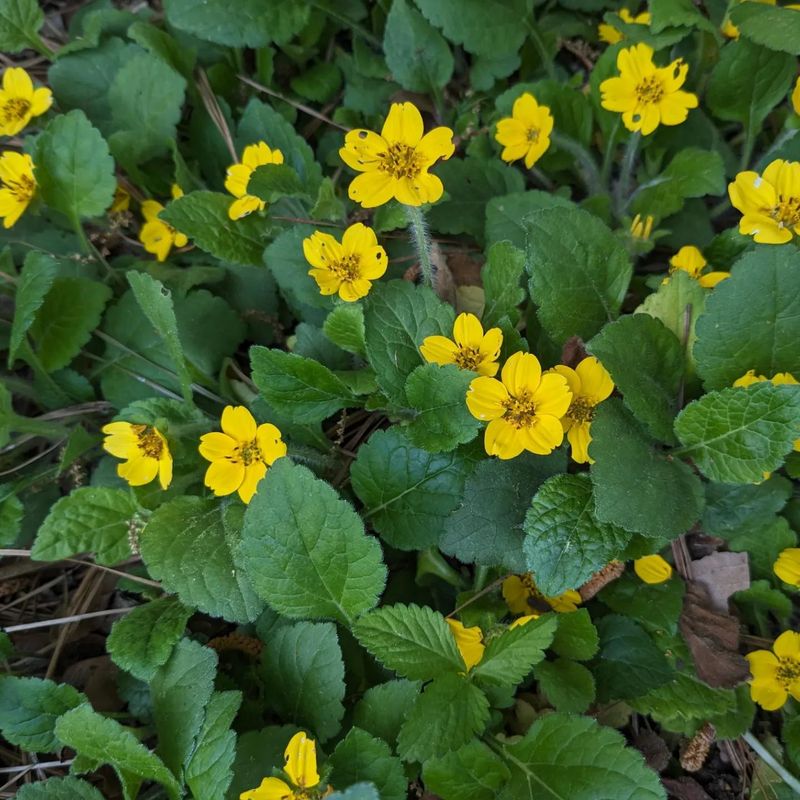
It shows up, spreads steadily, and gets to work filling shaded and partly shaded spots with a low, dense mat that leaves very little open soil for weeds to find. That is exactly the job description you want from a groundcover.
The name is accurate. Dark green leaves stay attractive through the season, and the cheerful yellow flowers appear in spring.
Many plants bloom once and consider their work done. Green and Gold often produces a second flush in fall, which is a bonus that most groundcovers simply do not offer.
It handles a wide range of shade conditions, from dappled light under tall pines to deeper shade near a north-facing foundation.
Well-drained soil with some organic matter is preferred, but it tolerates clay if drainage is reasonably functional. Piedmont and Mountain gardeners tend to see the strongest performance.
Plant divisions or nursery starts about twelve inches apart in spring or early fall. Water consistently through the first season.
After establishment, rainfall takes over the job. Once the plants knit together, the weed pressure in that area drops significantly.
Trim ragged edges in late winter if you want things tidy. Fertilizer is rarely needed. It is also deer-resistant, which matters considerably in neighborhoods where deer treat gardens like a personal buffet.
Green and Gold earns its spot twice a year. How many other plants can say that?
2. Use Wild Ginger Under Trees
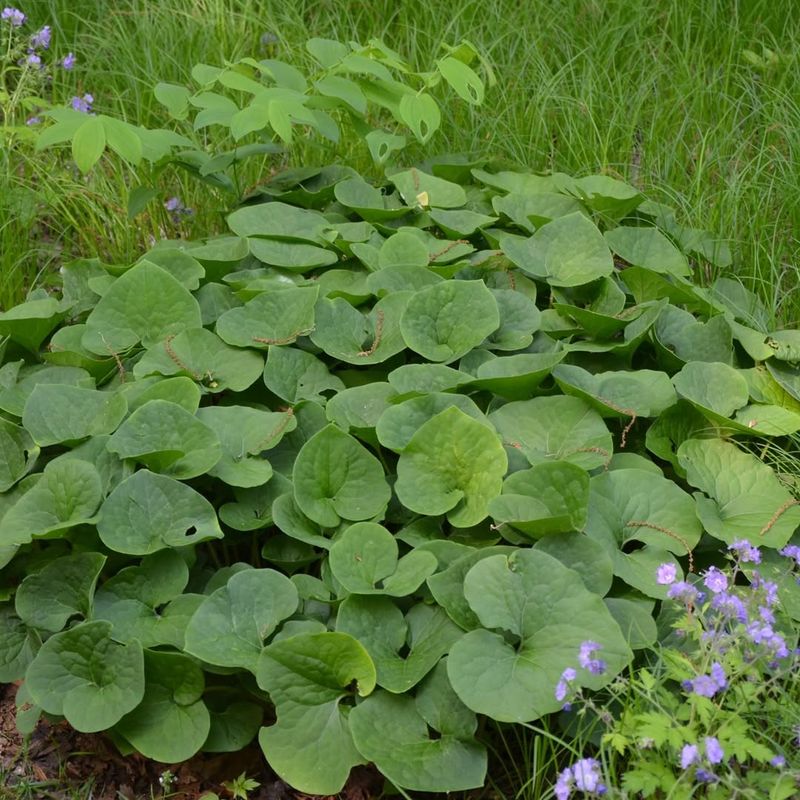
The name might suggest something from the kitchen, but wild ginger in the garden is an entirely different experience.
Once you see it filling the ground beneath a canopy of mature trees, the decision to plant it becomes obvious.
Asarum canadense is a native woodland plant that builds one of the most visually impressive groundcover carpets available for North Carolina shade.
The leaves are the primary attraction. Large, heart-shaped, and slightly fuzzy, they overlap each other to form a thick, weed-blocking layer that looks genuinely lush beneath deciduous trees.
Your North Carolina Garden Changes Every Week. Your Plan Should Too.
Gardening in North Carolina changes quickly throughout the season. Every Friday you’ll receive a simple weekly plan showing exactly what to plant, prune, fertilize, harvest, and protect so you never miss the right timing.
Flowers do appear near the soil surface in spring, but they sit so low that most gardeners barely register them. The foliage is doing all the real work both visually and ecologically.
Wild ginger performs best in moist, humus-rich soil beneath deciduous trees. It loves spots where fallen leaves accumulate naturally in autumn, breaking down over winter to improve the soil.
Mountain and upper Piedmont conditions in North Carolina suit it particularly well, though moister spots further east can also support it.
Plant in fall or early spring, spacing about ten to twelve inches apart. It spreads by rhizomes at a reliable pace. The coverage becomes genuinely dense by the second or third season.
It goes dormant in winter, which is completely normal. It returns each spring without being asked.
It is also deer-resistant. The deer presumably tasted it once and decided the kitchen version was more their style.
3. Plant Foamflower Where Shade Stays Cool
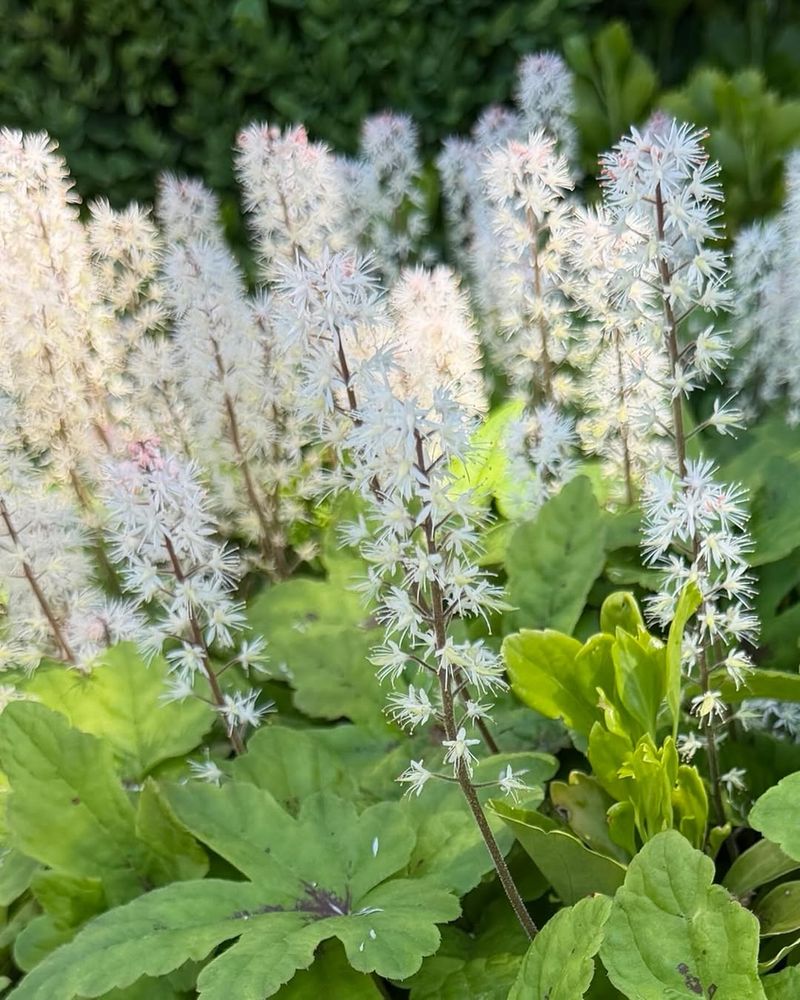
Cool, moist shade under trees or along a north-facing border is not a problem in the North Carolina garden. It is a planting opportunity that most gardeners are underutilizing.
Tiarella cordifolia, known as foamflower, is one of the most beautiful native plants available for exactly those conditions.
The name comes from the flowers, which rise in mid to late spring as frothy white or pale pink spikes above the foliage. They look delicate. They are not.
After flowering finishes, the lobed, maple-like leaves remain attractive through the season and do consistent work suppressing weeds beneath the canopy.
Foamflower spreads by stolons, sending out runners that root and establish new plants nearby. This is a genuinely useful spreading habit in a groundcover.
It fills gaps steadily without overwhelming adjacent plantings, and it stays low enough to look polished under shrubs or along shaded paths.
In North Carolina, the Mountains and cooler Piedmont areas offer the best performance. Consistent moisture and organic-rich soil are the key requirements.
Clay amended with compost works well. Hot afternoon sun or dry spots will stress the leaves visibly and reduce coverage quality over time.
Plant in spring or early fall, spacing about twelve inches apart. Light mulch during establishment helps retain moisture through the first season.
It also serves as a host plant for several native moth species, which means it is supporting the garden food web while it handles the weeds.
Foamflower looks like a decoration. It is quietly a workhorse.
4. Try Creeping Phlox On Sunny Slopes
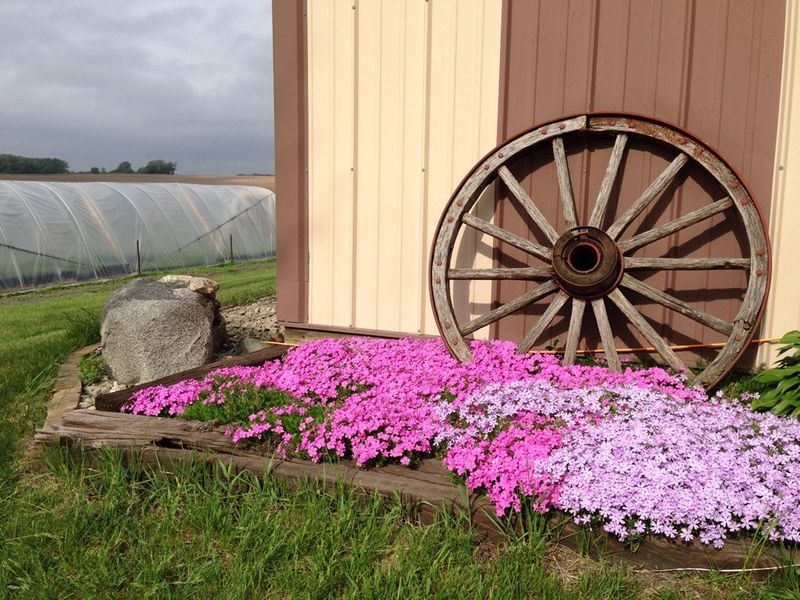
Sunny slopes create a specific set of frustrations.
Mowing them is awkward at best and genuinely dangerous at worst. Mulch slides off after every rain. Weeds establish easily because bare soil on a slope stays exposed.
Most conventional groundcover solutions struggle in the thin, dry conditions that slopes provide. Creeping phlox was built for this situation.
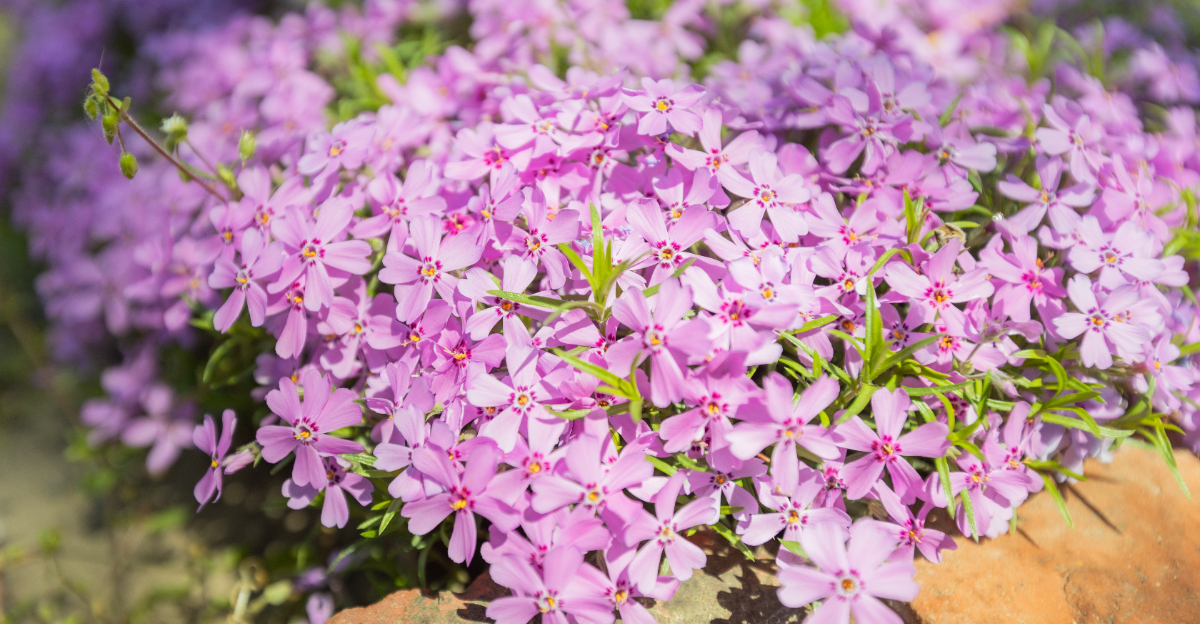
Phlox subulata transforms slopes each spring into a solid wave of color. Pink, purple, white, and lavender blooms cover the plant so completely that the foliage nearly disappears beneath them.
That show lasts several weeks and draws early pollinators in when very little else is blooming in the surrounding landscape.
After flowering ends, the needle-like evergreen foliage stays in place through the entire year. It holds soil on the slope and blocks weed seeds from reaching bare ground through every season.
That year-round coverage is what makes creeping phlox genuinely practical rather than just visually impressive in spring.
Full sun and well-drained soil suit it well. Rocky, thin soils common on slopes are not a problem. Drought tolerance develops solidly after establishment. Wet or poorly drained areas are the conditions to avoid.
Space plants twelve to eighteen inches apart. A light shearing after flowering encourages denser growth and a tidier appearance going forward. The step is not required, but it helps the plant stay compact and full over time.
Creeping phlox handles the slope you were avoiding every weekend with the mower. Does the slope look better or does it just feel better not to mow it anymore?
5. Spread Carolina Jessamine With Care
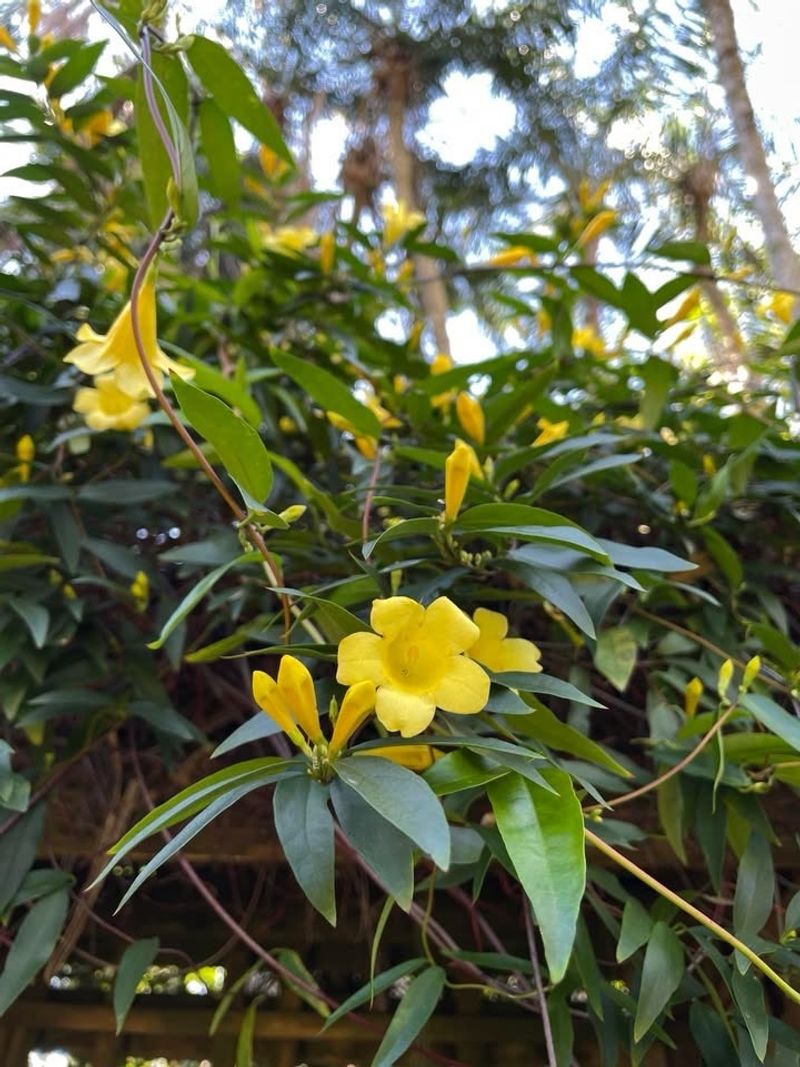
Late winter in North Carolina can feel like the garden is on hold. Carolina jessamine disagrees.
Gelsemium sempervirens produces bright yellow, fragrant flowers in late winter and early spring, right when almost nothing else is contributing color.
That early bloom timing alone makes it worth knowing. The vine’s ability to spread and cover ground makes it genuinely useful as a groundcover on slopes, along fences, and at the base of trees.
As a groundcover, it forms a glossy evergreen mat that shades out weeds effectively across sunny and partially shaded areas.
It climbs enthusiastically if given support, which is worth accounting for during the planning stage before planting.
Full sun to partial shade suits it well. Sandy and clay soils both support it adequately. Drought tolerance builds after the first full growing season, which makes it a practical long-term choice for open, exposed areas across the Piedmont and Coastal Plain.
One note that belongs upfront rather than buried: all parts of Carolina jessamine are toxic if ingested. Placement near areas where children or pets spend regular time deserves careful consideration.
Plant in fall or early spring, spacing three to five feet apart for groundcover applications. It provides nectar for early pollinators including hummingbirds, which adds ecological value to a plant that was already earning its place visually.
North Carolina’s state wildflower blooms in February. It has very strong opinions about what constitutes an appropriate season to perform.
6. Use Partridgeberry For Woodland Edges
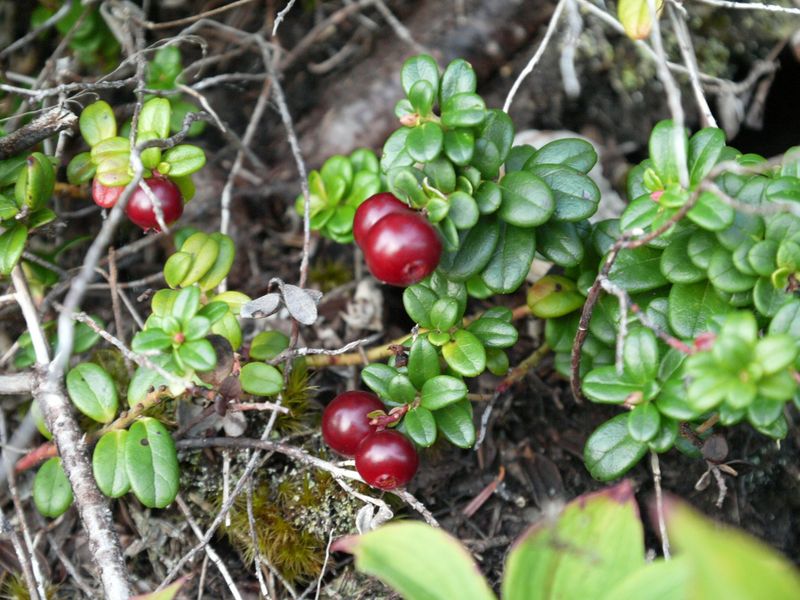
Walk into any older North Carolina woodland and look down. The chances are good that partridgeberry is already there, threading through the leaf litter and moss with its tiny paired leaves and bright red berries pressed close to the ground.
Mitchella repens is one of the most visually charming native groundcovers available for North Carolina woodland conditions.
It stays under two inches tall and spreads by trailing stems that root wherever they contact soil. That low, creeping habit makes it ideal for woodland edges, shaded rock gardens, and spots beneath large trees where other plants have repeatedly underperformed.
Small paired white flowers appear in late spring and early summer. By fall, the distinctive double red berries ripen and persist through winter.
The year-round visual interest from a plant this small is genuinely impressive. Birds including ruffed grouse and wild turkey seek out the berries, which is where the common name originates.
Moist, acidic, well-drained soil and consistent shade are the requirements. This is not a pioneer plant for tough, dry conditions.
It suits established woodland gardens where basic conditions are already right and you are adding a finishing layer of coverage.
Plant in spring or early fall using nursery-grown stock, spacing about twelve inches apart. Consistent moisture through establishment is important. The plant spreads slowly but proves long-lived once settled.
Partridgeberry takes its time and then stays for decades. Is that stubbornness or reliability? In a garden, those two qualities are often the same thing.
7. Let Native Violets Soften Bare Soil
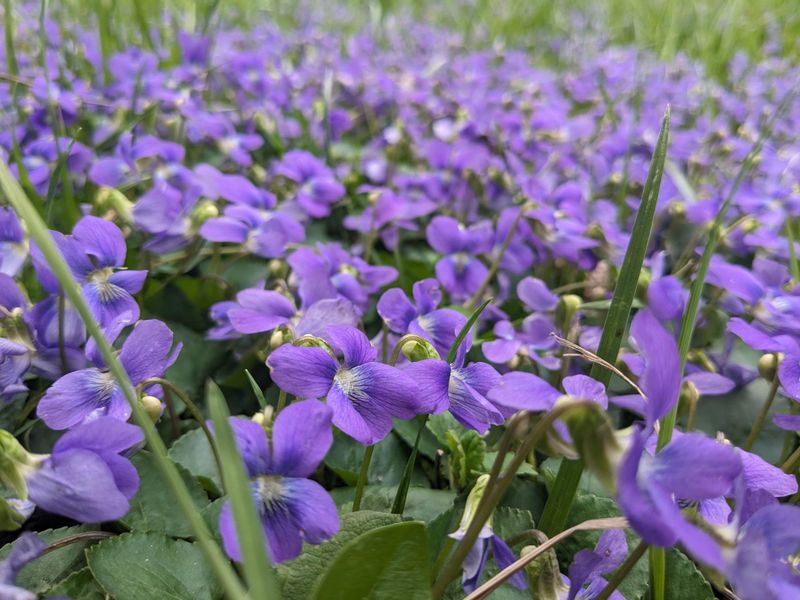
Many North Carolina gardeners spend years removing violets from their lawns. The same gardeners are also spending money on groundcover plants that perform considerably less impressively.
Viola sororia and its native relatives are tough, effective, and fast-spreading in informal areas where ground coverage is the primary goal.
They spread by both seed and rhizomes, filling bare patches with dense rosettes of heart-shaped leaves. In spring, the familiar purple, white, and bicolor flowers appear when early bees need nectar and very little else in the garden is delivering it.
After flowering, the foliage stays green and full through summer. Partial shade suits them best, but they tolerate more sun than most gardeners expect, particularly when soil moisture stays reasonable through the warm season.
Placement is the key decision. Violets work beautifully in naturalistic settings, under deciduous trees, along informal shaded borders, and anywhere the casual spreading look fits the garden style.
No complicated establishment techniques are required. Plant a few nursery starts in prepared soil, water them in, and observe over the next two seasons. They fill the area reliably without ongoing intervention.
Native violets also serve as the sole larval host plant for several fritillary butterfly species. That ecological function is significant. No other groundcover on this list delivers that specific value.
You were pulling these out of the lawn for years. It turns out the butterflies had an opinion about that.