Spotted Lanternflies Are Showing Up In More Tennessee Yards Than Ever And Here Is Why

Spotted lanternflies were not supposed to be a Tennessee problem. For years, they stayed clustered in the Northeast, and most gardeners here never gave them a second thought.
That has changed noticeably in the past couple of seasons. These insects are now turning up on grape vines, fruit trees, and backyard shrubs across the state in numbers that are hard to ignore.
They feed in groups, weaken plants quickly, and leave behind a sticky residue that attracts mold and other insects.
What makes them particularly difficult to manage is how silently they spread, catching most homeowners off guard until the population is already established.
Understanding what is drawing them to Tennessee yards right now is the first step toward keeping them out of yours.
Tennessee’s Mild Winters Give Spotted Lanternflies Room To Spread
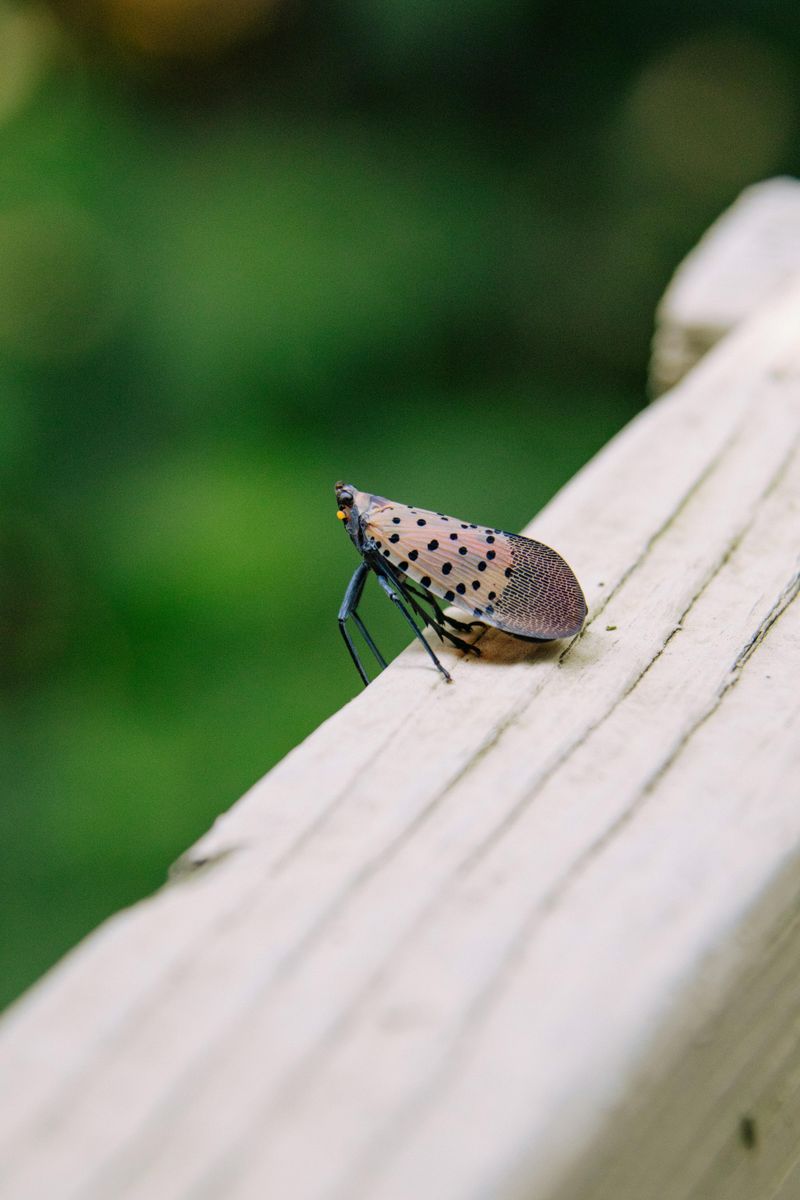
Winter used to be nature’s reset button for pest populations. Spotted lanternflies, however, are proving that mild winters no longer wipe them out the way they once did.
Across Tennessee, average winter temperatures have shifted noticeably over the past two decades. Fewer nights drop below freezing long enough to destroy egg masses clinging to trees and outdoor furniture.
Those egg masses are tough little survival pods. Each one holds up to 50 eggs, and they can survive temperatures that would have historically ended the season for these bugs.
Spotted lanternfly eggs can survive temperatures that would wipe out most other pests. Tennessee winters simply do not get cold enough to make a dent in their numbers.
When spring arrives warm and early, those eggs hatch into nymphs ahead of schedule. That head start means more insects reach adulthood before natural predators can catch up.
Warmer autumns also give adult lanternflies extra weeks to feed and lay eggs before the first frost arrives. More egg masses in the fall means a bigger population explosion the following spring.
Some gardeners in East Tennessee have reported seeing hatching activity as early as late April. A few years ago, that would have been mid-May at the earliest.
The climate shift is not dramatic on paper, but for a pest like this, a few extra degrees make an enormous difference. Your yard is essentially offering a warmer welcome mat every single year.
How Spotted Lanternflies Spread Without You Noticing

You might be the reason spotted lanternflies are in your neighbor’s yard right now. That is not an accusation, just an honest look at how these insects move.
Adult lanternflies are not strong fliers. They prefer to hitch rides on cars, trucks, outdoor furniture, and firewood stacked near driveways.
Egg masses are especially sneaky because they look like dried mud or a smear of gray putty. Most people never notice them on lawn chairs, grills, or the underside of a car bumper.
A single road trip to a camping spot or a friend’s house can carry dozens of eggs across county lines. That is exactly how spotted lanternflies jumped from Pennsylvania into neighboring states so rapidly.
Your Tennessee Garden Changes Every Week. Your Plan Should Too.
Gardening in Tennessee changes quickly throughout the season. Every Friday you’ll receive a simple weekly plan showing exactly what to plant, prune, fertilize, harvest, and protect so you never miss the right timing.
Nursery plants are another major highway for these pests. Buying a potted tree or shrub from an infested region can introduce a new colony to your garden without any warning.
Tennessee’s robust outdoor recreation culture creates constant movement of gear, boats, and vehicles through wooded areas. Every trip is a potential transport event for an egg mass or a nymph.
State agriculture officials have urged residents to check vehicles and equipment before leaving known infestation zones. A quick visual scan of your car’s wheel wells and bumpers takes less than two minutes.
Awareness is genuinely your first line of defense here. The more eyes on the problem, the slower these hitchhikers can spread through your community.
The Plants That Are Attracting Spotted Lanternflies To Your Yard

Your garden might be sending out an open invitation without you knowing it. Certain plants act like a neon sign for spotted lanternflies looking for a meal.
Tree of heaven, known scientifically as Ailanthus altissima, is the number one magnet. This invasive tree grows aggressively along roadsides, fence lines, and neglected corners of yards across the state.
Grape vines are another top target, which is devastating news for home gardeners and Tennessee’s grape growers. Lanternflies drain the sap from vines, weakening fruit production and placing the plant under significant long-term stress.
Apple, peach, and cherry trees also rank high on their preferred menu. Homeowners with small orchards have reported heavy feeding pressure that leaves bark weeping sticky residue called honeydew.
That honeydew is a problem beyond the obvious mess. It coats leaves and branches, promoting black sooty mold growth that blocks sunlight and further weakens the plant.
Hops, black walnut, maple, and willow trees round out the list of frequently targeted species. If your yard has any of these, you are essentially running a buffet.
Removing or managing tree of heaven is one of the most impactful steps a homeowner can take. Without that preferred host nearby, lanternfly populations tend to be smaller and less persistent.
Knowing what you are growing is genuinely powerful information. A quick walk through your yard with a plant identification app could reveal exactly why these insects keep coming back.
Why Tennessee’s Landscape Welcomes Spotted Lanternflies

Tennessee’s geography is practically a dream scenario for a spreading pest. The mix of forests, farmland, suburbs, and river valleys creates ideal conditions for lanternflies to settle in and multiply.
The state sits in a transition zone between northern and southern climates. That means it supports an unusually wide range of host trees, giving lanternflies plenty of food options no matter where they land.
Tree of heaven has already colonized roadsides, abandoned lots, and forest edges across the state. Its presence essentially pre-stages the landscape for a lanternfly takeover before the insects even arrive.
Tennessee’s river corridors, including the Tennessee and Cumberland rivers, create natural travel routes. Insects and egg masses move along these corridors on boats, trailers, and floating debris.
The state’s dense highway network connects urban centers to rural areas quickly. Every freight truck and recreational vehicle rolling through is a potential carrier moving through ideal habitat.
Suburban sprawl has created a patchwork of gardens, landscaped yards, and ornamental plantings. That diversity of plant species gives lanternflies a broad menu spread across a wide geographic area.
Neighboring states like Virginia and Kentucky already have confirmed established populations. Geographic proximity means Tennessee was a likely next step given its location between already-affected states.
The landscape here did not cause the problem, but it certainly did not put up any barriers. Understanding the terrain helps explain why containment has been so challenging for state officials.
Spotted Lanternfly Populations Build Fast
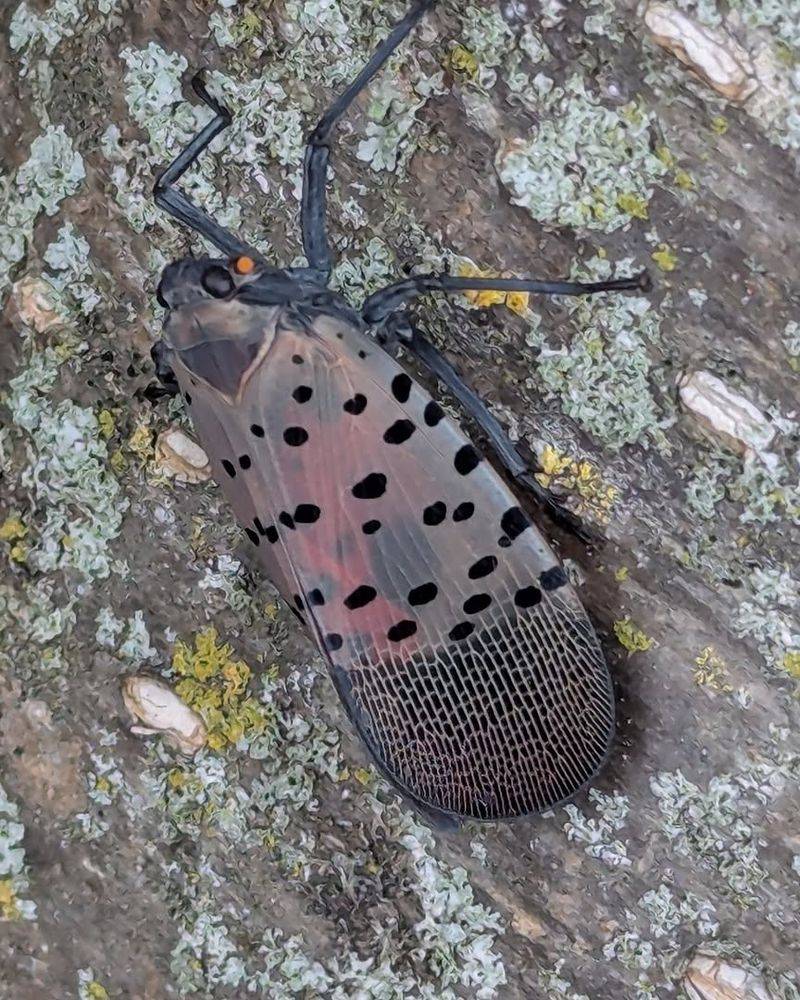
One spotted lanternfly is never just one spotted lanternfly. These insects reproduce at a pace that can turn a minor sighting into a full infestation within a single season.
A single female lays one to two egg masses per year, each containing between 30 and 50 eggs. That sounds manageable until you realize hundreds of females can occupy one tree at the same time.
Egg masses hatch in spring, producing nymphs that go through four developmental stages before reaching adulthood. By late summer, a new generation of adults is already feeding and preparing to lay eggs of their own.
Natural predators in North America have not caught up to lanternfly populations yet. Birds, spiders, and praying mantises do eat them occasionally, but not at a rate that controls growth.
Without natural checks, populations can double or triple within two to three seasons. Homeowners who ignore a small cluster early on can face a much larger population within a few seasons.
The insects also aggregate in large groups, which amplifies the damage to any single plant. A hundred lanternflies feeding on one tree causes far more stress than the same number spread across ten trees.
Their feeding weakens plants going into winter, reducing cold hardiness and making recovery harder each spring. Stressed plants become more vulnerable to secondary infections and other pests over time.
Early action is not just smart, it is genuinely necessary. Acting early tends to make a meaningful difference in how manageable the situation stays.
What To Do When You Find Them In Your Yard
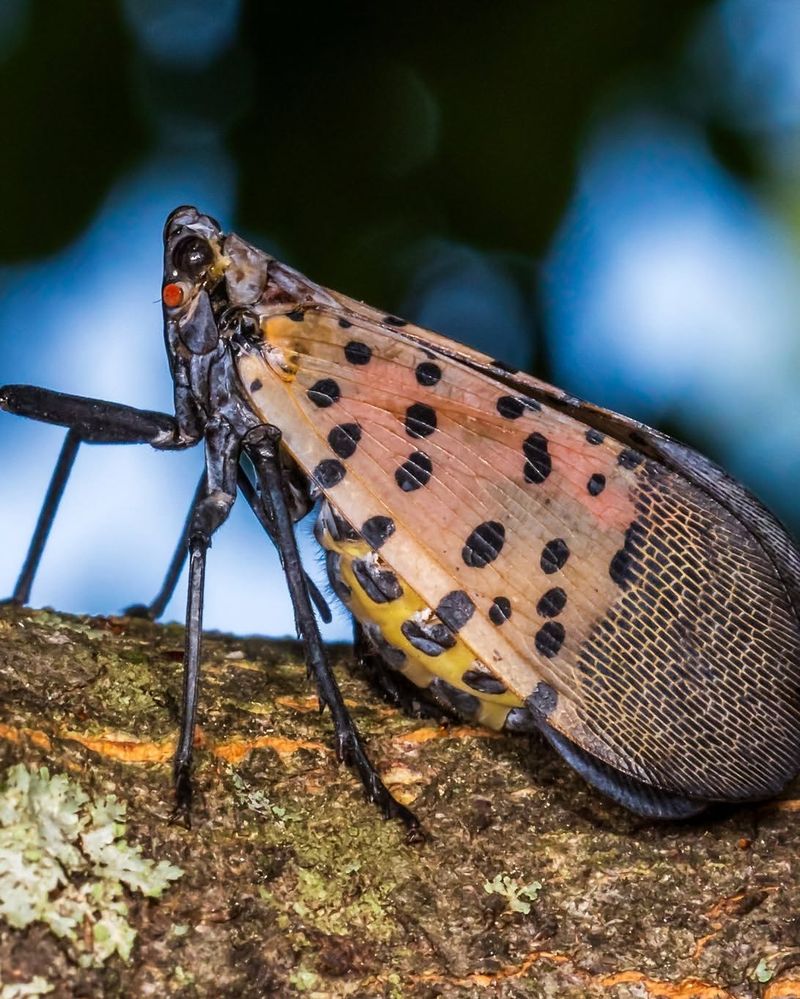
Finding spotted lanternflies on your property is alarming, but it is not a helpless situation. There are clear, practical steps you can take starting today.
First, report your sighting to the Tennessee Department of Agriculture. Your report helps officials track the spread and deploy resources to the right areas faster.
Scrape egg masses off hard surfaces using a plastic card or putty knife. Drop them into a sealed bag filled with soapy water, then toss it in the trash.
Sticky bands wrapped around tree trunks can trap nymphs as they climb. Just check them regularly so you are not accidentally catching birds or beneficial insects in the process.
For heavier infestations, insecticidal soaps and neem oil are effective contact treatments on nymphs. Systemic treatments applied to the soil around host trees can also reduce adult feeding pressure significantly.
Removing tree of heaven from your property is one of the highest-impact moves you can make. Cutting it down without treating the stump causes aggressive resprouting, so use an appropriate herbicide on the cut surface immediately.
Talk to your neighbors about what you are seeing. A coordinated neighborhood effort is far more effective than one household acting alone.
Spotted lanternflies are a real and growing challenge for Tennessee homeowners, but knowledge is your most powerful tool. Act early, stay consistent, and you can protect your yard before the problem takes hold.