Common Mistakes North Carolina Gardeners Make When Mulching Around Trees And Shrubs In June
Mulching feels like one of the safest, most beneficial things you can do for a North Carolina garden, and most of the time that’s true.
But June brings a specific set of conditions where several common mulching habits stop being helpful and start creating problems that show up weeks or months later.
The combination of summer heat, increased moisture from irrigation, and the particular vulnerabilities of trees and shrubs during active growth makes the details of how and where mulch gets applied matter more than most gardeners realize.
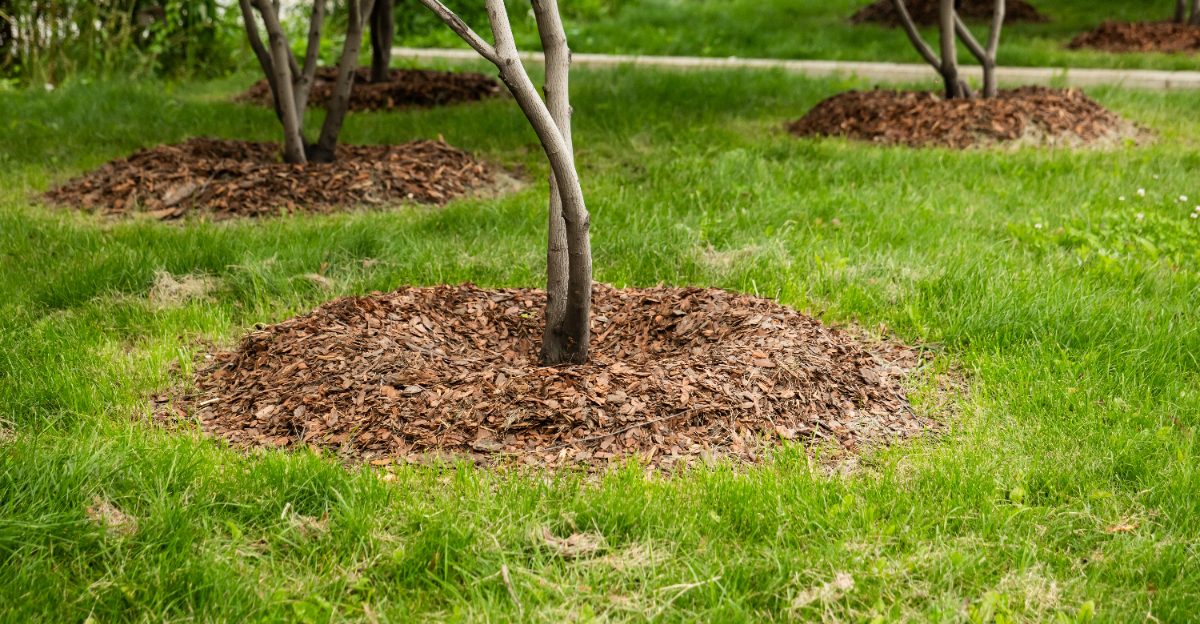
Volcano mulching around tree bases is the most talked-about mistake, but it’s far from the only one.
Several other habits that seem completely reasonable in the moment create conditions for fungal issues, root problems, and pest activity that become genuinely difficult to sort out once summer gets fully underway across the Carolinas.
1. Piling Mulch Against The Trunk
Walk through almost any neighborhood in North Carolina during June, and you will spot it everywhere: mulch piled up like a little volcano right against the base of a tree.
It looks tidy at first glance, but that habit can seriously hurt your trees and shrubs over time.
Moisture gets trapped between the mulch and the bark, creating the perfect environment for rot and fungal problems to take hold.
Shrubs are just as vulnerable as trees. When mulch stays pressed against woody stems, the constant dampness softens the outer bark layer and opens the door for insects and disease to move in.
Pests love the shelter that thick, moist mulch provides right at ground level, so you are essentially rolling out a welcome mat for them.
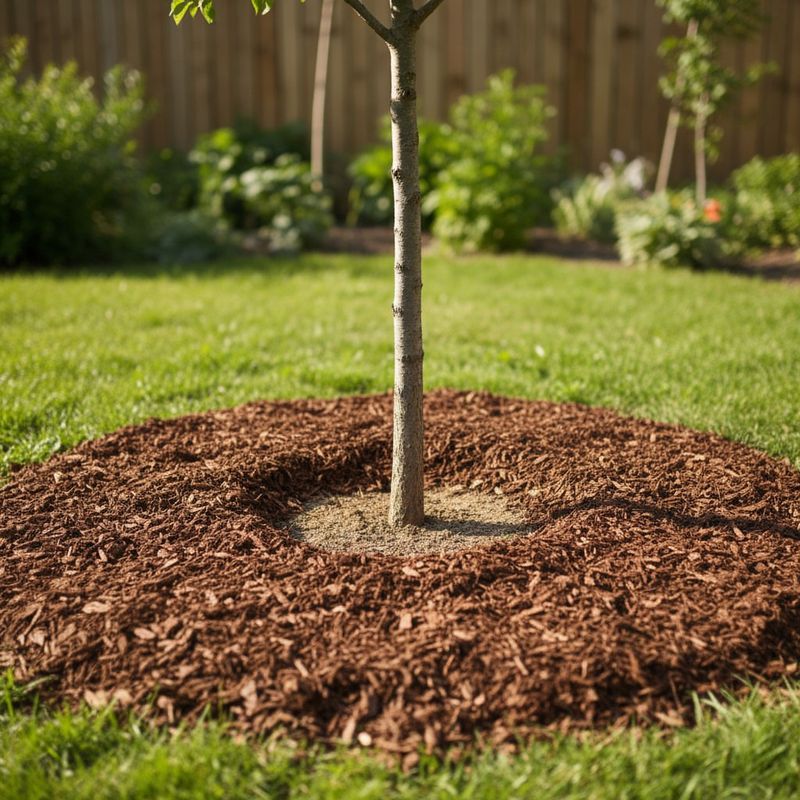
The fix is simple and takes just a few minutes. Pull mulch back so there is a clear gap of at least two to four inches around the base of every trunk and main stem.
Gardeners often call this shape a mulch donut, because you want a ring of mulch surrounding the plant rather than touching it. Keep the layer around two to three inches deep in that ring.
Your trees will thank you with stronger growth, better bark health, and far fewer pest problems throughout the summer season ahead.
2. Using Too Much Mulch
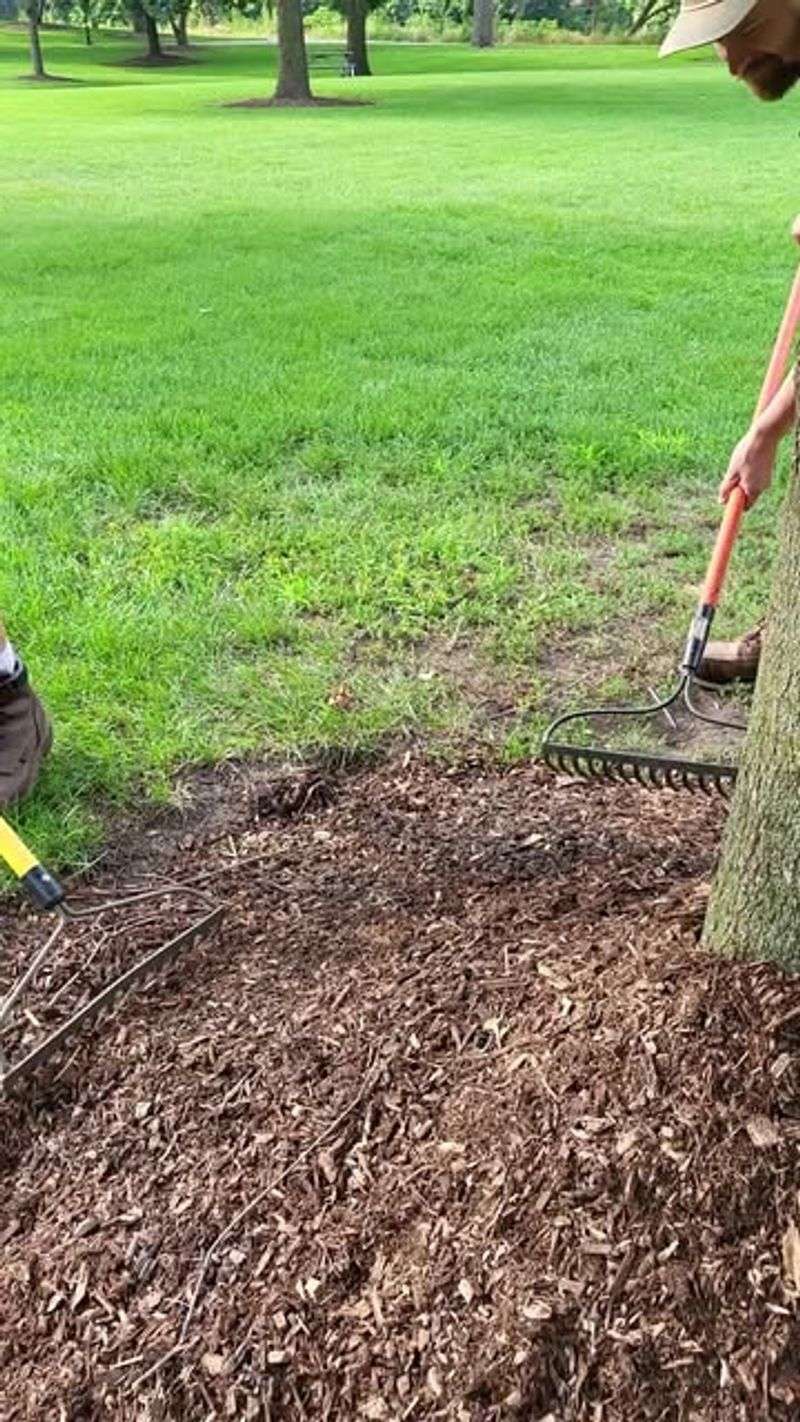
More is not always better, and mulch is a perfect example of that truth. Many North Carolina gardeners think that piling on extra mulch will give their trees and shrubs even more protection during the summer heat.
In reality, layers thicker than three inches can cause more problems than they solve, especially in the humid conditions that June brings to this region.
When mulch gets too deep, it starts blocking air from reaching the soil underneath. Roots actually need oxygen to stay healthy and absorb water properly.
Thick mulch also holds so much moisture on the surface that fungal growth becomes a real issue, and you may start noticing white or gray patches spreading across the mulch layer as summer progresses.
Aim for a consistent depth of two to three inches for most trees and shrubs in your yard. That range gives you solid moisture retention and weed suppression without smothering the soil below.
Your North Carolina Garden Changes Every Week. Your Plan Should Too.
Gardening in North Carolina changes quickly throughout the season. Every Friday you’ll receive a simple weekly plan showing exactly what to plant, prune, fertilize, harvest, and protect so you never miss the right timing.
If you notice your existing mulch is already deep from previous applications, skip adding a fresh layer on top and simply fluff or rake the old material instead. Breaking up compacted mulch restores airflow and keeps the root zone breathing properly.
A little restraint with the mulch bag goes a long way toward keeping your landscape genuinely healthy all summer long.
3. Applying Mulch Too Early Or Too Late
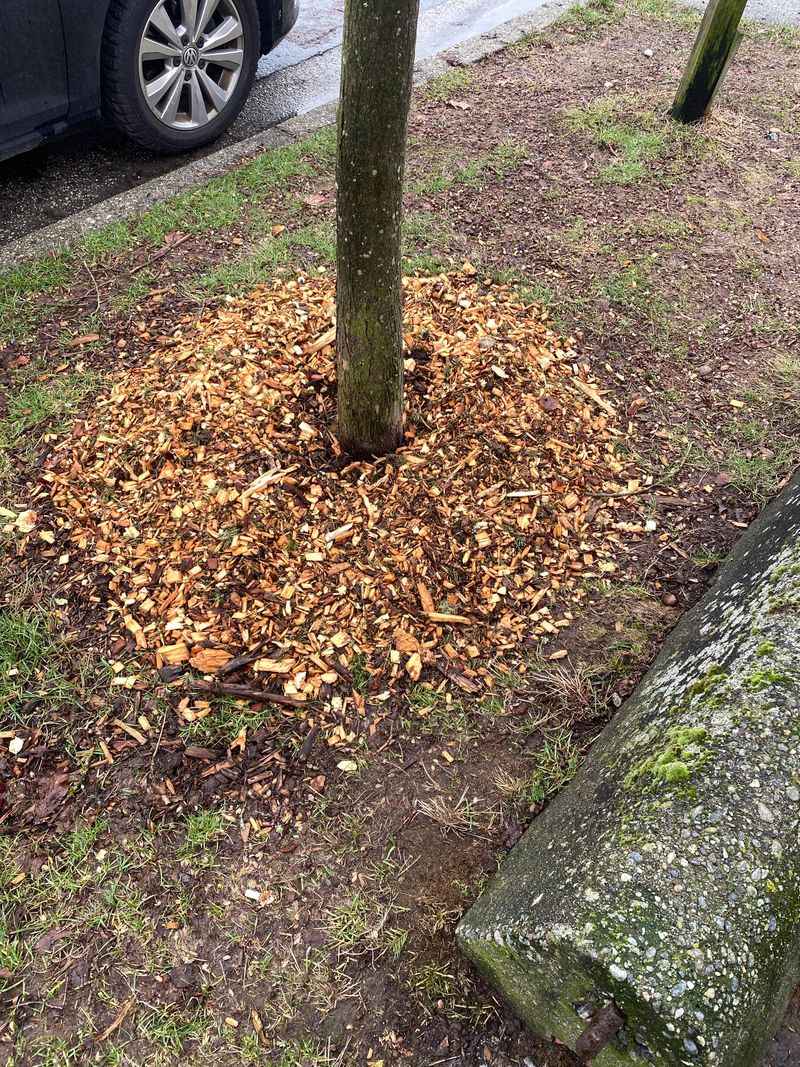
Timing really does matter when it comes to mulching in North Carolina. Some gardeners rush to spread mulch the moment February temperatures nudge upward, thinking they are getting a head start.
The problem is that mulching too early in spring traps cold moisture against the soil and can actually slow down the natural warming process that plants need to wake up and grow.
On the other end of things, waiting too long into summer means missing out on the biggest benefit mulch offers during hot months: keeping soil temperatures cooler and locking in moisture before the real heat arrives.
June is actually one of the best windows for mulching in North Carolina because the soil has warmed up nicely, plants are actively growing, and the intense summer heat has not fully set in yet.
Getting your mulch down in early to mid-June gives your trees and shrubs a strong buffer against the weeks of high heat and lower rainfall that typically follow. Think of it as tucking your plants in before the hottest stretch of the year.
Prepare your beds by clearing away any old debris and weeds first, then apply fresh mulch at the right depth.
That small effort in June pays off for months, keeping your landscape looking lush and your watering schedule much more manageable through August and beyond.
4. Using Mulch With Large Chunks Or Improper Material
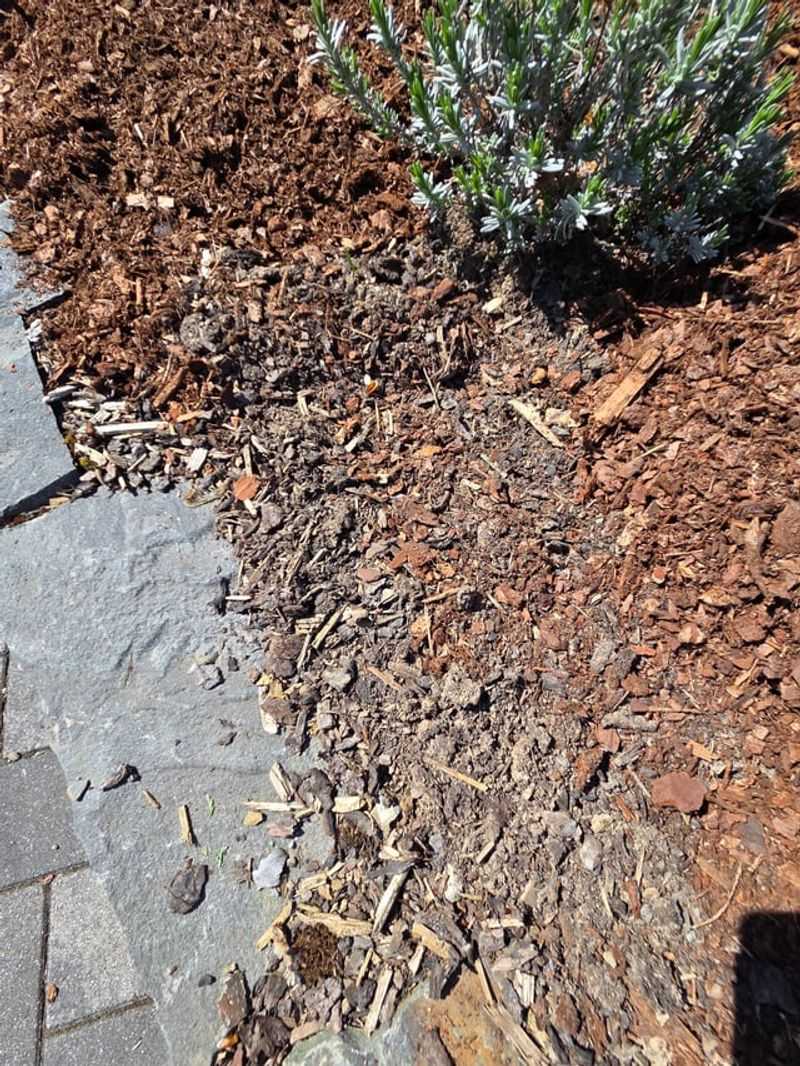
Not all mulch is created equal, and grabbing whatever is cheapest or most available can backfire in a North Carolina garden.
Fresh wood chips that still contain large bark pieces, clumps of leaves, or unprocessed debris tend to break down unevenly.
Some spots dry out while others stay soggy, creating a patchwork of moisture conditions that confuses plant roots and encourages fungal patches.
Coarse or oversized mulch materials also tend to shift around easily, especially during the heavy summer rainstorms that North Carolina regularly experiences in June and July.
You end up with bare spots where you need coverage and thick piles where you do not, which means more maintenance work and less consistent protection for your plants throughout the season.
Shredded hardwood mulch, pine bark mulch, and pine straw are all solid choices that work well with the soil types and climate conditions common across North Carolina.
These materials break down at a steady pace, improve soil structure over time, and stay in place reasonably well even after a downpour.
Pine straw is especially popular in the Piedmont and coastal regions because it is lightweight, breathable, and acidic enough to benefit acid-loving shrubs like azaleas and camellias.
Choosing the right material from the start saves you time, effort, and frustration all season long.
5. Failing To Replenish Mulch As Needed
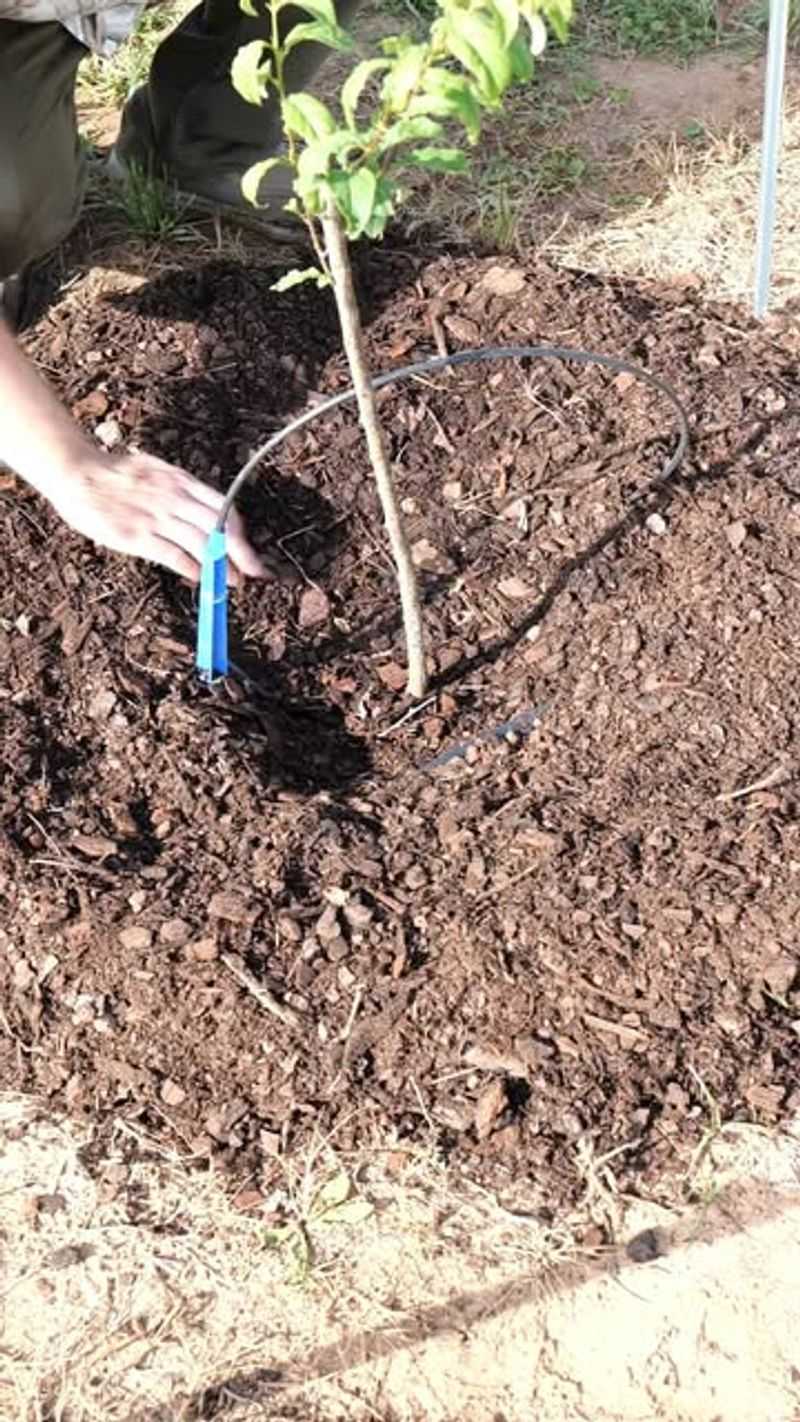
Mulch does not last forever, and that is actually a good thing because it means the material is breaking down and adding organic matter back into your soil. The catch is that once it breaks down too far, it stops doing its job.
Thin or heavily decomposed mulch cannot hold moisture effectively, and weeds will push right through it without much effort at all.
North Carolina summers are tough on mulch. The combination of intense heat, heavy rain, and humidity accelerates the decomposition process faster than in cooler climates.
By midsummer, a layer that looked perfectly adequate in June can be half its original depth. That is why checking your mulch depth every few weeks is worth making a habit, especially around trees and shrubs that you rely on for shade or curb appeal.
When the layer drops below one and a half inches, it is time to top it off. You do not always need to remove the old mulch first.
Adding a fresh inch or two on top of well-decomposed existing mulch works fine as long as the total depth stays under three inches.
Keep a bag or two of your preferred mulch material on hand during summer so you can do quick touch-ups without a big project every time.
Staying ahead of depletion keeps your garden looking sharp and your plants well protected.
6. Extending Mulch Beyond Root Zones
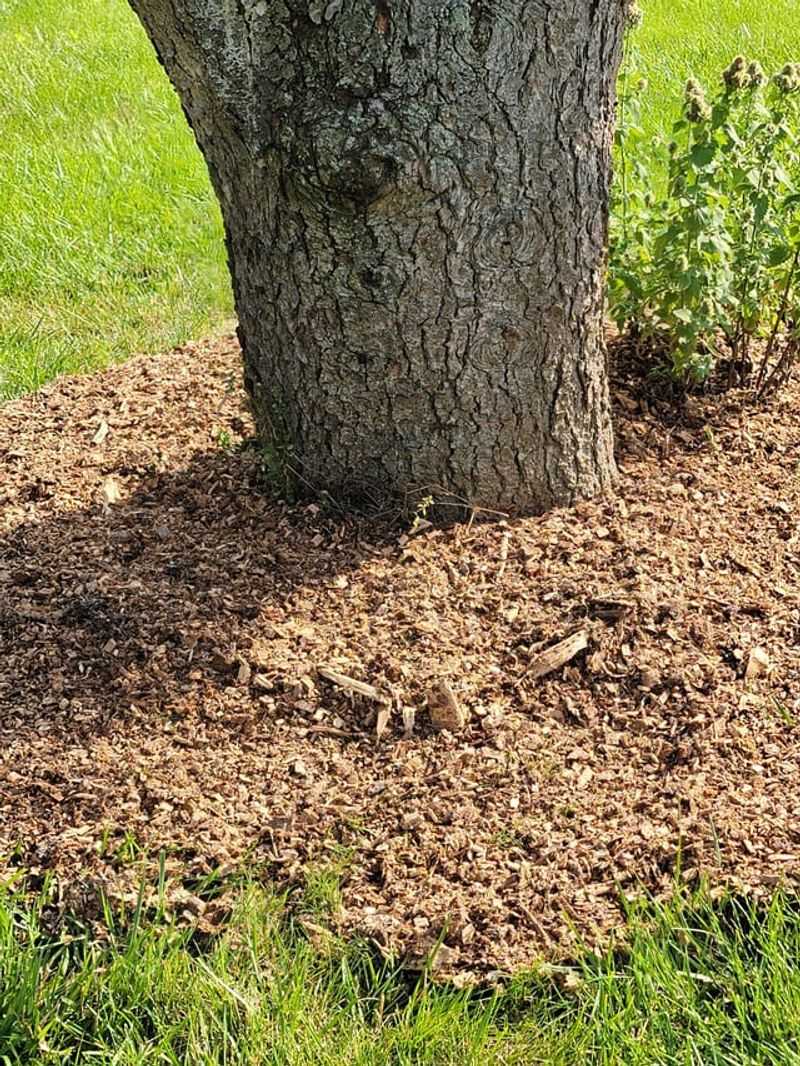
Spreading mulch wide might seem like it gives your trees extra coverage, but going far beyond the root zone can actually create new problems in your yard.
The effective root zone of most trees extends roughly to the edge of the canopy, sometimes called the drip line.
Pushing mulch well past that boundary does not offer any extra benefit to the tree, and it can start interfering with neighboring plants and lawn areas.
When mulch creeps into your turf, it changes the moisture and nutrient balance in that zone. Grass under thick mulch struggles to get enough light and air, leading to patchy, unhealthy lawn areas right along the edge of your mulched beds.
In flower beds, overspread mulch can smother low-growing perennials or prevent annual seedlings from establishing properly during the growing season.
A good rule of thumb is to mulch out to or slightly past the drip line of the tree, keeping the depth consistent and the edges clean. For shrubs, mulch the planting bed rather than extending in all directions without a clear boundary.
Using a clean edge along lawn areas not only looks more polished but also prevents the slow creep of mulch into spaces where it does not belong.
A simple edging tool makes maintaining those clean lines quick and easy throughout the summer gardening season.
7. Ignoring Weed Growth Within Mulch
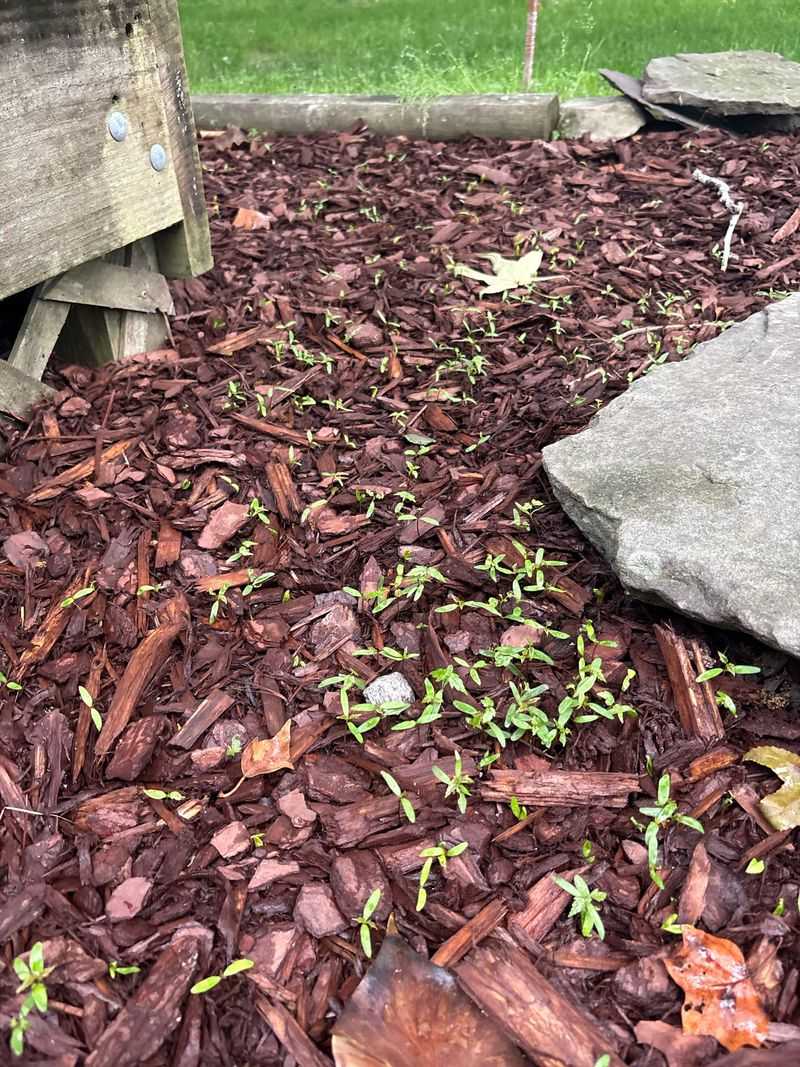
Fresh mulch gives your garden a clean, finished look, but that satisfaction can fade fast once weeds start poking through.
Many North Carolina gardeners are surprised to find weeds growing right in their mulch layer just weeks after applying it.
Weed seeds blow in from surrounding areas, settle into the mulch, and find enough moisture and organic material there to sprout and grow surprisingly quickly.
Ignoring those weeds is a bigger deal than it might seem. Weeds that take root in your mulch compete directly with your trees and shrubs for water and nutrients in the soil below.
As they grow larger, their root systems can become entangled with the roots of your ornamental plants, making removal harder and potentially disturbing the root zone when you do finally pull them out.
The smartest approach is to pull weeds when they are still small, ideally before they flower or set seed. In June, a quick walk through your mulched beds once a week is usually enough to stay ahead of the problem.
Grab weeds close to the base and pull steadily to get the root out rather than just the top. Applying a layer of cardboard or several sheets of newspaper underneath fresh mulch before you spread it can also slow weed germination significantly.
That simple step cuts down on weeding time throughout the rest of the summer.
8. Leaving Mulch Bare Without Watering
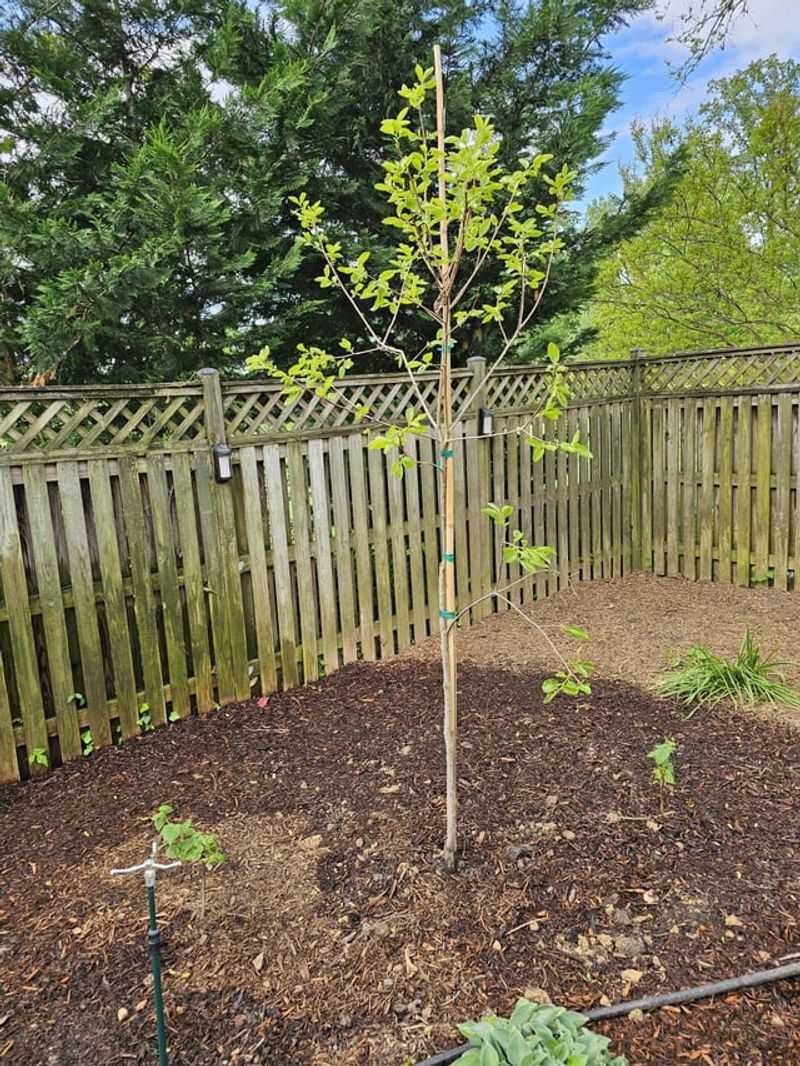
Spreading a fresh layer of mulch and walking away without watering it might seem harmless, but it can actually slow down the benefits you are hoping to get.
Dry mulch, especially shredded wood or bark, can form a crust on the surface that actually repels water rather than letting it pass through to the soil below.
This is called hydrophobic layering, and it is more common than most gardeners realize during hot, dry stretches in North Carolina.
When water cannot penetrate the mulch layer, it runs off to the sides of the bed instead of soaking into the root zone where your trees and shrubs actually need it.
You might be watering regularly and still notice your plants looking stressed, simply because the moisture never reaches the roots.
That is a frustrating situation that a simple watering session right after mulching can prevent entirely.
After spreading fresh mulch, give the entire area a thorough watering with a garden hose or sprinkler. You want the water to soak through the mulch and into several inches of soil below.
This initial watering also helps settle the mulch layer slightly, reducing the chance that wind or heavy rain will scatter it.
Going forward, check soil moisture by pushing a finger or a small probe through the mulch layer every few days during dry spells.
Consistent moisture management is what keeps North Carolina trees and shrubs thriving all summer.
9. Using Mulch Too Close To Perennials Or Lawn Edges
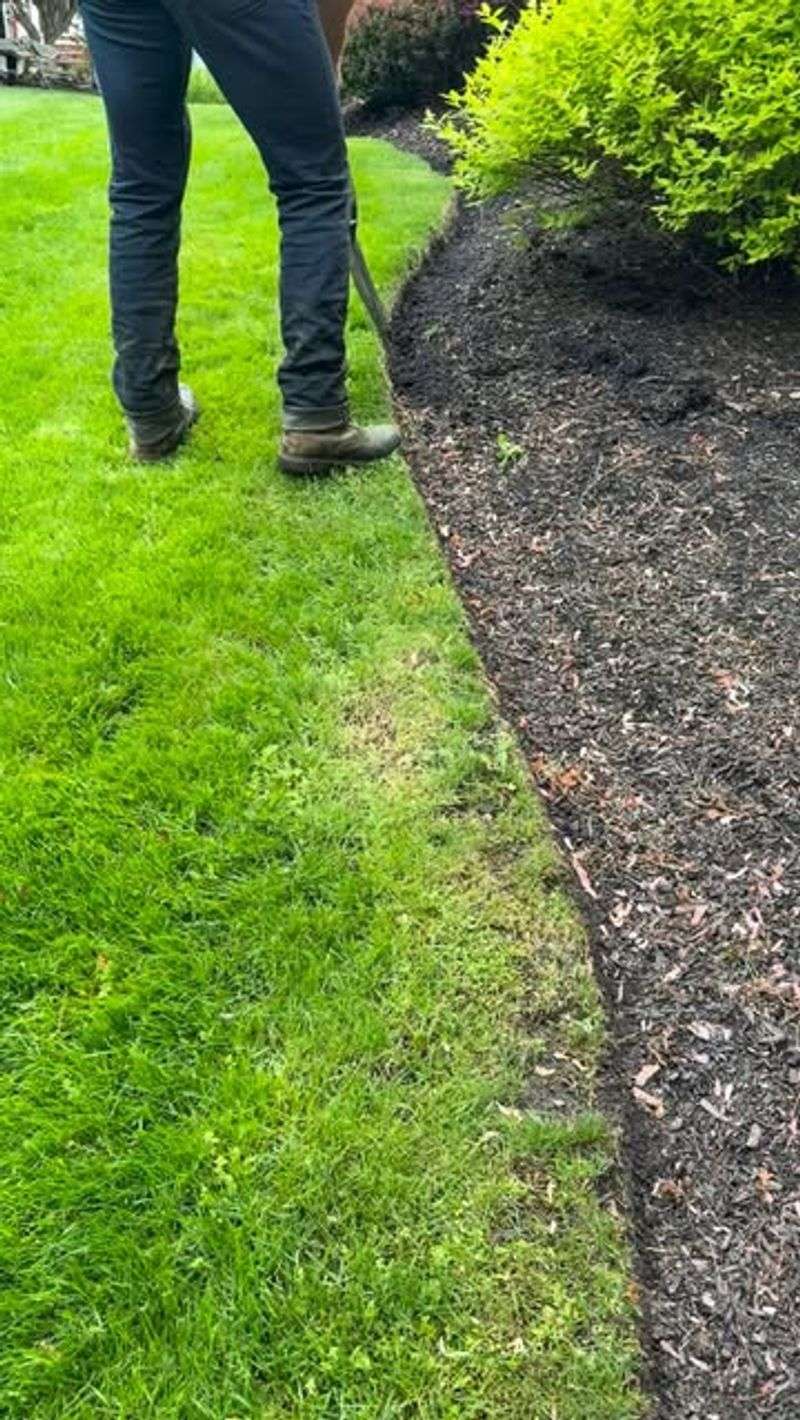
Perennials and lawn edges need a little breathing room, and mulch that creeps right up to them can cause real trouble over time. When mulch covers the crowns of perennial plants, it traps moisture around the most vulnerable part of the plant.
That kind of persistent dampness sets the stage for crown rot and fungal issues, which are already common concerns in the warm, humid conditions that North Carolina summers bring.
Along lawn edges, mulch that spills over into the grass creates an uneven, messy border that is hard to maintain.
More importantly, it changes the soil conditions right at the edge, which can lead to patches of struggling grass and an opening for weeds to move in from the mulched bed into the lawn.
That blurry boundary also makes mowing and trimming much harder without disturbing your mulch layer.
Keep mulch at least two inches away from the base of perennial stems, and maintain a crisp, clean edge along any lawn borders. A half-moon edger or a flat spade works well for cutting a defined line between mulched beds and turf areas.
Refreshing that edge every few weeks during the growing season keeps the whole yard looking intentional and well cared for.
It also reduces the chance of soil imbalance or pest pressure spreading between your mulched beds and the surrounding lawn or garden areas nearby.