The Most Stunning Pennsylvania Native Flower That Blooms Longer Than Any Annual You Can Buy
Annuals earn their place in Pennsylvania gardens by delivering reliable color through the growing season, and most gardeners are willing to replant them year after year because the results justify the effort and the cost.
There is a Pennsylvania native flower that outlasts virtually every annual available at the garden center, blooming across a stretch of the season that purchased plants with all their hybridized breeding simply cannot match.
It comes back every year from the same root system without being replanted, grows stronger and more floriferous with each passing season, and hits its peak performance at exactly the time of year when most annuals are winding down and looking tired.
It supports pollinators through a stretch of fall when flowering plants become genuinely scarce, and it does all of this while asking for almost nothing from the gardener.
Once it is established in a Pennsylvania garden, the comparison with annuals stops being close.
Smooth Aster Is A Stunning Flower That Blooms Longer Than Any Annual
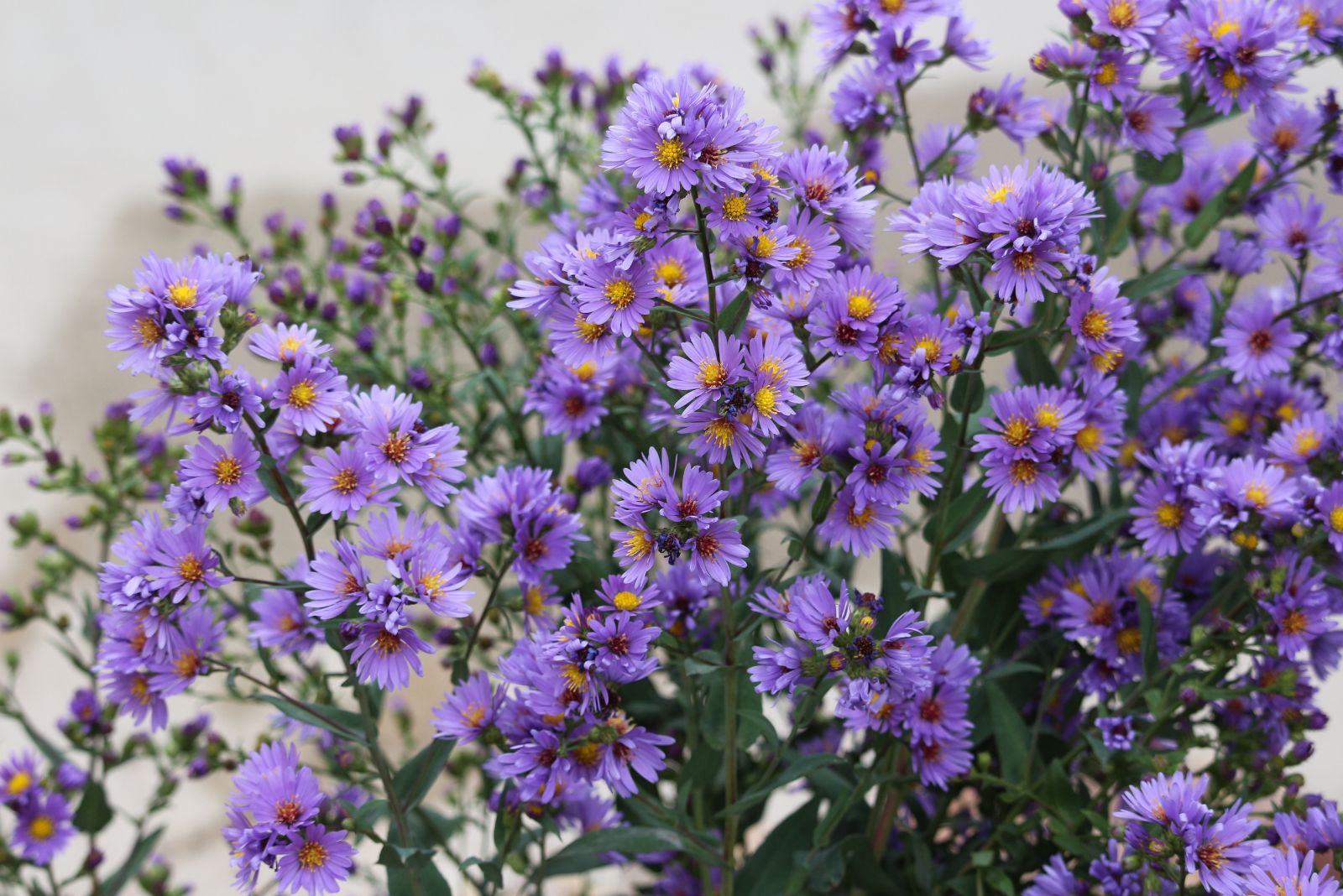
Walk through almost any Pennsylvania meadow in late summer, and you might spot a tall, graceful plant covered in dozens of tiny violet-blue stars.
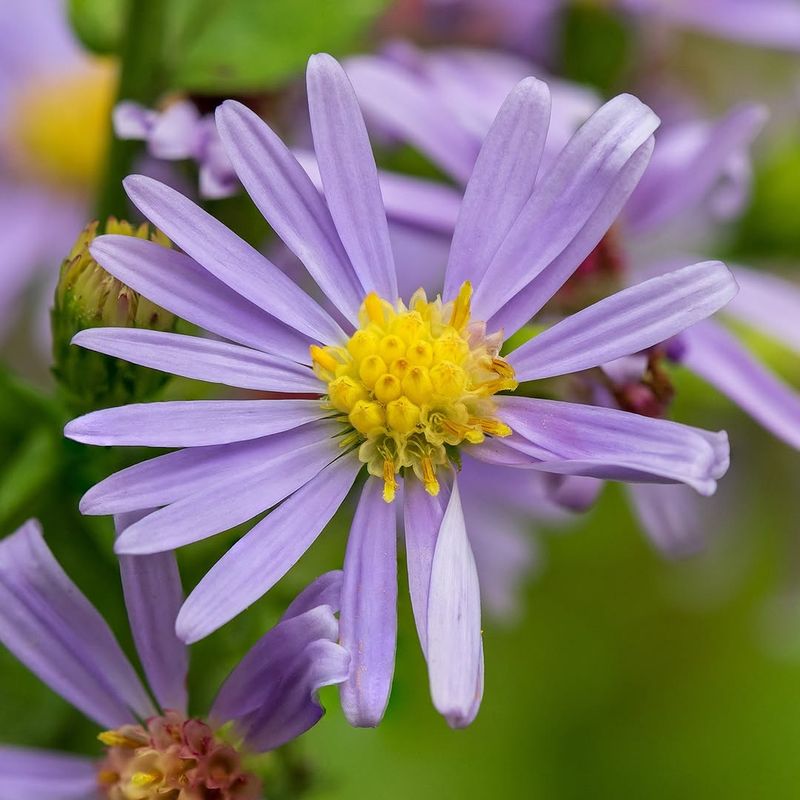
That is Smooth Aster, or Symphyotrichum laeve, one of the most beautiful native perennials you can grow in the Keystone State.
Its cheerful blooms appear just as other garden flowers start to fade, giving your yard a second wave of color that most gardeners do not expect.
Smooth Aster earns its name from its smooth, waxy leaves that give the plant a clean, polished look even before it blooms. The stems grow upright and sturdy, reaching anywhere from two to four feet tall.
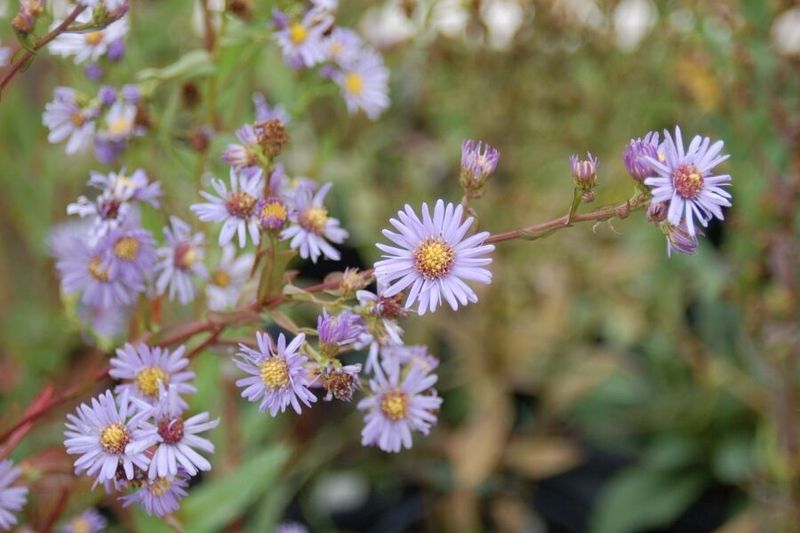
Each stem branches out and produces dozens of small daisy-like flowers with bright yellow centers, creating a stunning display that lasts well into autumn.
What makes this plant especially exciting is that it is a true Pennsylvania native. That means it evolved right here, adapted to local soils, rainfall patterns, and seasonal changes.
You are not forcing a foreign plant to survive in unfamiliar conditions. Smooth Aster already knows how to thrive where you live, and that makes a huge difference in how easy it is to grow.
Gardeners who have tried Smooth Aster often say it is one of the most rewarding plants they have ever added to their yard. It looks wild and natural but also tidy enough for a formal garden border.
Plus, since it is a perennial, it returns every single year, saving you time, money, and the hassle of replanting each spring.
Extended Bloom Period
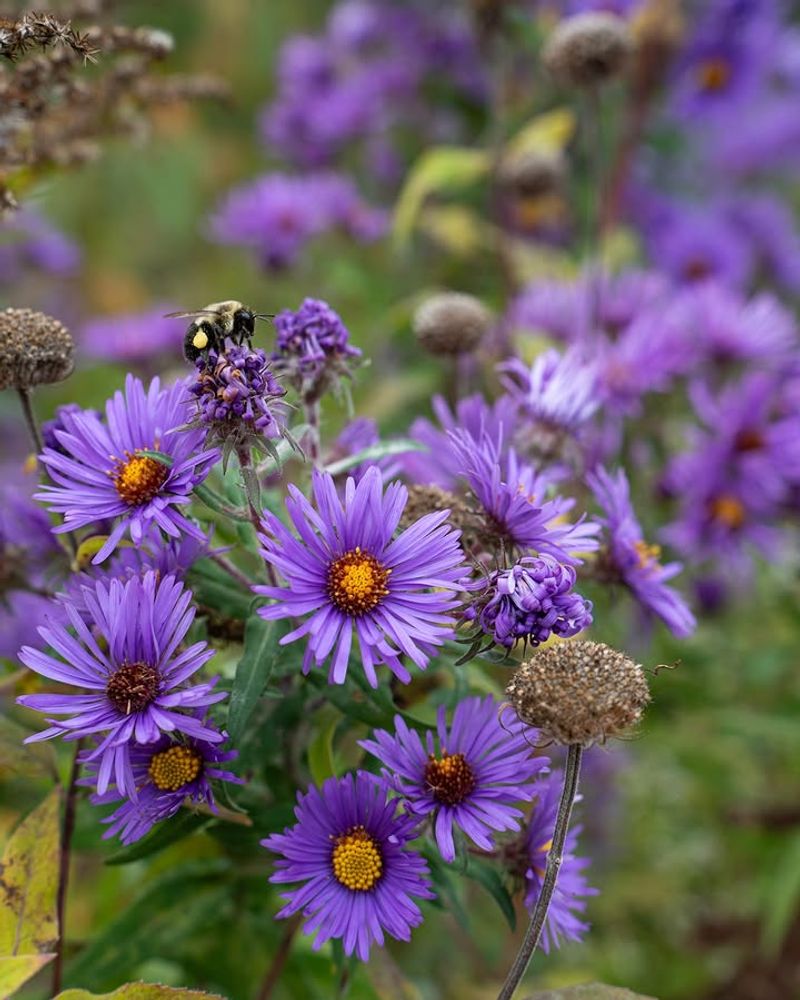
Most annuals give you a solid run of color from spring through midsummer, and then they start looking tired and scraggly. By August, many gardeners are left staring at brown stems and empty spots in their flower beds.
Smooth Aster completely solves that problem by timing its bloom to kick in right when everything else is winding down.
Starting in late August and continuing all the way through October, Smooth Aster floods your garden with clusters of violet-blue flowers that practically glow in the cooler autumn light. The blooms do not appear all at once and burn out quickly.
Your Pennsylvania Garden Changes Every Week. Your Plan Should Too.
Gardening in Pennsylvania changes quickly throughout the season. Every Friday you’ll receive a simple weekly plan showing exactly what to plant, prune, fertilize, harvest, and protect so you never miss the right timing.
Instead, they open gradually over several weeks, keeping your garden looking fresh and alive for a surprisingly long stretch of time.
Compare that to a typical annual like petunia or impatiens. Those plants may look great in June, but they struggle in the summer heat and often need constant deadheading, watering, and feeding just to stay presentable.
Smooth Aster, on the other hand, hits its stride when temperatures cool down and requires almost no extra attention to keep blooming beautifully.
Having a flower that blooms in fall is also a real visual treat. Most landscapes turn brown and dull as autumn arrives.
Smooth Aster fights back against that dullness with color that stands out against falling leaves and fading grasses.
Plant it along a fence, at the back of a border, or scattered through a meadow garden, and you will have a stunning focal point that carries your garden all the way to the first frost.
Growing Conditions
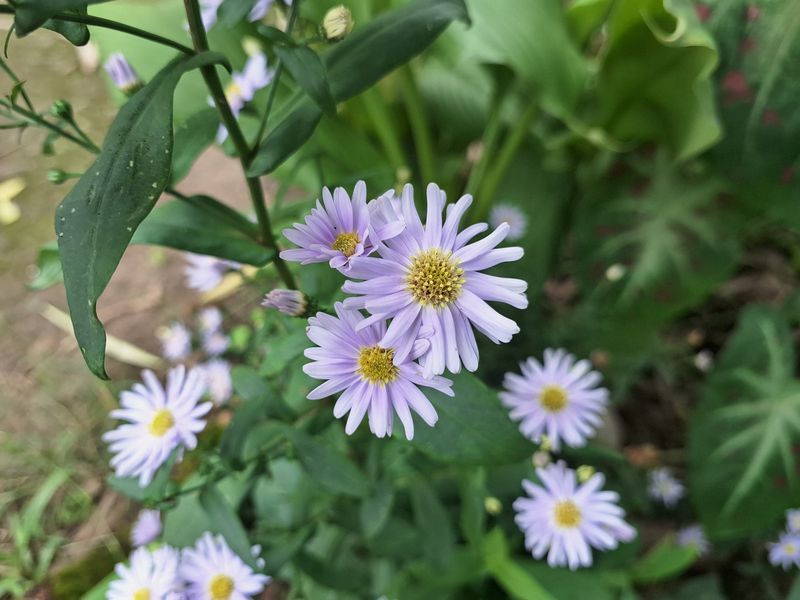
One of the best things about Smooth Aster is just how forgiving it is when it comes to growing conditions. You do not need perfect soil, a perfectly sunny spot, or years of gardening experience to grow this plant well.
It is genuinely one of the most adaptable native perennials available to Pennsylvania gardeners.
Full sun is where Smooth Aster performs best, pumping out the most flowers and staying the most compact and upright. But it handles part shade surprisingly well too.
If your garden gets a few hours of afternoon shade, do not worry. The plant will still bloom and look great, though it may grow slightly taller and lean a little toward the light.
Soil type is rarely a dealbreaker with this plant. Smooth Aster grows in clay, loam, and sandy soils without much fuss.
It does prefer good drainage, so avoid spots where water pools after rain. Once established, it shows impressive drought tolerance, meaning you will not need to run out with a hose every time summer gets hot and dry.
Did you know that Smooth Aster can even handle the kind of tough, lean soils found along roadsides and in disturbed areas? That adaptability is one reason it thrives across so much of Pennsylvania’s varied landscape.
Whether your yard is a sunny suburban lawn or a shaded woodland edge, there is a good chance Smooth Aster will settle in and grow strong. Amend your soil lightly if it is very compacted, and then let this resilient native do what it does best.
Benefits For Pollinators
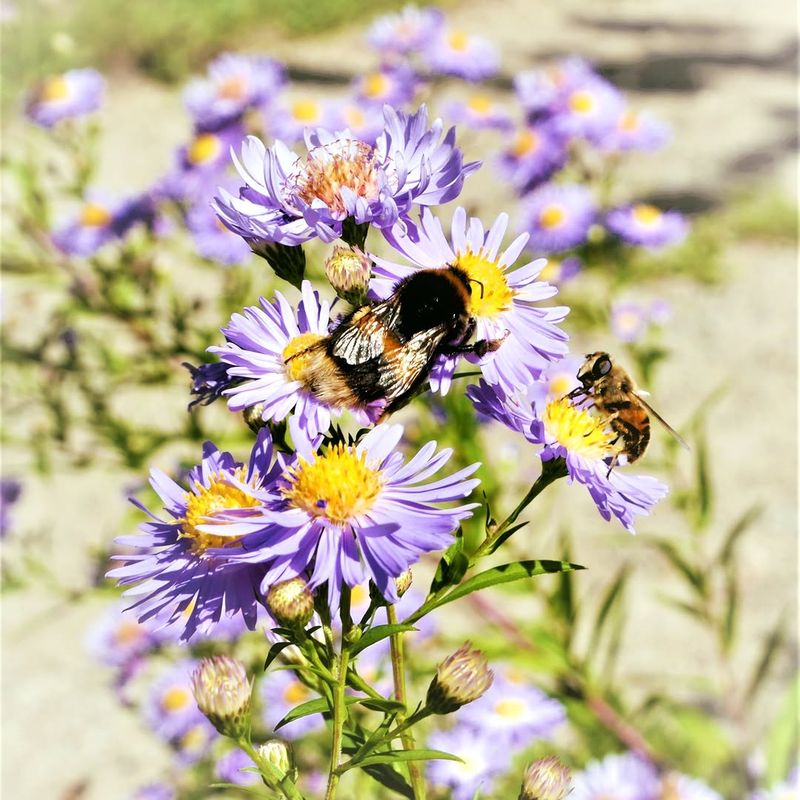
Autumn can be a tough time for pollinators. By September and October, most flowering plants have already finished blooming, leaving bees, butterflies, and other insects scrambling for food before winter arrives.
Smooth Aster steps in at exactly the right moment, offering a rich and reliable source of nectar and pollen when almost nothing else is available.
Monarch butterflies, which are famous for their long migration to Mexico each fall, stop and fuel up on Smooth Aster as they pass through Pennsylvania.
Watching a cluster of monarchs feeding on violet-blue asters against a backdrop of fall foliage is one of the most magical sights a gardener can experience.
Native bumblebees also go absolutely wild for this plant, buzzing from flower to flower in a way that shows just how important it is to the local ecosystem.
Beyond the beautiful visitors it attracts, Smooth Aster plays a bigger role in supporting biodiversity. Healthy pollinator populations help other plants in your garden and neighborhood produce fruits, seeds, and new growth.
By planting Smooth Aster, you are not just making your yard prettier. You are actively helping to keep local wildlife populations strong and connected.
Gardeners who care about sustainability will appreciate that Smooth Aster supports native bee species that have been struggling due to habitat loss. Even a small patch of three or four plants can make a meaningful difference.
Schools, community gardens, and neighborhood pollinator projects often include Smooth Aster for exactly this reason. It is a plant that gives back to nature in a genuinely powerful way, all while looking absolutely stunning in your garden.
Landscape Uses
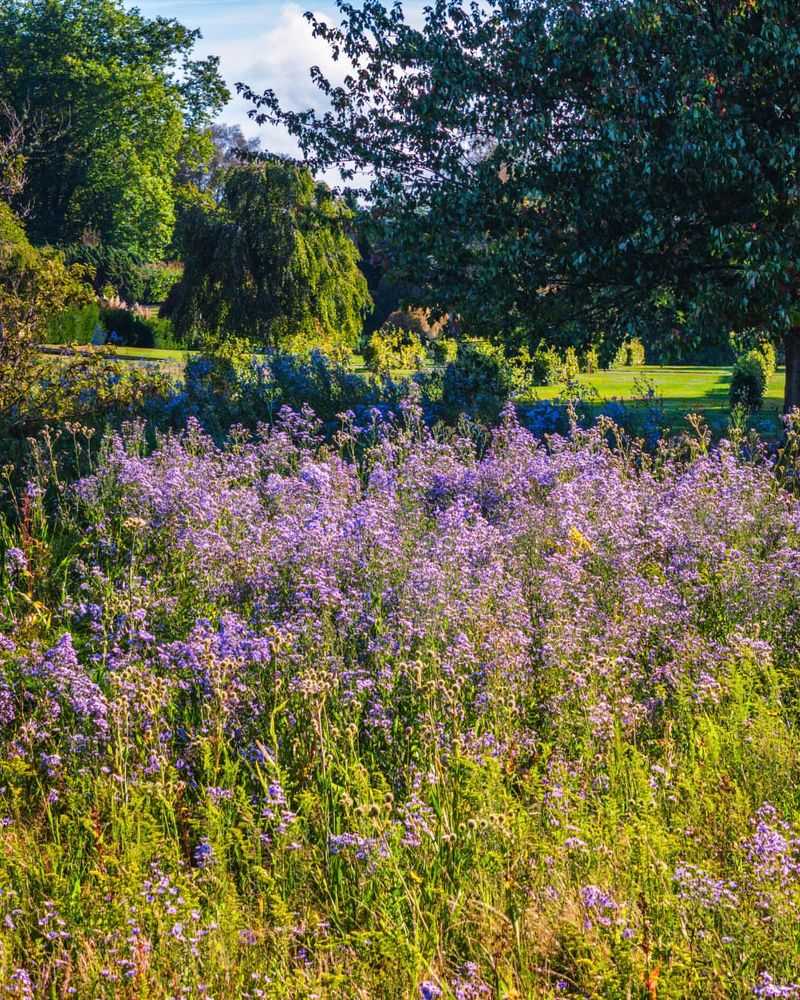
Few plants offer the kind of versatility that Smooth Aster brings to a landscape. It fits naturally into wildflower meadows, rain gardens, formal perennial borders, and everything in between.
Its tall, upright growth habit adds a strong vertical element that contrasts beautifully with low, mounding plants and sprawling ground covers.
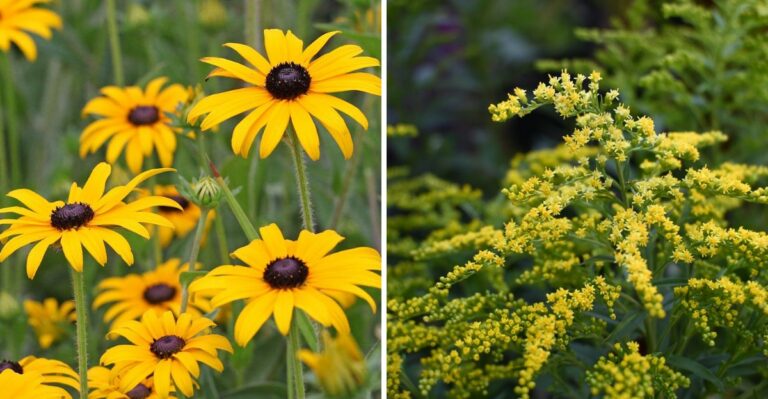
Pairing Smooth Aster with goldenrod is one of the most classic and eye-catching combinations in native plant gardening.
The golden yellow of goldenrod and the violet-blue of Smooth Aster complement each other perfectly, creating a color scheme that looks like it was designed by a professional.
Add some native grasses like little bluestem or switchgrass behind them, and you have a planting that looks stunning from late summer all the way through winter.
Pollinator gardens are another natural home for Smooth Aster. When planted alongside other native bloomers like coneflower, black-eyed Susan, and wild bergamot, it helps create a continuous sequence of bloom that supports pollinators from spring through fall.
The aster fills the crucial late-season gap that other plants simply cannot cover. Smooth Aster also works well as a naturalized planting along fence lines, at the edges of woodlands, or in low-maintenance areas where you want beauty without a lot of upkeep.
Its upright stems hold up well in wind, and the plant rarely needs staking unless it is growing in very rich or shaded soil.
Homeowners looking to reduce lawn area and replace it with something more ecologically valuable will find that Smooth Aster is one of the most rewarding choices they can make for their Pennsylvania property.
Care And Maintenance Tips
Here is a piece of good news for anyone who does not want to spend every weekend fussing over their plants. Smooth Aster is about as low-maintenance as a flowering perennial gets.
Once it is established in your garden, it basically takes care of itself through the growing season, asking very little in return for all the color it provides.
The main task to put on your calendar is a spring cutback. In early spring, before new growth starts pushing up from the base, trim the old stems down to a few inches above the ground.
This clears away the previous year’s growth and encourages the plant to send up fresh, vigorous new shoots. It only takes a few minutes per plant and makes a big difference in how full and healthy the aster looks come bloom time.
Deadheading, which means removing spent flowers, is completely optional with Smooth Aster. The plant will continue blooming on its own without any deadheading at all.
However, if you want to tidy things up or slightly extend the bloom period, you can pinch off finished flowers as they fade. Just know that leaving the seed heads in place through winter provides food for birds and adds a bit of natural texture to your garden during the colder months.
Every three to five years, you might notice your Smooth Aster clump getting large and crowded in the center. That is a good time to divide it.
Simply dig up the clump in early spring, split it into smaller sections, and replant them with a little space between each piece. This keeps the plants vigorous, encourages more blooms, and gives you free plants to share with neighbors or expand your garden.