The Most Underrated North Carolina Native That Helps Keep Ticks Out Of Backyard Gardens
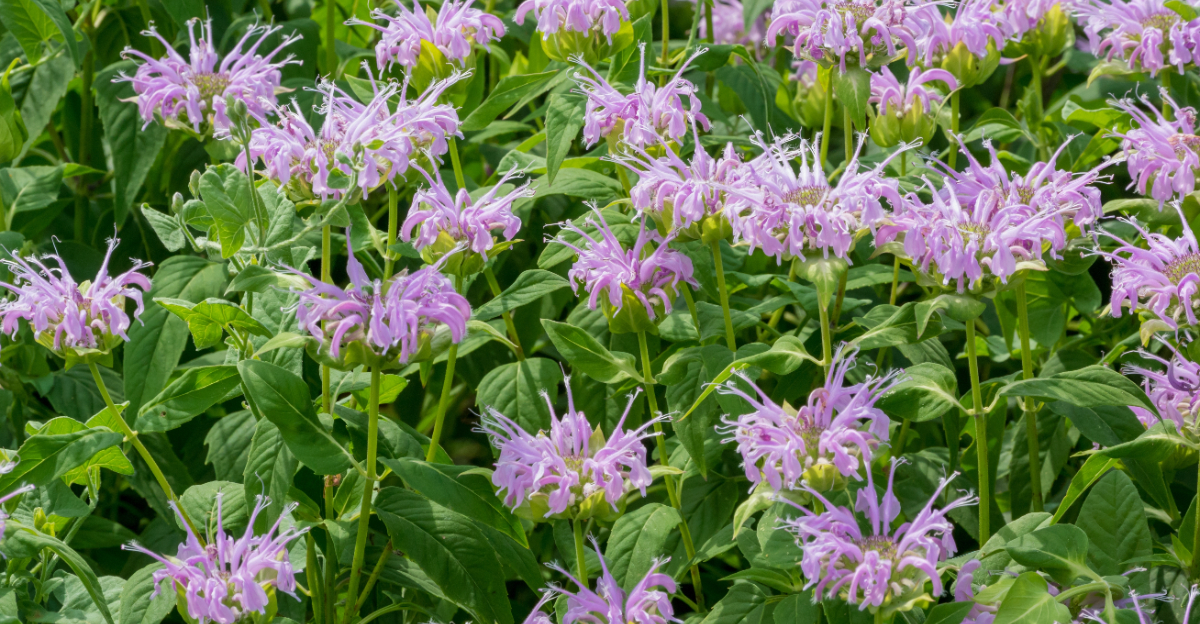
Tick awareness in backyard spaces has grown significantly across North Carolina, and most of the conversation tends to focus on sprays, treatments, and removing leaf litter.
What rarely gets mentioned is a native plant that has been growing quietly in this region for generations with properties that make ticks genuinely uncomfortable in the areas surrounding it.
It fits naturally into garden borders, requires almost no intervention once established, and comes back dependably every season without any fuss.
Gardeners who have added it near vegetable beds and high-traffic outdoor areas have noticed a real difference over time.
For a state with as much tick pressure as North Carolina carries through spring and summer, this plant deserves far more attention than it currently gets from the gardening community.
1. Wild Bergamot
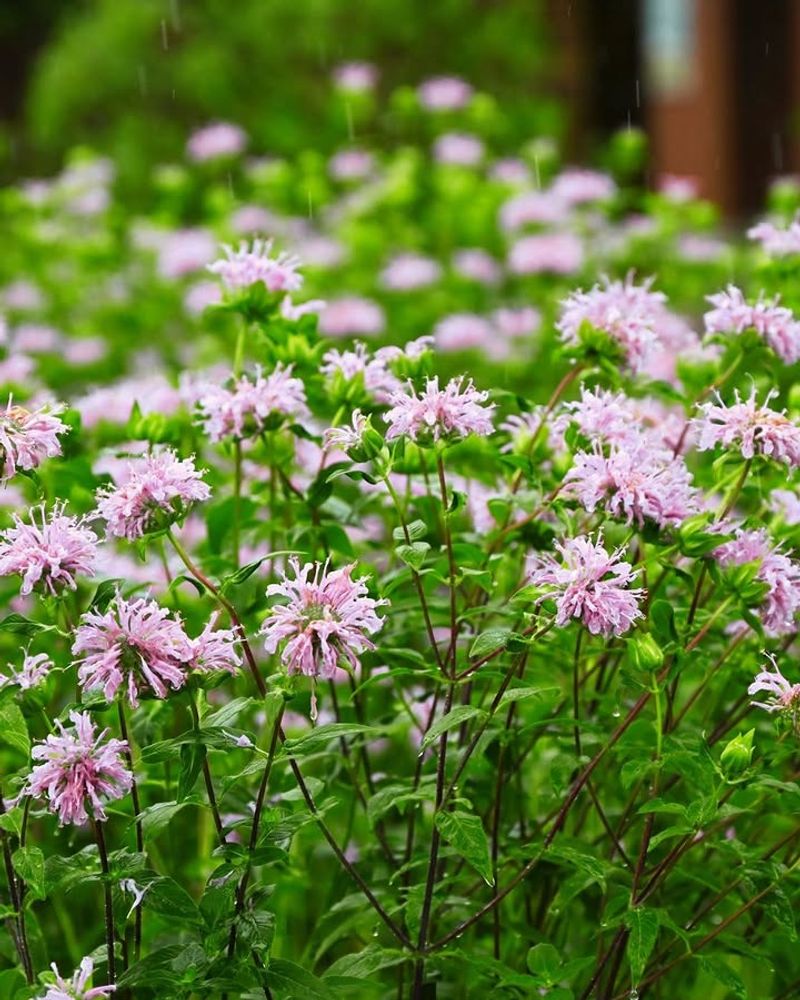
Not every garden hero looks the part, but wild bergamot, known scientifically as Monarda fistulosa, earns its reputation through both beauty and function.
Native to much of North America, including the Piedmont, mountains, and even parts of the coastal plain in North Carolina, this perennial has adapted to thrive in local soils and summer heat for thousands of years.
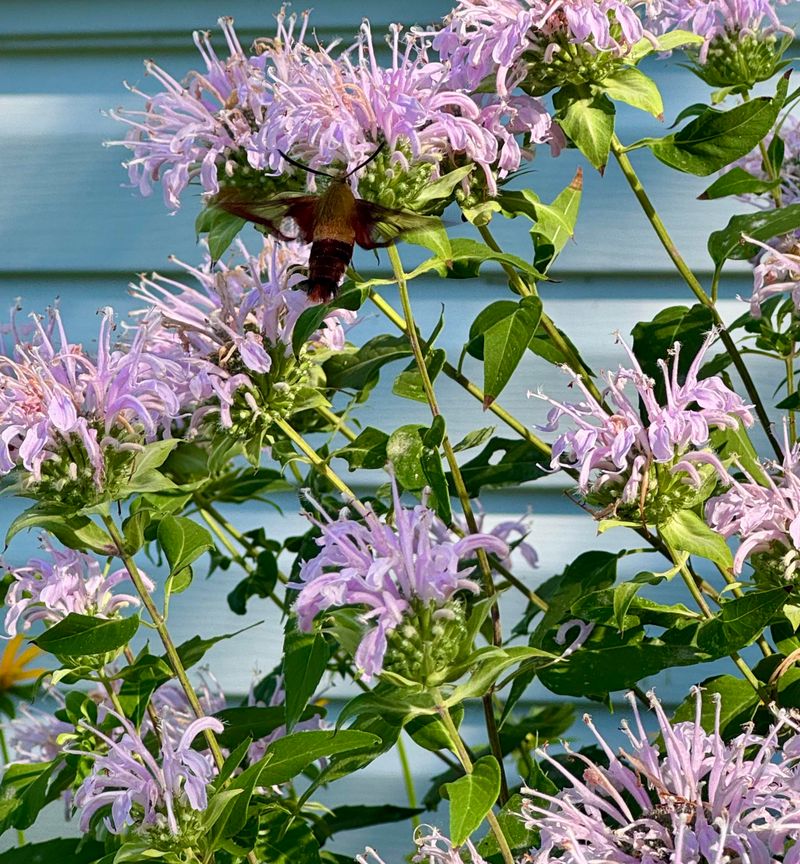
Its soft lavender-purple flowers bloom in rounded clusters that are hard to miss from across the yard.
Planting wild bergamot is straightforward for most North Carolina gardeners. It prefers full sun, at least six hours daily, and well-drained soil with average fertility. Rich, overly amended soil can actually make the plant floppy and less vigorous.
Space transplants about 18 to 24 inches apart to allow good airflow, which helps prevent the powdery mildew that sometimes affects the leaves in humid summers.
One of the best things about this plant is how naturally it fits into a backyard setting. It grows two to four feet tall, creating a mid-border presence that works beautifully alongside grasses and other native wildflowers.
The aromatic oils in its foliage are what make it so valuable for tick management, and those same oils give the leaves a pleasant oregano-like fragrance when brushed.
For North Carolina homeowners wanting a hardworking native, this plant delivers on every promise.
2. Dense, Aromatic Foliage That Ticks Absolutely Hate
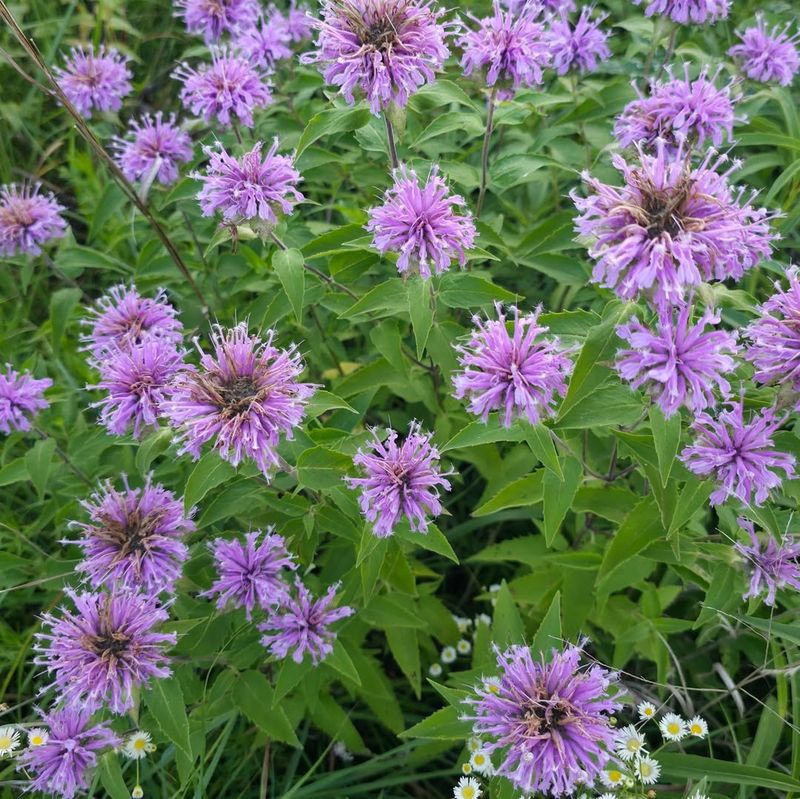
Ticks are not fans of strong scents, and wild bergamot produces plenty of them. The leaves and stems of Monarda fistulosa are packed with volatile aromatic oils, particularly thymol and carvacrol, the same compounds found in thyme and oregano.
These oils create an olfactory barrier that ticks find deeply unappealing, making the area around the plant far less hospitable for them to linger or travel through.
Planting wild bergamot strategically around your yard makes a real difference. Position it along garden borders, near walkways, or as a buffer between your lawn and wooded areas where ticks typically originate.
When people or pets brush against the foliage while passing by, the oils release into the air, creating a natural deterrent zone that works passively throughout the growing season without any effort on your part.
Vegetable beds are another smart location for wild bergamot.
Placing a row or cluster along the outer edge of a kitchen garden creates a fragrant boundary that helps reduce tick movement into areas where you spend time crouching, weeding, or harvesting.
Your North Carolina Garden Changes Every Week. Your Plan Should Too.
Gardening in North Carolina changes quickly throughout the season. Every Friday you’ll receive a simple weekly plan showing exactly what to plant, prune, fertilize, harvest, and protect so you never miss the right timing.
Unlike chemical repellent sprays that wash away and need reapplication, this plant works continuously. The denser your planting, the more aromatic coverage you get.
Even a small grouping of three to five plants can noticeably shift the tick activity in a defined garden zone throughout the warm months.
3. A Blooming Season That Keeps Going And Going
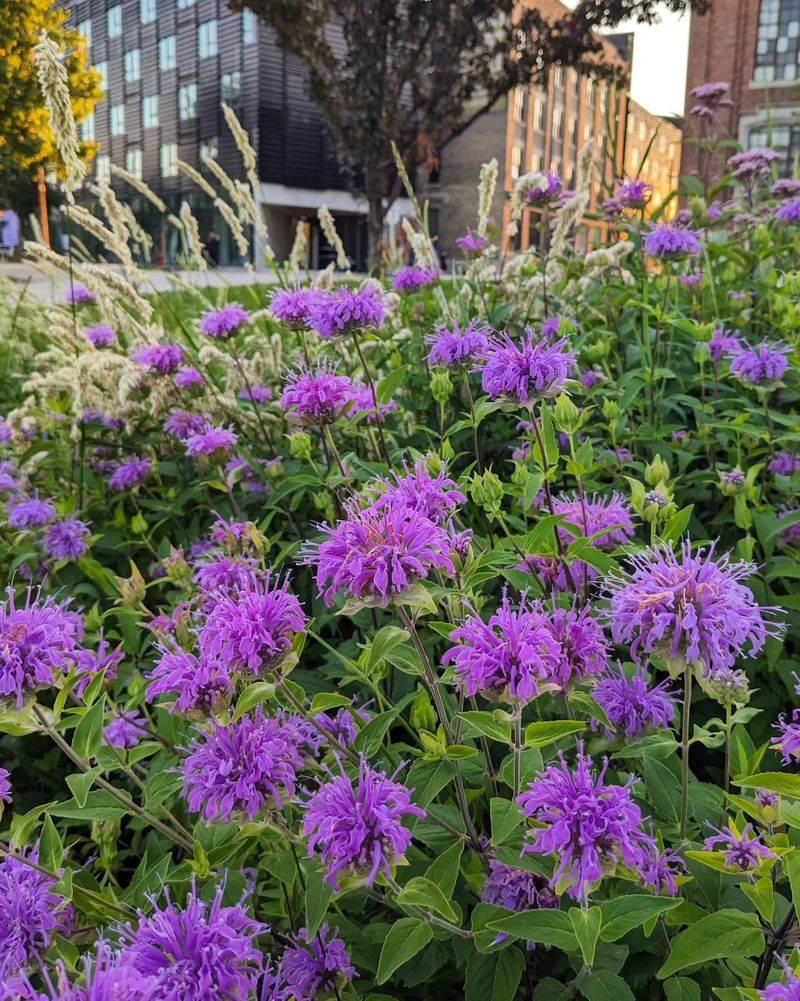
Few native perennials offer a blooming window as generous as wild bergamot. In North Carolina, flowers typically open in late June or early July and continue through August and sometimes into early September.
That stretch of six to ten weeks of consistent color is genuinely impressive for a plant that asks so little in return. Gardeners who want season-long interest without constant replanting find this trait especially valuable.
The extended bloom period also means extended tick deterrence.
Because the aromatic compounds in the plant are most potent when the plant is actively growing and flowering, that long mid-summer to early fall window lines up perfectly with peak tick activity in North Carolina.
Black-legged ticks, also called deer ticks, are most active from late spring through fall, so having wild bergamot in full, fragrant force during those months is excellent timing.
Deadheading spent flower heads can encourage a second flush of blooms on some plants, stretching the season even further.
Simply snip off the faded flower clusters just above the next set of leaves, and the plant often responds with fresh growth and additional flowers within a few weeks.
Even if you skip deadheading entirely, the dried seed heads that remain are attractive in their own right and provide food for birds like goldfinches during the fall months.
Either way, the plant continues contributing to your garden long after the first blooms fade.
4. A Pollinator Magnet That Doubles As Pest Deterrent
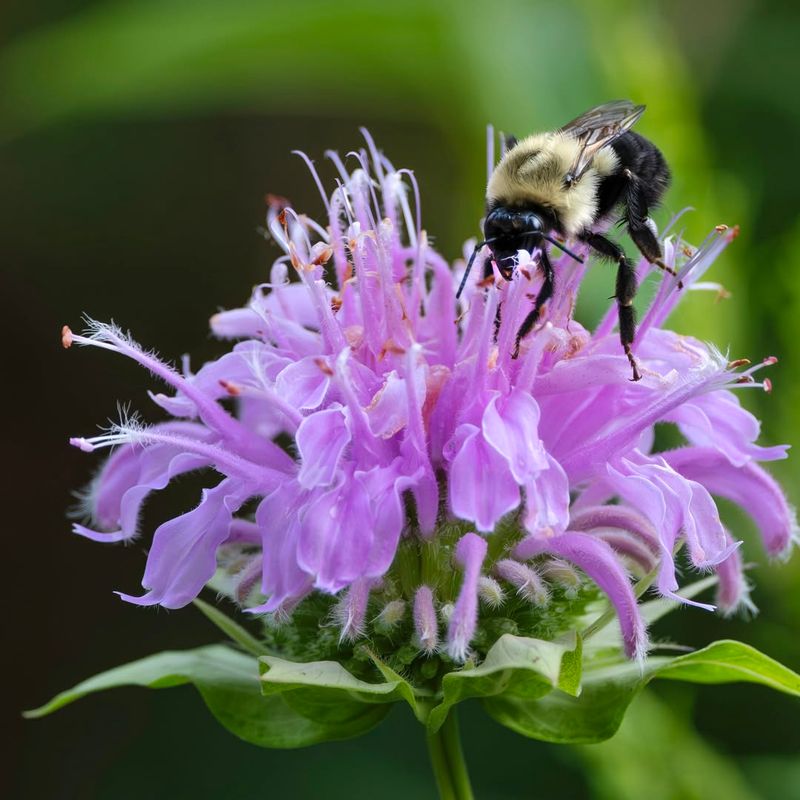
Watch a patch of wild bergamot on a sunny summer morning and you will likely see something remarkable.
Native bumblebees, sweat bees, and specialist Monarda bees that evolved specifically to visit this genus swarm the flowers with impressive enthusiasm.
Eastern tiger swallowtails, silver-spotted skippers, and fritillary butterflies are regulars too. Ruby-throated hummingbirds visit frequently, drawn by the tubular flower shape that perfectly matches their feeding style.
What makes this combination so powerful for backyard ecosystems is that the plant handles two jobs at once.
While the flowers above ground are feeding and supporting pollinators, the aromatic foliage at ground level is working to deter ticks from settling in.
A garden that supports robust pollinator populations also tends to attract insectivorous birds and beneficial predatory insects that naturally keep pest populations in check, creating a positive ripple effect through the whole yard ecosystem.
For North Carolina gardeners trying to build healthier, more balanced outdoor spaces, this dual function is incredibly efficient. You get visual beauty, wildlife activity, and pest management from a single plant species.
Native bees in particular benefit enormously from having reliable, locally adapted flower sources, and wild bergamot is one of the most productive sources available in the region.
Planting even a small grouping of five to seven plants creates enough floral resources to make a measurable difference for your local bee populations throughout the summer season.
5. Low Maintenance Once It Gets Comfortable
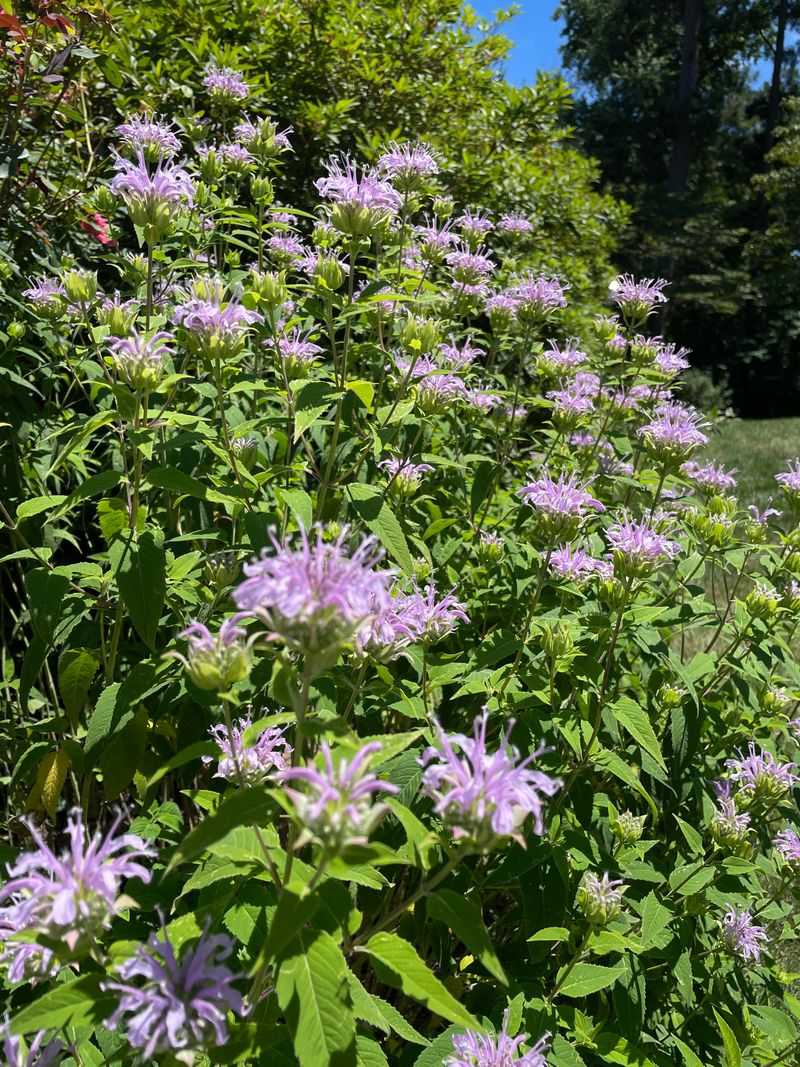
Gardeners who have been burned by high-maintenance plants will appreciate how refreshingly easygoing wild bergamot becomes after its first season.
The first year is when you give it a little extra attention, watering regularly to help the roots establish and making sure it does not dry out completely during hot spells.
After that, the plant largely takes care of itself through North Carolina summers, even during stretches of heat and low rainfall that stress many other garden plants.
Watering established plants once a week during dry periods is usually sufficient. In heavier clay soils common across much of the Piedmont, even less supplemental water may be needed since clay retains moisture longer than sandy soils.
Avoid overwatering, as consistently soggy soil can encourage root rot and reduce the plant’s vigor. Mulching around the base helps retain soil moisture while keeping roots cool during the hottest months of July and August.
Pruning is minimal and optional. Cutting plants back by about a third in late spring encourages bushier, more compact growth and can reduce flopping in taller varieties.
After flowering finishes, you can cut the whole plant back to about six inches, which often prompts fresh foliage growth in the cooler weeks of September and October.
Wild bergamot spreads gradually by rhizomes, so dividing established clumps every three to four years keeps growth tidy and refreshes the plants’ energy for the next season.
6. Deer Pass Right By It Every Single Time
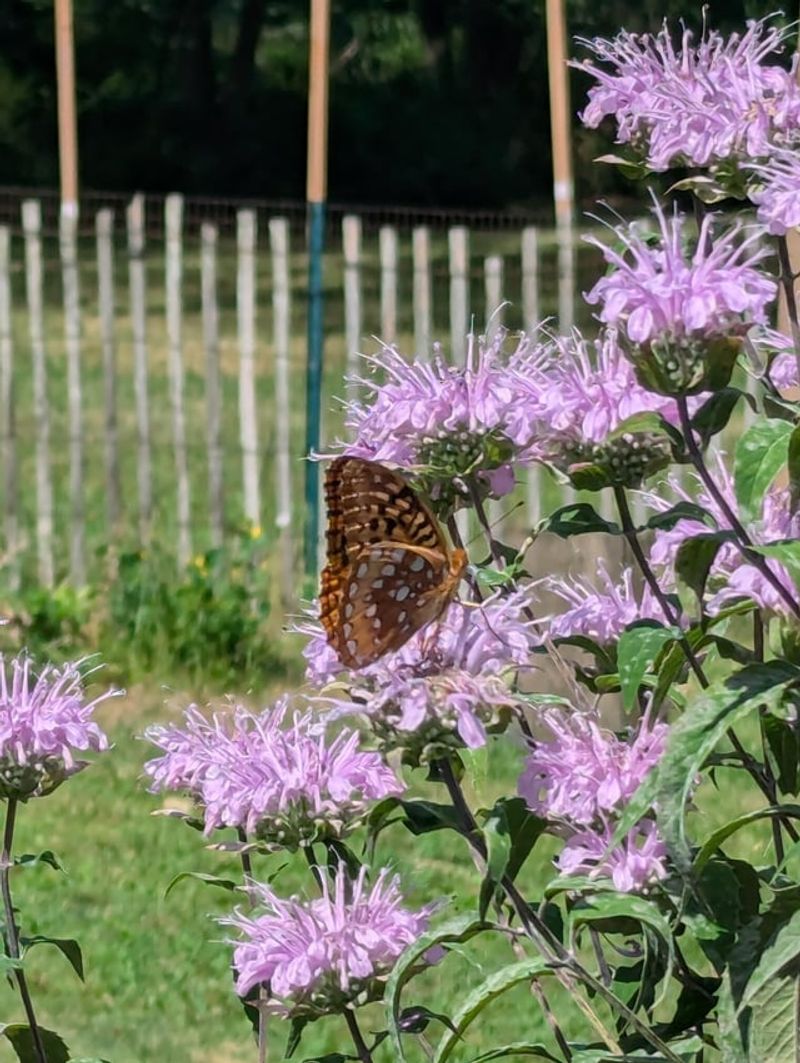
Anyone gardening in suburban or rural North Carolina knows the frustration of planting something beautiful only to find it browsed down to stubs by morning.
Deer pressure is real across most of the state, and it can make maintaining a full, lush garden feel like an uphill battle.
Wild bergamot offers a welcome solution because deer consistently avoid it, largely due to those same aromatic oils that make it so effective at deterring ticks.
The strong herbal scent that humans find pleasant is apparently quite off-putting to deer.
While no plant is completely deer-proof during extreme food scarcity, wild bergamot ranks among the most reliably avoided native perennials in North Carolina landscapes.
Gardeners report that even when surrounding plants show deer browsing, wild bergamot clumps remain completely untouched season after season, maintaining their full height and density throughout the growing season.
That consistent deer resistance matters a great deal for tick management. Ticks frequently hitch rides into backyard gardens on deer, so a plant that repels deer also indirectly reduces how many ticks arrive in your yard in the first place.
Planting wild bergamot along fence lines, property borders, or woodland edges where deer commonly enter creates a fragrant, visually appealing barrier that serves multiple protective purposes simultaneously.
Pair it with other deer-resistant natives like black-eyed Susan or coneflower and you build a garden that stays full and intact through the entire growing season without constant replanting.
7. It Thrives In The Soil And Sun North Carolina Actually Has
One of the most common gardening mistakes is choosing plants suited for idealized conditions rather than the actual soil and climate you are working with.
North Carolina gardens often feature heavy clay in the Piedmont, rocky or thin soils in the mountains, and sandy or loamy soils closer to the coast.
Wild bergamot handles all of these reasonably well, which is part of what makes it such a practical choice for homeowners across the state.
Full sun is where this plant truly shines. Six or more hours of direct sunlight daily produces the most compact, floriferous growth and the highest concentration of aromatic oils in the foliage.
Partial shade is tolerated but tends to produce taller, leggier plants that may need staking and produce fewer flowers.
In North Carolina summers that routinely push past 90 degrees Fahrenheit, wild bergamot keeps growing without the wilting and stress that affects many non-native ornamentals.
Soil drainage matters more than soil richness for this plant. Soggy, poorly drained spots are the one condition wild bergamot genuinely dislikes.
If your garden has drainage issues, raising the planting area slightly or amending with coarse sand and organic matter will make a significant difference.
Average to lean soil actually suits it better than heavily fertilized beds, since too much nitrogen encourages leafy growth at the expense of flowers.
Slightly acidic to neutral pH, roughly 6.0 to 7.0, matches the soil conditions found across most North Carolina gardens naturally.
8. It Spreads Naturally Without Taking Over Your Garden
Some gardeners hesitate to plant spreading perennials after past experiences with aggressive spreaders that swallowed everything around them. Wild bergamot earns a different reputation entirely.
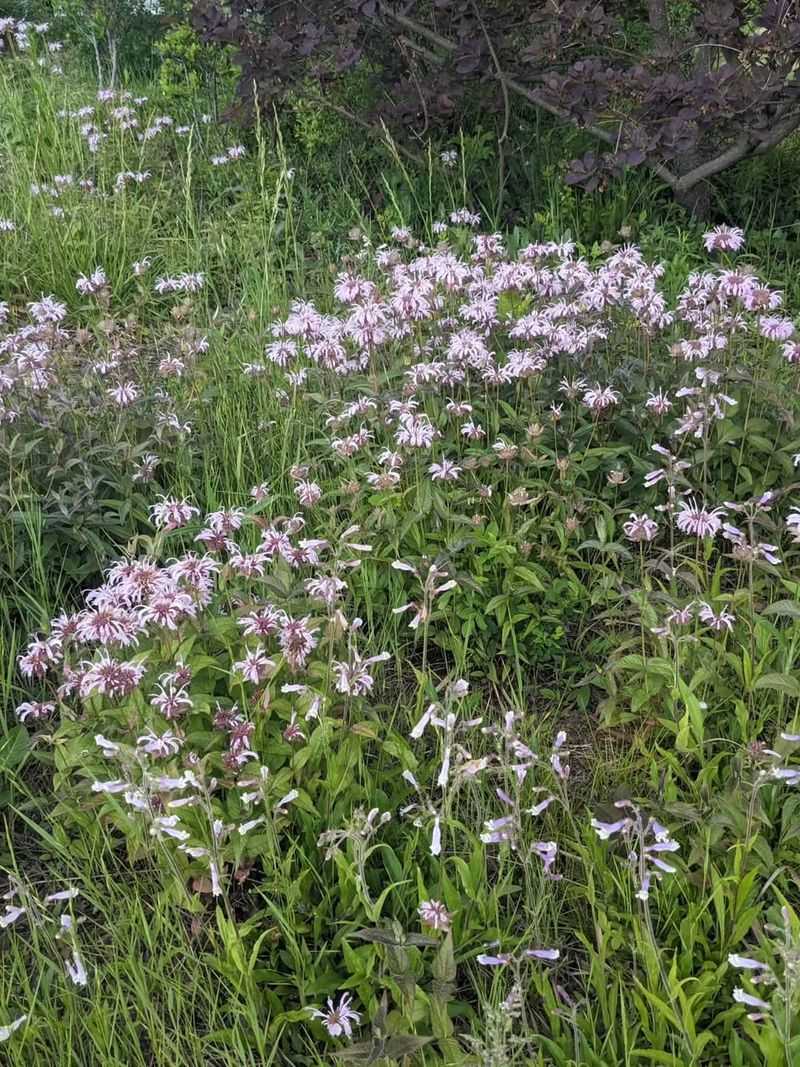
It spreads through a combination of rhizome growth and moderate self-seeding, gradually expanding into natural clumps over several seasons without the rampant takeover behavior of plants like mint or bishop’s weed.
The spread is steady, manageable, and actually quite useful for filling gaps in garden beds.
As clumps expand, they create denser patches of aromatic foliage that improve tick deterrence across a wider area of your yard.
A single plant purchased in spring can become a three-foot-wide clump within two to three growing seasons, and those expanding colonies provide increasingly effective coverage along borders and edges.
If self-seeding produces more seedlings than you want in a particular spot, they pull out easily when young, or you can pot them up and share with neighbors.
Controlling the spread is genuinely simple. Remove spent flower heads before seeds fully mature if you want to limit seedling production, or simply pull any volunteer seedlings that appear in unwanted locations each spring.
Dividing established clumps every few years not only manages the size but also reinvigorates the plants, producing more vigorous growth and stronger flowering.
Wild bergamot fills your garden with purpose and presence without the anxiety of wondering whether it will crowd out everything else you have worked hard to grow and maintain.
9. Companion Planting That Makes Your Whole Garden Work Harder
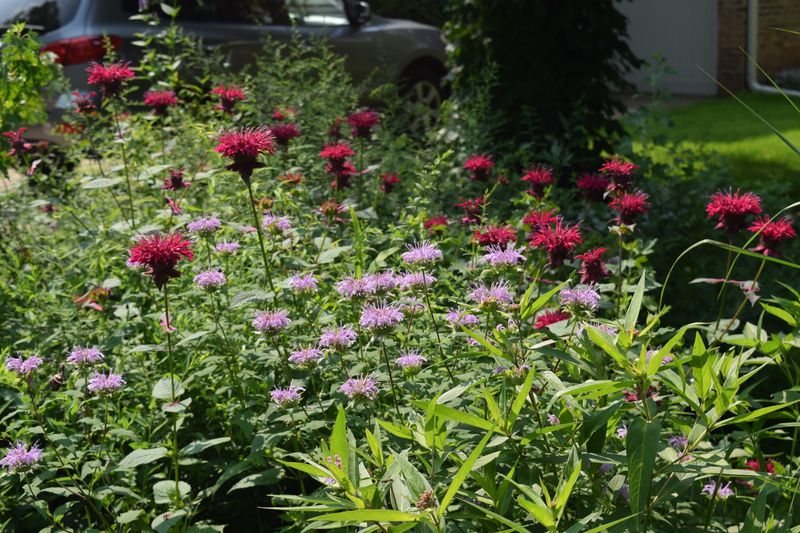
Wild bergamot becomes even more effective when you pair it thoughtfully with other North Carolina native perennials.
Black-eyed Susan blooms slightly earlier in summer, bridging the gap before bergamot’s peak, while eastern coneflower extends the season into fall.
Butterfly weed adds a vivid orange contrast that makes the soft lavender of bergamot pop visually. Together, these plants create a layered, multi-season garden that supports pollinators from late spring through October.
From a tick management perspective, layered native plantings do something a single species cannot. Different plant heights, textures, and aromatic profiles create a more complex sensory barrier that ticks find harder to navigate.
Dense mid-border plantings of bergamot combined with lower-growing aromatic plants like creeping thyme or catmint along walkway edges builds a thorough aromatic zone around the parts of your yard where people spend the most time.
The goal is overlapping coverage rather than isolated plants. Visually, these combinations rival anything you would find in a traditional ornamental garden, and they do it with far less irrigation, fertilizing, and pest management than non-native alternatives require.
Native plant combinations also tend to be more resilient to the summer heat, humidity, and occasional drought that North Carolina summers deliver.
Starting with a simple trio of wild bergamot, black-eyed Susan, and butterfly weed gives you a foundation that grows stronger and more beautiful with each passing year, while quietly making your backyard a less comfortable place for ticks to settle in.