Why North Carolina Lantana Gets Woody By August, And The Simple Cut That Keeps It Blooming
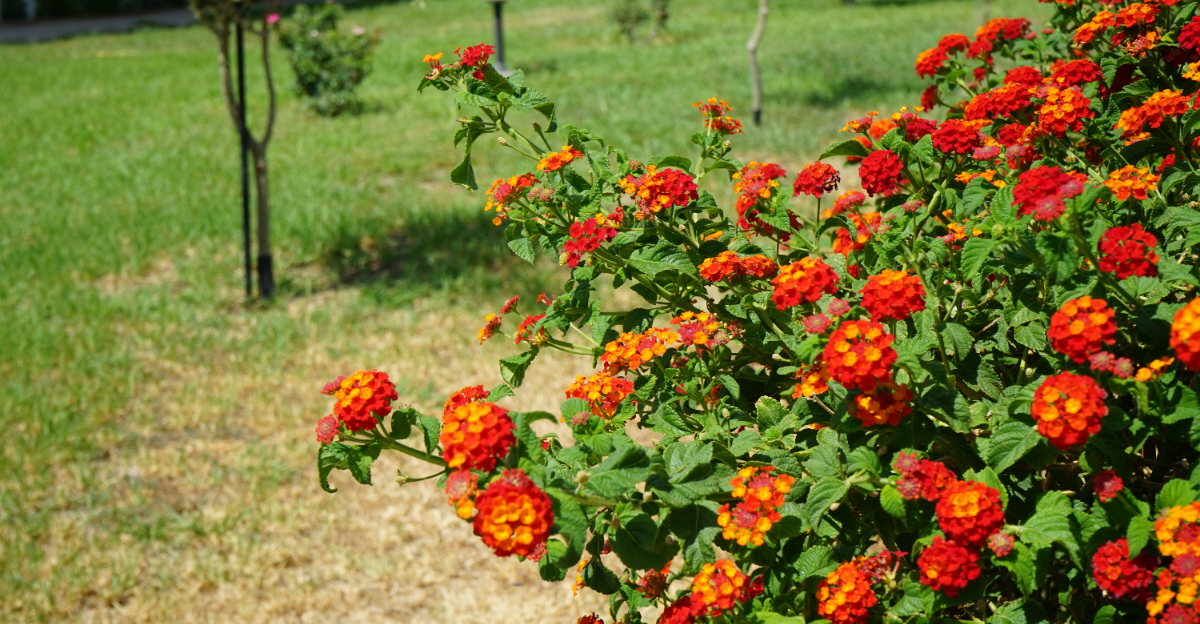
Your lantana bloomed like a firework display in June, and now it looks like a bundle of forgotten twigs. Piedmont, coast, or foothills, this same shift hits nearly every North Carolina garden once summer digs in.
That stiff, sparse look is not your plant giving up. It is lantana following its own internal clock, shaped by heat and long daylight hours.
One targeted cut is often all it takes to coax the blooms back. Once you understand why this happens, late summer lantana stops feeling like a mystery.
North Carolina summers push plants hard, and lantana answers every stretch of heat. Working with that rhythm, instead of fighting it, is the shift most gardeners wish they had made sooner.
Woody Stems Form As Lantana Redirects Energy Away From Soft Growth
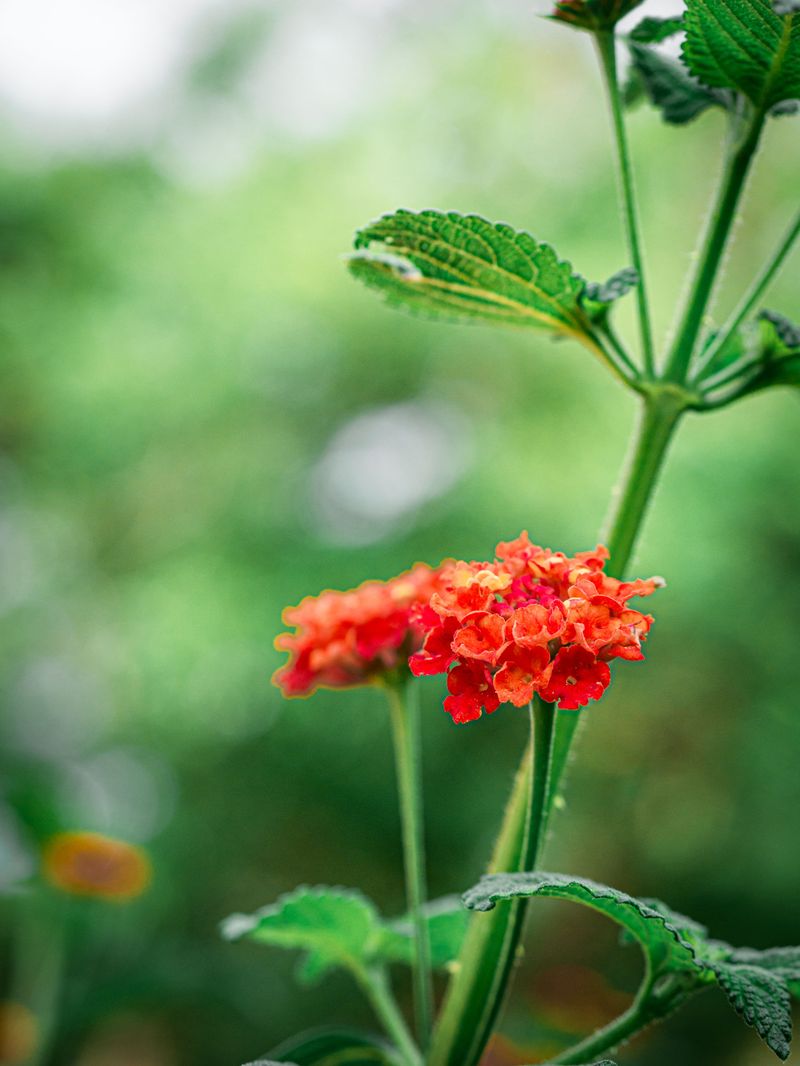
Lantana starts the season soft, green, and eager to bloom. By midsummer, something shifts beneath all that color.
The plant begins moving energy from its tips down into its base. Stems that were once flexible turn stiff, brown, and bark-like.
This process is called lignification, and it happens in lantana faster than in most flowering shrubs. The plant is essentially building a stronger skeleton to survive heat and drought stress.
Think of it like a tree forming bark over time. The older the stem, the less likely it is to push out fresh flower buds.
Blooms only appear on new, soft growth. Once a stem goes fully woody, it stops contributing to the flower show entirely.
This is why North Carolina lantana gets woody by August, not because something went wrong, but because the plant is following its own survival script. The heat accelerates the process, and the longer you wait to act, the more of your plant gets locked into that stiff, non-blooming state.
Understanding this energy shift is the first step toward keeping your lantana flowering all the way into fall. You cannot fight the woody cycle, but you can stay ahead of it.
Summer Heat Speeds Up The Process More Than Most Gardeners Expect
August in the Carolinas hits differently than anywhere else. The air feels thick, the sun is relentless, and your garden plants feel every bit of it.
Lantana evolved in tropical and subtropical climates, so it handles heat better than most plants. But even tough plants have a tipping point when temperatures stay above 90 degrees for weeks on end.
High heat signals the plant to shift resources. Instead of pushing tender new shoots, it reinforces existing structure and slows soft growth production.
That means fewer new stems, fewer flower buds, and more of that frustrating woody base taking over. The transition from lush and blooming to stiff and sparse can happen in as little as two to three weeks during a heat wave.
Humidity adds another layer to the problem. Wet, hot air encourages fungal issues on older stems, which speeds up the hardening process even further.
Most gardeners are caught off guard because the plant looks fine from a distance. Up close, though, the base is already locking up while the tips are still trying to flower.
Your North Carolina Garden Changes Every Week. Your Plan Should Too.
Gardening in North Carolina changes quickly throughout the season. Every Friday you’ll receive a simple weekly plan showing exactly what to plant, prune, fertilize, harvest, and protect so you never miss the right timing.
Paying attention to temperature patterns in your area gives you a head start. When you see a stretch of 90-plus-degree days on the forecast, that is your cue to grab the pruning shears before the woody takeover gets ahead of you.
One Well Timed Cut Restores Flowering For The Rest Of The Season
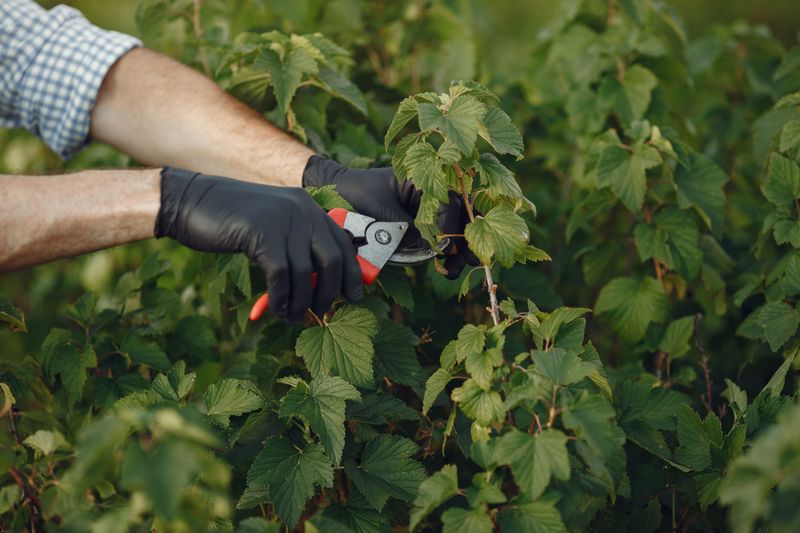
Here is the moment every frustrated lantana grower has been waiting for. One cut, done at the right time, can flip your plant from stalled to stunning.
The goal is to cut each stem back by about one-third of its total length. You want to remove the oldest, woodiest growth and leave behind green, flexible stems that still have life in them.
Use clean, sharp pruning shears for this job. Dull blades crush the stem instead of cutting it cleanly, which invites disease and slows recovery.
The best window for this cut in most parts of the state falls between late July and mid-August. Cut too early and you interrupt the first big bloom cycle. Cut too late and the plant does not have enough warm weeks left to fully recover.
After the cut, the plant redirects all that stored energy into pushing new soft growth. Fresh green shoots appear within a week or two, and flower buds follow shortly after.
Many gardeners are shocked at how quickly the transformation happens. A plant that looked nearly done can be covered in fresh blooms within three to four weeks of a well-timed trim.
This single technique is the backbone of keeping North Carolina lantana blooming strong through September and even into October. Timing is everything, and once you nail it, you will do it every year without hesitation.
Cutting Too Late In The Season Reduces Fall Blooms
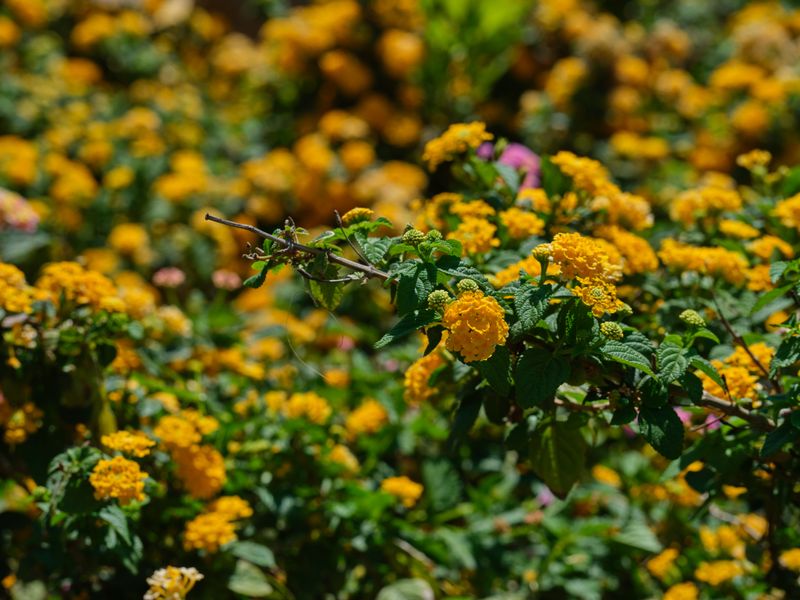
Timing a pruning cut sounds simple until you miss the window. Late cuts on lantana are one of the most common mistakes gardeners make.
If you wait until September to cut your plant back hard, the math just does not work in your favor. Lantana needs roughly six to eight weeks of warm weather to push new growth and develop flower buds after a major trim.
Once nighttime temperatures start dropping below 55 degrees consistently, the plant slows down significantly. New growth that starts in late September rarely has enough time to mature into blooms before the season ends.
You end up with a freshly trimmed plant that looks hopeful but never quite delivers. That is a frustrating outcome after putting in the effort.
The sweet spot for late-season cuts is no later than the first week of August in most parts of the state. Coastal areas with warmer falls can sometimes push that window to mid-August.
If you have already missed the ideal window, do not make a drastic cut. Instead, just remove the spent flower clusters and remove any clearly decayed stems.
That lighter approach keeps the plant tidy and encourages whatever soft growth remains to produce a few more blooms. Accepting a lighter fall display beats shocking the plant with a hard cut it cannot recover from before cold weather arrives.
Regular Trimming Prevents The Woody Cycle From Starting Over
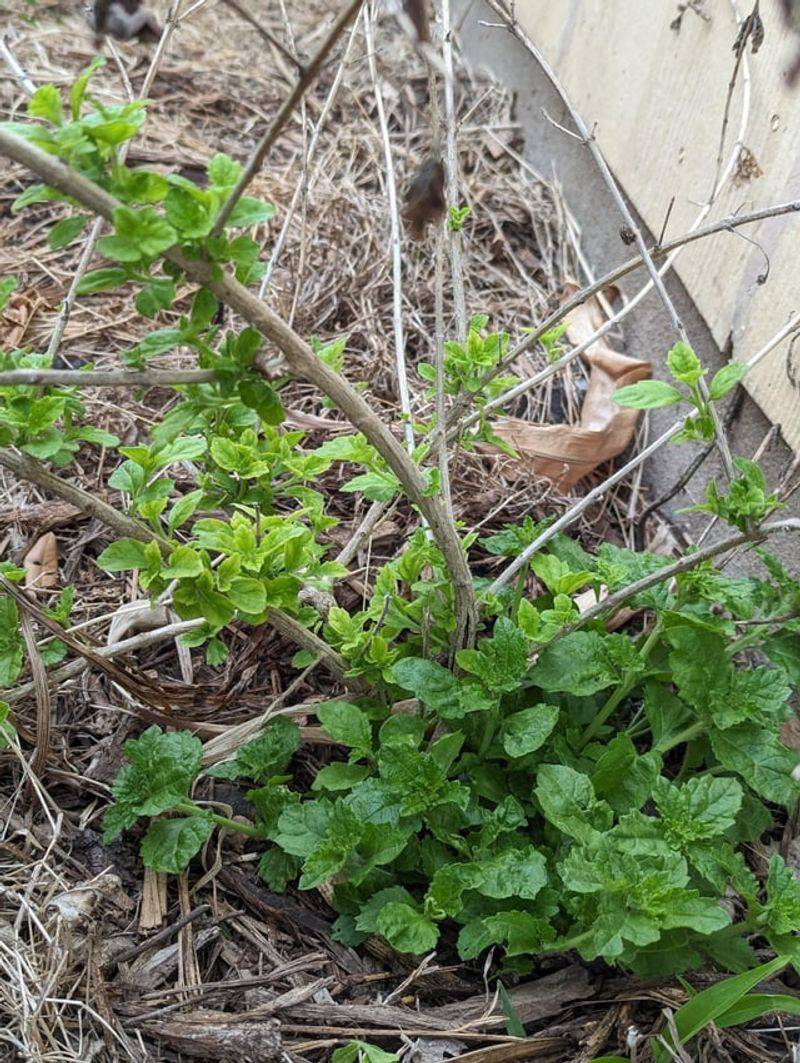
One mid-season cut is powerful, but it works even better when it is part of a regular routine. Lantana responds exceptionally well to consistent, light trimming throughout the growing season.
Starting in late spring, pinching back the tips of new stems every few weeks keeps the plant in a constant state of fresh growth. Fresh growth means more flower buds, more color, and less opportunity for woody stems to take hold.
Think of it as a conversation with your plant rather than a one-time correction. Small, frequent trims are far less stressful than one dramatic cutback after the plant has already gone stiff.
A simple rule to follow is this: whenever you see a stem that has finished blooming and the flowers have faded, snip it back by a few inches. That single habit, repeated consistently, dramatically slows the woody takeover.
Removing spent blooms also plays a role here. Removing old flower clusters signals the plant to produce new ones instead of putting energy into seed development.
Gardeners who trim lightly every two to three weeks rarely face the dramatic August woody crisis in the first place. Their plants stay fuller, softer, and more floriferous all season long.
Building this habit early in the season is the real secret to keeping North Carolina lantana gorgeous from planting day through the first frost. Small efforts, done consistently, tend to outperform big rescues done in a panic.
Healthy Lantana Depends On More Than Just Pruning Alone
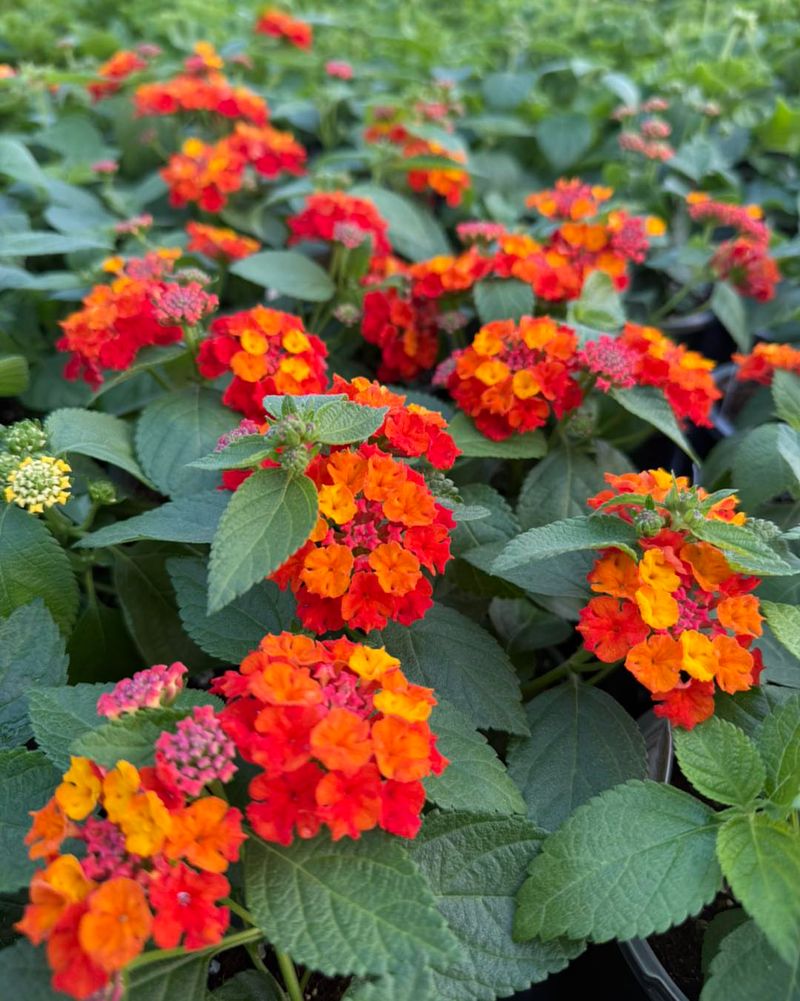
Pruning is the star of the show, but it cannot carry the whole performance alone. Lantana needs a few other conditions to stay healthy and bloom-ready all season.
Soil drainage is the first thing to get right. Lantana struggles badly in wet soil, and poorly drained beds lead to root stress that makes woody growth worse.
Raised beds or sloped planting areas work especially well in the humid Southeast. Good drainage keeps roots healthy, and healthy roots give the plant the energy it needs to push new growth after each trim.
Fertilizer matters too, but less is more with lantana. A light application of a balanced, slow-release fertilizer in spring gives it a strong start without pushing excessive leafy growth at the expense of flowers.
Avoid high-nitrogen formulas, which encourage green stems over blooms. A fertilizer with a higher middle number, meaning more phosphorus, supports flower production much better.
Watering deeply but infrequently also keeps the plant in better shape through summer heat. Shallow, frequent watering encourages surface roots that dry out fast and stress the plant.
Full sun is essential for strong blooming. Lantana planted in partial shade stretches toward light, produces fewer flowers, and goes woody faster than plants in a sunny spot.
When you combine smart pruning with the right soil, sun, water, and feeding, North Carolina lantana rewards you with color that lasts from spring planting all the way through a warm fall afternoon.