Georgia Gardeners Are Moving Away From Pine Straw And Using This Instead
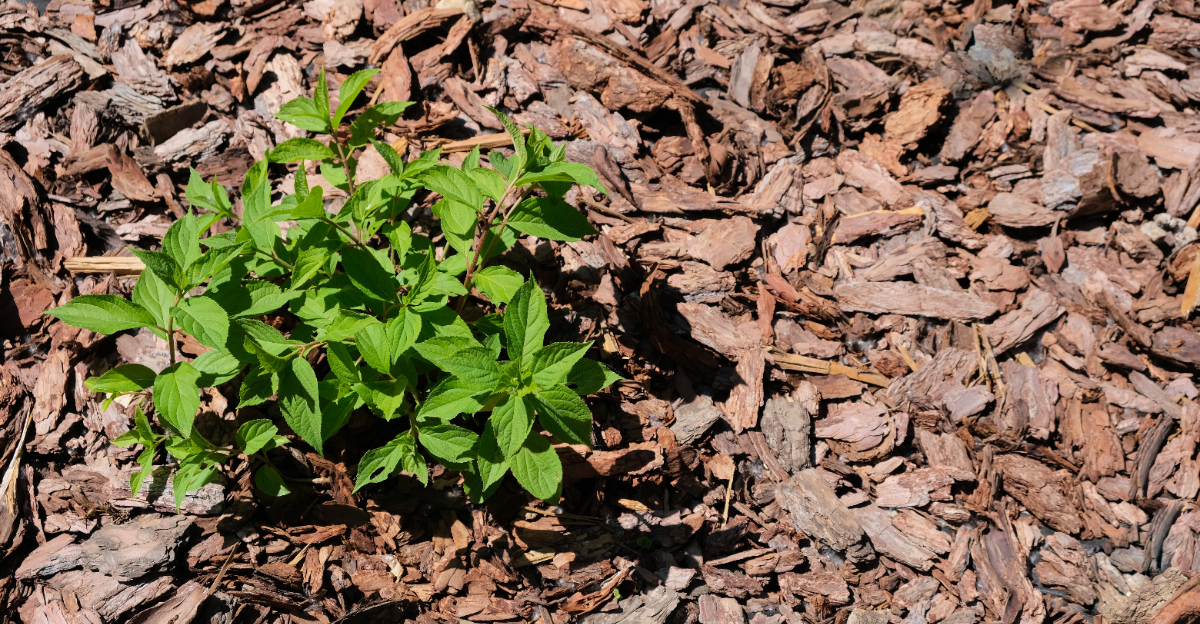
It is interesting how certain gardening habits stick around for years. People keep doing things the same way because that is how they have always seen them done.
Then one day, a different approach starts showing up in more yards, and suddenly everyone is talking about it.
Mulch is a good example. What once seemed like the obvious choice does not always stay the favorite forever.
As gardeners spend more time dealing with heavy rain, shifting materials, and ongoing maintenance, many start looking for options that solve the same problem with less effort.
That conversation has been growing lately as more landscapes move away from traditional pine straw. While it remains a familiar sight, it is no longer the only material getting attention.
Georgia gardeners are increasingly turning to an alternative that stays put, keeps beds looking tidy, and offers several practical advantages throughout the year.
Once people see how it performs, it is easy to understand why interest keeps growing.
1. Pine Bark Mulch Is Becoming A Popular Alternative
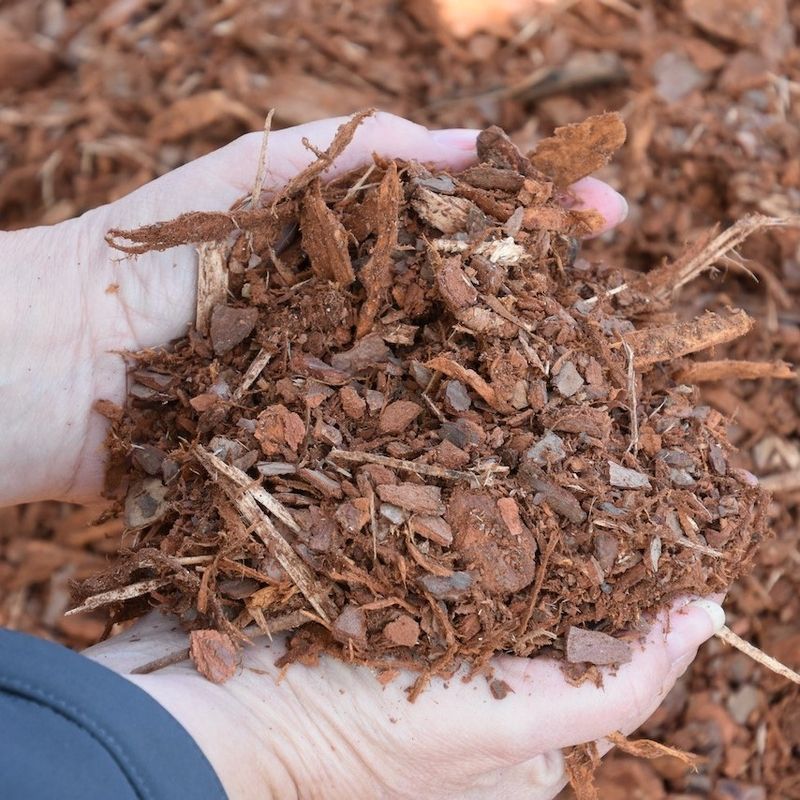
Walk into almost any garden center across the South right now and pine bark mulch is front and center. It is not hard to see why gardeners are reaching for it more often than pine straw these days.
Pine bark mulch comes in several sizes, from fine-ground to large chunky nuggets. Each size works a little differently depending on the plants you are covering and how much foot traffic the area gets nearby.
Fine-textured bark blends well into ornamental beds and looks tidy around perennials. Larger nuggets work better under trees and shrubs where you want a more natural, woodsy look without constant maintenance.
One thing that draws gardeners to pine bark mulch is how it settles into place. Unlike pine straw, which can shift and float around after a storm, bark tends to stay where you put it.
It is also widely available at big box stores, local nurseries, and landscape supply yards throughout the region.
Pricing is generally competitive with pine straw, especially when you factor in how long it lasts.
Gardeners who make the switch often say they notice the difference after just one season.
2. Heavy Rain Leaves More Mulch In Place
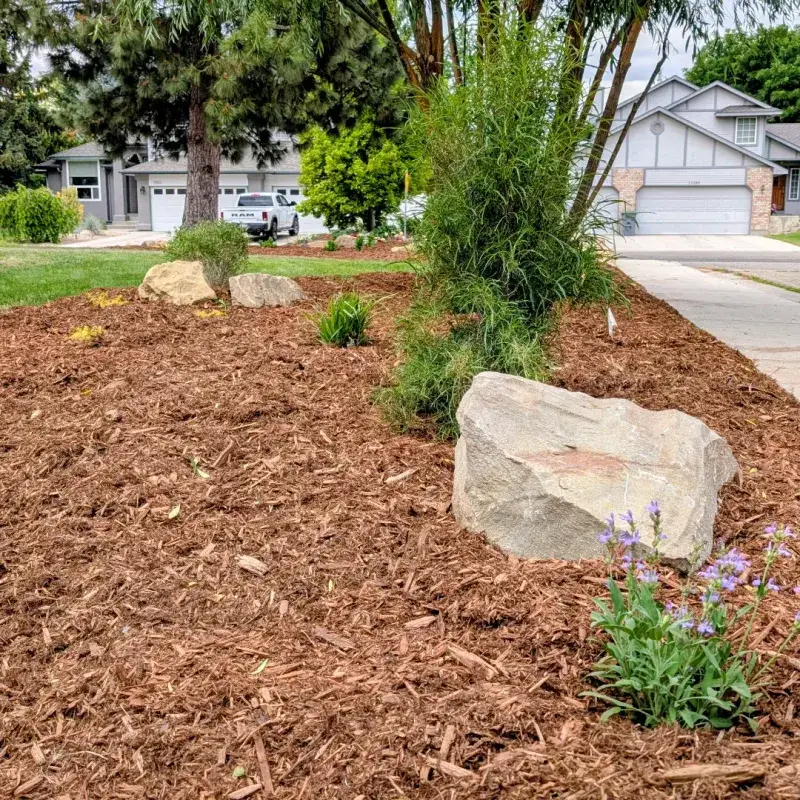
Rainstorms around the Southeast can be intense. A single afternoon downpour can wash a fresh layer of pine straw halfway down the slope before the sun even comes back out.
Pine bark mulch handles that kind of rain differently. Its weight and texture keep it grounded even when water is moving fast across the surface of a garden bed.
Chunky bark pieces interlock loosely as they settle. That natural layering creates a surface that resists displacement better than loose, lightweight pine straw needles do under the same conditions.
Runoff is also less of a problem with bark mulch.
Water tends to slow down as it passes through the mulch layer rather than carrying material along with it toward the lawn or driveway.
That said, slope and application depth still matter. On steep grades, even bark mulch can shift if the layer is too thin or if drainage channels are not managed properly.
Your Georgia Garden Changes Every Week. Your Plan Should Too.
Gardening in Georgia changes quickly throughout the season. Every Friday you’ll receive a simple weekly plan showing exactly what to plant, prune, fertilize, harvest, and protect so you never miss the right timing.
Aim for a two to three inch depth for best results.
Gardeners who have dealt with repeated pine straw washouts often describe bark mulch as a genuine relief. Fewer cleanup sessions after storms means less time raking and more time actually enjoying the garden.
3. Strong Winds Cause Less Shifting And Scattering
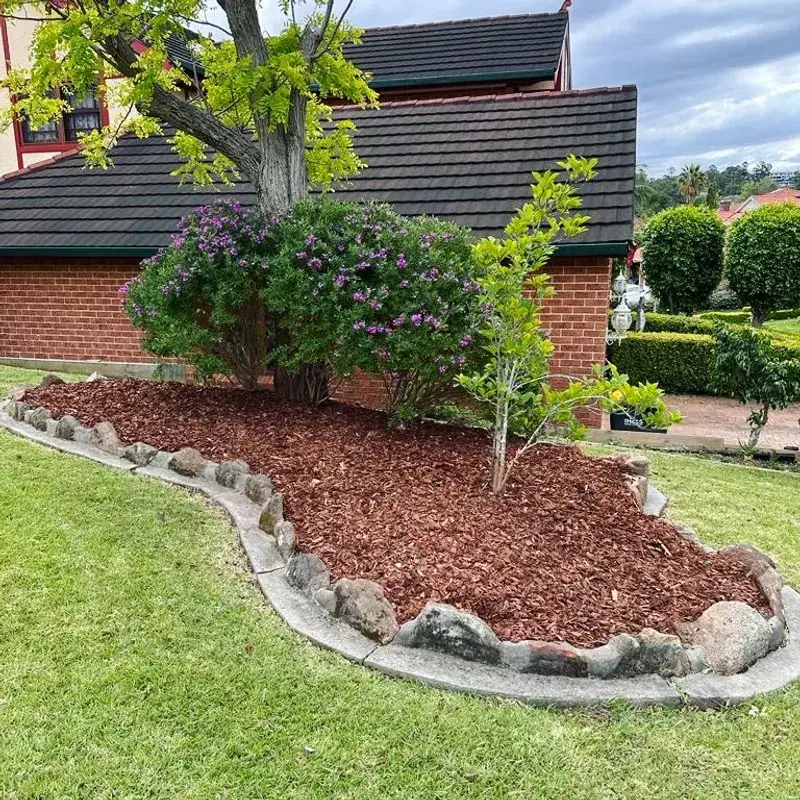
Anyone who has raked pine straw knows the frustration of watching it blow across the yard the moment the wind picks up. It ends up in the grass, on the sidewalk, and stuck in the hedges.
Pine bark mulch simply does not behave that way. Its density and irregular shape make it far more resistant to wind displacement than lightweight pine straw needles.
Even on breezy days, a properly laid bed of bark mulch stays right where it was placed. Edges stay defined, and the overall appearance holds up without constant touch-ups between applications.
Weight plays a big role here. A handful of bark nuggets is noticeably heavier than the same volume of pine straw.
That extra mass keeps the material anchored even when gusts roll through.
Landscapers and homeowners who maintain properties near open fields or along exposed roads notice this advantage quickly.
Wind-prone spots that used to need frequent re-mulching can go much longer between applications with bark.
Texture matters too. Bark pieces have rough surfaces that grip each other and the soil beneath them.
Smooth pine needles slide easily, especially when they are dry and brittle after a long summer.
4. A Single Application Lasts Longer Before Breaking Down
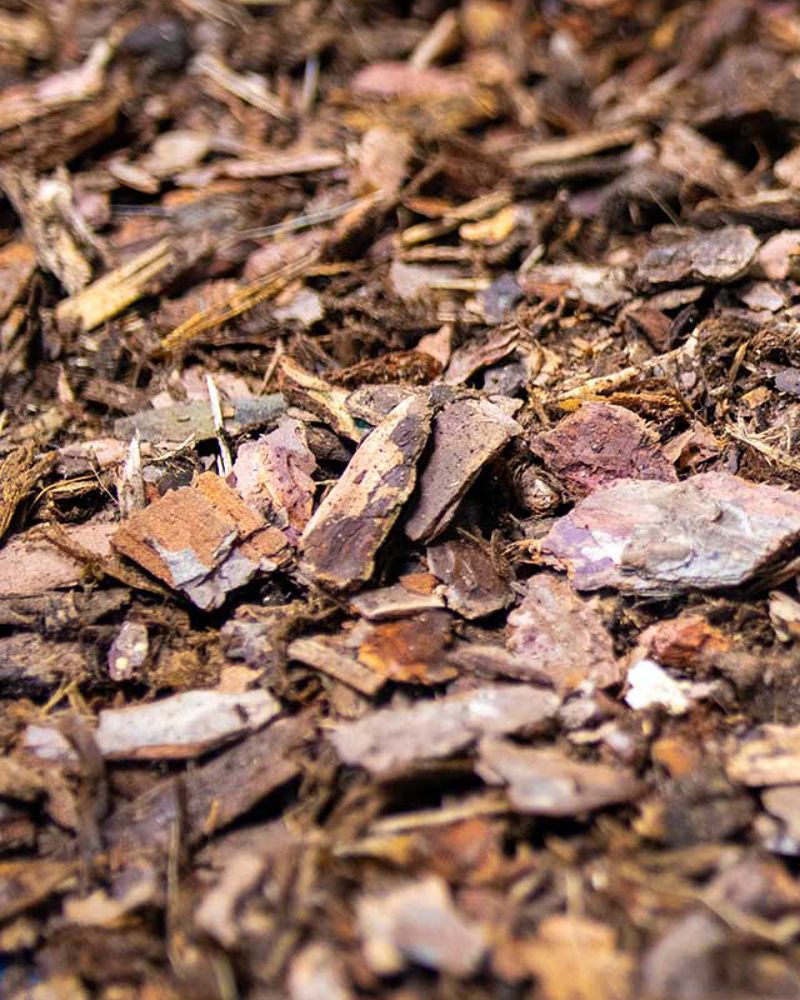
One bag of pine bark mulch goes further than most people expect. Unlike pine straw, which breaks down and compresses relatively quickly, bark holds its structure for a much longer stretch of time.
Under typical conditions, pine bark mulch can last anywhere from one to two years before it needs refreshing. Pine straw, especially in wetter climates, often needs topping off within a single growing season.
That slower breakdown is partly due to the natural resins found in pine bark. Those compounds resist moisture and microbial activity better than the thin, fibrous needles of pine straw do over time.
Longer-lasting mulch means fewer trips to the garden center each year. Fewer bags to haul, fewer hours spent spreading, and less disruption to the plants already growing in the bed.
As pine bark does eventually break down, it adds organic matter to the soil beneath it.
That gradual decomposition improves soil structure and can support healthier root growth over time, which is a bonus worth noting.
Keep in mind that smaller, finer bark particles break down faster than large nuggets. Choosing a coarser texture will extend the time between applications in most garden settings.
5. Weed Growth Becomes Easier To Control
Weeds are relentless. Every gardener knows the feeling of pulling the same patch of ground ivy or crabgrass week after week, only to find it back again within days.
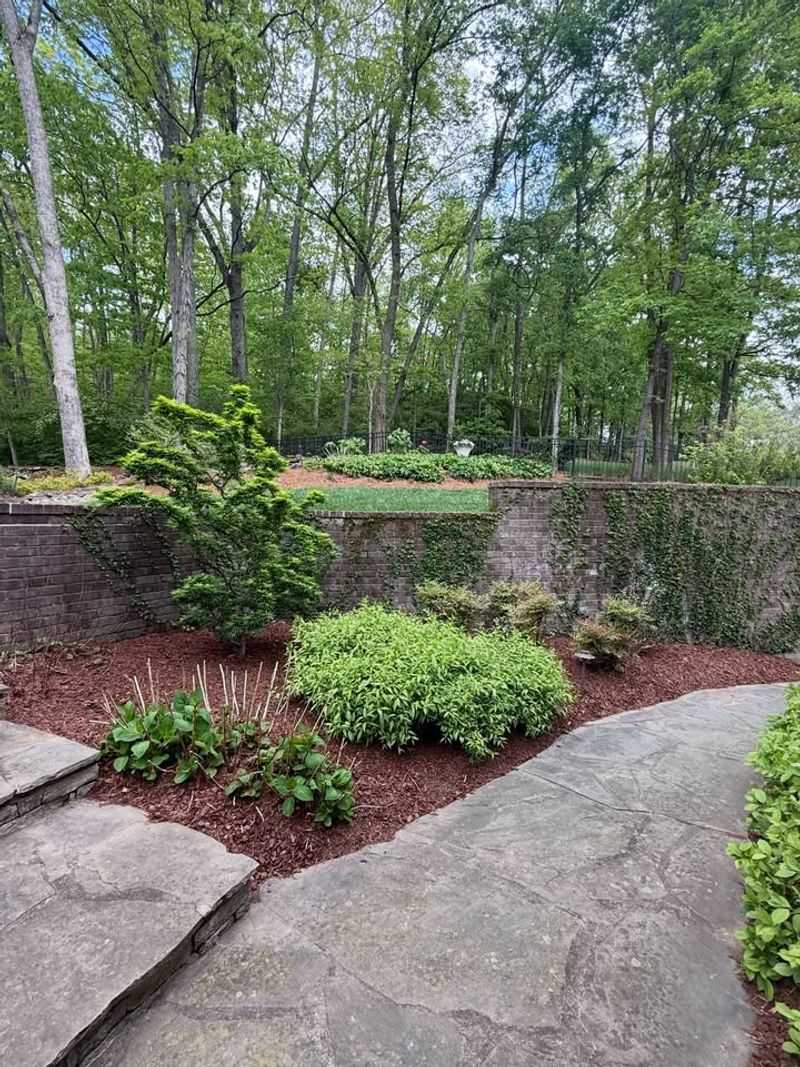
Pine bark mulch puts up a stronger barrier against weed germination than pine straw does. A two to three inch layer blocks sunlight from reaching the soil surface, which is exactly what most weed seeds need to sprout.
Pine straw does provide some weed suppression, but its loose, open structure allows more light to filter through. Weed seeds find gaps easily and take advantage of the space.
Bark mulch packs down slightly as it settles, creating a denser surface layer that is harder for weeds to push through. That physical resistance adds another level of control beyond just blocking light.
Pairing bark mulch with a layer of landscape fabric underneath can boost weed control even further in problem areas.
That combination works especially well along fence lines and in beds with a history of persistent weed pressure.
Gardeners who have struggled with weedy beds often report a noticeable drop in weed activity after switching from pine straw to bark mulch.
Fewer weeds means less time on your knees and more time actually enjoying what you planted.
6. Garden Beds Maintain A More Polished Appearance
Curb appeal matters, and the material covering your garden beds plays a bigger role in that than most people realize.
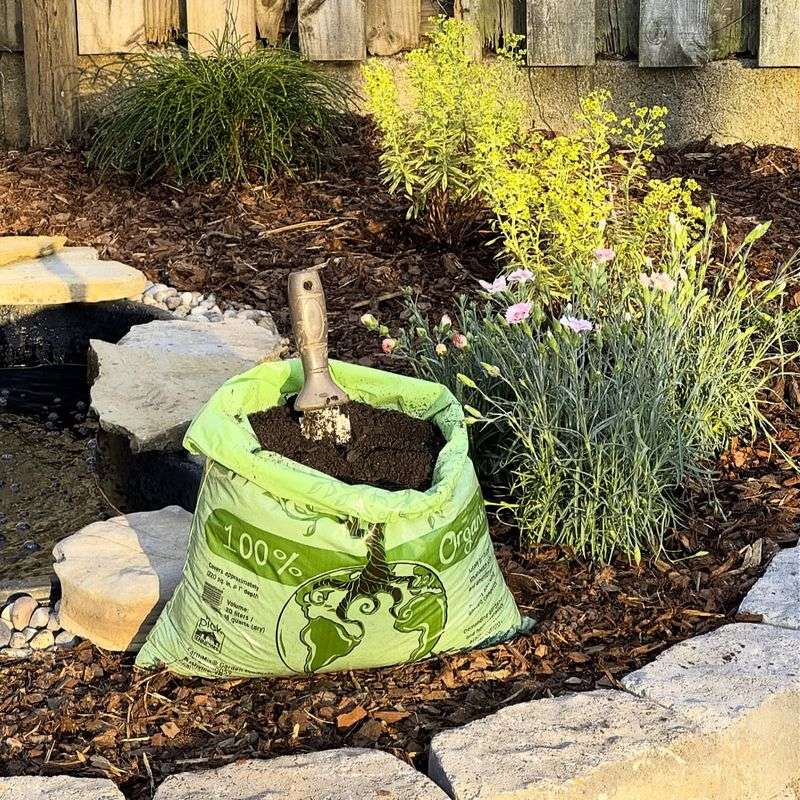
Fresh pine bark mulch gives beds a rich, dark look that feels intentional and well-kept.
Pine straw has a natural, casual appearance that suits certain garden styles. But over time it fades, mats down, and can look messy, especially after wind or rain moves it around.
Bark mulch holds its color longer and keeps a more uniform surface. Even after several weeks of weather, a well-applied bed of bark still looks clean and defined at the edges.
Dark-colored bark creates a strong visual contrast against green foliage and bright blooms. That contrast makes plants stand out and gives the entire yard a more finished, put-together feel.
Dyed bark mulch options are available for gardeners who want even richer color. Black, brown, and red dyed varieties are popular choices.
Just check that the dye used is non-toxic and safe for plants before applying.
Edging your beds cleanly before laying bark mulch makes a big difference in the final look. A sharp border between mulch and lawn gives the whole landscape a crisp, professional appearance without much extra effort.
7. Busy Areas Hold Their Coverage More Effectively
High-traffic spots around a yard are brutal on ground cover.
Areas near driveways, walkways, and entry paths take a beating from foot traffic, lawn equipment, and vehicles pulling in and out.
Pine straw in those areas gets kicked around, compressed, and scattered constantly. Keeping it looking decent requires frequent attention that most busy homeowners simply do not have time for.
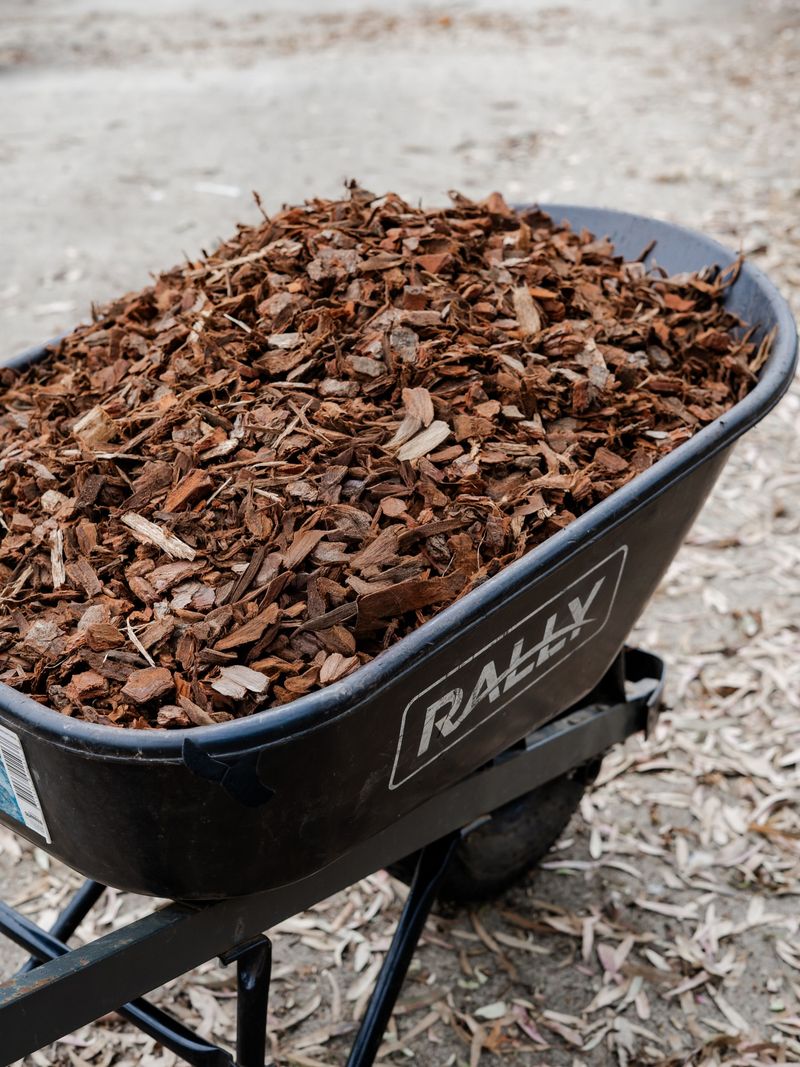
Pine bark mulch holds up noticeably better in those same spots. Its weight and texture keep it from scattering underfoot, and it does not compress into a flat mat as quickly as pine straw does.
Larger bark nuggets are especially useful along busy edges. They stay put better than fine-textured bark and resist displacement from incidental contact with shoes, hoses, and garden tools.
Beds near air conditioning units, trash bin areas, or side yards that see regular foot traffic benefit most from switching to bark mulch. Those spots tend to be the worst offenders when it comes to constant pine straw maintenance.
One thing to keep in mind: even bark mulch needs occasional raking and top-off in very active zones.
No ground cover is completely maintenance-free, but bark dramatically reduces how often attention is needed.