Why More Wisconsin Homeowners Are Trading Perfect Lawns For Wild Ones
A bumblebee the size of a grape hovered over a front yard in Wisconsin, lost in a blur of clover, completely unbothered by the world.
That lawn looked nothing like the others on the block. Tall stems swayed. Wildflowers pushed through in loose, gorgeous tangles.
No sharp edges. No chemical heat rising off the soil on a scorching afternoon. Just life, loud and untamed and absolutely thriving.
What if the most rebellious choice on your street costs nothing? The sight stopped me cold. Not because it looked neglected, but because it felt alive in a way manicured lawns never do.
Raised eyebrows came first. Then something shifted. Across Wisconsin, wild front yards began blooming quietly, like an idea whose time had finally come.
Wild lawns are rising. And once you see one up close, you may never look at a perfect lawn the same way again.
1. Feeding Pollinators In Early Spring
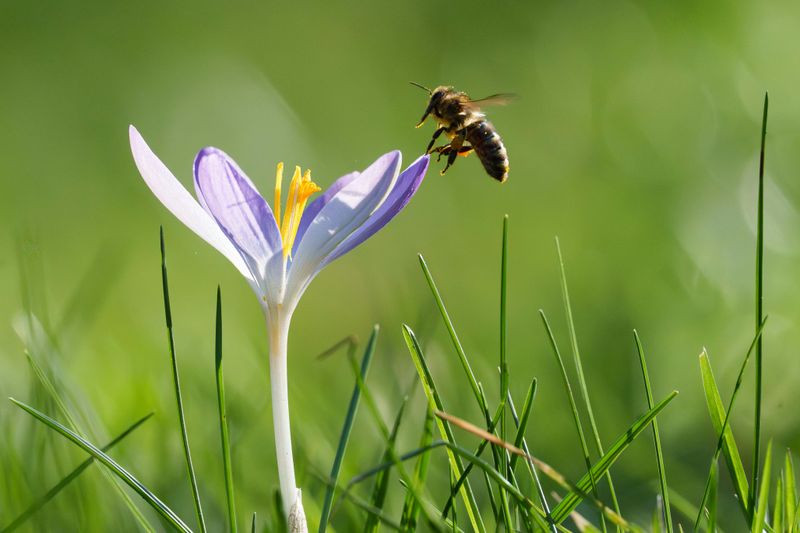
Before your neighbor’s lawn even wakes up, a wild yard is already buzzing. Early spring pollinators are starving, and a wild lawn becomes their first real meal of the year.
Dandelions and clover bloom weeks before most garden plants. Those cheerful yellow flowers are packed with pollen and nectar that bees desperately need after a long winter.
Conventional grass offers pollinators absolutely nothing. A monoculture lawn is basically a food desert for insects that keep our food system alive.
When you stop mowing in early spring, you allow nature’s pantry to open early. Bees that emerge in March and April need that food immediately.
Without it, many will not survive the season. Wild lawns in Wisconsin often feature native violets, wild strawberries, and henbit.
These low-growing plants bloom early and feed dozens of pollinator species before most people notice spring has arrived.
Letting your yard go a little wild does not mean it looks abandoned. Strategic patches of unmowed grass mixed with flowering plants can look intentional, lush, and even charming to passersby.
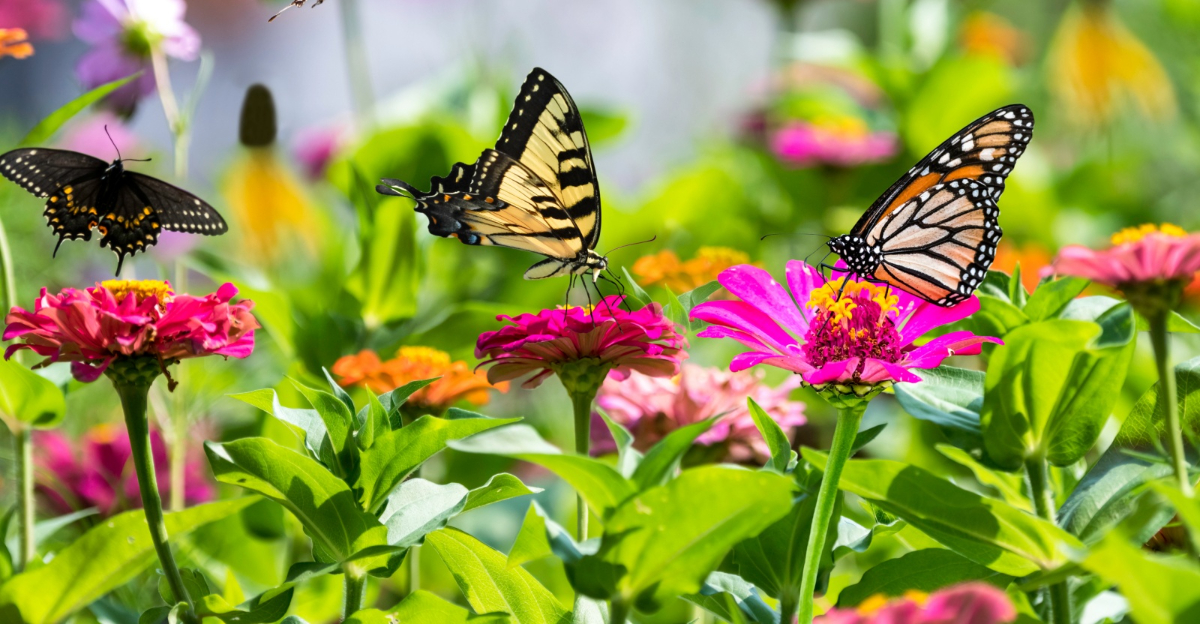
Many homeowners report seeing more butterflies within just one season of changing their lawn habits. The shift happens fast, and the reward is watching your yard come alive in a whole new way.
Feeding pollinators in early spring is one of the easiest gifts you can give to your local ecosystem. Your wild lawn becomes a lifeline when nothing else is blooming yet.
2. Supporting Native Bee Species
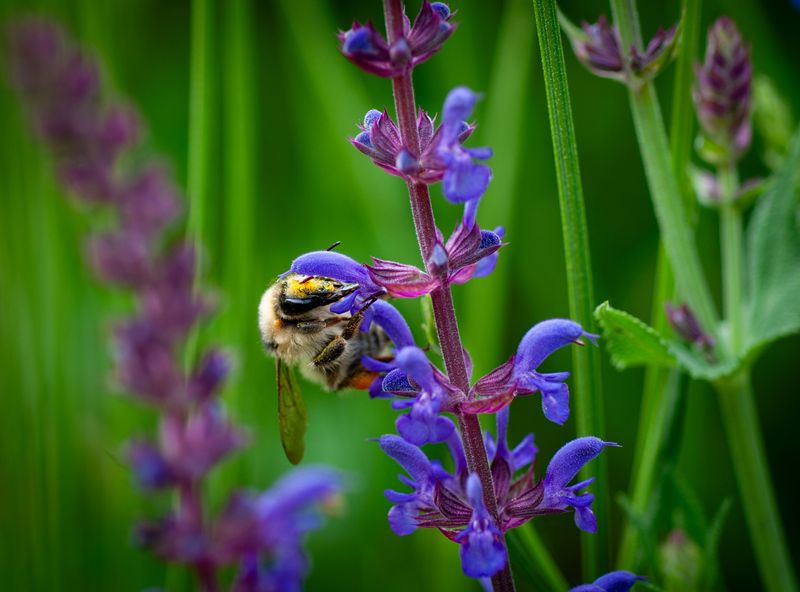
Most people think of honeybees when they hear the word bee, but honeybees are not even native to North America. The real heroes of your local garden are native bees, and they need your help.
Wisconsin is home to more than 500 native bee species. Most of them are solitary, ground-nesting insects that rely entirely on native plants to survive.
A perfect lawn destroys ground-nesting habitat. When soil is compacted and grass is treated with chemicals, native bees have nowhere to lay their eggs or find food.
Wild lawns change that equation completely. Bare patches of soil, leaf litter, and native flowering plants create a habitat that supports bees from early spring through late fall.
Your Wisconsin Garden Changes Every Week. Your Plan Should Too.
Gardening in Wisconsin changes quickly throughout the season. Every Friday you’ll receive a simple weekly plan showing exactly what to plant, prune, fertilize, harvest, and protect so you never miss the right timing.
Bumblebees, mason bees, and sweat bees are among the most important pollinators in the region. Each one plays a specific role in pollinating native plants, fruits, and vegetables.
Planting native species like wild bergamot, goldenrod, and prairie dropseed gives native bees exactly what they evolved alongside. These plants and insects developed together over thousands of years.
You do not need a huge yard to make a difference. Even a small patch of native plants in a corner of your lawn can support dozens of bee species throughout the season.
Supporting native bee species through a wild lawn is one of the most powerful things a homeowner can do. Your yard could be the habitat that keeps a local pollinator population thriving.
3. Revealing Hidden Wildflowers
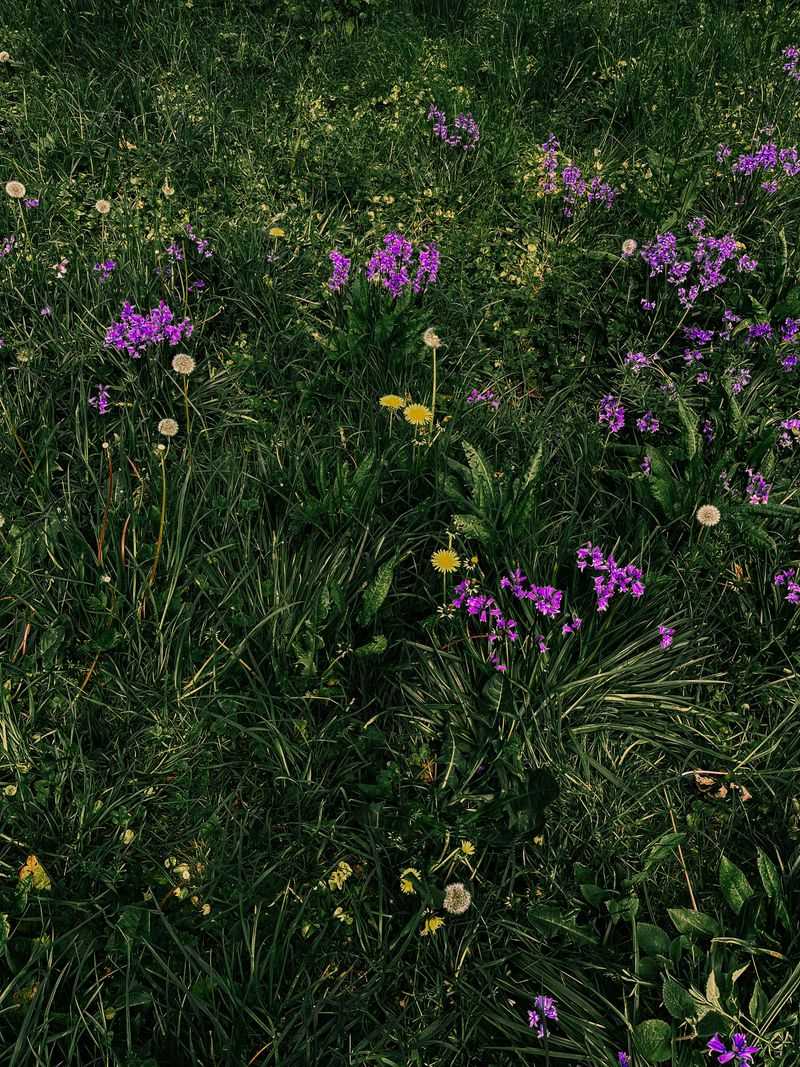
Stop mowing for one season and prepare to be amazed. Seeds that have been hiding in your soil for years will suddenly burst into bloom, revealing a secret garden you never knew existed.
Wild lawns are full of dormant seeds from plants that once covered the landscape before conventional grass took over. Nature has been waiting patiently for permission to return.
Black-eyed Susans, wild bergamot, and native asters are common surprises that appear in yards across the Midwest. These plants spread naturally through wind, birds, and soil movement over many years.
Wildflowers are not weeds, even though they get that label unfairly. They are survivors of a complex ecosystem that existed long before turf grass became the cultural standard for a nice yard.
Many homeowners describe the experience of discovering wildflowers as genuinely emotional. Watching something beautiful emerge from what you thought was plain old grass feels like uncovering buried treasure.
You can also intentionally seed your wild lawn with native wildflower mixes designed for your region. Local native plant nurseries in the Midwest carry species specifically suited to Wisconsin’s climate and soil.
Wildflowers also attract insects, birds, and butterflies in numbers that a mowed lawn simply cannot match. Each new bloom becomes a landing pad for creatures that add life and movement to your outdoor space.
Revealing hidden wildflowers is one of the most joyful surprises of going wild. Your lawn may already hold the seeds of something extraordinary. It just needs a chance to grow.
4. Creating Wildlife Habitat
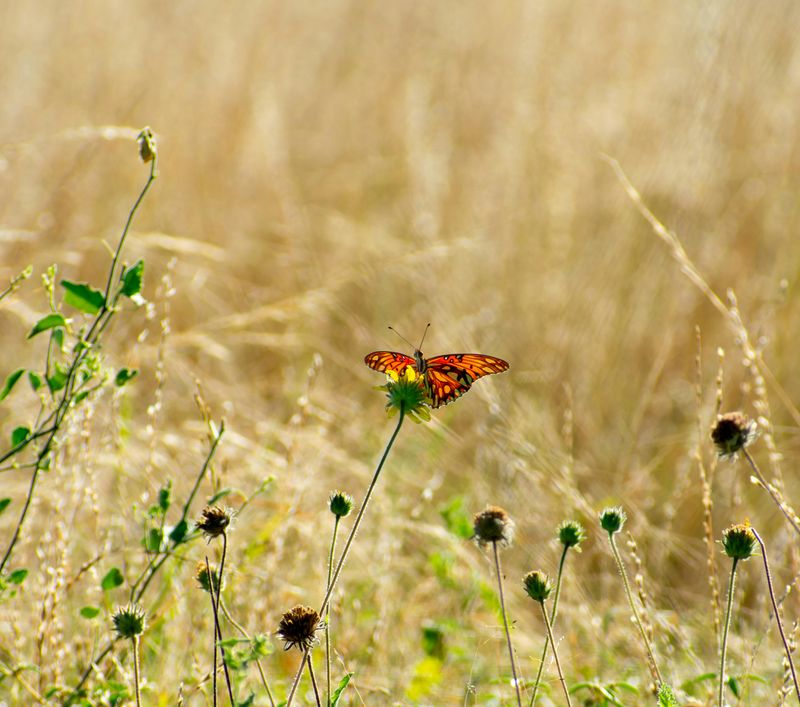
Across the country, wildlife habitat is disappearing at a significant rate. Suburban lawns can either contribute to that loss or help reverse it.
The choice is yours. A wild lawn creates layers of habitat that different animals need at different times of year.
Tall grasses offer shelter, seed heads provide food, and leaf litter houses overwintering insects and amphibians.
Rabbits, toads, garter snakes, and fireflies all thrive in wild yard spaces. These animals are not pests. They are indicators of a healthy, functioning backyard ecosystem.
Fireflies are a particularly beloved symbol of Midwest summers, but their populations are declining. They need tall grass and leaf litter to complete their life cycle, and mowed lawns offer neither.
Even small wild spaces make a measurable difference for local wildlife. A yard with native plants and unmowed sections becomes a corridor that connects isolated patches of habitat across neighborhoods.
Think of your yard as a stepping stone in a larger wildlife network. When enough homeowners adopt wild lawn practices, the combined habitat can support animals that would otherwise have nowhere to go.
Creating habitat does not require a massive overhaul of your property. Start with one unmowed corner, add a brush pile, and let leaves stay on the ground in fall. That alone can transform your yard.
Creating wildlife habitat through a wild lawn is about seeing your yard as part of something bigger. The creatures that move through your space are counting on people like you to make room.
5. Attracting More Birds
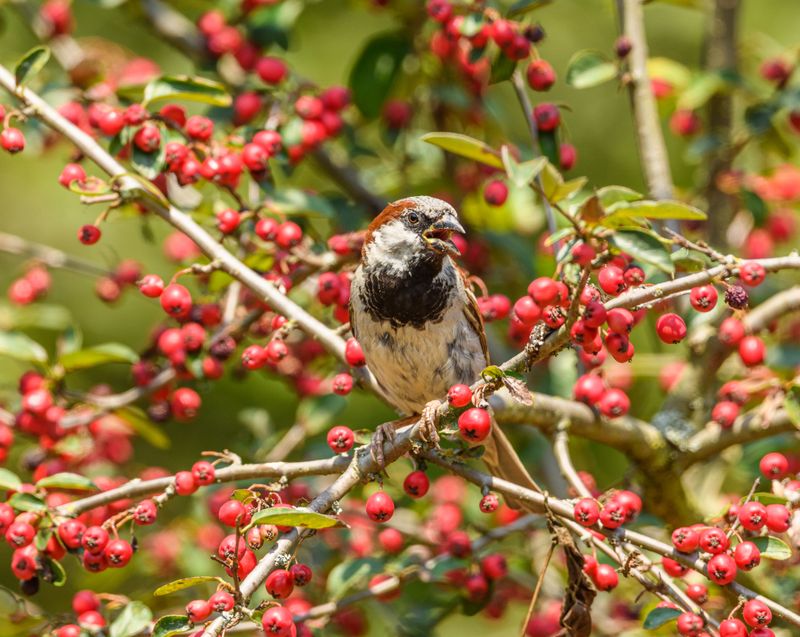
Bird watching from your kitchen window is one of life’s simple pleasures. A wild lawn can turn that window into a front-row seat to an incredible daily show.
Birds are drawn to wild spaces because they offer three things a mowed lawn never can: food, shelter, and nesting material. Native seed heads, insects, and dense plant cover check all three boxes.
American goldfinches love coneflower seeds. Song sparrows nest in tall grasses. Robins hunt for earthworms in undisturbed soil. Each species has specific needs that a wild lawn can meet.
Insectivorous birds like warblers and flycatchers depend on caterpillars and beetles that only live on native plants.
A yard without native plants is a yard without the insects those birds need to feed their young. The difference native plants make for birds is well documented in peer-reviewed research.
A study published in Conservation Biology (Burghardt et al., 2009) found that native-planted suburban yards in the eastern US supported significantly greater bird abundance and species richness.
Bird species of regional conservation concern were 8 times more abundant on native properties, results that are likely applicable to Wisconsin’s similar ecology.
Conservation-priority species appeared far more often on native properties, sometimes at dramatically higher rates. The difference can be dramatic even in suburban neighborhoods.
You do not need a bird feeder to attract birds, though feeders certainly help. The plants themselves do the heavy lifting when you choose species that birds have relied on for centuries.
Adding a shallow birdbath to your wild lawn makes it even more appealing during hot summer months. Moving water is especially attractive to migrating species passing through in spring and fall.
Attracting more birds to your wild lawn creates a living, breathing soundtrack to your outdoor life. Once you hear the difference, you will never want to go back to a silent, manicured yard.
6. Conserving Water
Watering a conventional lawn in summer can feel like pouring money directly into the ground. Native plant lawns flip that script entirely, and your water bill will thank you.
Turf grass has relatively shallow roots, typically 6 to 12 inches under good conditions, though heavily mowed and chemically treated lawns can push that even lower.
Native grasses and wildflowers are built differently. Prairie plants like big bluestem and switchgrass send roots six to fifteen feet into the soil, tapping into moisture that surface plants can never reach.
Once established, a native wild lawn rarely needs supplemental watering. The deep root systems find their own moisture and survive drought conditions that would destroy a conventional lawn in weeks.
Water conservation matters more every year as summers get hotter and drier across the Midwest.
Choosing plants that thrive without irrigation is one of the most forward-thinking decisions a homeowner can make.
Lawn irrigation accounts for nearly one-third of all residential water use in the United States. Switching to a wild lawn is one of the single biggest ways to reduce your household water footprint.
The environmental benefits extend beyond your property line. Less water drawn from municipal systems means less strain on local aquifers, rivers, and treatment facilities during peak summer demand.
Conserving water through a wild lawn is a practical win that compounds over time. The longer your native plants are established, the more self-sufficient and drought-resilient your yard becomes each season.
7. Reducing Carbon Emissions
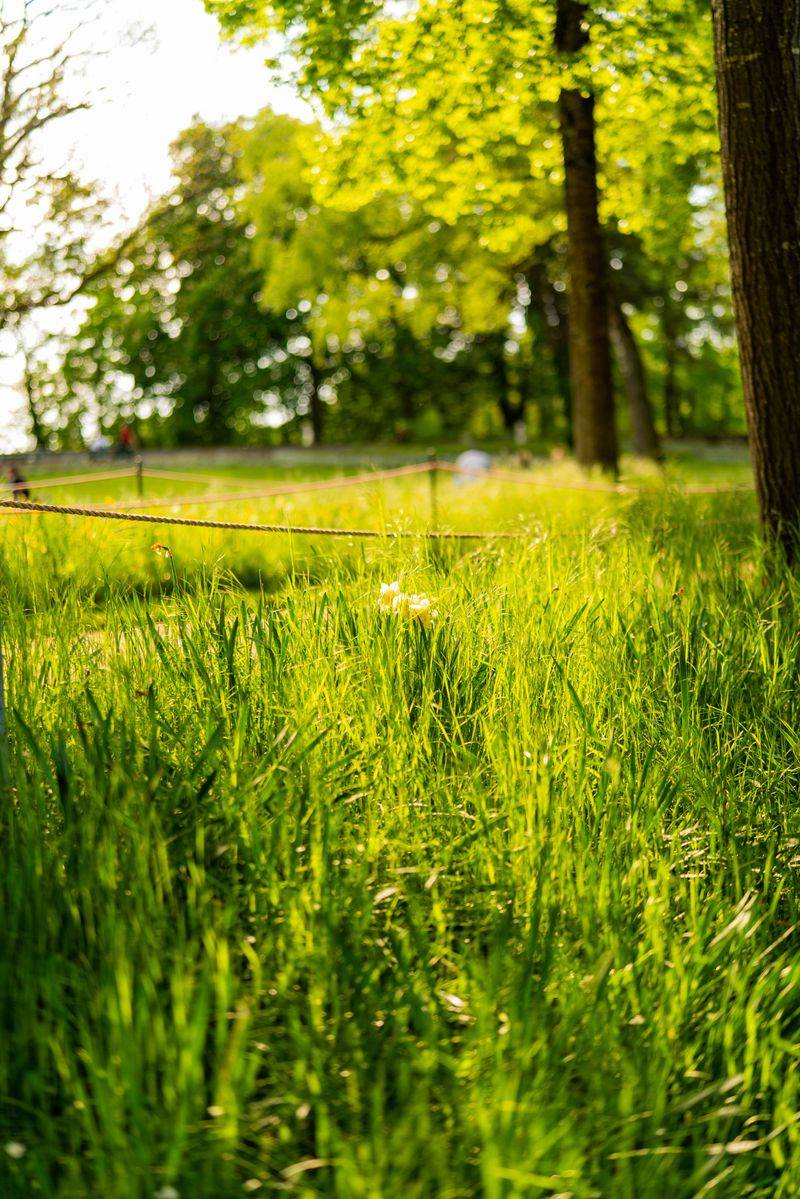
Gas-powered lawn mowers are surprisingly dirty machines. One hour of mowing emits as much smog-forming pollution as driving a car 45 miles, according to the EPA.
Estimates vary by pollutant type and mower model. Conventional lawn care is a carbon-heavy habit.
Between mowing, fertilizing, and applying pesticides, the average American lawn generates significant greenhouse gas emissions every single year.
Wild lawns eliminate most of those inputs. When you stop mowing frequently and ditch synthetic chemicals, you instantly reduce your lawn’s carbon footprint by a substantial margin.
Native plants also sequester carbon in their deep root systems. Those long roots store organic matter underground, pulling carbon out of the atmosphere and locking it into the soil for decades.
Healthy soil full of native plant roots also supports a thriving microbial community. Soil microbes play a crucial role in carbon storage, and they flourish when soil is not disturbed by frequent mowing and tilling.
The collective impact of thousands of homeowners switching to wild lawns could be enormous.
Researchers estimate that converting just a fraction of American lawns to native plants could make a meaningful contribution to carbon reduction.
You do not have to be a climate scientist to take meaningful action. Putting down the mower and letting native plants take root is a tangible step that connects your daily choices to a global outcome.
Reducing carbon emissions through a wild lawn is proof that environmental action can start in your own backyard. Small choices, multiplied across neighborhoods, can add up to real and lasting change.
8. Saving Time And Money
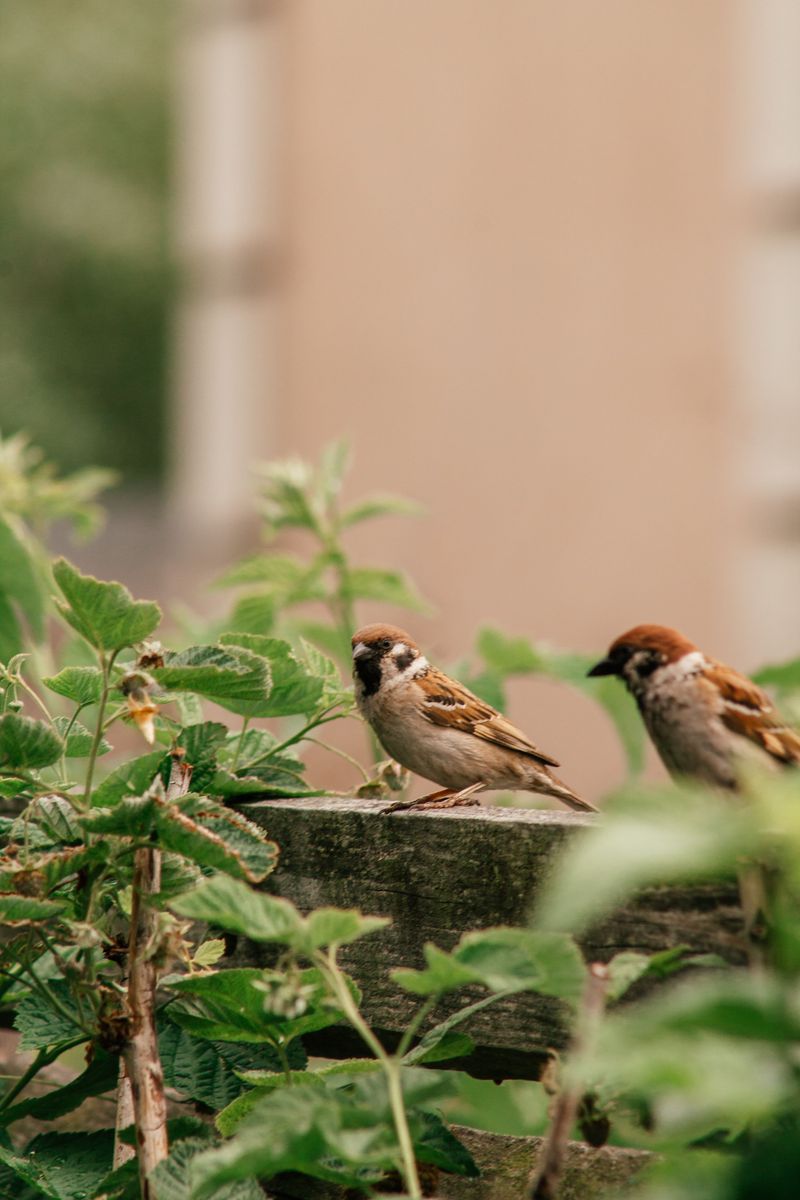
Imagine spending your Saturday morning with coffee instead of a mower. That is the quiet, underrated joy of owning a wild lawn, and it is completely achievable for most homeowners.
Conventional lawn care is expensive when you add it all up. Mowing equipment, fuel, fertilizer, weed control spray, and professional services can cost thousands of dollars every single year.
A wild lawn dramatically cuts those costs. Once native plants are established, they need almost no inputs, no fertilizer, no irrigation, and far less mowing than a traditional grass lawn.
The time savings are equally significant. Americans spend an average of 70 hours per year on lawn and garden care, including mowing, fertilizing, and weeding.
Reclaiming those hours means more weekends for family, hobbies, travel, and rest. The shift in lifestyle that comes with a low-maintenance yard is something homeowners often describe as genuinely freeing.
Initial setup costs for a wild lawn are real but manageable. Purchasing native plant plugs or seed mixes and doing basic soil prep is a one-time investment that pays dividends for years ahead.
Many municipalities across the Midwest now offer rebates for native plant landscaping. Checking with your local water utility or conservation district could put cash back in your pocket for making the switch.
Saving time and money while also helping the planet through a wild lawn is a rare combination of personal and environmental benefit. It turns out that doing less for your yard can actually mean doing more for everything else.