The Only Native Texas Plant You Need If You Want A Garden That Practically Runs Itself
Every Texas gardener has wished at some point for a plant that just handles itself, something that goes in the ground and keeps getting better without needing to be checked on, watered through every dry spell, or replaced after a brutal summer.
Most plants make that promise at the nursery and start walking it back by August. There is one Texas native that consistently delivers on it, and the longer it is in the ground the more convincingly it does so.
It handles poor soil, responds to drought by digging deeper rather than declining, blooms through heat that stops other plants entirely, and returns each season with more presence and productivity than the year before.
It also supports pollinators, contributes to the surrounding soil health, and fits into almost any garden style without looking forced or out of place. If there is a single plant that earns the low-maintenance Texas garden label without any asterisks attached, this is the one.
Texas Sage Is Your Go-To Plant
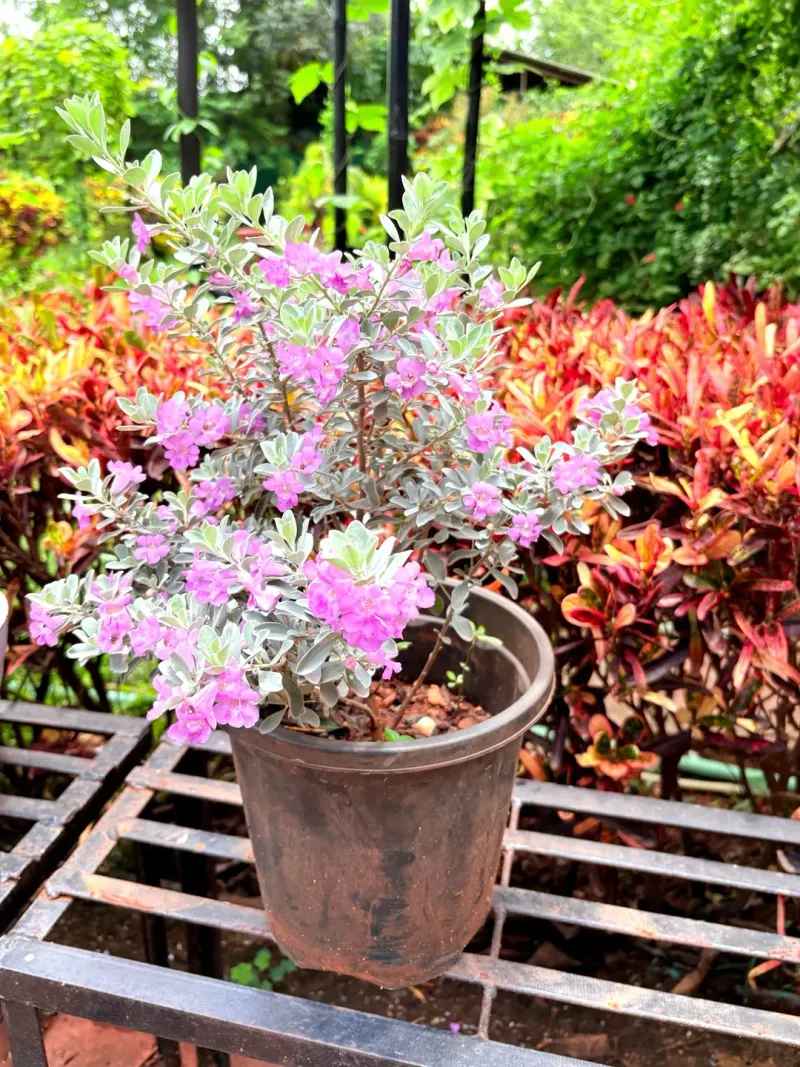
Picture a shrub so tough it practically laughs at the Texas sun. That is exactly what Texas Sage is.
Known by several nicknames like Purple Sage, Cenizo, and Barometer Bush, this native evergreen is one of the most reliable plants you can grow in Texas landscapes.
Texas Sage belongs to the genus Leucophyllum, and it is native to the Chihuahuan Desert and surrounding regions of Texas, New Mexico, and Mexico. It grows naturally in rocky, dry terrain, which tells you a lot about just how rugged this plant really is.
Most varieties grow between four and eight feet tall, forming a full, rounded shape that looks neat even without much pruning.
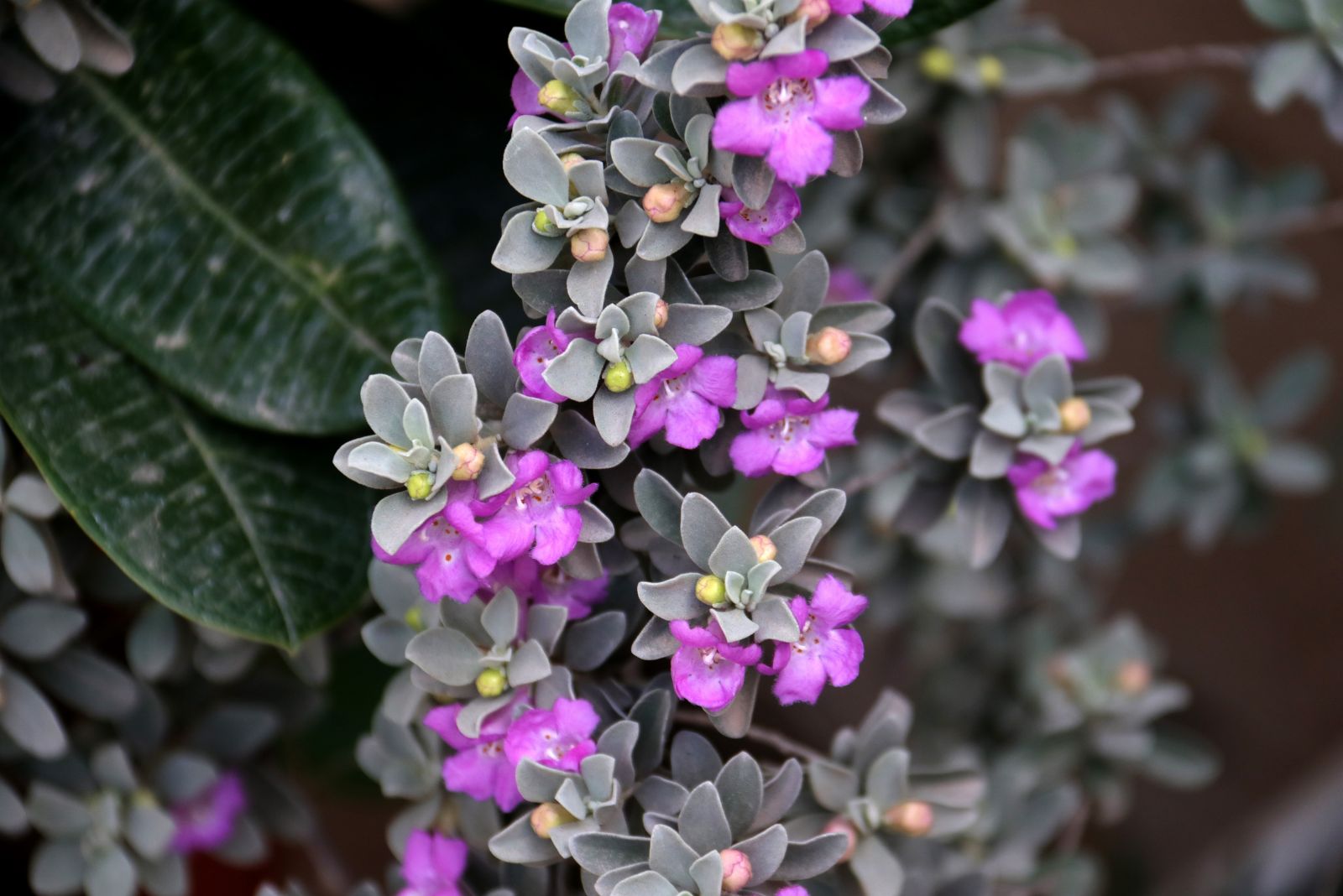
The silvery-gray leaves are soft to the touch and reflect sunlight beautifully, giving the shrub an almost glowing appearance on bright days.
Then, usually after a good rain, the entire plant erupts in clusters of tubular purple or lavender flowers that are simply stunning. Gardeners love it because it asks for so little while giving back so much.
Fun fact: Texas Sage earned the nickname Barometer Bush because it tends to bloom right before or after rainfall, almost like it can sense the change in humidity in the air. Some Texans actually use it as a natural weather predictor.
Whether or not you trust it for weather forecasting, one thing is certain: this shrub brings effortless beauty, year-round structure, and a true sense of Texas character to any yard or garden space.
It Thrives In Texas Heat And Drought
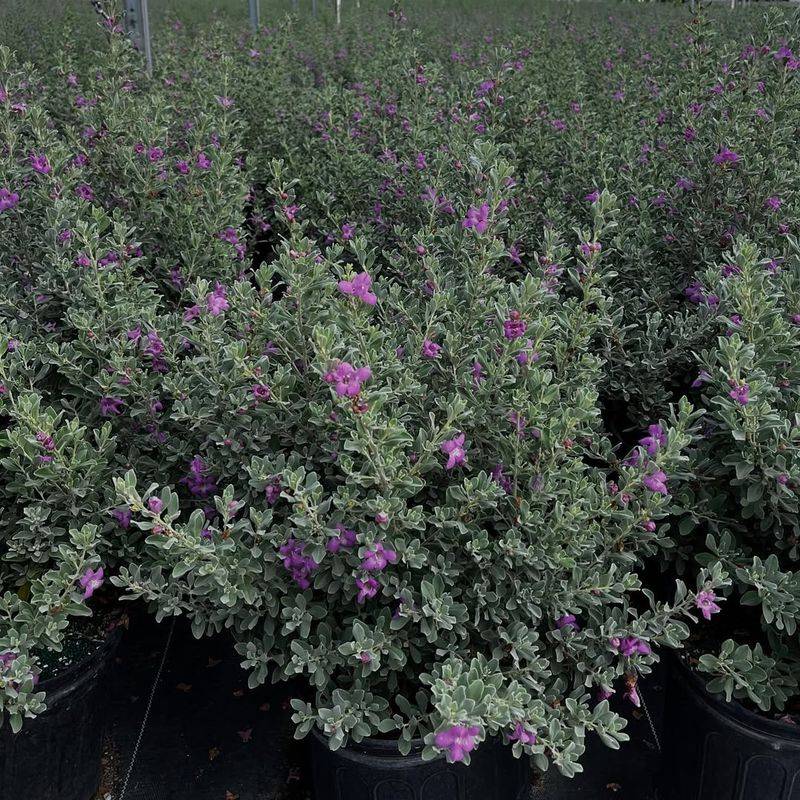
Most plants throw a fit when the rain stops and the thermometer climbs past 100 degrees. Texas Sage, on the other hand, seems to enjoy it.
This shrub was literally built for the harsh conditions that make other plants struggle, and that is exactly why it fits so perfectly into Texas gardens.
Texas Sage loves full sun, meaning it wants at least six to eight hours of direct sunlight every day. Give it that, and it will reward you generously.
It actually performs worse in shady spots, becoming leggy and producing fewer blooms. The more sun it gets, the happier and more compact it grows. Poor soil? No problem.
Your Texas Garden Changes Every Week. Your Plan Should Too.
Gardening in Texas changes quickly throughout the season. Every Friday you’ll receive a simple weekly plan showing exactly what to plant, prune, fertilize, harvest, and protect so you never miss the right timing.
Texas Sage thrives in rocky, sandy, or caliche-heavy soils that would challenge most other plants. Good drainage is really the only soil requirement it has.
Waterlogged roots are one of the few things that can truly stress this plant out, so avoid planting it in low-lying areas where water pools after rain.
Once established, usually after the first growing season, Texas Sage needs almost no supplemental watering. It is a cornerstone plant in xeriscaping, which is a style of landscaping designed to use as little water as possible.
Homeowners across Texas have swapped out thirsty lawns and high-maintenance flower beds for water-smart landscapes built around plants like Texas Sage, and the results look incredible.
Saving water, saving time, and still having a yard that looks lush and well-designed? Texas Sage makes all of that possible without asking much in return from you.
Low-Maintenance Growth
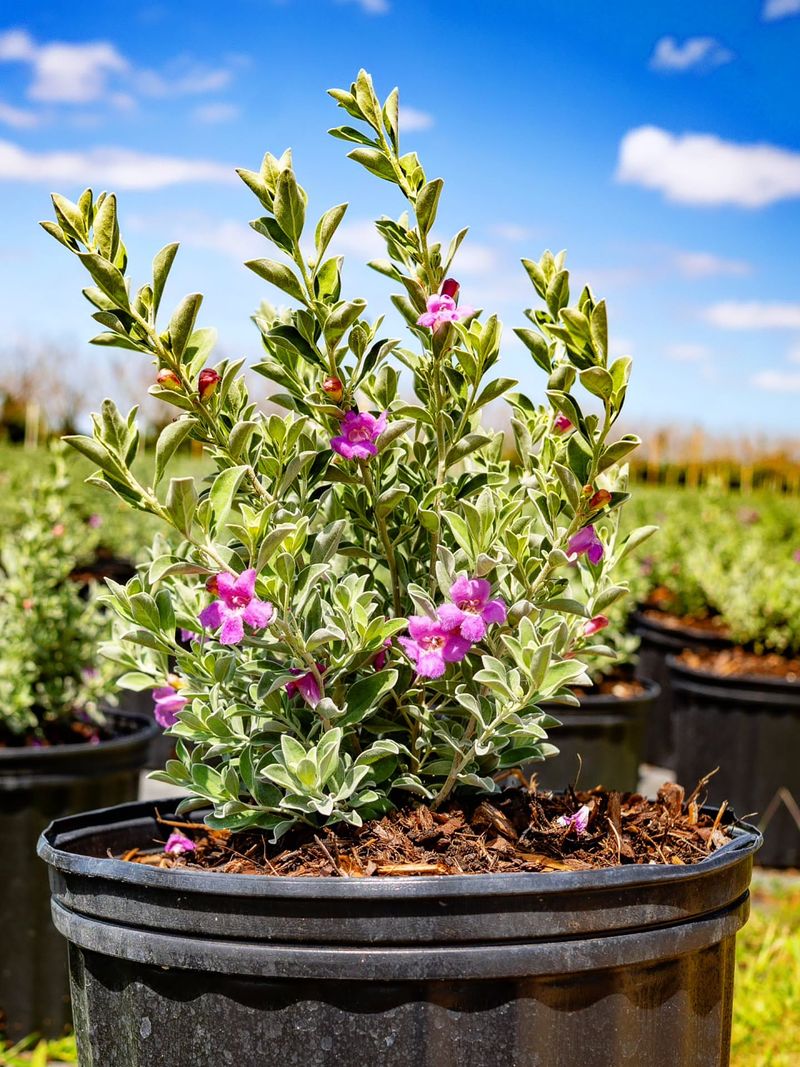
Honestly, if you want a garden that practically runs itself, low maintenance is the name of the game. Texas Sage fits that description better than almost any other plant available to Texas gardeners.
Once it gets settled in, it is remarkably self-sufficient and forgiving. Fertilizing? You can skip it.
Texas Sage does not need or even want heavy feeding. Applying too much fertilizer can actually cause it to grow too fast and become floppy and weak.
The natural soil it grows in, even if it is not particularly rich, suits it just fine. This is great news for gardeners who want to spend less time and money on garden upkeep.
Pruning is optional rather than required. Texas Sage naturally grows into a tidy, rounded shape that looks attractive without any shaping.
If you want to keep it compact or use it as a formal hedge, a light trim once or twice a year is all it needs. Always prune right after a blooming cycle so you do not accidentally remove flower buds.
Pests and diseases rarely bother Texas Sage. Root rot from overwatering is the most common issue, but proper planting in well-drained soil prevents that easily.
Aphids, spider mites, and other common garden pests tend to leave it alone. There are no major disease concerns to worry about either.
For busy homeowners, weekend gardeners, or anyone who simply does not want to babysit their plants every week, Texas Sage is a genuinely reliable, stress-free choice that keeps your garden looking polished with very minimal effort from you throughout the year.
Long-Blooming And Pollinator-Friendly
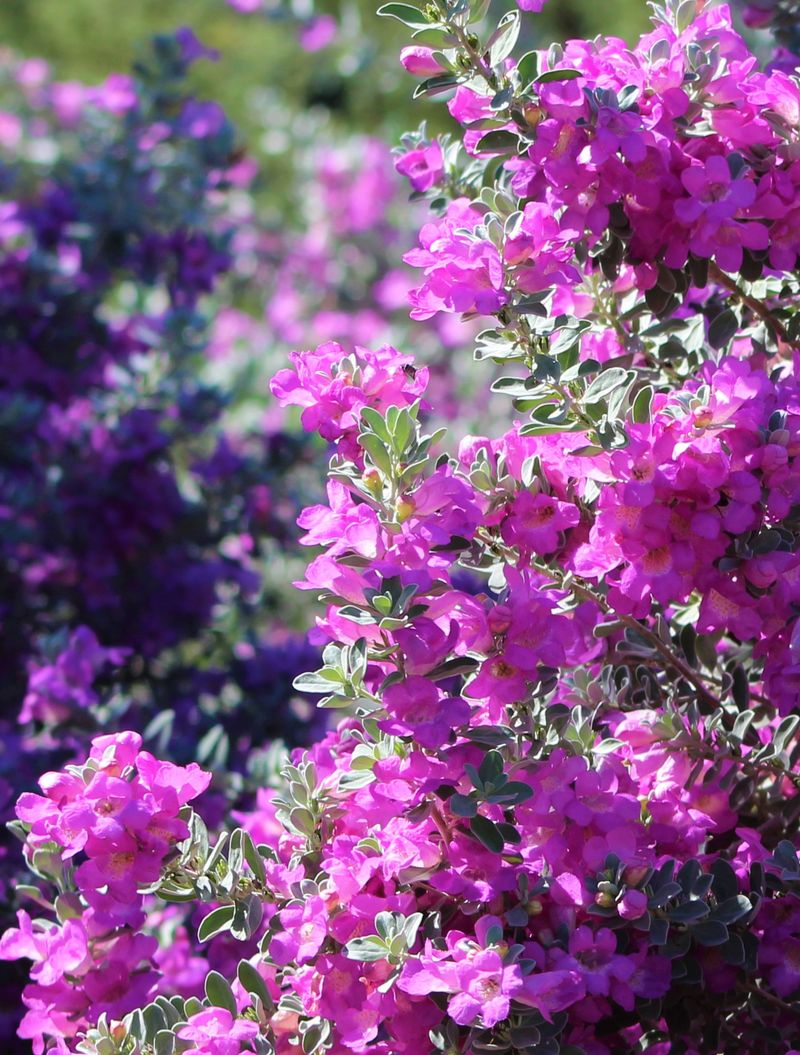
There is something almost magical about watching a Texas Sage shrub go from quiet and silvery to absolutely covered in purple flowers almost overnight. That is exactly what happens after a good rainfall or a shift in humidity.
The blooms appear quickly and in abundance, turning the shrub into a buzzing, fluttering hub of activity.
Texas Sage typically blooms from late spring through fall, often producing multiple bloom cycles throughout the season. Each blooming event can last for a week or two before the flowers fade, and then the whole show repeats again after the next rain.
In a good year, you might see four or five separate blooming periods, which is impressive for any shrub.
Pollinators absolutely love it. Bees, particularly native bees and bumblebees, are drawn to the tubular purple flowers in large numbers.
Butterflies, including swallowtails and monarchs passing through on migration routes, stop to feed on the blooms regularly. Hummingbirds also visit frequently, hovering near the flowers and adding even more life and movement to your garden space.
Supporting pollinators is more important now than ever. Native plants like Texas Sage play a real role in keeping local ecosystems healthy and balanced.
By planting it in your yard, you are not just creating a beautiful space for yourself but also providing food and habitat for creatures that help plants reproduce across the region.
It is one of those rare win-win situations where doing the easy thing also happens to be the right thing for the environment around your home.
Evergreen Structure And Year-Round Beauty
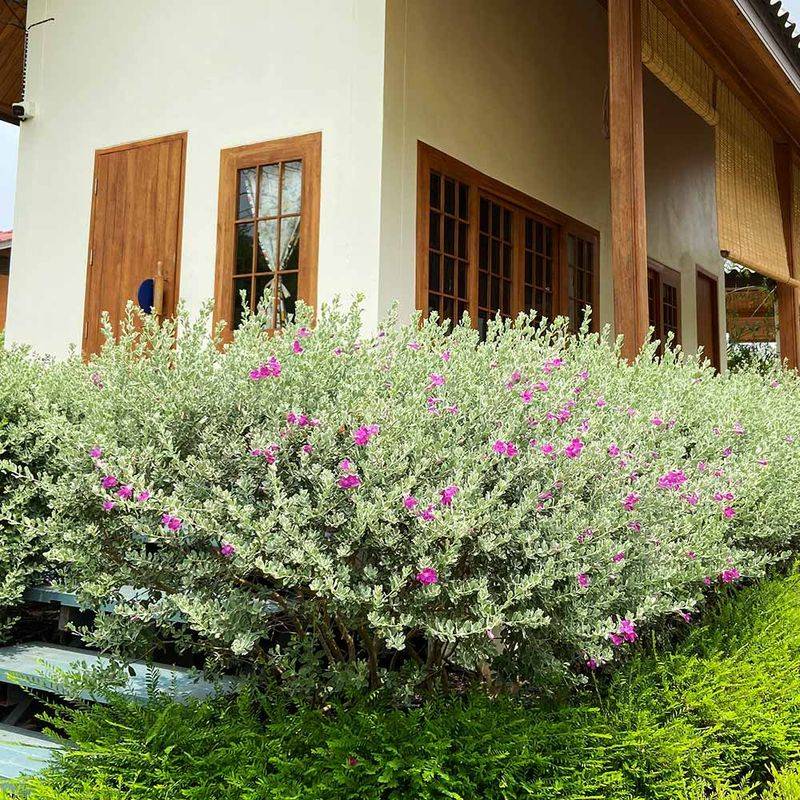
A lot of flowering shrubs look great for a few weeks and then fade into the background for the rest of the year. Texas Sage is different.
Its silvery-green foliage holds strong through every season, giving your garden a consistent, polished look even during the months when nothing is in bloom.
The leaves have a fine, fuzzy texture that catches the light in a lovely way. On bright sunny days, the foliage almost appears to shimmer, especially when a breeze moves through the branches.
That texture also adds contrast when Texas Sage is planted near darker green shrubs or bold-leafed perennials, making the overall garden design feel layered and intentional.
Texas Sage works beautifully in a wide range of landscape roles. Plant a row of them along a fence or property line and you have a natural, attractive privacy hedge that requires almost no upkeep.
Use a single specimen as an accent near an entryway or patio, and it becomes a focal point that draws the eye. Place it near a home’s foundation and it softens the architecture while adding year-round structure.
Because it holds its shape naturally and keeps its foliage in all seasons, Texas Sage fills a visual gap that many other native plants leave behind during winter months. Grasses go dormant, perennials cut back, and flowering annuals disappear entirely.
But Texas Sage stays put, looking full and tidy, anchoring the garden design and keeping things from looking bare or neglected. For gardeners who care about how their yard looks every single month of the year, that kind of consistency is genuinely valuable.
Companion Planting And Landscape Uses
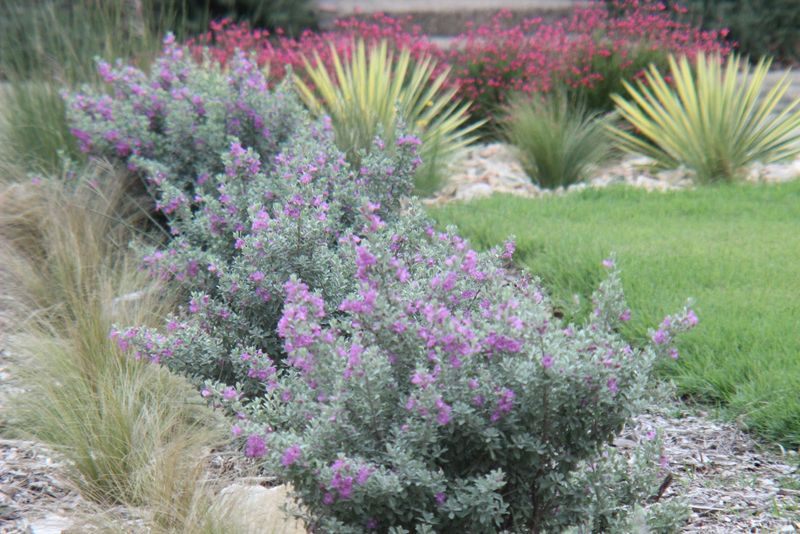
One of the best things about Texas Sage is how well it plays with others. Pairing it thoughtfully with other plants creates a landscape that looks designed by a professional but requires almost no ongoing work to maintain.
The key is choosing companions that share its love of sun, good drainage, and minimal water.
Native grasses like Muhly Grass and Little Bluestem are outstanding partners for Texas Sage. Their fine, feathery textures contrast beautifully with the shrub’s rounded form, and both thrive under the same conditions.
In fall, when Muhly Grass turns pink and fluffy, the combination with Texas Sage’s lingering purple blooms creates a color palette that feels effortlessly stunning.
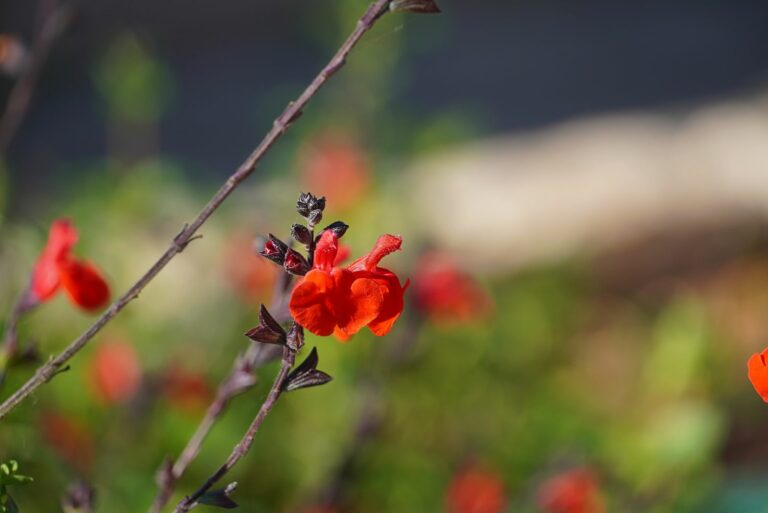
Low-water perennials like Black-Eyed Susans, Autumn Sage, and Salvia greggii also pair wonderfully with Texas Sage. They fill in the lower layers of the garden with seasonal color while Texas Sage provides the mid-level structure and height.
Agave and Yucca add bold architectural accents nearby without competing for the same resources.
For larger landscape projects, Texas Sage can be used in mass plantings along roadsides, slopes, or large open areas where erosion control and low maintenance are priorities.
It is also excellent for creating natural-looking wildlife corridors that connect habitat areas across a property.
Whether you are redesigning a small front yard or planning a sprawling backyard retreat, Texas Sage adapts to the vision you have in mind. It is versatile, reliable, and genuinely beautiful in almost every landscape setting you can imagine across the great state of Texas.