8 Ways To Tell If Your Iowa Boxwood Has Blight Before It Spreads
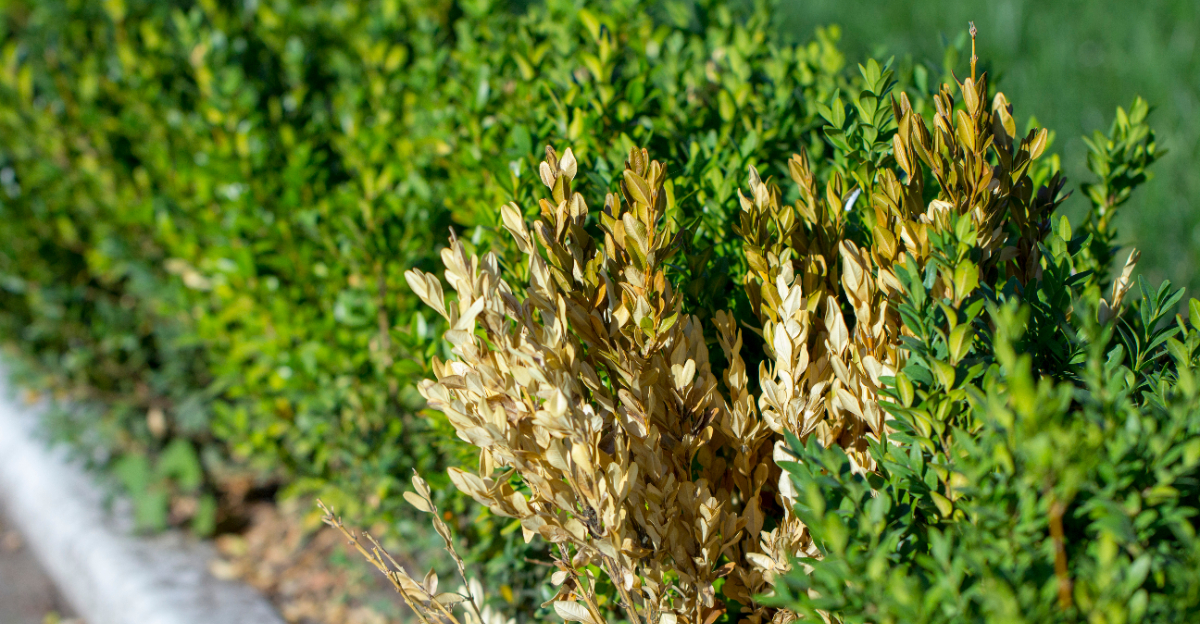
Boxwood blight does not announce itself. One week your shrubs look fine, and the next, leaves are dropping by the handful and bare stems are staring back at you.
Iowa’s warm, humid summers make the perfect breeding ground for Calonectria pseudonaviculata, the fungus behind all this chaos. Once it gets comfortable, it spreads fast.
Your shoes can carry it. Your pruning shears can spread it. Even a neighbor’s infected clippings blown into your yard can kick off an outbreak.
The frustrating part? Most Iowa gardeners do not realize what they are dealing with until the damage is already done.
But blight leaves clues, and they show up early if you know where to look. Catch it in time, and your shrubs still have a fighting chance.
1. Circular Tan Or Brown Leaf Spots With Darker Borders
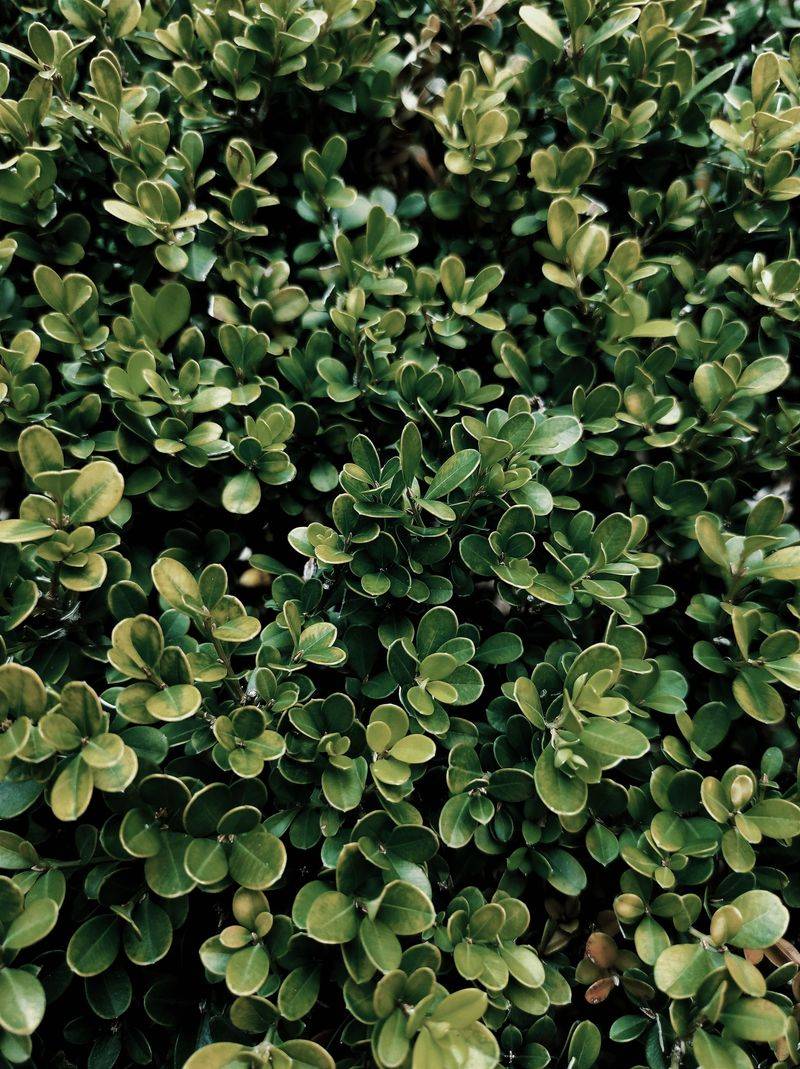
Something looks off about your boxwood leaves. Small, round spots are showing up, and they have a suspicious dark edge around them.
Circular tan or brown spots with darker borders are one of the earliest signs of boxwood blight. These spots usually start small, about the size of a pencil eraser, and grow outward as the infection spreads.
The darker ring around each spot is a key detail. That border is where the fungus is actively working, pushing further into healthy tissue with each passing day.
Many gardeners mistake these spots for minor stress or drought damage at first. The circular shape and the distinct border are what set blight apart from ordinary leaf scorch or sunburn.
Look closely at several leaves across the plant, not just one or two. If you see the same pattern repeating on multiple leaves, that is a strong signal that something fungal is at work.
Iowa boxwood blight tends to appear after periods of warm rain or high humidity. Those wet summer stretches create the perfect environment for the fungus to land, stick, and spread across your shrubs.
Catching these spots early is genuinely important. The sooner you identify the pattern, the sooner you can act to slow the spread and protect surrounding plants.
Take a photo and compare it to confirmed blight images online. Your local Iowa State University Extension office can also help confirm what you are seeing before you take next steps.
2. Leaves Turning From Yellow To Brown As Spots Spread
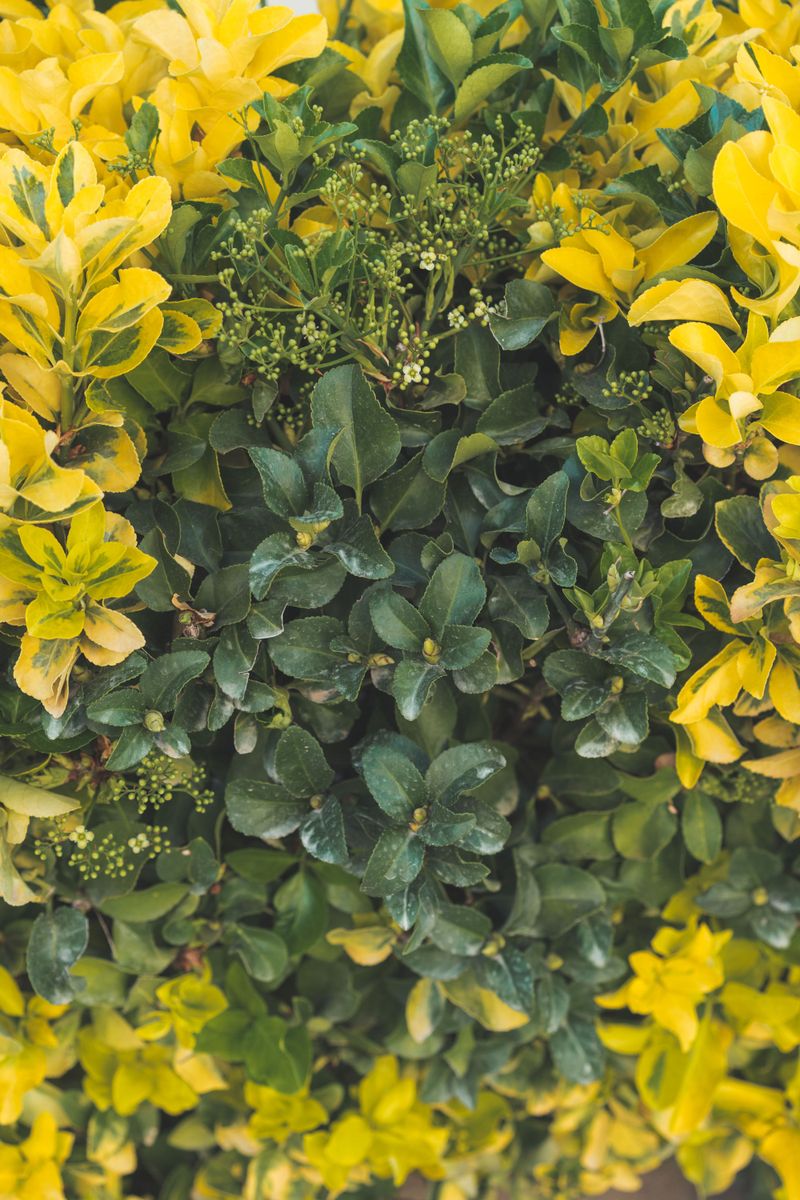
Discolored leaves on a boxwood are never a good sign. When tan or bronze patches start darkening to brown across multiple leaves, it is time to pay close attention.
As boxwood blight progresses, the infected spots grow and merge together. The leaf tissue around them loses its green color first, shifting to tan or bronze, then darkening to brown as the cells break down.
This color shift happens fast, sometimes within just a few days of the initial spots appearing. That speed is part of what makes blight so alarming compared to other common shrub problems.
Nutrient deficiencies can also cause yellowing, but they tend to affect the whole plant slowly and evenly. Blight discoloration is patchy, localized around spots, and paired with that telltale browning at the edges.
Your Iowa Garden Changes Every Week. Your Plan Should Too.
Gardening in Iowa changes quickly throughout the season. Every Friday you’ll receive a simple weekly plan showing exactly what to plant, prune, fertilize, harvest, and protect so you never miss the right timing.
Watch for leaves that look like they are caught mid-change, partly green, partly tan, with brown slowly taking over the surface. That gradient pattern is a classic blight signature worth noting.
The spread of discoloration often follows the direction of water flow on the plant. Rain splashing down from branch to branch carries fungal spores along with it, creating a trail of discolored leaves.
Once browning takes over a leaf completely, that tissue is gone for good. No amount of watering or fertilizing will bring it back, which is why early action matters so much.
Healthy boxwoods in Iowa should stay a rich, consistent green all season. Rapid color changes are a red flag you should never ignore.
3. Rapid And Severe Defoliation, Starting From Lower Branches Upward
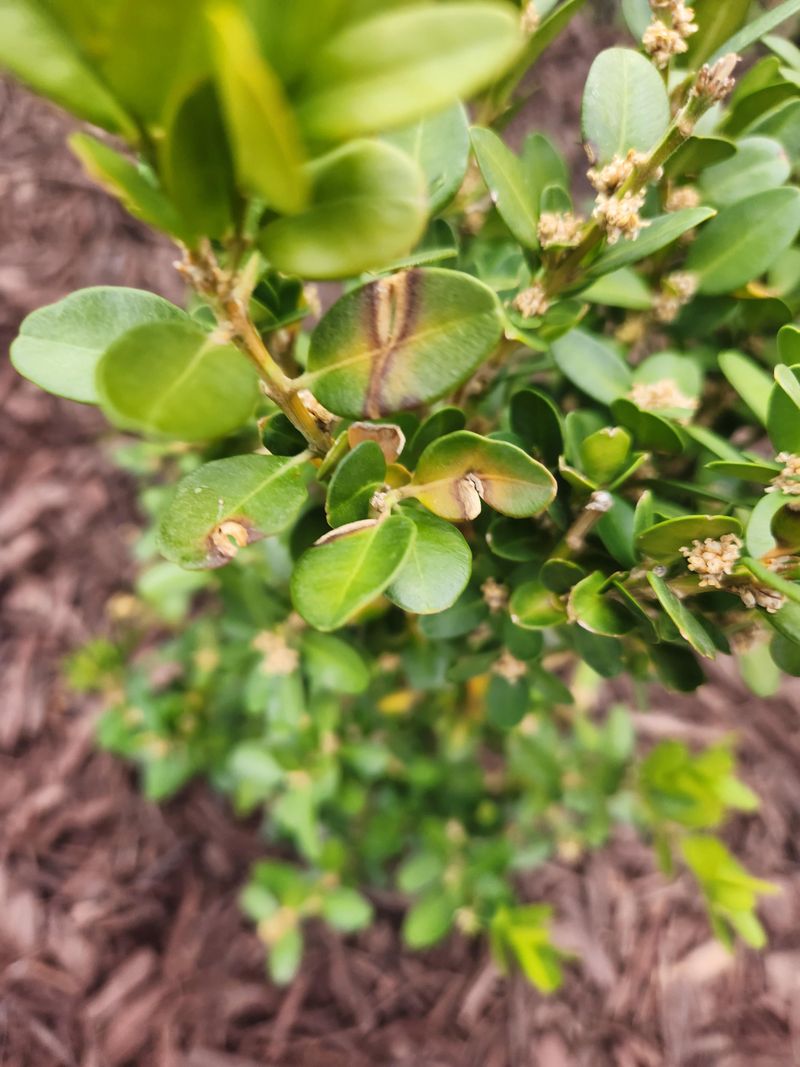
Leaves dropping off a boxwood at a shocking rate is one of the most alarming things a gardener can witness. When it starts from the bottom and climbs upward, blight is a serious suspect.
Boxwood blight causes defoliation that moves in a very specific pattern. The lower, inner branches lose their leaves first, then the problem works its way up and outward across the shrub.
This bottom-up progression happens because lower leaves stay wet longer after rain. Moisture clings to the inner canopy, giving the fungus the humid conditions it needs to thrive and reproduce.
Losing a few leaves here and there is normal for any shrub. Losing large sections of foliage within a week or two is not normal, and that urgency is a major distinguishing feature of blight.
Some homeowners assume the plant is just struggling with heat or poor soil. But defoliation this fast and this patterned has a cause, and that cause is almost always a disease or serious pest pressure.
Once the lower branches are stripped bare, the exposed stems become visible and vulnerable. That exposure also makes it easier to spot other blight symptoms like stem discoloration or cankers.
The speed of leaf drop gives you a narrow window to respond. Acting within days, not weeks, can make the difference between saving a shrub and losing it entirely.
Iowa boxwood blight spreads most aggressively in warm, rainy stretches. Keep a close eye on your plants after any multi-day rain event during summer.
4. Black Streaks Or Cankers On Green Stems
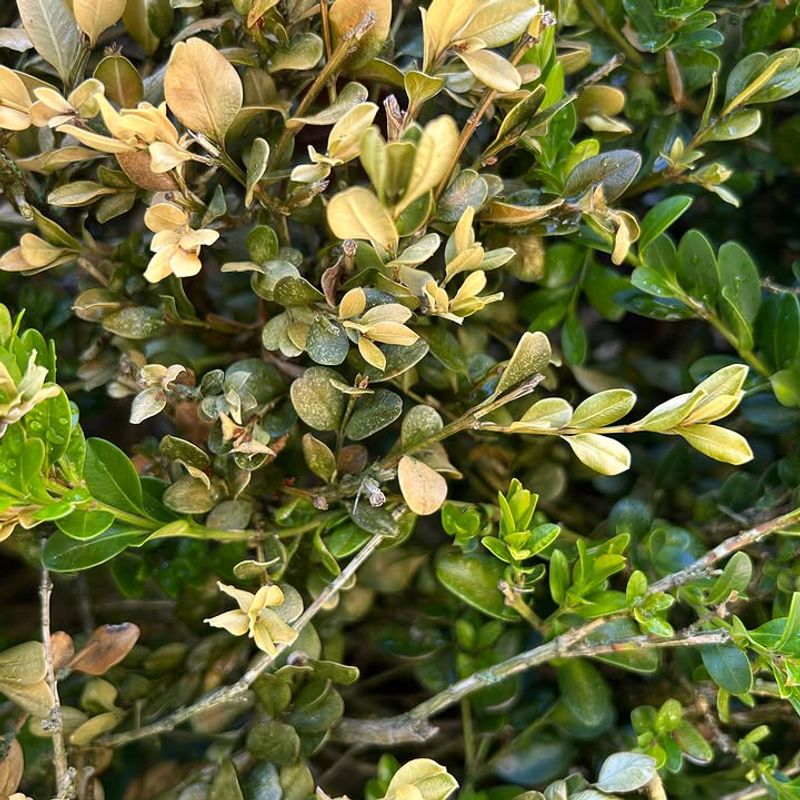
Pull back the leaves and look at the stems underneath. If you see black streaks or dark lesions running along the green wood, that is a serious warning sign.
Black streaks on boxwood stems are one of the most reliable indicators of blight. The fungus invades stem tissue and leaves behind dark, discolored streaks that stand out sharply against the green bark.
Cankers are slightly different from streaks. They appear as sunken, darkened patches on the stem surface, where the plant tissue has essentially collapsed under fungal pressure.
Both symptoms often appear on stems that are still partially green. That combination of green and black is unsettling because it shows the infection is active and spreading in real time.
Healthy boxwood stems are smooth and uniformly green or slightly tan. Any dark discoloration that runs lengthwise along the stem should be treated as suspicious until proven otherwise.
Use a hand lens or even your phone camera zoomed in to get a closer look. What appears as a small dark mark from a distance can reveal a much more detailed pattern up close.
Stem symptoms confirm that the infection has moved beyond the leaves. Once the fungus is in the stem, it can travel to connected branches and eventually reach the main structure of the shrub.
Pruning out affected stems with clean, sterilized tools is often the first recommended response. Catching stem damage early gives the rest of the plant a better chance at recovery.
5. Twig Dieback On Affected Branches
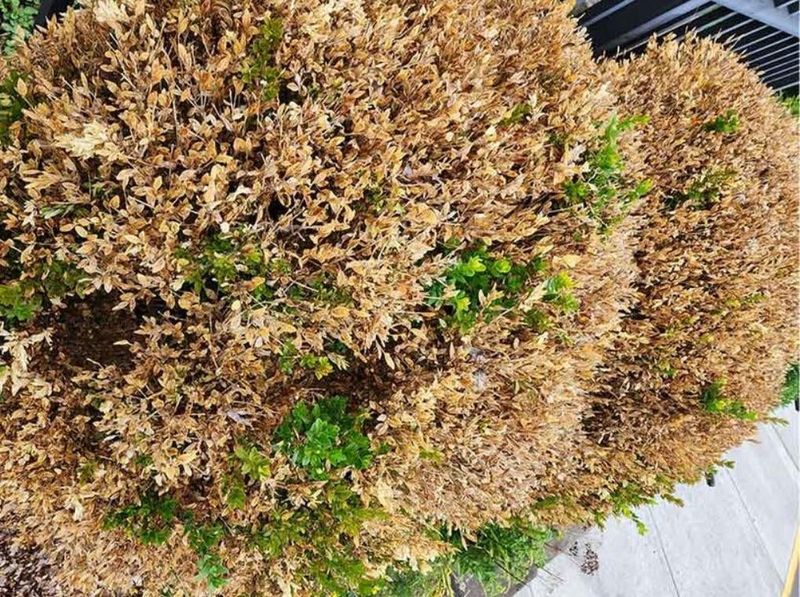
Brittle twigs sticking out from an otherwise green shrub are hard to miss. When multiple twigs on your boxwood start dying back, blight may already be deeper in the plant than you think.
Twig dieback happens when the fungus blocks the flow of water and nutrients through the stem. The twig essentially starves, turning brown and brittle while the surrounding branches may still look okay.
This symptom often appears after the leaf spots and defoliation have already begun. It signals that the infection has progressed from surface tissue into the woody structure of the branch.
Snap a affected twig gently between your fingers. Healthy twigs bend before they break, but blighted twigs snap cleanly and feel dry and hollow compared to living wood.
Dieback can also be caused by winter damage or borers, so context matters. When twig decline appears alongside spots, yellowing, and leaf drop, blight becomes the most likely explanation.
The pattern of dieback is also telling. Blight-related dieback tends to cluster in areas where moisture collects, like the interior of the shrub or the lower canopy near the soil line.
Left unchecked, twig dieback spreads to larger branches over time. What starts as a few bare tips can become whole sections of the shrub that are completely beyond saving.
Pruning affected twigs back to healthy wood is a key management step. Always sterilize your pruning shears between cuts to avoid spreading fungal spores to healthy parts of the plant.
6. White Sporulation On The Underside Of Leaves
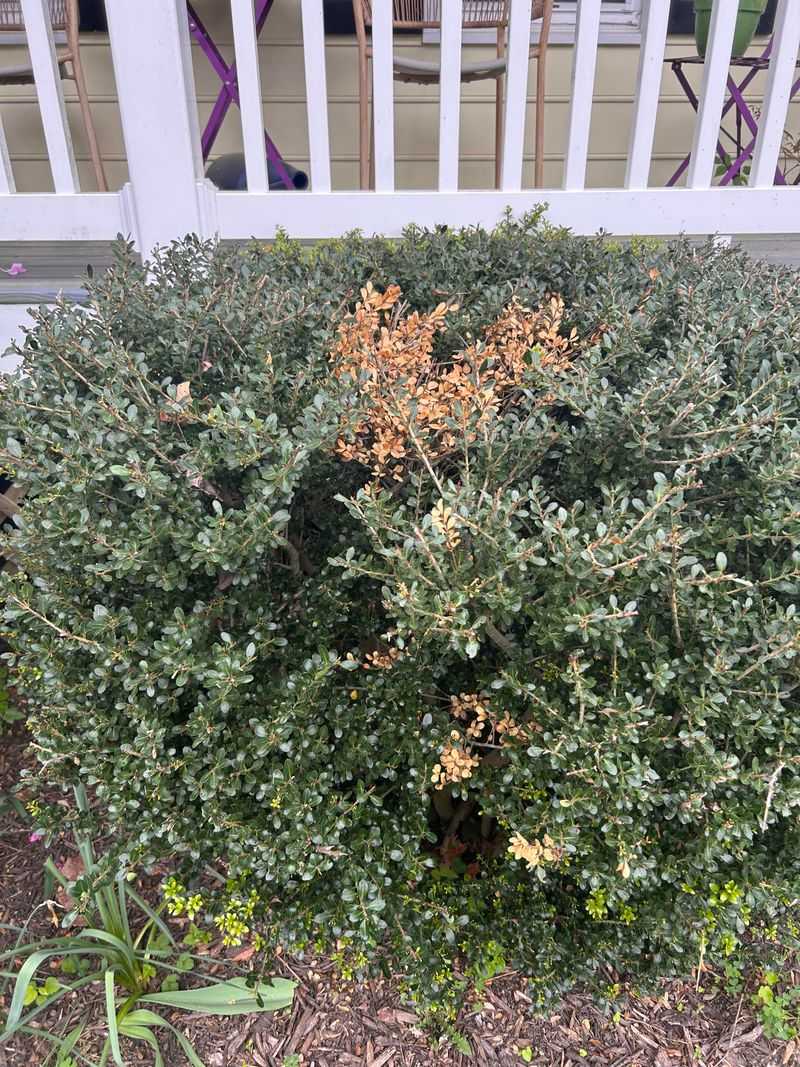
Flip a leaf over and look at the underside. A white, powdery or fuzzy coating during humid weather is one of the most specific signs of boxwood blight you can find.
That white growth is called sporulation, and it is the fungus producing spores to spread to new leaves. Seeing it means the infection is in an active phase and the plant is under serious stress.
Sporulation on boxwood blight is not the same as powdery mildew, though both are white. Blight sporulation appears on the underside of infected leaves, often in areas that correspond with discolored patches above.
You are most likely to spot this symptom after a stretch of rainy, muggy weather. Iowa summers create exactly those conditions, making mid-summer inspections especially important for boxwood health.
Check your plants in the morning when humidity is highest and the coating is most visible. On drier days, the coating is less visible and easier to miss without a close inspection.
A magnifying glass makes this symptom much easier to confirm. The spores look like tiny white threads or clusters under magnification, which is quite different from dust or residue.
Finding sporulation means the fungus is releasing thousands of spores into the air around your garden. Wind, rain, and even insects can carry those spores to nearby boxwoods very quickly.
Isolating the affected plant immediately is strongly recommended at this stage. Spreading has already begun, and every hour of delay increases the risk to surrounding shrubs in your landscape.
7. Fallen Leaves Accumulating At The Base Of The Plant
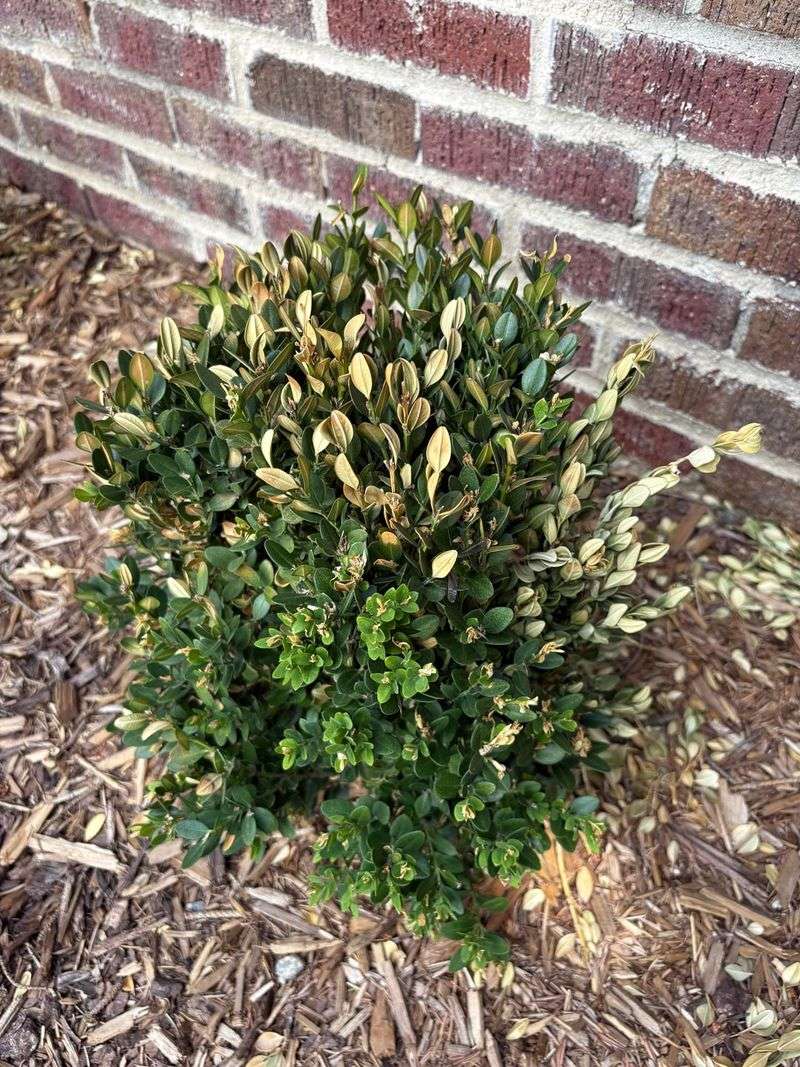
A pile of leaves gathering at the base of your boxwood is more than just a mess. Those fallen leaves are often loaded with fungal spores just waiting to reinfect the plant.
Boxwood blight causes infected leaves to drop quickly once the disease takes hold. Unlike normal seasonal leaf drop, blight defoliation happens in warm months when the shrub should be full and green.
The leaf litter at the base of the plant becomes a reservoir for the fungus. Calonectria pseudonaviculata can survive in fallen leaves for up to five years, making cleanup a critical part of managing the disease.
Rain splashing onto that leaf pile sends spores back up onto the lower branches. This reinfection cycle is one of the main reasons blight is so hard to stop once it gets started.
Scoop up the fallen leaves carefully and seal them in a plastic bag before disposing of them. Do not compost blighted material because the fungus can survive the composting process in many home setups.
Check the soil surface around the base of the plant as well. Spores can linger in the top layer of soil, which is why some experts recommend applying fresh mulch to create a physical barrier.
Removing leaf litter promptly after each inspection visit is a simple habit that pays off. It removes a major source of reinfection and gives your management efforts a much better chance of success.
Think of the ground around your boxwood as part of the plant itself. Keeping that zone clean is just as important as treating the shrub above the soil line.
8. Blighted, Bare Appearance
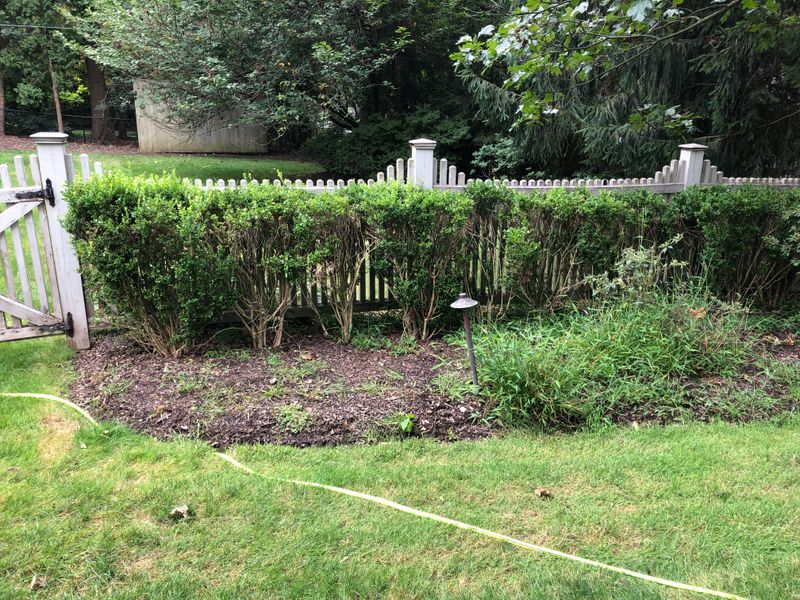
A boxwood that looks like a skeleton is a heartbreaking sight for any gardener. That bare, blighted appearance is the late-stage result of untreated Iowa boxwood blight doing its worst.
By the time a shrub reaches this point, most of the foliage is gone and the remaining branches are brown or black. The plant that once formed a lush green border now looks abandoned and lifeless.
Reaching this stage does not always mean the plant is beyond saving. Some boxwoods may push out new growth if the root system is still intact, but there is no cure for blight itself.
Your local extension office can help you decide whether removal is the right call or whether the shrub is worth managing long term.
If removal is necessary, take it seriously. Dig out as much of the root ball as possible and dispose of all plant material in sealed bags, not in your yard waste pile.
Replanting boxwood in the same spot without treating the soil is a common mistake. The fungus can persist in that location and put any new plant at risk.
Consider resistant boxwood varieties like Buxus microphylla cultivars if you want to replant. Some newer selections show much stronger tolerance to the fungus than traditional English or American boxwood types.
Recognizing Iowa boxwood blight early is always the best strategy. A bare, blighted shrub is a reminder that fast action at the first sign of trouble makes all the difference.