8 Reasons You Keep Seeing Foxes In Your Tennessee Yard
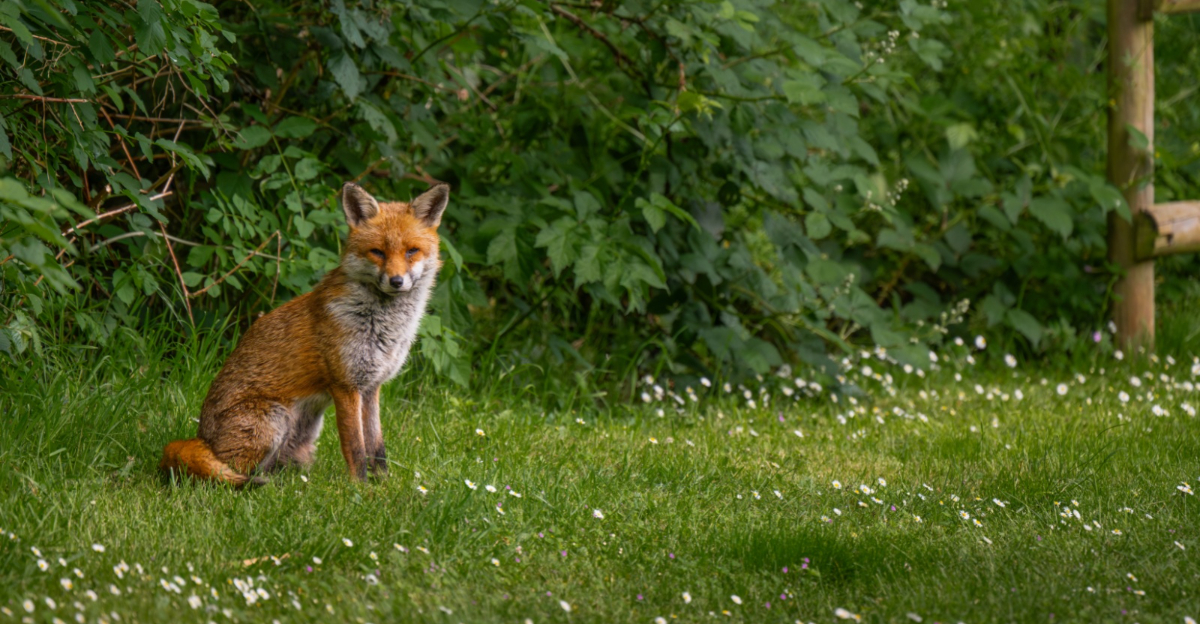
It locked eyes with me, then it sat down. A red fox, bold as brass, parked right at the edge of my vegetable bed in Middle Tennessee and stared like it was waiting for an apology.
I didn’t scream or chase it. I just stood there, kind of in awe. That moment changed how I see my yard.
Foxes don’t show up randomly. They show up because something invited them. Is your yard accidentally rolling out the welcome mat?
Tennessee homeowners are spotting these rust-colored visitors more than ever. Overgrown brush, easy prey, exposed garbage.
Your property is sending signals, and they are loud. Understanding those signals means understanding the fox, and once you do, everything changes.
What’s drawing them in might surprise you, and what you do next will matter more than you think.
1. It Is Hunting For Rodents
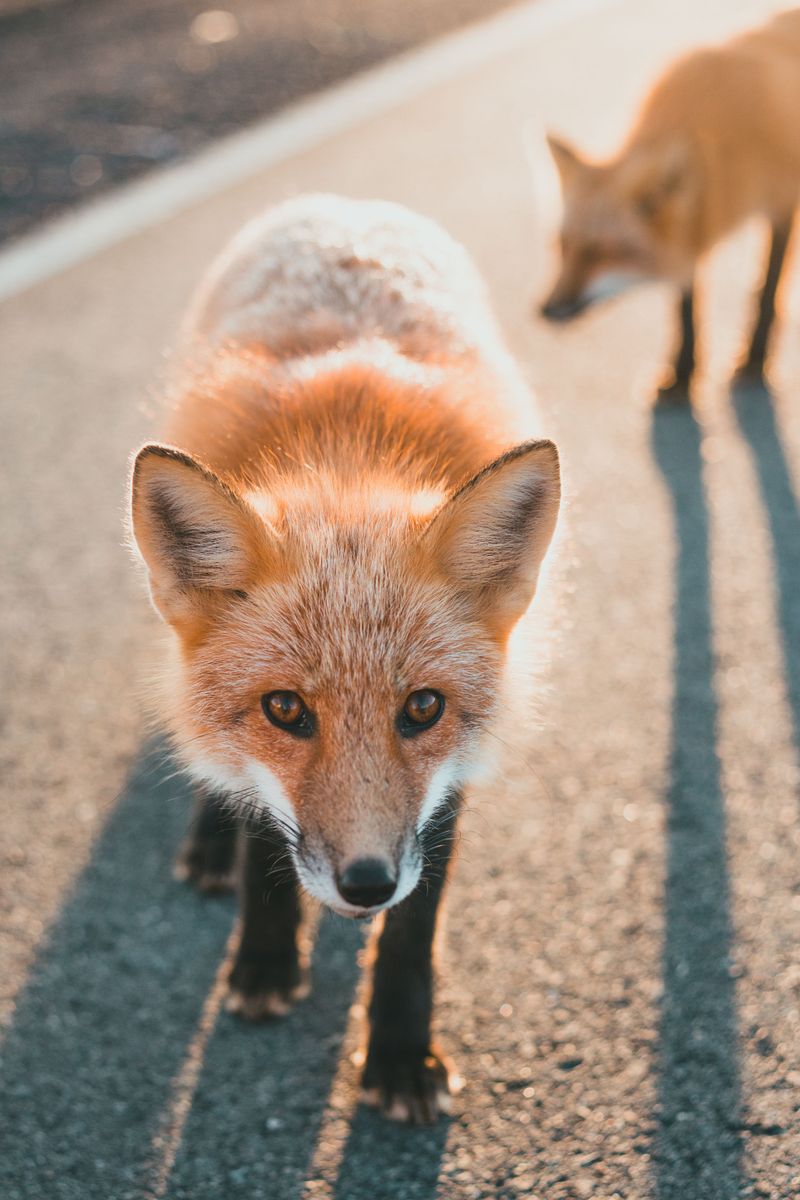
Your yard may be offering more food than you realise, and foxes are quick to notice. Small rodents are common in suburban Tennessee lawns, especially near gardens and compost piles.
Foxes have hearing sharp enough to detect a mouse under six inches of snow. They can pinpoint the exact location of a rodent just by sound alone.
When a fox trots across your grass with its nose low, it is on a mission. That slow, focused movement means it has already locked onto something you cannot even see.
Mole tunnels and vole runways act like a dinner invitation to any passing fox. If your lawn has soft, raised ridges or patchy bare spots, rodents are likely living there.
The good news is that foxes are doing your yard a favor. They naturally control rodent populations without traps, poison, or any effort from you.
Removing brush piles, sealing compost bins, and trimming overgrown edges can reduce the rodent population. Fewer rodents means fewer reasons for a fox to keep coming back.
Watching a fox hunt is genuinely fascinating. It leaps straight up and nose-dives into the ground in a move called mousing, and it works remarkably well.
2. Urban Sprawl Has Reduced Its Natural Habitat
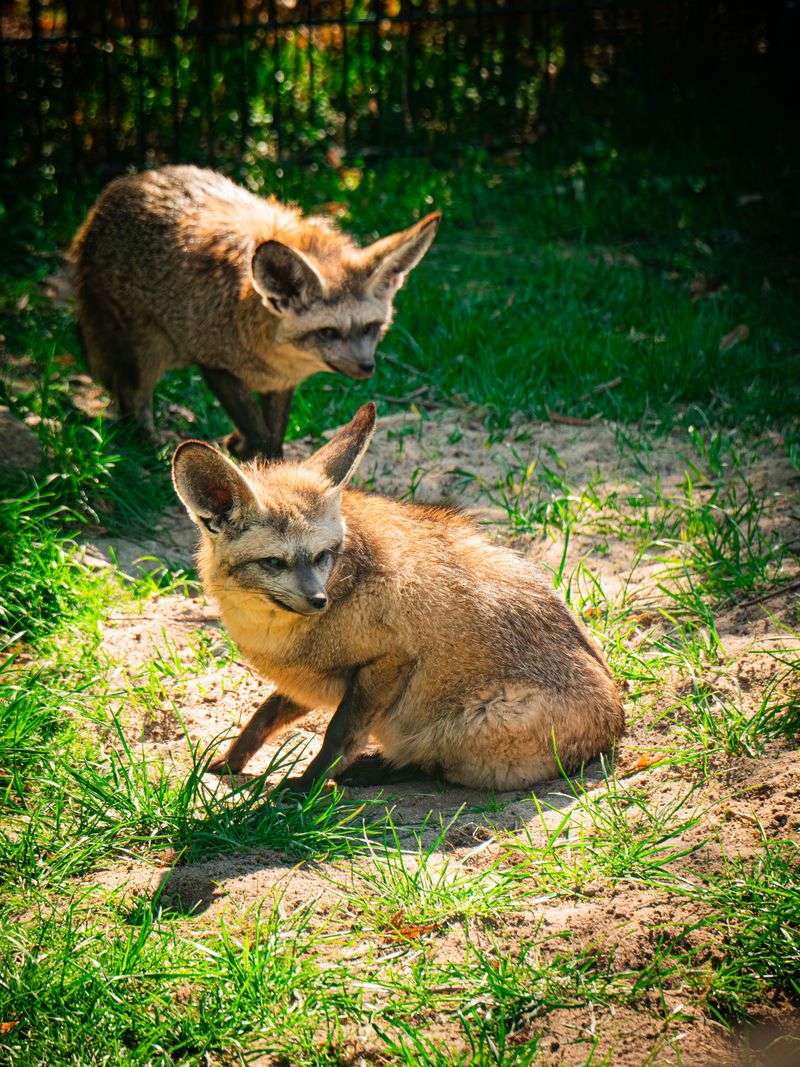
Tennessee has grown fast, and forests have paid the price. New neighborhoods, strip malls, and roads have replaced the wild spaces foxes once called home.
When habitat shrinks, animals do not simply disappear. They adapt, shift, and find new territories, often right next to humans.
A fox that once roamed fifty acres of woodland may now navigate between backyards and cul-de-sacs. It is not being bold or aggressive. It is just surviving with what is left.
Middle Tennessee in particular has seen rapid expansion over the past decade. Cities like Nashville, Murfreesboro, and Franklin have expanded rapidly into previously rural land.
Foxes are surprisingly good at living near people. They adapt to human activity over time, tending to move during quieter hours and using fence lines as natural travel routes.
The problem is not the fox. It is the shrinking buffer between wild land and residential areas. As that gap closes, wildlife encounters become a normal part of suburban life.
Your Tennessee Garden Changes Every Week. Your Plan Should Too.
Gardening in Tennessee changes quickly throughout the season. Every Friday you’ll receive a simple weekly plan showing exactly what to plant, prune, fertilize, harvest, and protect so you never miss the right timing.
Understanding this helps shift the reaction from fear to awareness. A fox in your yard is often a sign of a healthy local ecosystem trying to hold on.
Supporting local green space initiatives and wildlife corridors can help long-term. In the meantime, expect these clever animals to keep finding creative ways to coexist near your home.
3. Unsecured Food Is Attracting It
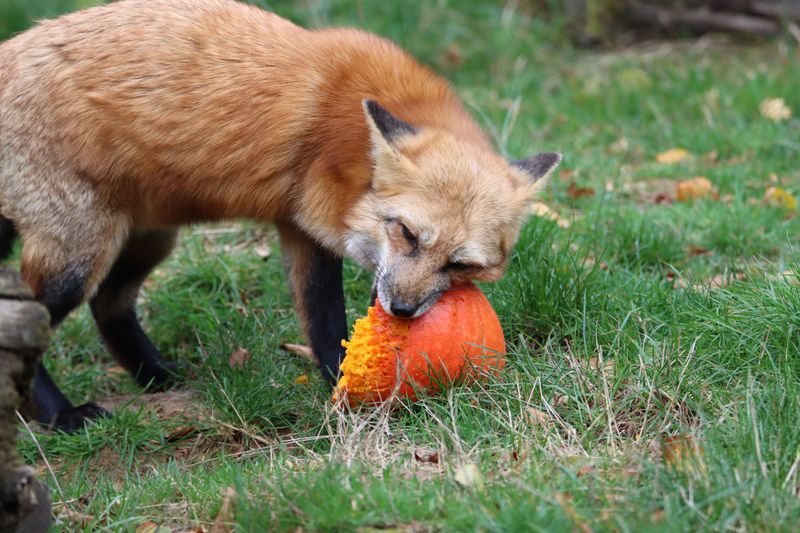
Forget the forest. Your trash can smells amazing to a fox. Unsecured garbage, fallen fruit, pet food left outside, and bird feeders are all powerful attractants.
Foxes are opportunistic eaters. They will happily snack on leftover pizza, chicken bones, or a scoop of kibble your dog did not finish.
Bird feeders are a sneaky culprit. They attract squirrels and small birds, which then attract foxes looking for an easy snack just below the feeder.
If you have fruit trees, dropped apples or pears on the ground are like candy to passing wildlife. Foxes have a surprisingly strong sweet tooth for fallen fruit.
Compost piles without secure lids are another major draw. Food scraps, especially meat or dairy, send scent signals that travel far on a Tennessee breeze.
The fix is straightforward. Use bungee cords or locking lids on trash cans, bring pet food inside at dusk, and clean up fallen fruit regularly.
Switching to a weight-sensitive bird feeder can also help. These feeders close when anything heavier than a bird lands on them, cutting off the secondary food chain.
Once you remove the food sources, the fox visits often drop off quickly. Foxes are practical. If the reward disappears, they move their search somewhere else.
4. Raising Spring Kits Drives It To Roam

Spring changes everything for a fox. Between March and May, mother foxes are nursing and feeding kits, which means they need far more food than usual.
A nursing vixen can travel miles each day to bring back enough prey. Your yard might just be the most convenient stop on her daily route.
Male foxes also roam more during this season. They help provide food for the family, which means both parents are covering wider ground than they would in winter.
You might notice a fox acting more bold or visible during spring. That is not aggression. It is the pressure of parenthood pushing it to take more risks.
Kits are born blind and helpless, and the mother rarely strays far for the first few weeks. But as the young ones grow, she needs to hunt constantly to keep up.
If you spot a fox returning to the same corner of your yard repeatedly, there may be a den nearby. Check under decks, sheds, or dense shrub borders.
Watching a fox family from a safe distance is one of nature’s real treats. The kits tumble and play like puppies, completely unaware of how charming they are.
By midsummer, the kits are independent and the heavy foot traffic usually slows. Patience through spring often resolves the situation naturally.
5. Your Deck Or Shed Offers A Perfect Den
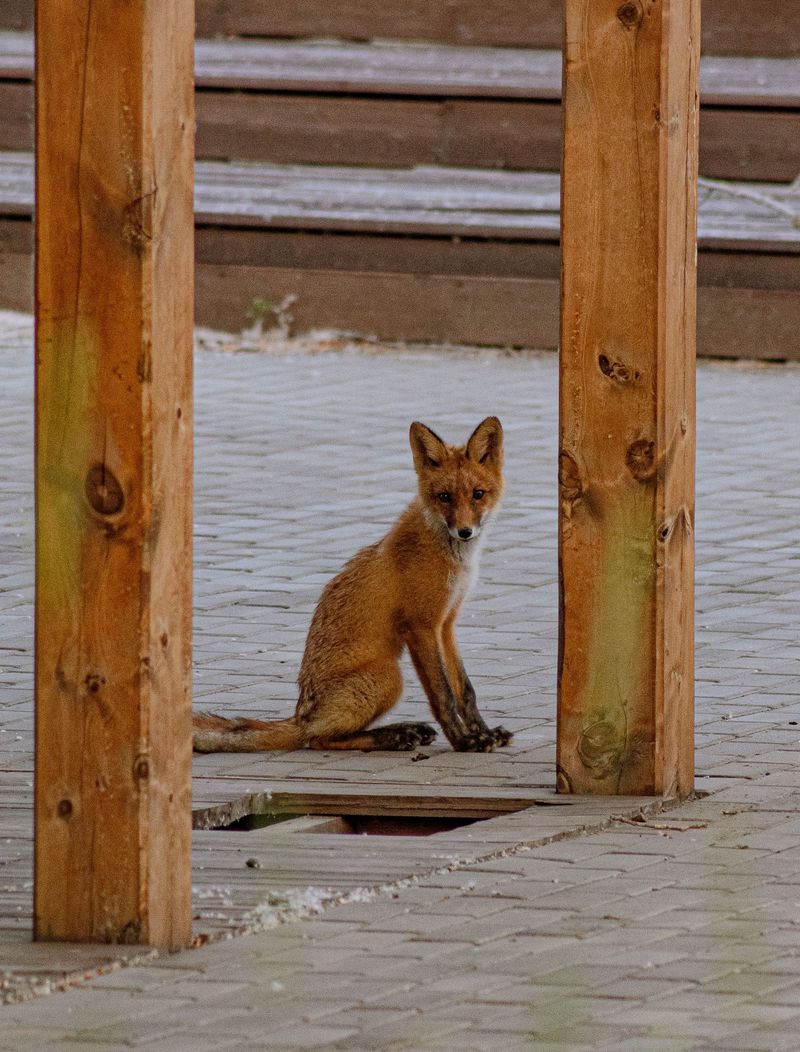
Warm, dark, and sheltered from rain. Your deck or shed is practically a luxury condo for a fox. These structures mimic the natural dens foxes dig in the wild.
Foxes prefer spots that are low to the ground, partially hidden, and close to food. Your backyard shed checks every single box on that list.
A mother fox especially values security when choosing a den site. She wants a place that feels protected from predators and shielded from human foot traffic.
You might notice disturbed soil near the base of your deck or shed. A small, clean-edged hole about the size of a softball is a classic fox entry point.
Foxes rarely cause structural damage to the buildings they den under. They dig just enough to fit comfortably and generally keep a tidy space inside.
If you find an active den, avoid sealing it immediately, especially in spring. Trapping a mother inside or separating her from kits can cause more problems than it solves.
Wait until the family naturally moves on, which usually happens by late summer. Then seal all gaps with hardware cloth buried at least six inches underground to prevent return visits.
Adding motion-activated lights or a sprinkler near the entry point can encourage them to relocate sooner. Gentle deterrents work better than confrontation every time.
6. Water Sources Are Drawing It In
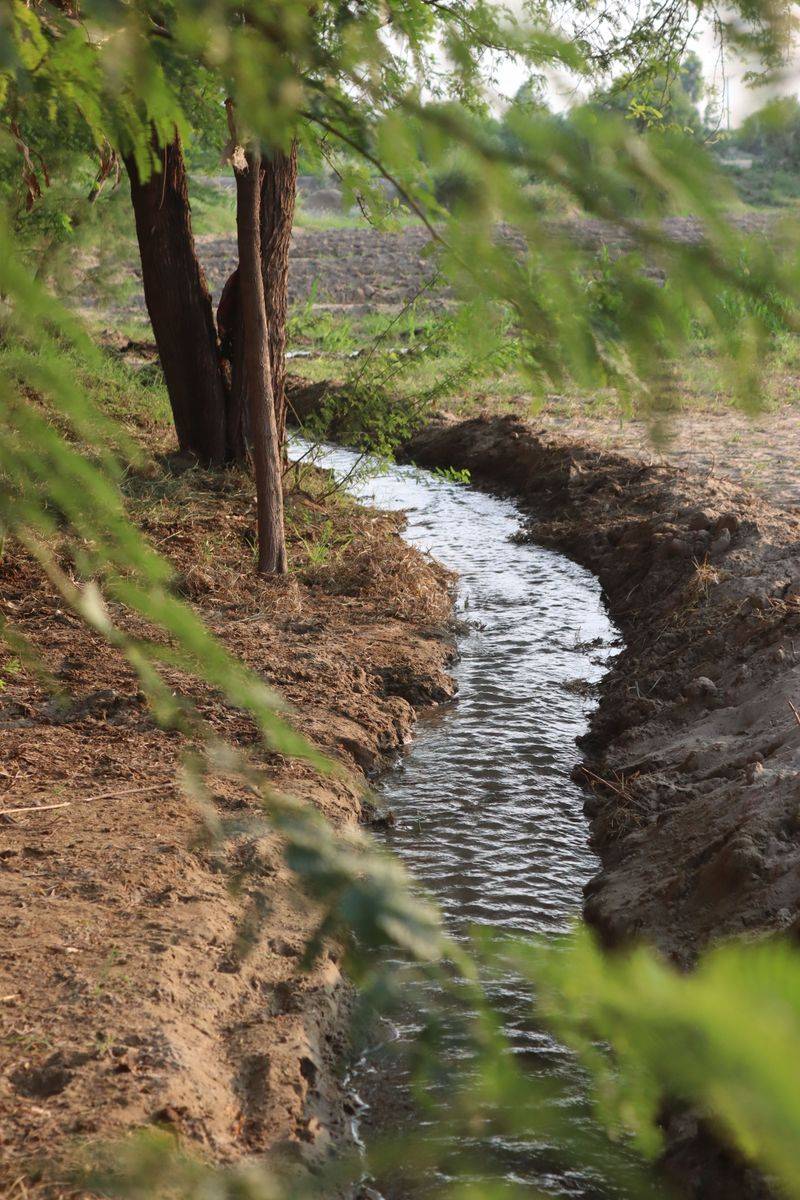
A steady water source is gold for any wild animal, and foxes are no exception. Birdbaths, garden ponds, pet water bowls, and even puddles can pull them in.
During hot Tennessee summers, hydration becomes a serious challenge for wildlife. Foxes will travel significant distances just to find clean, accessible drinking water.
Your decorative pond might look like a backyard feature to you. To a thirsty fox trotting through the neighborhood, it looks like a five-star watering hole.
Low-lying areas that collect rainwater are also attractive. A fox may revisit the same muddy patch after every storm if it has learned water pools there.
Pet water bowls left outside overnight are especially tempting. They are low to the ground, easy to access, and refreshed regularly. Basically perfect fox service.
Bringing pet bowls inside at night is a simple habit that makes a real difference. It removes one reliable reason for a fox to return to your property.
If you have a pond, consider installing a motion-activated deterrent nearby. A sudden burst of light or water spray is enough to discourage repeat visits without harming the animal.
Reducing available water sources does not eliminate fox sightings entirely. But it does lower the appeal of your yard compared to wilder areas with natural streams nearby.
7. Thick Vegetation Provides Needed Cover
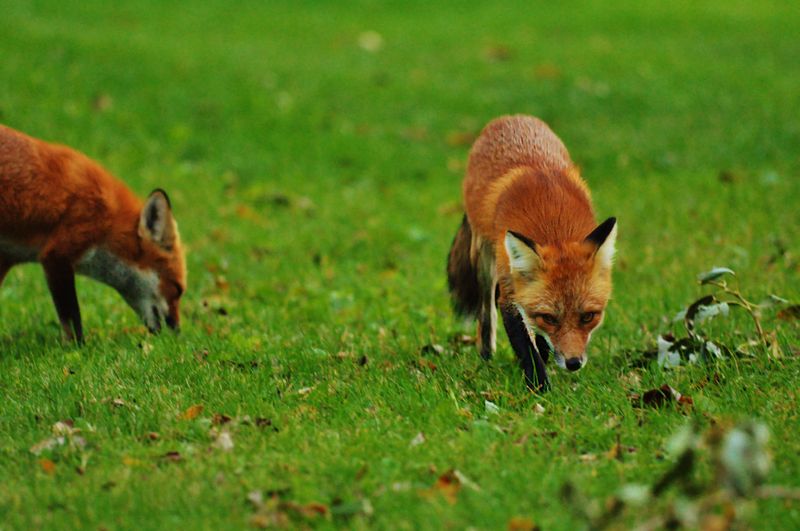
Foxes are cautious animals that prefer to move with cover nearby. Overgrown shrubs, tall ornamental grasses, and dense hedgerows are irresistible to them.
Thick vegetation gives a fox a sense of safety as it travels. Moving from bush to bush feels far less exposed than crossing an open lawn in broad daylight.
Many Tennessee yards, especially older ones, have mature plantings that create natural corridors.
Ivy ground cover is a particular favorite. It stays low, grows dense, and provides excellent concealment for an animal that prefers to stay out of sight.
Blackberry thickets and wild privet hedges also offer great cover. These plants grow quickly in Tennessee’s climate and create exactly the kind of sheltered edges foxes seek out.
If you want fewer fox visits, selectively trim back dense shrubs along your fence line. Open sightlines make foxes feel exposed and less likely to linger.
You do not need to clear your entire yard. Just reducing the coverage near your home’s foundation and entry points is often enough to change their behavior.
A tidy border between your lawn and your garden beds sends a clear signal. Less cover means less comfort, and a fox that feels watched will quickly move along.
8. Coyotes Have Pushed It Toward Human Homes
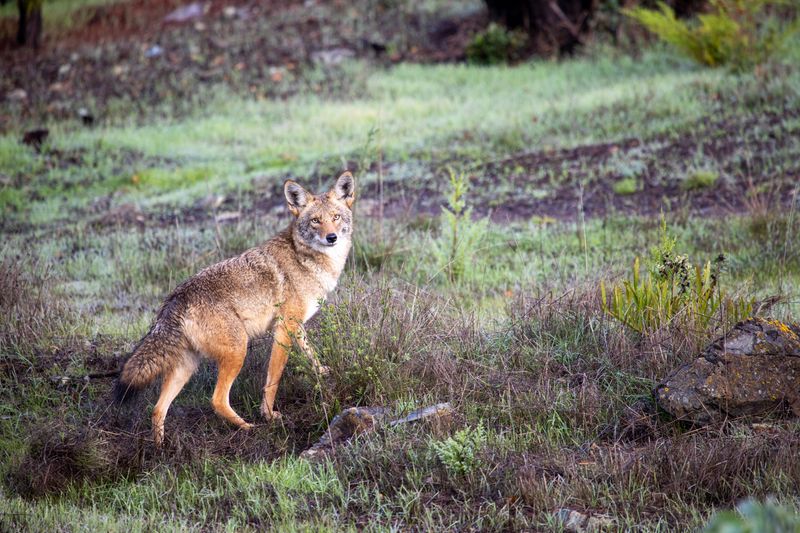
Coyotes and foxes do not get along. Where coyotes move in, foxes often get pushed out of wild areas and into suburban neighborhoods to stay safe.
Coyotes are larger, more aggressive, and highly territorial. A red fox simply cannot compete for space in areas where coyote packs have established dominance.
Seeing foxes in Tennessee yards has increased partly because coyote populations have expanded across the state. As coyotes take over rural and edge habitats, foxes shift inward toward homes.
Human neighborhoods actually offer foxes some protection. Coyotes tend to avoid well-lit, populated areas, which makes suburban yards a surprisingly safer zone for smaller canids.
This displacement effect has been observed in wildlife studies examining predator competition in overlapping territories.
Foxes in Tennessee yards are often displaced from their usual territory, pushed out by a more dominant predator.
You might hear coyotes howling in the distance on the same nights you spot a fox near your porch. That is not a coincidence. The two events are connected.
Knowing this helps frame the fox’s presence differently. It is not being reckless by coming close to your home. It is making a calculated safety decision.
Managing your yard to discourage both species involves the same basic steps. Secure food, limit cover, and use gentle deterrents to encourage foxes in Tennessee yards to keep moving through rather than settling in.