What It Means When A Mourning Dove Keeps Returning To Your Tennessee Yard
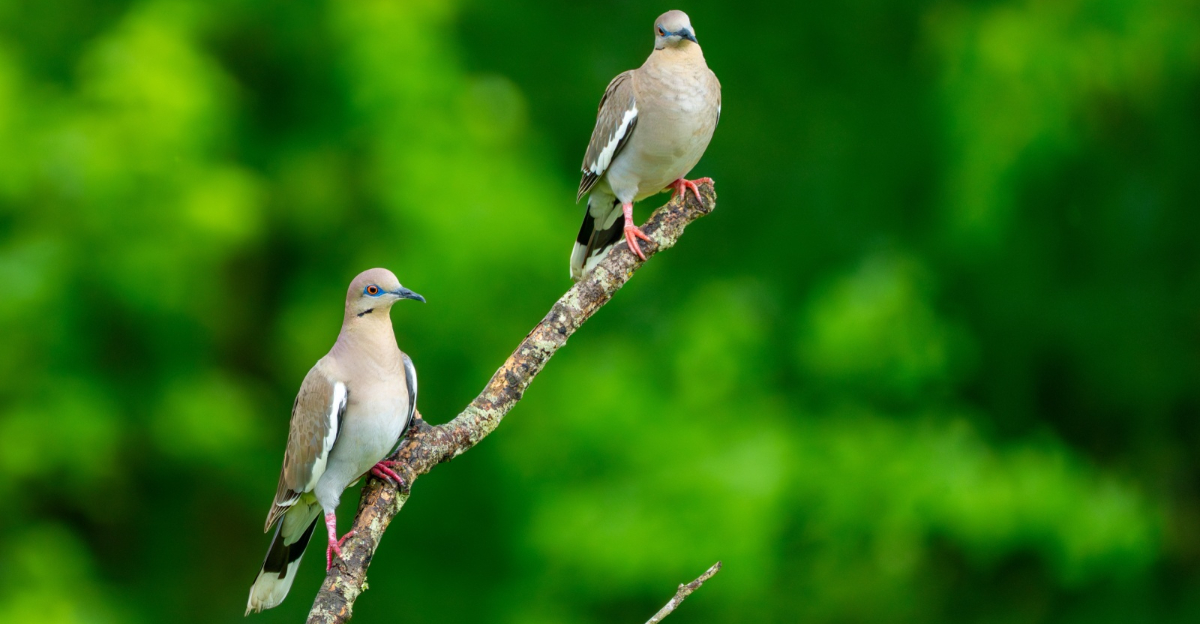
It lands three feet away and shows no fear. It locks eyes with you, tilts its head, then goes right back to pecking like you are invisible.
You freeze because you have seen this bird before. Same spot, same unhurried confidence, same quiet claim on your yard. If you live in Tennessee, you already know this feeling in your bones.
A mourning dove has chosen your space, and now you cannot stop noticing it every single time you step outside. That is not a coincidence worth ignoring.
Mourning doves are not random wanderers because they scout locations, remember good ones, and return with a loyalty that feels almost personal. So what is your yard actually offering that keeps pulling this bird back?
Across Tennessee, backyards are quietly becoming sanctuaries for these birds, and most homeowners walk right past the reasons why. You are about to find out exactly what your yard has been saying all along.
Seeds And Food In Your Yard Keep Drawing It Back Daily
Food is the fastest way to earn a bird’s loyalty. If a mourning dove keeps returning to your yard, the first thing to check is whether you have a reliable food source it has discovered.
Mourning doves are ground feeders by nature. They do not hop from branch to branch like sparrows. Instead, they walk slowly along the ground, picking up seeds with a quiet, steady rhythm.
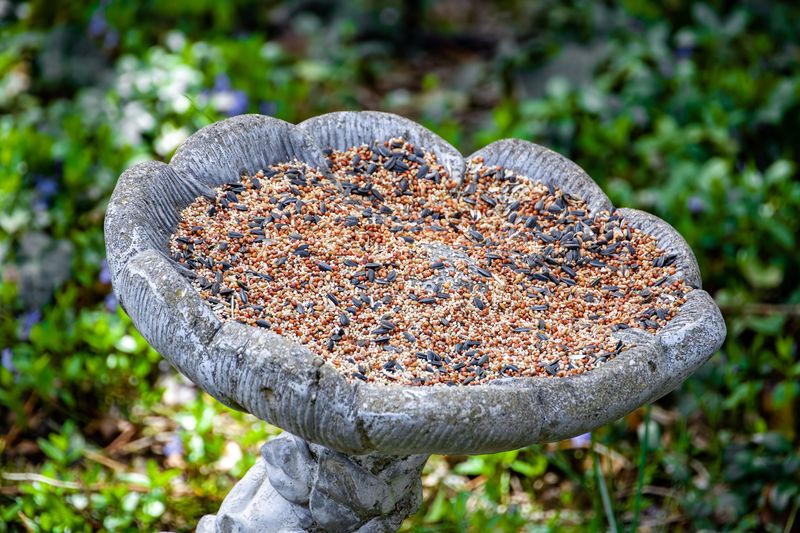
They love millet, sunflower seeds, cracked corn, and safflower seeds. If you have a bird feeder that drops seed onto the ground, you have basically set up a dove diner.
Even without a feeder, your yard may have natural food sources. Grasses that go to seed, weeds like pigweed or pokeweed, and garden plants that drop seeds all attract doves without any effort from you.
Once a dove finds a reliable food spot, it memorizes the location. It will return each morning and evening like clockwork, sometimes bringing a mate along.
If you want to encourage this behavior, scatter millet on a flat surface or low tray feeder. Doves prefer feeding close to the ground, so raised feeders often get ignored by them.
Keeping a consistent food supply is the single most powerful way to turn a one-time visitor into a daily regular. Your yard has become a known food source in the area, and that consistency is what keeps them coming back.
The Open Ground Cover Makes It A Perfect Foraging Spot
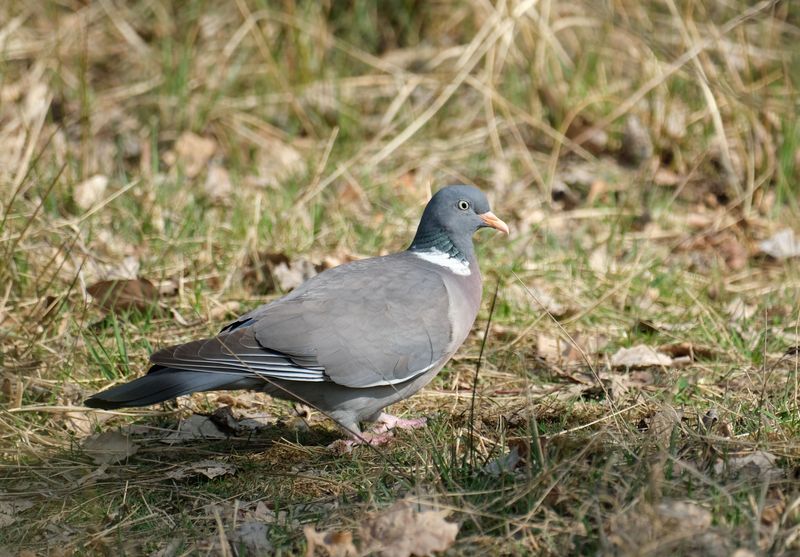
Not every yard gets chosen by mourning doves, and yours clearly passed the test. Open ground cover is one of the biggest reasons a dove returns again and again.
Doves need space to walk and forage without obstacles. Dense shrubs or thick mulch make it hard for them to spot seeds and move freely. A lawn with short grass or bare patches is ideal foraging ground for them.
Think about what your yard looks like from a bird’s eye view. If there are clear, open stretches of ground with minimal clutter, a dove sees that as safe and accessible foraging territory.
Your Tennessee Garden Changes Every Week. Your Plan Should Too.
Gardening in Tennessee changes quickly throughout the season. Every Friday you’ll receive a simple weekly plan showing exactly what to plant, prune, fertilize, harvest, and protect so you never miss the right timing.
Patios, garden paths, and areas near garden beds with loose soil are especially appealing. Doves scratch lightly at the surface to uncover buried seeds, so soft ground is a bonus they appreciate.
Many homeowners accidentally create the perfect dove habitat without trying. A yard that is not perfectly manicured, with a few weedy patches and open dirt spots, is often more attractive to doves than a pristine lawn.
If you want to make your yard even more inviting, leave a small section of ground bare or lightly raked. Scatter a handful of millet there once a week and watch what happens.
Doves are practical birds. They go where the food is easiest to find, and your open yard layout makes the search feel effortless for them every single time.
There Is A Water Source Nearby It Relies On Daily
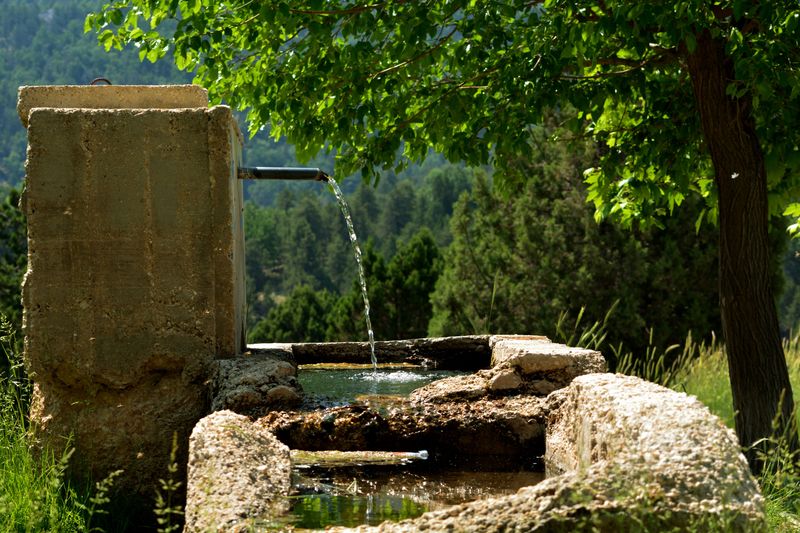
Water is non-negotiable for mourning doves. If one keeps showing up in your yard, there is a good chance a water source is part of the attraction.
Doves drink by submerging their bill and sucking water up, unlike most birds that tilt their heads back to swallow. This means they need a water source deep enough for a proper drink, not just a splash.
A birdbath works beautifully, especially a shallow one with a depth of about one to two inches. Doves are not fans of deep water. They want to stand comfortably while they drink.
Even a leaky hose, a puddle that forms after rain, or a low garden basin can become a dove’s daily watering hole. Once they find it, they build it into their routine like a habit they cannot shake.
During hot summer months, water becomes even more critical. A dove that has found a reliable water source in your yard will return through the hottest days when other sources dry up completely.
Keeping your birdbath clean and filled is one of the easiest ways to hold a dove’s loyalty. Change the water every two to three days to keep it fresh and free of algae.
Place your birdbath in a spot with some nearby cover, like a shrub or low branch. Doves feel safer drinking when they can make a quick escape if needed. That small detail makes a huge difference.
A Calm And Safe Environment Keeps It Coming Back
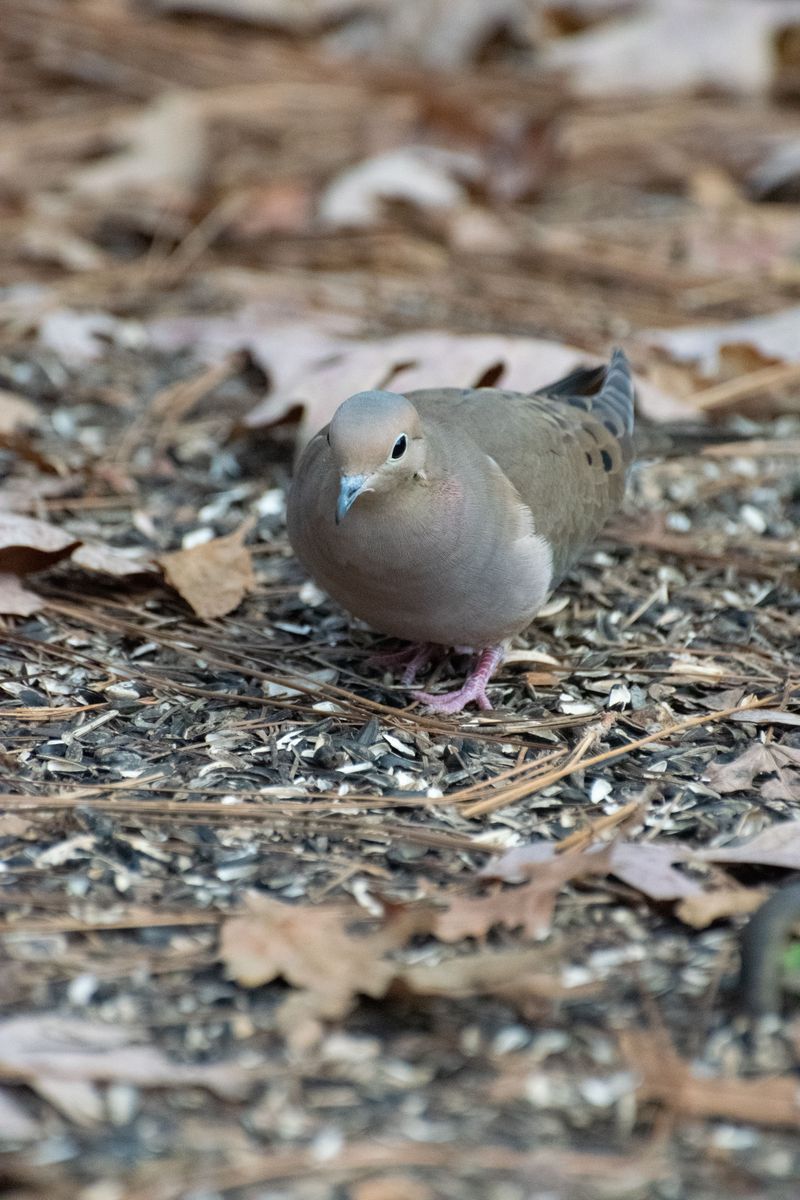
Mourning doves are not thrill-seekers. They are cautious, calm birds that choose their hangout spots based on how safe those spots feel. Your yard must radiate a sense of peace they trust.
Loud noises, aggressive pets, and heavy foot traffic are red flags for doves. If your yard is relatively quiet and free from constant disturbance, it becomes a sanctuary they are happy to return to.
Cats are a major concern for ground-feeding birds like doves. If you have an indoor cat or no cats at all, your yard is already safer than most in the neighborhood.
Doves also pay attention to how often they are startled. A yard where humans move slowly and predictably feels less threatening than one with sudden loud activity. Your calm energy actually matters to them.
Trees and shrubs near feeding areas give doves a place to perch and scan for danger before coming down to eat. This layered environment, with open ground and nearby cover, is the sweet spot they look for.
If you have noticed the dove watching you from a fence before approaching, that is a sign it is assessing the situation. Over time, it learns your patterns and becomes more comfortable around you.
There is something quietly special about earning a wild bird’s trust. Your yard has become a place where a mourning dove feels safe enough to let its guard down, and that kind of trust takes real time to build.
It Most Likely Has A Nest Tucked Somewhere Close By
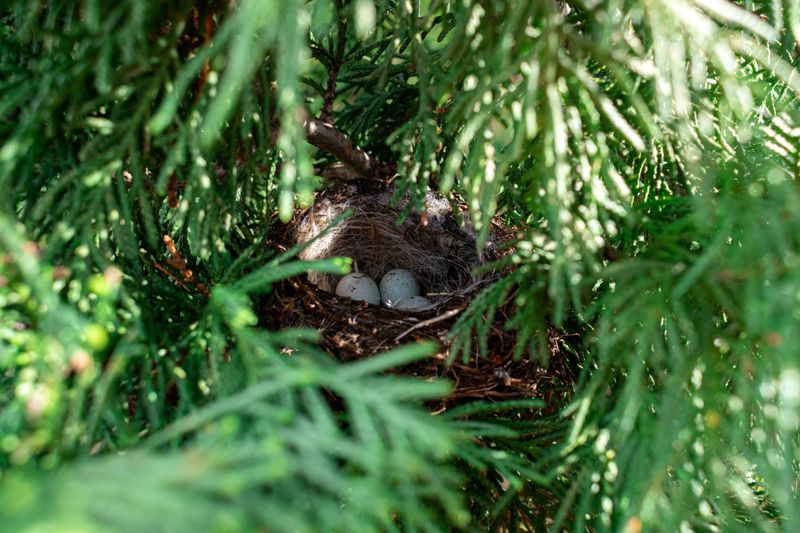
If that dove is showing up every single day without fail, there is a strong chance it is nesting nearby. Mourning doves do not stray far from their nests during breeding season.
Their nests are surprisingly simple. They build loose, flat platforms out of twigs, pine needles, and grass.
You might even wonder how the eggs stay in place, because the structure looks almost too basic to work.
Doves nest in low trees, dense shrubs, window ledges, and even on the ground in sheltered spots. Check your evergreens, your porch overhangs, and any thick bushes near your yard edges.
A nesting dove will return to the same yard repeatedly because it needs food and water within a short flying distance of the nest. Your yard is hitting all the marks for a successful nesting site nearby.
Both parents take turns sitting on the eggs and caring for the chicks, called squabs. So if you see two doves visiting your yard in shifts, that is likely a mated pair splitting nesting duties.
Mourning doves can raise two to three broods in a single season. If they nested near your yard once and had success, there’s a good chance they’ll return the following year to try again.
Finding a nest in your yard or nearby is a genuine gift. Handle the area gently, keep pets inside during nesting season, and enjoy watching one of nature’s most devoted parenting partnerships unfold right outside your window.
It Has Claimed This Space As Part Of Its Home Territory
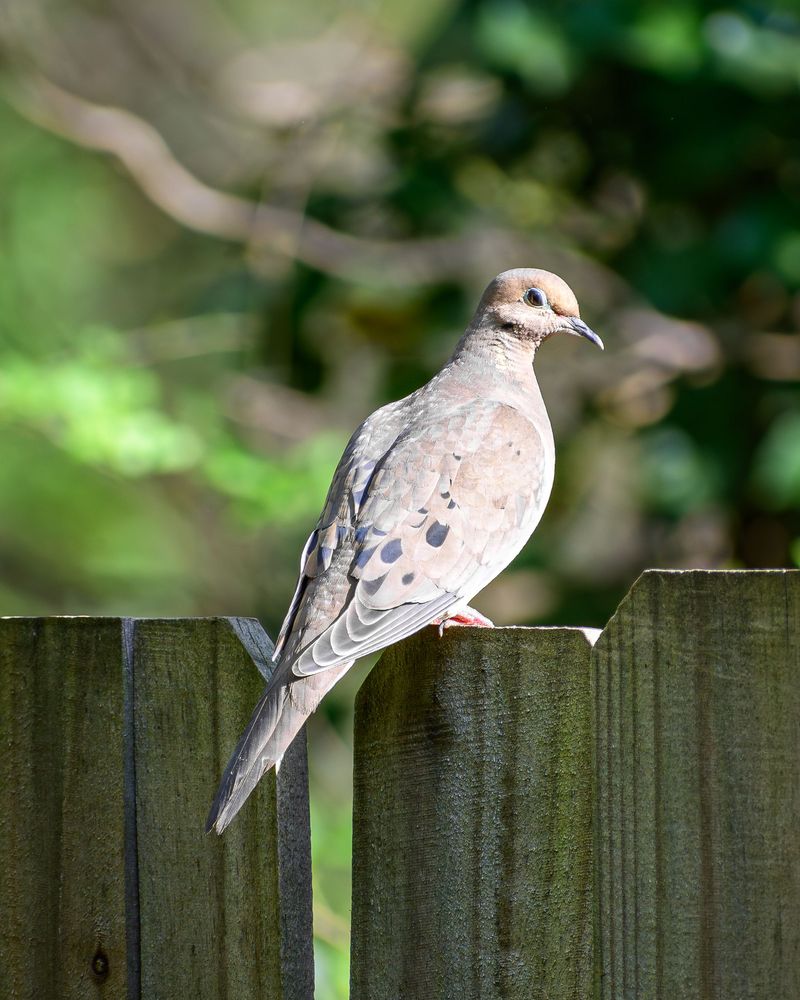
Birds are territorial, and mourning doves are no exception. When one keeps returning to your yard day after day, it has likely claimed your space as part of its established home range.
A mourning dove’s home range varies depending on habitat and season, but it has specific spots it returns to consistently. Your yard has earned a place on that mental map, and the dove treats it like a personal landmark.
Territorial behavior in doves is subtle compared to other birds. They do not screech or dive-bomb like mockingbirds.
Instead, they simply keep showing up, which is their quiet way of saying this spot belongs to them.
You may notice the dove chasing off other doves occasionally. That gentle-looking bird can get surprisingly assertive when another dove tries to move in on its feeding or resting spot.
Male doves are especially territorial during breeding season. They coo loudly from a perch to announce their presence and warn off rivals. That mournful call you hear each morning is actually a bold territorial statement.
Once a dove has claimed a territory and found success there, it rarely abandons it. Some doves show strong site fidelity and return to the same feeding spots across multiple seasons.
Your yard is not just a backdrop to this bird’s life. It is a cornerstone of its daily survival, and the dove has decided your space is worth defending. That kind of loyalty deserves a little respect.
Migration Season Is Pushing More Doves Through Tennessee
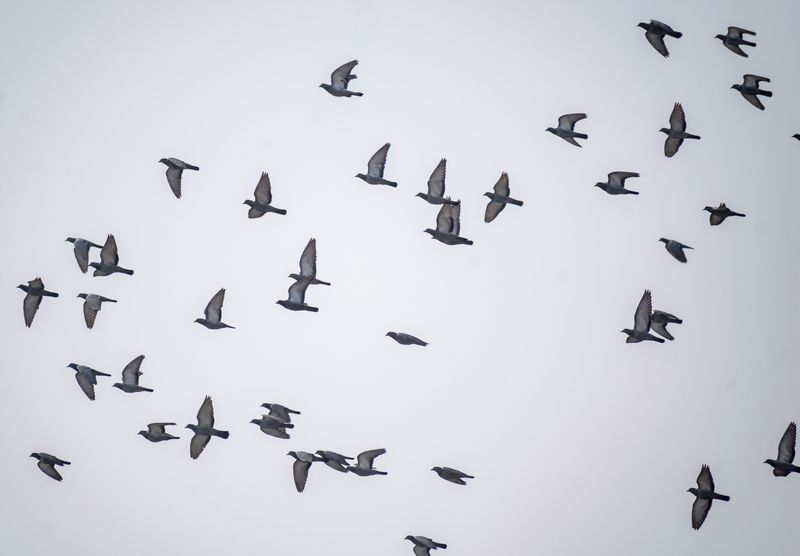
Tennessee sits right in the middle of a major migratory corridor for mourning doves. When migration season hits, the number of doves passing through your yard can spike dramatically and feel almost overnight.
While many mourning doves in the South are year-round residents, northern populations migrate south each fall in search of milder temperatures and reliable food.
Tennessee acts like a rest stop on a long highway, and your yard may be one of their favorite pull-offs along the entire route.
During migration, doves travel in loose flocks rather than alone. You might suddenly notice three or four doves where you used to see just one, then six, then more.
That surge is a seasonal phenomenon tied directly to the migration push and has nothing to do with anything you did differently.
A mourning dove keeps returning to your yard during migration because your space offers exactly what a tired traveler needs: food, water, and a safe place to rest before moving on to the next leg of the journey.
Fall migration typically runs from September through November, bringing the biggest waves of new arrivals.
Spring migration brings another surge from February through April as birds push back north toward their breeding grounds.
Both seasons can bring unfamiliar faces to your yard alongside the regulars you already recognize.
If you want to support migrating doves, keep your feeders stocked and your birdbath full during these peak windows.
A well-supplied yard builds a reputation as a dependable stopover point that doves remember and return to year after year.
It is worth appreciating that your backyard plays a real role in a journey spanning hundreds of miles.
Your small patch of ground is part of something much bigger, and the doves returning each season are living proof of that connection.