This Is What Lantana Needs When Planted Near A Texas Pool To Keep Blooming All Summer
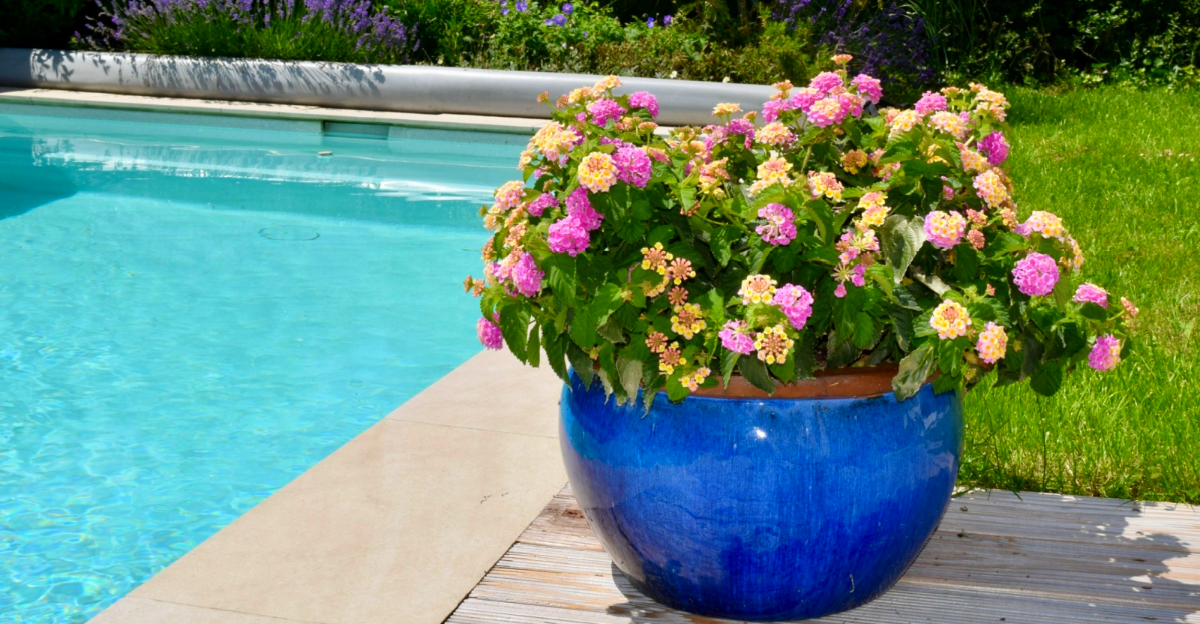
If you’ve been searching for a plant that can handle a Texas poolside without throwing a fit every time the temperatures climb, lantana would like a word.
This heat-loving, color-packed plant is genuinely one of the best choices you can make for beds near the water, and when it gets what it needs, it just keeps going.
Bright bloom clusters from late spring well into fall, practically no complaints about the heat, and a toughness that most poolside plants can only dream about.
That said, poolside beds come with their own set of challenges that are worth knowing about.
Reflected heat off the water, fast-drying soil near concrete, and the occasional splash from an enthusiastic swimmer all add up. Get the placement, drainage, and watering right though, and lantana will absolutely earn its spot by the pool.
1. Full Sun For The Strongest Flowering
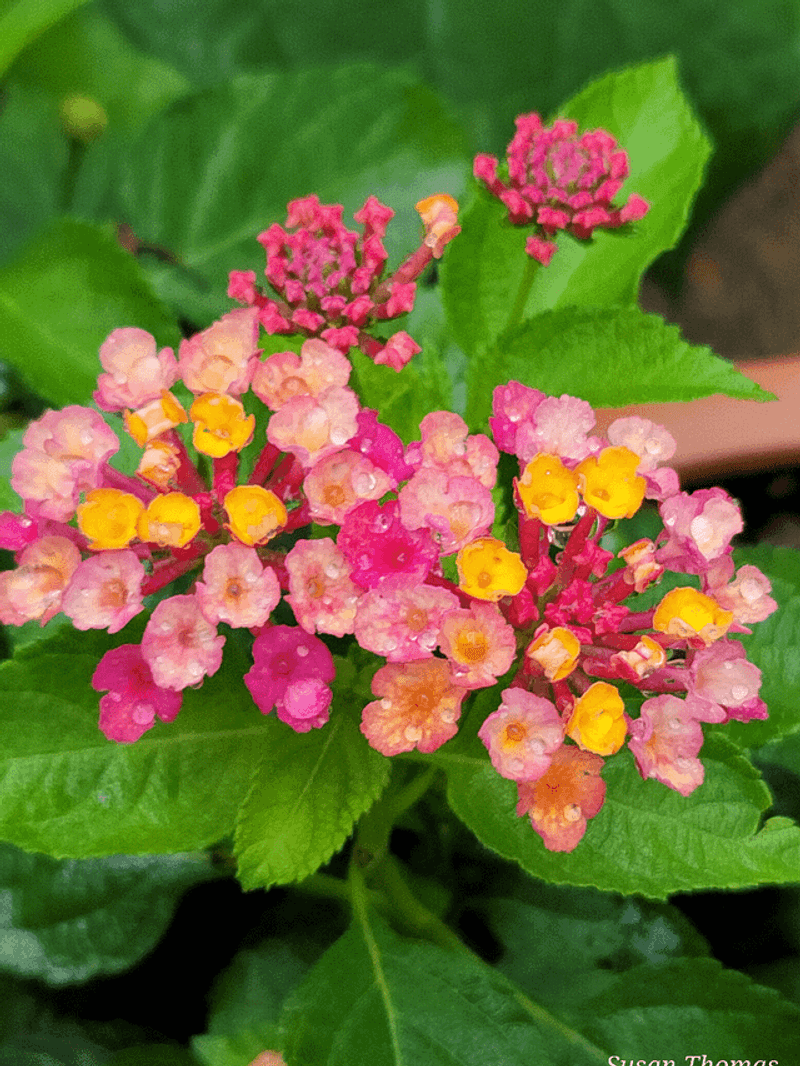
Poolside beds that catch direct sun for most of the day are actually some of the best spots in a Texas yard for lantana.
This plant genuinely thrives when it gets six or more hours of unfiltered sunlight, and the reflected light bouncing off pool water and surrounding concrete can push that sun exposure even higher on warm afternoons.
When lantana gets less light, you may notice fewer flowers and more leafy, stretched growth that looks a little leggy.
Moving a container closer to an open sunny area or choosing a bed along a south-facing pool edge can help the plant stay compact and loaded with color.
In shadier spots near covered patios or under large trees, the flower clusters tend to thin out, and the overall plant can look less vibrant.
Full sun is not a guarantee of constant blooms, but it is one of the most important conditions lantana needs to perform well through a long Texas summer.
Choosing the right location before planting saves a lot of frustration later in the season.
2. Well-Drained Soil Around The Pool Bed
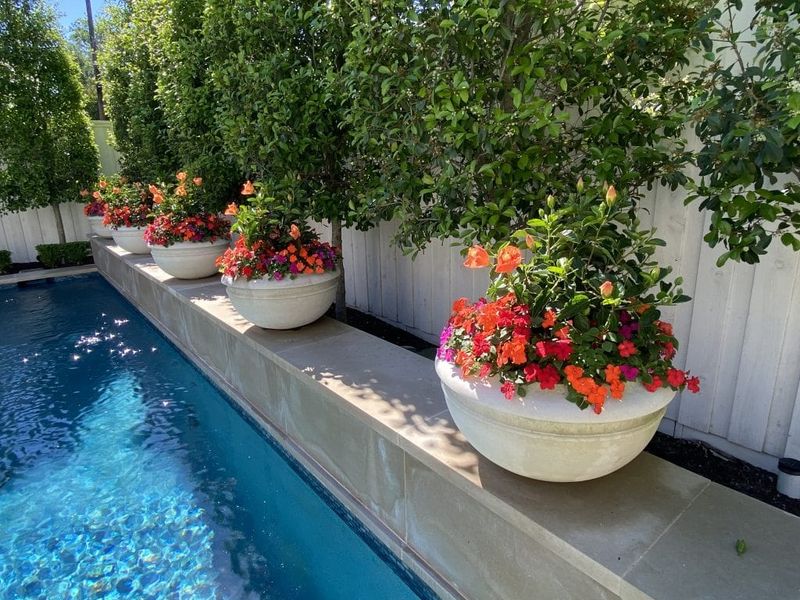
Soil near pool decks and hardscape edges tends to behave differently than soil in other parts of the yard.
Compaction from foot traffic, runoff from the deck surface, and the way water moves around concrete can all affect how quickly moisture drains away from plant roots.
Lantana strongly prefers soil that drains well and does not stay soggy after a rain or watering session.
Roots sitting in wet, heavy soil for extended periods can lead to root problems and reduced flowering, which is the opposite of what you want from a plant meant to brighten up the pool area all summer.
Before planting near a Texas pool, it helps to check how the soil behaves after a good rain. If water pools or drains very slowly, working in some coarse sand or organic compost can improve drainage noticeably.
Raised beds and containers with drainage holes are excellent options for poolside spots where the natural soil is dense or clay-heavy. Good drainage gives lantana the foundation it needs to stay healthy through the season.
Your Texas Garden Changes Every Week. Your Plan Should Too.
Gardening in Texas changes quickly throughout the season. Every Friday you’ll receive a simple weekly plan showing exactly what to plant, prune, fertilize, harvest, and protect so you never miss the right timing.
3. Steady Water While Roots Get Established
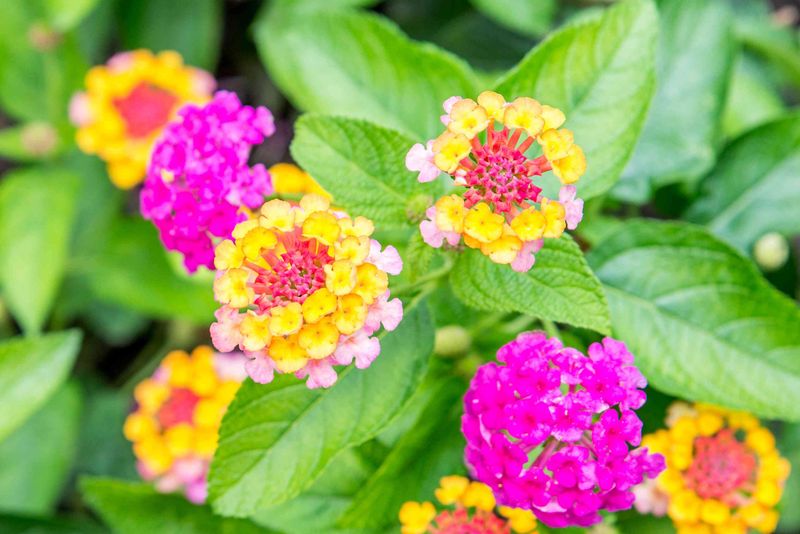
Freshly planted lantana looks deceptively tough from the start, but those first few weeks after planting are actually the most important time to pay close attention to watering.
Before roots spread out and anchor into the surrounding soil, the plant depends on consistent moisture to settle in and begin growing steadily.
In Texas summers, the combination of intense heat and fast-drying soil near pool decks and concrete means newly planted lantana can dry out faster than you might expect.
Checking the soil a few inches down every couple of days gives you a much better sense of what the plant actually needs versus what the surface looks like.
A slow, deep watering that reaches the root zone is more helpful than a quick surface rinse that evaporates before it soaks in.
Most newly planted lantana benefits from watering every few days during the first four to six weeks, though that schedule may shift depending on rainfall, temperature, and how quickly your specific soil dries out.
Once you see new growth emerging, it is usually a good sign that roots are beginning to establish and the plant is adjusting well to its new poolside home.
4. Less Frequent Watering After Establishment
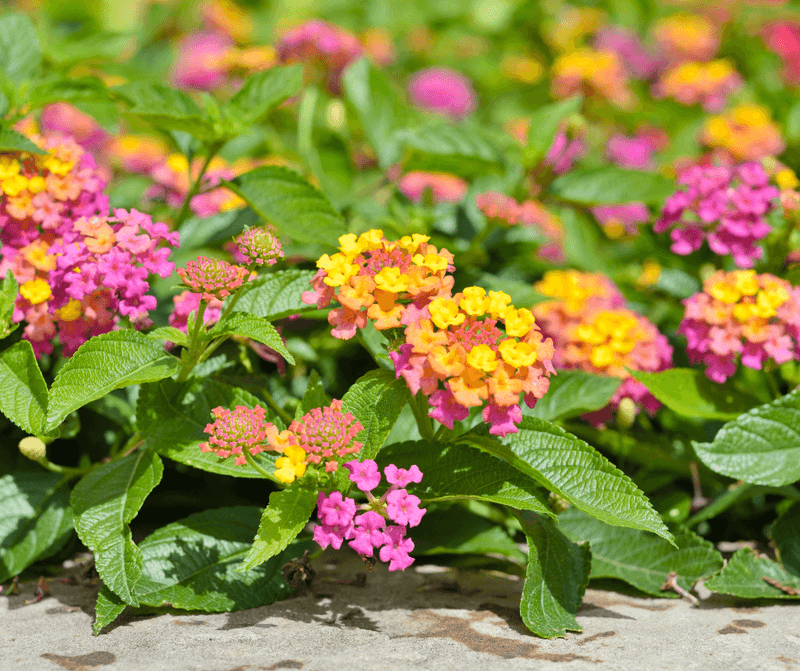
One of the most appealing things about lantana in a Texas landscape is how much more independent it becomes once its roots are settled in.
After the establishment period, which usually takes about four to six weeks depending on conditions, lantana can handle longer stretches between waterings without losing its color or energy.
Overwatering established lantana is actually a more common problem than underwatering in Texas poolside gardens. When roots stay consistently wet, the plant can look stressed, show fewer blooms, and become more vulnerable to root-related issues.
Backing off on irrigation and letting the soil dry out somewhat between waterings often encourages better flowering rather than less.
A good rule of thumb near a Texas pool is to water deeply but infrequently, perhaps once or twice a week during dry spells and less often when the area gets natural rainfall.
Checking the soil a few inches below the surface before turning on the hose helps avoid unnecessary watering.
Established lantana is well-suited to the dry, hot conditions that come with Texas summers, and trusting the plant to handle some dryness is part of working with its natural strengths.
5. Enough Space For Airflow And Mature Spread
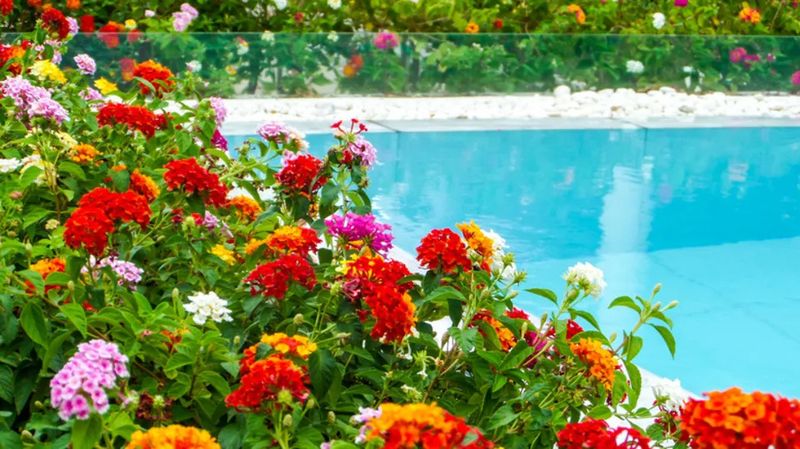
Crowding lantana into a tight poolside bed might seem like a way to get more color faster, but it often works against the plant over time.
Lantana varieties can spread two to four feet wide or more at maturity, and when plants are packed too closely together, airflow between them drops and conditions become more favorable for fungal issues and pest pressure.
Near a pool where humidity can be higher from splashing and evaporation, good spacing matters even more. Giving each plant enough room to grow outward naturally keeps the foliage drier and the stems healthier throughout the season.
Before purchasing lantana for a poolside bed, it helps to check the mature spread listed for the specific variety you are considering, since sizes vary quite a bit between compact cultivars and larger spreading types.
Planting with mature size in mind means less corrective pruning later and a bed that looks intentional rather than overgrown.
Spacing plants eighteen inches to three feet apart depending on variety is a reasonable starting point for most Texas poolside plantings. Good airflow from the beginning supports a healthier, more productive plant through the heat of summer.
6. Light Pruning To Refresh Tired Growth
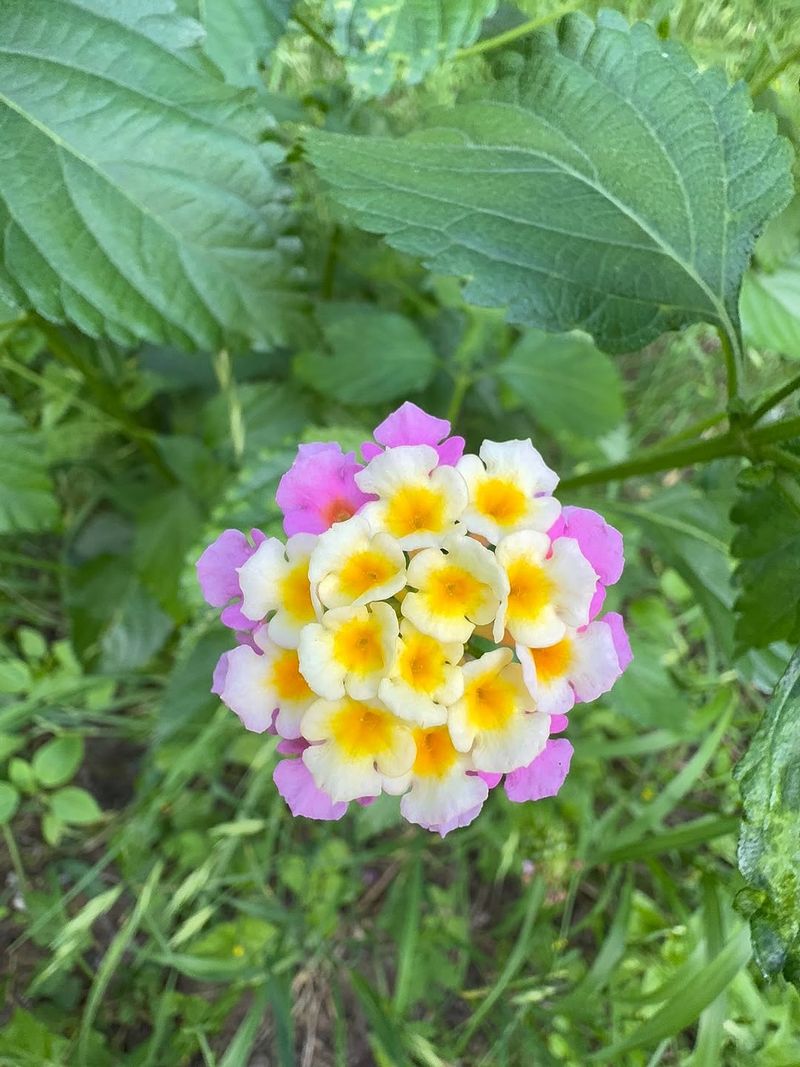
By midsummer in Texas, lantana that has been blooming steadily since spring can start to look a little worn around the edges. Stems may get long and floppy, spent flower clusters pile up, and new blooms can slow down noticeably.
A light trim at this point can do a lot to bring the plant back to life without causing stress.
The goal with pruning lantana near a pool is not to cut it back dramatically but to remove tired, spent growth and encourage fresh stems to push out.
Cutting back about one-third of the plant, focusing on the longest or most tangled stems, is usually enough to stimulate new flowering growth within a couple of weeks.
Avoid heavy pruning during the hottest part of summer when the plant is already dealing with heat stress. A gentler approach works better in those conditions.
Pruning in the early morning when temperatures are cooler reduces additional stress on the plant.
Removing the clippings from the pool area promptly is also a good habit since lantana foliage can be irritating and you do not want cuttings falling into the water or left where pets and children might contact them.
7. Careful Fertilizer Use To Avoid Leafy Growth
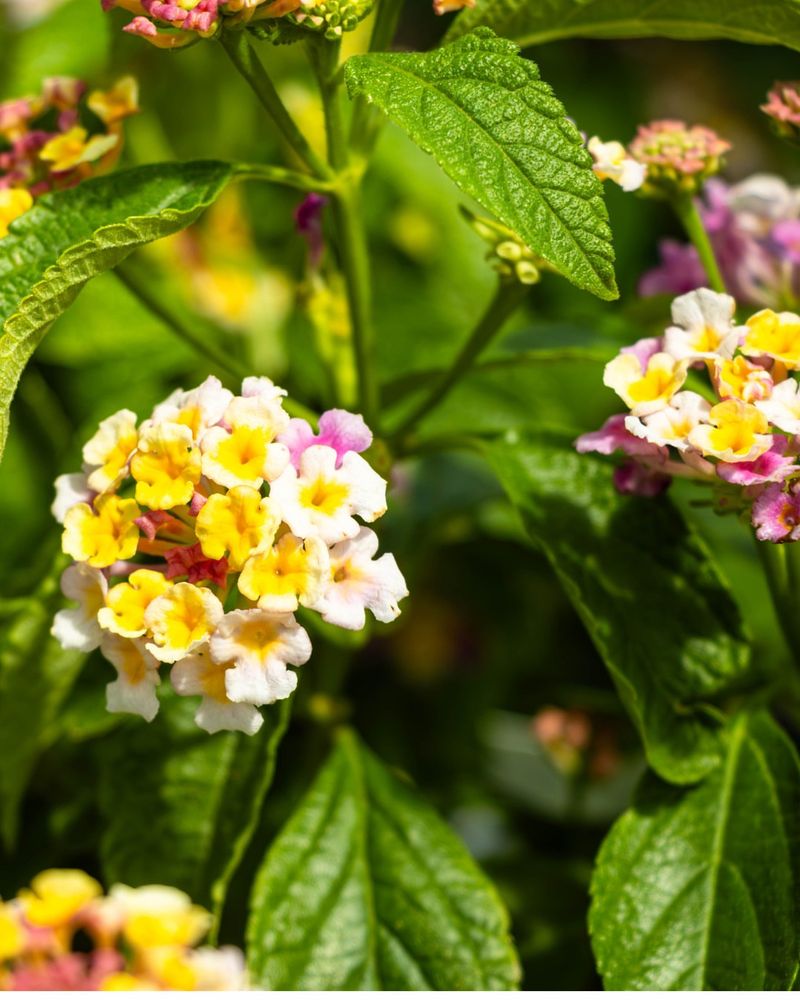
Fertilizing lantana near a Texas pool sounds straightforward, but getting it wrong can actually reduce flowering rather than improve it.
Too much nitrogen, which is the first number on any fertilizer bag, pushes the plant toward lush green leaf growth at the expense of blooms.
A bed full of big, leafy lantana with few flowers is a common result of over-fertilizing.
Lantana is not a heavy feeder, and in many Texas landscapes with reasonably decent soil, it gets by with little to no added fertilizer once established.
If the soil is genuinely poor or the plant looks pale and sluggish despite good sun and drainage, a light application of a balanced or low-nitrogen fertilizer in early summer can give it a helpful boost.
Slow-release granular fertilizers are generally easier to manage than liquid options near poolside beds because they are less likely to wash into the water during rain or irrigation.
Reading the label and applying at or below the recommended rate is a sensible approach.
Checking how the plant responds over a few weeks before deciding to fertilize again helps avoid the leafy, bloom-poor result that comes from feeding too generously or too often throughout the summer.
8. Protection From Soggy Splash Zones
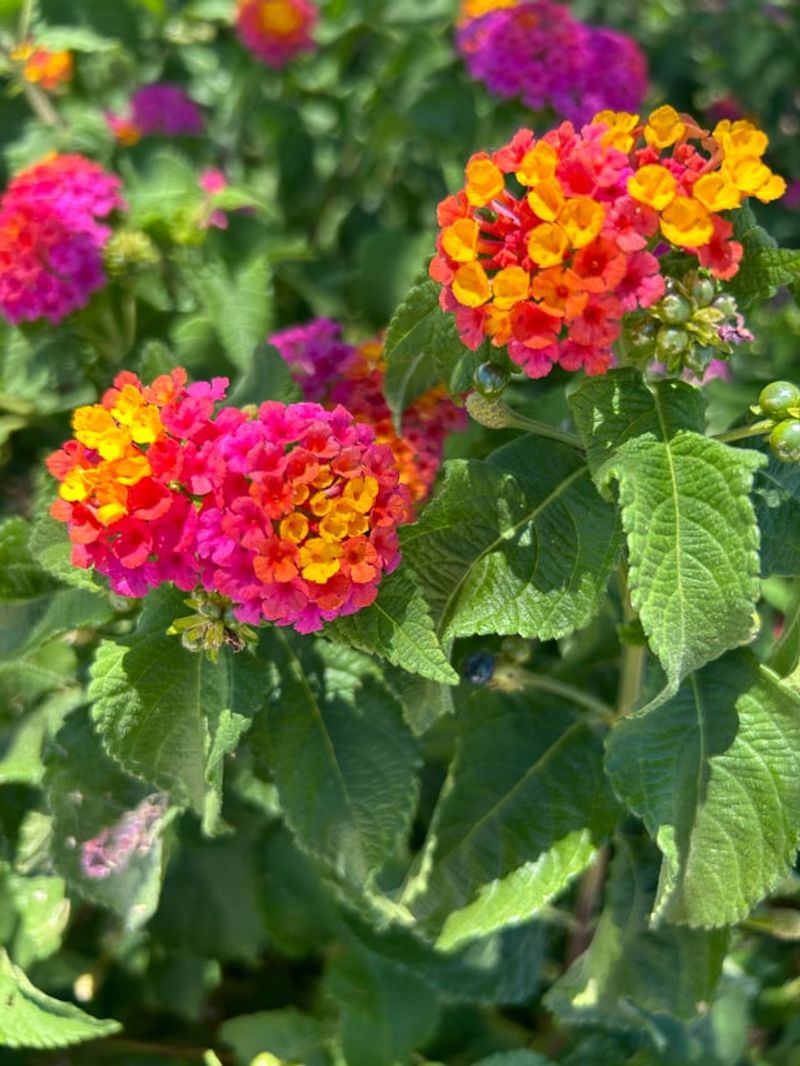
Pools are wonderful for cooling off in a Texas summer, but the areas directly beside steps, water features, and frequently used swim zones can get splashed with water more often than you might notice.
For a plant like lantana that prefers well-drained soil and dislikes sitting in excess moisture, these splash zones can create conditions that work against healthy growth.
Consistently wet soil near the pool edge can contribute to root issues and reduce the plant’s ability to flower reliably.
Choosing a planting spot that is a few feet back from the most active splash areas gives lantana a better chance of staying in the well-drained conditions it prefers.
Raised beds and containers are particularly useful tools near Texas pools because they allow you to control the soil mix and drainage regardless of what the surrounding ground is doing.
If you notice a specific bed staying wetter than expected, checking whether pool splash or irrigation runoff is contributing to the problem is worth the effort before adjusting your watering schedule.
Positioning lantana thoughtfully in relation to the pool, rather than right along the waterline, is one of the simpler ways to set the plant up for a more successful summer season.
9. A Safe Spot Away From Pets And Children
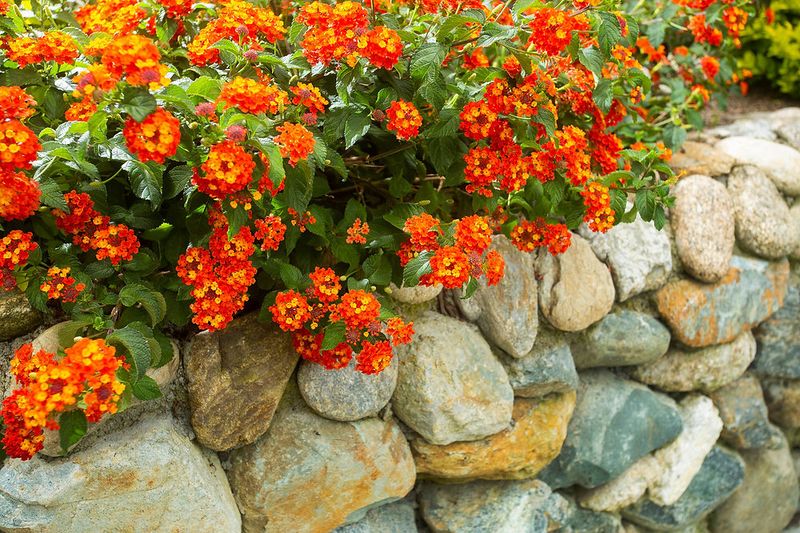
Lantana has a lot going for it as a poolside plant, but there is one important consideration that often gets overlooked during the excitement of planning a colorful summer garden.
Parts of the lantana plant, particularly the unripe berries, contain compounds that can cause problems if ingested by pets or young children.
Near a pool where families spend a lot of time outdoors, it makes sense to think carefully about where lantana is placed in relation to seating areas, grassy play zones, and spots where dogs or cats tend to roam.
Planting it in a bed that is naturally separated from high-traffic family areas, or using low decorative fencing to create a clear boundary, can reduce the chance of accidental contact.
The plant does not need to be avoided entirely, and many Texas families grow lantana successfully in yards with children and pets by simply being thoughtful about placement.
Talking to kids about not eating berries from any garden plant is also a useful habit regardless of what you are growing.
Placing lantana in a visible but somewhat separated bed, like along a back fence or in a raised planter, keeps it beautiful and accessible for viewing while reducing unnecessary risk near active outdoor living spaces.
10. Realistic Expectations During Extreme Texas Heat
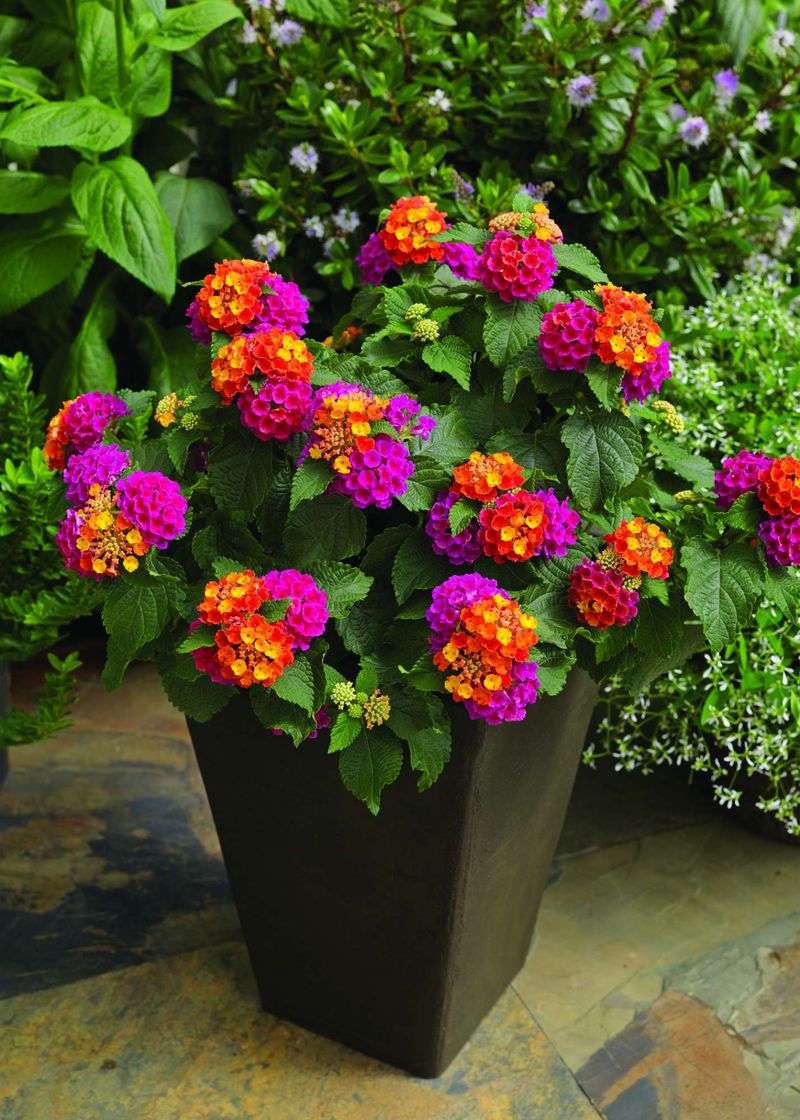
Even the toughest Texas-adapted plants have their limits, and lantana is no exception. During stretches of extreme heat when temperatures push well above 100 degrees for days at a time, lantana may slow its flowering or pause almost entirely.
This is a natural response to stress, not a sign that something has gone wrong with your care routine.
Poolside beds in Texas can get especially intense during July and August when reflected heat from the water, concrete, and surrounding hardscape adds to the already punishing air temperature.
Some flower drop or reduced bloom production during these peak weeks is normal and does not mean the plant has failed.
Keeping expectations grounded during extreme heat makes the overall experience of growing lantana much more enjoyable.
The plant often rebounds with fresh flower clusters as temperatures ease slightly in late summer and into early fall, which is one of the most rewarding things about growing it in a Texas landscape.
Staying consistent with watering during heat waves, avoiding heavy pruning when the plant is already stressed, and giving it time to recover naturally are the most practical things you can do.
Lantana near a Texas pool can still deliver a beautiful season of color, even when the weather does not cooperate perfectly.