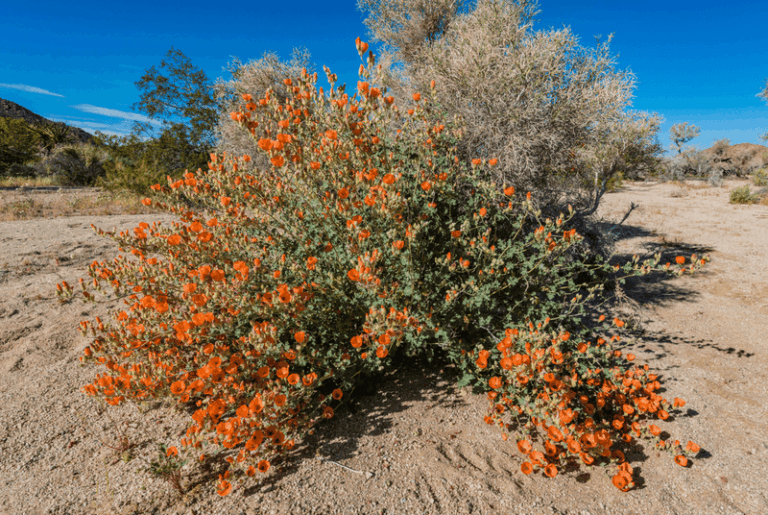
The Best Plants For Arizona Pool Areas That Stay Attractive And Never Make A Mess In The Water
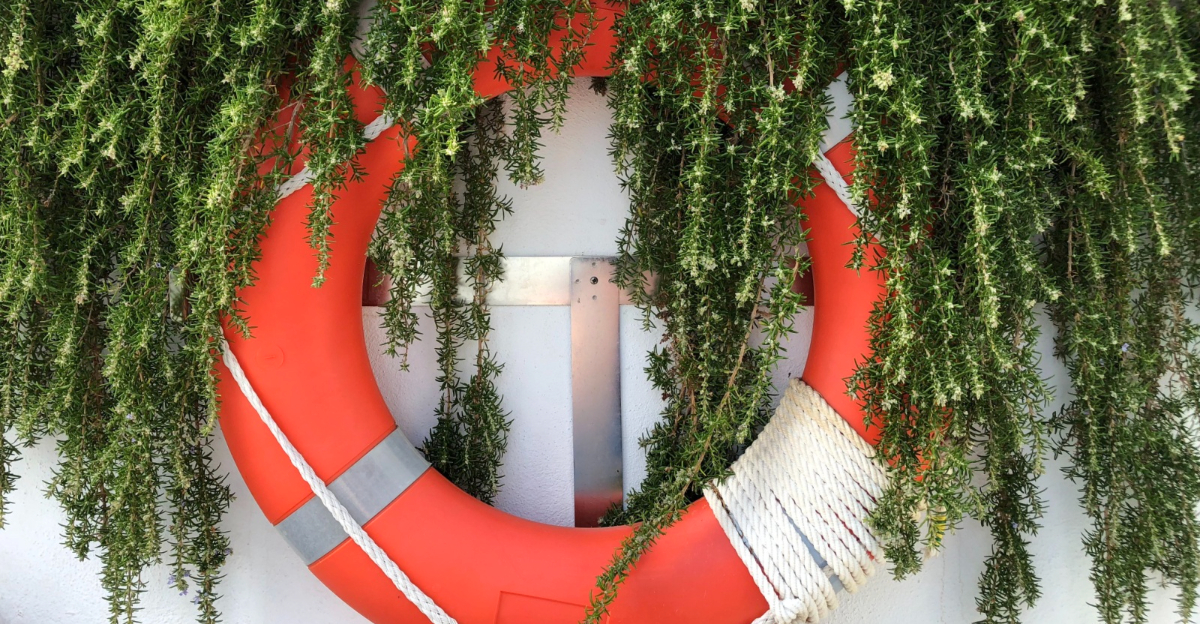
Poolside planting in Arizona sounds like a fun project right up until you realize how many things can go wrong.
The heat bouncing off the decking is intense, the reflected glare off light-colored walls is no joke, and every single plant decision comes with the looming question of how much of it is going to end up floating in the water by Friday.
Nobody wants to spend their summer afternoons skimming petals and seed pods out of the pool instead of actually enjoying it.
Choosing the right plants for an Arizona poolside space means thinking about a lot of things at once. Heat tolerance, low water needs, privacy screening, year-round appearance, and yes, how much stuff that plant is going to drop.
No plant is perfectly litter free, but some are dramatically better choices than others.
1. Jojoba Creates Clean Evergreen Poolside Screening
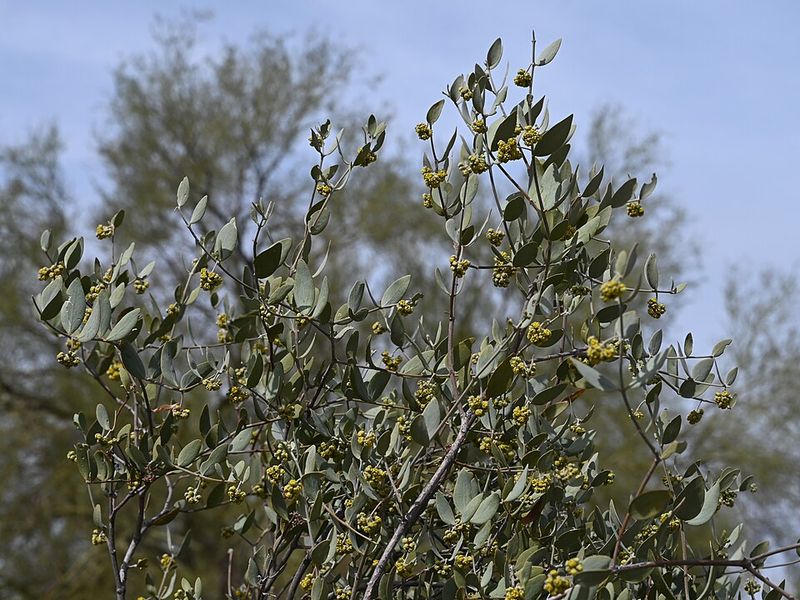
Few plants handle Arizona pool conditions as quietly and reliably as jojoba.
This dense, evergreen native shrub holds its thick, leathery leaves year-round, which means it provides consistent screening without the seasonal shedding cycles that send leaves drifting toward the water.
That steady evergreen quality makes it genuinely useful along pool perimeters where privacy matters and cleanup time is limited.
Jojoba handles reflected heat off pool decking and light-colored walls without struggling. It grows slowly enough that it rarely needs aggressive trimming, which also means fewer clippings to manage around the pool area.
Mature plants can reach six to eight feet tall, making them a practical choice for privacy edges or background screening behind raised planting beds.
Water needs are very low once established, which fits well with Arizona low-water landscaping goals.
Jojoba does produce small flowers and seeds seasonally, so placing it slightly back from the pool edge rather than directly overhanging the water is a smart move.
That small buffer keeps most seasonal drop out of the water and reduces skimming needs while still letting the plant do its screening job effectively along the poolside border.
2. Hop Bush Adds Privacy With Less Cleanup
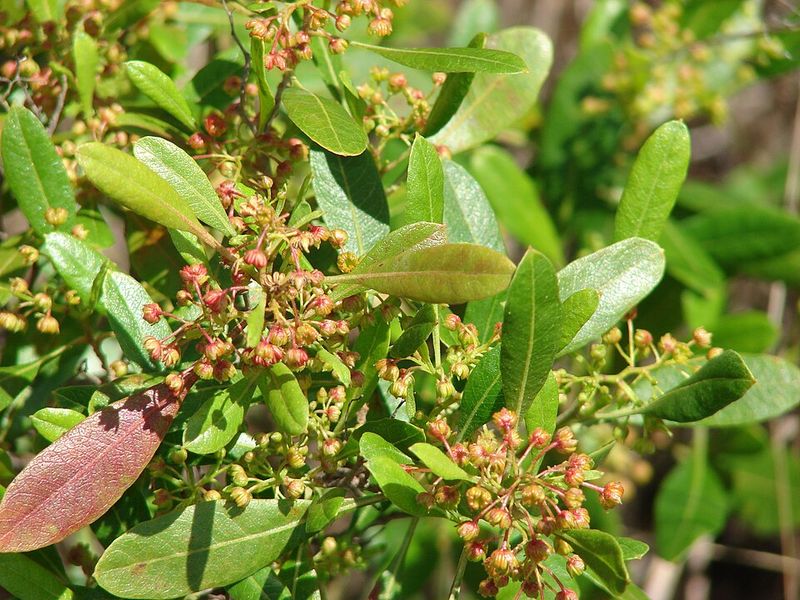
Reflected heat rolling off a sunny pool deck can stress out many plants, but hop bush takes it in stride.
This tough, upright shrub is a familiar sight in Arizona low-water landscapes, valued for its fast growth, attractive foliage, and ability to form a solid privacy screen without requiring a lot of extra care.
The purple-leaf variety adds a splash of color that looks especially striking against light pool decking.
Hop bush stays evergreen in most Arizona climates, meaning it holds its leaves through the year and keeps the poolside border looking full and attractive. It does produce papery seed pods seasonally, which are relatively lightweight and easy to manage.
Placing hop bush along a side fence line or back border rather than directly beside the water keeps most seasonal drop away from the pool itself.
Once established, hop bush needs very little supplemental water, which aligns well with Arizona water-wise landscaping goals.
Your Arizona Garden Changes Every Week. Your Plan Should Too.
Gardening in Arizona changes quickly throughout the season. Every Friday you’ll receive a simple weekly plan showing exactly what to plant, prune, fertilize, harvest, and protect so you never miss the right timing.
It can grow eight to ten feet tall with a similar spread, making it one of the more effective privacy screening options available for residential Arizona pool areas.
Occasional light trimming keeps the shape tidy and helps reduce the amount of seasonal seed pod drop near the water.
3. Little Leaf Cordia Handles Hot Poolside Reflected Sun
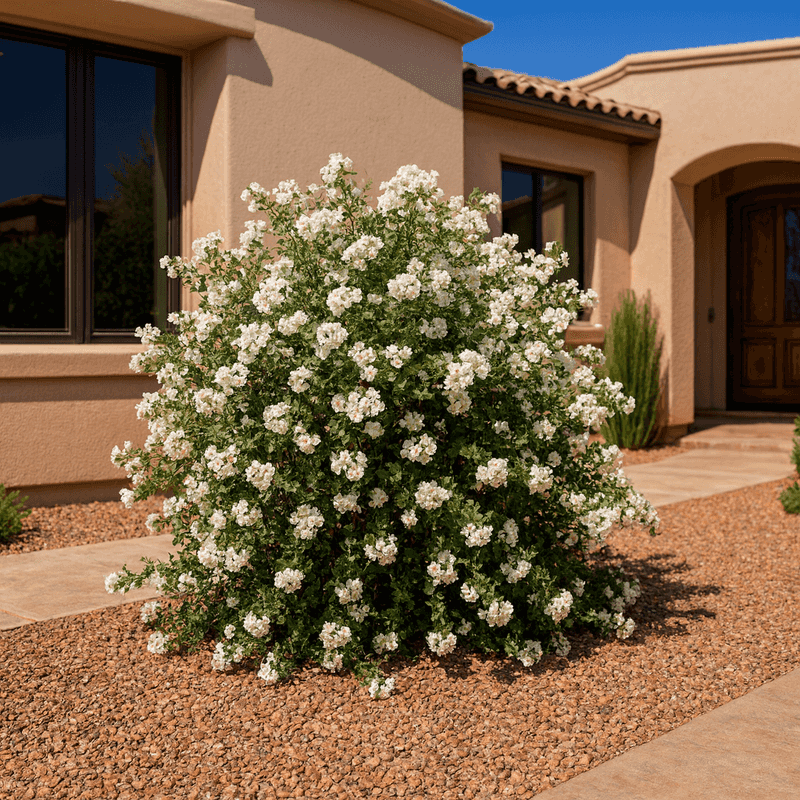
Poolside reflected sun in Arizona can be brutal, with heat bouncing off light-colored decking and walls in ways that push temperatures well beyond what most plants can handle comfortably.
Little leaf cordia is one of the few flowering shrubs that genuinely tolerates those intense reflected-heat conditions while still looking good through much of the year.
That heat tolerance alone makes it worth considering for sunny poolside planting beds.
Small white flowers appear repeatedly through warm months, adding soft color without producing large petals or heavy flower drop.
The tiny leaves are proportionally small as well, which means seasonal leaf drop near the pool is relatively minor compared to larger-leafed shrubs.
Placing little leaf cordia in a raised planter or bed slightly set back from the pool edge keeps whatever seasonal drop occurs away from the water.
This plant grows as a rounded shrub reaching roughly four to six feet in height and spread, fitting comfortably into mid-border positions in Arizona residential pool landscapes. Water needs are low to moderate once established.
It may lose some leaves during cold snaps, so in areas of Arizona that see occasional frost, a protected poolside location with good reflected warmth from walls or decking can actually work in the plant’s favor.
4. Texas Sage Brings Color With Manageable Litter
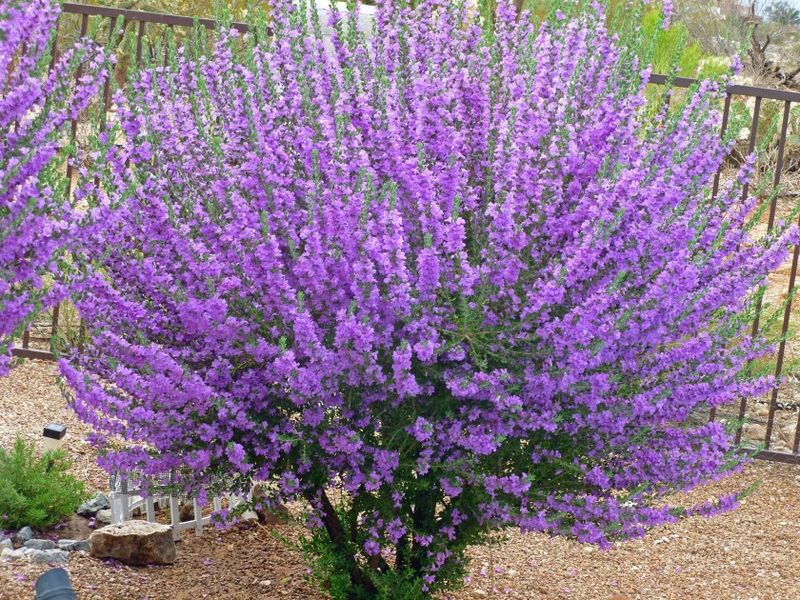
Watching Texas sage burst into brilliant purple bloom after a monsoon rain is one of those small Arizona pleasures that never really gets old.
This silvery-leafed shrub earns its place near pool areas not just for its seasonal flower show but for how cleanly it behaves between bloom cycles.
The soft, fuzzy leaves cling well to the plant, and the small purple flowers drop quickly and dry out fast, making cleanup relatively manageable.
Texas sage is extremely drought tolerant once established and thrives in full sun, including the intense reflected heat that Arizona pool areas generate.
It grows into a rounded form reaching four to six feet in height and spread, which makes it useful for mid-border placement or as a low privacy buffer along sunny pool edges.
The silvery foliage looks attractive year-round, even when the plant is not in bloom.
Placing Texas sage a few feet back from the pool edge is a reasonable approach since flower drop during peak bloom periods can be noticeable.
That small distance keeps most petals away from the water while still letting the color display be visible and enjoyed from the pool area.
Minimal pruning keeps the shape rounded and tidy, which also reduces the amount of loose material near the pool during maintenance sessions.
5. Bush Dalea Adds Soft Blooms Away From The Water
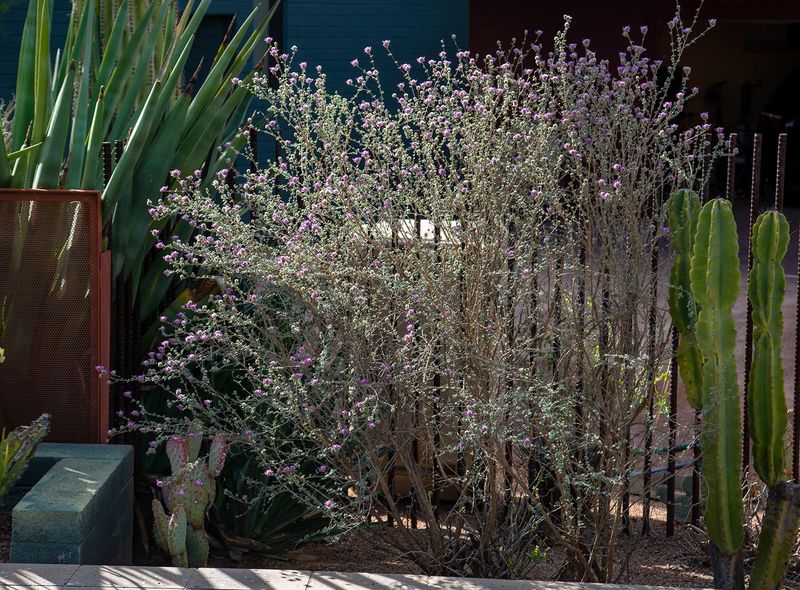
There is something genuinely appealing about the way bush dalea blooms in late summer and fall, producing clusters of small purple flowers just when many other plants in Arizona are starting to look tired from months of intense heat.
This native shrub brings soft seasonal color to poolside planting beds without the heavy flower drop that larger flowering plants can create near the water.
The blooms are small and dry out relatively quickly after falling.
Bush dalea grows to about three to four feet tall and wide, fitting naturally into foreground or mid-border positions in Arizona residential pool landscapes.
It handles full sun and reflected heat well and has very low water needs once established, making it a solid fit for low-water poolside planting beds.
The fine-textured foliage stays relatively tidy between bloom periods.
Because bush dalea does produce flowers and some seasonal seed drop, placing it in a bed that sits a comfortable distance from the pool edge is a practical choice.
That placement lets homeowners enjoy the late-season color display without worrying about constant skimming.
After the bloom period, a light trim helps tidy the plant and encourages fresh growth. For Arizona landscapes that need color in the fall without a lot of extra maintenance near the water, bush dalea fills that role nicely.
6. Pink Fairy Duster Softens Poolside Planting Beds
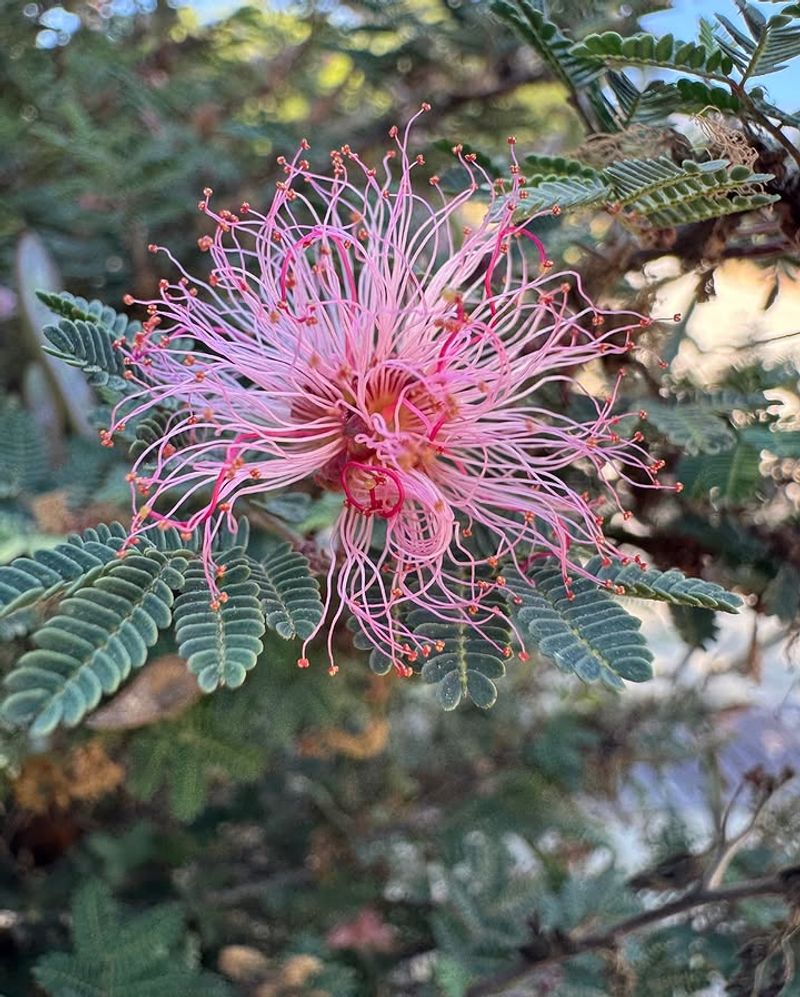
Soft, feathery pink blooms and delicate fern-like foliage give pink fairy duster a distinctly airy quality that contrasts nicely with the harder surfaces of pool decking, stone borders, and concrete walls.
This low-growing Arizona native shrub brings a relaxed, natural feel to poolside planting beds without demanding much in return.
It blooms in late winter and spring, adding color during months when many desert plants are still quiet.
Pink fairy duster stays relatively compact, typically reaching two to four feet in height and spread, which makes it a natural fit for foreground planting beds along pool edges or tucked into corners near pool steps and entry areas.
The fine-textured leaves and fluffy blooms both break down quickly if they do reach the water, which reduces the skimming burden compared to larger, waxier leaves from other shrubs.
Water needs are very low once established, and the plant handles full sun and reflected poolside heat reasonably well in most Arizona climates.
Some leaf drop can occur during dry or cold periods, so checking the plant occasionally during those times and tidying the surrounding bed keeps the poolside area looking neat.
For Arizona homeowners who want something that feels softer and more naturalistic near the pool rather than strictly formal, pink fairy duster is a genuinely appealing option.
7. Deer Grass Brings Texture Without Heavy Drop
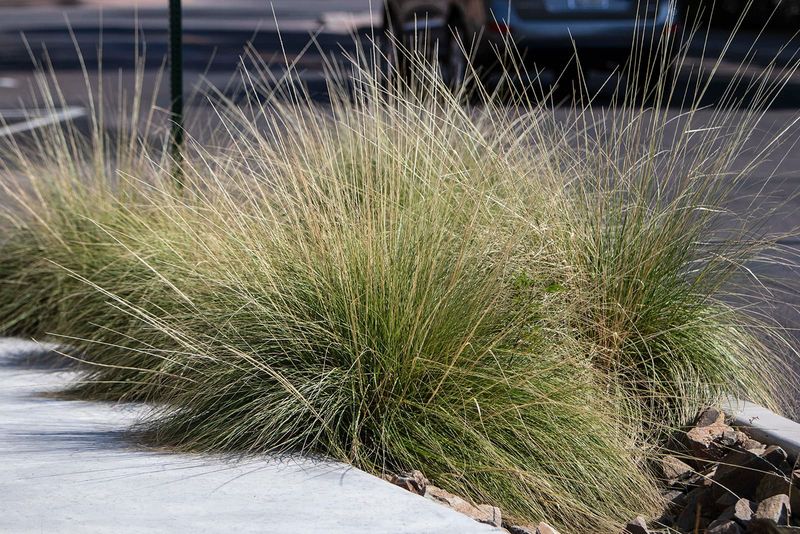
Ornamental grasses can be tricky near pools because many varieties shed seeds, long blades, or fluffy plumes that end up floating on the water surface.
Deer grass stands out as one of the better options for Arizona pool landscapes because it forms a tight, arching clump with relatively contained seasonal drop compared to many other ornamental grasses.
The graceful, fountain-like form adds texture and movement to poolside planting beds without looking out of place in a desert setting.
Deer grass is a California and Arizona native that handles full sun, reflected heat, and low-water conditions well once established.
It grows to roughly three to four feet tall and wide, making it a useful mid-border plant or a natural transition between taller screening shrubs and lower groundcovers along pool edges.
The warm tan seed stalks that emerge in summer add seasonal interest without producing heavy litter.
Cutting the clump back once a year, typically in late winter before new growth begins, keeps deer grass looking fresh and prevents the buildup of old brown material in the center of the plant.
That single annual maintenance step is straightforward and keeps the poolside bed looking tidy.
For Arizona homeowners who want natural texture near the water without dealing with constant grass blade cleanup, deer grass is one of the more practical ornamental grass choices available.
8. Red Yucca Adds Structure And Flower Stalks
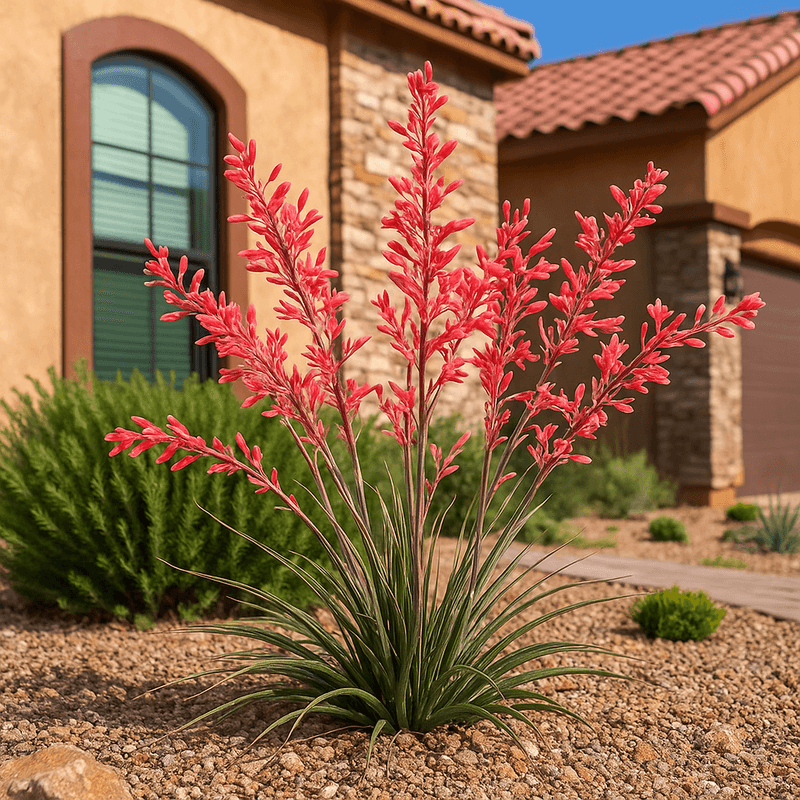
Bold, arching strap-like leaves and tall coral-red flower stalks make red yucca one of the more visually striking plants available for Arizona pool landscapes. Despite the dramatic look, this plant is surprisingly easy to manage near a pool.
The leaves are soft and flexible rather than sharp or stiff, which makes it much safer around pool areas than true yuccas or agaves with rigid, pointed tips. That softer leaf quality is a meaningful practical advantage in a space where people walk barefoot.
Red yucca blooms in spring and summer, sending up slender stalks loaded with tubular coral flowers that attract hummingbirds.
The stalks can reach four to five feet tall and are easy to remove after the bloom period ends, which keeps the plant looking tidy and prevents dry stalk material from accumulating near the pool.
The base foliage forms a low clump roughly two to three feet tall and wide.
Water needs are very low once established, and red yucca handles full sun and Arizona reflected heat without complaint.
Placing it in a raised planter or decorative bed slightly set back from the pool edge makes stalk removal easier and keeps most seasonal flower drop away from the water.
For poolside beds that need year-round structure with reliable seasonal color, red yucca delivers both without creating a heavy maintenance burden.
9. Blackfoot Daisy Brightens Sunny Pool Edges
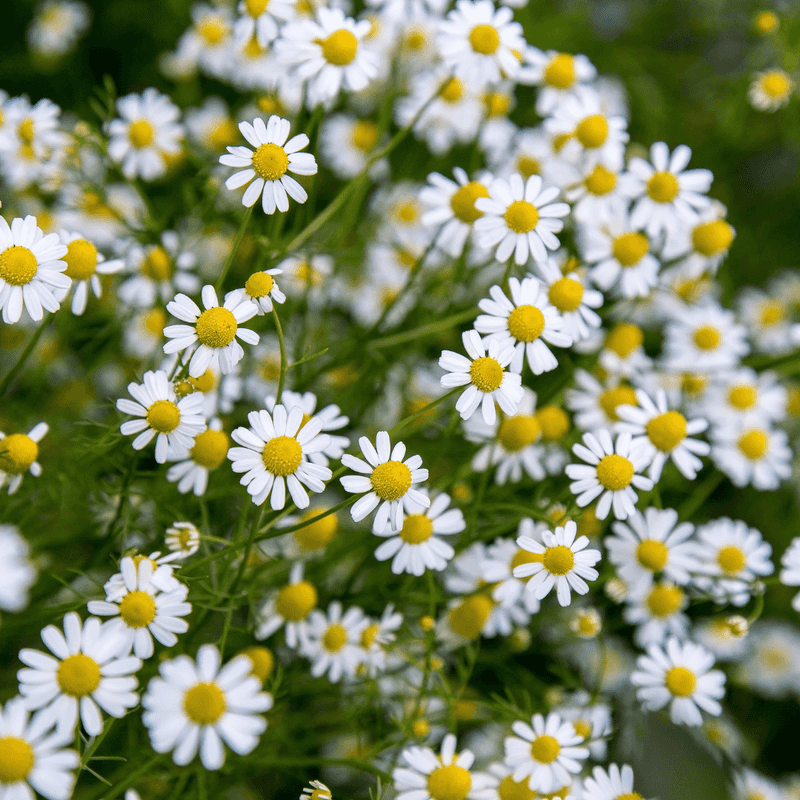
Small, cheerful white flowers with yellow centers bloom almost continuously on blackfoot daisy through the warmer months, making it one of the more reliably colorful low-growing plants available for sunny Arizona pool edges.
The plant stays compact, typically reaching one to two feet tall and slightly wider, which fits naturally into foreground planting beds, raised poolside planters, or along the borders of pool decking where a low, neat edge plant is needed.
Blackfoot daisy is native to the Southwest and handles full sun, dry conditions, and reflected poolside heat well once established.
The small flowers and fine foliage produce minimal litter, and what does fall near the pool is light and easy to manage with a quick sweep or rinse of the decking.
That low-litter quality makes it one of the more pool-friendly flowering plants for Arizona residential landscapes.
Good drainage is important for blackfoot daisy, and raised planters or well-amended poolside beds with gravel mulch tend to suit it well. Occasional light trimming after heavy bloom periods keeps the plant tidy and encourages fresh flowering.
For Arizona homeowners who want consistent color near the pool without dealing with large petals, sticky sap, or heavy flower drop, blackfoot daisy brings a lot of visual reward for very little extra maintenance near the water.
10. Trailing Rosemary Spills Over Raised Poolside Borders
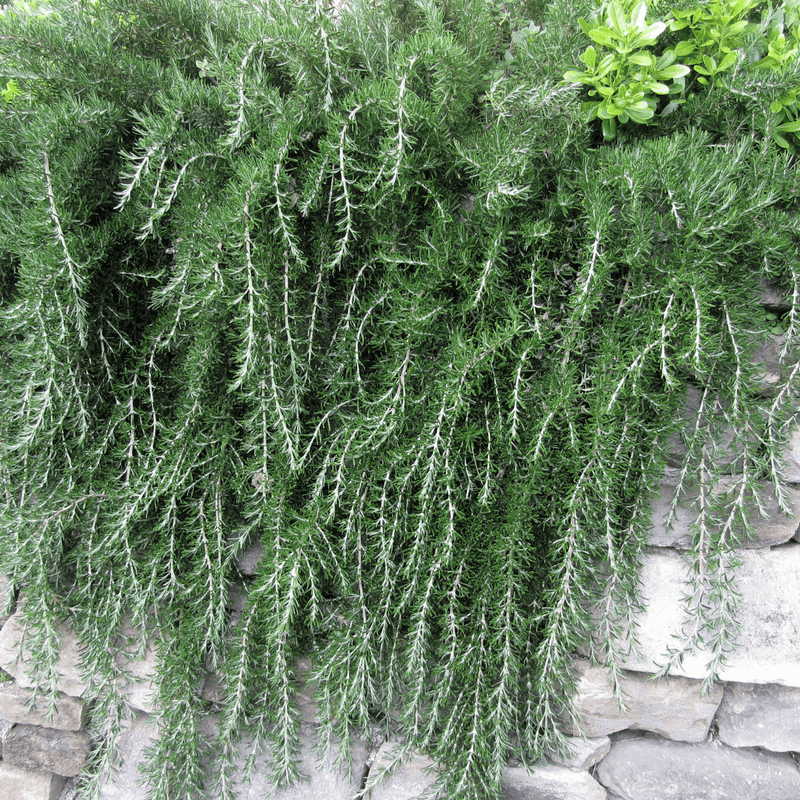
Raised planters and low stone borders are common features in Arizona pool landscapes, and trailing rosemary fills those spaces with a graceful, cascading habit that few other low-water plants can match.
The long, arching stems spill naturally over the edges of raised beds and retaining walls, softening hard pool decking lines with dense evergreen foliage and small blue-purple flowers that appear during cooler months.
The visual effect is relaxed and attractive without looking overgrown.
Trailing rosemary handles full sun and reflected heat well and has very low water needs once established, fitting comfortably into Arizona water-wise poolside landscapes.
The small needle-like leaves stay firmly attached to the stems and do not shed heavily, which keeps litter near the pool minimal.
When flowers do drop, they are tiny and dry out quickly, making cleanup around the pool decking straightforward.
Occasional trimming keeps trailing rosemary from spreading too far across pool decking and maintains the cascading shape that makes it so useful along raised borders.
The aromatic foliage is a pleasant bonus near a pool area, releasing a mild herbal scent when brushed or trimmed.
For Arizona homeowners looking for an evergreen, low-litter plant that softens the edges of raised poolside borders while staying attractive year-round, trailing rosemary is a practical and visually appealing choice.