The Trees That Drop More Mess Than California Homeowners Expect
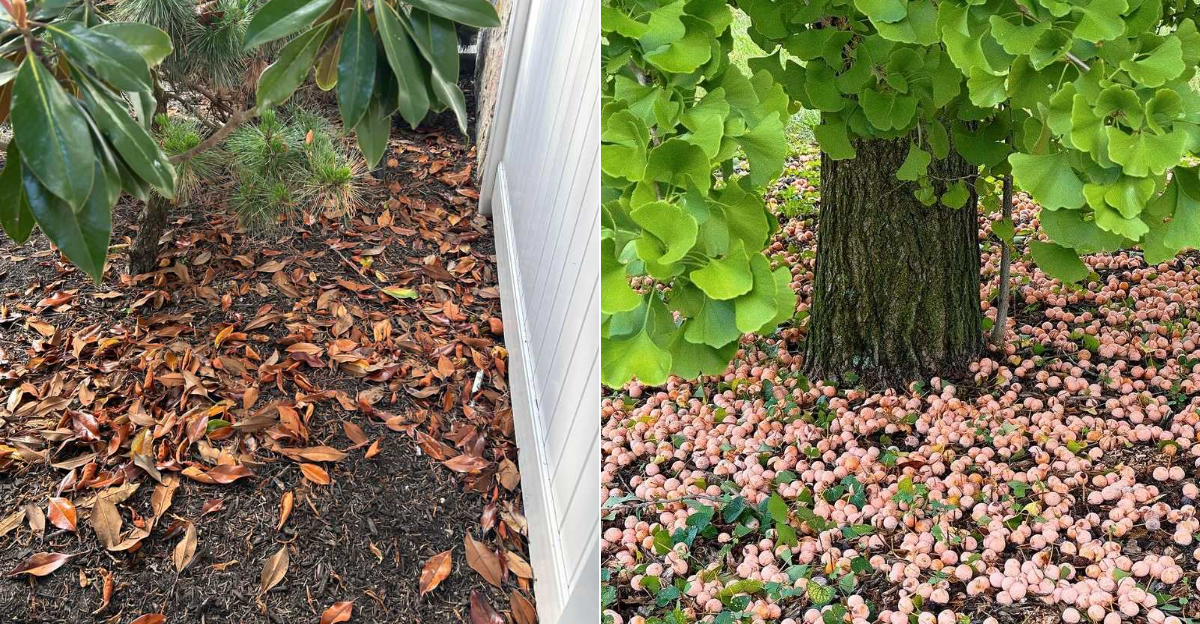
A tree can look perfect at the nursery, then surprise you once it settles near a driveway or patio. California homeowners often focus on shade, flowers, or fast growth, but the cleanup side matters too.
Certain trees can drop more than people expect during the year. That mess may land in gutters, stain walkways, or make outdoor seating areas harder to enjoy.
The problem is not always obvious at planting time. A tree may seem neat while young, then become a bigger chore as it matures.
Placement makes a huge difference. What works in a back corner may be annoying beside a pool or front path.
Before choosing a tree for a small yard or busy area, it helps to know which ones come with extra cleanup.
1. Jacaranda
Few trees in California turn heads quite like the jacaranda. Those bright purple blooms look stunning from a distance, almost like something out of a painting.
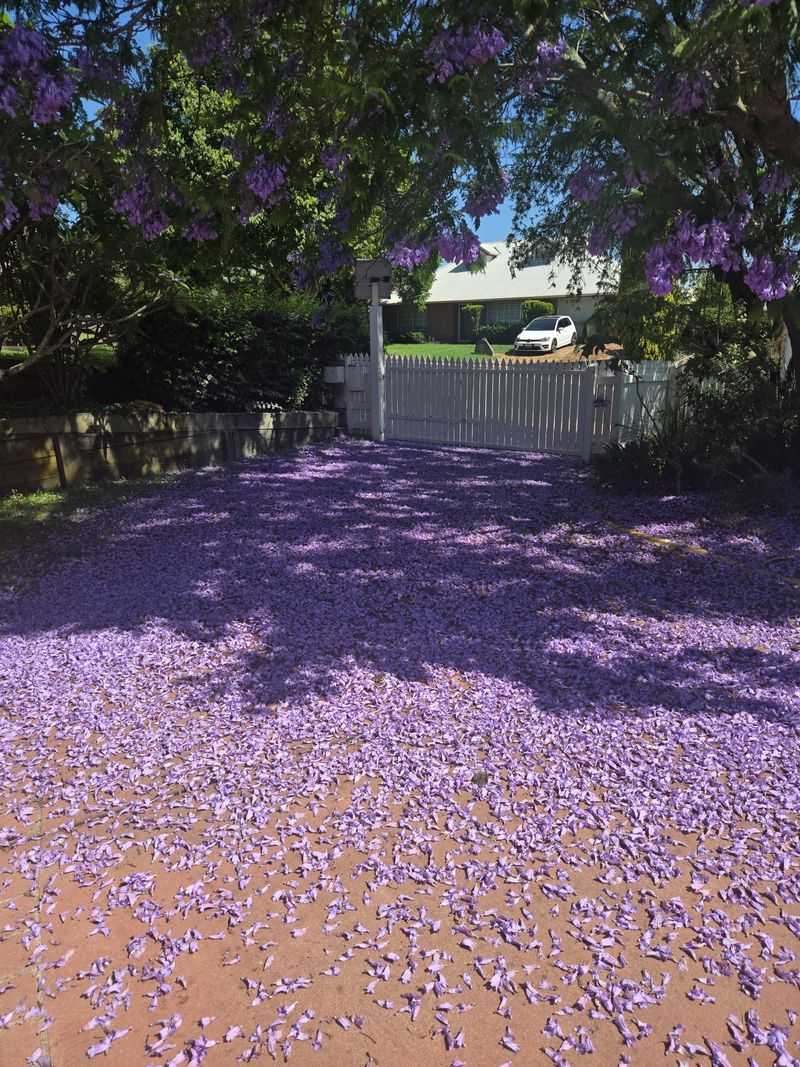
But anyone who has parked under one knows the truth. When jacarandas bloom in late spring and early summer, they drop thousands of small purple flowers. The petals pile up fast on driveways, sidewalks, and cars.
They turn into a slippery, sticky paste when wet, which can be a real hazard on hard surfaces.
After the flowers fall, the seed pods take over. These flat, woody discs are tough and do not break down quickly.
They can clog gutters and get stuck in lawn mowers. Some homeowners say they feel like they are constantly raking.
The roots of jacarandas can also be aggressive. They sometimes lift sidewalks or crack driveways over time.
Planting one too close to a structure is a decision many people regret later.
If you love the look of a jacaranda, plant it away from driveways and parking areas. A weekly cleanup during bloom season is a must.
Using a leaf blower after a dry day makes the job much easier than waiting for rain to paste the petals down.
2. Liquidambar / Sweetgum
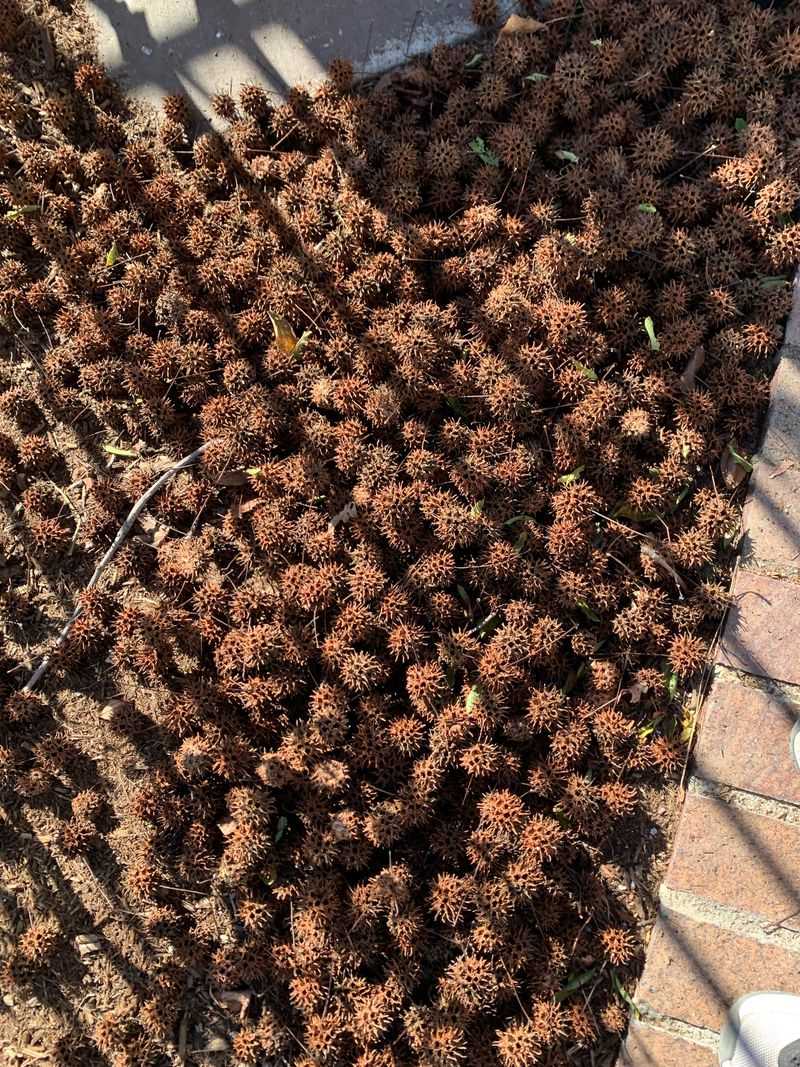
Step on one of these in bare feet and you will never forget it. The sweetgum, also called liquidambar, produces spiky brown seed balls that cover the ground by the hundreds.
They are hard, pointy, and almost impossible to rake cleanly.
These trees are popular in our state because of their gorgeous fall color. The leaves turn shades of red, orange, purple, and yellow.
It is one of the best fall displays you can find in a region that does not always get dramatic seasonal changes.
But the seed balls, called gumballs, are a serious problem. They roll under feet and can cause falls.
Lawn mowers hate them. They get stuck in gutters and drainage pipes. Some homeowners collect buckets of them every single week during fall and winter.
The leaves also drop in huge quantities. Because the tree holds its leaves late into the season, you may still be raking in January. That is a long cleanup window for one tree.
Some nurseries now sell fruitless varieties of sweetgum that produce far fewer seed balls. If you are set on having one in your yard, look for those options.
Your California Garden Changes Every Week. Your Plan Should Too.
Gardening in California changes quickly throughout the season. Every Friday you’ll receive a simple weekly plan showing exactly what to plant, prune, fertilize, harvest, and protect so you never miss the right timing.
For existing trees, a growth regulator spray applied during bloom can reduce seed production by a large amount.
3. Southern Magnolia
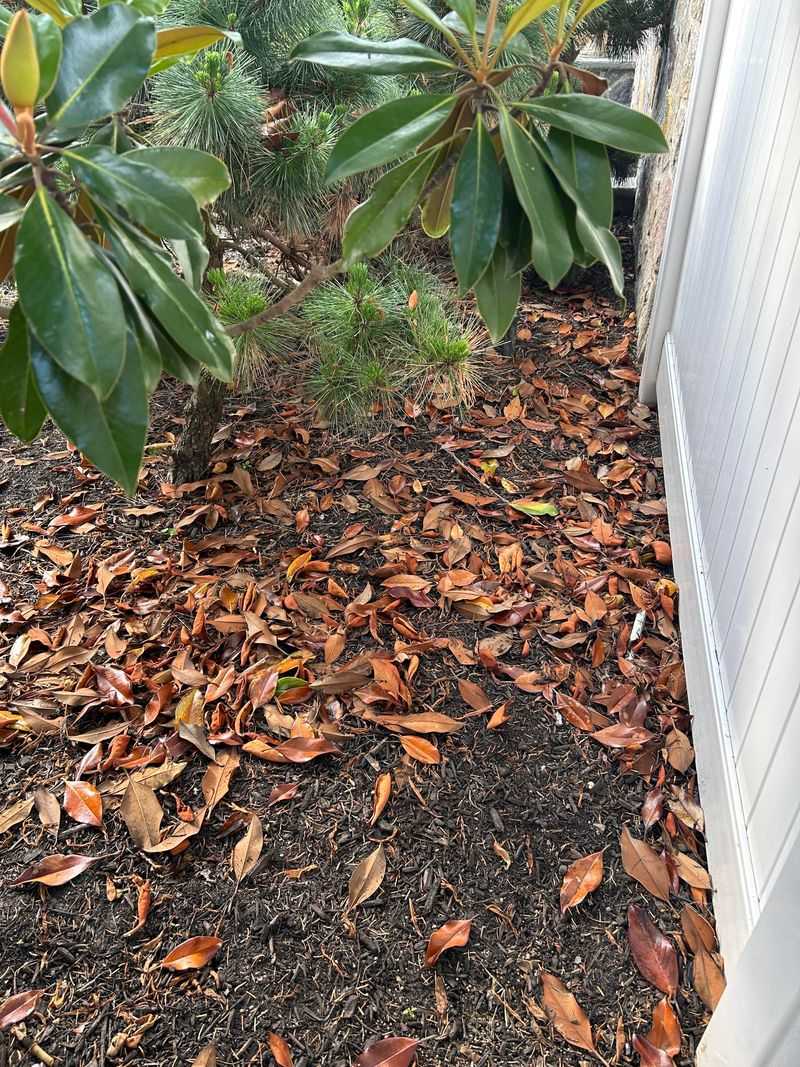
Southern magnolias look like something from a classic Southern estate. Their large, waxy white flowers are beautiful and fragrant.
Many California homeowners plant them dreaming of shade and elegance, but the maintenance reality is something else entirely.
These trees are evergreen, which sounds like a plus. But evergreen does not mean they never drop leaves.
Magnolias shed their old leaves constantly throughout the year. Unlike deciduous trees that drop all at once, magnolias keep you busy every single month.
The fallen leaves are thick, leathery, and slow to break down. They smother grass and can block water from reaching plant roots.
They do not compost quickly, so they pile up fast if you are not on top of them.
On top of the leaf drop, magnolias produce large, cone-like seed pods that split open to reveal bright red seeds. These pods fall and scatter seeds across the yard.
Birds love them, which means seeds get spread even further.
The tree also drops flower petals, which turn brown and slimy when wet. During bloom season, the ground under a magnolia can look like a soggy mess.
Regular raking and mulching around the base can help manage the leaf buildup. A good leaf vacuum makes the job much faster than a standard rake.
4. Olive
Olive trees have a timeless, Mediterranean look that fits perfectly in our state’s warm, dry climate. They are drought tolerant, long-lived, and undeniably beautiful.
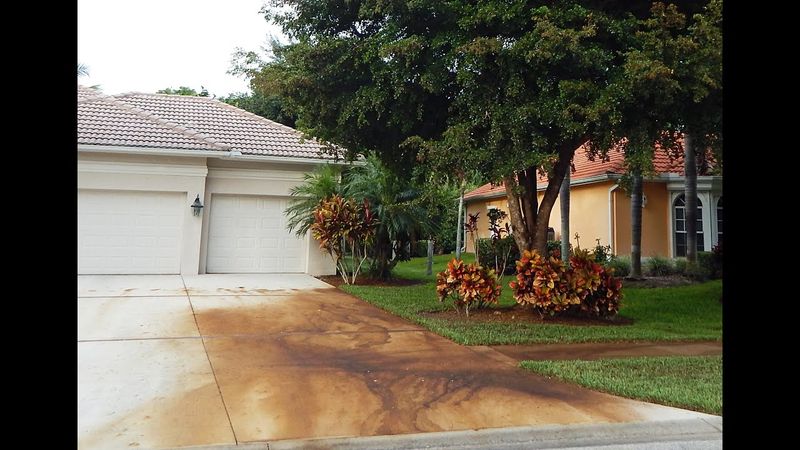
But if your olive tree produces fruit, you are in for a messy surprise every fall. Ripe olives fall from the tree and stain everything they touch. Driveways, sidewalks, patios, and even cars can end up covered in dark purple smears.
The stains are stubborn and can be very hard to remove from concrete or pavers.
Fallen olives also attract pests. Flies, wasps, and other insects swarm around rotting fruit on the ground.
The smell of fermenting olives is not pleasant either. Neighbors have been known to complain when a large olive tree drops a heavy crop nearby.
Many cities in California actually ban the planting of fruiting olive trees because of allergy concerns and mess. The pollen from olive trees is also a major allergy trigger for many people.
Fruitless olive varieties exist and are widely available, making them a smarter choice for most yards.
If you already have a fruiting olive, consider having it treated with a fruit-elimination spray during bloom. Applying it at the right time each spring can stop most of the fruit from forming.
Regular sweeping during drop season also helps prevent staining before it sets in.
5. Mulberry
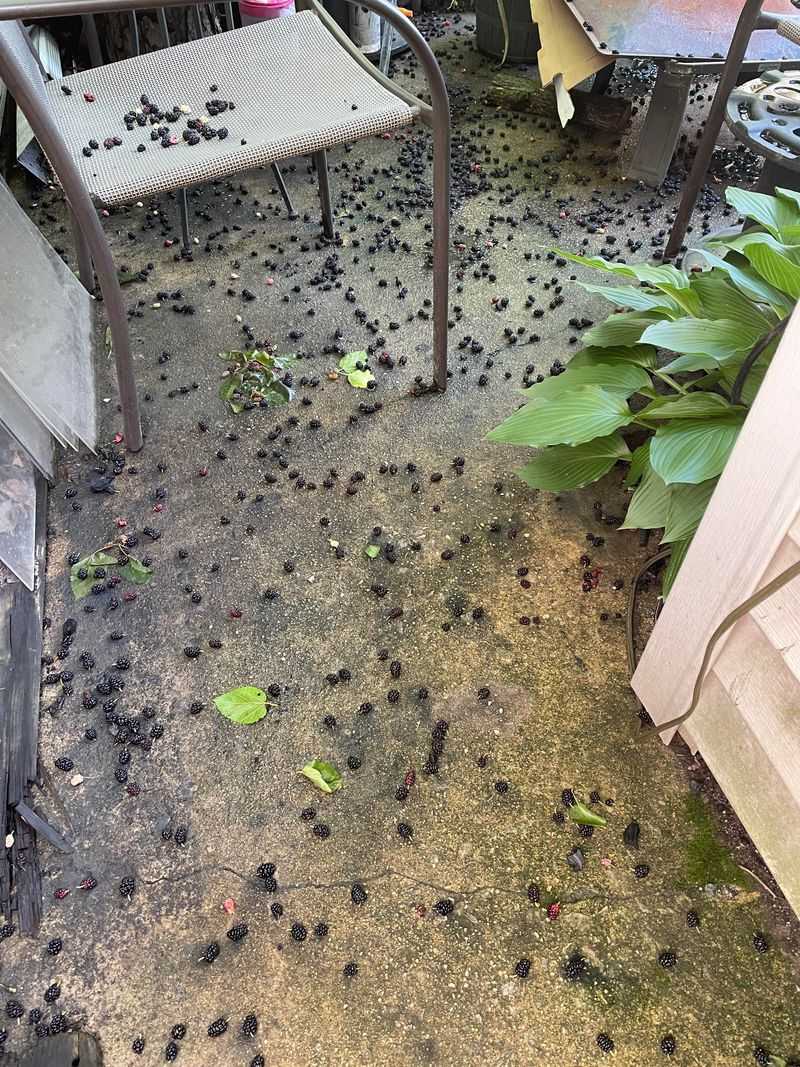
Mulberry trees grow fast, provide great shade, and produce fruit that birds absolutely love. That last part is exactly where the trouble starts.
When mulberries ripen, they fall in massive numbers and stain everything a deep, dark purple.
The stains from mulberry fruit are intense. They can permanently mark concrete, stone, and wood surfaces if not cleaned up quickly.
Cars parked under a mulberry tree during fruit season often end up with stained paint and hoods covered in bird droppings from all the feathered visitors.
Birds eat the berries and then deposit the seeds across your yard and your neighbor’s yard. This leads to mulberry seedlings popping up in gardens, cracks in pavement, and flower beds.
Controlling those seedlings takes real effort over time. Fruitless mulberry varieties were actually developed right here in our state decades ago, specifically to solve this problem.
They grow just as fast and provide the same great shade without the fruit mess.
Many older neighborhoods still have the fruiting kind, planted before the fruitless option was available.
If you have a fruiting mulberry, lay down tarps or old sheets during peak drop season to catch the fruit before it hits hard surfaces.
Hosing down the area daily during the heavy drop weeks can prevent deep staining. Pruning back the canopy also reduces the total fruit load each year.
6. Female Ginkgo
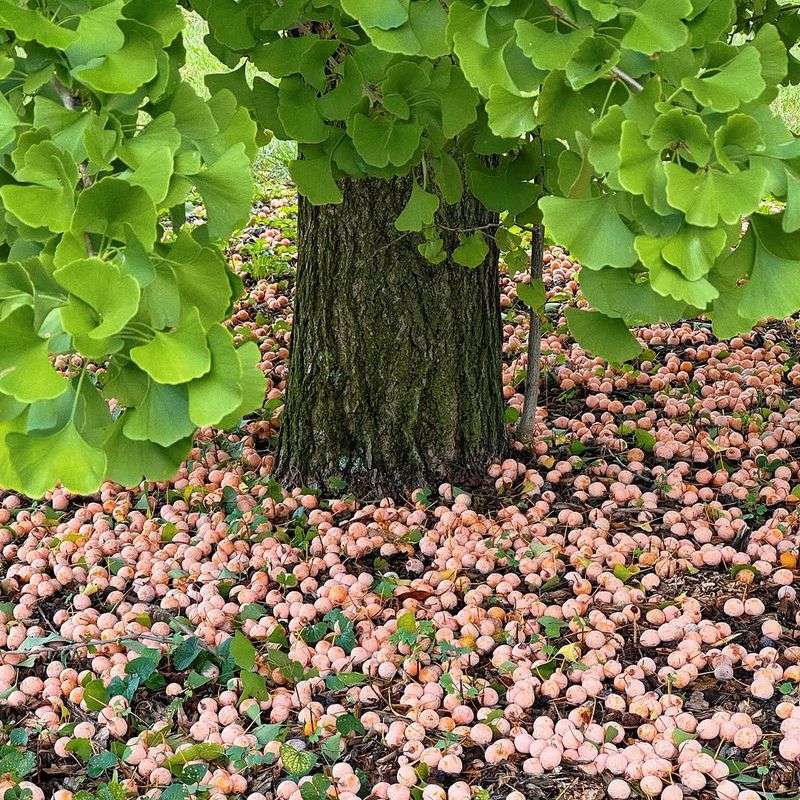
Ginkgo trees are ancient. They have been on Earth for over 200 million years, surviving ice ages and mass extinctions.
The fan-shaped leaves turn a brilliant gold in fall, making them one of the most photographed trees of the season. But the female ginkgo has a secret weapon that nobody wants.
Female ginkgo trees produce small, fleshy fruits that smell absolutely terrible when they fall and begin to rot. Most people describe the smell as rotten butter, vomit, or dirty gym socks.
It is one of the most offensive odors in the plant world, and it can linger for weeks.
The smell comes from butyric acid inside the fruit. Walking through fallen ginkgo fruit can transfer the smell to your shoes and then into your home.
Some people also develop skin rashes from handling the seeds without gloves.
The problem is that you often cannot tell if a ginkgo is male or female until it is old enough to fruit, which can take 20 or more years. Many homeowners plant one not knowing what they have until the smell hits one autumn.
Male ginkgo trees do not produce fruit and are completely mess-free aside from leaf drop. If you want a ginkgo, always buy a grafted male variety from a reputable nursery. That one small step saves you from a very unpleasant surprise down the road.
7. Fruitless Pear / Ornamental Pear
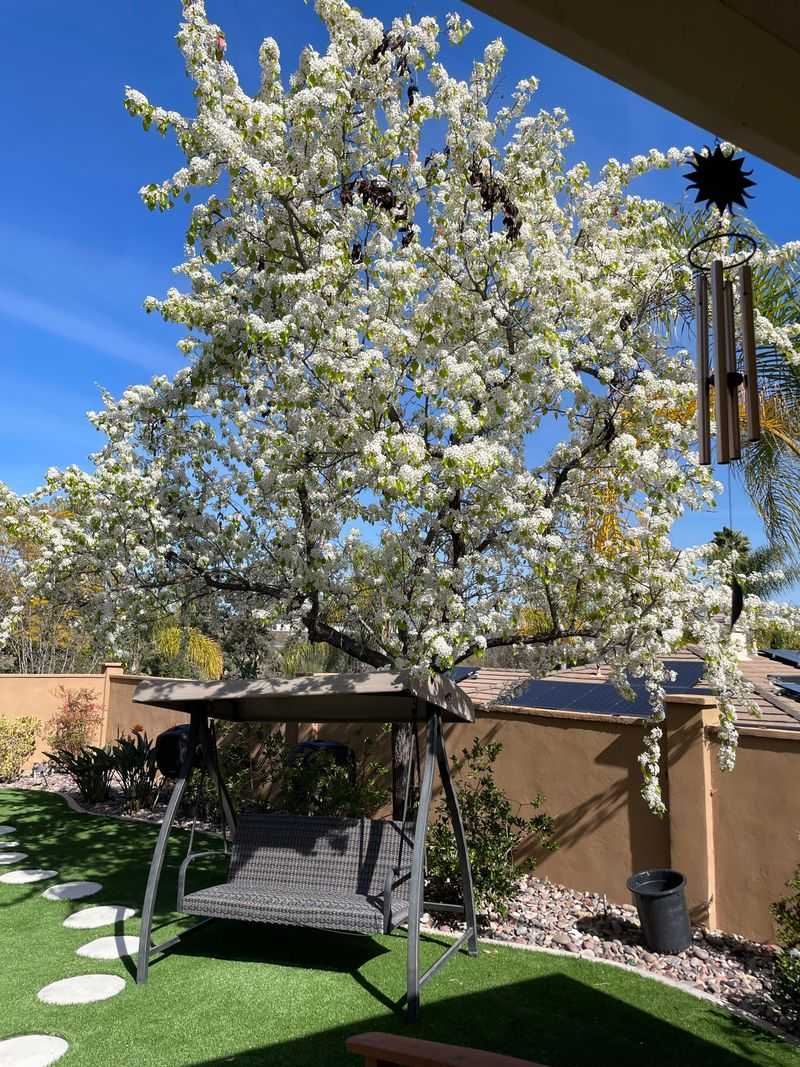
Ornamental pear trees were once considered the perfect street tree. They bloom with clouds of white flowers in early spring, grow to a tidy shape, and turn red in fall.
For a while, they were planted everywhere across our state. Then the problems started showing up.
Despite being called fruitless, many ornamental pear varieties do produce small, hard fruits. Birds eat them and spread seeds widely.
In some parts of the country, ornamental pears have become invasive because of this. Our state is watching the same trend unfold in certain areas.
The white flowers, while pretty, have a strong and unpleasant smell that many people compare to fish or rotting meat. When the trees are in full bloom along a street, the odor can be noticeable from quite a distance.
It is not the romantic spring scent most homeowners expect.
The tree’s structure is also a problem. Ornamental pears have very tight, upright branch angles that make them prone to splitting in storms.
A large branch falling can cause serious damage to fences, cars, or roofs.
Fallen flower petals create a slippery layer on sidewalks and driveways during bloom season. Small fruits add to the cleanup later in the year.
If you have one, regular pruning to open up the canopy can reduce wind resistance and lower the risk of branch failure during heavy rain or wind events.
8. California Pepper Tree
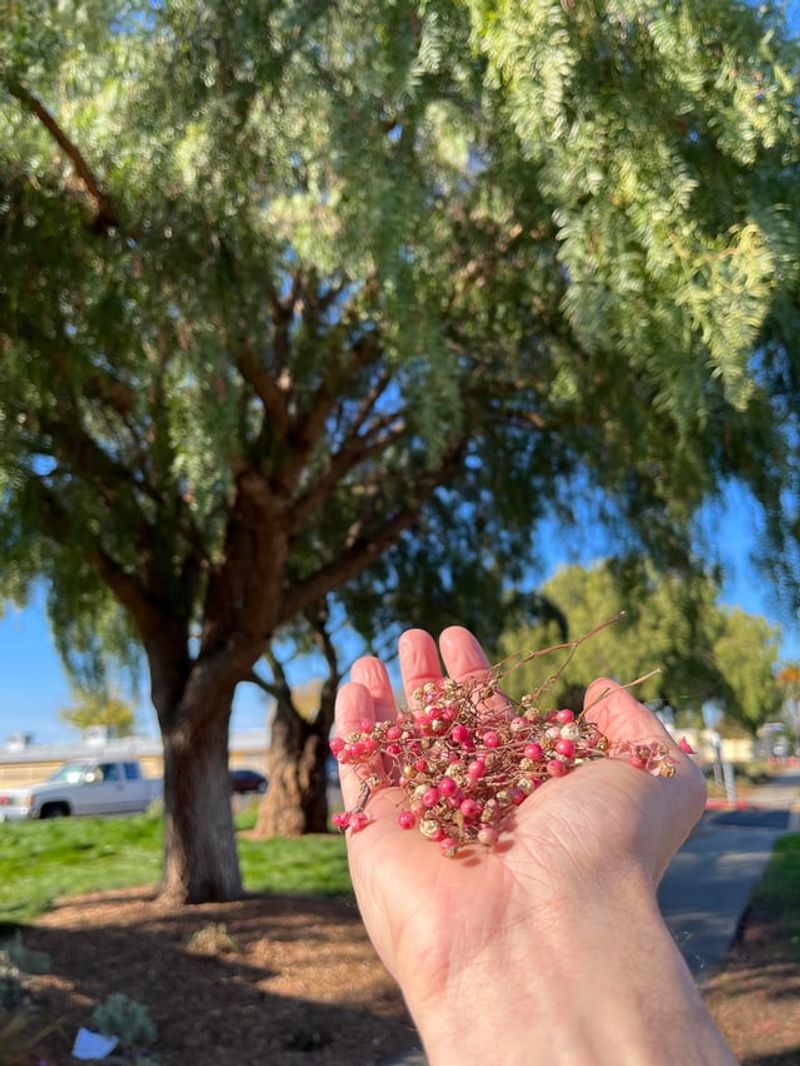
The California pepper tree has a romantic, weeping shape that looks stunning in the right setting. Its long, feathery branches droop gracefully and move in the breeze.
It is one of the most iconic trees in our state, often seen in old ranches, parks, and historic properties.
But this tree is a non-stop mess machine. It drops small red berries by the thousands, and those berries stain hard surfaces a rusty red-brown color.
The berries are also mildly toxic to pets, especially dogs and birds, so homeowners with animals need to be extra careful.
The tree also sheds leaves, small twigs, and dried flower clusters constantly. There is no single season where it stops dropping things.
Gutters near a pepper tree fill up fast and need to be cleaned more often than average.
The roots are aggressive and can travel far in search of water. They have been known to crack irrigation lines, lift sidewalks, and invade sewer pipes.
Planting one near any underground infrastructure is a risky move.
Despite all of this, many people love the pepper tree for its shade and character. Managing one well means staying consistent with cleanup, keeping gutters clear, and sweeping hard surfaces a few times per week during heavy drop periods.
Mulching under the canopy also helps reduce the visual impact of fallen berries.
9. Coast Live Oak
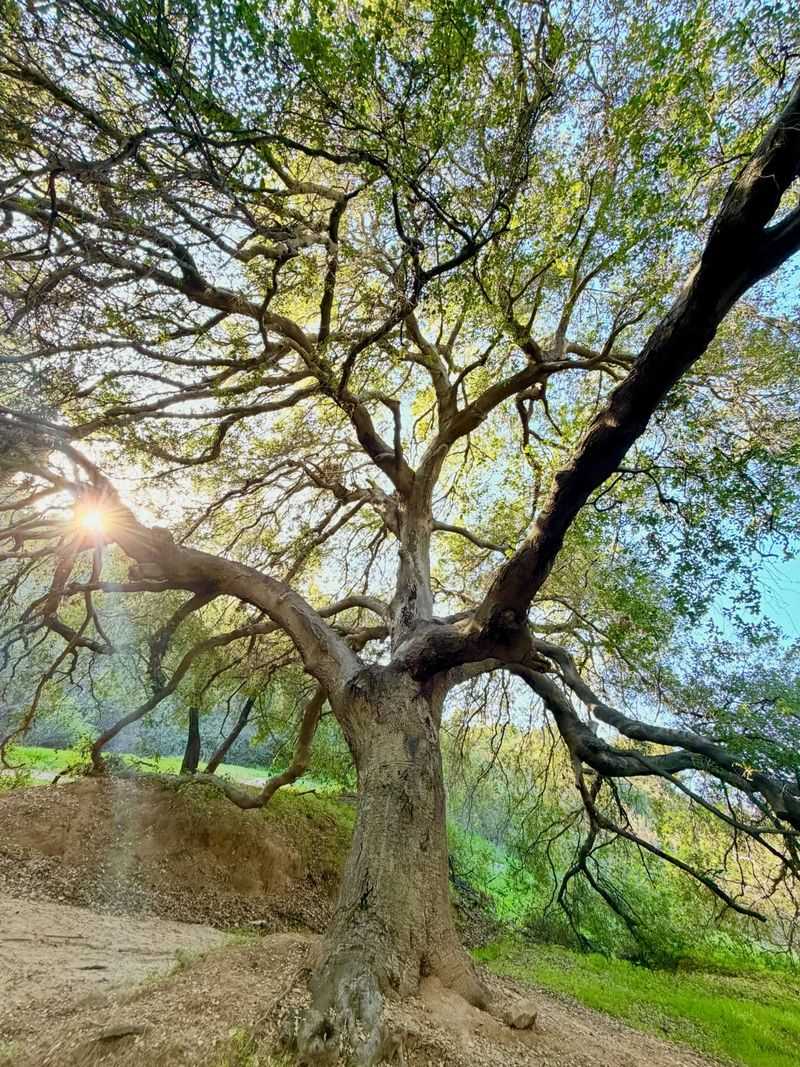
Coast live oaks are native to our state and are deeply important to local ecosystems. They provide habitat for hundreds of species of birds, insects, and mammals.
They are also massive, long-lived, and genuinely beautiful. Many homeowners feel lucky to have one on their property.
That said, living with a coast live oak means accepting a constant stream of debris. These trees drop acorns in huge quantities each fall.
Acorns roll on hard surfaces and can cause slips and falls. They also attract squirrels, jays, and deer, which can create their own set of problems in a yard.
Coast live oaks are technically evergreen, but they do shed leaves, especially in spring when new growth pushes the old leaves off. This spring leaf drop surprises many people who expect the tree to stay fully green all year.
The leaves are small and tough, making them tricky to rake.
Oak trees also shed small twigs and catkins regularly. During catkin season in early spring, a fine yellow-green dust coats everything nearby.
Cars, furniture, and outdoor surfaces all get covered in this powdery layer.
Because coast live oaks are protected in many areas of our state, you cannot simply prune or remove them without a permit. Learning to work with the mess rather than against it is the most practical approach.
Mulching under the canopy and using a leaf blower regularly makes management much more manageable.
10. Carob
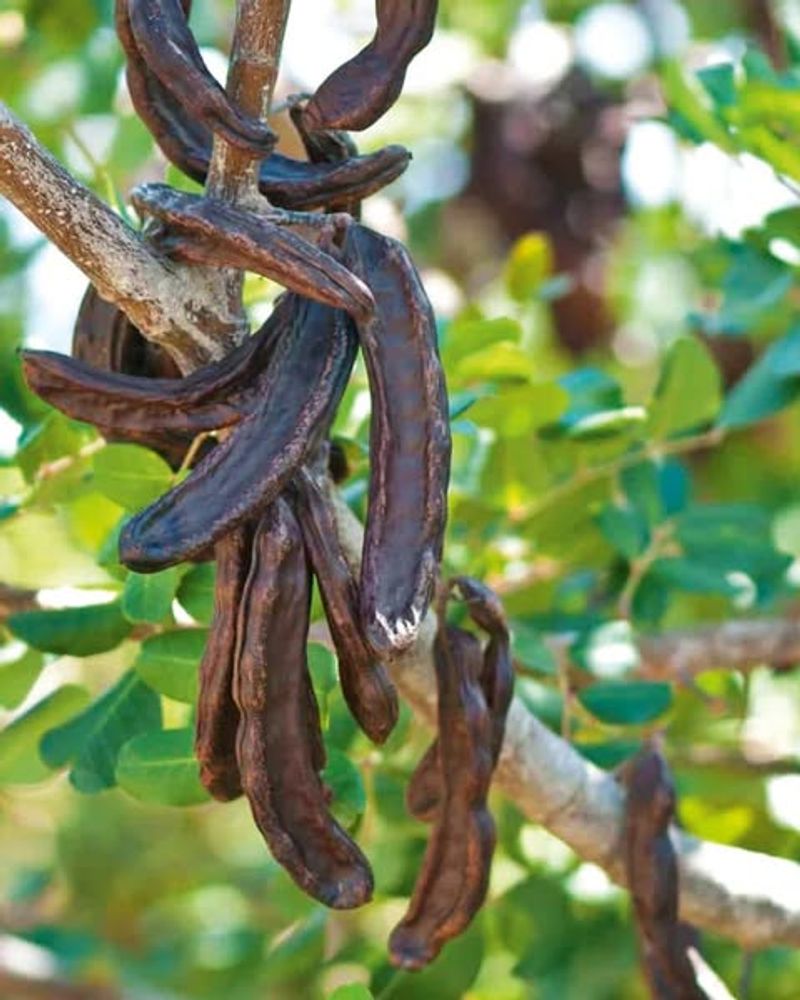
Carob trees have a reputation for being tough, drought-resistant, and low-maintenance. In many ways, that reputation is earned.
They handle heat and dry summers better than most trees. But when a female carob tree starts producing pods, the mess can be truly overwhelming.
The seed pods are long, dark brown, and leathery. They fall from the tree in large numbers and cover driveways, sidewalks, and patios.
When they break open, the sticky interior makes contact with hard surfaces and is very difficult to remove. The pods also have a strong, sweet smell that some people find pleasant and others find nauseating.
Male carob trees do not produce pods, but their pollen is a known allergy trigger. During bloom season, male trees release large amounts of pollen that can cause respiratory issues for sensitive individuals.
The smell of male carob flowers is also notably unpleasant to many people.
Carob pods attract rodents, especially rats. In neighborhoods where carob trees are common, pest control companies often point to them as a major food source that supports local rodent populations.
Cleaning up fallen pods quickly is one of the best ways to reduce that problem.
If you have a female carob, consistent pod cleanup is essential. A stiff broom and a good outdoor vacuum make the job faster.
Sealing concrete surfaces can also help prevent the sticky residue from bonding permanently to your driveway or walkway.