These Pretty Oregon Plants Can Escape Your Yard And Become A Problem
A plant can look harmless in a nursery pot and still cause trouble later. In Oregon gardens, a few pretty choices have a habit of spreading farther than expected.
They may move by seed, creep into nearby beds, or show up beyond the fence line. That is when a beautiful plant can become much harder to manage.
The tricky part is that many of these plants do not seem pushy at first. They look colorful, easy, and useful in bare spots.
Give them time, though, and they may start taking over space meant for better behaved plants. Knowing which ones to watch can save a lot of work later.
A garden should feel full and lively, but it should not send problems into the neighborhood.
1. Butterfly Bush Seeds Into Wild Places
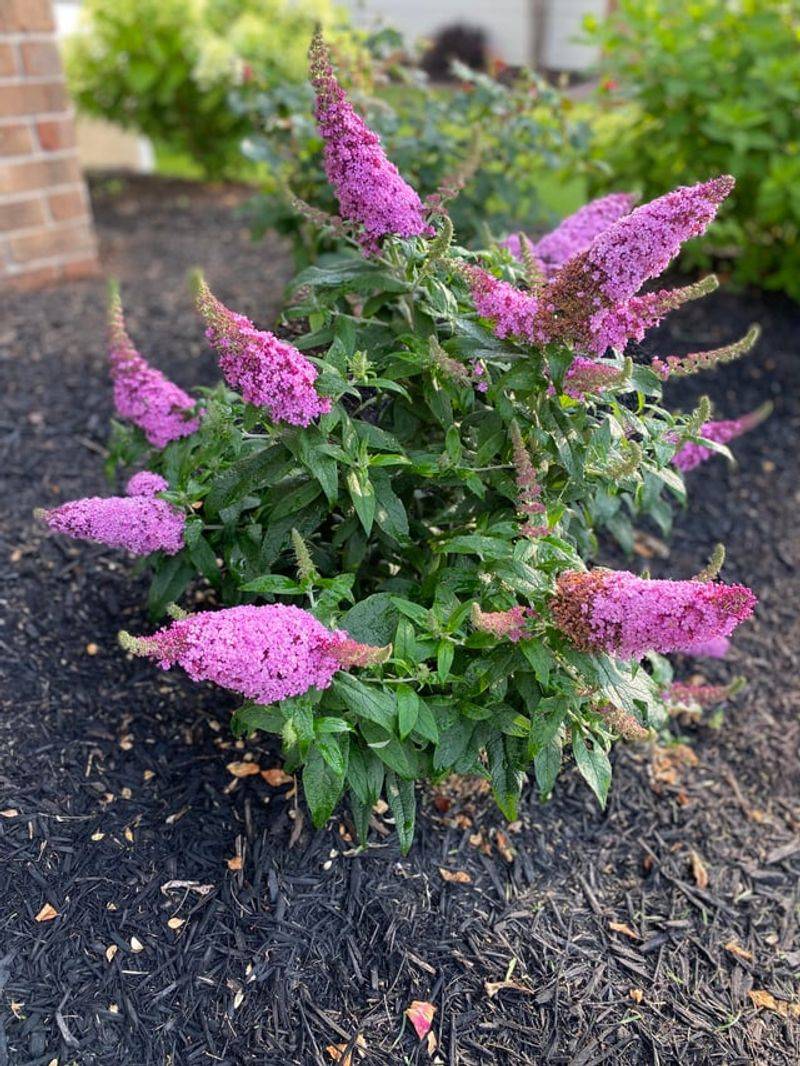
Few plants attract butterflies quite like this one. Butterfly bush, known scientifically as Buddleja davidii, produces long, cone-shaped flower clusters in shades of purple, pink, white, and yellow.
Gardeners love it because it blooms from summer into fall and draws pollinators like a magnet. It looks stunning next to a fence or along a walkway.
But here is the catch. Each plant can produce up to 40,000 seeds per year.
Those seeds are tiny and light, so wind carries them far beyond your yard. They sprout along roadsides, riverbanks, and in open fields.
Once established, butterfly bush crowds out native plants that local insects actually need to survive.
Our state has classified it as a Class B noxious weed in many counties. That means it is regulated and sometimes restricted.
Some newer sterile varieties have been developed that produce far fewer seeds, so if you love the look, check for those options. Better yet, swap it out for native alternatives like coyote mint or red flowering currant.
These plants support pollinators just as well without the invasive risk. Removing an existing butterfly bush is not too hard.
Cut it back and dig out the roots before it sets seed. Catching it early makes a real difference in keeping it from spreading further into wild areas near your home.
2. Yellow Archangel Escapes Shady Garden Beds
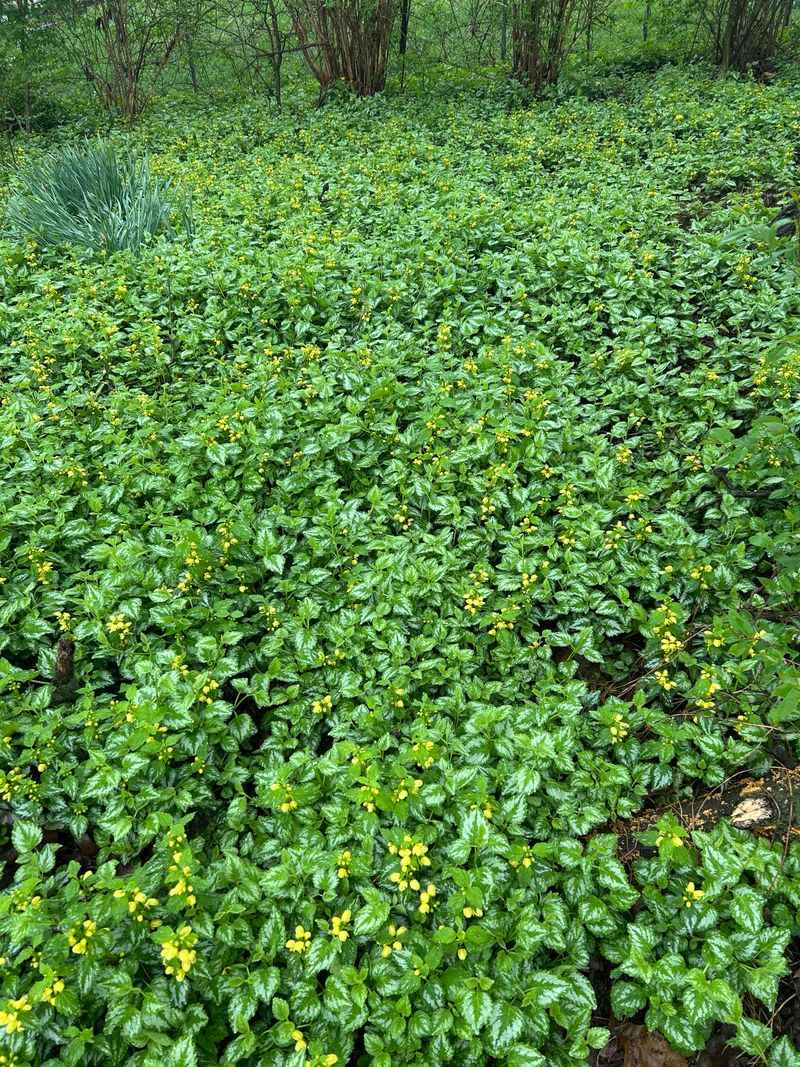
Gardeners often reach for yellow archangel when they need something tough for a shady spot. It has attractive silver-patterned leaves and cheerful yellow flowers that bloom in spring.
It stays green through much of the year, which makes it look tidy even in winter. For a difficult dark corner of the yard, it seems like the perfect solution.
The problem is that yellow archangel, or Lamiastrum galeobdolon, does not stay put. It spreads by long trailing stems called stolons that root wherever they touch the ground.
It can move quickly through garden edges and into nearby natural areas. Once it gets into a forest understory, it forms dense mats that block native plants from getting the light they need.
It has become a serious problem in Pacific Northwest forests. Hikers have spotted it taking over areas where trilliums and ferns once grew.
The variegated form sold in garden centers is especially aggressive. Our state and neighboring Washington both list it as an invasive species of concern.
Your Oregon Garden Changes Every Week. Your Plan Should Too.
Gardening in Oregon changes quickly throughout the season. Every Friday you’ll receive a simple weekly plan showing exactly what to plant, prune, fertilize, harvest, and protect so you never miss the right timing.
If you already have it in your yard, remove it carefully by pulling up the stems and roots. Bag everything and put it in the trash, not the compost bin.
For shady spots, try native alternatives like wild ginger or sword fern. These plants fill in beautifully and support the local ecosystem at the same time.
3. Shining Geranium Spreads Through Garden Edges Fast
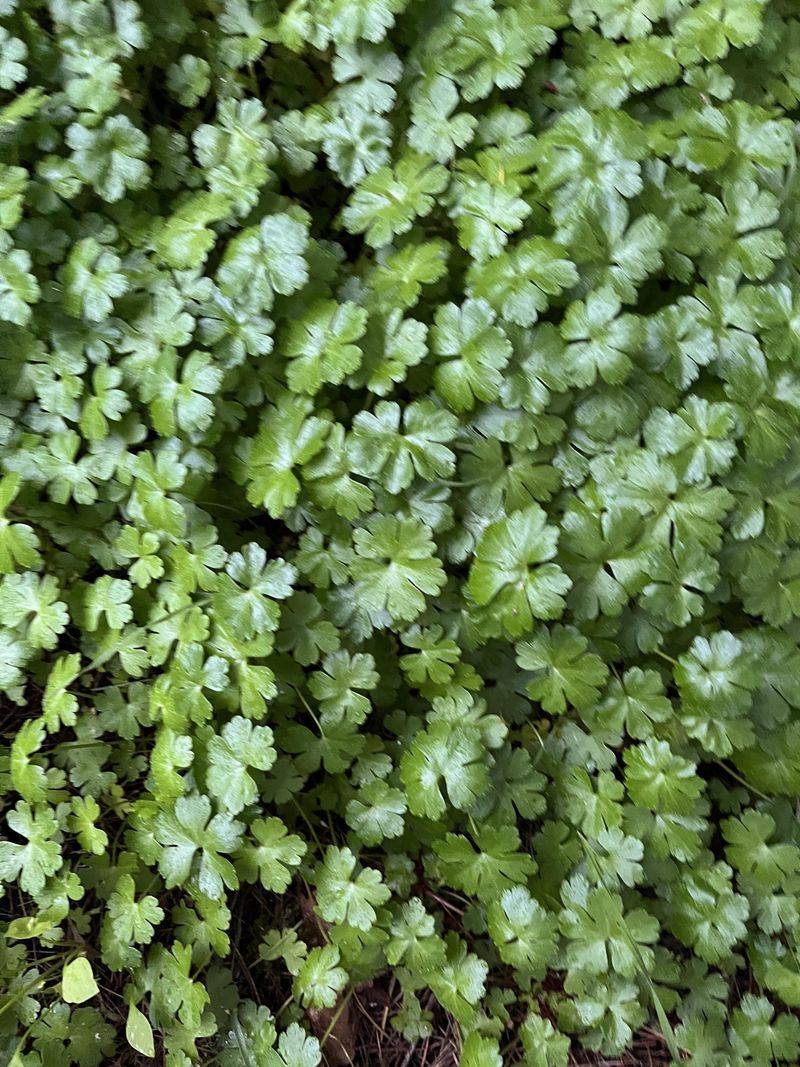
Most people think of geraniums as cheerful, low-maintenance flowers that stay right where you plant them. Shining geranium, however, is a different story.
Geranium lucidum is a small annual with glossy, bright green leaves and tiny pink flowers. It looks delicate and almost charming tucked along a garden border. That innocent appearance is a bit misleading.
Shining geranium spreads by exploding seed pods that fling seeds several feet in every direction. Each plant produces dozens of these pods.
Once the seeds land in loose soil, they germinate quickly and grow into new plants within weeks.
Before long, a small patch can become a wide-spreading colony that takes over the edges of your garden and moves into neighboring spaces.
It thrives in disturbed ground, shaded areas, and places with moist soil. In our state, it has been spotted spreading along forest trails, roadsides, and creek banks.
It tends to appear in spring, so catching it early is key. Pull plants before they flower and set seed.
This is one where timing really matters. Wear gloves when handling it since some people experience mild skin irritation from the sap.
For a low-growing border plant that stays in bounds, consider native options like sedum or kinnikinnick.
Both offer ground-covering habits without the aggressive spreading that makes shining geranium such a headache in natural areas.
4. Periwinkle Creeps Beyond Borders Quietly
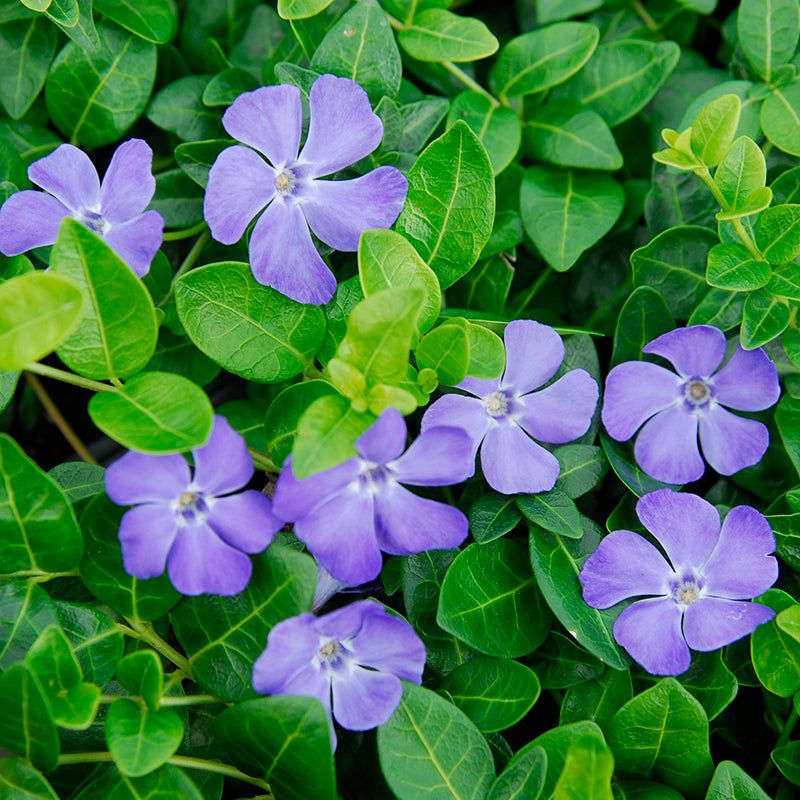
There is something almost nostalgic about periwinkle. It has been planted in American gardens for generations, and for good reason.
The glossy dark green leaves stay attractive year-round, and those little blue-purple flowers in spring are genuinely lovely.
Many older homes have it growing under trees where little else will thrive. It seems harmless, even pretty.
Vinca minor, the common periwinkle, spreads by trailing stems that root as they creep along the ground. It moves slowly but steadily.
Over time, it can form thick mats that cover large areas of forest floor. Those mats block native wildflowers, tree seedlings, and ground-nesting birds from accessing the soil.
Because it is so dense, almost nothing can grow through it.
Our state considers it an invasive plant in natural areas, particularly in western counties where forests are lush and moist.
If you live near a wooded area or a creek, periwinkle in your yard can easily migrate into those spaces.
Removing established periwinkle takes patience. Pull or rake up the stems, then follow up regularly because new growth sprouts from any roots left behind.
For a shady ground cover that does not spread aggressively, try native options like inside-out flower or wild strawberry.
Both provide beautiful coverage and actually benefit the insects and birds that share your outdoor space. Small swaps like these add up over time.
5. Lesser Celandine Spreads Before Spring Ends
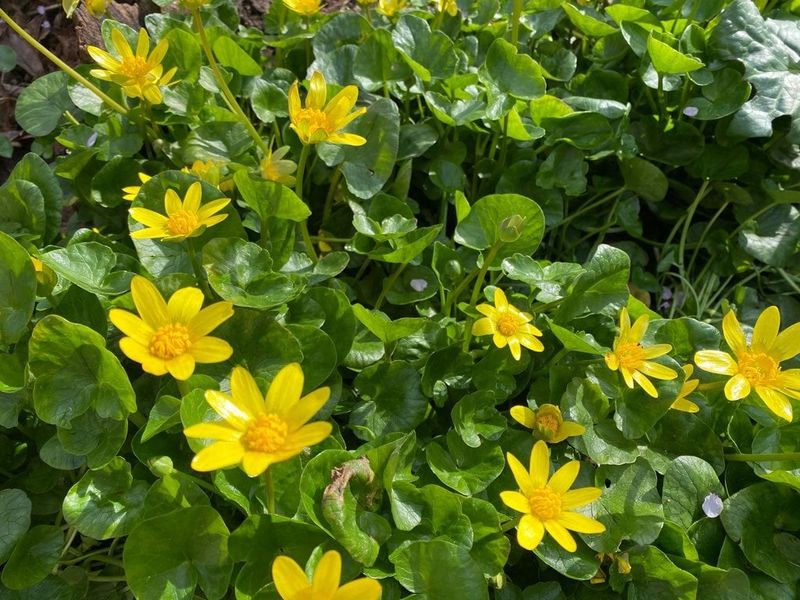
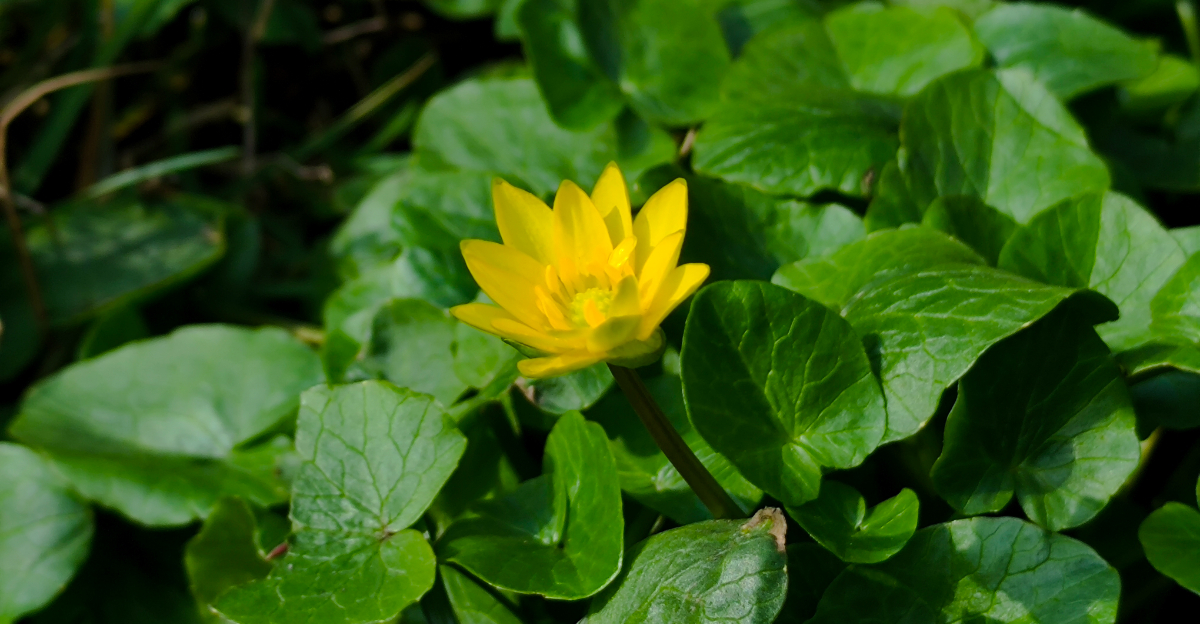
Lesser celandine is one of those plants that catches you off guard. It blooms very early in spring, often before most other plants have woken up.
The shiny, heart-shaped leaves and bright yellow flowers look like a cheerful welcome to the new season.
Some gardeners even plant it on purpose because it fills in bare spots so quickly. That speed, though, is exactly the problem.
Ficaria verna spreads through tiny bulbils, which are small underground structures that break off easily and travel with water, soil, or on shoes and garden tools. Even a small fragment can grow into a new plant.
It goes from a few clusters to a carpet in just a couple of seasons. Once it covers the ground, it shades out native spring wildflowers like trout lily and spring beauty before they even have a chance to bloom.
It favors moist, shaded areas near streams and low-lying spots. In our state, it has spread along river corridors and into parks where people have unknowingly tracked it in.
The tricky part is that it disappears by early summer, so you might not even realize how much has spread. Mark its location in spring and work on removing it then, while it is visible.
Hand-pulling works, but be thorough about collecting all the small bulbils. Native alternatives like Oregon grape or wild violet offer spring color without the aggressive spread that lesser celandine brings to natural spaces.
6. Italian Arum Hides Its Problem Underground
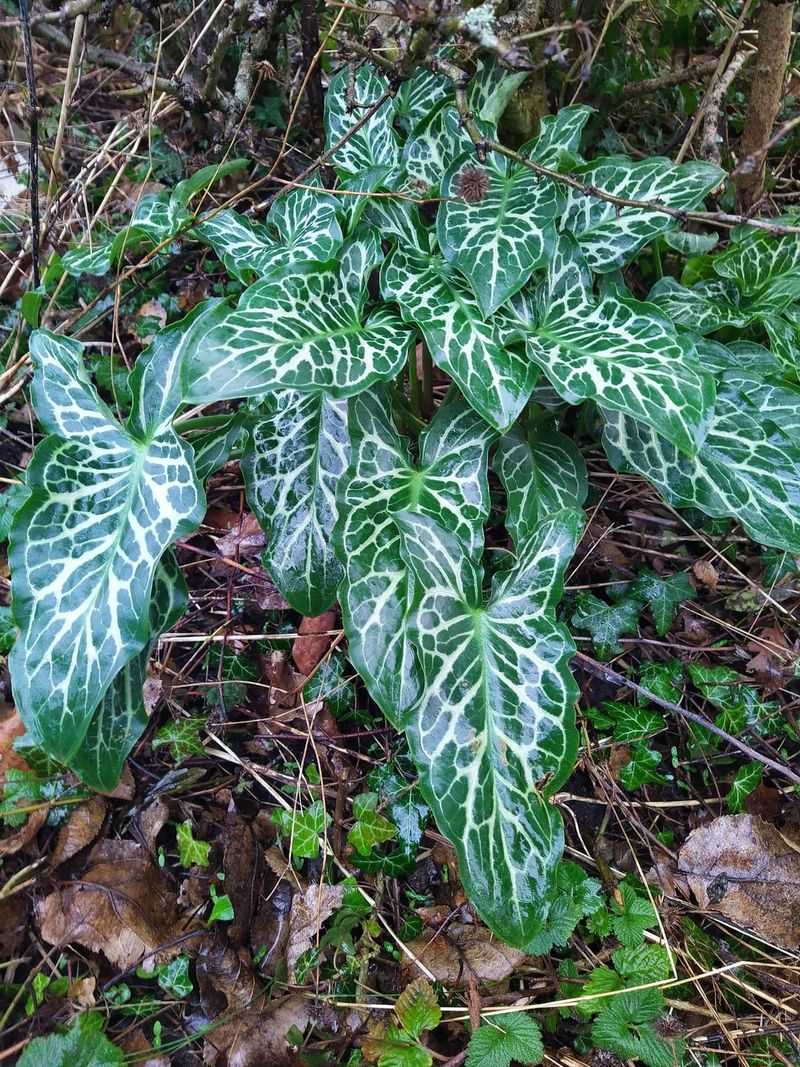
At first glance, Italian arum looks like a sophisticated garden plant. The arrow-shaped leaves are deep green with silvery marbling, and in late summer it produces clusters of bright orange-red berries on upright stalks.
Those berries are genuinely eye-catching. Florists use the leaves in arrangements, and gardeners often add it to shady borders for late-season color. It seems like an elegant choice.
Arum italicum has an underground strategy that makes it hard to control. It grows from corms, which are thick underground storage structures similar to bulbs.
These corms multiply steadily beneath the soil, and birds eat the berries and spread seeds into surrounding areas.
The combination of underground spreading and bird-dispersed seeds means it can establish itself far from where you originally planted it.
In our state, it has shown up in forest preserves and natural areas where it was never intentionally planted. It is especially problematic in shaded, moist environments.
The berries are also toxic to people and pets, which adds another layer of concern for families with young children or curious dogs. If you want to remove it, dig carefully to get the entire corm out.
Leaving pieces behind allows it to regrow. For a similar look with silvery foliage, try native bleeding heart or piggyback plant.
Both thrive in shade and offer visual interest through the growing season without sneaking underground to expand their territory.
7. Yellow Flag Iris Takes Over Wet Spots
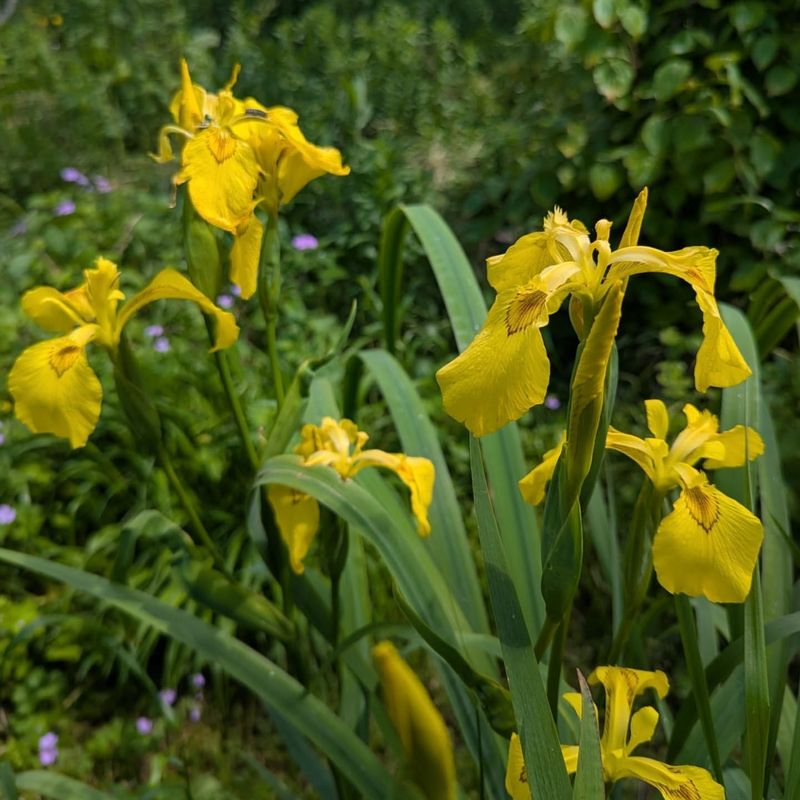
Bright yellow flowers rising above tall, sword-like leaves look like something out of a painting. Yellow flag iris has that kind of dramatic beauty that draws people in at garden centers.
It is often sold for water gardens and pond edges, where it thrives in soggy soil that most plants cannot handle. For wet spots in the yard, it seems like the answer to a difficult landscaping problem.
Iris pseudacorus, though, is one of the most aggressive wetland invaders in our region. It spreads both by seed and by underground rhizomes that expand outward each year.
A single plant can become a dense colony that chokes out native cattails, sedges, and other wetland plants.
Those native plants are critical habitat for frogs, ducks, herons, and countless insects that depend on healthy wetland ecosystems.
Our state lists it as a noxious weed, and it is illegal to sell or plant in some counties. If you have it in your yard near a natural water source, it is worth taking action.
Cutting back the seed heads before they mature slows the spread. Removing the rhizomes is more effective but requires digging and persistence.
All plant material should be bagged and trashed, never composted or tossed into a waterway. For a beautiful native alternative near water, try blue flag iris or yellow monkey flower.
Both support local wildlife and bring color to wet areas without overwhelming the ecosystem around them.
8. Purple Loosestrife Crowds Out Native Wetlands
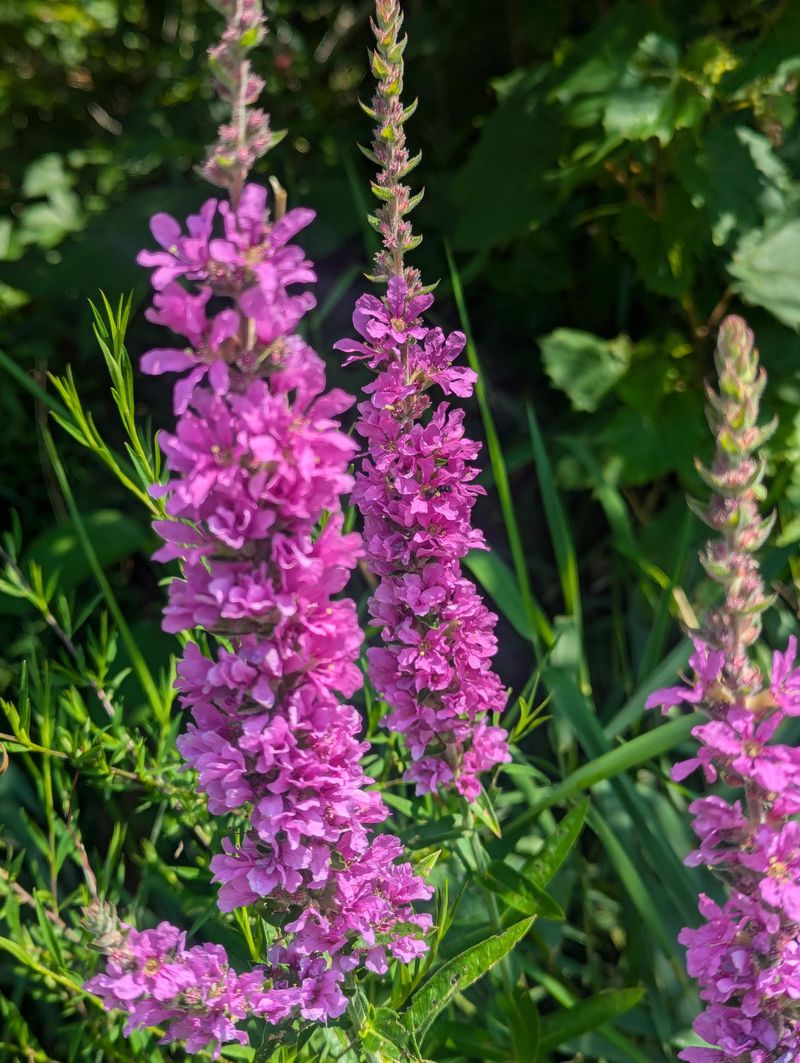
Few invasive plants are as visually striking as purple loosestrife. The tall spikes of magenta-purple flowers create a breathtaking display along roadsides and wetlands in late summer.
People often stop to photograph it or even pick it, not realizing it is one of the most problematic invasive plants in North America. Its beauty is a big part of why it spread so widely in the first place.
Lythrum salicaria can produce up to 2.7 million seeds per year from a single plant. Those seeds travel easily by wind and water.
Once established in a wetland, it forms impenetrable stands that crowd out native plants like bulrush, cattail, and native sedges.
When native wetland plants disappear, so does the habitat that waterfowl, muskrats, turtles, and amphibians depend on. The ecological ripple effect is significant.
It is listed as a noxious weed across our state and is illegal to sell, buy, or plant here. Still, it persists in many areas where it was introduced decades ago.
Biological control using specific beetles has shown some success in managing large infestations. For smaller garden situations, pulling young plants before they flower is effective.
Always bag and trash removed plants to prevent seeds from spreading further. If you want that rich purple color in your garden near water, try native options like blue vervain or camas.
Both are gorgeous, support native wildlife, and will not turn your neighborhood wetland into a purple monoculture.