Plant These Around Your Arizona Patio To Naturally Repel Mosquitoes This Summer
A patio should be one of the most enjoyable spots around the home during summer. It is where people gather in the evening, enjoy a quiet morning, or simply sit outside after a long day.
The problem is that outdoor spaces do not always stay as comfortable as planned. Just when the temperature starts feeling more pleasant, mosquitoes can show up and make it harder to relax.
Many people end up looking for quick fixes, but those solutions often need to be repeated again and again. It is easy to get tired of constantly dealing with the same problem every time you want to spend a little time outdoors.
That is one reason certain plants continue to attract attention in Arizona. Some have become popular choices near patios and seating areas because they offer more than just good looks.
The right additions can make outdoor spaces feel much more enjoyable throughout the summer months.
1. Lemongrass Thrives In Sunny Patio Containers
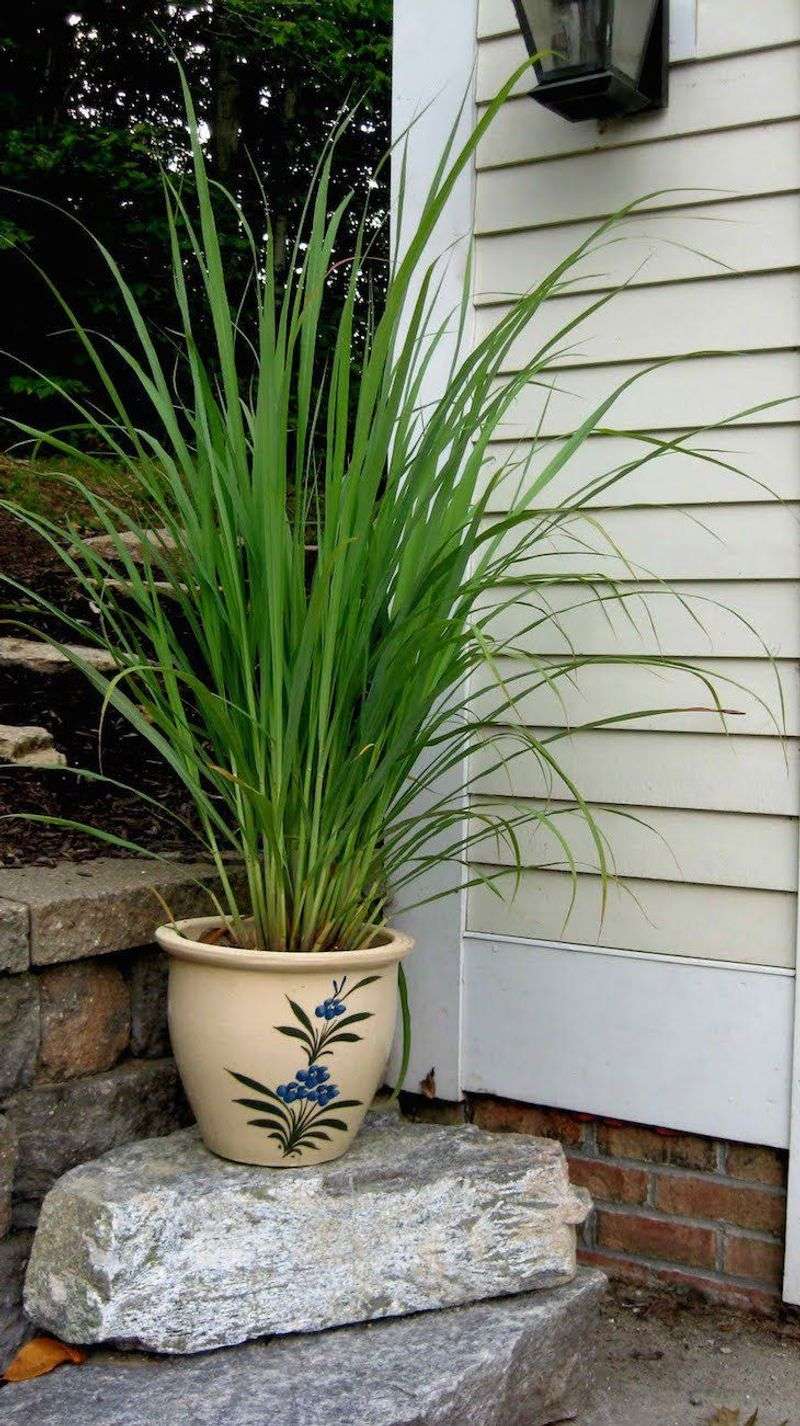
Lemongrass might be the hardest-working plant you can put in a container. Its sharp citrus scent comes from citronella oil, the same compound used in many commercial mosquito repellents.
Growing it yourself puts that protection right where you need it most.
Place a large pot near your seating area. Lemongrass grows tall and full, sometimes reaching five feet in a single season.
A few containers arranged around the patio create a natural barrier that mosquitoes tend to avoid.
Full sun is a must. Aim for at least six hours of direct sunlight daily.
In hot desert climates, afternoon shade can actually help the plant stay hydrated without stunting growth.
Water deeply but let the soil dry slightly between waterings. Overwatering in containers causes root rot faster than drought stress does.
A well-draining potting mix makes a noticeable difference in how healthy the plant stays.
Lemongrass is not frost-tolerant, so bring containers indoors when temps drop below 40 degrees. Summer growth, though, is explosive.
You can divide clumps every season to create new pots and expand your coverage area around the patio.
Brushing against the leaves releases extra scent. Planting near walkways or chair legs means people naturally brush past it.
That contact activates the oils and boosts the repelling effect right when you need it most.
2. Lavender Adds Fragrance While Discouraging Mosquitoes
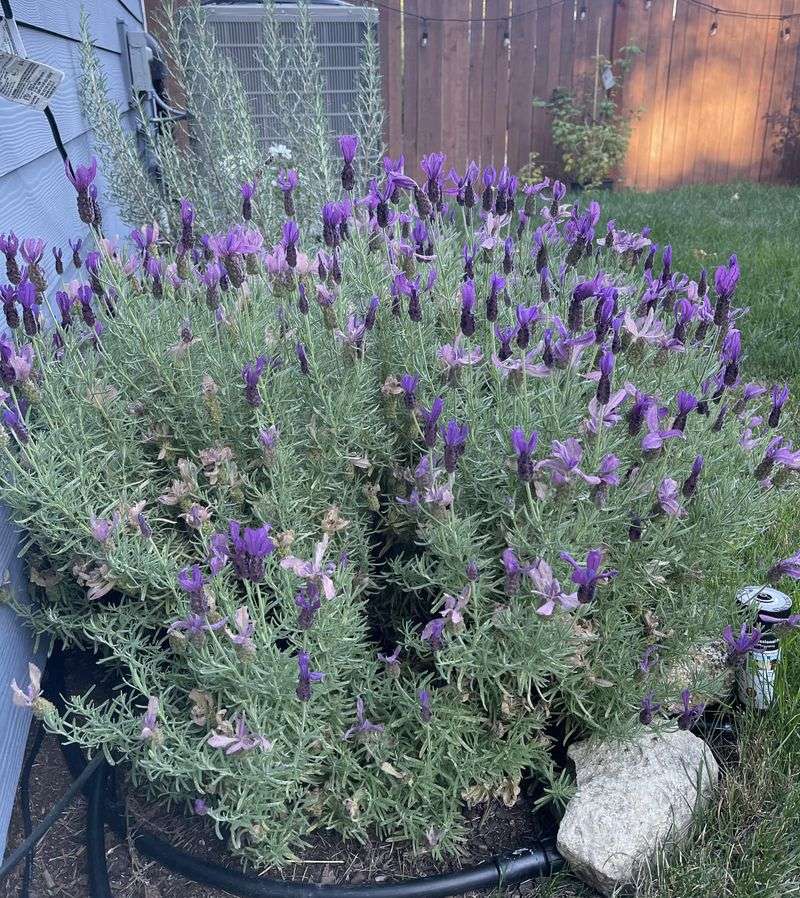
Lavender smells amazing to people and absolutely unbearable to mosquitoes. That contrast makes it one of the smartest plants to add near any outdoor seating area.
The strong floral scent masks the carbon dioxide and body heat that mosquitoes use to find their targets.
Spanish lavender varieties handle extreme heat better than English types. Look for Lavandula stoechas at local nurseries.
It blooms longer and bounces back faster after intense summer heat waves common across the Southwest.
Plant in well-draining soil or a gritty potting mix. Lavender hates wet roots.
Sandy or rocky soil actually works in its favor, which makes it a natural fit for desert garden beds and raised planters.
Once established, lavender needs very little water. Weekly deep watering during peak summer heat is usually enough.
Your Arizona Garden Changes Every Week. Your Plan Should Too.
Gardening in Arizona changes quickly throughout the season. Every Friday you’ll receive a simple weekly plan showing exactly what to plant, prune, fertilize, harvest, and protect so you never miss the right timing.
Overwatering is the most common reason lavender struggles in containers and garden beds alike.
Trim spent blooms regularly to encourage new flower production. More blooms mean more scent, which means stronger mosquito deterrence throughout the season.
Pruning also keeps the plant compact and tidy around the patio edge.
Cut a few stems and bundle them near patio furniture cushions or outdoor table arrangements. Dried lavender still releases scent for weeks.
Fresh or dried, it keeps working long after you stop paying attention to it.
3. Basil Earns A Place Near Outdoor Gathering Areas
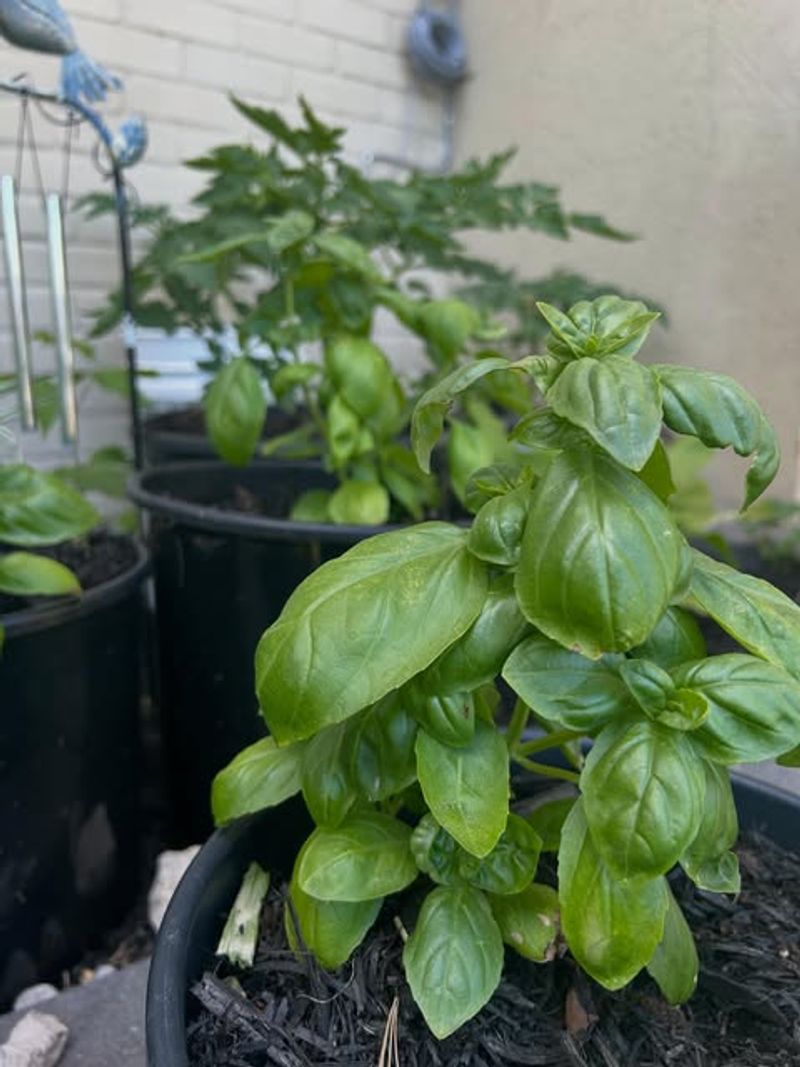
Basil does double duty better than almost any other herb. It repels mosquitoes while staying ready to harvest for cooking.
Having it right outside the back door is genuinely convenient in a way most garden plants never manage to be.
Mosquitoes dislike the strong volatile oils in basil leaves. Those oils are most concentrated in the leaves before flowering.
Pinching off flower buds regularly keeps the plant focused on leaf production and maintains higher oil levels throughout the season.
Sweet basil and lemon basil both work well outdoors. Lemon basil has an especially sharp scent that seems particularly effective.
Either variety grows quickly in warm weather and stays productive well into early fall.
Full sun and consistent moisture are the two things basil needs most. Dry soil causes stress fast, and stressed basil loses its strong scent.
Water at the base of the plant to avoid leaf disease from overhead watering.
Container growing works great on patios. A twelve-inch pot gives roots enough room to support a full, bushy plant.
Group two or three pots together near seating for better coverage and a more noticeable scent barrier.
Crushing a few leaves between your fingers and rubbing them on exposed skin provides a short-term topical deterrent. It is not a replacement for proper repellent, but it adds a small layer of protection during casual outdoor meals.
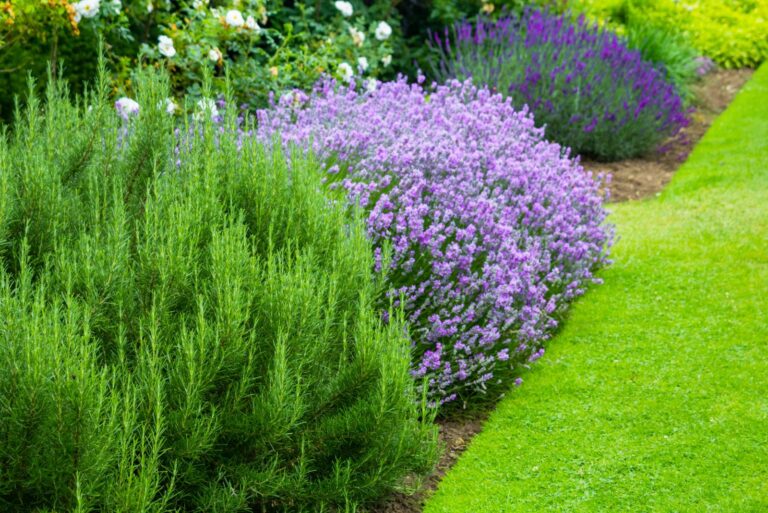
4. Rosemary Handles Heat With Very Little Attention
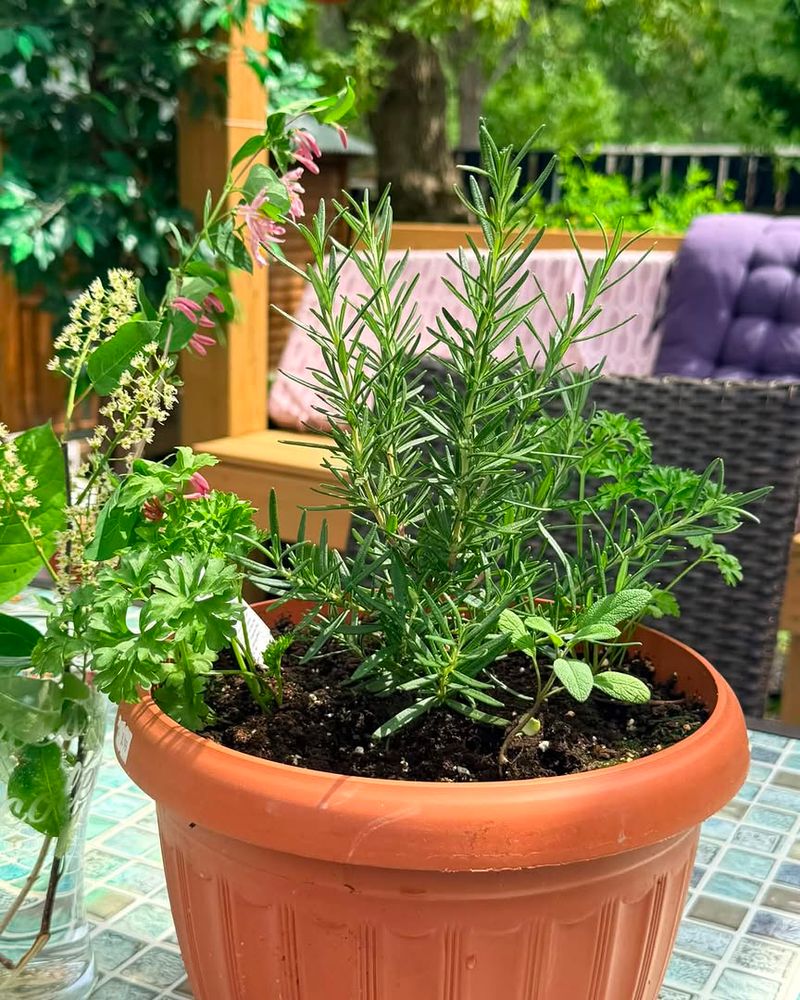
Rosemary is practically built for harsh conditions. It thrives in heat, tolerates drought, and asks for almost nothing in return.
For anyone who wants effective mosquito deterrence without constant plant maintenance, rosemary is an obvious choice.
Woody and aromatic, rosemary releases its sharp camphor-like scent whenever the air moves through it. That scent is pleasant to most people but strongly off-putting to mosquitoes.
Planting it along patio borders creates a fragrant wall of natural protection.
Upright varieties grow tall and can be shaped into small hedges. Trailing varieties spill over container edges beautifully.
Both types work for mosquito deterrence and both handle intense desert sun without much complaint.
Water new plants regularly until roots establish. After that, deep watering every ten to fourteen days during summer is usually sufficient.
Rosemary planted directly in the ground often needs even less once it is fully rooted in.
Poor soil is not a problem for rosemary. Rocky, sandy, or clay-heavy soil can all work with the right drainage.
Avoid any spot where water pools after rain or irrigation, as standing moisture around roots causes real problems.
Tossing fresh rosemary sprigs onto outdoor grill coals releases a concentrated burst of aromatic smoke. That smoke drifts across the patio and pushes mosquitoes back fast.
It is a practical trick that also adds flavor to whatever is on the grill.
5. Marigolds Bring Bright Color To Patio Borders
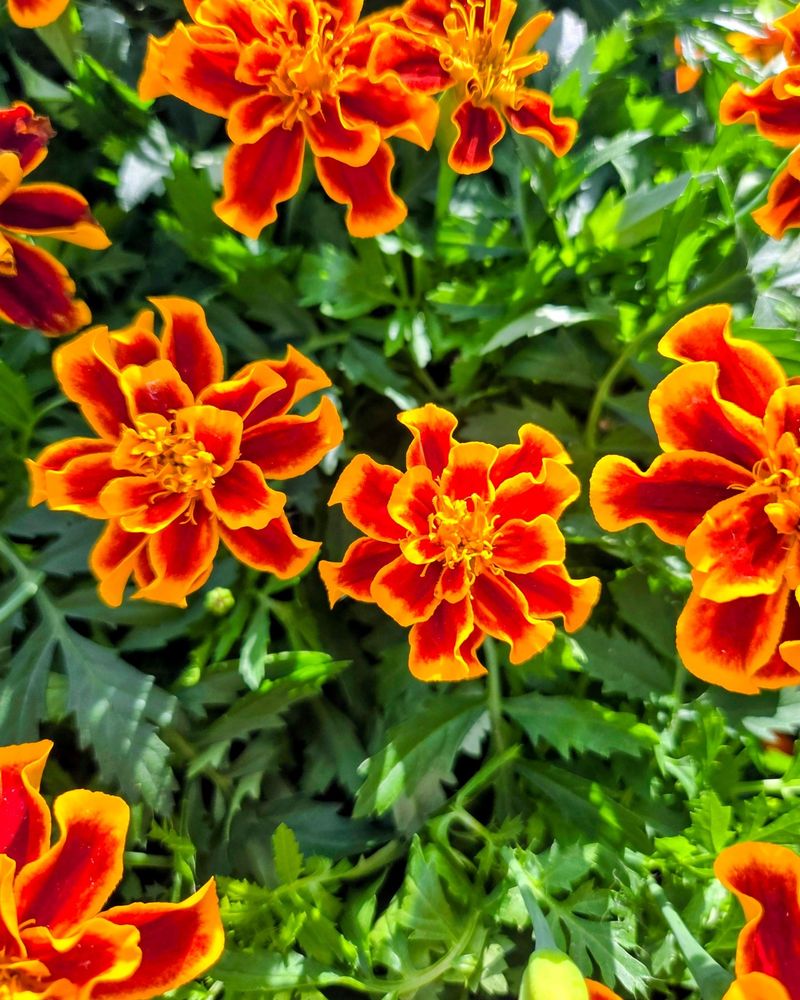
Few plants earn their spot as quickly as marigolds do. They bloom fast, stay colorful all summer, and produce pyrethrum, a natural compound that repels mosquitoes, gnats, and other flying insects.
That combination of beauty and function is hard to beat.
French marigold varieties tend to be more compact and ideal for containers or border planting. African marigolds grow taller and produce larger blooms, making them better suited for raised beds or ground-level borders around a patio edge.
Plant them in full sun. Marigolds grown in shade produce fewer blooms and less of the scent that deters insects.
Six or more hours of direct sun keeps them blooming heavily from spring through late fall in warm climates.
Deadheading spent flowers is important. Removing old blooms encourages the plant to push out new ones continuously.
More blooms mean more scent and more natural pest deterrence throughout the entire outdoor season.
Watering at the base of the plant prevents fungal issues on the leaves and blooms. Marigolds are fairly drought-tolerant once established, but consistent moisture during peak heat keeps them looking full and healthy rather than scraggly.
Interplanting marigolds between other patio plants amplifies the overall repelling effect. Mixed plantings create overlapping scent zones.
Mosquitoes navigating through multiple strong odors are far less likely to settle in and start biting around your seating area.
6. Catnip Offers One Of The Strongest Natural Scents
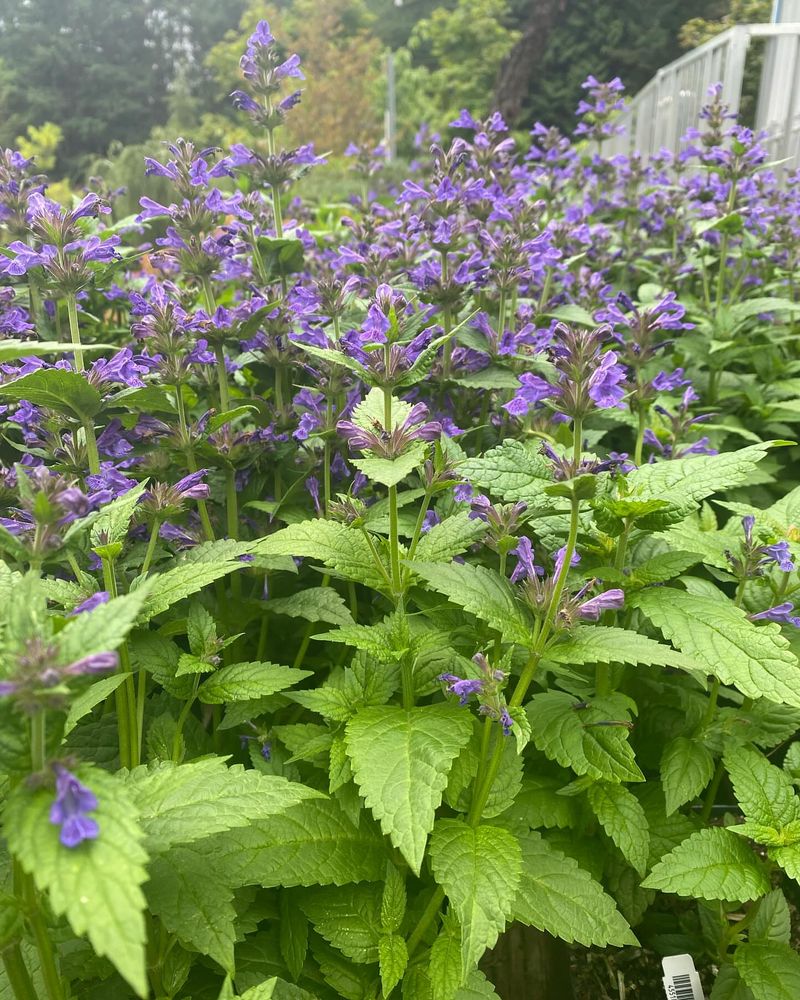
Catnip is often mentioned as a plant that may help discourage mosquitoes around outdoor spaces. Its leaves contain a natural compound called nepetalactone, which is believed to play a role in repelling certain insects.
While it should not be viewed as a replacement for proven mosquito control methods, many gardeners appreciate catnip for both its ornamental value and its potential insect-repelling qualities.
Nepetalactone is released when leaves are bruised or crushed. Planting catnip near high-traffic areas where people brush past it naturally activates the scent.
Pathways, chair legs, and patio edges are all good placement spots.
Catnip grows quickly and can spread aggressively if planted directly in the ground. Container growing is the smarter approach for most patios.
A pot keeps the plant contained while still delivering strong scent right where you need it.
Partial shade is fine for catnip. Unlike many heat-loving herbs, it does not require full sun to stay productive.
Afternoon shade in hot climates actually helps it stay lush and prevents early bolting in peak summer heat.
Water moderately and consistently. Catnip dislikes both waterlogged soil and extended drought.
A balanced watering schedule keeps the plant producing fresh leaves with strong oil content throughout the warm months.
One obvious consideration: neighborhood cats will find this plant. If outdoor cats are a regular presence in your yard, growing catnip in elevated containers or hanging baskets keeps it out of reach while still releasing scent at nose level for passing mosquitoes.
7. Scented Geraniums Add Another Layer Of Protection
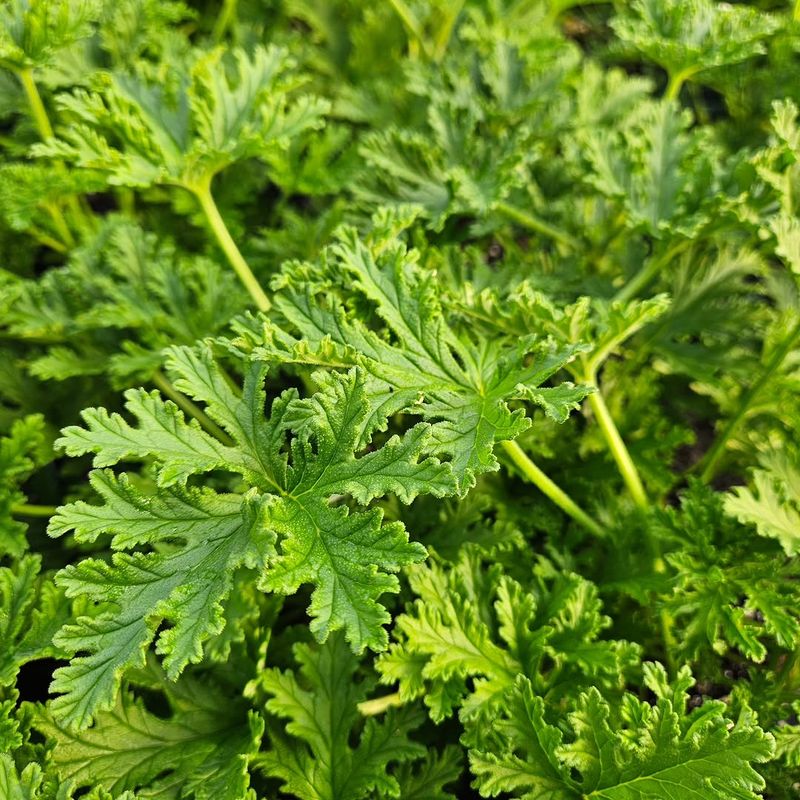
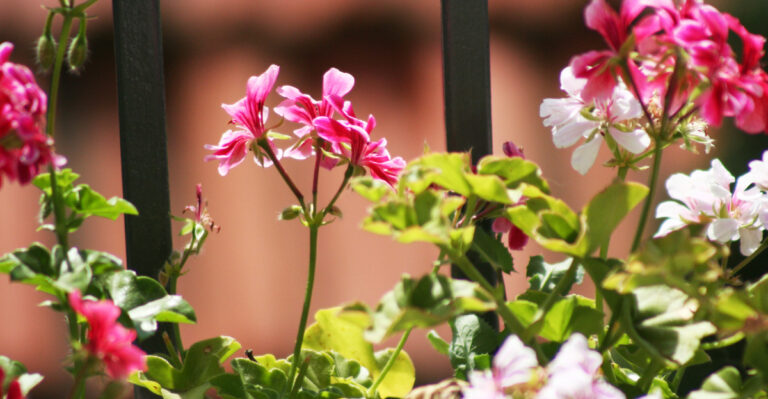
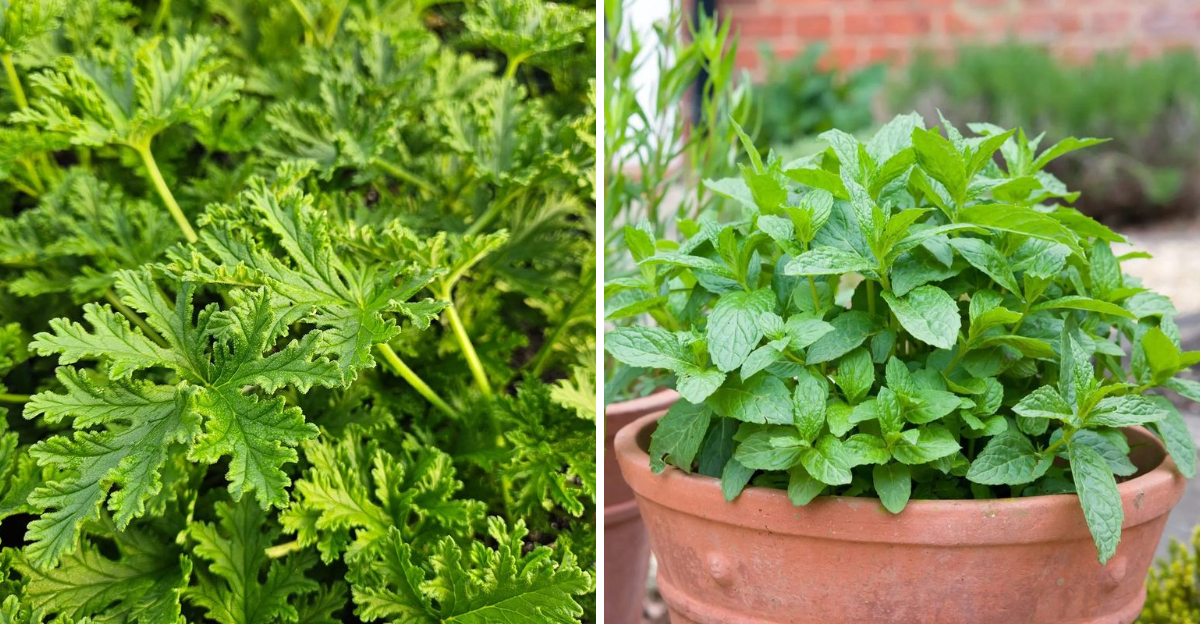
Scented geraniums are not the same as common garden geraniums. These varieties are grown specifically for their aromatic leaves, which come in scents ranging from rose and lemon to mint and nutmeg.
Mosquitoes find most of these fragrances deeply unappealing.
Citronella-scented geraniums are the most popular choice for pest deterrence. Despite the name, they are not the same plant as citronella grass, but they produce a similar lemony scent that disrupts mosquito navigation and discourages landing.
Scented geraniums love heat and handle full sun in most conditions. In extreme desert heat above 110 degrees, light afternoon shade helps prevent leaf scorch.
A spot with morning sun and afternoon shade strikes a good balance during the hottest weeks.
Water when the top inch of soil feels dry. Geraniums are somewhat drought-tolerant once established.
Letting soil dry slightly between waterings actually encourages stronger root development and more concentrated scent in the leaves.
Pinching back leggy stems keeps the plant bushy and full. A compact, leafy plant releases more scent than a sparse, stretched one.
Regular light pruning takes less than five minutes and makes a real difference in overall plant density.
Rubbing a leaf between your fingers and holding it near your skin releases a direct burst of scent. It is a quick, informal way to add a small layer of protection while sitting outside without reaching for a spray bottle or candle.
8. Mint Releases A Strong Aroma During Summer
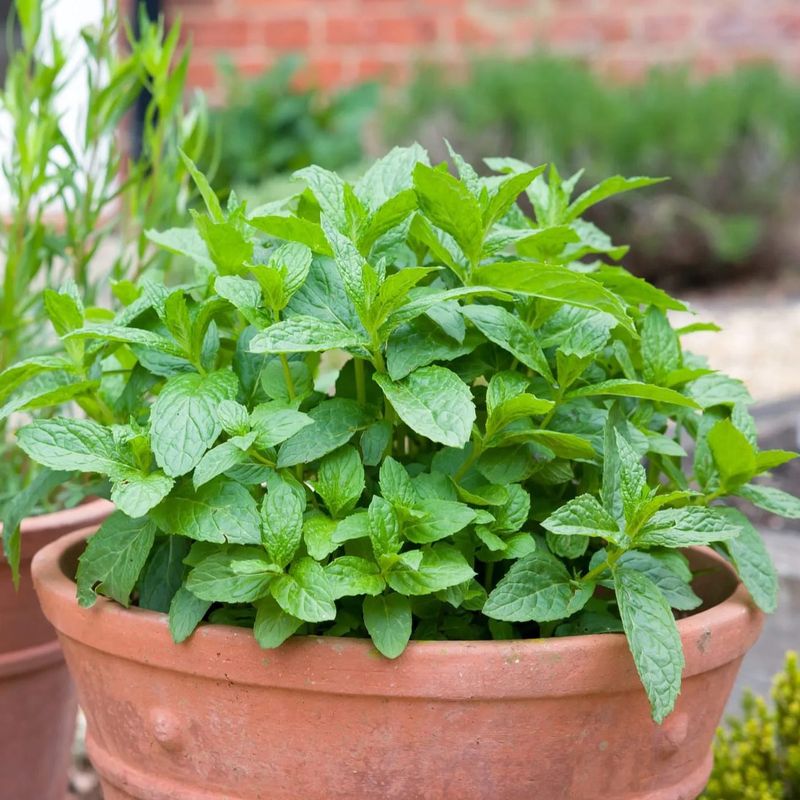
Mint is aggressive, aromatic, and surprisingly effective at pushing mosquitoes away. Its sharp menthol scent overwhelms the sensory receptors mosquitoes rely on to locate hosts.
That confusion disrupts their ability to home in on people sitting nearby.
Peppermint has the strongest scent among common varieties and is generally considered the most effective for pest deterrence. Spearmint and chocolate mint are milder but still contribute meaningfully when planted in clusters around seating areas.
Always grow mint in containers. Planted directly in the ground, it spreads relentlessly and takes over garden beds within a single season.
A pot with drainage holes keeps it productive and contained without becoming a garden problem.
Mint grows fast in warm weather. Regular harvesting actually benefits the plant by preventing it from becoming woody and reducing oil concentration in the leaves.
Trim stems back by one-third every few weeks to keep fresh growth coming.
Partial shade suits mint better than full desert sun. Intense afternoon heat in the Southwest can cause leaves to wilt and lose potency faster than normal.
A spot with morning sun and afternoon shade extends the plant’s productive season significantly.
Crushing a handful of fresh mint leaves and scattering them on patio surfaces or tucking them under cushions adds scent at ground level. It fades within a day or two, but refreshing it takes seconds.
Simple, effective, and it costs nothing extra.