Why So Many Arizona Homeowners Are Finally Walking Away From Oleander
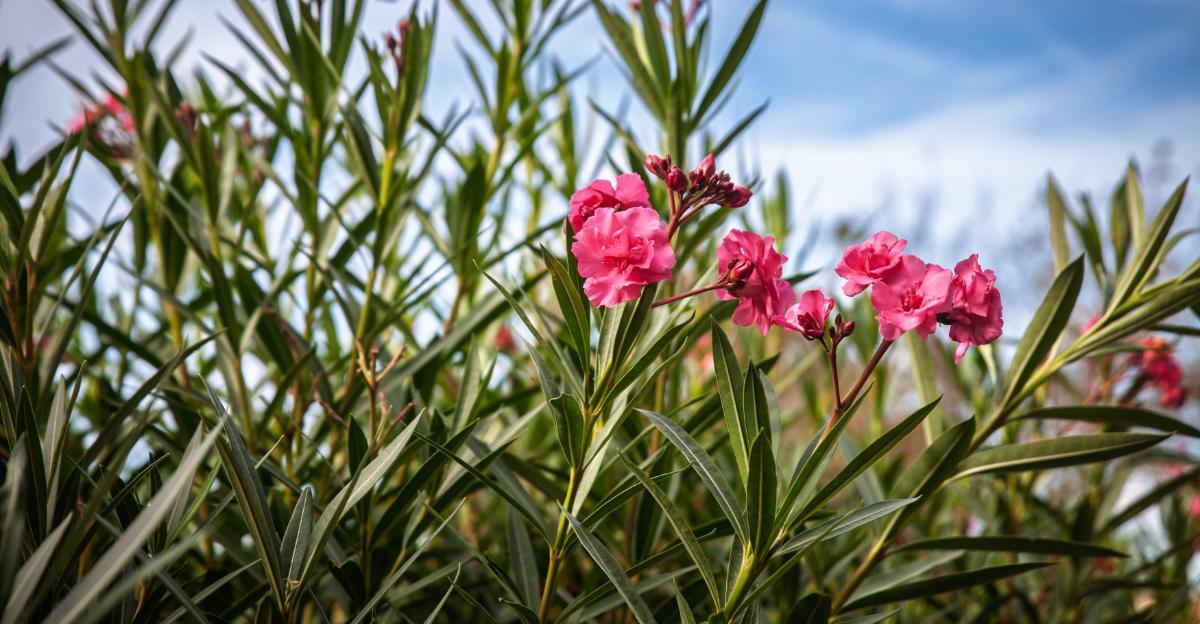
Some landscaping plants stay popular for so long that people rarely stop to question them. They become part of the background, showing up in neighborhood after neighborhood for years.
When a plant has that kind of history, it is easy to assume it will always have a place in the yard.
Lately, though, more people have been taking a second look at some of those longtime favorites. What once seemed like the obvious choice does not always fit the way people want their landscapes to look or function today.
Maintenance, appearance, and overall practicality are becoming bigger factors than they were in the past.
That trend is becoming more noticeable in Arizona, where a shrub that was once planted almost everywhere is starting to lose some of its appeal. More homeowners are deciding it is time for a change and are looking at other options instead.
The reasons behind that shift may sound familiar to anyone who has dealt with an older landscape.
1. Toxic Plant Parts Raise Safety Concerns
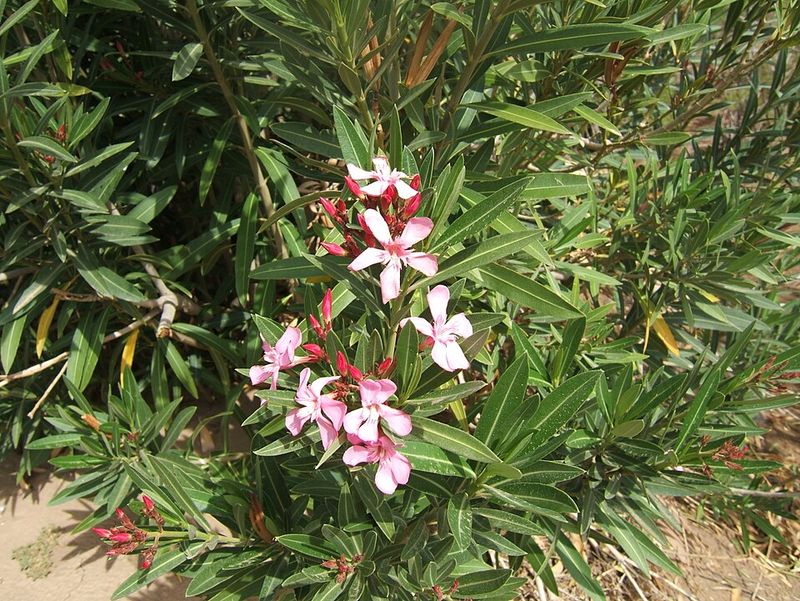
Every single part of an oleander plant is toxic. Leaves, stems, flowers, and even the smoke from burning clippings can cause serious harm to people and animals.
Families with young children or pets face real risk with oleander in the yard. Dogs and cats are especially vulnerable.
Kids playing outside can easily brush against branches or pick up fallen flowers.
Ingesting even a small amount can trigger vomiting, irregular heartbeat, and other severe reactions in both humans and animals.
Even small amounts can cause serious illness in people and pets, which is one reason some homeowners choose to avoid planting oleander.
Backyard barbecues add another layer of risk. Burning trimmings releases toxic compounds into the air.
Some homeowners have reported feeling ill after accidentally burning oleander branches with other yard waste.
Wearing gloves and eye protection during pruning is strongly recommended. Sap from cut stems can irritate skin and eyes on contact.
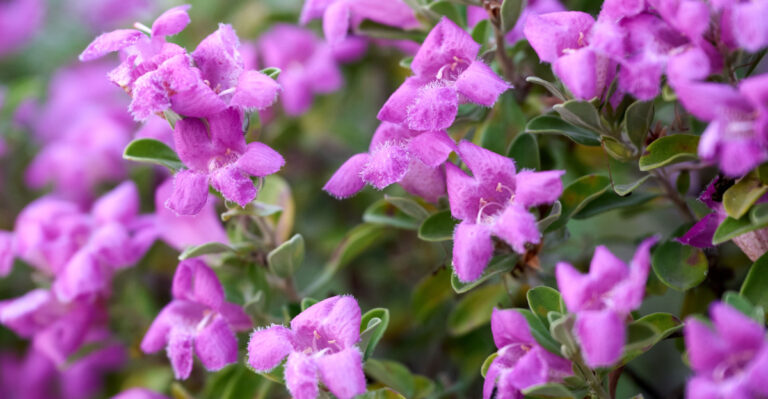
Swapping oleander for a non-toxic native shrub removes that constant background worry. Plants like desert willow or fairy duster offer color and texture without putting family members or pets at risk.
2. Oleander Leaf Scorch Has Become A Growing Problem
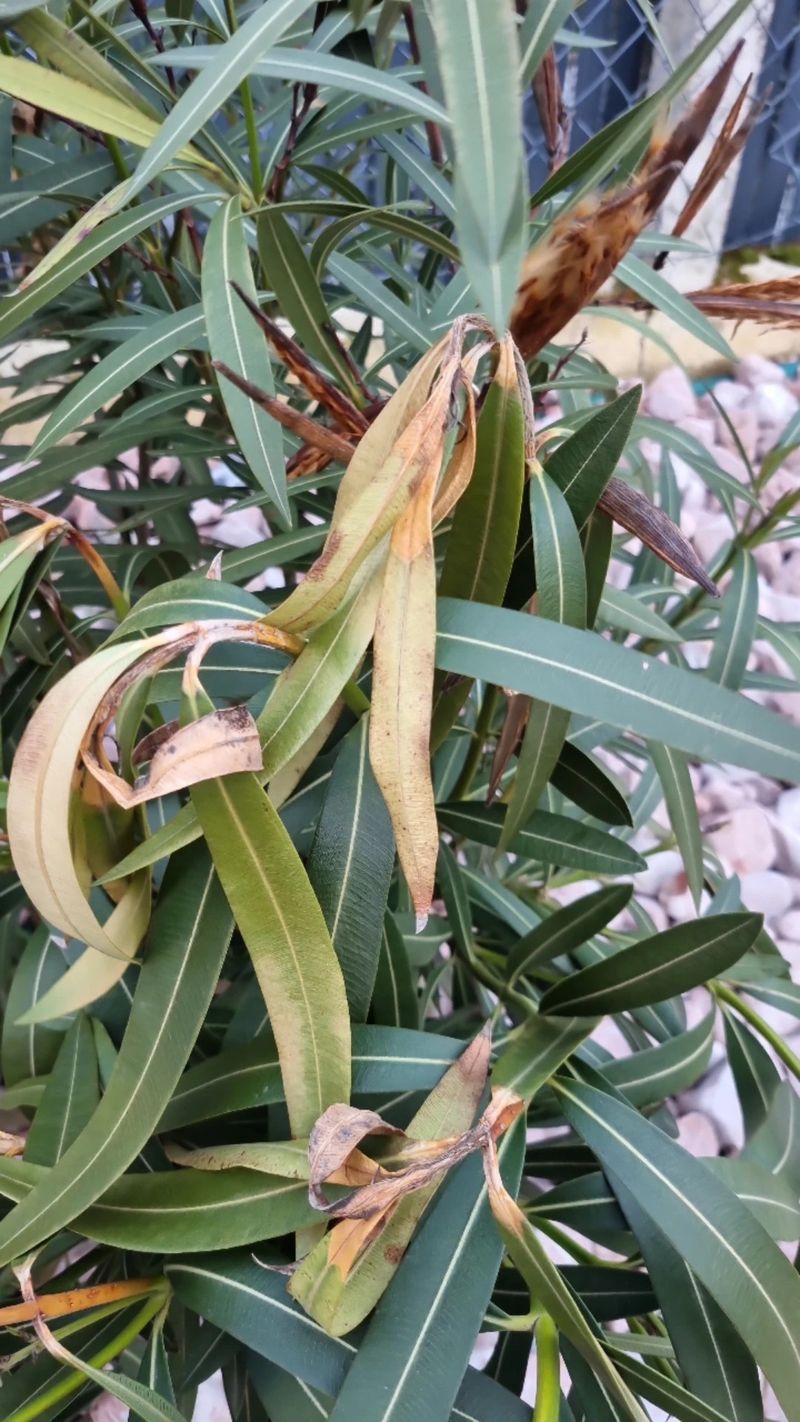
Oleander leaf scorch is not a minor cosmetic issue. It is a bacterial disease spread by the glassy-winged sharpshooter, an insect that has been moving steadily through Southern California and into the Southwest.
Once a plant is infected, there is no cure. Leaves turn yellow, then brown, and the plant gradually declines over months or years.
Removing infected plants is the only real option.
Homeowners who invested in mature oleander hedges have watched them deteriorate without any way to stop it. Replanting the same species just puts a new plant in the same path of infection.
Leaf scorch spreads easily between neighboring yards. If one plant on your block gets infected, others nearby are at higher risk.
Neighborhoods with dense oleander plantings can see widespread decline fairly quickly.
Landscape professionals in the region have started steering clients away from oleander specifically because of this disease. Planting something susceptible to an incurable bacterial infection makes little long-term sense.
Your Arizona Garden Changes Every Week. Your Plan Should Too.
Gardening in Arizona changes quickly throughout the season. Every Friday you’ll receive a simple weekly plan showing exactly what to plant, prune, fertilize, harvest, and protect so you never miss the right timing.
Choosing resistant native shrubs eliminates this risk entirely. Plants like brittlebush or globe mallow are not targeted by the sharpshooter and do not carry susceptibility to leaf scorch.
3. Frequent Pruning Becomes A Long-Term Chore
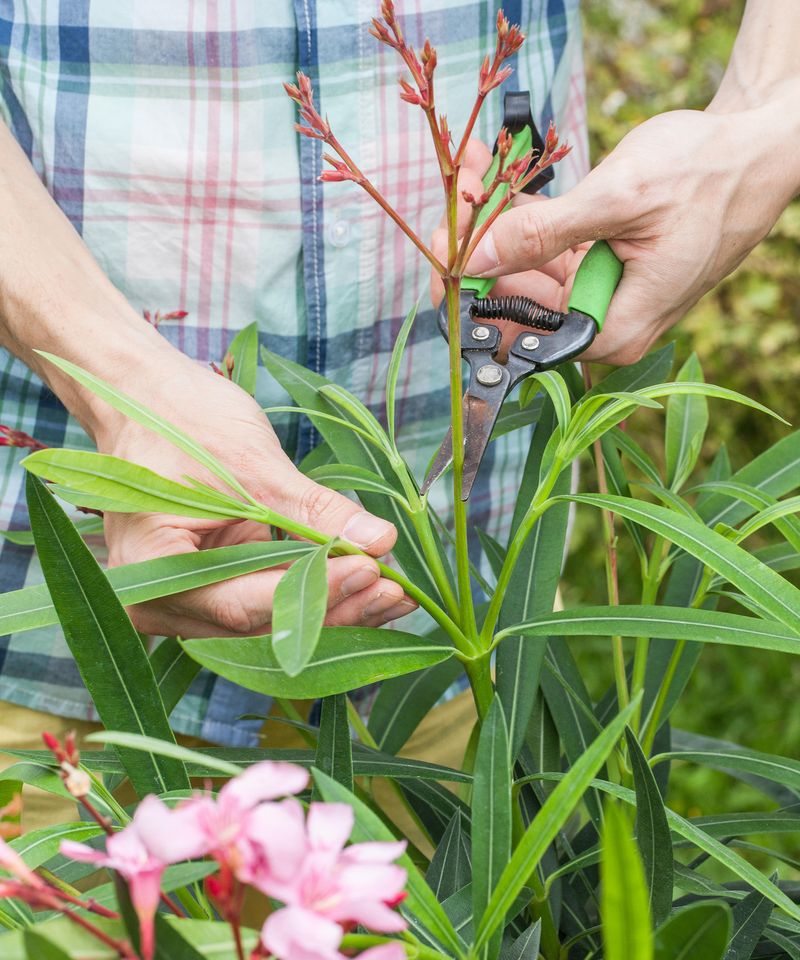
Oleander grows fast. Really fast.
In warm desert climates, an unpruned plant can shoot up several feet in a single growing season.
Left alone, oleander quickly turns into a sprawling, dense thicket. Keeping it shaped and sized requires regular cuts, sometimes two or three times a year depending on placement and how much space it has.
Pruning oleander is not a quick job either. Protective gloves and long sleeves are necessary every single time because of the toxic sap.
Cleanup takes extra care since clippings cannot just be tossed in a compost pile.
Most municipal waste systems require oleander trimmings to be bagged separately or taken to a designated facility. That adds time and sometimes cost to every pruning session.
Over years, the labor really adds up. Homeowners who planted oleander as a low-effort hedge often find themselves spending entire weekends managing overgrowth they did not anticipate.
Native shrubs like autumn sage or Texas ranger grow at a much more manageable pace. Pruning is still needed occasionally, but the frequency and intensity are far lower.
4. Native Shrubs Support More Birds And Pollinators
Walk past a blooming oleander and you will notice something. Very few insects visit it.
Very few birds nest in it. Compared to native desert shrubs, oleander provides far less food, shelter, and habitat value for local wildlife.
Native plants and local wildlife evolved together over thousands of years. Pollinators like native bees and butterflies recognize native blooms and rely on them for food.
Oleander, originally from the Mediterranean, does not offer the same nutritional value or familiarity.
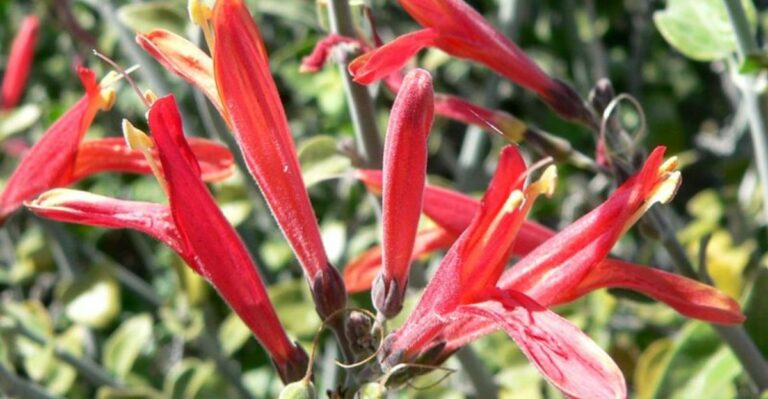
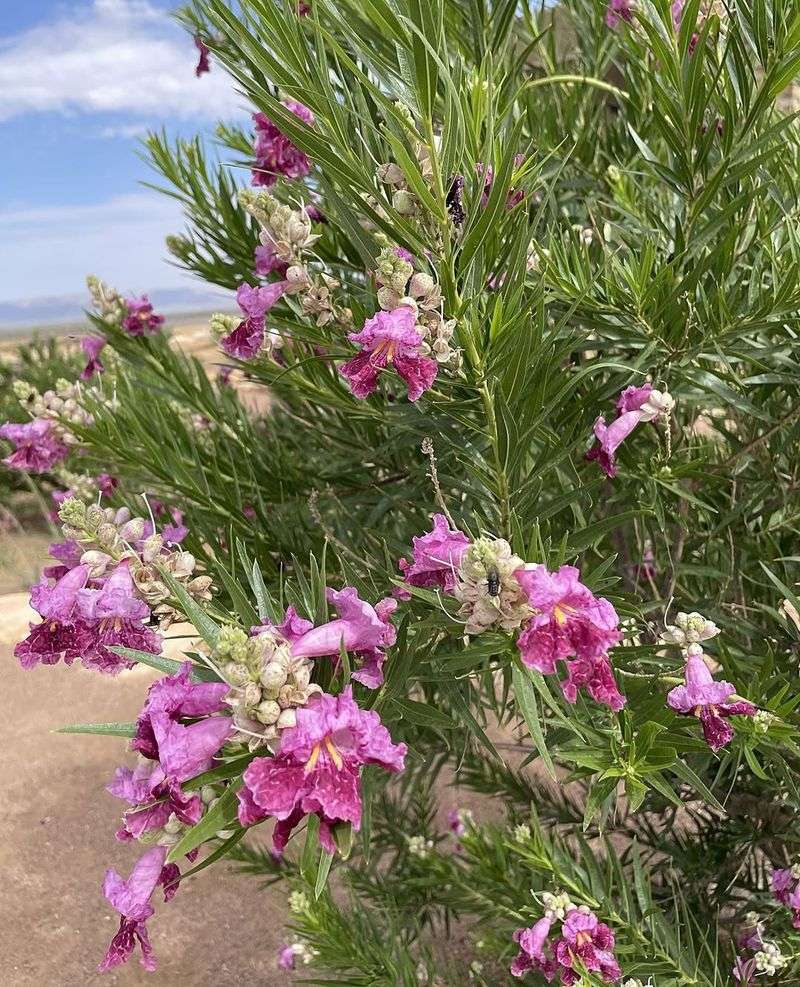
Hummingbirds are a good example. Homeowners who replace oleander with desert willow, chuparosa, or red justicia often notice hummingbird activity in their yard increase noticeably within one season.
Butterfly populations respond similarly. Globe mallow, desert marigold, and blackfoot daisy attract a surprising variety of pollinators that oleander simply does not.
That activity brings a yard to life in a way that a wall of oleander never can.
Birds also use native shrubs differently. Dense native plantings offer nesting sites and food sources that support quail, thrashers, and other desert species.
Supporting local biodiversity through plant selection is increasingly popular among homeowners who want a yard that actually contributes to the local ecosystem.
5. Flower Drop Creates Seasonal Cleanup Work
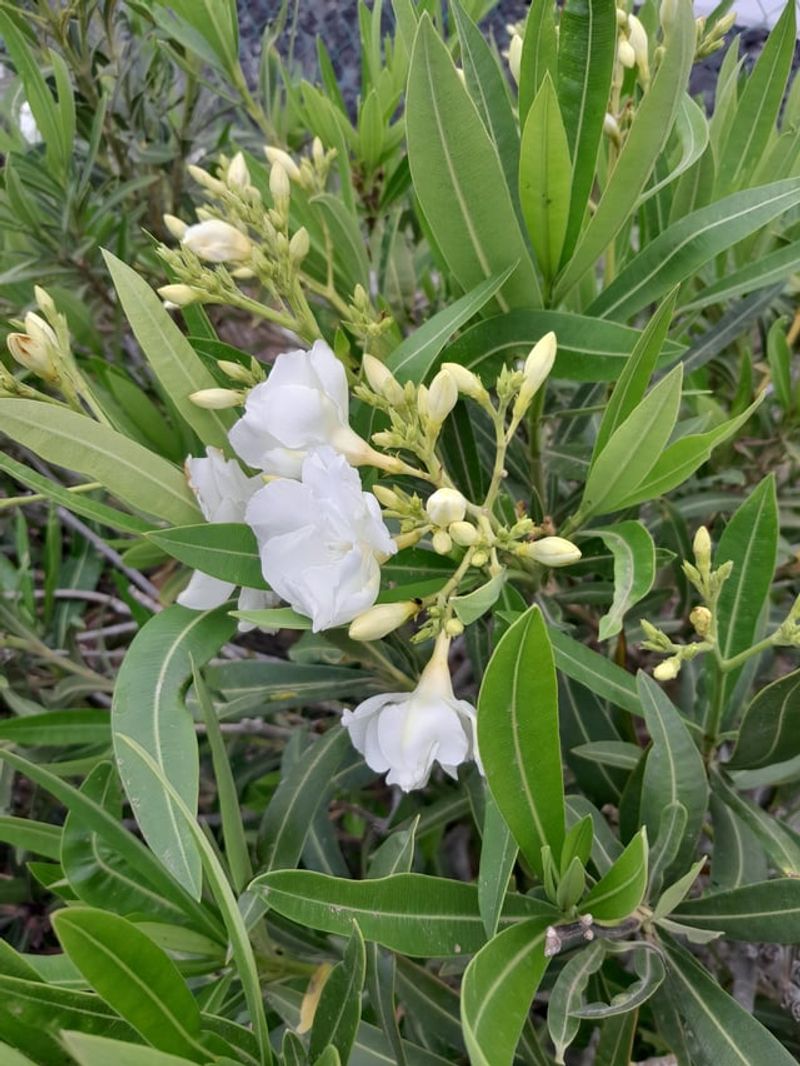
Oleander flowers are pretty while they last. But what comes after blooming is a different story entirely.
Spent blossoms drop constantly during peak bloom season. They land on patios, pool decks, walkways, and garden beds.
Because oleander is toxic, those fallen flowers cannot be handled carelessly or left to decompose freely in areas where kids and pets spend time.
Pool owners have it especially rough. Flower petals and leaves blow into the water regularly, clogging filters and staining pool surfaces.
Skimming an oleander-adjacent pool becomes a near-daily task during certain times of year.
Even away from pools, the cleanup is relentless. Sweeping patios, raking beds, and bagging debris adds up over a bloom cycle that can last several weeks.
Wearing gloves for all of it is not optional given the toxicity concern.
Contrast that with native shrubs like desert marigold or penstemon. Yes, they drop spent blooms too, but the volume is typically much lower, and there is no toxicity concern during cleanup.
Over a full year, the time spent cleaning up after oleander is something most homeowners underestimate when they first plant it.
6. Mature Plants Can Take Up Significant Yard Space
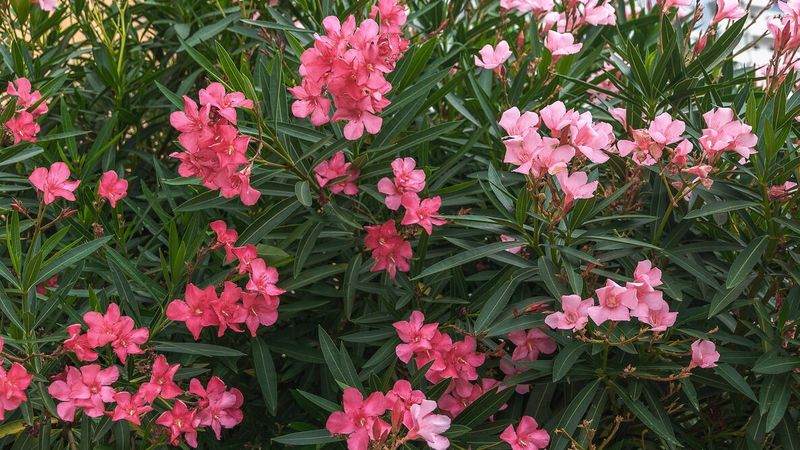
Oleander does not stay small. A mature plant can reach 10 to 20 feet tall and nearly as wide without consistent pruning to keep it contained.
Planted as a young shrub along a fence line, oleander looks manageable at first. Within a few years, it has expanded well beyond its original footprint.
Roots spread, trunks thicken, and the canopy pushes into neighboring spaces.
Homeowners who planted oleander near walls or structures sometimes find the roots creating pressure against hardscaping over time. Relocating a fully mature plant is extremely difficult and usually means complete removal instead.
Smaller yards feel the space issue most. A plant that seemed like a smart privacy screen becomes a dominant feature that crowds out everything else.
Patios feel smaller, other plants get shaded out, and the yard loses flexibility.
Removing a large, established oleander is also a significant job. Thick trunks require heavy cutting tools, and stumps often resprout aggressively if not treated properly after removal.
Native alternatives like Texas ranger or desert spoon offer structure and visual interest while staying within a much more predictable size range.
7. Low-Water Native Shrubs Offer More Benefits
Water conservation has become a serious priority across the desert Southwest. Homeowners are rethinking every plant in their yard with that lens, and oleander does not always come out looking great.
Established oleander is reasonably drought-tolerant, but it performs best with regular supplemental watering in hot climates. During peak summer heat, skipping irrigation leads to stress, leaf drop, and reduced bloom production.
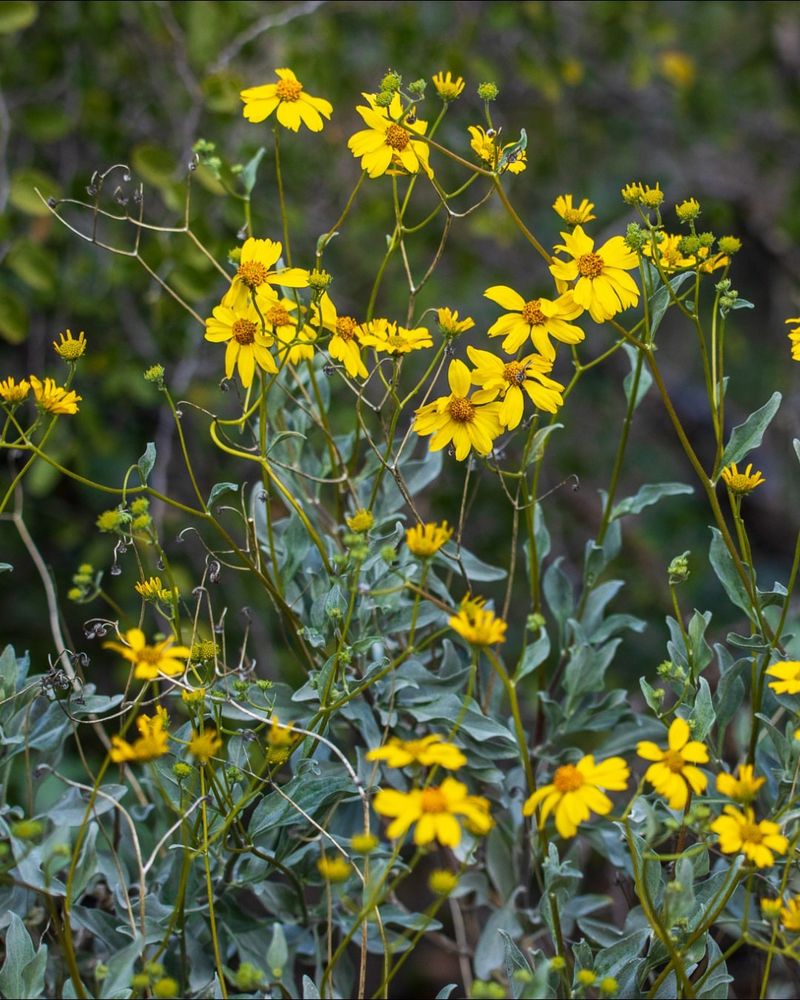
Compare that to fully established native shrubs like brittlebush, desert marigold, or bursage. Once rooted in, many of these plants survive on rainfall alone during most of the year.
Irrigation needs drop dramatically after the first establishment period.
Beyond water savings, native shrubs bring other practical benefits. Soil health improves when plants adapted to local conditions are used.
Root systems interact naturally with native soil microbes, reducing the need for fertilizers or soil amendments.
Native plants also tend to be more resilient against the specific pest and disease pressures found in desert environments. Oleander faces threats like leaf scorch that native shrubs simply do not encounter.
Curb appeal does not suffer either. Well-chosen native plantings can be just as attractive as oleander hedges, with the added bonus of seasonal blooms timed to local conditions.