How To Design A Florida Native Garden That Attracts Painted Buntings
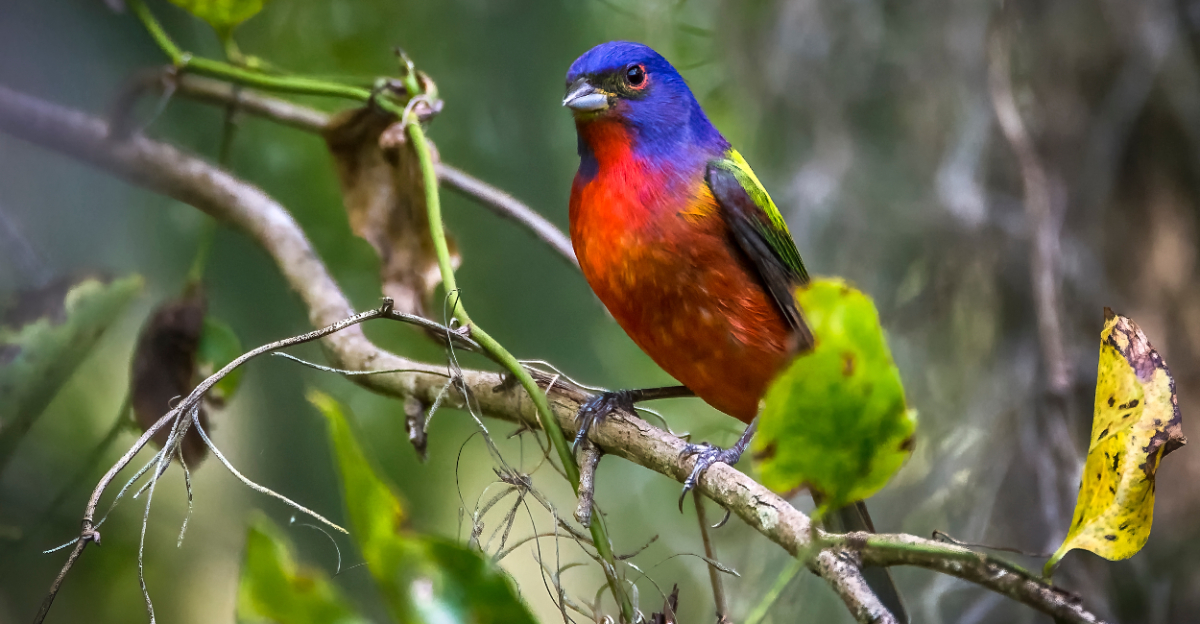
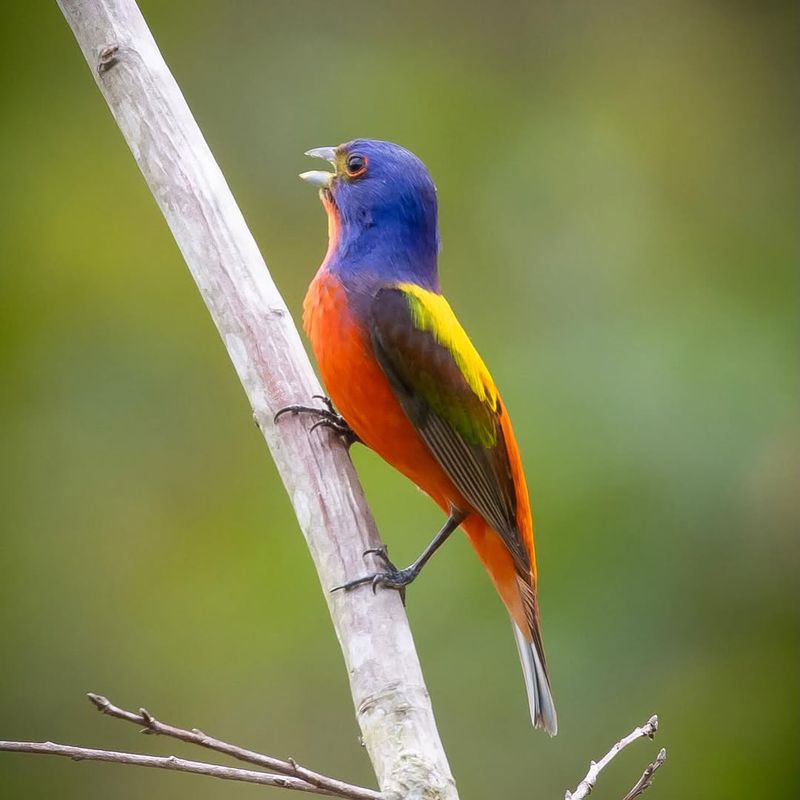
Painted buntings are the kind of bird that makes experienced birders stop mid-sentence. The male is almost unreasonably colorful, the sort of thing that looks more like a tropical fish than a backyard visitor.
Florida is one of the few places in the country where attracting them to your own yard is a realistic goal, not just a lucky accident. But painted buntings are specific about where they show up.
A generic bird-friendly yard does not automatically qualify. They have preferences, habitat requirements, and a short list of things they need to feel comfortable enough to visit regularly rather than just pass through.
A well-designed Florida native garden can check every one of those boxes. The plants that support painted buntings belong in a Florida yard regardless, which makes this one of the more satisfying garden goals to work toward.
The design decisions that matter most are worth knowing before you plant a single thing.
1. Build A Brushy Edge Before You Add Flowers
Stand at the edge of your yard and look at what connects your lawn to your fence or property line. If the answer is bare grass or a hard stop of mulch, that transition is one of the first things worth rethinking.
Painted buntings are birds of edges and thickets. They move through brushy vegetation where food and quick cover are close together, rather than crossing wide open spaces.
Field-edge style planting mimics the habitat they naturally use. A soft border of native shrubs, ornamental grasses, and wildflowers layered from low to mid-height gives them places to land, scan, feed, and retreat quickly.
Think of it as a gentle gradient rather than a sharp line.
In a suburban yard, this does not have to look wild or overgrown. A few native shrubs anchoring the back corners, with native grasses and low wildflowers filling the front of the bed, creates structure that looks intentional.
Native beautyberry, wild coffee, and Simpson stopper are all shrubs that work well in this state’s heat and humidity.
Avoid leaving large gaps of bare soil between plants, since dense planting at the edges is what gives birds the confidence to come closer to feeding areas.
2. Plant Native Grasses For The Seeds Buntings Love
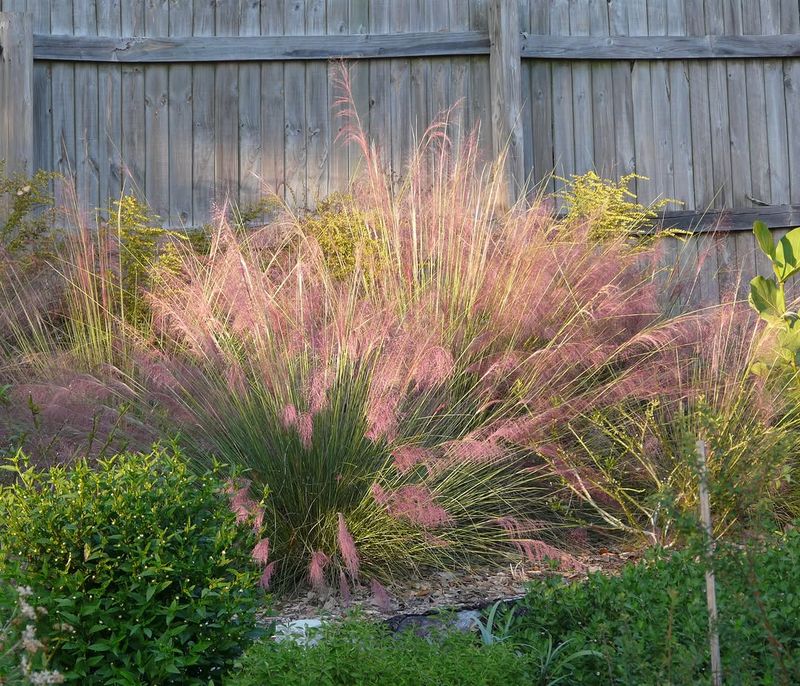
Watch a painted bunting for more than a few minutes and you will notice how often it works through low vegetation, picking seeds directly from plant stems.
Seeds make up a large part of the diet for this species, and native grasses are one of the most reliable ways to provide them.
Unlike a feeder, grass seedheads stay in place for weeks, giving birds repeated access without constant refilling.
Muhly grass is one of the most recognized native grasses in Florida landscaping, and its feathery seedheads are genuinely useful for seed-eating birds.
Wiregrass, a foundational grass of Florida’s native ecosystems, also produces seeds and supports a range of native insects.
Both species handle the state’s sandy soils and summer rain patterns well.
The most common mistake is cutting everything back too early. Many gardeners trim seed-producing grasses in late fall or winter, just when migrating and wintering birds need them most.
Your Florida Garden Changes Every Week. Your Plan Should Too.
Gardening in Florida changes quickly throughout the season. Every Friday you’ll receive a simple weekly plan showing exactly what to plant, prune, fertilize, harvest, and protect so you never miss the right timing.
Leaving seedheads standing through the cooler months gives foraging birds a real food source. A light trim in late winter or early spring is enough to refresh the planting without removing the season’s value.
Mixing a few grass species with different seed timing extends the benefit across more of the year.
3. Layer Shrubs Low Enough For Safe Cover
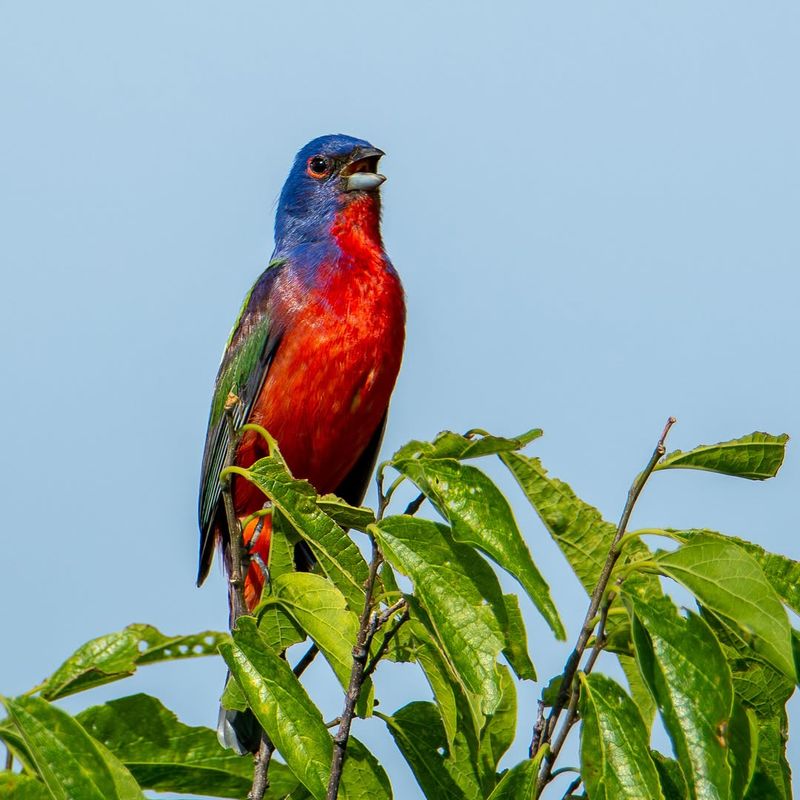
A seed-rich garden without nearby cover is like a restaurant with no walls. Birds may visit briefly, but they will not stay long.
Painted buntings are cautious, and they move between feeding spots and sheltering vegetation regularly. Dense shrubs placed near seed plants give them a quick retreat when something startles them, which makes the whole yard feel safer.
Low to mid-height shrubs work better here than tall tree canopies alone. Wild coffee is a shade-tolerant native shrub that fits well under larger trees and provides cover close to the ground.
Firebush offers both cover and late-season interest. Beautyberry grows quickly and fills in well even in partial shade, making it useful along fence lines or garden edges.
Placement matters as much as plant choice. Shrubs positioned within a short flight distance of seed grasses or feeders let birds move back and forth without crossing large open areas.
Avoid planting so densely that the yard becomes an unmanaged thicket, which can actually attract predators and reduce visibility. A well-spaced grouping of two or three shrubs near a feeding zone creates the right balance of shelter and openness.
Keeping shrubs trimmed to a manageable height also makes the yard easier to maintain without sacrificing habitat value.
4. Let Wildflowers Feed Insects Before They Set Seed
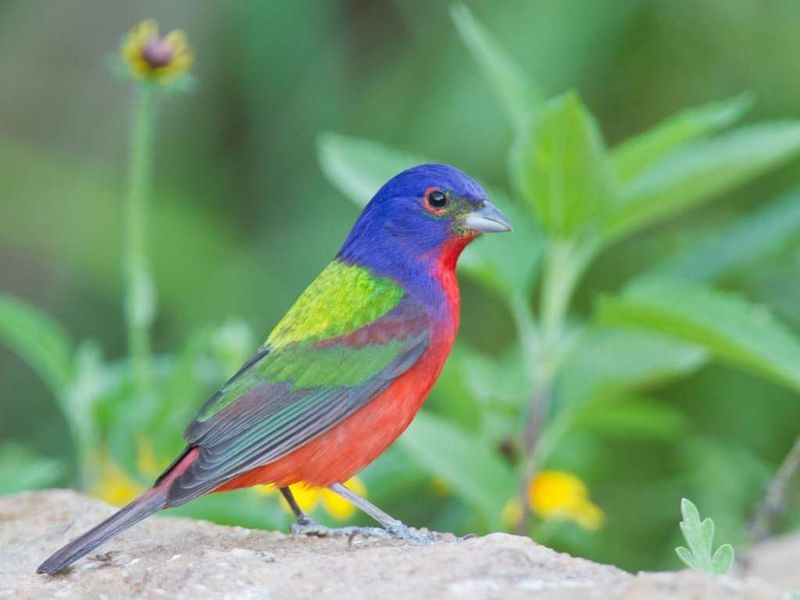
Native wildflowers pull double duty in a bird-friendly garden. During bloom, they support insects, including caterpillars, beetles, and native bees, that many songbirds depend on during nesting season.
Once the flowers fade and seeds develop, they become a direct food source for seed-eating birds like painted buntings.
Florida native wildflowers such as tickseed coreopsis, black-eyed susan, and native sunflowers fit well into home landscapes.
They handle sandy soil and summer heat without much fuss, and they tend to self-seed lightly, which means a planting can fill in gradually over time.
Staggering species with different bloom times keeps the garden active from early spring through late fall.
The mistake many gardeners make is trimming everything too aggressively. Removing spent flowers too quickly cuts off the seed stage entirely.
Let at least part of the planting go to seed, especially in the fall and early winter months. That is when painted buntings are present in this state, and it gives birds a reliable food source right in the garden.
A mixed wildflower bed does not need to look untidy to be functional. Leaving seedheads in place while keeping pathways and bed edges clean strikes a balance that works for both the garden and the birds visiting it.
5. Keep Dense Vines Where Buntings Can Hide
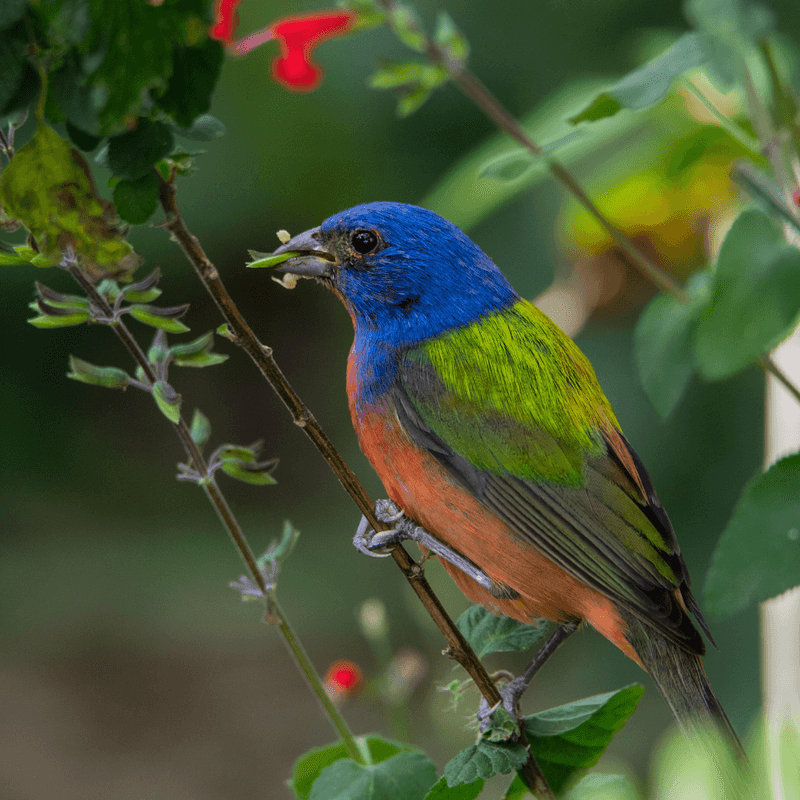
Some of the best bird habitat in a yard hides in plain sight along a back fence or trellis. Dense native vines, kept under control, create secure hiding spots that birds use to rest, preen, and move through the yard without feeling exposed.
For a bird as colorful and visible as a painted bunting, that kind of cover can make a real difference in how comfortable it feels in your space.
Coral honeysuckle is one of the best native vine options for this state. It supports hummingbirds and insects during bloom and grows well on fences or trellises without the aggressive spread of invasive alternatives like Japanese honeysuckle.
Crossvine is another native option that handles heat and humidity well and provides dense foliage cover once established.
The key to using vines well is management. A vine left completely unchecked can swallow a fence, crowd out nearby shrubs, or create a hiding spot for the wrong kind of wildlife.
Trimming vines once a year, usually in late winter before new growth begins, keeps them productive without letting them take over.
Attaching vines to a dedicated trellis or fence section also makes it easier to control their spread while keeping the rest of the garden clean and accessible.
6. Add Berry Plants Without Turning The Yard Messy
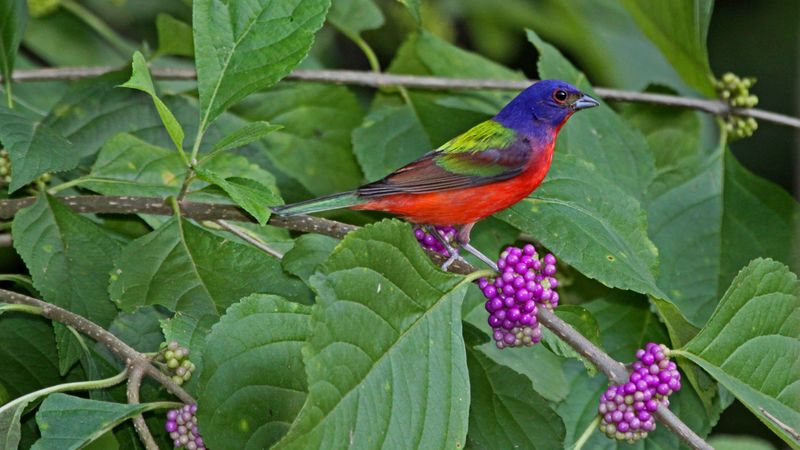
Berry-producing native plants add genuine wildlife value to a home garden without requiring a wild or unkept look.
While painted buntings focus mainly on seeds and insects, a yard that supports a variety of bird species tends to feel more active and welcoming overall.
Berry plants bring in other songbirds, which can make the garden more interesting through the seasons.
American beautyberry is a standout native shrub for this purpose. Its clusters of bright purple berries ripen in fall and attract mockingbirds, robins, and other fruit-eating species.
Native hollies, including inkberry and yaupon, are also useful and can be shaped to fit a more formal landscape style if needed. Both handle wet and dry conditions in this state without much fuss.
Fallen fruit near patios, entryways, or composting areas can attract unwanted visitors or create slippery surfaces, so placement matters. Siting berry plants toward the back or sides of the yard, away from high-traffic areas, keeps things tidy.
A light raking under heavy-fruiting shrubs once or twice a season is usually enough to manage any mess.
The goal is a yard that feels balanced, with enough wildlife value to attract birds but enough order to stay enjoyable for the people who use it every day.
7. Leave A Quiet Ground Layer For Foraging
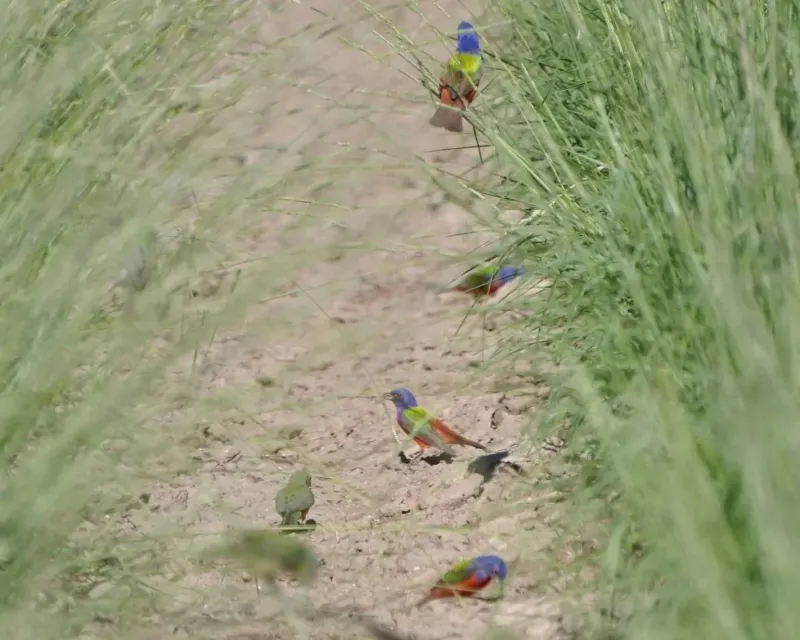
A perfectly manicured lawn edge offers almost nothing to a foraging bird. Painted buntings often feed low, near cover, picking seeds from the ground or from low plant stems.
A sterile, raked, and exposed ground layer gives them little reason to linger, while a planted, low-disturbance area invites them to stay longer and return more often.
Leaf litter plays a bigger role than most gardeners expect. A thin layer of leaves in planted beds holds moisture, supports soil insects, and creates the kind of quiet, natural texture that ground-feeding birds find useful.
Keeping leaf litter in beds while sweeping it off walkways and patios maintains a tidy appearance without removing its habitat value.
Low native plants like sunshine mimosa, native violets, or low-growing ferns can fill the ground layer under shrubs and along bed edges. These plants slow foot traffic, reduce bare soil, and give small birds a sense of shelter while they feed.
Quiet corners of the yard, away from high-traffic areas, pets, and loud activity, are the best spots to let a ground layer develop. Keep those corners undisturbed during late fall and winter.
That is when painted buntings are most likely to be present in this state, and the quiet gives foraging birds the calm they need to feel safe.
8. Skip Pesticides So Summer Insects Stay Available
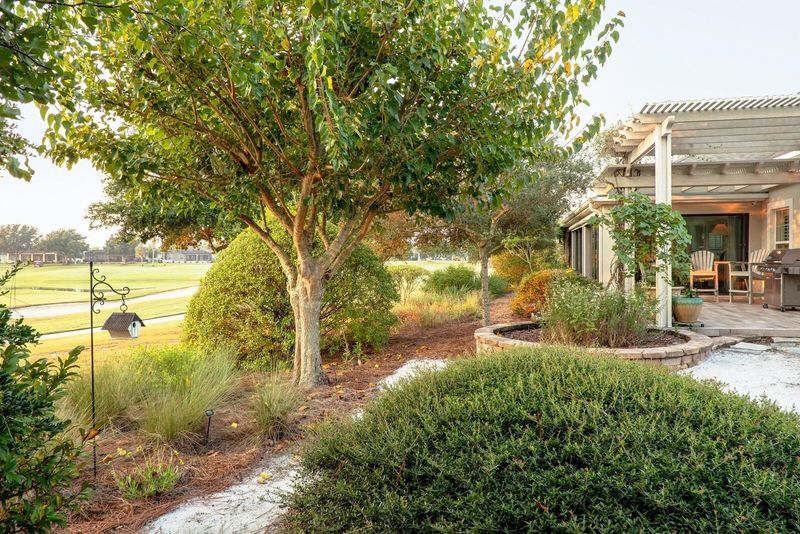
A garden full of native plants but emptied of insects is only half a habitat. Broad pesticide use can significantly reduce insect populations.
That includes both insecticides and some herbicides, and it affects the insects that birds and their young depend on during nesting and growth periods.
Even seed-focused birds like painted buntings benefit from insect availability in the broader ecosystem they move through.
Integrated pest management offers a practical middle path. Rather than treating the whole yard on a schedule, this approach focuses on identifying actual pest problems and using targeted responses.
It also means tolerating minor plant damage that does not threaten the health of the planting. Native plants generally support insect populations better than non-native alternatives.
Many have also developed natural defenses that reduce serious pest pressure over time.
Caterpillars, beetles, and other native insects that rest on garden plants are part of the food web that makes a yard valuable to birds. Removing them broadly disrupts that chain.
Spot-treating specific problem areas with the least harmful option, rather than blanket spraying, keeps more of the insect community intact. Florida’s warm climate means insect activity continues well into fall and winter.
Maintaining a pesticide-light approach year-round supports the garden’s habitat value during the months when painted buntings are most likely to visit.