Maryland’s Crackdown On Popular Ornamental Grasses And What To Plant Instead
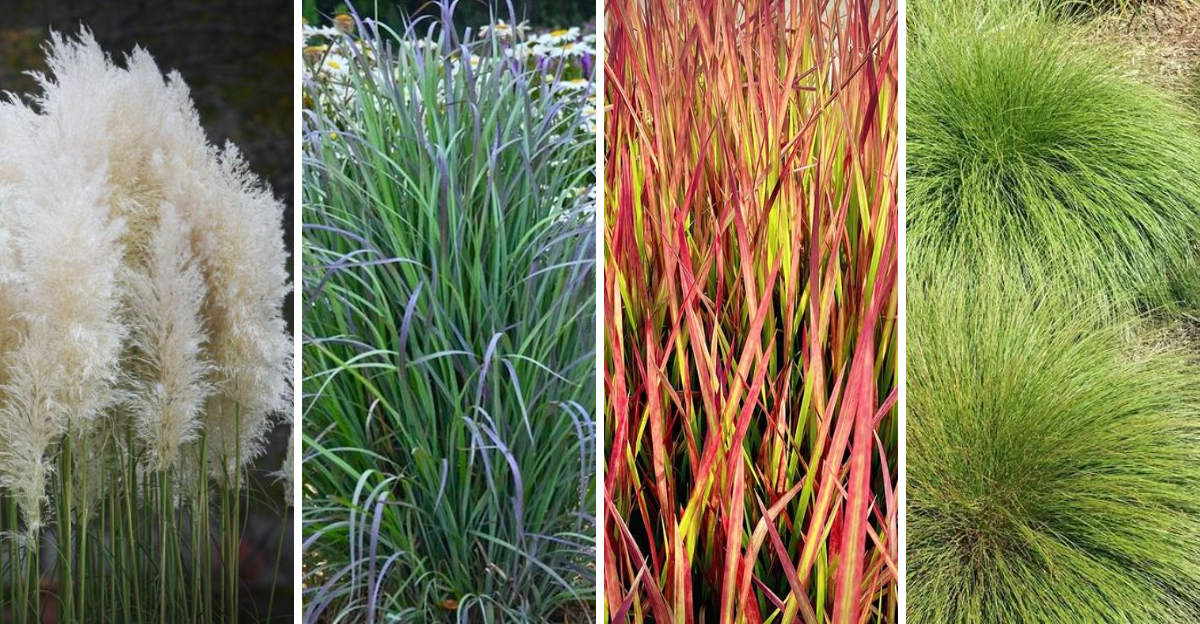
You pull it out and it returns. That tall, feathery fountain grass you tucked along the fence looks exactly right in your Maryland garden, graceful and completely at home.
Then one week you notice seedlings pushing twenty feet into the tree line, and the whole picture shifts.
That is ornamental grass for you. It sways beautifully and fills a bare corner like nothing else, yet slowly edges out everything growing beside it.
Here is the thing most gardeners never stop to consider: what is actually lost when one plant takes over the whole conversation?
Maryland has been watching this unfold for years and is now moving to restrict several of the most popular varieties on nursery shelves.
The state has a list, native plants are losing ground, and local wildlife is running out of options. What you plant next might be the most rewarding decision your garden gets this year.
Chinese Silvergrass / Maiden Grass
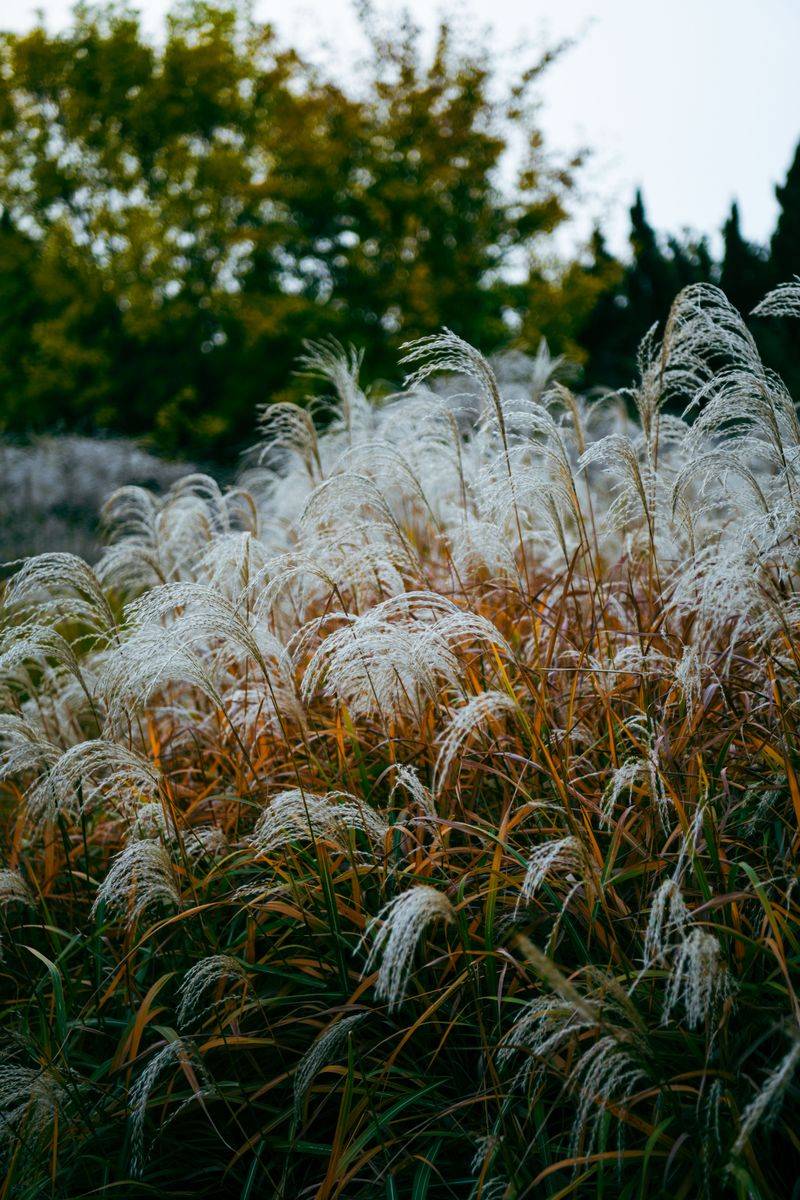
Walk through any suburban neighborhood in autumn and you will spot it immediately. Those tall, silvery plumes swaying in the breeze belong to Chinese Silvergrass, also called Maiden Grass, and it has been a garden favorite for decades.
Botanists know it as Miscanthus sinensis, and nurseries have sold it in hundreds of decorative varieties. It looks stunning in October light, and that is exactly the problem.
Depending on the cultivar, a single plant can produce tens of thousands of wind-carried seeds each year. Those seeds travel on the wind, landing in forests, meadows, and wetlands far from your backyard.
They do not need help to spread and they do not stop at property lines. Once established in the wild, this grass forms thick, dense colonies that crowd out native plants.
Native wildflowers, shrubs, and grasses cannot compete with its aggressive root system and rapid growth rate, and once it takes hold in a natural area it is genuinely difficult to remove.
Maryland has flagged it as a priority invasive species because the ecological damage is well-documented across the region.
The state is now moving toward restricting its sale and planting to protect natural habitats from further spread.
Every season it remains in garden centers is another season its seeds are moving into places they should never reach.
Chinese Fountain Grass
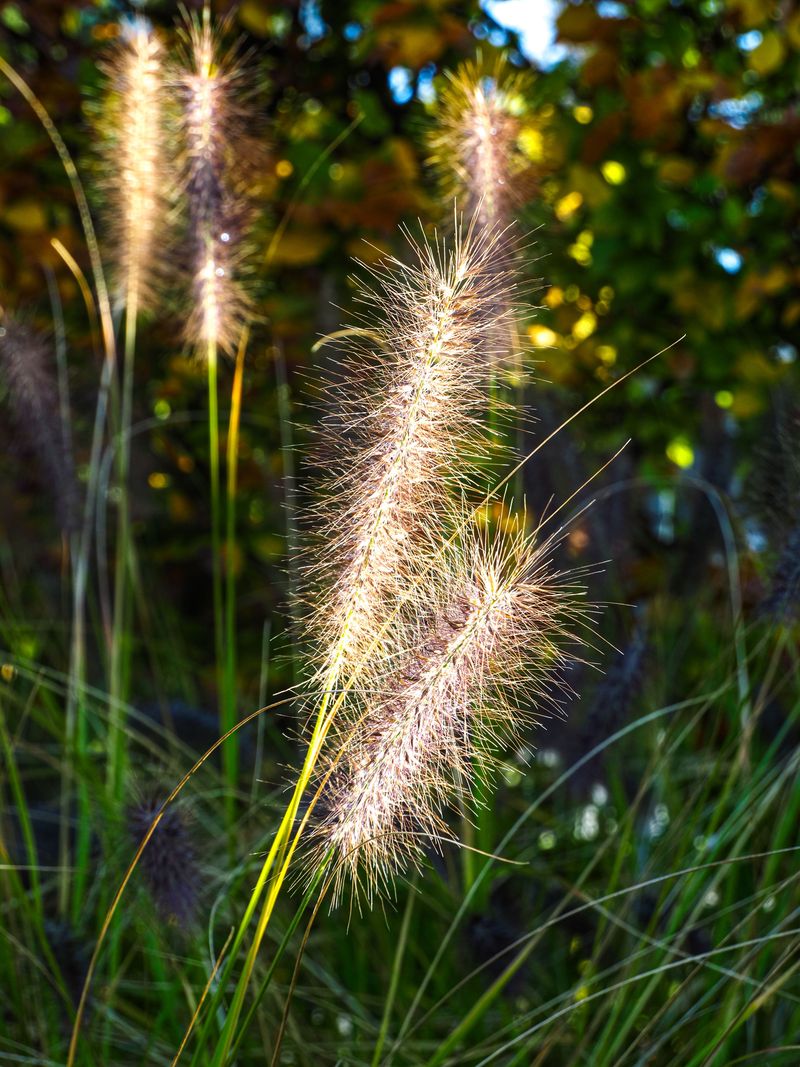
Picture a grass so charming that it ended up in nearly every garden center across the Mid-Atlantic.
Chinese Fountain Grass (Cenchrus purpurascens) has been a nursery bestseller for years thanks to its soft, arching shape and fuzzy seed heads.
Homeowners loved it for borders, containers, and slopes. It required almost no care, which made it even more appealing to busy gardeners.
But that same toughness that made it popular is now the source of serious concern. The plant self-seeds aggressively, and its offspring spread well beyond any garden boundary.
Roadsides, stream banks, and open fields across Maryland have seen this grass pop up uninvited. Once it gets into a natural area, it is incredibly difficult to remove.
Your Maryland Garden Changes Every Week. Your Plan Should Too.
Gardening in Maryland changes quickly throughout the season. Every Friday you’ll receive a simple weekly plan showing exactly what to plant, prune, fertilize, harvest, and protect so you never miss the right timing.
It thrives in disturbed soils, which means construction sites and cleared land become easy targets for colonization. The grass outcompetes native species that wildlife depend on for food and cover.
Maryland’s decision to restrict this plant is based on years of field observations by ecologists and land managers. The spread has been significant enough to trigger official action.
Gardeners who want that soft, fountain-like shape in their yard can turn to native alternatives like prairie dropseed. That species delivers a similar graceful look without threatening surrounding ecosystems.
Choosing plants that belong in Maryland’s natural landscape is one of the most powerful things a homeowner can do. Small garden decisions add up to big environmental outcomes over time.
Pampas Grass
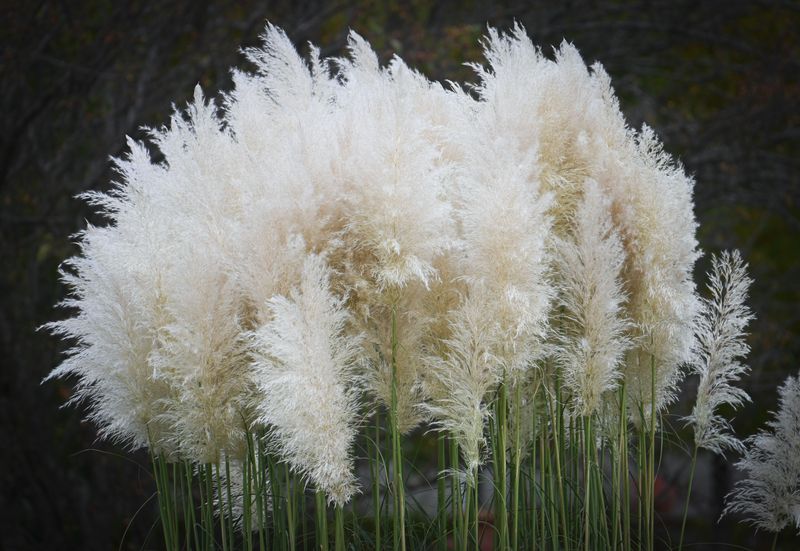
Few plants make a bolder statement than Pampas Grass standing eight feet tall with enormous white plumes.
It has been a landscape showstopper for decades, and plenty of Maryland homeowners planted it for exactly that commanding presence along fences and property lines.
Cortaderia selloana is its scientific name, and it hails originally from Argentina, Brazil, and Uruguay. In its native range, natural competitors keep it in check.
Here in Maryland, it faces almost no natural competition and takes full advantage of that freedom.
A single mature clump can produce hundreds of thousands of seeds in one season, each one light enough to travel on the breeze and germinate easily in disturbed soil.
Once Pampas Grass moves into natural areas, it forms dense stands that native grasses and young trees struggle to establish in.
Fire risk is another concern that land managers point to frequently. The dry, brittle blades accumulate around the base of each clump and become highly flammable in dry conditions.
Maryland’s listing of this species as invasive reflects a broader effort to protect natural lands from aggressive non-native plants.
Ecologists have watched it gradually take over open meadows that once supported a wide range of native plants and the wildlife that depended on them.
Japanese Bloodgrass
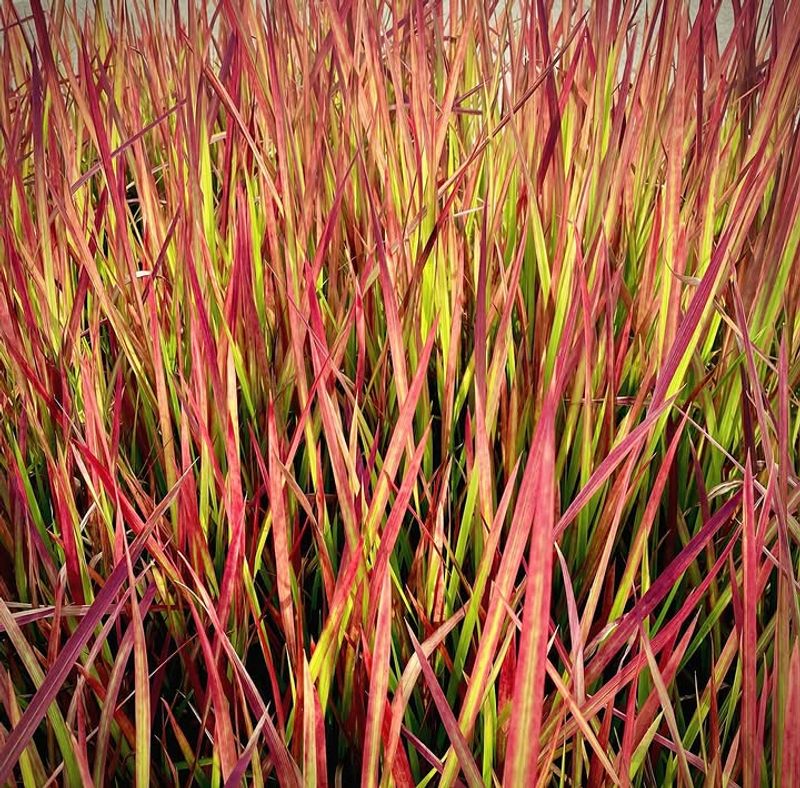
The name alone sounds like something from a fantasy novel, and the look delivers on that drama. Japanese Bloodgrass, or Imperata cylindrica, is known for its striking red-tipped blades that glow in afternoon sun like stained glass.
Gardeners planted it for color, and it absolutely delivers on that front. The problem is what happens when it reverts back to its all-green form.
The ornamental red variety was long considered sterile, but research has since found it can produce viable seed, and it has been documented reverting to the invasive green form in Maryland.
That green form is one of the world’s most aggressive invasive grasses. It spreads through underground rhizomes, sending roots in every direction without producing seeds that are easy to spot and remove.
By the time most people notice the invasion, it has already spread widely. Maryland has placed this species on its invasive watch list because even a small patch can become a large-scale problem fast.
Land managers across the Southeast have battled it for years with limited success. The grass forms solid mats that block sunlight from reaching the soil surface. Native seedlings and low-growing plants cannot survive in those conditions.
Removing it once established requires repeated treatment over multiple growing seasons. That kind of effort costs landowners and conservation groups significant time and money.
For the same season-long color impact in a native grass, Little Bluestem is the right replacement. Maryland’s landscapes deserve plants that contribute rather than consume.
Switchgrass
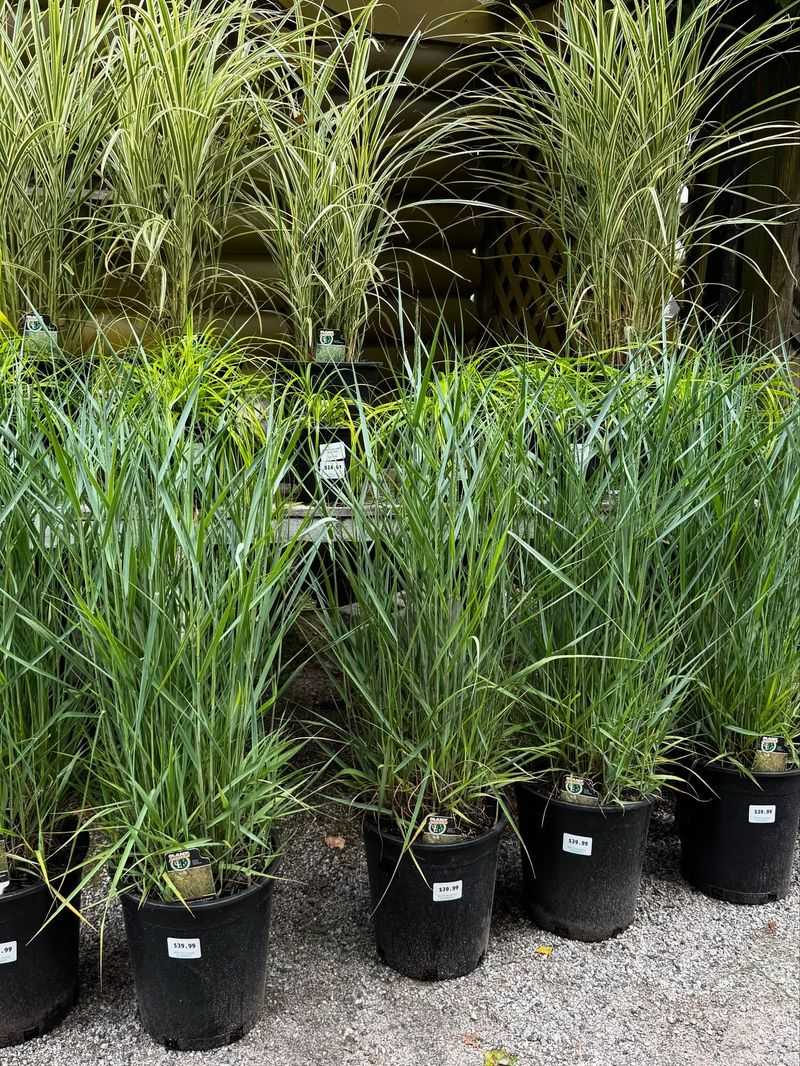
If you love the height, movement, and fall drama of Chinese Silvergrass, Switchgrass gives you everything you are looking for without any of the ecological consequences.
It is one of the most ornamentally versatile native grasses available to Maryland gardeners and it belongs here naturally.
Switchgrass grows 3 to 7 feet tall depending on the cultivar, with airy panicles that catch light beautifully in late summer and fall.
Popular cultivars give you real design choices: ‘Shenandoah’ turns a deep burgundy red in autumn, ‘Heavy Metal’ stays stiffly upright for a more architectural look, and ‘Northwind’ offers blue-green foliage that holds its form through winter.
Its root system reaches 5 to 6 feet deep, making it exceptional for erosion control and rain gardens. It tolerates dry soils, wet soils, clay, and everything in between.
It needs no fertilizer and rarely requires supplemental watering once established. Beyond the garden, Switchgrass actively supports local wildlife.
It serves as a host plant for multiple native butterfly species and its seeds feed songbirds through the winter months.
Planting it does not just replace an invasive grass. It repairs something the landscape actually lost.
Prairie Dropseed
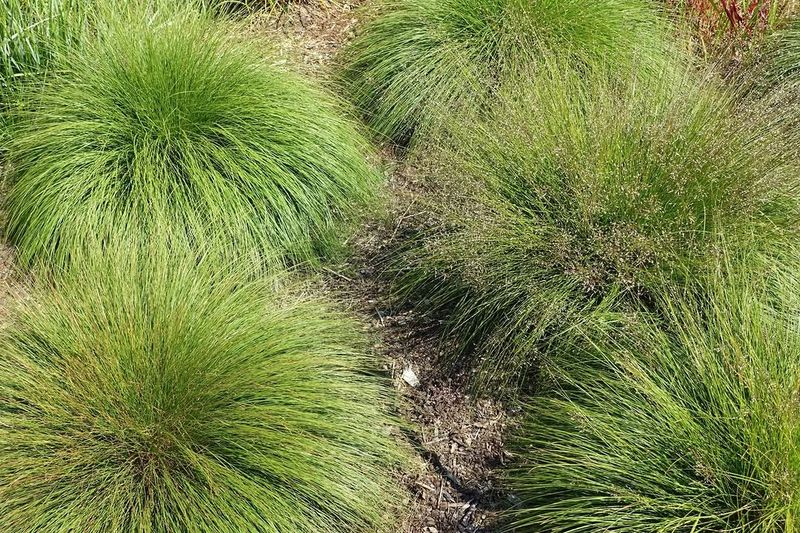
If the soft, arching fountain shape of Chinese Fountain Grass is what drew you in, Prairie Dropseed delivers the same graceful silhouette with none of the invasive spread.
It is widely considered the most ornamental of all native prairie grasses, and it earns that reputation from the moment it goes in the ground.
Prairie Dropseed forms neat, rounded mounds of very fine-textured emerald green leaves that arch outward from the center just like its non-native counterpart.
In late summer, delicate flowering panicles rise up to 36 inches above the foliage on slender stems, creating a soft haze that catches the light.
One detail that surprises most gardeners: the flowers are fragrant. The scent is subtle and distinctive, often described as similar to coriander or freshly roasted popcorn.
By fall, the foliage shifts to warm gold and copper tones that carry through into winter. It grows well in full sun and average to dry soils, needs no fertilizer, and is highly drought tolerant once established.
It is also deer resistant and supports native butterfly species as a host plant. This is a grass that genuinely rewards patience.
Little Bluestem
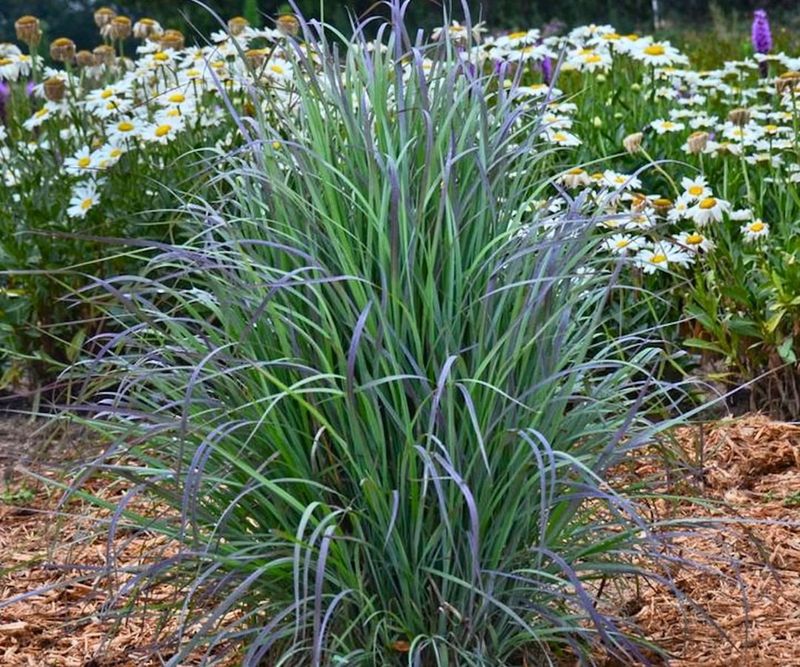
If bold color in the garden is what Japanese Bloodgrass gave you, Little Bluestem gives you something even better.
It delivers that same visual punch without the risk of the plant quietly changing into something far more destructive. Little Bluestem is a Maryland native that delivers four full seasons of visual interest.
Blue-green stems emerge in spring, maturing through summer before turning a radiant mahogany-red in fall, a color that holds well into winter alongside fluffy white seed tufts that catch the low sun beautifully.
It grows 2 to 4 feet tall in dense, upright clumps that work equally well as a specimen plant, a border grass, or massed across a meadow planting.
The cultivar ‘The Blues’ is particularly popular for its intensely blue summer foliage before the fall color shift.
Little Bluestem thrives in full sun and tolerates a wide range of soils including sandy, clay, rocky, and nutrient-poor conditions.
It is highly drought tolerant, highly deer resistant, and asks for almost nothing once established.
It also supports local wildlife meaningfully, serving as a host plant for multiple native skipper butterflies and providing essential winter cover and seed for overwintering birds.
Big Bluestem
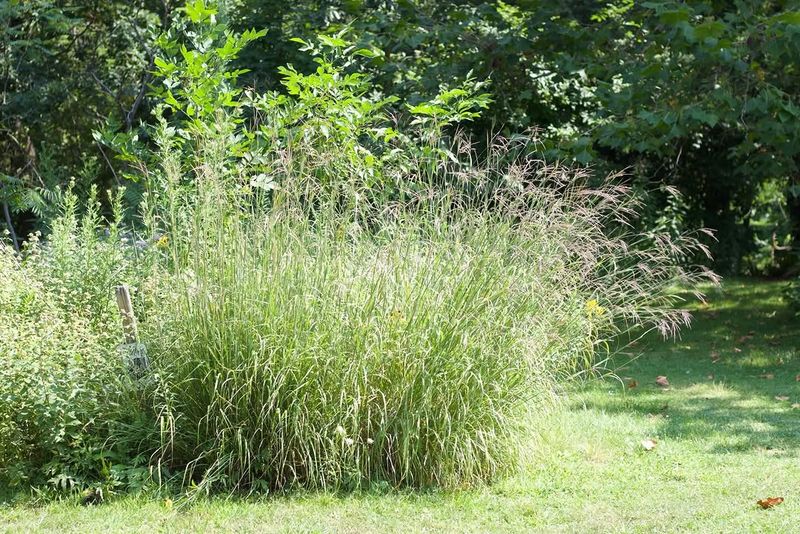
If Pampas Grass earned its place in your garden through sheer height and presence, Big Bluestem is the native answer that matches it on both counts.
It then adds something Pampas Grass never could: genuine value to the local ecosystem. Big Bluestem is one of the tallest grasses native to Maryland, commonly reaching 5 to 8 feet with flowering stems that rise even higher.
Blue-green foliage emerges in spring and deepens through summer before shifting to rich shades of orange, red, and bronze in fall. It is a color display that rivals anything imported from South America.
The distinctive flower clusters resemble an upturned turkey foot, adding a sculptural, architectural element in late summer that makes it a genuine focal point in any landscape.
It works beautifully as a privacy screen, a border planting, or a tall specimen along a fence line. Once established, it is exceptionally tough.
It tolerates drought, poor soils, deer, erosion, salt, and pollution without complaint. Its deep root system also makes it one of the best choices available for stabilizing slopes and stream banks where other plants struggle.
Birds, butterflies, and native bees rely on it heavily throughout the year. Every planting is a genuine contribution to Maryland’s natural landscape, not just a replacement for something that should never have been there in the first place.