These Georgia Native Grasses Help Prevent Soil Erosion On Slopes
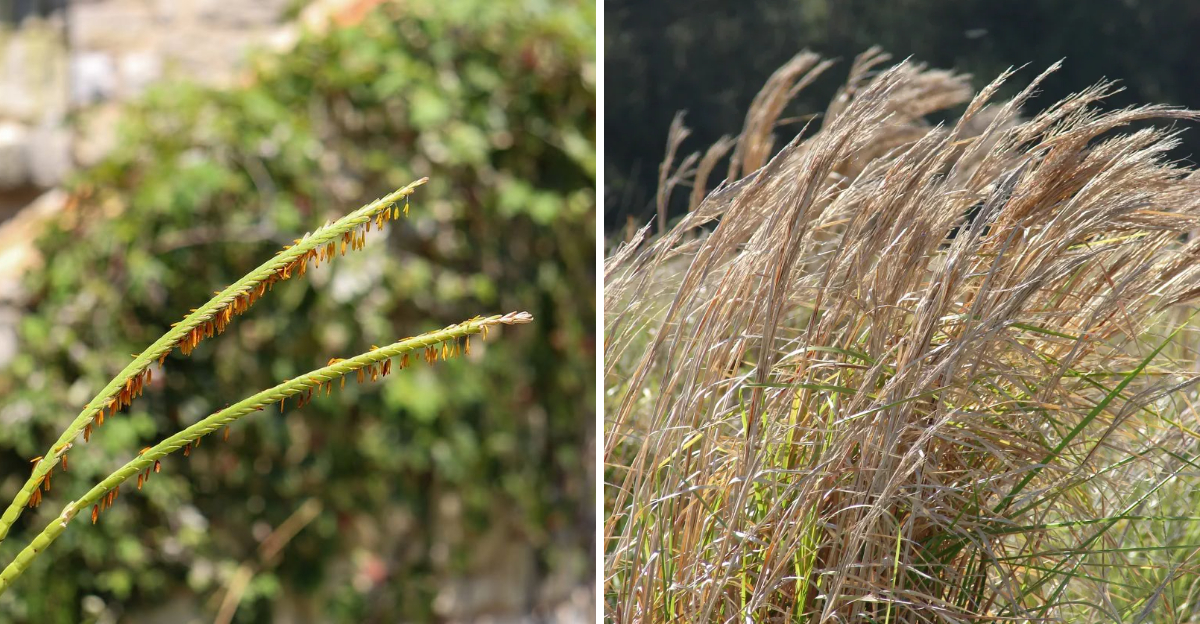
Soil has a way of ending up exactly where you do not want it. After a strong rain, you might notice mulch sliding downhill, bare patches getting larger, or small channels forming across a slope.
It is frustrating because the problem never seems completely solved. You fix one area, only to find another spot struggling a few weeks later.
Many people assume erosion can only be controlled with expensive landscaping projects or major yard renovations. That is why some of the simplest solutions often get overlooked.
The plants growing in a landscape can have a much bigger impact than most people realize, especially when their roots are doing important work below the surface.
In Georgia, certain native grasses are earning more attention for exactly that reason.
They blend into the landscape naturally, but what they contribute underground can make all the difference on a challenging slope.
1. Switchgrass Builds Deep Roots That Hold Soil
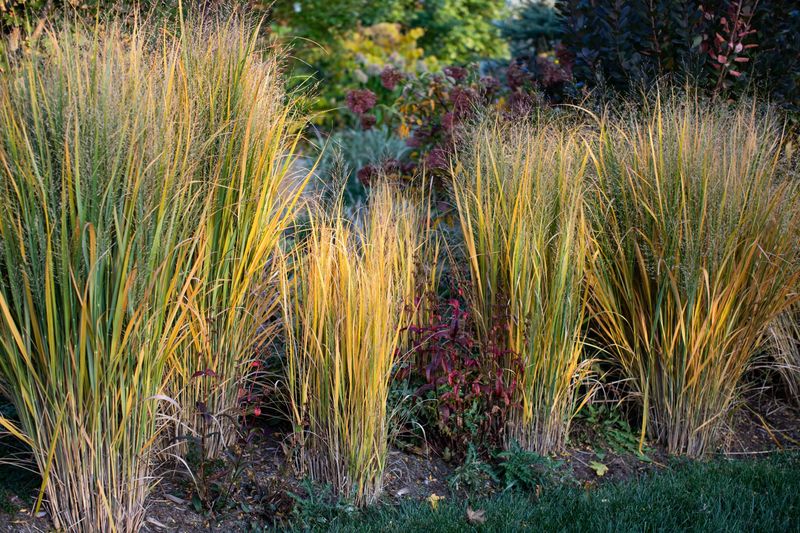
Few grasses work as hard underground as switchgrass does. Its roots can push six feet deep or more into the soil.
On a steep slope, that kind of root depth is exactly what you want.
Switchgrass is a warm-season native that thrives across the Southeast. It handles clay soil, sandy patches, and everything in between.
Once established, it rarely needs extra watering or fertilizing.
Planting it on slopes gives you a two-for-one benefit. Above ground, the tall stems slow down rainfall impact.
Below ground, the roots grip soil tight enough to resist washout during heavy storms.
It grows three to six feet tall depending on moisture and sun. Full sun locations tend to produce the strongest, most upright plants.
Partially shaded spots may cause it to lean a bit, but it still holds soil effectively.
One practical tip: plant switchgrass plugs in spring when the ground is warming. Space them about two feet apart on slopes for solid coverage within one to two growing seasons.
Avoid overwatering during establishment since soggy roots can weaken the plant early on.
Switchgrass also adds seasonal color. Stems turn copper and gold in fall, making your slope look intentional rather than neglected.
It is a genuinely hard-working grass that earns its place on any eroding hillside.
2. River Oats Stabilize Shady Slopes
Shady slopes are notoriously hard to plant. Most erosion-control grasses demand full sun, leaving shaded hillsides bare and vulnerable to washout.
River oats solve that problem directly.
Formally called Chasmanthium latifolium, river oats grow naturally along shaded creek banks and woodland edges. That natural habitat makes it a perfect fit for slopes under tree canopy.
It tolerates deep shade better than nearly any other native grass in the region.
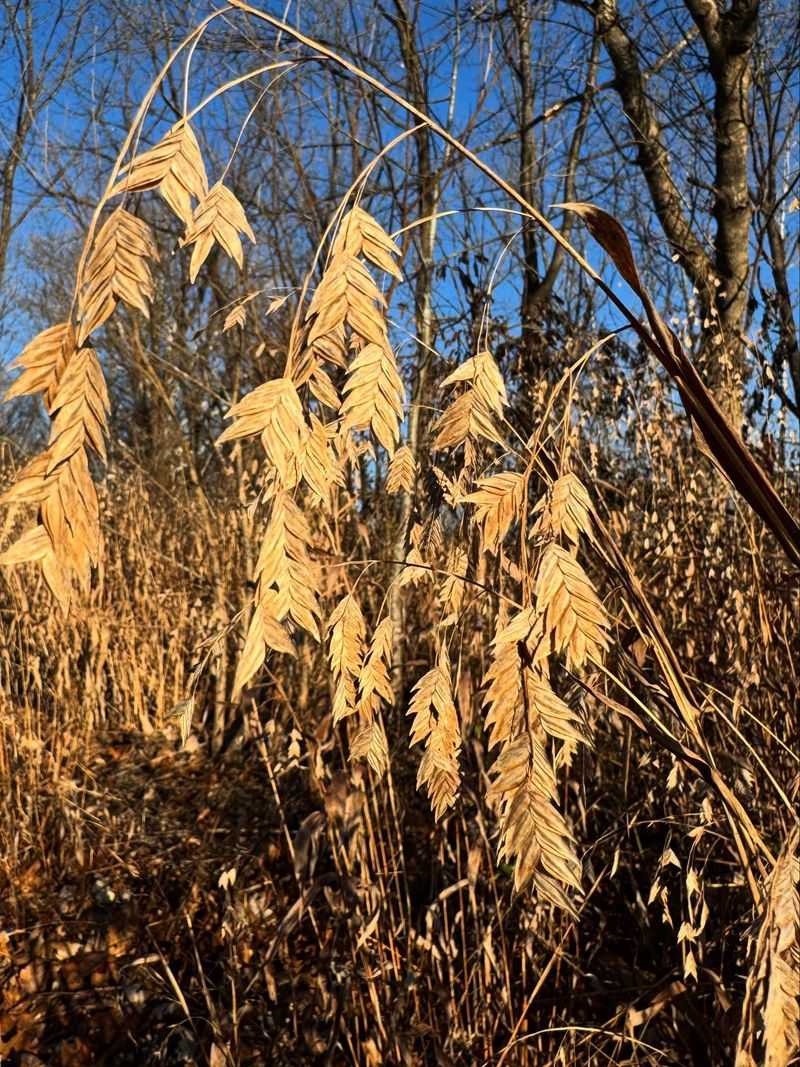
The flat, dangling seed heads are eye-catching and move beautifully in a breeze. Beyond looks, the root system spreads steadily to cover ground and hold soil in place.
It spreads by rhizomes, which means it slowly fills gaps without needing replanting.
Keep in mind that river oats can spread aggressively in moist, fertile soil. In a contained slope area, that spreading habit is actually an advantage.
Your Georgia Garden Changes Every Week. Your Plan Should Too.
Gardening in Georgia changes quickly throughout the season. Every Friday you’ll receive a simple weekly plan showing exactly what to plant, prune, fertilize, harvest, and protect so you never miss the right timing.
On an open garden bed, you may want to manage it more carefully.
Planting is straightforward. Set plugs or divisions in early spring or fall.
Water them in well during the first season, especially during dry spells. After that, established plants handle drought reasonably well without much help.
River oats grow about two to three feet tall. They work well under large oaks, along shaded retaining walls, or on any north-facing hillside that stays damp.
Shady problem slopes finally have a dependable native solution worth trying.
3. Little Bluestem Strengthens Eroding Ground
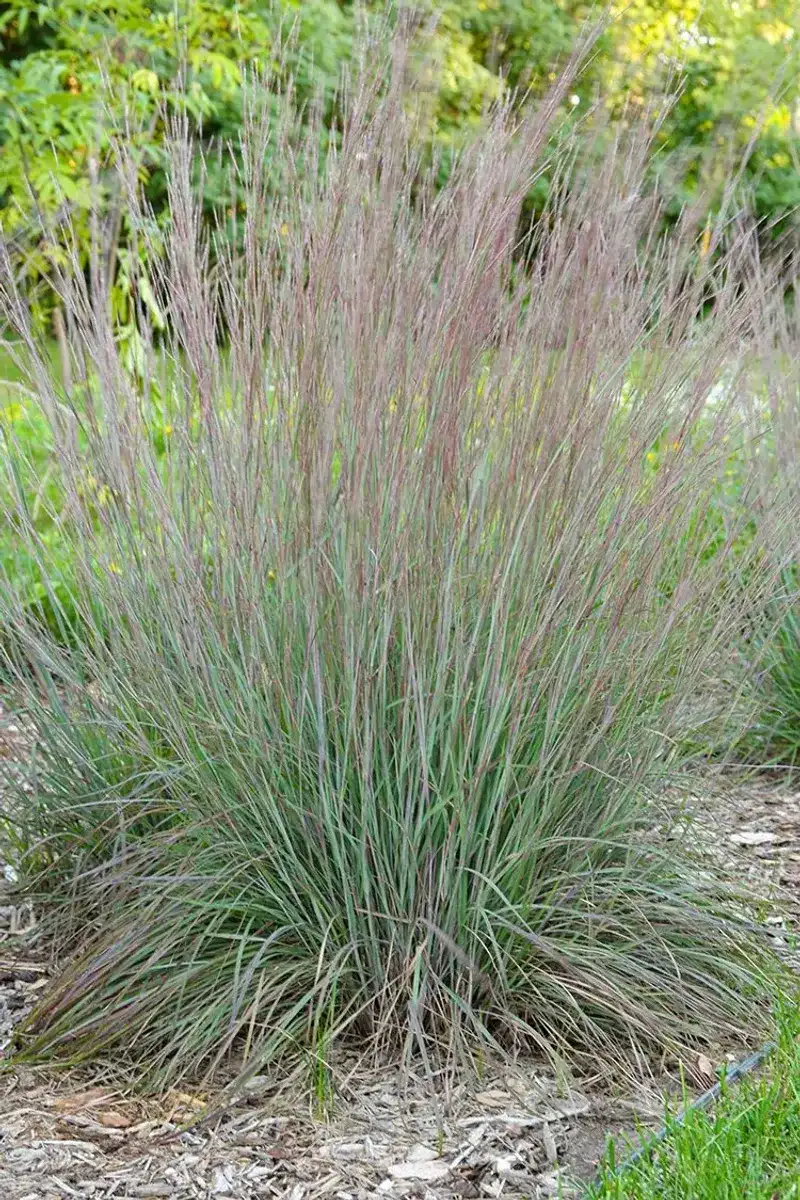
Walk past a hillside covered in little bluestem in October and you will stop in your tracks. The stems turn deep red and burnt orange, with silvery seed tufts catching every bit of light.
It is one of the most striking native grasses available for slopes.
Beyond the looks, little bluestem is a serious soil stabilizer. Its fibrous root system reaches two to four feet into the ground.
On eroding slopes, those roots act like anchors, holding soil layers together even during heavy downpours.
It thrives in dry, well-drained soils with full sun exposure. Rocky outcrops, sandy banks, and lean hillsides are exactly where little bluestem performs best.
Rich, moist soil actually weakens the plant and causes flopping.
Growing two to four feet tall, it forms dense clumps that slow surface water movement. Water spreads around and between clumps rather than rushing straight downhill in destructive sheets.
That slowing action reduces the force of runoff significantly.
Plant it in spring using plugs or container plants. Space clumps about eighteen inches apart on slopes for solid coverage.
Avoid adding fertilizer since nutrient-rich soil encourages weak, floppy growth rather than sturdy upright stems.
Little bluestem is drought-tolerant once established and needs almost no maintenance. Cut it back to about four inches in late winter before new growth emerges.
It is genuinely one of the toughest and most reliable slope grasses available in this region.
4. Indiangrass Helps Slow Rainwater Runoff
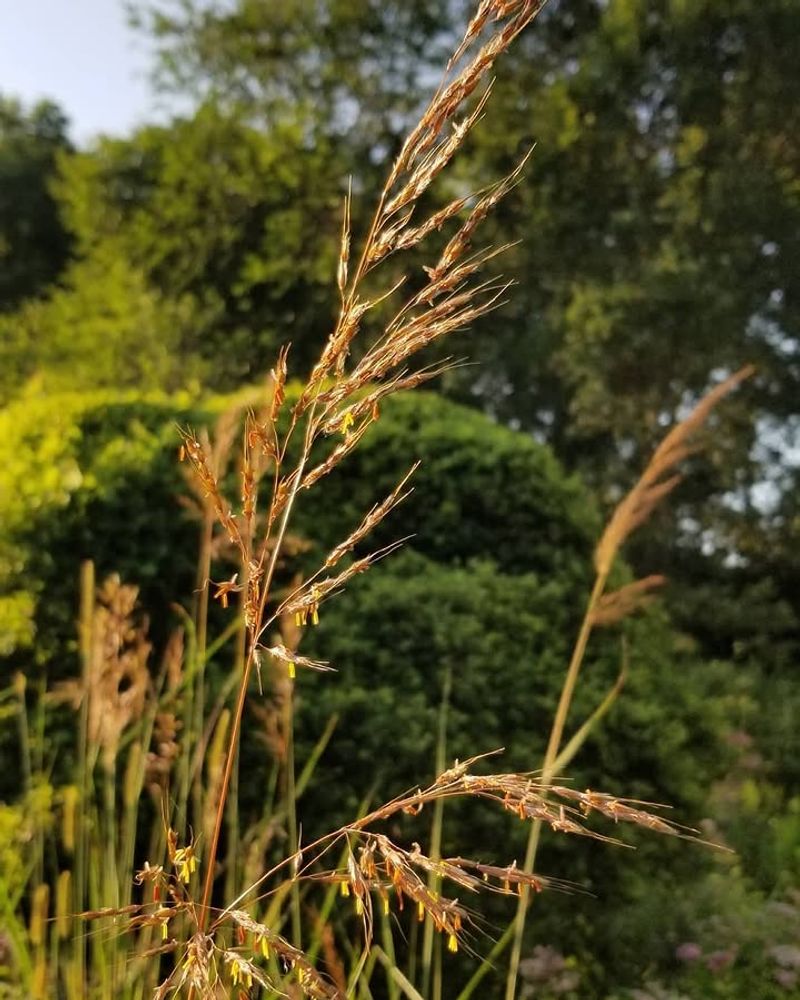
Rainwater moving fast down a slope carries soil with it. Slowing that water down is one of the best ways to stop erosion before it starts.
Indiangrass does exactly that with its tall, dense growth habit.
Sorghastrum nutans, commonly called Indiangrass, grows four to seven feet tall in full sun. On a slope, that height creates a physical barrier that breaks up rainfall impact and slows surface runoff.
Water is forced to move around stems rather than rushing freely downhill.
Its root system is deep and fibrous, making it excellent at binding loose or disturbed soil. Slopes that have already started eroding benefit greatly from a planting of Indiangrass.
Roots fill gaps in the soil profile and resist further movement during storms.
Indiangrass is a warm-season grass that greens up in late spring and peaks in late summer. The golden plume seed heads in August and September are genuinely beautiful.
Wildlife, including birds and small mammals, use the dense clumps for cover and food.
Planting works best in spring. Use plugs spaced about two feet apart on slopes.
Avoid planting in heavy shade since weak, sparse growth will not provide reliable erosion control. Well-drained to moderately moist soils produce the best results.
One thing worth knowing: Indiangrass establishes slowly in its first year. Be patient and avoid overwatering.
By year two, it fills in strongly and handles most weather conditions without any extra help from you.
5. Purple Lovegrass Covers Bare Soil Naturally
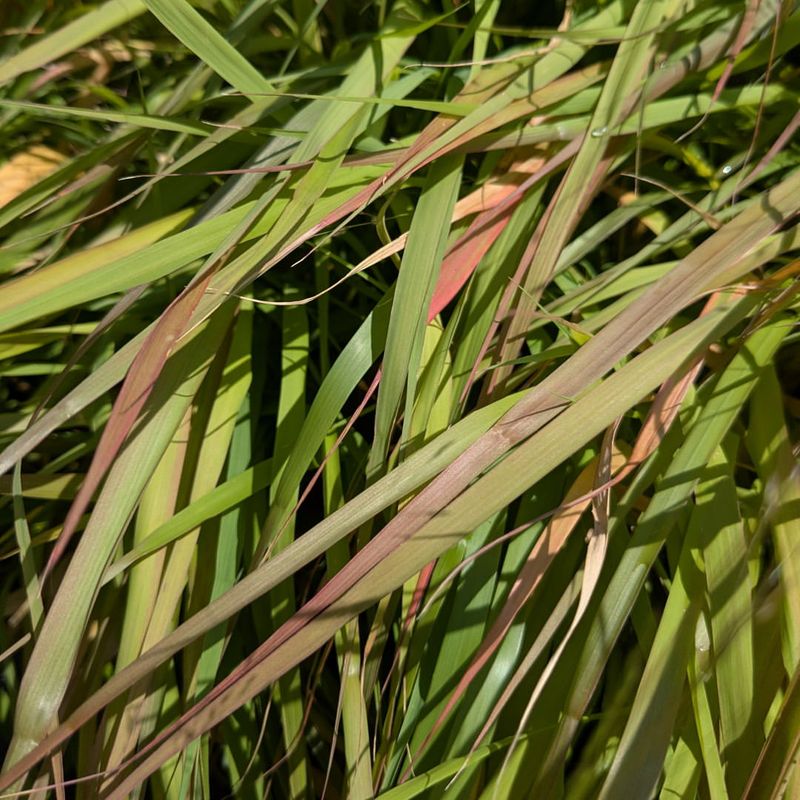
Bare soil on a slope is an open invitation for erosion. Every raindrop that hits exposed ground dislodges particles and sends them downhill.
Purple lovegrass covers that bare ground fast and keeps it covered.
Eragrostis spectabilis earns its name every late summer when it produces a haze of purple-pink seed heads that seem to float above the foliage. It is one of the most visually interesting native grasses for open, sunny slopes.
Looks aside, it is also a practical and reliable ground cover.
It grows low, typically one to two feet tall, spreading into dense colonies over time. That low spreading habit makes it ideal for slopes where taller grasses might look out of scale.
Colonies fill in steadily and leave fewer and fewer gaps for soil to wash away.
Purple lovegrass thrives in dry, sandy, or gravelly soils with full sun. It actually struggles in rich, moist conditions, so lean slopes suit it perfectly.
Poor soils that challenge other plants are often exactly where this grass performs best.
Planting by seed is practical and affordable. Broadcast seed in late spring after soil temperatures warm up.
Germination is usually quick under good conditions. Plugs are also available from native plant nurseries if you want faster coverage on a problem area.
Maintenance is minimal. Cut plants back in late winter to encourage fresh growth.
Purple lovegrass reseeds readily, so colonies naturally expand and fill gaps without much help from you.
6. Eastern Gamagrass Supports Wet Problem Areas
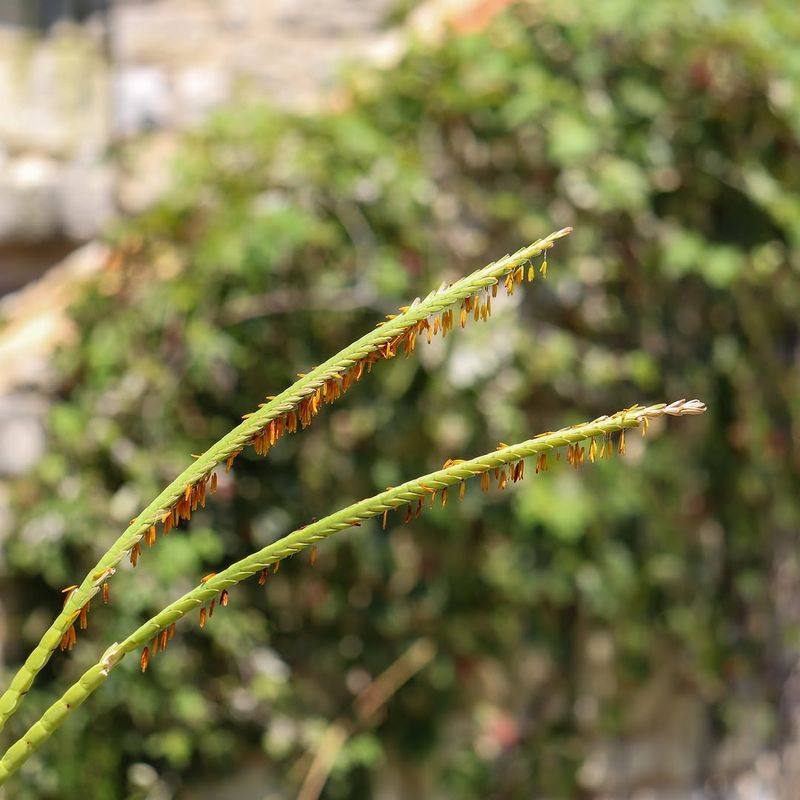
Wet slopes are a specific kind of problem. Most erosion-control plants want decent drainage, which leaves soggy, waterlogged hillsides without good options.
Eastern gamagrass steps in where others simply cannot perform.
Tripsacum dactyloides is a large, bold native grass that handles consistently moist to wet soils with ease. Near drainage swales, seasonal wet areas, and slopes that stay damp after rain, it grows thick and strong.
Few native grasses match its ability to anchor soil in genuinely wet conditions.
It forms massive clumps that can reach five to eight feet tall. Those clumps are dense enough to intercept heavy rainfall and spread water flow across a wider area.
On steep wet slopes, that spreading effect dramatically reduces concentrated runoff channels.
Eastern gamagrass prefers full sun but tolerates partial shade reasonably well. It is a warm-season grass that greens up in spring and stays lush through summer.
In fall, stems turn golden before going dormant for winter.
Planting is most reliable using container-grown plants or large divisions. Space them three to four feet apart in wet slope areas.
Establishment is quicker in moist soil compared to drier conditions, so wet problem areas actually help this grass settle in faster.
One honest note: Eastern gamagrass spreads slowly by rhizomes. Full coverage takes two to three seasons.
Patience is required, but the long-term erosion control it provides on wet problem slopes is genuinely worth the wait.
7. Broomsedge Grows Where Other Grasses Struggle
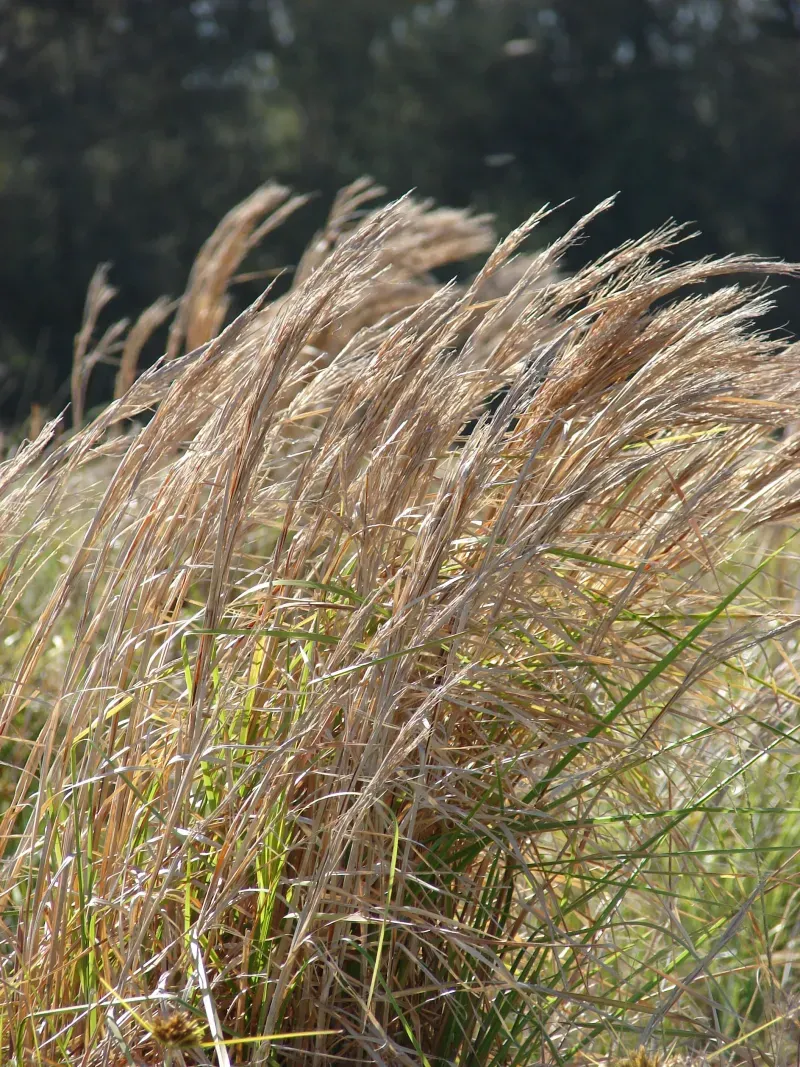
Some slopes are just rough. Compacted soil, poor nutrients, drought stress, and years of neglect can leave hillsides in terrible shape.
Broomsedge does not care about any of that.
Andropogon virginicus is often called a weed by people who do not know its value. In reality, it is one of the toughest native grasses in the Southeast.
It colonizes disturbed, depleted soils that would reject most other plants outright.
On eroding slopes, broomsedge establishes quickly from seed and forms dense clumps that hold loose soil in place. Its fibrous roots reach deep enough to stabilize even heavily disturbed ground.
Once it takes hold, it crowds out bare patches and begins rebuilding soil structure over time.
It grows two to four feet tall and turns a striking reddish-bronze in fall and winter. Those warm colors actually make neglected slopes look managed and intentional.
Birds love the seeds, so wildlife value is a bonus on top of the erosion control.
Broomsedge spreads naturally by seed, making it one of the easiest grasses to establish on a problem slope. Broadcast seed in fall or early spring on bare areas.
No fertilizer is needed and, in most cases, no irrigation either after the first few weeks.
One thing to note: broomsedge is highly flammable when dry in winter. Keep that in mind if your slope is near structures.
Otherwise, it is a genuinely dependable grass for the toughest spots on your property.
8. Splitbeard Bluestem Handles Dry Hillsides
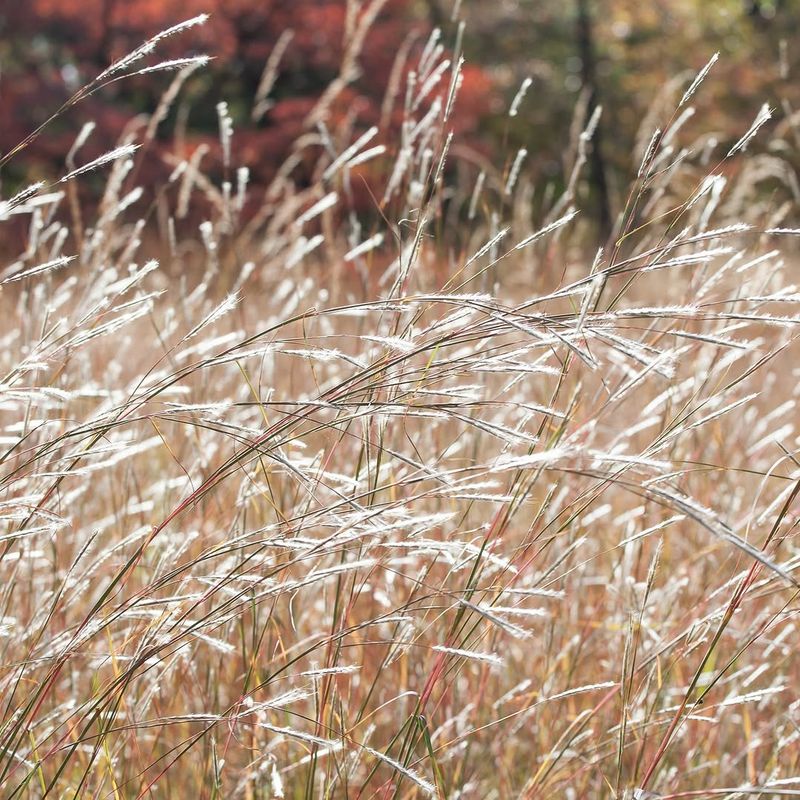
Rocky, dry hillsides are some of the hardest spots to revegetate. Thin soil, intense heat, and low moisture make most grasses struggle or fail outright.
Splitbeard bluestem was practically made for conditions like these.
Andropogon ternarius is a native warm-season grass that handles drought, poor soil, and full sun without complaint. It grows naturally on dry sandy ridges, rocky outcrops, and open pine savannas across the Southeast.
Those native habitats tell you exactly where to use it in your landscape.
On dry slopes, splitbeard bluestem forms upright clumps two to four feet tall. Its roots penetrate compacted, rocky, or sandy soil effectively.
Even in thin soil where water drains fast, the root system grips what little soil is there and prevents it from washing away during rain events.
The seed heads are genuinely beautiful. Silvery-white and fluffy, they catch light in a way that makes a dry hillside look elegant rather than harsh.
Stems and foliage turn reddish-bronze in fall, adding warm color to slopes through the cooler months.
Planting is best done in spring using plugs or container plants. Space clumps about eighteen to twenty-four inches apart.
Avoid adding compost or fertilizer since lean soil produces the toughest, most drought-resistant plants.
Maintenance is simple. Cut clumps back to about four inches in late winter before new growth starts.
Splitbeard bluestem reseeds moderately, gradually filling bare patches on dry slopes without becoming invasive or overwhelming the planting area.