The Native Michigan Wildflower That Attracts Every Bee In The Neighborhood (In A Good Way)
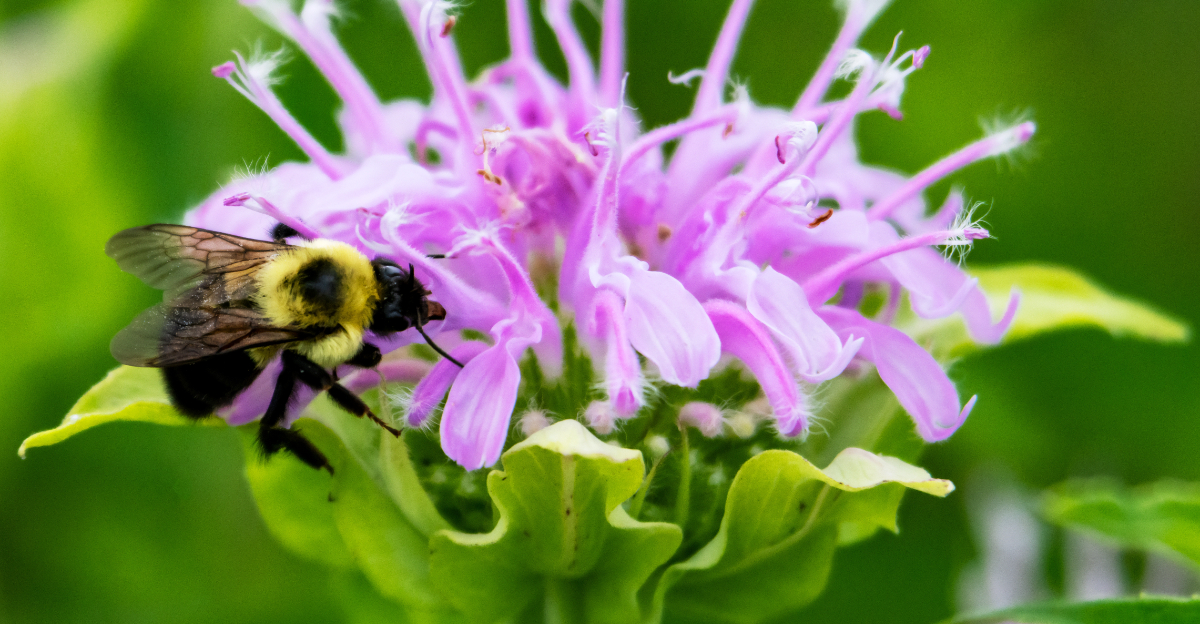
Pollinator gardens have become increasingly popular across Michigan, and most of the conversation around them tends to land on the same familiar short list of plants.
What rarely gets the attention it deserves is one particular native wildflower that draws bee activity at a level that genuinely has to be seen to be appreciated.
It blooms during a period when many other nectar sources have already faded, which makes it especially valuable to native bees and honeybees pushing through the back half of the season.
It handles Michigan’s clay soils without complaint, comes back reliably after hard winters, and spreads gradually in a way that fills a border without ever becoming a problem.
Once it is established and in full bloom, your garden becomes a destination.
1. Wild Bergamot
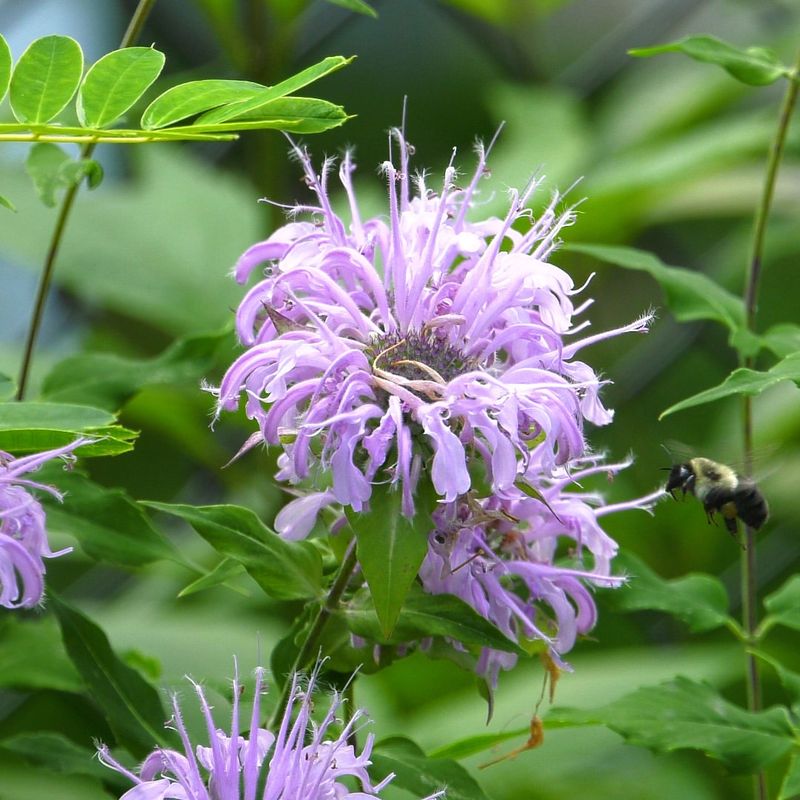
Picture a warm Michigan summer afternoon, a gentle breeze carrying a sweet, minty herbal scent through your yard, and bees arriving from every direction as if someone sent out an invitation.
That is exactly what happens when Wild Bergamot blooms. Known scientifically as Monarda fistulosa, this native wildflower is one of the most reliable pollinator magnets you can plant in a Michigan garden.
Wild Bergamot produces clusters of soft lavender to pale purple tubular flowers that sit atop tall, square stems reaching anywhere from two to four feet high.
The blooms are not just pretty to look at, they are packed with nectar and carry a strong, pleasant fragrance that bees can detect from surprisingly far away.
That combination of color, scent, and food makes it nearly impossible for pollinators to pass by without stopping.
Native to Michigan and much of eastern North America, Wild Bergamot has been growing in open meadows, prairies, and woodland edges here for thousands of years.
Indigenous communities used it medicinally and as a flavoring, and early settlers quickly recognized its value too. Today, gardeners across the state are rediscovering just how special this plant really is.
Planting Wild Bergamot means inviting a wildflower that belongs here, one that fits naturally into Michigan ecosystems and works in harmony with local wildlife.
It is the kind of plant that rewards you season after season with very little effort, making it a truly smart and beautiful addition to any yard.
2. A Bloom That Just Keeps Going All Summer
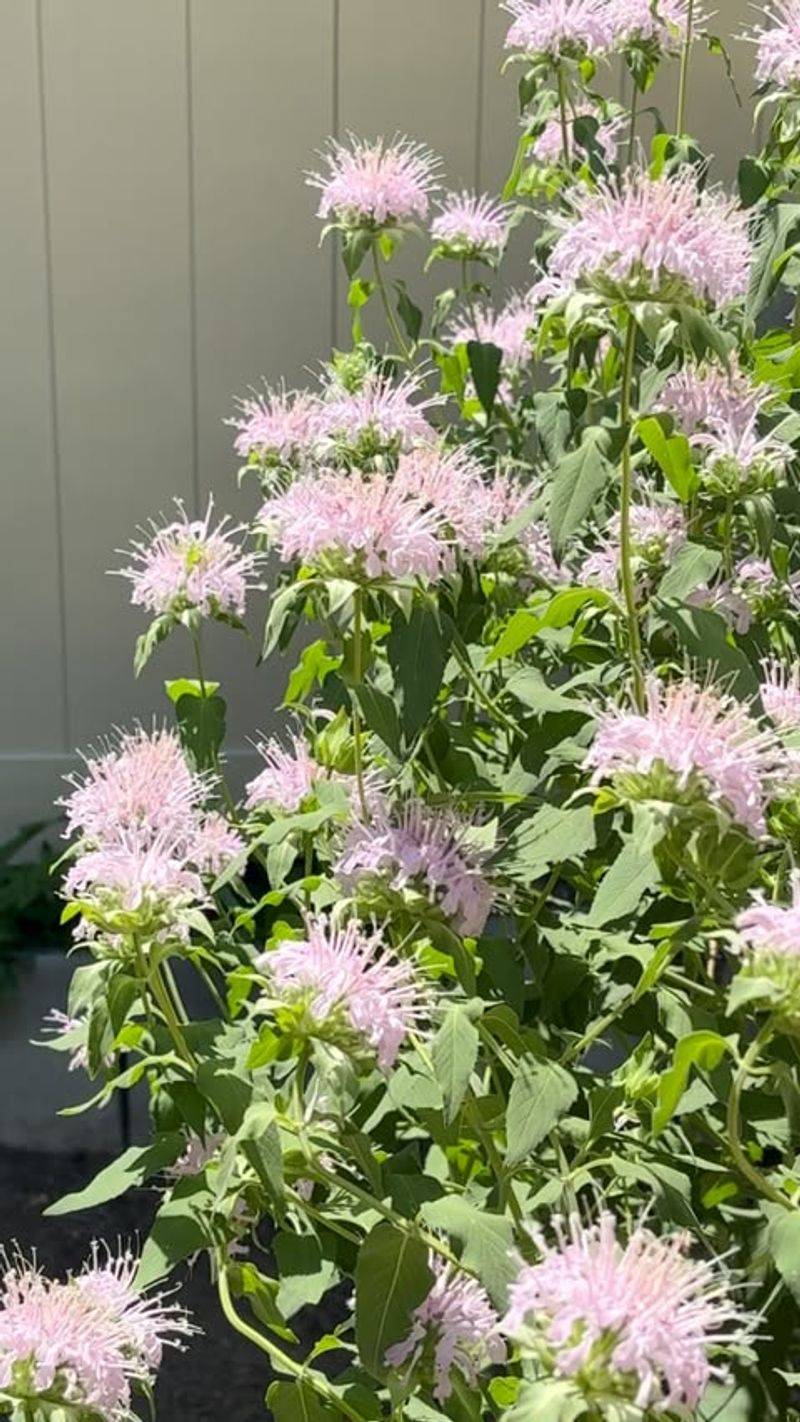
Most flowering plants offer gardeners a brief window of color before fading away, but Wild Bergamot plays by different rules.
This native wildflower typically begins blooming in late June or early July and keeps producing fresh flowers all the way through August and into early September.
That is an impressively long run compared to many ornamental plants that peak for just two or three weeks.
For Michigan bees, that extended bloom period is genuinely life-changing. Native bees need consistent food sources throughout the warm months, and gaps in flowering can stress entire colonies.
Wild Bergamot fills one of the most critical windows in the summer calendar, bridging the gap between early-season bloomers and fall-flowering plants like goldenrod and asters. Bumblebee populations, in particular, benefit enormously from this long availability.
Your Michigan Garden Changes Every Week. Your Plan Should Too.
Gardening in Michigan changes quickly throughout the season. Every Friday you’ll receive a simple weekly plan showing exactly what to plant, prune, fertilize, harvest, and protect so you never miss the right timing.
Queen bumblebees emerge in spring and spend the whole summer building their colonies, so a reliable mid-summer nectar source directly supports how many workers and new queens a colony can produce.
Wild Bergamot delivers that reliability season after season. You can stretch the bloom period even further by removing spent flower heads regularly, which encourages the plant to push out new buds.
Planting Wild Bergamot alongside other native bloomers like purple coneflower and black-eyed Susan creates a staggered flowering sequence that keeps your garden humming with bees from May all the way through October.
Longer bloom means more bees, and more bees means a healthier, more productive garden overall.
3. Built For Michigan Soil And Weather
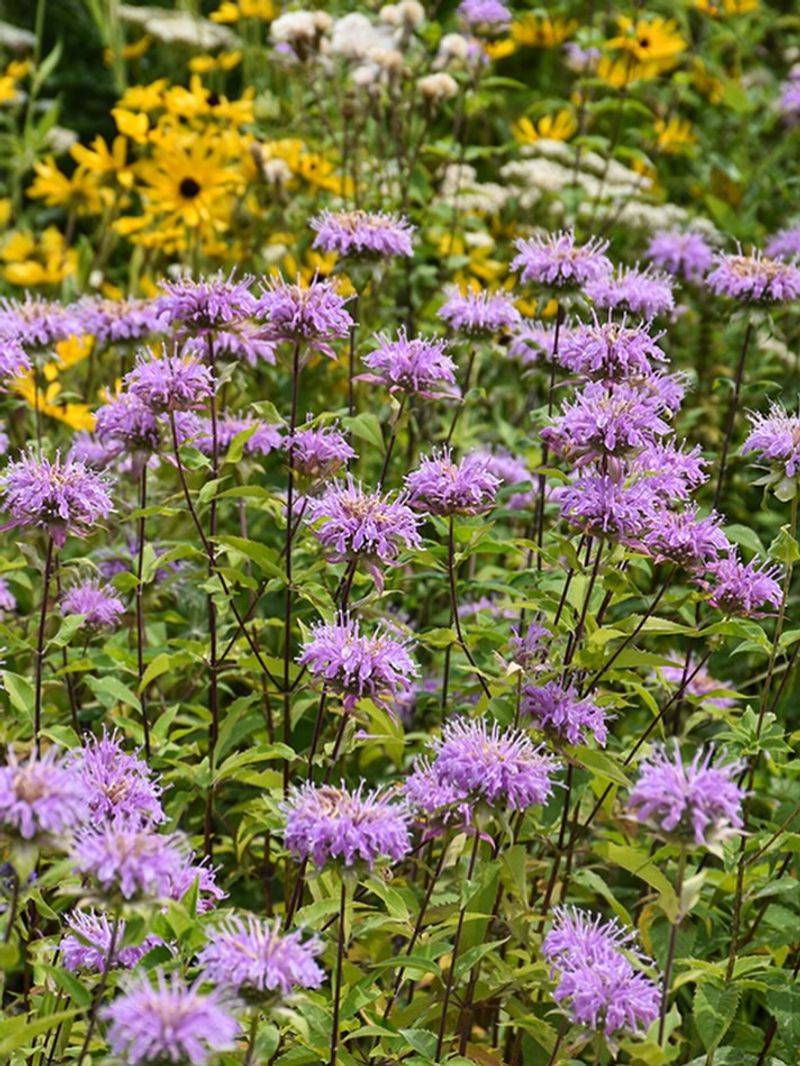
There is something deeply satisfying about planting a flower that was literally made for your backyard.
Wild Bergamot did not need to be imported, engineered, or coaxed into tolerating Michigan conditions because it evolved right here over thousands of years.
The result is a plant that simply thrives where many exotic ornamentals struggle to survive.
Michigan soils vary widely from sandy lakeside areas to heavy clay in urban yards, and Wild Bergamot handles them all with ease. It prefers well-drained soil but tolerates lean, nutrient-poor conditions that would frustrate most garden plants.
You do not need to amend your soil heavily or add expensive fertilizers to get a gorgeous, full-blooming plant every summer.
The climate adaptation goes even deeper than soil tolerance. Wild Bergamot is fully cold-hardy through Michigan winters, reliably returning each spring without any special protection.
It handles humid summers, seasonal drought, and the dramatic temperature swings that Michigan gardeners know all too well.
For bees, this native adaptation matters more than most gardeners realize. Because Wild Bergamot evolved alongside local bee species, its bloom timing, flower structure, and nectar chemistry are perfectly matched to what Michigan bees need.
Non-native ornamentals, even beautiful ones, often lack the right nectar composition or bloom at the wrong time to truly support local pollinators.
Wild Bergamot, on the other hand, is essentially a native bee restaurant built to serve exactly the right menu at exactly the right time every single year.
4. The Bees That Absolutely Love This Plant
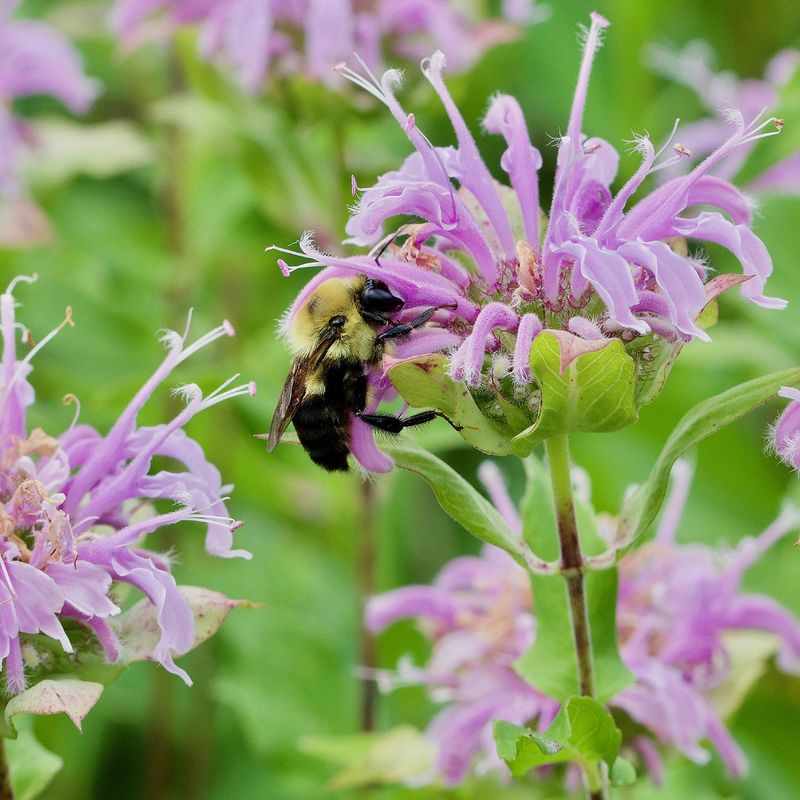
Walk up to a patch of blooming Wild Bergamot on a sunny July afternoon and you will see something that feels almost magical.
Multiple bee species visit at the same time, each one moving purposefully from flower to flower, completely absorbed in the work of collecting nectar and pollen.
It is one of the most rewarding sights a Michigan gardener can witness.
Bumblebees are among the most enthusiastic visitors, drawn in by both the abundant nectar and the tubular flower shape that suits their long tongues perfectly. Common eastern bumblebees and brown-belted bumblebees are especially frequent guests.
Honeybees show up in impressive numbers too, and because honeybees forage over wide areas, a single Wild Bergamot patch can attract bees from hives located a mile or more away.
Smaller native bees like sweat bees and mason bees also forage heavily on Wild Bergamot, collecting both nectar and protein-rich pollen to feed their larvae.
These smaller species are actually among the most efficient pollinators in any garden, so attracting them has real benefits beyond just watching them buzz around.
To maximize bee visitation, plant Wild Bergamot in groups of at least three to five plants rather than as single specimens. Bees are drawn to larger floral displays and will linger longer in a generous patch.
Pairing it with companion plants like native coneflowers, bee balm varieties, and prairie dropseed grass creates a layered habitat that supports even more species throughout the season.
More variety means a richer, more resilient garden ecosystem for everyone.
5. Deer And Rabbits Tend To Skip Right Past It
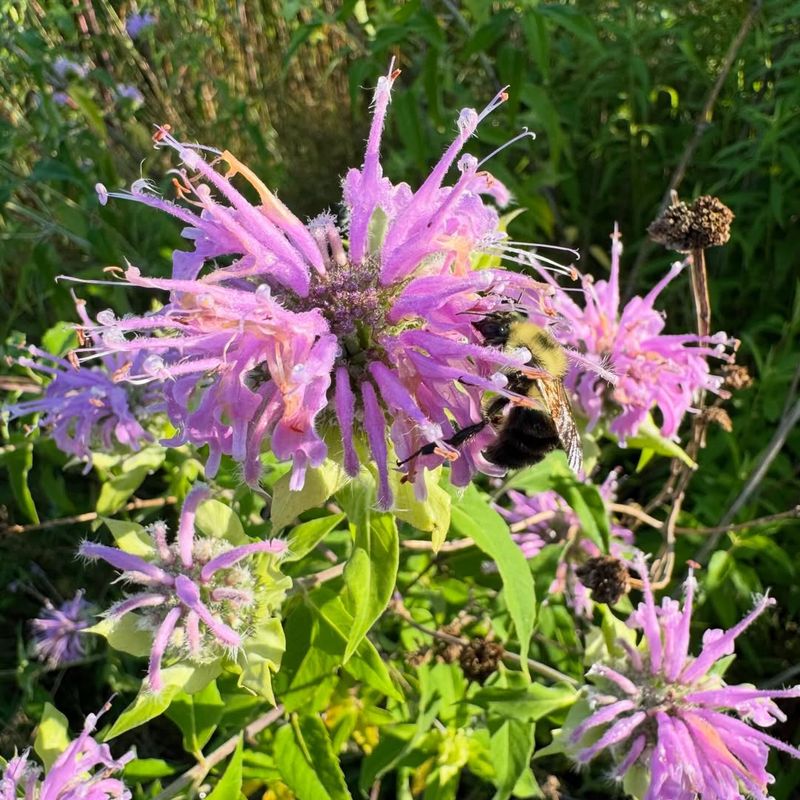
Every Michigan gardener has a story about planting something beautiful only to find it nibbled down to a stub by the next morning.
Deer and rabbits are a real challenge across the state, especially in suburban neighborhoods where wildlife and gardens overlap constantly.
Wild Bergamot, however, comes with a built-in defense that most gardeners absolutely love.
The secret is in the fragrance. Wild Bergamot leaves contain aromatic oils that give the plant its pleasant minty, oregano-like scent, and while humans and bees find that smell wonderful, deer and rabbits strongly prefer to avoid it.
They rely heavily on smell when choosing what to graze on, and Wild Bergamot simply does not appeal to their senses the way a hostas or tulip might.
This resistance is not absolute, meaning a very hungry deer in a harsh winter might sample anything available, but through the growing season when food is plentiful, Wild Bergamot consistently escapes browsing damage.
That means your plants stay full, leafy, and loaded with flowers all summer long without you having to spray repellents or install fencing around every garden bed.
For bees, this matters enormously. A plant that gets browsed repeatedly produces fewer flowers, less nectar, and less pollen, cutting off the food supply that pollinators depend on.
Because Wild Bergamot holds its foliage and blooms intact through the season, bees get a steady, uninterrupted source of food from first flower to last. Fewer nibbles from wildlife means more nectar available for the bees that truly need it.
6. Easy To Grow And Tough Through Dry Spells
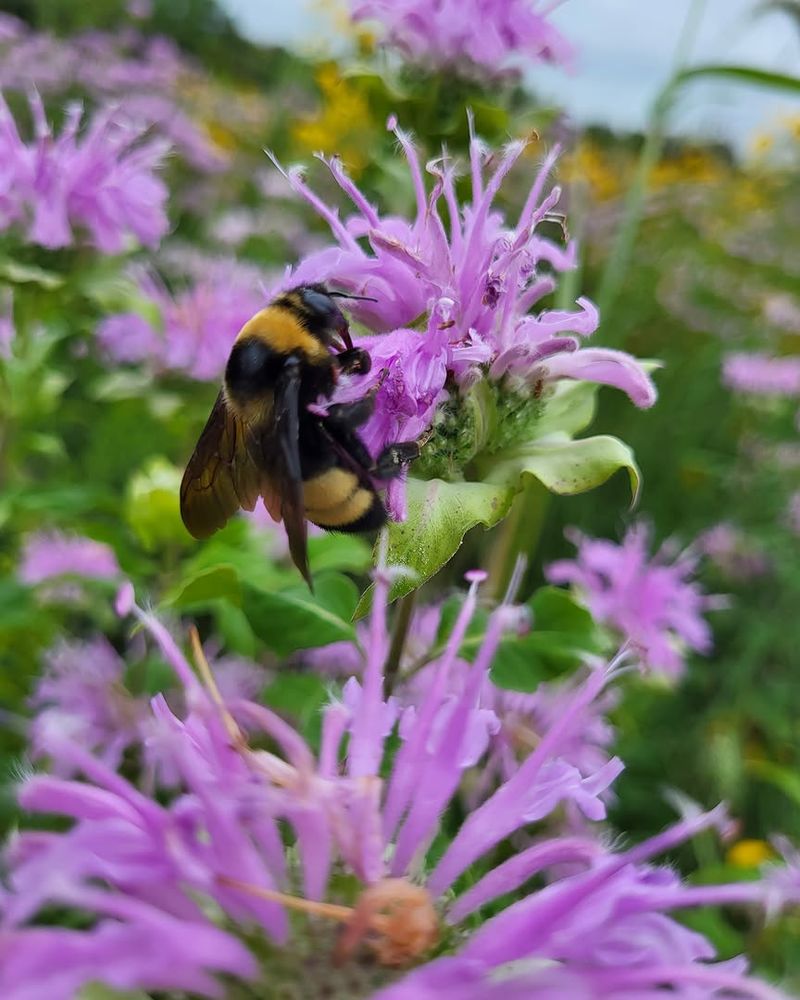
Not everyone has hours to spend watering, weeding, and fussing over garden plants every week, and honestly, most people prefer a garden that takes care of itself as much as possible. Wild Bergamot fits that wish almost perfectly.
Once it gets established in its first season, this plant becomes remarkably self-sufficient, asking very little from the gardener while giving back generously every summer.
Drought tolerance is one of Wild Bergamot’s most practical strengths. Michigan summers can swing between heavy rain and weeks of dry heat, and many plants struggle to cope with that inconsistency.
Wild Bergamot, however, has deep roots that access soil moisture even when the surface dries out, allowing it to maintain healthy growth and flower production even without supplemental watering during dry stretches.
Planting is straightforward and forgiving. Choose a spot with full sun to partial shade, as Wild Bergamot performs best with at least six hours of direct sunlight daily but tolerates light afternoon shade well.
Prepare the planting area by loosening the soil and removing weeds, then set transplants about eighteen to twenty-four inches apart to give each plant room to spread naturally over time.
Minimal fertilizing is actually better for this plant. Rich soil encourages excessive leafy growth at the expense of flowers, so resist the urge to add heavy compost or fertilizer.
A light mulch layer helps retain soil moisture during dry spells and keeps roots cool through the hottest weeks of summer.
After the first season, Wild Bergamot largely maintains itself, spreading gently and returning reliably every spring without replanting.
7. One Plant That Supports An Entire Ecosystem
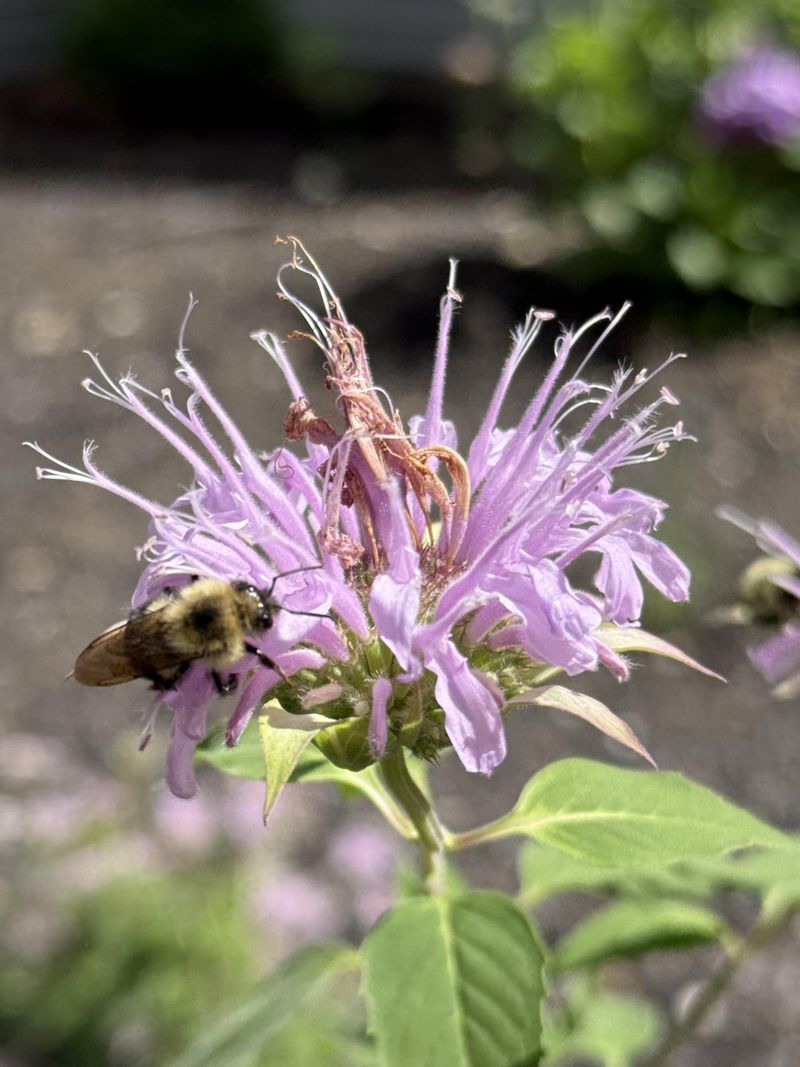
Bees get most of the attention when people talk about Wild Bergamot, and for good reason, but the ecological story this plant tells goes much further than just one group of pollinators.
Planting Wild Bergamot in your Michigan yard essentially creates a small hub of wildlife activity that supports an impressive chain of living things all season long.
Butterflies visit regularly, drawn by the same nectar that bees love. Tiger swallowtails, fritillaries, and skippers are commonly spotted moving through Wild Bergamot patches on warm afternoons.
Ruby-throated hummingbirds also feed on the tubular flowers, hovering in place while they sip nectar in a display that stops most gardeners in their tracks.
Beyond the obvious pollinators, Wild Bergamot supports beneficial insects like predatory wasps and parasitic flies that help control garden pest populations naturally.
These insects feed on aphids, caterpillars, and other garden pests, reducing the need for pesticide applications that can harm the very bees you are trying to attract.
A healthy Wild Bergamot patch essentially builds its own pest management team.
Even after the flowers fade in early fall, the seed heads remain standing and provide food for goldfinches and other seed-eating birds through the colder months. The dried stems also offer overwintering habitat for small native bees that nest in hollow plant material.
Leaving stems standing through winter rather than cutting everything back in fall is one of the simplest and most impactful things a Michigan gardener can do for local wildlife. Wild Bergamot gives back at every single stage of its life cycle.