These Are The Signs Your Michigan Raspberry Canes Have Blight And What To Do Before Next Season Is Lost
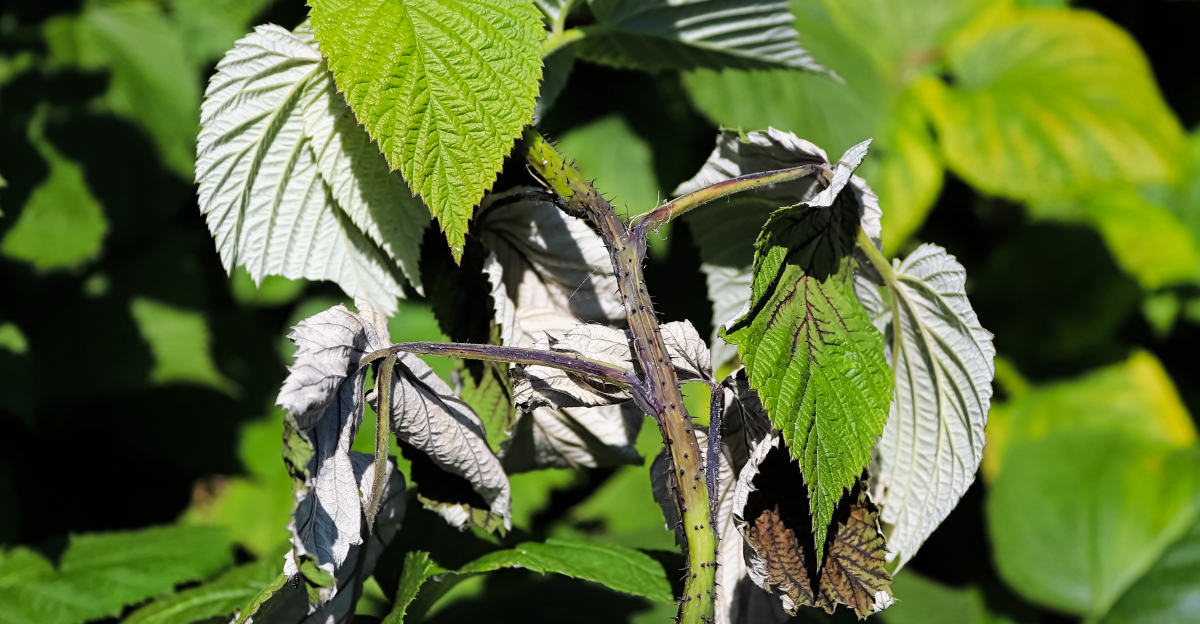
Raspberry canes can look completely healthy through most of the growing season and still be carrying problems that will show up aggressively the following year if nothing is done about them before winter arrives.
Michigan gardeners who have watched a productive raspberry patch slowly decline over consecutive seasons often trace the turning point back to blight that went unaddressed at the right moment.
Discolored canes, sunken lesions, and patches that stop leafing out properly are all signs worth taking seriously rather than hoping they resolve on their own.
The actions you take in the weeks still remaining in this season have a direct impact on what your canes are capable of producing next summer.
Getting ahead of this now is far more effective than trying to recover from it later.
1. Wilting Tips With Browning Leaves
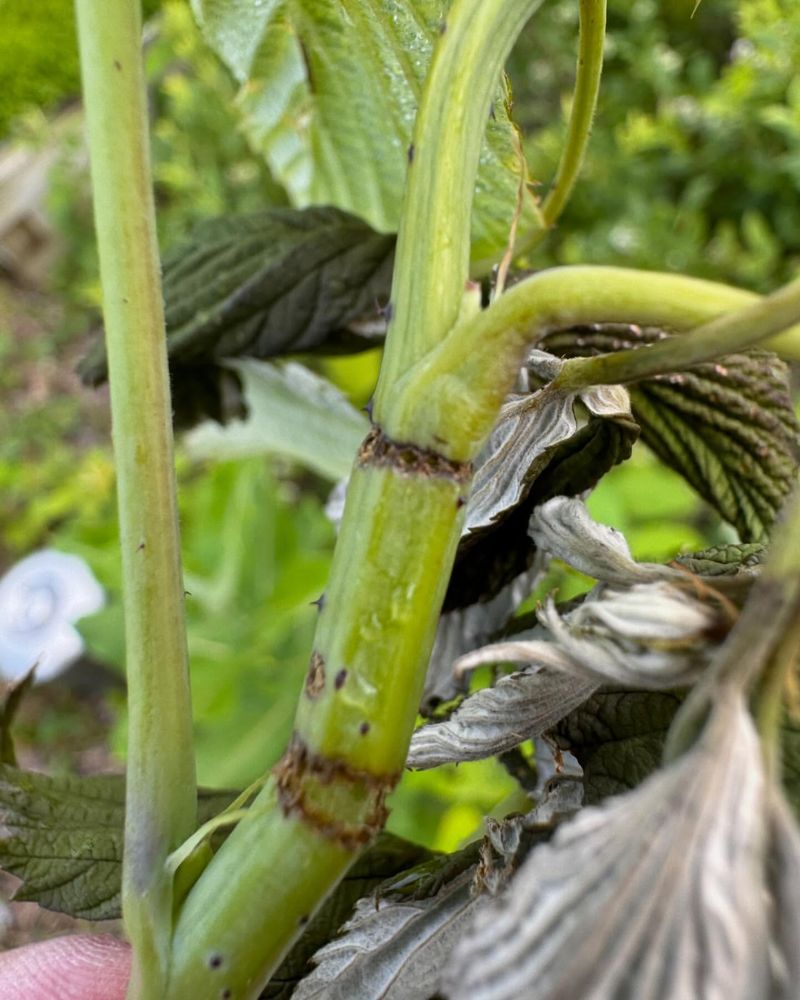
Something feels wrong when your raspberry canes start drooping at the tips even before summer heat sets in. Wilting tips paired with browning leaves in late spring or early summer are often the earliest warning that cane blight has arrived.
Many Michigan gardeners mistake this for drought stress, which causes them to water more instead of investigating the real problem.
Cane blight, caused by the fungus Leptosphaeria coniothyrium, enters canes through wounds or natural openings and quickly travels upward through the plant tissue.
Once inside, it blocks the flow of water and nutrients, causing those upper shoots to wilt and brown almost overnight.
The damage can look surprisingly similar to heat stress, so it is worth examining the cane closely for discoloration at the base of the wilted section.
Catching this symptom early gives you a real advantage. Walk your raspberry rows in late May and early June, paying close attention to any canes that look limp or pale compared to their neighbors.
Mark affected canes immediately so you can remove them during your next pruning session.
Removing the infected tissue promptly stops the fungus from spreading to nearby healthy canes and gives your patch a much stronger chance of producing a full crop next season.
2. Dark, Sunken Lesions On Canes
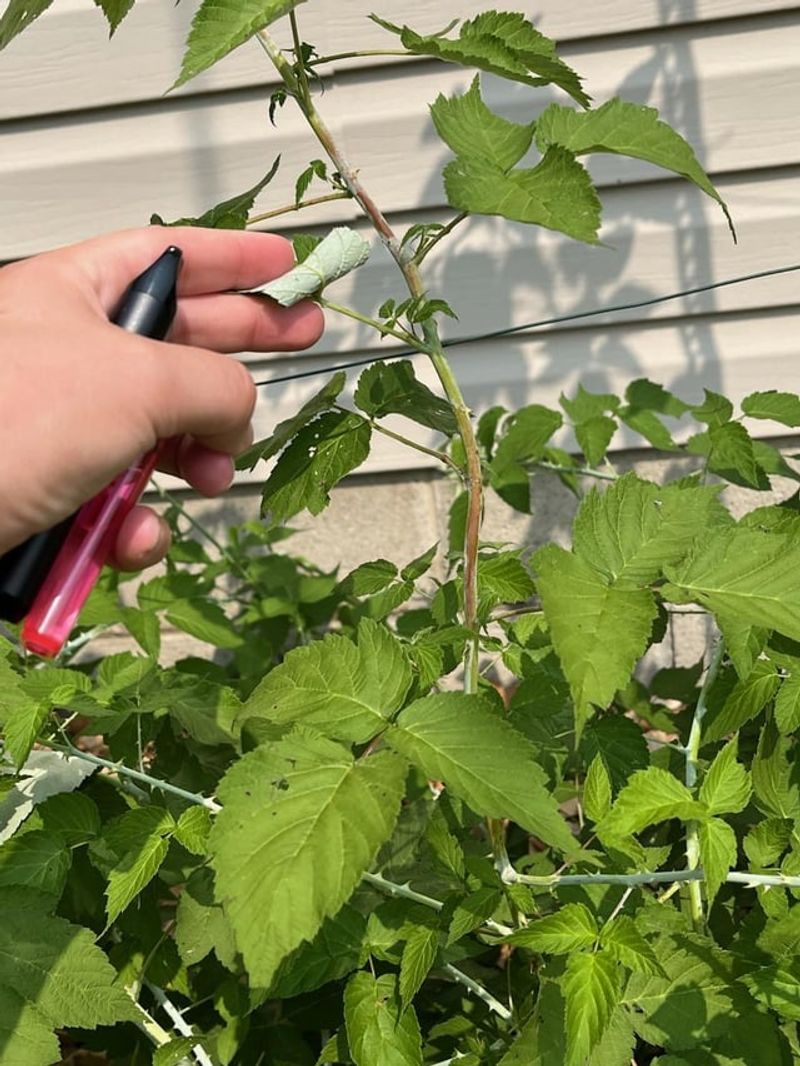
Picture checking your raspberry patch on a warm June morning and noticing strange dark patches pressed into the surface of the canes.
Those sunken, discolored spots are one of the most reliable visual signs of cane blight, and they deserve your full attention the moment you spot them.
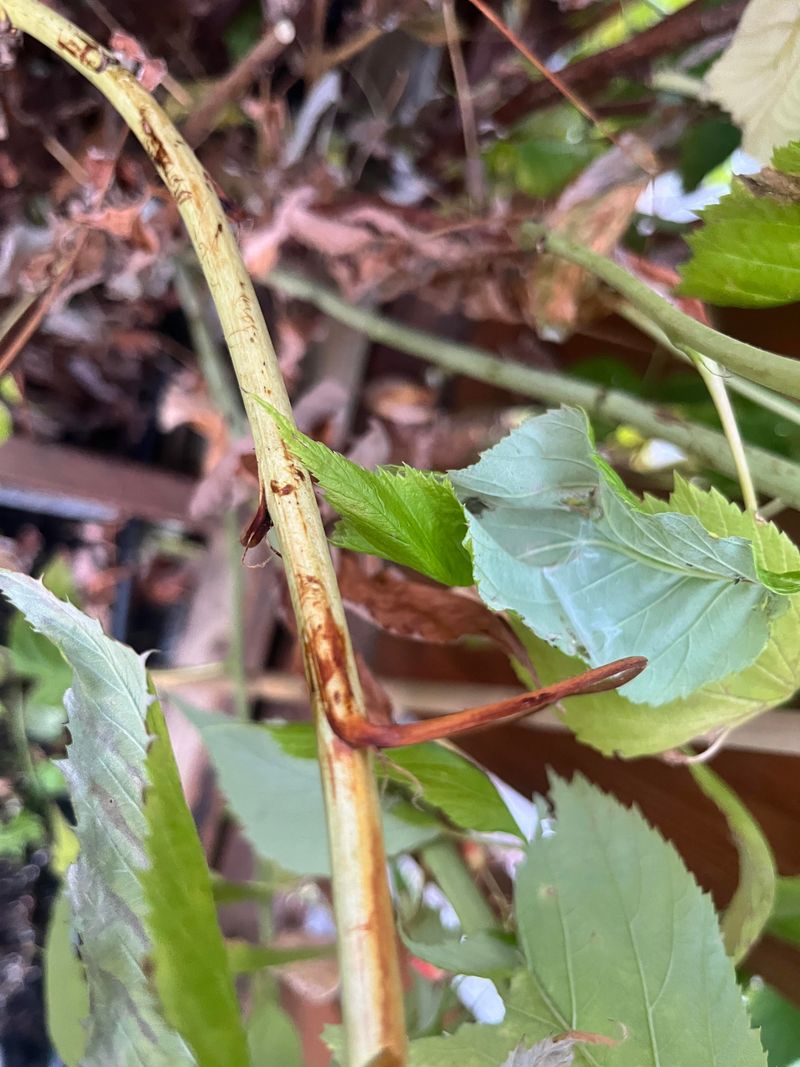
The lesions often appear purplish-brown or nearly black and feel slightly soft or collapsed compared to the firm, healthy tissue surrounding them.
These sunken areas form where the fungal pathogen has invaded the cane and begun breaking down the plant tissue beneath the surface.
Over time, the lesions expand, girdling the cane and cutting off the flow of nutrients and water to everything above the infected spot.
In Michigan gardens, this damage often accelerates during rainy stretches in late summer when spores spread easily from one cane to the next.
Inspecting your canes closely every two to three weeks throughout the growing season makes a real difference. Run your eyes and fingertips along each cane, feeling for soft or indented spots that do not belong.
Your Michigan Garden Changes Every Week. Your Plan Should Too.
Gardening in Michigan changes quickly throughout the season. Every Friday you’ll receive a simple weekly plan showing exactly what to plant, prune, fertilize, harvest, and protect so you never miss the right timing.
When you find a lesion, use clean, sharp pruners to cut at least six to eight inches below the lowest visible edge of the dark tissue.
Bag the removed material and dispose of it away from your garden to prevent those spores from overwintering and reinfecting your patch come spring.
3. Oozing Or Discolored Stem Tissue
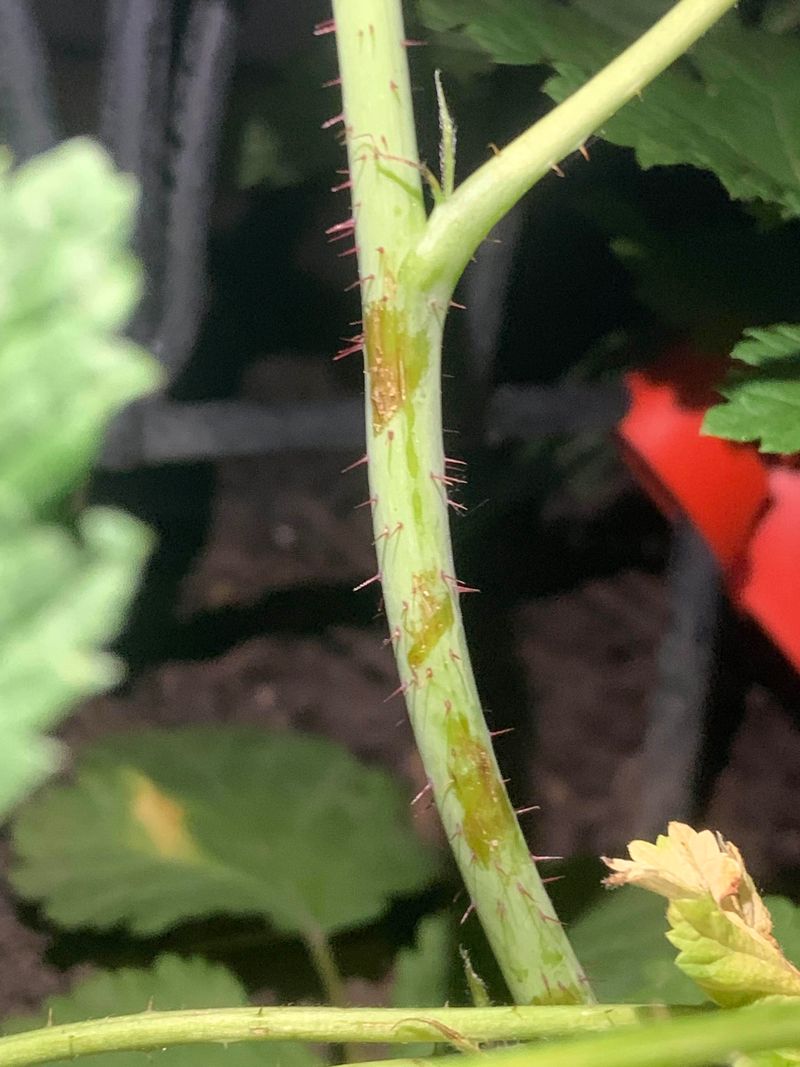
Noticing a sticky or wet-looking substance seeping from your raspberry stems is not something to brush off as normal.
Oozing or visibly discolored tissue along the cane is a strong signal that either a bacterial or fungal infection has moved in and started doing serious damage beneath the surface.
In Michigan, where summer rain and humidity are common, this kind of symptom can appear quickly and spread even faster.
Bacterial cane blight and fungal infections like Botrytis can both cause tissue to weep fluid or turn dark, mushy, and off-color.
The ooze itself can carry infectious material, so touching it with bare hands and then handling healthy canes can spread the problem without you even realizing it.
This is exactly why tool sanitation matters so much when working in an infected patch.
Before and after pruning any suspicious cane, wipe your pruner blades with a solution of one part bleach to nine parts water, or use rubbing alcohol for a quick and effective clean. Avoid wiping your hands on your clothing and then touching other plants.
Infected cane material should go directly into a sealed bag or be burned off-site, never composted.
Taking these sanitation steps seriously keeps the infection contained and gives your healthy canes the protection they need to carry your patch through to next season strong and productive.
4. Premature Leaf Drop
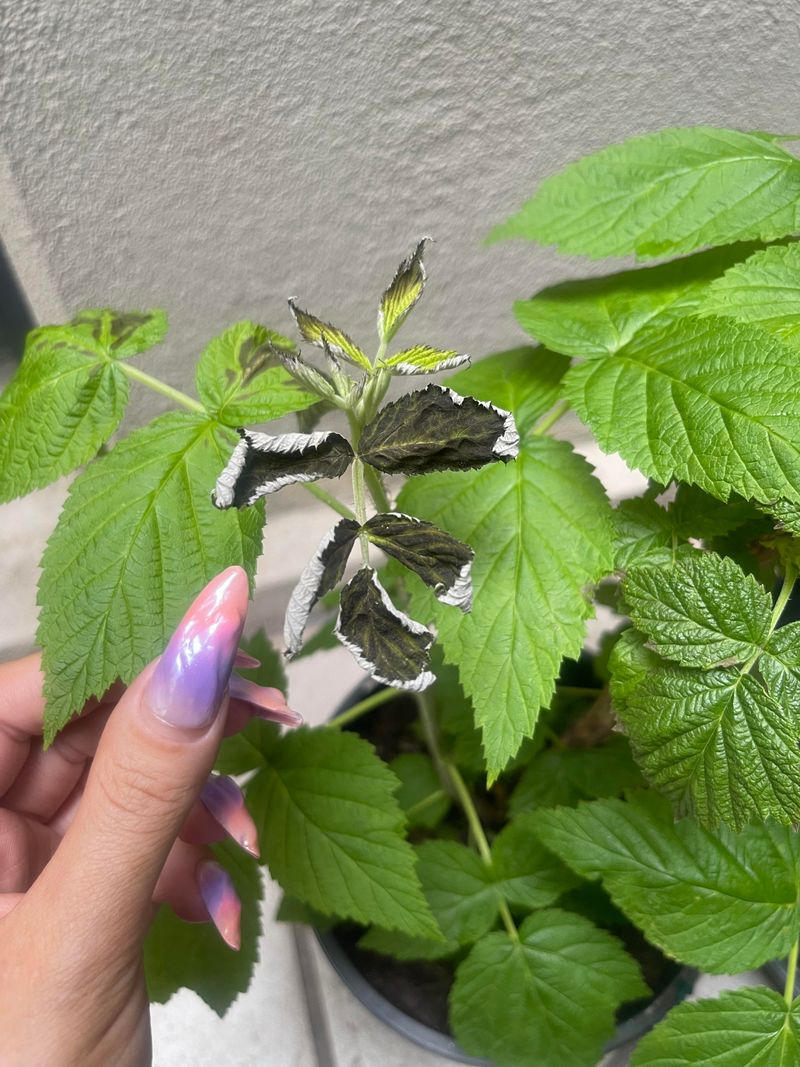
Leaves falling from your raspberry canes well before autumn is a red flag that something is seriously wrong.
Healthy raspberry plants hold their foliage through the entire growing season, so when leaves start dropping in midsummer, blight is often the culprit working behind the scenes.
The plant sheds infected leaves as a response to the stress the disease places on its internal systems.
Premature leaf drop weakens the cane significantly because those leaves are the plant’s main tool for producing energy through photosynthesis.
Fewer leaves mean less energy stored in the cane, which directly affects bud development and next year’s fruit production.
Michigan gardeners who ignore early leaf drop often find themselves with weak, spindly canes the following spring that produce very little fruit.
Spacing plays a surprisingly large role in preventing this problem from getting out of control. Raspberry canes planted too close together trap moisture between them, creating the damp, humid conditions that blight thrives in.
Thinning your canes so that air moves freely through the row helps leaves dry out faster after rain or morning dew.
Removing any canes that have already lost a significant number of leaves is also a smart move, since those weakened canes are unlikely to recover and will only serve as a source of continued infection for the healthier plants around them.
5. Reduced Fruit Size Or Yield
A harvest that looks thinner than last year or berries that seem smaller than they should be might be telling you something important about the health of your canes.
Blight stress drains the plant’s energy reserves, and when a cane is fighting off disease, producing large, juicy fruit simply is not its top priority.
Michigan growers sometimes chalk a poor harvest up to bad weather, but diseased canes are a very common and overlooked cause.
When blight restricts the movement of water and nutrients through the cane, the developing fruit suffers first. Berries may ripen unevenly, stay small, or fall from the cane before they are fully mature.
In severe cases, entire floricanes may produce almost nothing at all, leaving you with a frustratingly bare patch after a full season of tending.
Feeding your plants well and watering consistently can help stressed canes recover some of their productivity, but these steps work best as prevention rather than rescue.
Apply a balanced fertilizer in early spring before new growth begins, and switch to a low-nitrogen formula in midsummer to encourage fruiting over leafy growth.
Drip irrigation or soaker hoses keep water at the root zone where it belongs without wetting the foliage.
Pairing good nutrition with smart pruning to remove any blighted canes sets your patch up for a much more rewarding harvest next season.
6. Remove Infected Canes Immediately
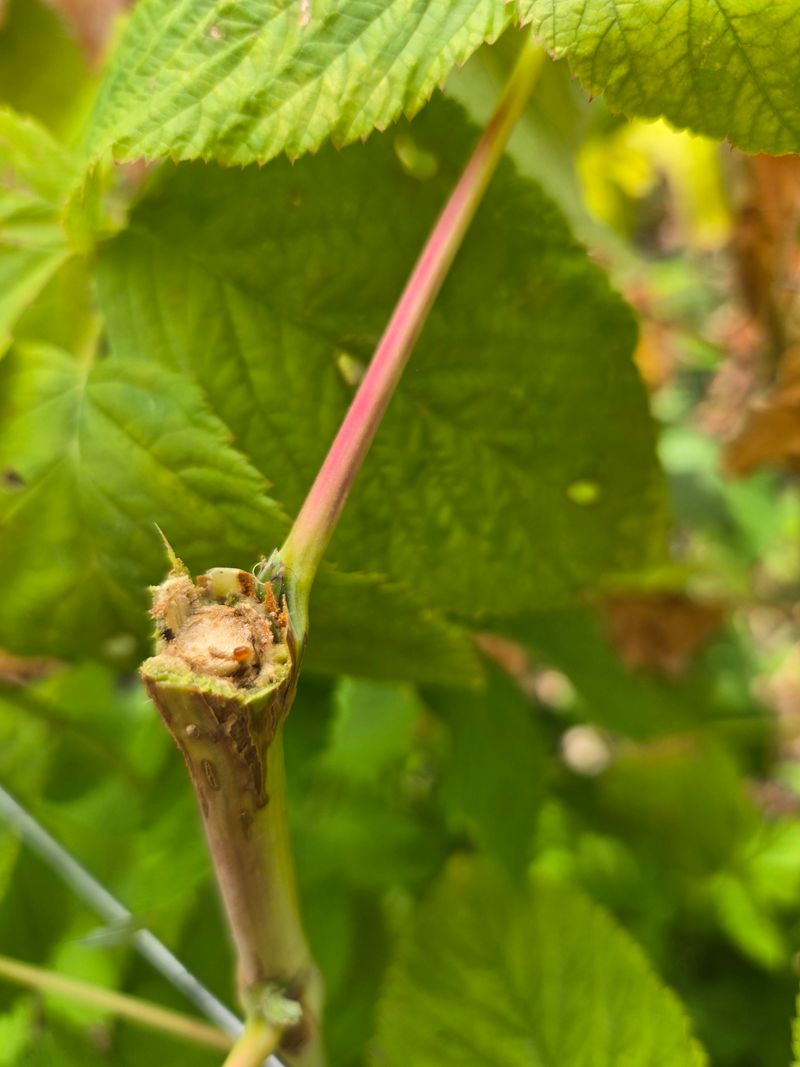
Speed is everything when blight shows up in your raspberry patch. Waiting even a week or two before removing infected canes gives the fungus more time to produce spores, spread to neighboring plants, and burrow deeper into the crown of the plant.
The moment you confirm blight on a cane, that cane needs to come out as quickly and cleanly as possible.
Pruning at least six to twelve inches below the lowest visible sign of infection is the standard recommendation from Michigan State University Extension, and for good reason.
The disease often travels further down the cane than what is visible on the surface, so cutting right at the lesion edge leaves infected tissue behind.
Going deeper ensures you are removing all compromised wood and giving the cut site a clean start.
Disposal matters just as much as removal. Infected canes left in a pile near the garden or tossed into a compost bin will release spores that cycle right back into your patch.
Bagging the material in heavy-duty garbage bags and placing it in the trash is the safest option for most Michigan gardeners. If local regulations permit, burning the material off-site eliminates spores completely.
After every cut, disinfect your pruner blades before moving to the next cane so you do not accidentally carry the infection from one plant to another during the same pruning session.
7. Improve Air Circulation
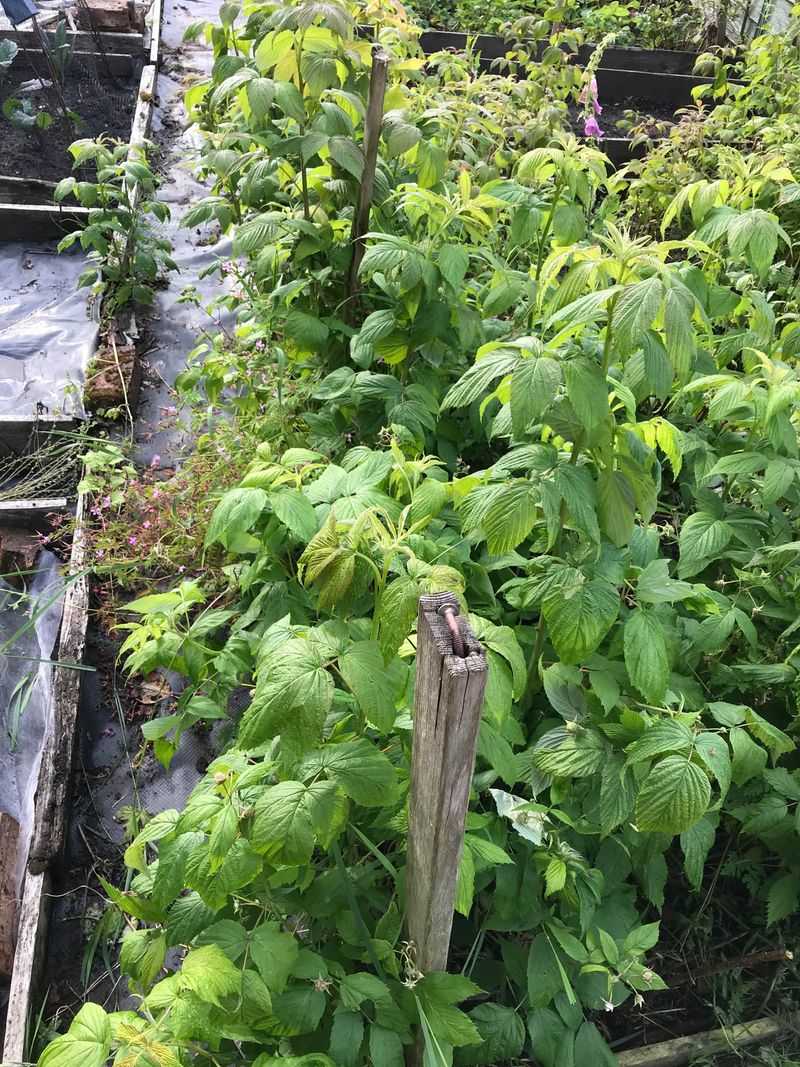
Think of air circulation as free insurance for your raspberry patch. When canes grow too close together, moisture gets trapped between them and lingers long after rain or irrigation, creating exactly the warm, damp environment that blight fungi love.
Opening up that space is one of the most effective and completely chemical-free ways to reduce your disease risk season after season.
Michigan State University Extension recommends keeping raspberry rows no wider than about eighteen inches at the base and spacing plants roughly two to three feet apart within the row.
Thinning to six to eight healthy canes per hill or linear foot gives each plant enough room to breathe.
Removing weak, crowded, or crossing canes during your late winter or early spring pruning session is the best time to reshape your rows and improve airflow throughout the growing season.
Trellis systems also make a big difference in Michigan gardens. Training canes onto a two-wire trellis keeps them upright and separated rather than flopping over each other, which dramatically reduces the leaf wetness that encourages fungal spore germination.
Leaves that dry quickly after morning dew or a summer rain are leaves that are far less likely to become entry points for blight.
A little extra effort spent thinning and training your canes each spring pays off in healthier, more productive plants that are naturally more resistant to disease throughout the entire season.
8. Avoid Overhead Watering
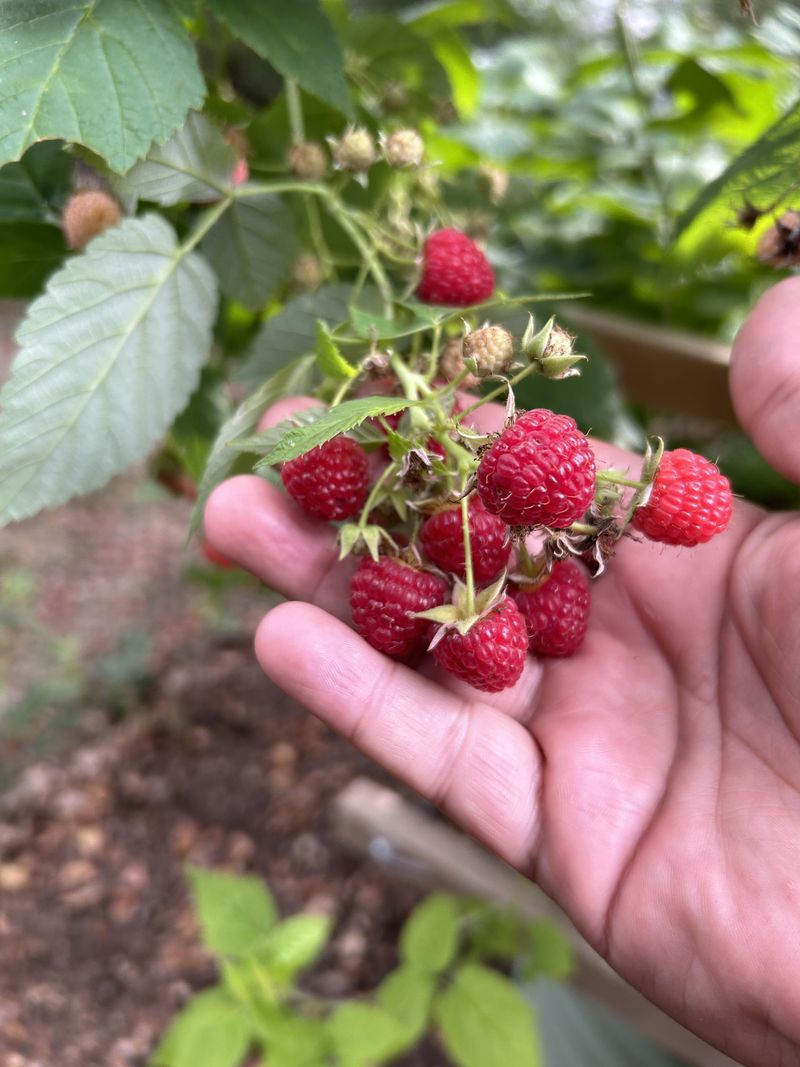
Watering habits have a bigger impact on blight than most Michigan gardeners realize.
Overhead sprinklers might seem like the easiest way to cover a large raspberry patch, but all that water landing on leaves and canes creates the wet surface conditions that fungal spores need to germinate and infect.
Switching the way you water is one of the simplest changes you can make to reduce blight pressure significantly.
Drip irrigation and soaker hoses deliver water directly to the root zone, where the plant actually uses it, without getting a single leaf wet. This approach also reduces water waste, which is a bonus during Michigan’s drier midsummer stretches.
If drip lines are not an option for your setup, watering at the base of plants with a watering can or a hose held low to the ground works just as well for smaller patches.
Timing matters too. Morning watering, even when done at the base, allows any accidental splash on the foliage to dry out completely before cooler evening temperatures settle in.
Watering late in the afternoon or evening leaves moisture sitting on plant surfaces overnight, which is prime time for fungal activity.
Keeping foliage as dry as possible throughout the day is a straightforward, low-cost strategy that supports every other blight management practice you put in place and helps your raspberry patch stay healthier from one season to the next.
9. Apply Appropriate Fungicides
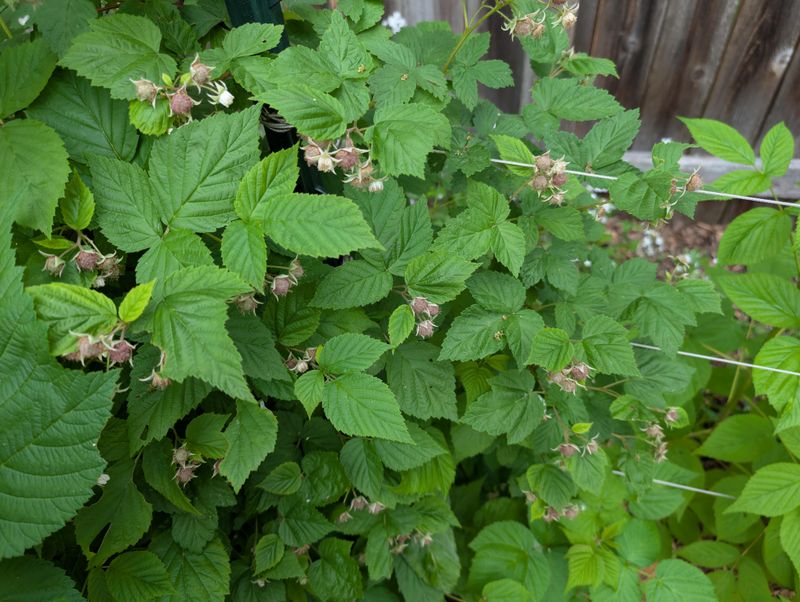
Fungicides are not a cure for canes already heavily infected, but they are a powerful tool for protecting healthy tissue and preventing new infections from taking hold.
Used correctly and at the right times, they can make a real difference in how your Michigan raspberry patch comes through the season.
The key is choosing the right product and applying it before the disease has a chance to spread further.
Michigan State University Extension recommends fungicides containing active ingredients like captan, myclobutanil, or copper-based compounds for managing cane blight and related fungal diseases.
Always read the label fully before mixing or applying, and follow all safety precautions including gloves, eye protection, and keeping children and pets out of the treated area until the product has dried completely.
Timing your applications around key growth stages makes the treatment far more effective. The most critical windows are at bud break in early spring, just before bloom, and again right after bloom when new cane tissue is still tender and vulnerable.
Reapply according to label directions, especially after heavy Michigan rains that can wash product off the foliage.
Spraying both the canes and the surrounding soil helps reduce the number of overwintering spores that could reinfect your patch the following spring.
Combining fungicide applications with good pruning, proper spacing, and smart watering creates a well-rounded defense that gives your raspberries the best possible start to next season.