What Oregon Gardeners Should Be Pruning Right Now Before Summer Growth Takes Over
Oregon gardens can shift fast once summer growth takes off. A plant that looked tidy in spring may suddenly stretch into paths or crowd its neighbors.
That is why pruning at the right moment can save you work later. It helps shape plants before stems get too woody or tangled.
It can also guide energy toward stronger growth instead of messy sprawl. The key is knowing what actually benefits from a trim right now.
Cut the wrong plant, and you may lose blooms you were waiting for. Wait too long, and the job can get harder.
A careful June prune can keep the garden looking fresh while giving plants room to grow through the warmer weeks ahead.
1. Spring-Flowering Shrubs Can Be Shaped After Bloom
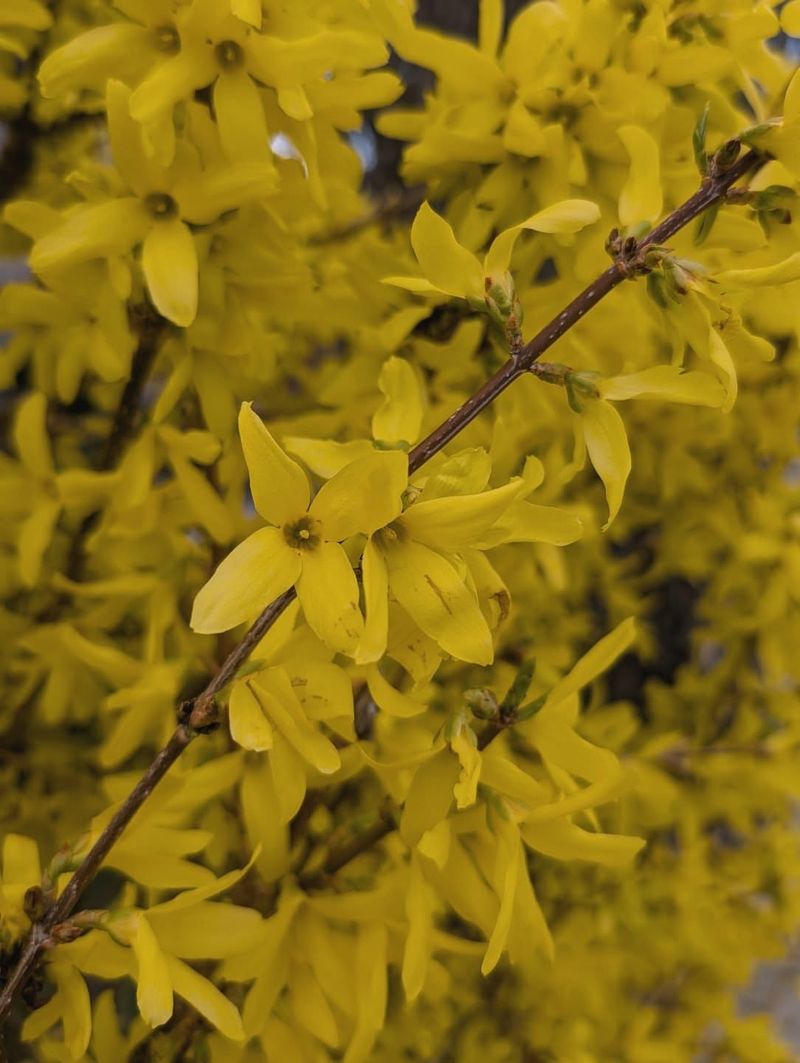
Right after the flowers fade is the best time to shape your spring-blooming shrubs. Many gardeners make the mistake of waiting until fall or late winter.
But shrubs like forsythia, flowering quince, and weigela set their buds on old wood, meaning they form next year’s blooms shortly after this year’s flowers drop.
If you prune too late in the season, you will cut off the buds that were already forming. That means fewer flowers next spring.
Pruning right after bloom lets the plant recover quickly and spend the rest of the season building strong new growth with fresh buds attached.
Start by removing any crossing, or weak branches first. Then shape the outer edges to keep things tidy.
You do not need to cut everything back hard unless the shrub is very overgrown. A light shaping is usually enough to keep these plants looking their best.
Oregon’s long, mild springs give these shrubs plenty of time to push out new growth after pruning. Take advantage of that growing window now.
Clean cuts heal faster and reduce the risk of disease. Always use sharp, clean pruning shears to avoid tearing the bark.
A well-timed trim after bloom keeps your spring shrubs healthy, full, and ready to put on a great show again next year without much extra effort on your part.
2. Lilacs Need Old Canes Removed Right After Flowering
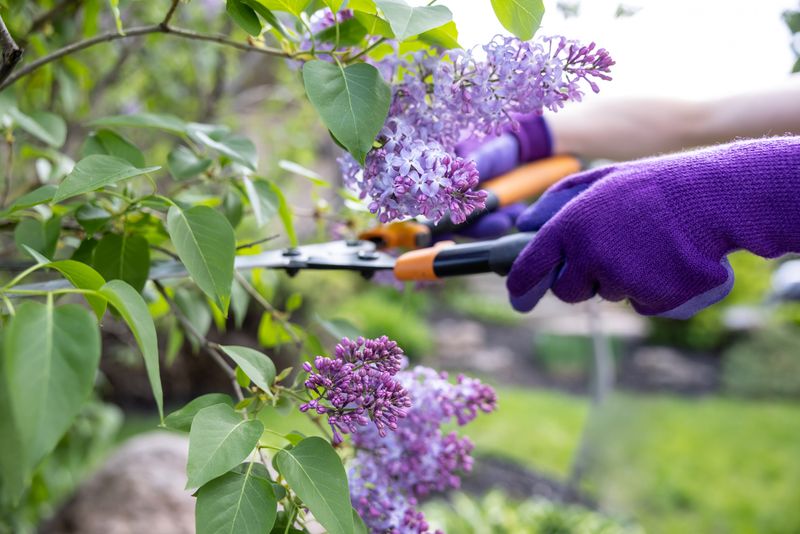
Few plants smell as wonderful as a lilac in full bloom. But once those purple or white clusters fade, it is time to get to work.
Lilacs bloom on old wood, so what you do right after flowering directly affects how well the plant blooms next spring.
The most important task is removing the oldest, thickest canes at the base. A healthy lilac should have a mix of young, medium, and old stems.
When too many old canes crowd the center, air cannot circulate well and the plant produces fewer blooms. Taking out two or three of the oldest canes each year keeps things balanced without stressing the shrub.
Also, snip off the spent flower heads just above the first set of leaves. This keeps the plant from putting energy into making seeds.
Instead, it redirects that energy into building new shoots that will carry next year’s flowers.
Your Oregon Garden Changes Every Week. Your Plan Should Too.
Gardening in Oregon changes quickly throughout the season. Every Friday you’ll receive a simple weekly plan showing exactly what to plant, prune, fertilize, harvest, and protect so you never miss the right timing.
Lilacs are slow to establish but very long-lived. Some plants in older Oregon neighborhoods have been blooming for decades.
Giving them a little attention each year right after bloom keeps them vigorous and productive. Do not skip this step thinking you will get to it later.
By midsummer, the plant will already be forming next season’s buds. Pruning after that point means fewer flowers.
Act now while the timing is still right and your lilac will reward you with a full, fragrant display year after year.
3. Rhododendrons And Azaleas Should Be Tidied After Flowers Fade
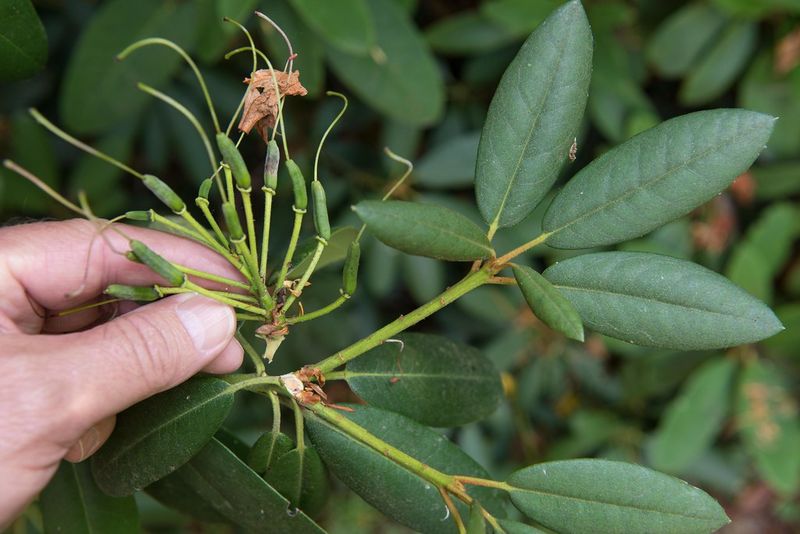
Rhododendrons and azaleas are practically the mascots of Pacific Northwest gardens. They thrive in our acidic soil and cool, moist climate.
But once the blooms are spent, they need a little attention to stay looking sharp and to bloom well next year.
The first job is deadheading, which just means snapping or cutting off the old flower clusters. Be careful here.
Just below each spent bloom, you will see tiny new buds already forming. Those buds will become next year’s flowers.
Snap the old cluster off cleanly just above those buds without disturbing them.
Beyond deadheading, you can do some light shaping now if the plant has gotten leggy or uneven. Remove any crossing branches or stems that are growing in the wrong direction.
Avoid hard pruning unless the plant is severely overgrown, because aggressive cuts can stress rhododendrons.
Azaleas are a little more forgiving and can handle a slightly firmer trim right after bloom. Both plants benefit from a layer of fresh mulch after pruning to keep the roots cool and moist through summer.
Our warm, dry summers can stress shallow-rooted plants like these, so good mulching makes a real difference.
A quick tidy-up now takes only a few minutes per plant but pays off with stronger growth and a better flower display next spring.
Do not wait until fall to tackle this job because by then, the timing will have already passed.
4. Camellias Can Be Pruned Once Blooming Ends
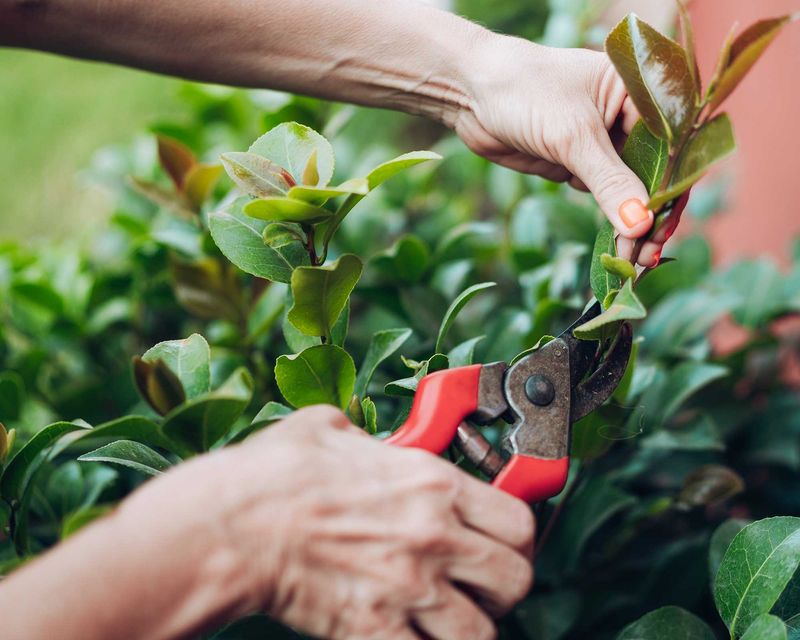
Camellias are elegant shrubs that bring color to the garden during the quieter winter and early spring months. Once the last blooms drop, that is your signal to pick up the pruners.
Waiting too long means cutting into new growth that the plant has already pushed out, which wastes the plant’s energy and can set it back.
Most camellias in our region only need light pruning. The goal is to remove withered or damaged wood, improve the shape, and thin out any branches that are crossing or crowding the center.
Good airflow through the middle of the plant helps prevent fungal issues, which can be a concern in our damp climate.
If your camellia has gotten much larger than you want, now is the time to cut it back more significantly.
Camellias are surprisingly tough and can handle harder pruning as long as you leave some healthy foliage on each branch.
Never strip a branch completely bare, because the plant needs leaves to recover and push new growth.
After pruning, clean up any fallen leaves or petals from around the base. Old plant debris can harbor pests and disease.
A fresh layer of mulch around the root zone will help retain moisture during the drier months ahead. Camellias are long-lived plants that get better with age when cared for properly.
A little pruning effort now sets the stage for another beautiful bloom season next year with minimal fuss.
5. Tomato Suckers Should Be Pinched Before Plants Get Dense
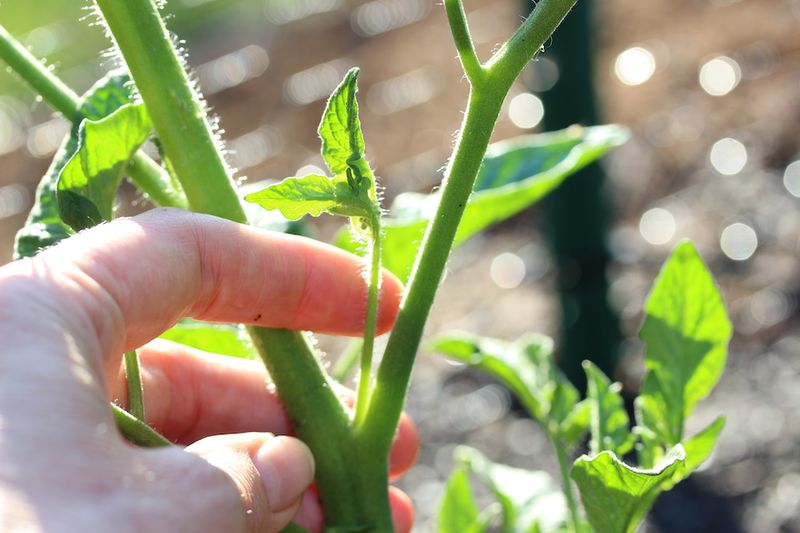
Tomato plants grow fast once warm weather arrives. If you have been watching your transplants settle in, you may have already noticed small shoots appearing in the crotches between the main stem and the side branches.
Those are suckers, and pinching them out now is one of the best things you can do for your tomato crop.
Suckers are not harmful on their own, but they do compete with the rest of the plant for energy. Left alone, each sucker becomes a full branch with its own leaves, flowers, and eventually fruit.
That sounds like a bonus, but in reality it spreads the plant’s resources too thin. Fruit tends to be smaller, and the dense foliage makes it harder for air to move through the plant.
Pinch suckers off when they are small, ideally under two inches long. At that size, you can usually just snap them off with your fingers.
Larger suckers should be cut with clean pruners to avoid tearing the stem. For indeterminate varieties, which keep growing all season, regular sucker removal every week or two keeps the plant focused and manageable.
Determinate varieties, which are bred to stay compact and ripen all at once, need less suckering. Check your seed packet or plant tag to know which type you have.
Staying on top of this simple task now prevents a tangled, overgrown mess by midsummer and keeps your harvest coming in strong through the season.
6. Grapevines Need Summer Canopy Control, Not Winter Pruning
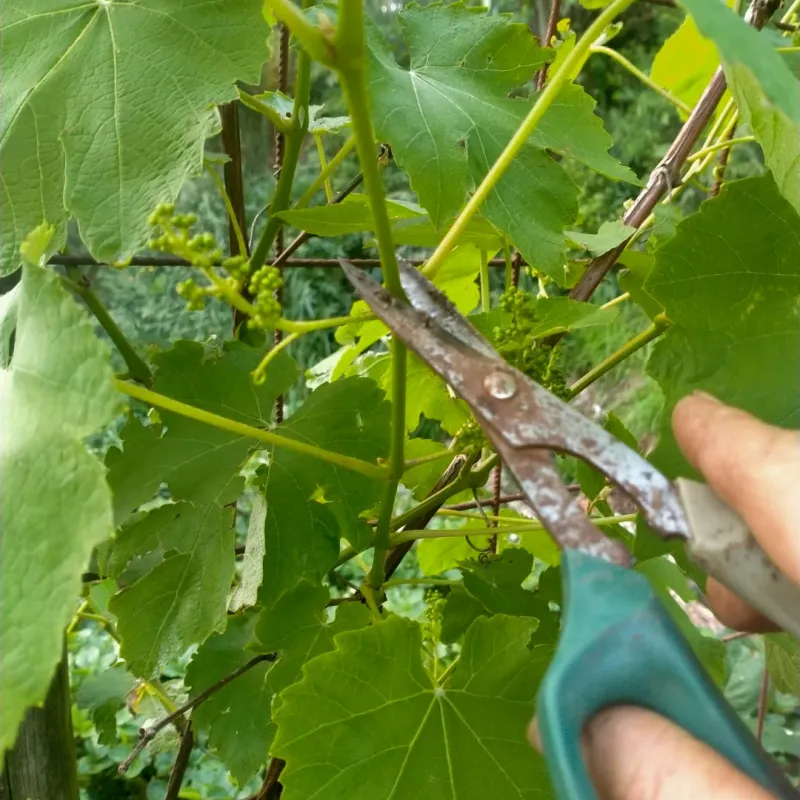
Most people think of grapevine pruning as a winter job, and for the main structural pruning, that is true. But summer canopy management is just as important and often gets overlooked.
Right now, as the vines push out rapid new growth, is exactly the right time to step in and take control. Summer pruning for grapevines is about managing the canopy, not reshaping the plant.
The goal is to remove extra shoots that are not part of your fruiting plan, tuck in or trim long tendrils that are tangling everything up, and open the canopy so sunlight can reach the developing fruit clusters.
Without enough light, grapes struggle to ripen fully. In our region, where summer sun can be variable depending on where you live, canopy management is especially valuable.
Removing leaves and shoots that are shading the fruit zone makes a real difference in the final flavor and sugar content of your harvest.
Also look for any shoots growing from below the graft union on grafted vines. Those shoots come from the rootstock and should be removed right away.
They grow vigorously and can eventually take over if ignored. Keeping up with canopy work every couple of weeks through the growing season is much easier than trying to deal with a completely overgrown vine come midsummer.
A well-managed canopy means better fruit, fewer disease problems, and a much more enjoyable harvest later in the year.
7. Wisteria Shoots Can Be Shortened Before They Take Over
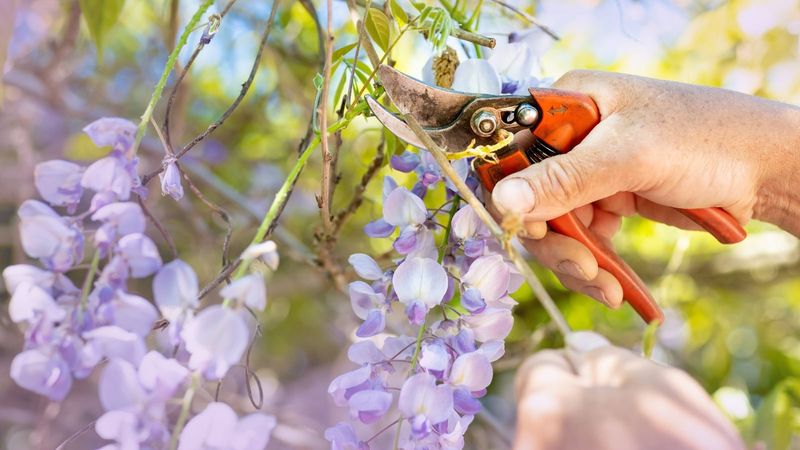
Wisteria is one of the most dramatic vines you can grow, with cascading purple or white flower clusters that stop people in their tracks. But it is also one of the most aggressive plants in the garden.
If you are not pruning it regularly, wisteria will happily swallow a pergola, a fence, or even a tree without hesitation.
Right now, those long whippy shoots are reaching out in every direction. This is your moment.
Cut the new shoots back to about five or six leaves from the base of each shoot. This simple step redirects the plant’s energy away from rampant vegetative growth and toward forming the short flowering spurs that will produce blooms next spring.
Do this summer pruning in addition to the harder pruning you do in late winter. Wisteria needs two rounds of pruning each year to stay in check and bloom reliably.
Skipping the summer trim means fewer flowers and more chaos in the garden.
Be thorough about removing any shoots that are wrapping around structures, gutters, or nearby plants.
Wisteria stems can become incredibly strong over time and cause real structural damage if allowed to grow unchecked.
This vine is a long-term commitment in the garden. The reward is absolutely worth it, but only if you stay consistent with the pruning schedule.
A few minutes of trimming every few weeks through summer keeps this stunning plant beautiful and under control without much effort once you get into the habit.
8. Caneberries Need Spent Canes Removed After Fruiting
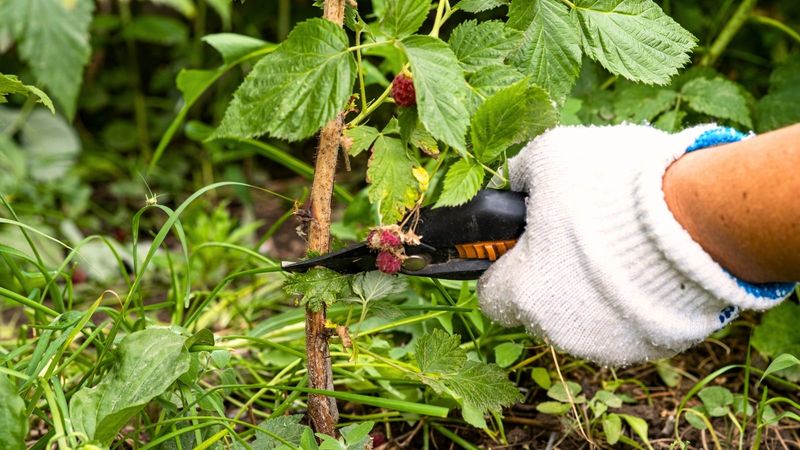
Raspberries, blackberries, and other caneberries are workhorses of the home garden. They produce generous harvests, but they do need annual maintenance to keep performing well.
The key is understanding that most caneberries fruit on two-year-old canes, which means once a cane has fruited, it is done and needs to come out.
For summer-bearing raspberries, the spent canes from last year’s harvest should come out now if they have not already. Leaving them in place crowds the new green canes that are growing up from the base.
Those new canes are what will carry next year’s crop, so giving them room to grow is essential.
Blackberries follow a similar pattern. After fruiting wraps up, cut the old canes off at ground level.
Wear thick gloves because those thorns are no joke. Everbearing varieties are a little different and can be managed with either a full cutback in late winter or selective removal of spent canes throughout the season.
After removing old canes, thin the new ones too. Keep the strongest, healthiest canes and remove any that are weak, crowded, or growing in awkward directions.
Tie the keepers to your trellis or support system so they grow upright and are easy to manage at harvest time. Good cane management now means a cleaner, more productive patch next season.
It also improves airflow, which helps reduce the fungal diseases that can plague caneberries in our damp Pacific Northwest climate.
9. Perennials Benefit From Deadheading And Light Cutbacks
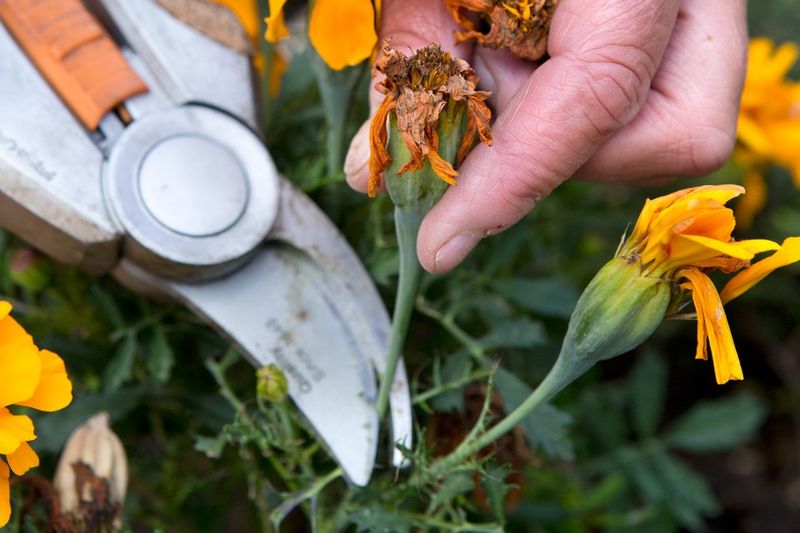
Perennials are the backbone of many home gardens, coming back year after year with minimal fuss.
But a little seasonal maintenance goes a long way toward keeping them looking their best and blooming as long as possible.
Deadheading and light cutbacks are two of the easiest and most rewarding tasks you can do right now.
Deadheading just means removing spent flowers before they go to seed. For many perennials, this simple act triggers the plant to produce another round of blooms.
Plants like salvia, coreopsis, and catmint will keep flowering for weeks longer if you stay on top of deadheading. Use scissors or small pruners and snip just above the next set of healthy leaves or buds.
Some perennials that have finished their main bloom, like hardy geraniums and early-season sedums, benefit from a harder cutback.
Shearing them back by about half encourages a fresh flush of new foliage and sometimes a second round of flowers later in the season.
Not every perennial needs the same treatment, so it helps to know what is growing in your beds. Plants that look tired, floppy, or crowded are good candidates for a light trim.
Those that are still actively blooming just need the spent heads removed. Taking a slow walk through your perennial beds once a week with pruners in hand keeps everything looking tidy and productive.
It is one of those small habits that makes a noticeable difference in how vibrant your Oregon garden looks all the way through late summer.
10. Fast-Growing Hedges Can Be Lightly Shaped
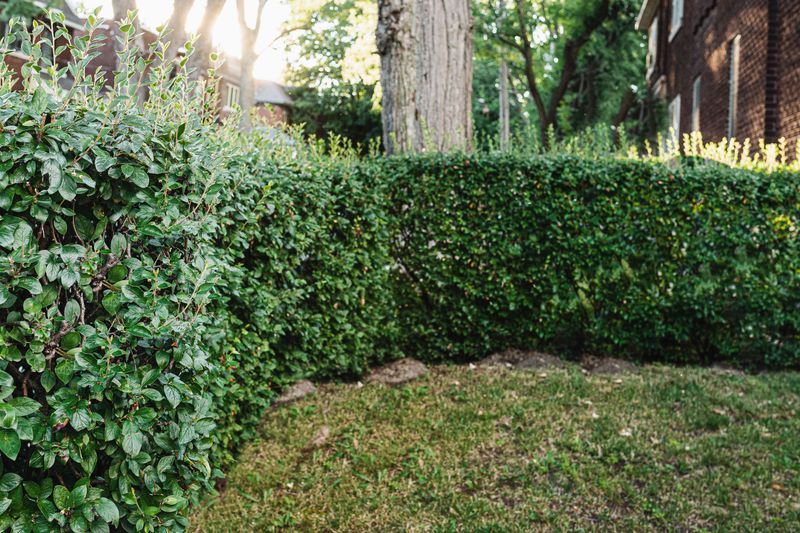
A well-maintained hedge can define a garden space, provide privacy, and add real structure to a yard.
But fast-growing hedge plants like laurel, photinia, and privet can quickly go from tidy to overgrown if you miss the right pruning window.
Right now, as new growth is actively pushing out, is the ideal time for a light shaping pass.
The goal at this stage is not a dramatic transformation. You are just trimming back the fresh growth to keep the hedge at the size and shape you want.
Cutting into new, soft growth is much easier on the plant than cutting into old, woody stems. It also heals faster, leaving your hedge looking clean and uniform within a few weeks.
For most hedge plants in Oregon, one or two light trims through the spring and early summer season is enough to maintain a sharp look.
Wait too long and you will be doing much more aggressive work in late summer, which can stress the plant and leave it looking ragged heading into fall.
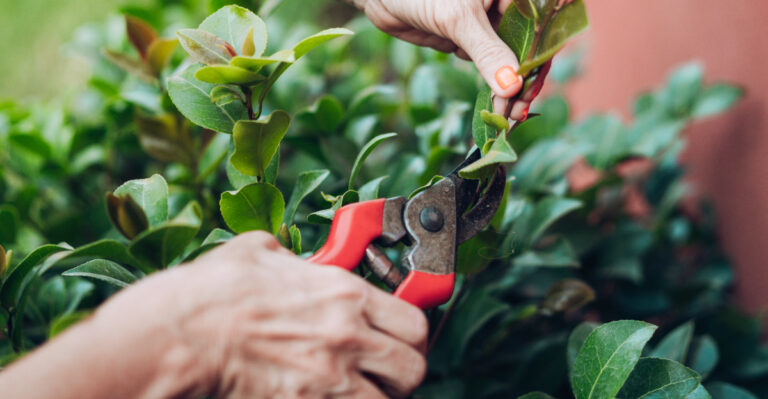
Use sharp hedge shears or electric trimmers for large sections and hand pruners for any detailed work around corners or gate openings. Always step back regularly to check your lines from a distance.
It is easy to accidentally cut one side lower than the other when you are up close. A little patience and a steady hand go a long way.
Keeping up with hedges now saves a lot of labor later and keeps your garden looking polished all season.