10 Clever Tricks Texas Homeowners Use To Stop Gravel Weeds
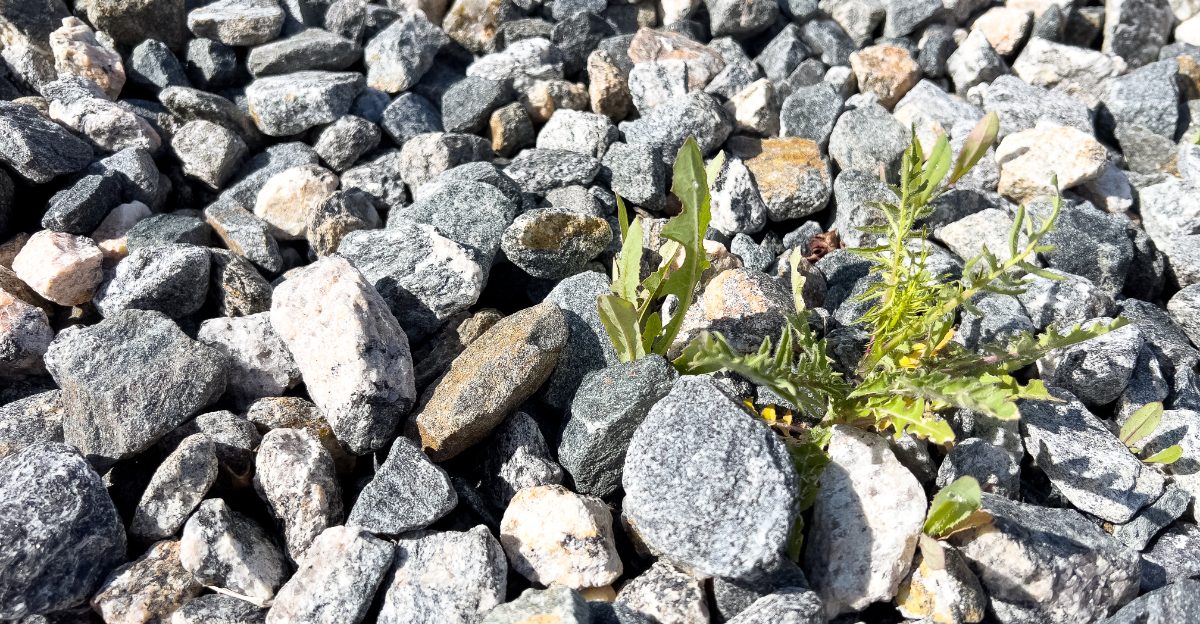
Clean gravel looks effortless. Weedy gravel looks like a project that got away from you sometime in April and never quite recovered.
Texas homeowners know this cycle well. The driveway looks sharp in March. By June there are grassburs near the edges, spurge spreading through the middle, and Bermuda grass creeping in from the lawn with no intention of stopping.
The frustrating part is that most weed control advice treats gravel like it is just another garden bed. It is not.
Gravel has its own rules, its own problem species, and its own timing that makes standard approaches either wasteful or ineffective.
Do you know the single condition that turns a clean gravel surface into a weed nursery faster than anything else?
Many homeowners never address it directly, which is why the same spots keep producing the same weeds year after year no matter how many times they pull them.
These habits change that pattern. None of them require expensive equipment. Most take less time than the weeding they prevent.
1. Refresh Thin Gravel Before Soil Shows
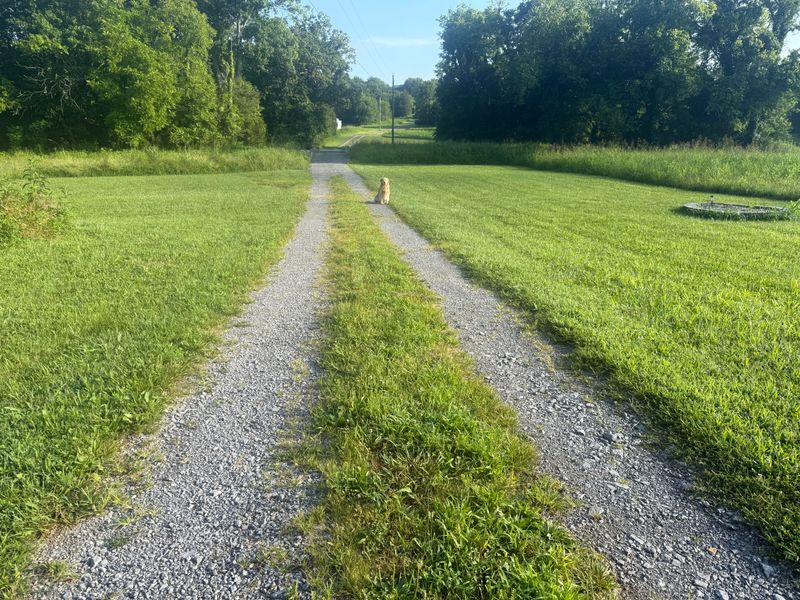
Bare soil in a gravel area is an open invitation. Once the stone layer thins enough that soil shows through, germination rates climb quickly because seeds finally have something to anchor into.
The gravel is not just decorative. The depth of it is doing active weed suppression work every single day.
A layer of at least two to three inches blocks enough light from reaching the soil below to significantly reduce weed pressure.
When gravel scatters from heavy rain, strong winds, or normal foot traffic, those shallow spots become the first places weeds appear each spring. They are not random. They are predictable.
A walk around your driveway or path in early March reveals exactly where the trouble spots are developing. Look for areas where soil color shows between stones or where weeds popped up repeatedly last season.
Adding fresh gravel to thin patches is one of the most effective passive weed controls available. The repair does not need to cover the entire surface.
Target the exposed spots specifically. A metal rake spreads new stone evenly and pushes it into low patches without creating raised edges near borders.
Plan a small refresh in early spring and again after heavy summer rains shift things around. Staying ahead of thin spots means seeds never get the foothold they are patiently waiting for.
The gravel is not just sitting there looking nice. It is working. Keeping it thick enough to do that job is the whole strategy.
2. Install Fabric Under New Gravel Paths
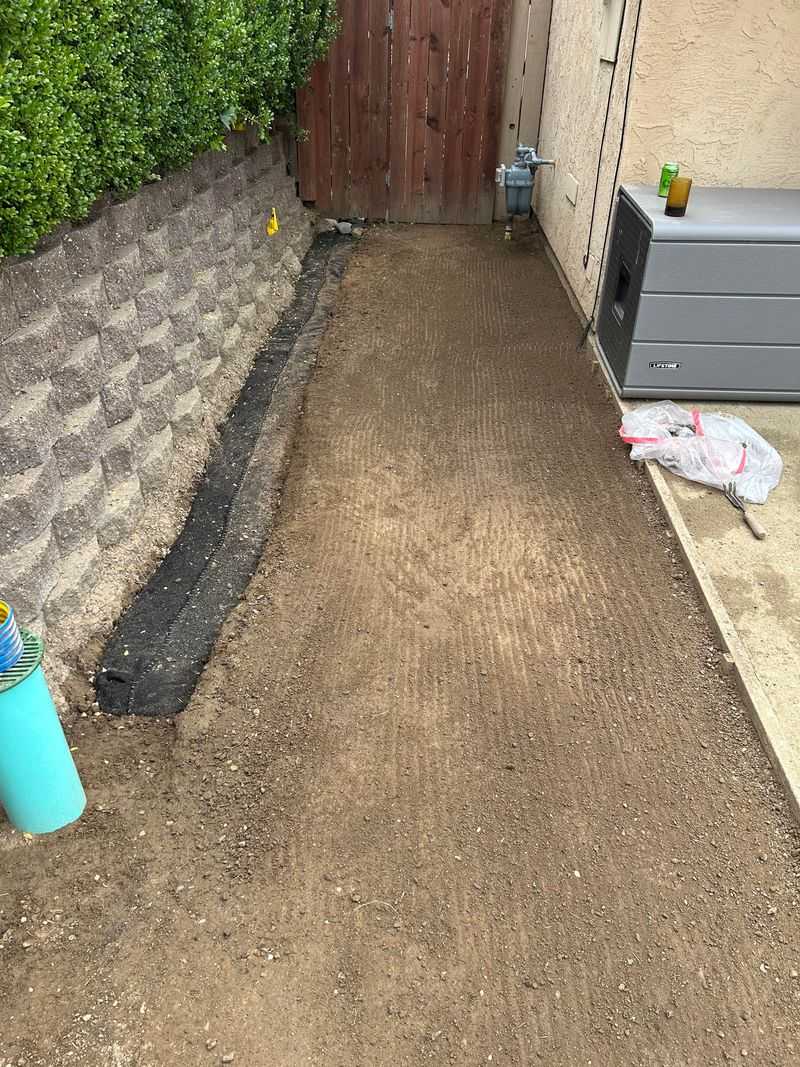
A new gravel path or driveway built from scratch gives you a rare opportunity most homeowners only get once.
Landscape fabric placed beneath the gravel layer builds weed resistance directly into the foundation rather than dealing with weeds after the fact.
The fabric works by blocking light and creating a physical barrier that most annual weed roots struggle to push through from below.
Perennial weeds with aggressive root systems like Bermuda grass can eventually work around edges or find gaps, but for typical Texas lawn weeds and wind-blown annual seeds, quality woven fabric provides solid early protection through the first several seasons.
Your Texas Garden Changes Every Week. Your Plan Should Too.
Gardening in Texas changes quickly throughout the season. Every Friday you’ll receive a simple weekly plan showing exactly what to plant, prune, fertilize, harvest, and protect so you never miss the right timing.
The material matters considerably. Woven landscape fabric outperforms thin plastic sheeting significantly.
Plastic degrades quickly under Texas heat, traps moisture in problematic ways, and creates more problems than it solves within a couple of seasons.
Installation details determine how well the fabric performs. Overlap seams by at least six inches so weeds cannot exploit narrow gaps.
Pin edges firmly with landscape staples and fold fabric neatly around curves and corners. Once gravel covers the surface, the fabric disappears from view completely.
Fabric performs best during the first three to five years. Over time, organic debris accumulates on top of the gravel and creates a shallow seedbed that weeds will use regardless of what lies underneath.
Pair fabric with regular surface cleanup for the best long-term results. The fabric handles what comes from below. Consistent cleaning habits handle what lands on top.
3. Edge Gravel Before Lawn Creeps In
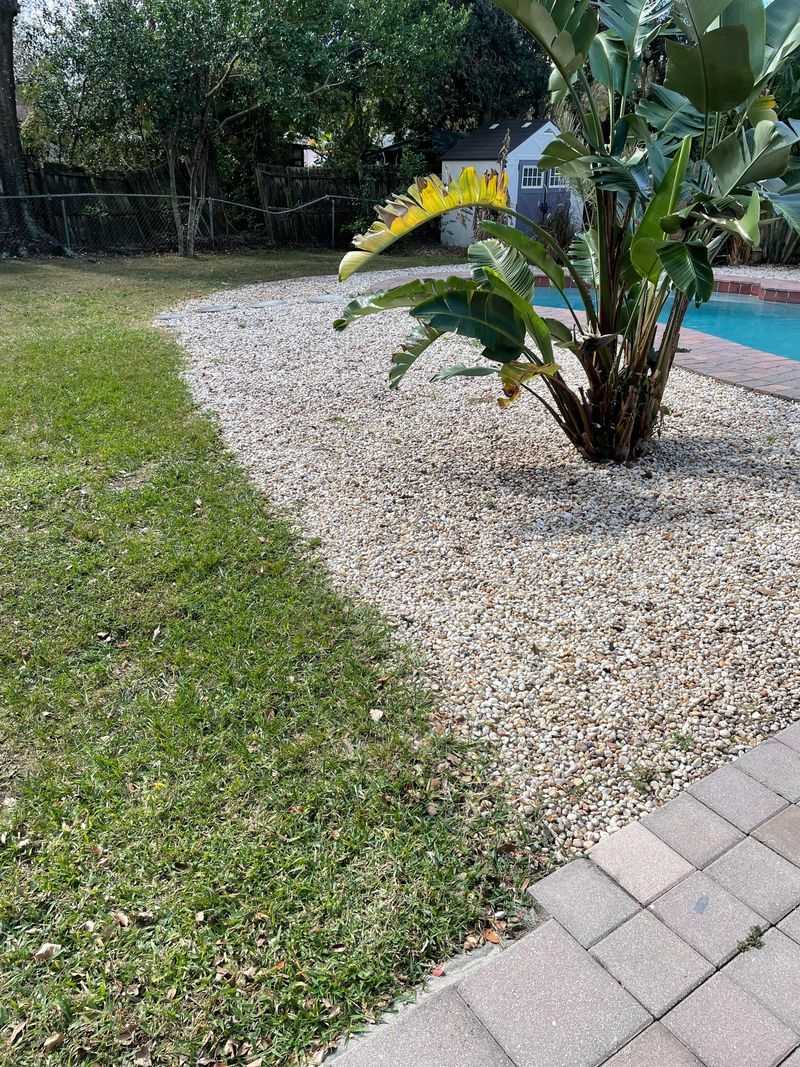
Bermuda grass does not announce its intentions.
It sends runners sideways, relentlessly, week after week, until one day there are thick clumps rooted into the gravel that require significant effort to remove without disturbing the stone around them.
Clean edging done consistently is the simplest way to interrupt that process before it becomes a project.
A sharp manual edging tool or a powered rotary edger cuts through grass runners and creates a defined vertical wall between the lawn and the gravel.
That small gap makes it considerably harder for Bermuda grass to bridge the distance and establish roots in the stone.
Homeowners who edge every two to three weeks during the growing season deal with dramatically fewer grass problems in gravel compared to those who edge once or twice per year.
Timing matters. Edge when grass is actively growing and before runners have had time to root deeply into the gravel.
In Texas, that growing window runs from early spring through November across most of the state, which is considerably longer than most homeowners plan for when setting a maintenance schedule.
After edging, rake loose grass clippings off the gravel surface promptly. Clippings left in place decompose and add organic material that seeds can germinate in later. That is the opposite of what the edging was meant to accomplish.
A clean edge also makes the entire yard look more intentional and well-maintained as a side effect.
Consistent edging is a small task with a genuinely large visual payoff. Bermuda grass is patient. The homeowner who edges regularly is more patient.
4. Pull Young Weeds After Rain
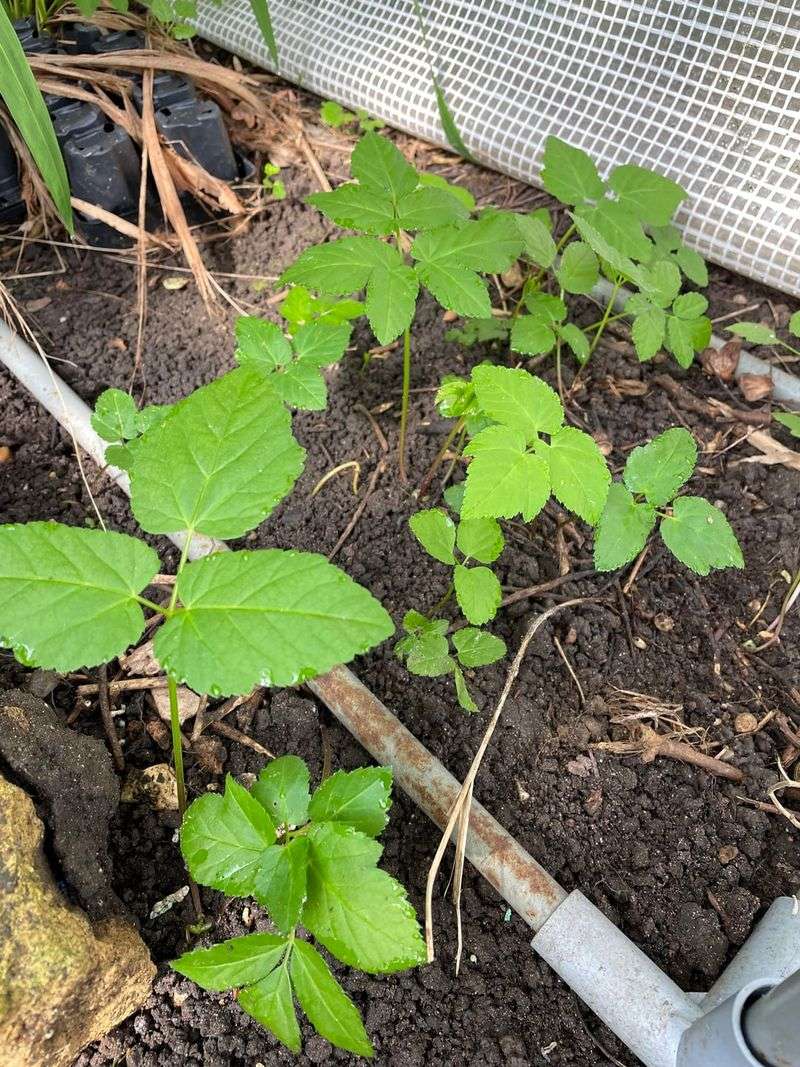
Pulling weeds is unpleasant enough without doing it under the worst possible conditions. Dry, hardpacked Texas soil holds roots firmly in place, which means stems snap off at the surface and the root stays behind to send up new growth within days.
The effort produces very little actual progress. Rain changes the equation completely.
After a good soaking, the soil beneath gravel softens and weed roots release from the ground with gentle, steady upward pressure instead of the frustrated yanking that dry conditions require.
Young weeds pulled after rain come out whole rather than in pieces. That is the difference between solving the problem and managing the symptom.
Keeping waterproof gloves near the garage door makes it easy to act quickly while the ground is still soft.
A narrow hand trowel or dandelion fork assists with weeds that have taproots extending below the gravel layer. A little leverage at the right angle and the whole root follows.
Focus on weeds that are still small, before they have flowered and set seed. A weed that has already gone to seed is essentially planting next season’s problem while you are still addressing this one.
Texas receives heavy spring storms and periodic summer thunderstorms that create ideal pulling windows throughout the growing season. Those rain events are essentially free weed-pulling opportunities that the weather is scheduling for you.
Use them consistently and the weed population shrinks noticeably without any products required.
5. Remove Roots Before Perennials Spread
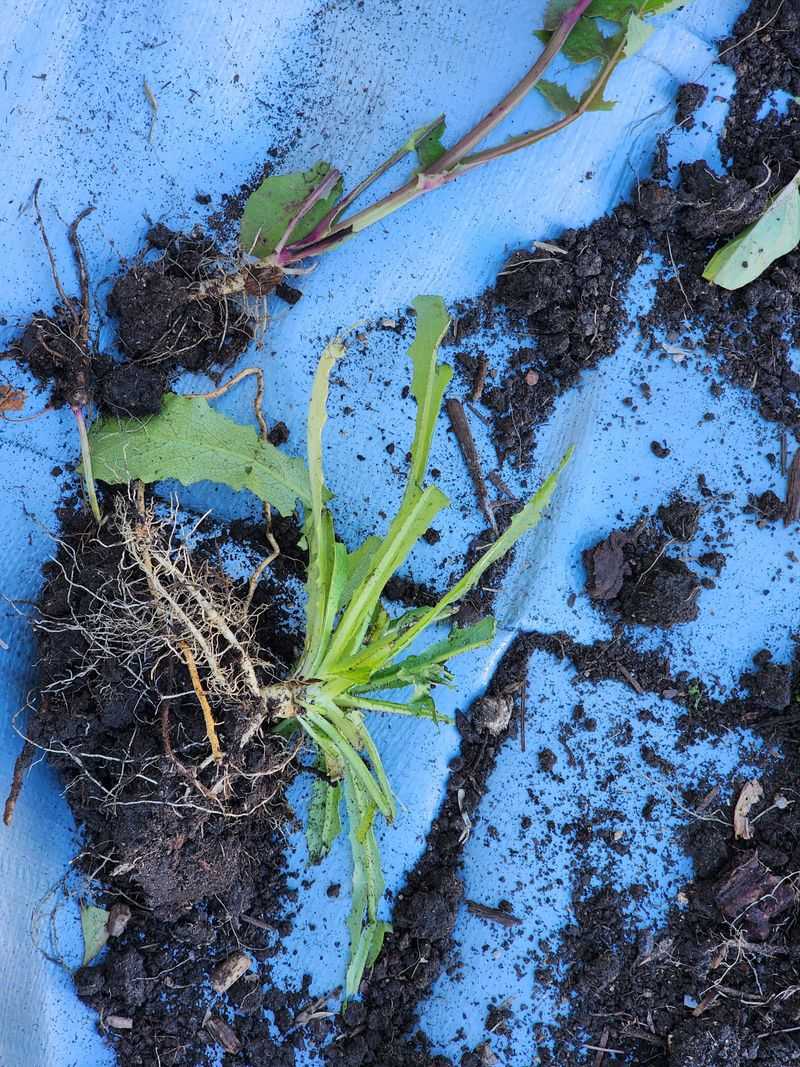
Annual weeds and perennial weeds are not the same problem. Annual weeds grow from seeds, complete their cycle in one season, and can be managed by preventing germination.
Perennial weeds store energy in root systems underground and return from the same root mass year after year regardless of how many times the visible growth gets removed.
Pulling the top off a perennial weed without removing the root is temporary maintenance at best. Many perennial species respond by sending up multiple new shoots from the disturbed root, leaving the gardener with more stems to manage than before.
Common Texas perennial gravel weeds include Bermuda grass, nutsedge, bindweed, and dandelion. Bermuda grass spreads through both underground rhizomes and surface runners, making partial removal particularly ineffective.
Nutsedge produces small underground tubers called nutlets that survive removal of the parent plant and generate new growth entirely on their own schedule.
A dandelion fork or long narrow hand weeder gives the leverage needed to extract roots without tearing them apart halfway down.
Work slowly. Loosen soil around the root before pulling upward. When a root snaps, use the tool to dig out the remaining section rather than accepting a partial removal.
Dispose of pulled perennial roots in yard waste bags rather than the compost bin. Bermuda grass rhizomes and nutsedge tubers survive most home compost piles without difficulty.
One fully removed root eliminates the problem. One snapped root creates two problems.
Nutsedge laughs at partial removal and has years of evidence to support that position.
6. Use Labeled Products Only On Gravel
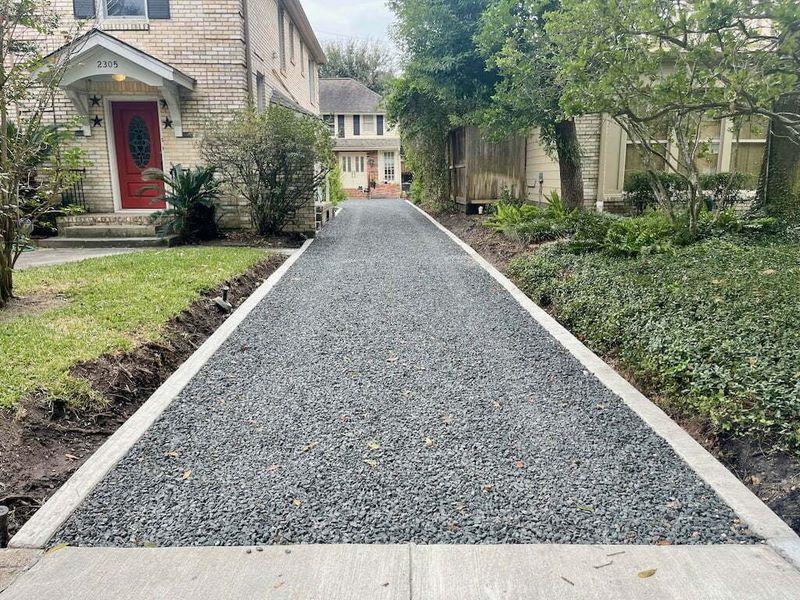
Herbicides work in gravel situations when used correctly. The critical starting point is using only products that are specifically labeled for non-vegetated surfaces, driveways, or gravel areas.
Applying any product to a site not listed on its label is a federal pesticide law violation regardless of how the product performs elsewhere.
Pre-emergent products create a soil barrier that prevents seeds from germinating before they start. Post-emergent products target weeds already actively growing.
Both have appropriate roles in gravel management when the label confirms the application site is approved.
Reading the entire product label before opening the container is not optional reading. The label provides correct application rates, timing guidance, approved sites, safety requirements, and buffer distances from water features and storm drains.
Texas waterway protection regulations apply to gravel runoff, particularly near drainage ditches, creeks, and the storm drain systems that connect to local waterways across most Texas municipalities.
Apply on calm, dry days to minimize drift onto surrounding lawn or garden areas. Texas wind is a consistent factor and the label buffer distances exist for a specific reason.
Wearing the personal protective equipment listed on the label protects skin and eyes from unnecessary exposure. The label is not fine print. It is the instruction manual for the product.
Used carefully within labeled guidelines, herbicide products reduce weed pressure in gravel areas substantially. Used carelessly or off-label, they create problems that extend well beyond the driveway.
The label is the law. Everything else is improvisation with consequences.
7. Spot Treat Actively Growing Weeds
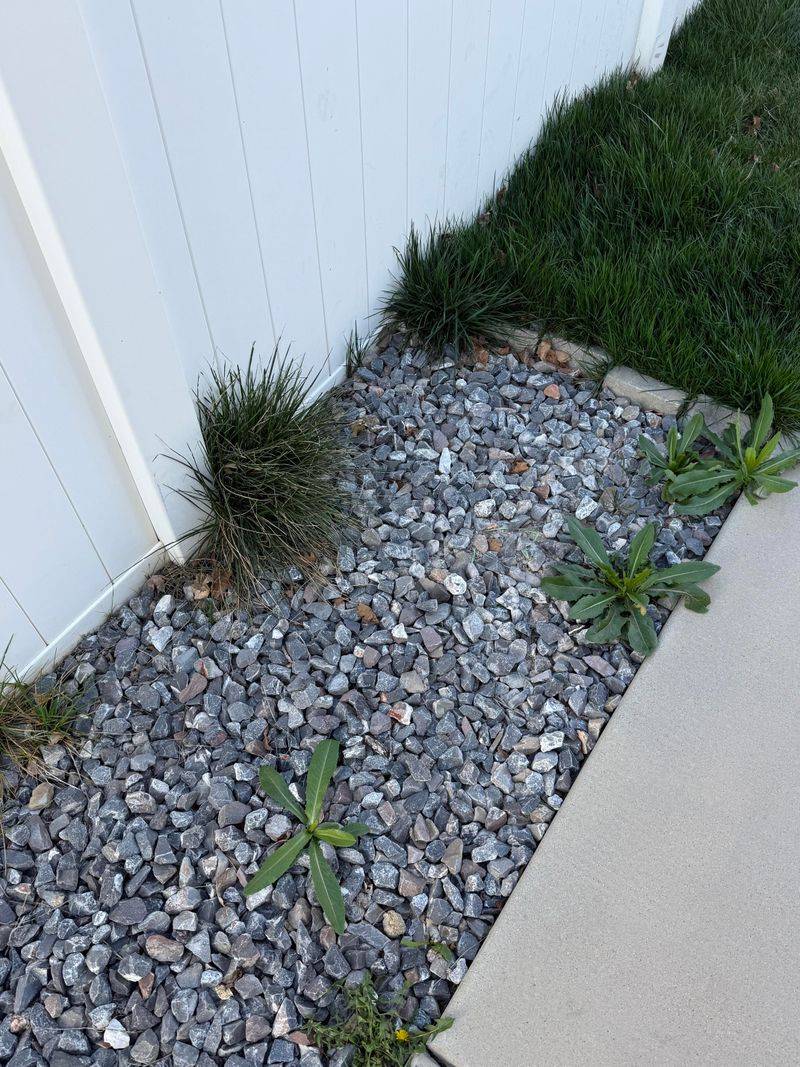
A broad spray across an entire gravel area when only scattered weeds are present wastes product, increases the potential for runoff, and adds unnecessary exposure to areas that did not need treatment.
Spot treating means targeting individual plants that are actively growing and leaving everything else alone.
This focused approach uses less product, costs less money, and reduces environmental contact significantly across the whole property.
Post-emergent herbicides absorb through actively growing foliage most effectively. A weed pulling nutrients and water through its system vigorously takes up the product and moves it through the plant efficiently.
Texas heat creates a specific timing challenge. During periods of extreme heat above one hundred degrees, many weeds are under stress and their uptake systems are operating at reduced capacity.
Treating during those windows often produces disappointing results. Cooler morning temperatures in spring and fall produce better absorption and more reliable outcomes across most Texas product applications.
A small pump sprayer or ready-to-use spot bottle gives precise control over where product lands. Aim at the center of the plant and apply enough to coat the foliage without excess dripping onto the gravel where it can wash away in the next rain event.
Keep the nozzle close to the target to minimize drift. Most labeled products show visible results within seven to fourteen days.
Spot treating every two to three weeks during peak growing season manages populations effectively without broad chemical application across the whole surface.
The weeds get treated. The spaces between them do not.
8. Keep Leaves And Soil Off Gravel
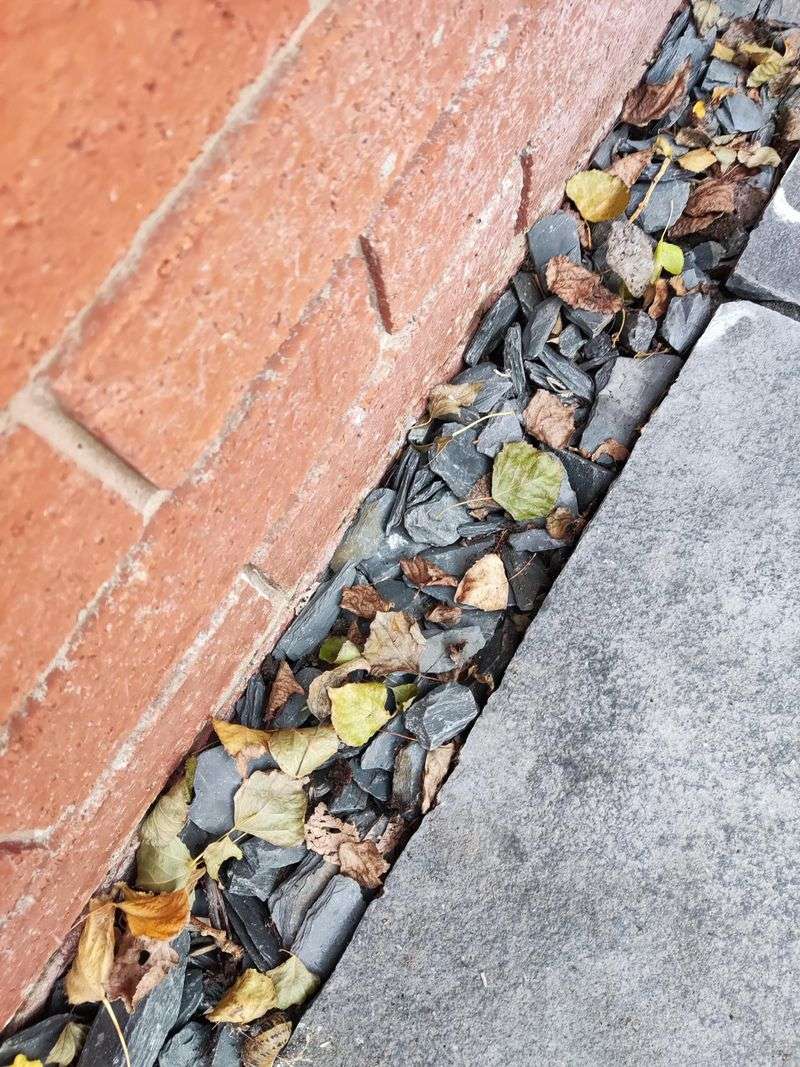
A thin layer of decomposed organic material sitting on top of gravel is all a weed seed needs to get started. It does not require real soil depth.
A bit of moisture, a bit of nutrition from broken-down leaves, and a seed that landed at the right moment will find that surface perfectly acceptable.
Texas fall and winter bring leaf drop from live oaks, pecans, and cedar elms that can cover a gravel surface quickly.
Live oaks in particular drop leaves gradually through winter and into early spring, which means the leaf removal window in Texas is longer and more drawn out than in states with a defined fall drop period.
A leaf blower set to a moderate speed moves dry leaves off stone quickly without scattering the gravel underneath.
Wet leaves are heavier and respond better to a flexible plastic rake that glides across the surface without pulling stone along with it.
Soil tracking from adjacent garden beds and lawn edges adds to the problem gradually. Foot traffic and rain splash deposit fine particles between stones over time, building a layer that seeds will use regardless of what is beneath the gravel.
A quick rinse with a garden hose after working in nearby beds flushes that fine material back down through the stone rather than allowing it to accumulate on top.
Making debris removal part of a regular yard routine reduces gravel weed pressure noticeably the following season.
The weeds growing on top of your gravel in May had a comfortable landing spot prepared for them in December.
9. Fill Low Spots Where Seeds Collect
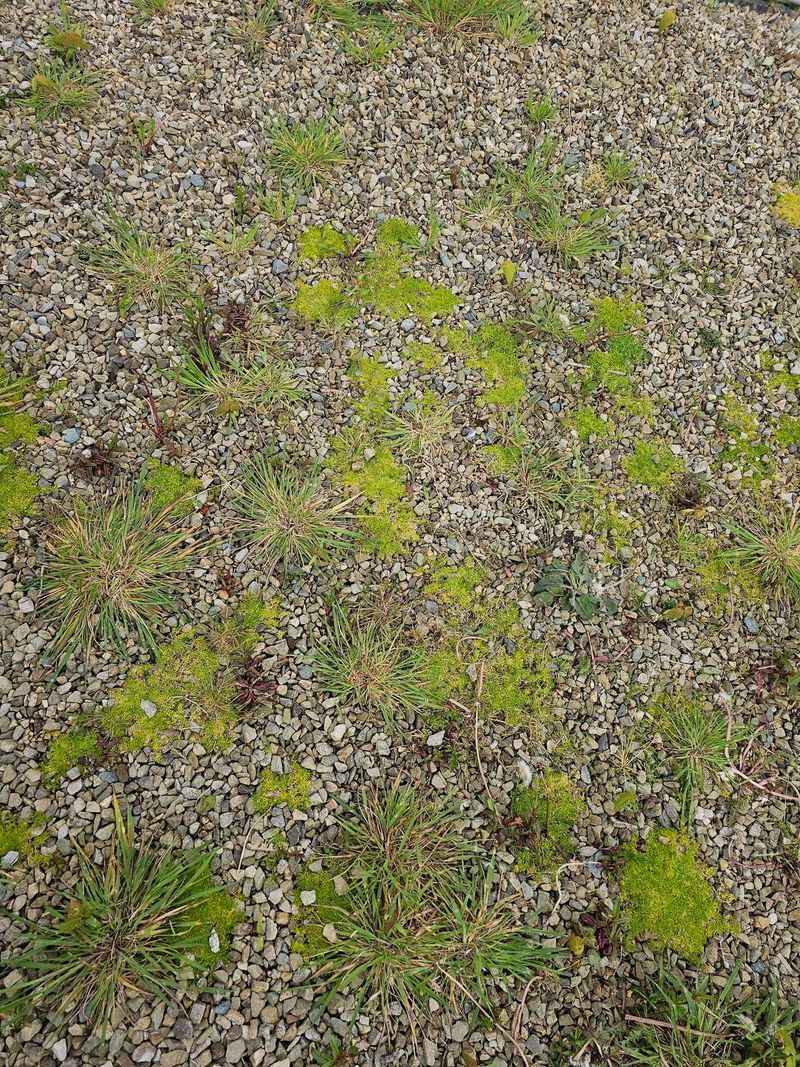
Low spots in gravel are not just aesthetic annoyances. They function as collection points for everything weeds need to get started.
Every rain event moves water toward those depressions and carries seeds, fine soil particles, and organic debris directly into them. Those areas also hold moisture longer than the surrounding surface.
The combination of concentrated organic material and extended moisture creates near-ideal germination conditions in a spot that essentially catches and holds everything arriving from around it.
Walking the gravel area after a rain makes low spots visible and easy to identify while water still pools in them. A small flag or handful of bright-colored gravel marks the location until things dry out enough to work.
Adding fresh gravel to fill depressions levels the surface and removes the pocket where material accumulates.
A tamper or the flat back of a heavy rake compacts new material so it holds position through subsequent rain events rather than shifting around immediately.
Some low spots develop because base material beneath the gravel has settled or eroded over time. Caliche-heavy soils common across Central and West Texas can shift in ways that create persistent sinking spots that gravel top-offs alone do not permanently address.
When the same spot sinks repeatedly despite topping off, the fix requires digging out the area and adding compacted base material before replacing gravel on top. That is a larger project, but it solves the problem permanently rather than requiring ongoing patch work each season.
For most situations, a twice-yearly gravel top-off handles depressions adequately. Remove the collection point and you remove most of the opportunity.
10. Watch For Goathead And Grassbur In Compacted Areas
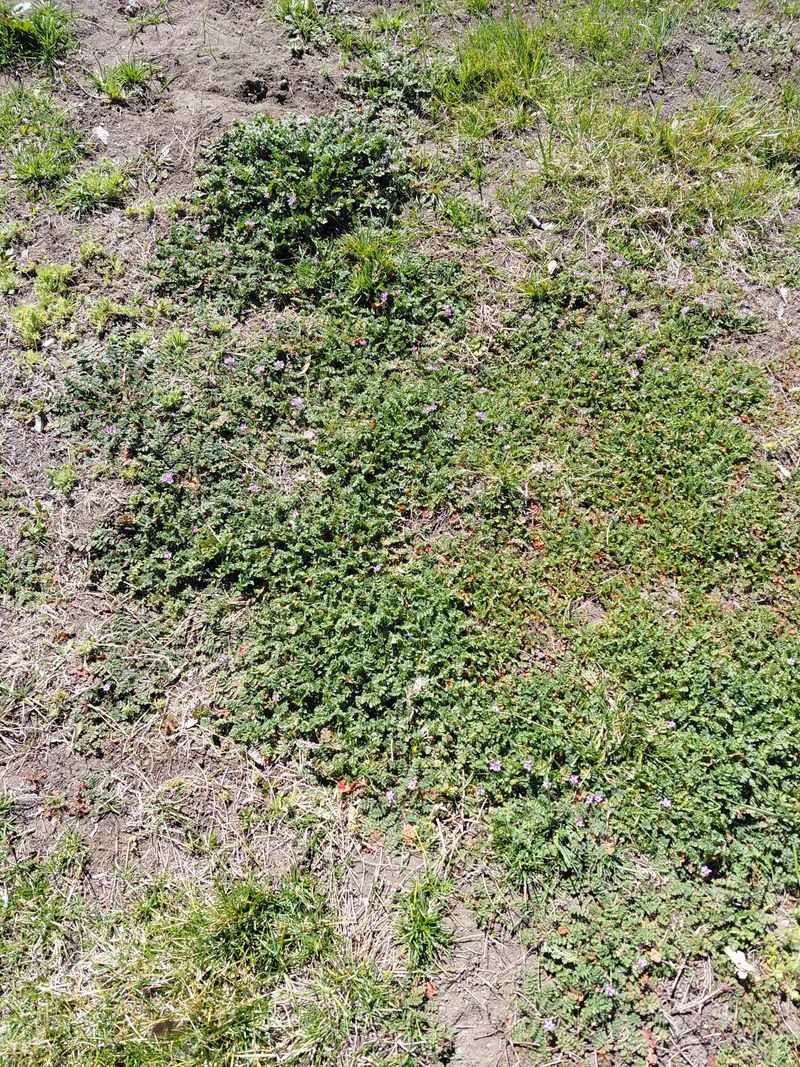
Most weeds are frustrating. Goathead and grassbur are personal.
Goathead, also called puncturevine, produces hard spiny seed capsules that puncture bare feet, bicycle tires, and pet paws with equal and unapologetic commitment.
Grassbur produces bur-covered seeds that attach to everything moving through the area. Both thrive in exactly the conditions that gravel driveways and paths create: compacted soil, full sun, and low fertility.
Both also spread faster than most homeowners realize before the problem registers clearly.
Goathead germinates in late spring and early summer in Texas. Scouting gravel borders in March and April catches seedlings when they are still small and the root system is shallow enough to remove with a hand weeder.
The plant spreads flat along the ground in a low-profile pattern that makes it easy to overlook until a significant patch has established itself.
Grassbur follows a similar timeline. Both plants reach seed production quickly in Texas heat, which means delaying removal by even a few weeks allows the current season’s problem to become next season’s established colony.
Removing plants before they set seed is the critical timing goal for both species. Once the spiny seed structures form, they distribute themselves across the gravel surface and surrounding area with every footstep and wind event.
In compacted gravel edges where these plants return seasonally, aerating the surface slightly and adding fresh stone reduces the bare, hard conditions they specifically seek out.
Goathead found your gravel because the conditions were ideal. Changing those conditions is the only argument it actually respects.