How To Attract Georgia’s Native Painted Buntings To Your Summer Garden
Watching birds move through the garden adds a level of enjoyment that flowers alone cannot provide. Bright blooms may catch attention first, but wildlife is often what keeps people stopping to look a little longer.
A quiet morning can become much more memorable when an unexpected visitor appears among the plants and shrubs.
Colorful birds tend to create the biggest excitement. Their arrival feels special because it does not happen every day, and each sighting brings a sense of anticipation.
Many gardeners find themselves looking out the window more often or spending extra time outside once they know a favorite bird has been nearby.
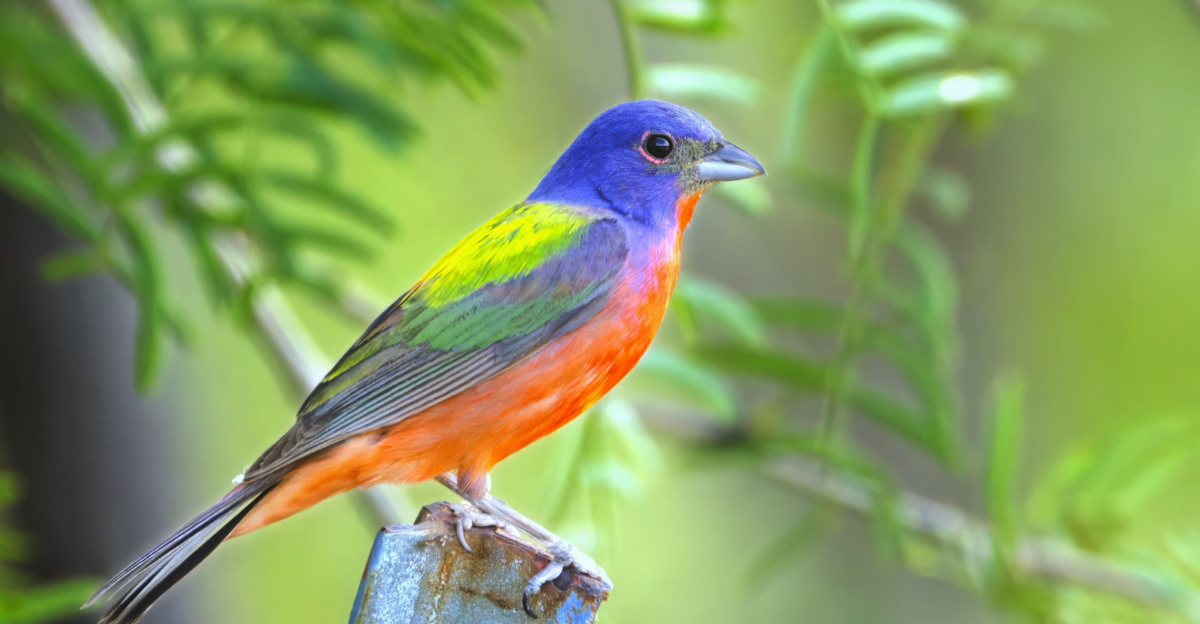
Summer brings excellent opportunities for bird watching in Georgia. Painted buntings are among the native species that attract the most attention whenever they appear.
Their brilliant colors make them hard to forget, yet they are not equally common in every yard.
Certain garden features seem to make a noticeable difference in where these remarkable birds choose to spend their time.
1. Grow Seed-Producing Plants That Painted Buntings Love
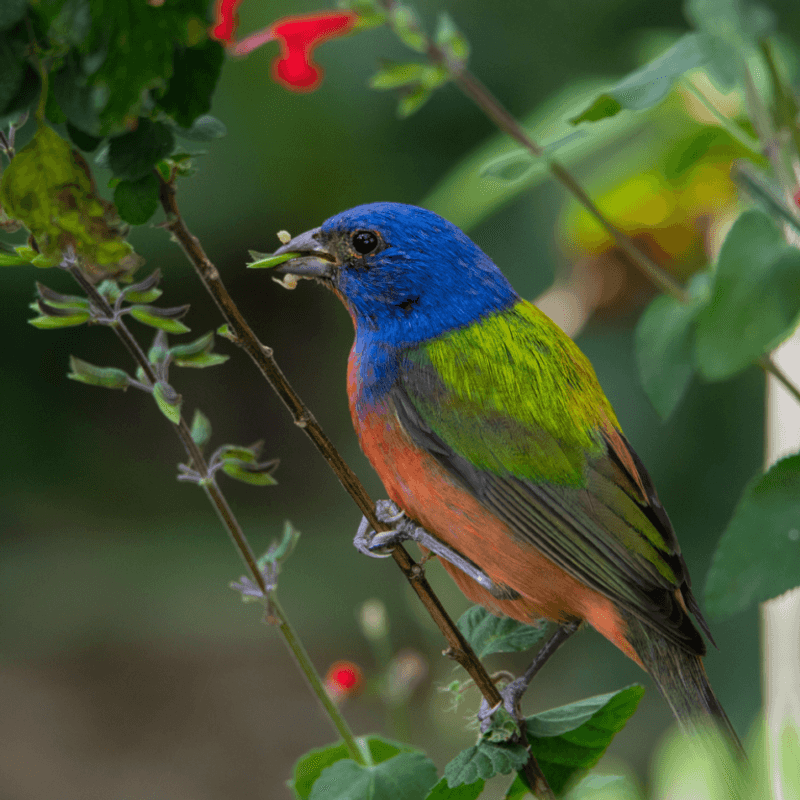
Painted Buntings are seed lovers first and foremost. Their short, strong beaks are built for cracking open small seeds, and certain plants will draw them in far better than a generic birdseed mix.
White proso millet is probably the single best plant you can grow. Scatter seeds in a sunny patch and let the plants mature naturally.
Buntings will work the seed heads directly, which is exactly how they prefer to feed.
Native grasses like switchgrass and little bluestem are also excellent choices. Both produce small seeds that buntings actively seek out in late summer.
Plant them in clusters along garden borders or near shrub edges where birds feel safer foraging.
Purple coneflowers pull double duty. They attract insects early in the season, then offer seeds as summer stretches on.
Buntings have been spotted feeding on dried coneflower heads well into August across the Southeast.
Avoid hybrid ornamental varieties that look showy but produce little viable seed. Straight native species almost always outperform cultivars when it comes to actual wildlife value.
Check with a local native plant nursery to confirm what grows reliably in your specific region.
Letting plants go to seed instead of deadheading them is one of the simplest shifts a gardener can make. It costs nothing, requires no extra effort, and turns your garden into a natural feeding station that buntings will return to season after season.
2. Offer A Reliable Source Of Fresh Water
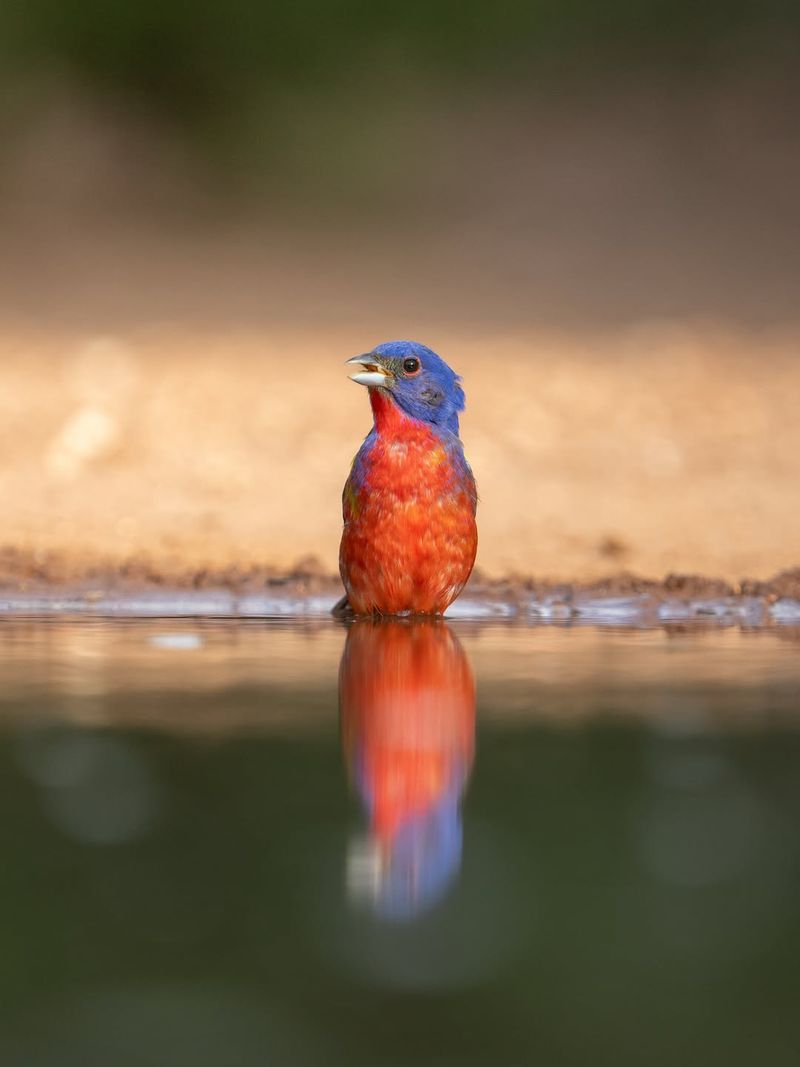
Water is often the overlooked piece of the puzzle. Buntings need fresh water every single day, and a yard with a clean, reliable water source will outperform a yard without one every time.
Shallow baths work best. Painted Buntings are small birds, and they prefer water no deeper than one to two inches.
A deeper bath may attract larger birds but will make buntings nervous. Flat-bottomed ceramic or stone baths with textured surfaces give birds a secure grip.
Placement matters more than most people expect. Set the bath near low shrubs or dense plantings so birds have a quick escape route if a predator approaches.
Your Georgia Garden Changes Every Week. Your Plan Should Too.
Gardening in Georgia changes quickly throughout the season. Every Friday you’ll receive a simple weekly plan showing exactly what to plant, prune, fertilize, harvest, and protect so you never miss the right timing.
Open, exposed baths in the middle of a lawn get ignored far more often than baths tucked near cover.
Moving water is a serious upgrade. A simple drip attachment or a small solar-powered fountain creates sound and movement that draws birds in from a surprising distance.
Buntings are attracted to the sound of dripping or trickling water, especially during dry summer stretches.
Change the water every two to three days. Stagnant water grows algae and bacteria fast in summer heat, and birds will avoid a dirty bath quickly.
A quick rinse with a hose and a light scrub with a brush is all it takes to keep things fresh.
Consistent maintenance is the real key. A bath that stays clean and full through the whole season builds a habit in visiting birds that can last for years.
3. Create Dense Shrubs For Cover And Nesting
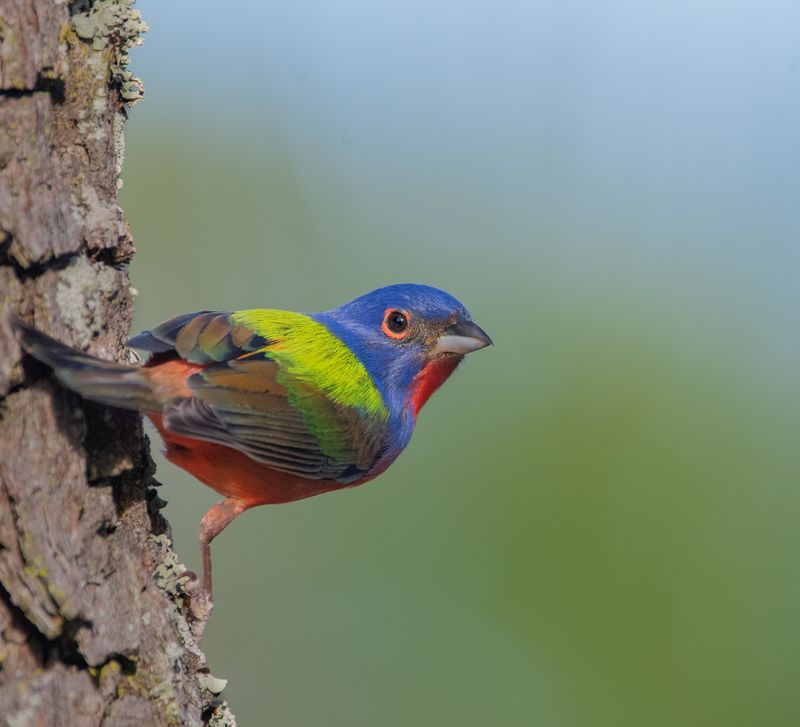
Buntings do not nest in open spaces. Dense, tangled shrubs are where females build their small cup-shaped nests, and without that cover, they simply will not settle in your yard.
American beautyberry is a standout native shrub for this purpose. It grows fast, fills in thickly, and produces purple berries that attract multiple bird species.
Its layered branches create exactly the kind of sheltered interior that nesting buntings prefer.
Yaupon holly is another strong option. It stays evergreen, grows into a tight structure, and handles summer heat without much fuss.
Planting a cluster of three or more shrubs together creates a thicket effect that feels far more secure to nesting birds than a single isolated plant.
Height and density both matter. Buntings typically nest between three and six feet off the ground, so shrubs that fill out in that range are most useful.
Avoid heavy pruning during the active nesting season, which runs roughly from May through August across much of the region.
Native roses and wild blackberry canes also work well. They create thorny, protective thickets that discourage predators while giving buntings a well-hidden nesting spot.
These plants require minimal management once established.
Think about layering your plantings. A mix of low ground cover, mid-height shrubs, and taller border plants creates a habitat structure that feels natural and safe.
Buntings respond strongly to that kind of layered, sheltered environment.
4. Leave Part Of The Yard Less Tidy During Summer
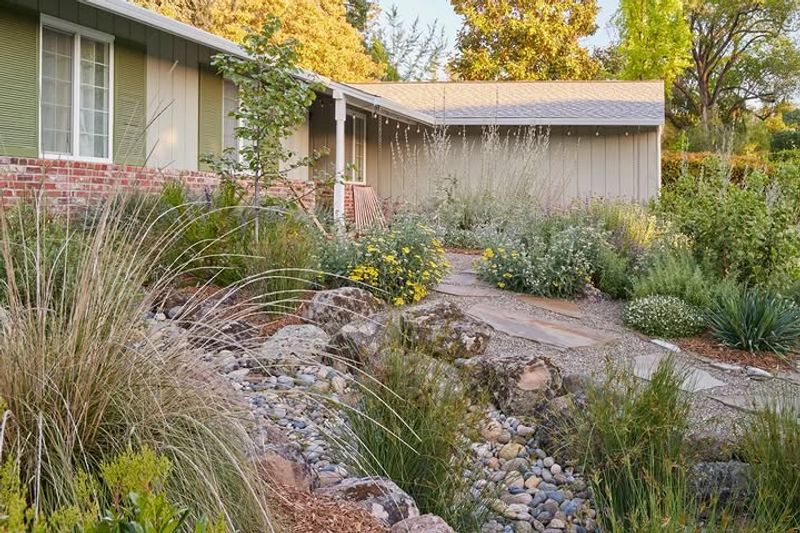
A perfectly manicured yard is a tough place for a Painted Bunting to feel at home. Wild edges and slightly unkempt corners actually serve birds far better than a clipped, tidy lawn.
Leave a section of your yard unmowed from late spring through early fall. Native grasses and wildflowers will grow in, set seed, and give buntings a natural foraging zone.
Even a strip ten feet wide along a fence line makes a noticeable difference.
Leaf litter is more valuable than most gardeners realize. Ground-level debris supports insects, spiders, and small invertebrates that buntings occasionally eat, especially when feeding young.
Raking everything bare removes a food layer that birds depend on.
Tall grass clumps offer both foraging ground and visual cover. Buntings are cautious birds by nature.
They feed more confidently when they can duck into dense vegetation quickly if something startles them.
Fallen seed heads from wildflowers and grasses are a food source in themselves. Resist the urge to cut plants back the moment they look ragged.
What appears messy to a gardener often looks like a buffet to a bunting.
Letting go of the idea that every corner must look polished is genuinely one of the most effective habitat improvements you can make. Birds read a yard through the lens of survival, not aesthetics.
A little wildness signals safety, food, and shelter all at once, and that combination is exactly what draws buntings back year after year.
5. Add Native Plants That Support Insects And Caterpillars
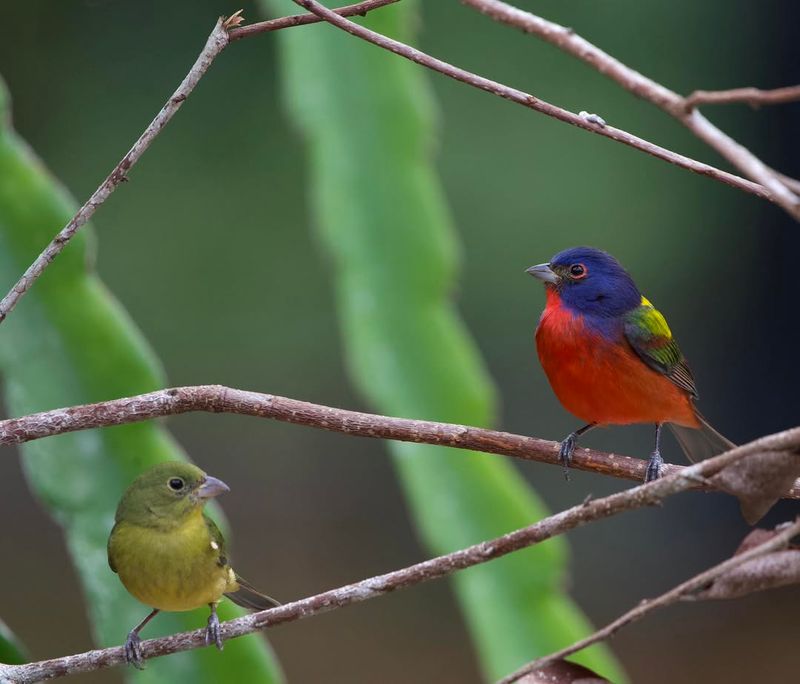
Seeds get most of the attention, but insects and caterpillars are a critical part of a Painted Bunting’s diet, especially during nesting season when adults need protein-rich food for their young.
Native oaks are among the most insect-supporting trees in the region. A single mature oak can host hundreds of caterpillar species.
Even a young oak in a backyard setting starts contributing to the local insect population within a few years of planting.
Native passionflower vine supports Gulf Fritillary caterpillars and dozens of other insects. It grows quickly, tolerates summer heat well, and can be trained along a fence or trellis.
Buntings and other small birds actively search its foliage for insects.
Black-eyed Susans and native coneflowers attract a wide range of small beetles, bees, and flies. Those insects become food for buntings working through garden plantings during the day.
More insect diversity generally means more bird activity.
Avoid planting only showy non-natives. Many ornamental plants from other regions support very few local insects, which limits their value for birds.
Native plant species have co-evolved with local insects over long periods, making them far more productive for wildlife.
Even a modest collection of five or six well-chosen native plants can shift the insect activity in your yard dramatically. Start small if needed.
Adding one or two native species each season builds toward a garden that genuinely functions as habitat rather than just looking attractive from the outside.
6. Avoid Heavy Pesticide Use Around Feeding Areas
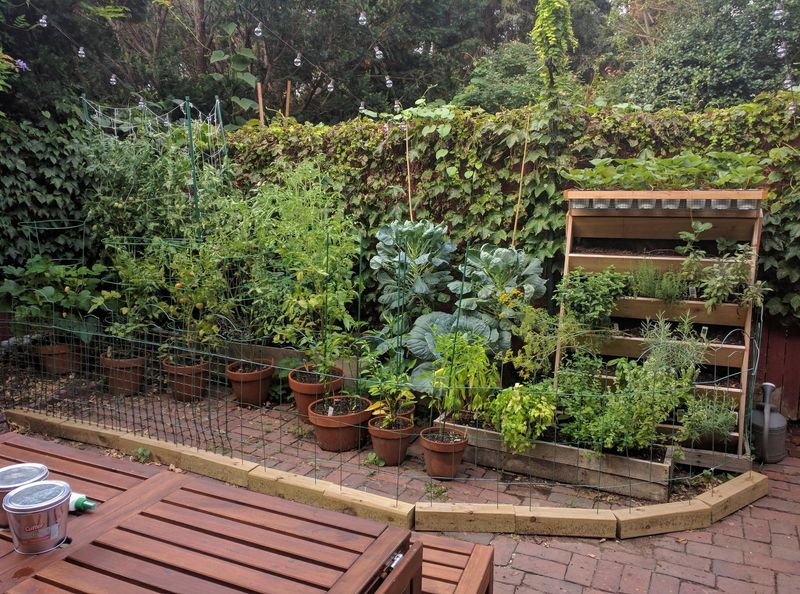
Pesticides and Painted Buntings are a bad combination. Broad-spectrum insecticides wipe out the very insects buntings rely on, and some chemical residues can affect small birds directly when they consume treated seeds or prey.
Systemic pesticides are especially problematic. Products that get absorbed into plant tissue can contaminate seeds and insects throughout the entire plant.
Buntings eating seeds from a treated plant may be ingesting residues without any visible sign of danger.
Reducing pesticide use does not mean accepting a garden full of damage. Targeted approaches work well for most common pest problems.
Hand-picking large caterpillars, using insecticidal soap on soft-bodied pests, or tolerating moderate leaf damage keeps the garden functional without wiping out the broader insect community.
Beneficial insects like parasitic wasps and ladybugs naturally suppress many garden pests. Heavy pesticide use eliminates these helpers along with the pests, which often leads to worse pest problems the following season.
Focus chemical use, if needed at all, well away from active bird feeding and foraging zones. Treat individual problem plants rather than spraying broadly across a garden area.
Timing matters too. Early morning or evening applications reduce the chance of direct contact with foraging birds.
Gardeners across the Southeast who have shifted toward organic or low-intervention approaches often report noticeably more bird activity within a single season.
7. Give Painted Buntings Quiet Spaces Away From Disturbance
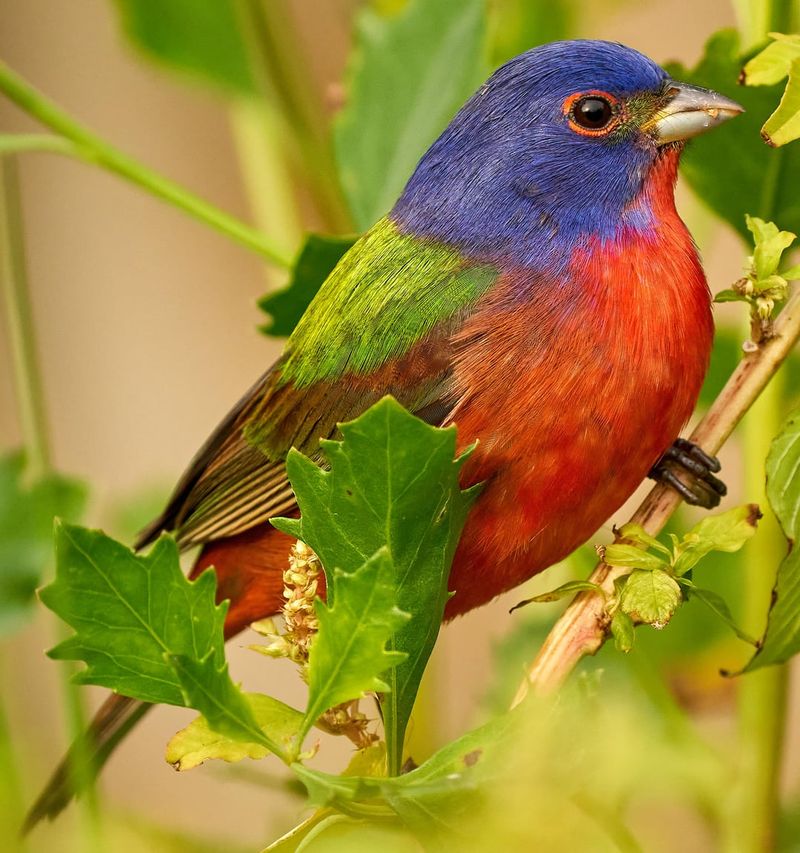
Painted Buntings are skittish. Loud activity, frequent foot traffic, and unpredictable disturbances push them away faster than almost any other factor.
Quiet zones are not optional if you want them to stay.
Position feeders and water sources away from high-traffic areas of the yard. A bunting will not reliably visit a feeder placed next to a busy patio or near a frequently used door.
Even fifteen or twenty feet of separation makes a real difference.
Pets are a significant issue. Cats, in particular, will deter ground-feeding and low-perching birds like buntings very effectively.
Keeping cats indoors during peak morning feeding hours protects visiting birds and dramatically improves the chances of buntings returning consistently.
Children playing nearby during the early morning hours can also disrupt feeding patterns. Buntings tend to be most active from dawn through mid-morning.
Protecting that window of calm in the areas near feeders and dense plantings gives them the undisturbed access they need.
Noise from power equipment is worth considering too. Running a mower or trimmer near active feeding zones during early morning hours will scatter birds quickly.
Shifting yard maintenance to midday or afternoon hours reduces that disruption significantly.
Over time, buntings can become more relaxed in a yard they visit regularly. Consistency in keeping those spaces calm and predictable builds the trust that turns occasional sightings into reliable summer visits.
Patience and restraint are genuinely part of the habitat plan in Georgia and across the broader Southeast region.