Why Florida Gardens In Tampa Look Burned Out By July And What Actually Fixes It
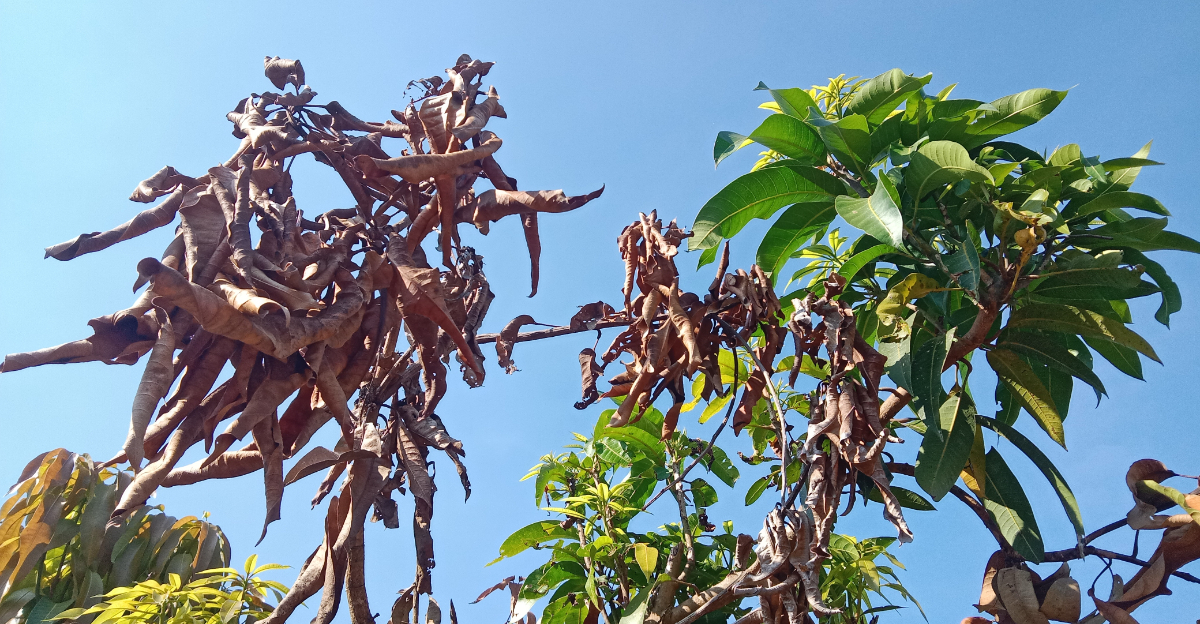
Tampa gardens hit a wall in July that feels almost personal. Plants that looked full and promising through Florida’s mild spring start showing their limits fast once the real heat arrives, and no amount of watering seems to turn things around.
Crispy edges, faded color, a garden that looks exhausted before summer is even halfway done. This is not bad luck and it is not bad gardening.
Tampa’s July is a specific kind of brutal, and most common garden plants simply were not built for Florida’s particular combination of heat, humidity, and relentless sun.
The fixes that actually work are not about watering more or adding fertilizer on top of a stressed plant.
Those approaches tend to make things worse before they make them better. What actually turns a burned out Tampa garden around comes down to a few decisions, most of which should have happened in spring but can still be addressed now.
It is not too late to salvage the season.
1. July Heat Pushes Tampa Plants Past Their Limit
Walk outside at 2 p.m. in Tampa during July and the air feels like a wall. Temperatures regularly push into the low to mid 90s, and overnight lows barely drop below 75 degrees Fahrenheit.
That warm nighttime air matters more than most gardeners realize.
Plants need cooler nights to recover from daytime heat stress. When nights stay warm, many ornamentals and annuals stay in a stressed state around the clock.
Cool-season annuals like petunias and snapdragons may still be alive, but they look exhausted because their biology is not built for this kind of sustained heat.
Shallow-rooted plants and poorly adapted ornamentals show stress first. Leaves fade, flowers drop, and growth slows or stops.
Some gardeners panic and prune everything back hard, which often makes the problem worse by removing the leaf cover that protects roots from direct sun.
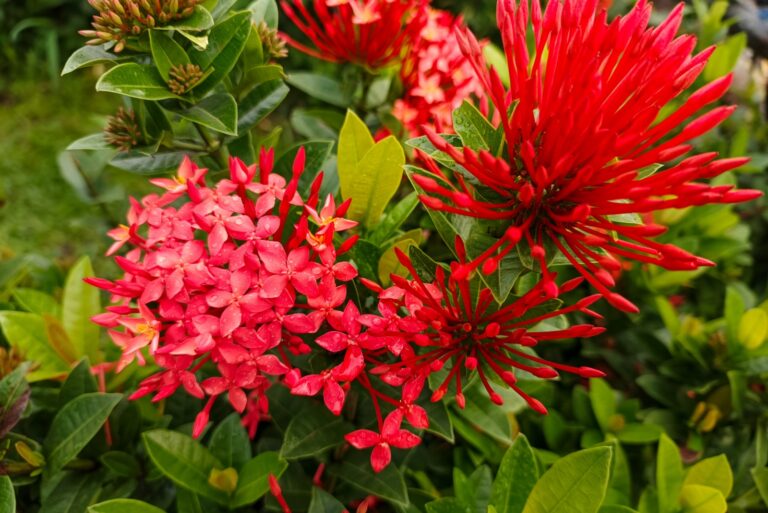
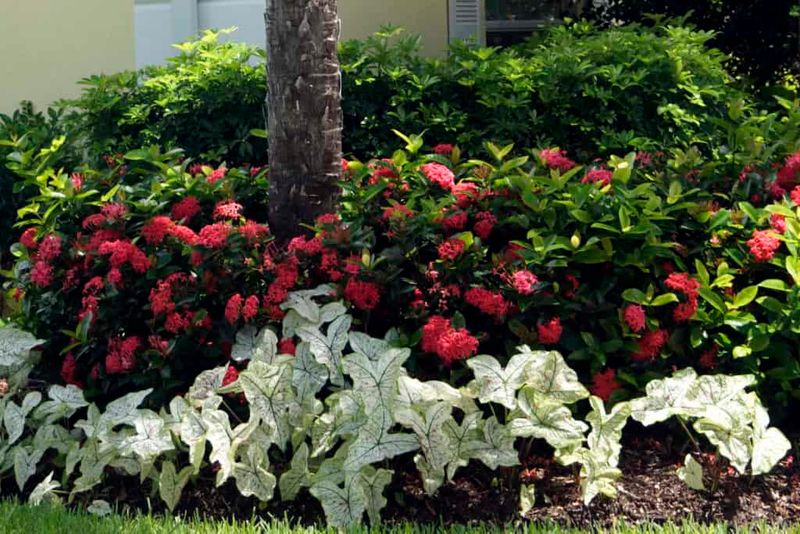
The practical fix starts with accepting that some plants simply do not belong in a Tampa summer bed. Swapping tired cool-season plants for heat-tolerant choices like pentas, portulaca, or Florida native wildflowers makes a real difference.
Watering deeply during the hottest stretches helps roots stay stable. Avoiding reactive heavy pruning during peak heat lets plants hold onto the shade their own foliage provides.
A little patience combined with smarter plant choices goes a long way in July.
2. Afternoon Sun Turns Weak Plant Choices Crispy
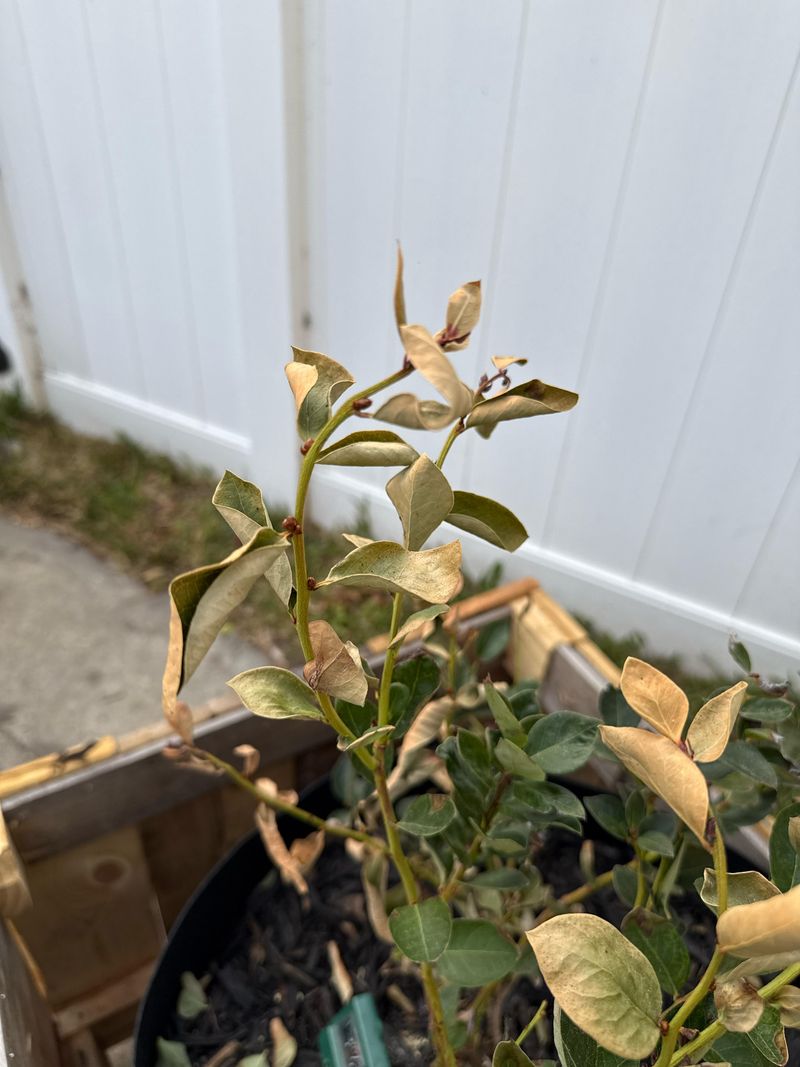
A west-facing bed in a Tampa yard can feel like a completely different environment than a shaded east-facing corner just twenty feet away.
Afternoon sun in July is more intense than morning sun, and surfaces like driveways, white walls, and concrete patios reflect extra heat back onto nearby plants.
Plants that handle morning light just fine can scorch, bleach, or wilt badly when exposed to that same intensity in the afternoon. Impatiens are a classic example.
They thrive in filtered shade but struggle in open afternoon beds. Even some plants labeled as full-sun tolerant can show stress when reflected heat from pavement raises the effective temperature around them.
Your Florida Garden Changes Every Week. Your Plan Should Too.
Gardening in Florida changes quickly throughout the season. Every Friday you’ll receive a simple weekly plan showing exactly what to plant, prune, fertilize, harvest, and protect so you never miss the right timing.
The wrong plant in the wrong place is one of the most common reasons Tampa gardens look burned out by midsummer. Moving sensitive plants to spots that get morning light and afternoon shade is one of the most effective adjustments a gardener can make.
It does not require a full overhaul.
Tougher sun choices like gaillardia, firebush, and beach sunflower hold up well in exposed afternoon beds. Adding a shade cloth or a small trellis with a fast-growing vine can create filtered shade over a problem bed without major construction.
Observing where your yard gets the harshest afternoon heat and matching plant choices to that reality is the clearest path forward.
3. Rainy Season Watering Can Still Leave Roots Stressed
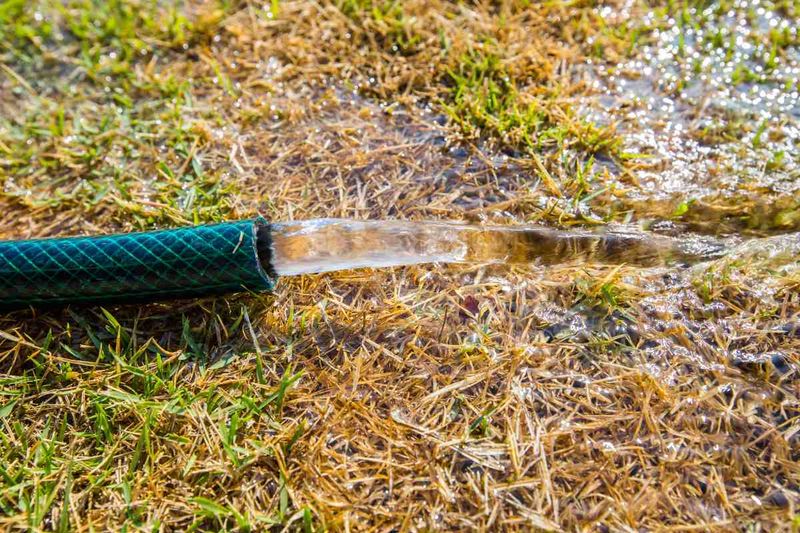
It seems like it should not be possible for roots to dry out during Tampa’s rainy season, but it happens more often than you might expect. Heavy afternoon storms drop a lot of water fast, but sandy soil drains quickly.
Much of that water moves through the root zone before plants can absorb it.
Containers dry out even faster. A hanging basket or a small pot on a sunny patio can go from soaked to bone dry within a day or two, even during a rainy week.
Slopes and raised beds behave similarly, shedding water before it soaks in deeply enough to be useful.
On the other end of the problem, low spots and poorly drained beds can hold too much water after heavy storms. Roots sitting in saturated soil lose access to oxygen, which causes stress symptoms that look almost identical to drought stress.
Wilting, yellowing, and poor growth can come from too much water just as easily as too little.
The most reliable fix is checking soil moisture by hand before reaching for the hose or the irrigation controller. Push a finger two inches into the soil near the root zone.
If it feels dry, water deeply. If it still feels moist, skip that day.
Sticking to a rigid watering calendar during rainy season often causes more root stress than it prevents. Adjusting based on actual soil conditions is what UF/IFAS Extension consistently recommends for Tampa-area gardens.
4. Thin Mulch Lets Sandy Soil Heat Up Too Fast
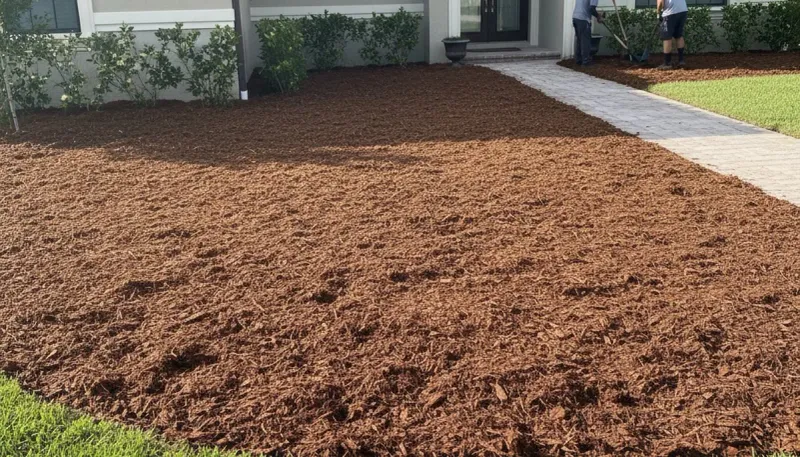
Bare sandy soil in a Tampa yard in July can reach surface temperatures well above the air temperature. When mulch wears thin or washes away, that heat transfers directly to shallow roots.
Moisture evaporates faster from exposed soil, which means plants dry out more quickly between rain events and irrigation cycles.
A proper mulch layer does several things at once. It moderates soil temperature, slows moisture loss, reduces weed pressure, and protects roots from the kind of rapid temperature swings that stress plants during summer.
UF/IFAS recommends maintaining a two to three inch layer of organic mulch in garden beds. Keep it pulled a few inches away from plant stems and tree trunks to avoid rot and pest issues.
Many Tampa gardeners apply mulch once in spring and forget about it. By July, that layer has often broken down, washed into low spots, or blown away from exposed areas.
Refreshing thin spots mid-summer makes a noticeable difference in how beds hold up through the rest of the season.
Living groundcovers are another option worth considering in open areas. Low-growing plants like sunshine mimosa or frogfruit can cover bare soil, reduce heat absorption, and add some visual interest.
They also support pollinators, which is a bonus. Whether you use mulch or groundcovers, keeping soil protected from direct summer sun is one of the most straightforward improvements a Tampa gardener can make.
5. Crowded Beds Trap Humidity Around Tired Plants
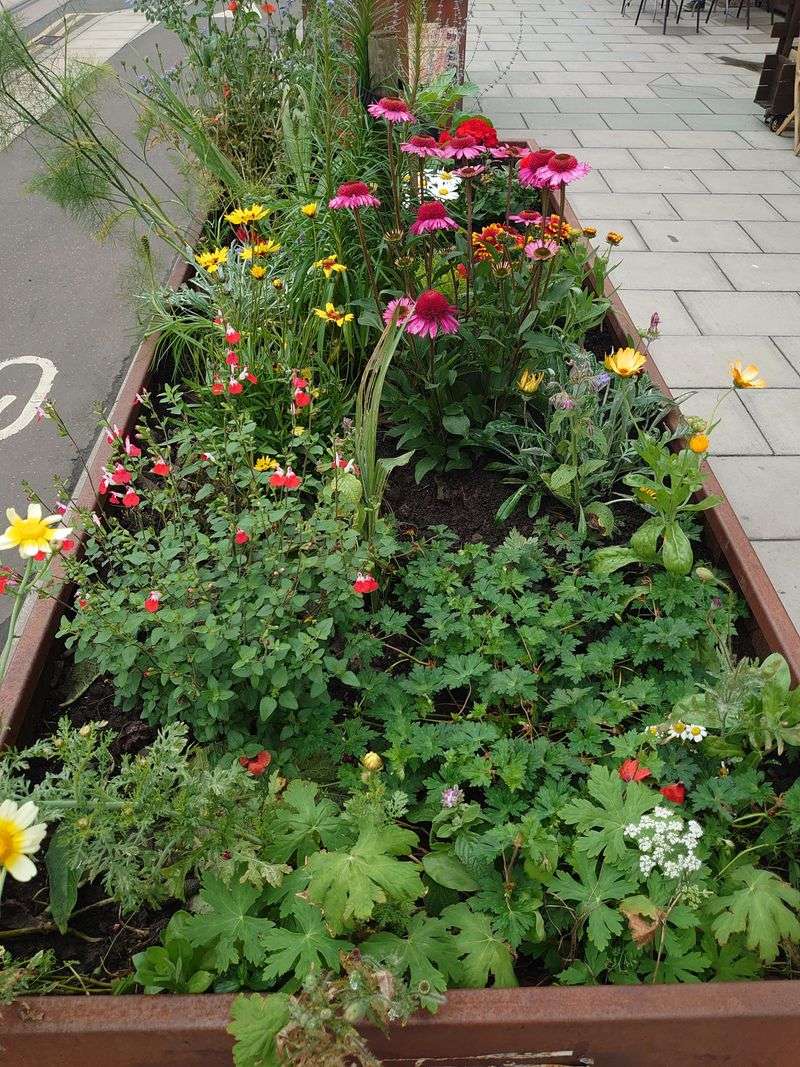
A bed that looked full and lush in March can turn into a humidity trap by July. When plants grow close together and foliage overlaps, air movement through the bed drops significantly.
In Tampa’s summer humidity, that stagnant air creates ideal conditions for fungal issues, leaf spots, and pest pressure that might not have shown up earlier in the year.
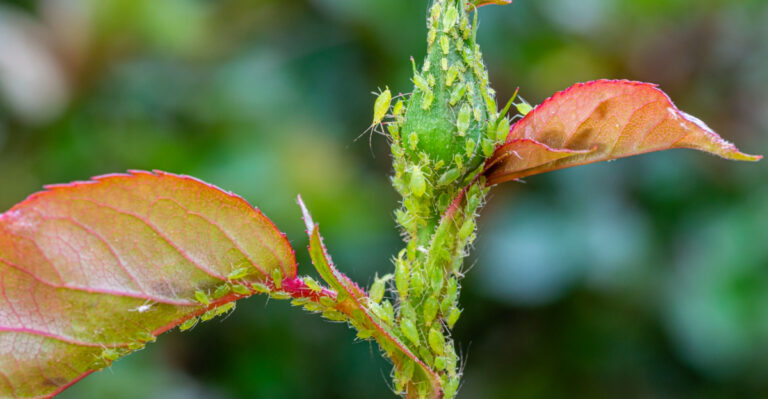
Powdery mildew, downy mildew, and various leaf spot diseases move faster in crowded, poorly ventilated beds. Pests like aphids, whiteflies, and spider mites also prefer sheltered spots where they are harder to spot and harder to reach.
The visible result is a bed full of yellowing leaves, spotted foliage, and plants that look tired and patchy even though they are still rooted and technically alive.
Thinning crowded growth improves airflow without stripping beds bare. Removing withered, damaged, or diseased stems and leaves reduces the surface area where fungal spores can spread.
Light pruning that opens up the interior of dense shrubs and perennials helps more than a heavy cutback that shocks the plant in peak heat.
When planting new beds, spacing plants according to their mature size rather than their current size makes a real difference down the road. A plant tag that says 24 inches wide means it will need that space eventually.
Giving plants room to breathe from the start reduces the crowding problems that compound in July’s sticky, still air.
6. Containers Dry Out Faster Than Tampa Gardeners Expect
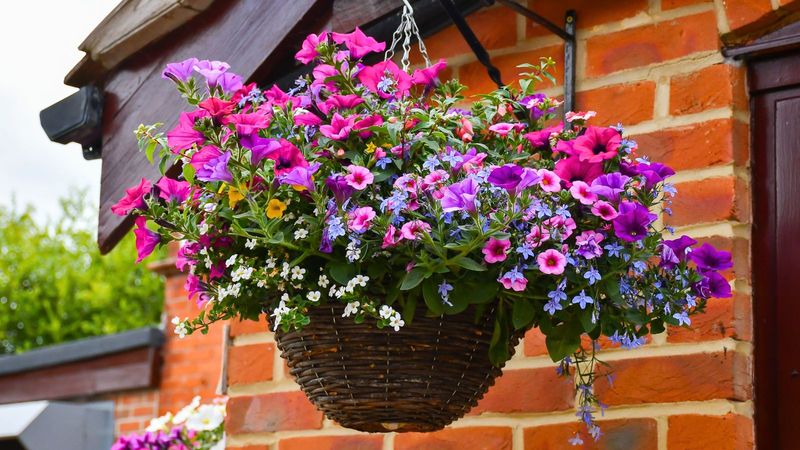
A small pot sitting on a concrete pool deck in Tampa during July is not just getting hot from above. It is getting heat from the concrete below, reflected heat from nearby walls, and direct sun on the container walls themselves.
Dark-colored pots absorb even more heat, and small containers hold so little soil that the entire root zone can overheat and dry out within hours of the last watering.
Root-bound plants in containers face added stress because there is almost no buffer soil left to hold moisture. Hanging baskets are especially vulnerable since they get airflow on all sides and lose moisture through evaporation faster than pots sitting on a surface.
Many Tampa gardeners water their containers on a set schedule, but that schedule often does not account for July’s extreme drying conditions.
Checking moisture by pressing a finger into the soil is more reliable than a calendar. Grouping pots together helps reduce individual moisture loss and creates a slightly more humid microclimate around the plants.
Moving tender plants or small containers away from harsh afternoon sun during the hottest weeks can keep them stable without much effort.
Larger containers hold moisture longer and buffer temperature swings better than small ones. Refreshing potting mix that has broken down into a dense, water-repelling mass also helps roots access moisture more evenly.
If your container soil pulls away from the edges of the pot when dry, it is time for fresh mix.
7. Wrong Plant Placement Makes Summer Damage Worse
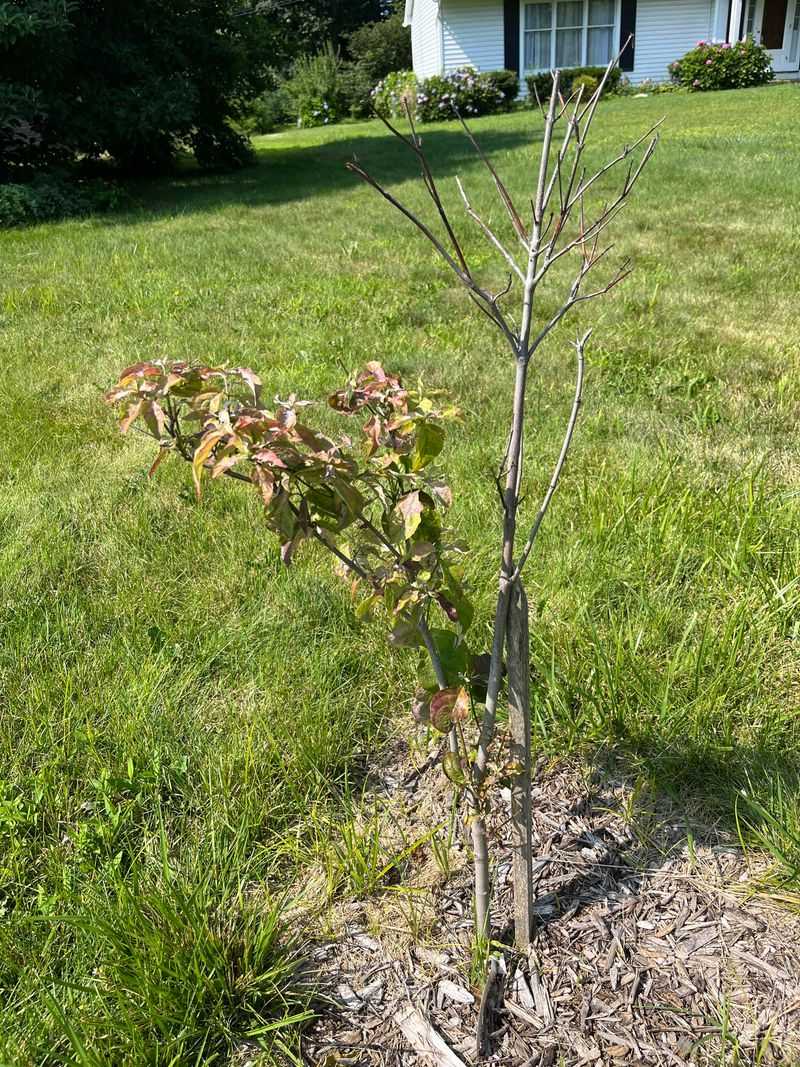
Some of the worst July garden damage in Tampa yards has nothing to do with a disease or a pest. It comes from a plant sitting in the wrong microclimate.
A moisture-loving plant near a hot south wall, a sun-lover tucked under a roof overhang, or a drought-tolerant shrub sitting in a low spot that floods after every storm are all placement mismatches. These problems show up most clearly in summer.
Reflected heat from walls, fences, and pavement can push the effective temperature in a small area well above what the air thermometer reads. Roof runoff can drench a narrow bed repeatedly while the rest of the yard stays dry.
Compacted soil near driveways and walkways holds less water and less oxygen than loosened garden soil. Coastal and near-coastal Tampa yards deal with occasional salt spray that adds another layer of stress to sensitive plants.
Observing your yard through different times of day and across a few weather patterns tells you more than any plant tag. Where does water pool after rain?
Where does the soil stay dry even after a storm? Which spots stay shaded all afternoon?
Which walls radiate heat late into the evening?
Moving struggling plants to better-matched spots works best during cooler months, but even noting the problem now and planning a fall move is productive.
Choosing plants that match the actual conditions in each microclimate, rather than what looks good at the nursery, is what prevents repeated summer stress.
8. A Smarter Tampa Reset Starts With Shade And Soil
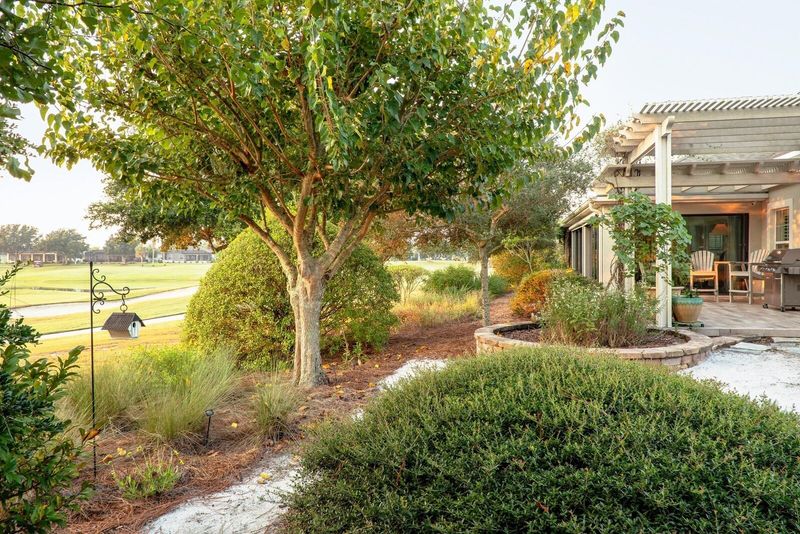
The most effective July recovery plan for a Tampa garden is not dramatic. It does not involve ripping everything out and starting over in the middle of peak heat.
The real reset starts with two simple priorities: protecting the soil and creating better shade where plants need it most.
Adding fresh mulch to thin or bare beds is one of the fastest ways to stabilize a struggling garden. It immediately reduces soil temperature, slows moisture loss, and gives roots a more stable environment to recover in.
Refreshing bed edges and pulling weeds that compete for water rounds out the soil side of the reset.
On the shade side, move sensitive plants out of harsh afternoon sun or add a shade cloth over a stressed bed. You can also position taller plants to block low western sun for smaller neighbors.
Native and Florida-Friendly plant choices, like pentas, firebush, coontie, and Simpson’s stopper, handle Tampa summers well. They need far less intervention than many popular nursery plants.
Swapping out failed plants for heat-tolerant replacements is worth doing. But planning most major changes for fall planting season is smarter than overhauling beds in July’s full heat.
A summer-tough Tampa garden is built gradually. It comes from reading your site honestly, making steady improvements, and choosing plants that are genuinely suited to what your yard delivers every single summer.