Why Your Florida Plants Are Wilting Even After You Water Them
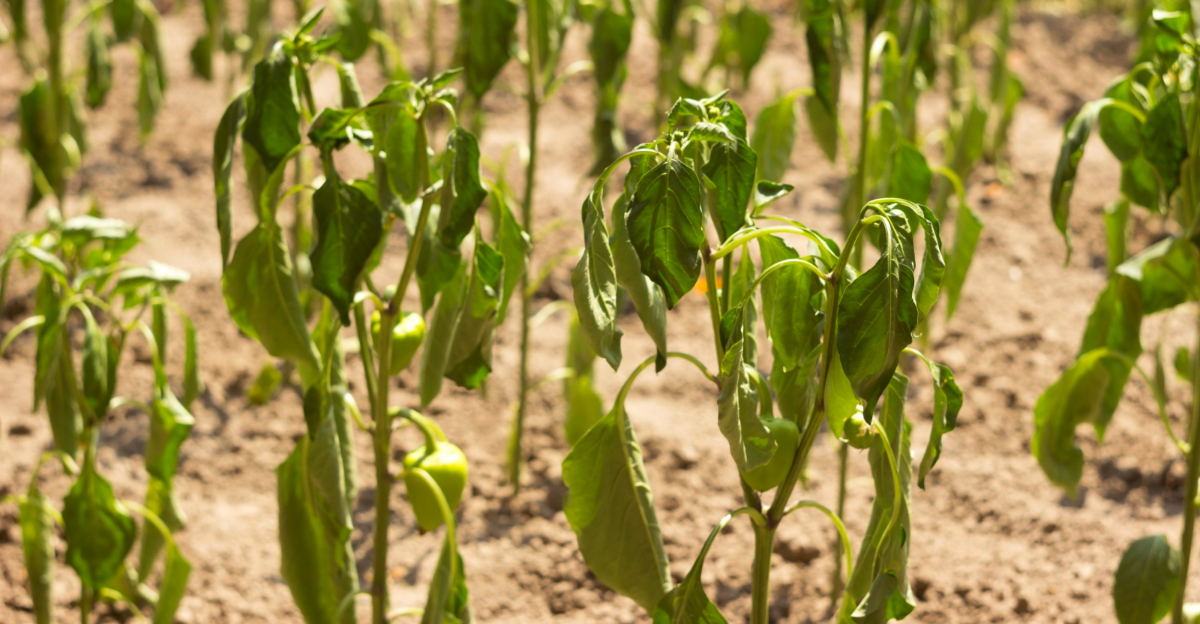
There is a particular kind of Florida gardening frustration that hits when you walk outside, see a wilting plant, and then realize you literally just watered it an hour ago.
It does not make sense on the surface, and yet it happens constantly here.
Florida’s heat, sandy soil, unpredictable rainy season downpours, and perpetually soggy patio containers create a growing environment where wilting is not always about thirst.
Roots that cannot access the water sitting around them due to poor drainage, compaction, shallow growth, or damage will cause a plant to droop just as convincingly as one that genuinely needs a drink.
The difference matters a lot because the fix is completely different.
Slowing down, checking the soil, and thinking through recent weather and planting history is really the smartest place to start before adding more water to the situation.
1. Overwatering Has Reduced Root Oxygen
Droopy leaves after a full day of watering can feel confusing, but the problem may have nothing to do with thirst. Roots need two things to work properly: moisture and air.
When soil stays saturated for too long, the tiny air pockets between soil particles fill with water, and roots begin to struggle because oxygen is no longer reaching them.
In Florida, this problem shows up often because the rainy season can deliver several inches of rain within a few days. If a gardener keeps a regular watering schedule on top of that rainfall, the soil never gets a chance to dry out slightly between waterings.
Container plants are especially vulnerable because their root zones are confined and have nowhere to drain excess moisture.
A plant dealing with low root oxygen may look wilted, pale, or generally unhappy even though the soil feels wet to the touch. Pushing your finger two inches into the soil can help you decide whether watering is actually needed.
If the soil is already damp at that depth, holding off on watering for a day or two may help more than adding more water.
Checking how often you water compared to how much rain Florida has received recently is a practical starting point for fixing this issue before it gets worse.
2. Poor Drainage Is Holding Water Around Roots
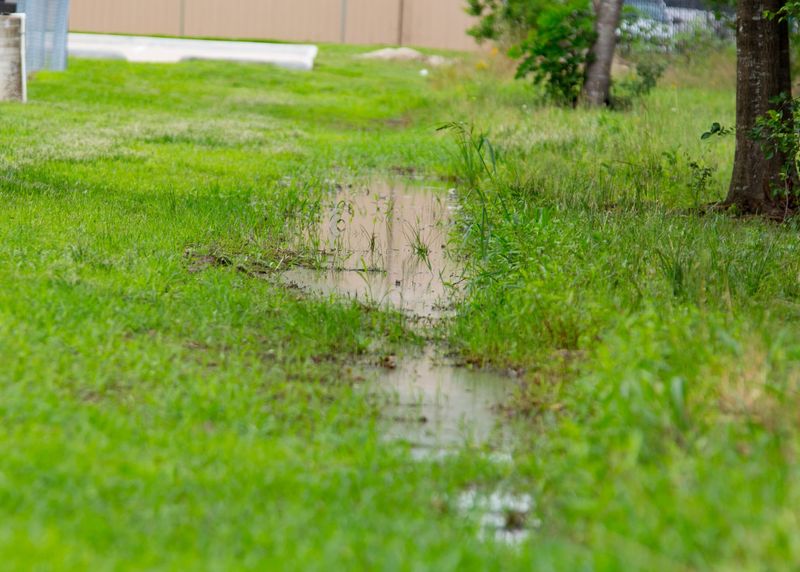
After a heavy Florida rainstorm, some garden beds look fine on the surface while the root zone underneath stays saturated for hours or even days.
Water that cannot move away from the roots creates a stressful environment, and plants may begin to droop even though the gardener has not added a single drop of extra water.
Low spots in the yard, compacted soil, and thick layers of wet mulch can all slow drainage significantly.
Heavy containers without enough drainage holes are another common source of this problem on Florida patios and porches.
Water collects at the bottom of the pot and keeps the lower root zone constantly wet while the top layer looks dry, which can trick a gardener into watering more.
Raised beds built on top of clay-heavy or poorly graded soil can also hold moisture longer than expected, especially during Florida’s summer rainy season when back-to-back storms are common.
Your Florida Garden Changes Every Week. Your Plan Should Too.
Gardening in Florida changes quickly throughout the season. Every Friday you’ll receive a simple weekly plan showing exactly what to plant, prune, fertilize, harvest, and protect so you never miss the right timing.
Checking whether water drains away from a planting area within an hour or two after a rain can tell you a lot about what the roots are experiencing.
Improving drainage by loosening compacted soil, adjusting mulch depth, or moving containers to spots where runoff can escape freely may do more for a wilting plant than any amount of additional watering.
Addressing the drainage issue first is often the most practical step.
3. Roots Are Damaged By Root Rot
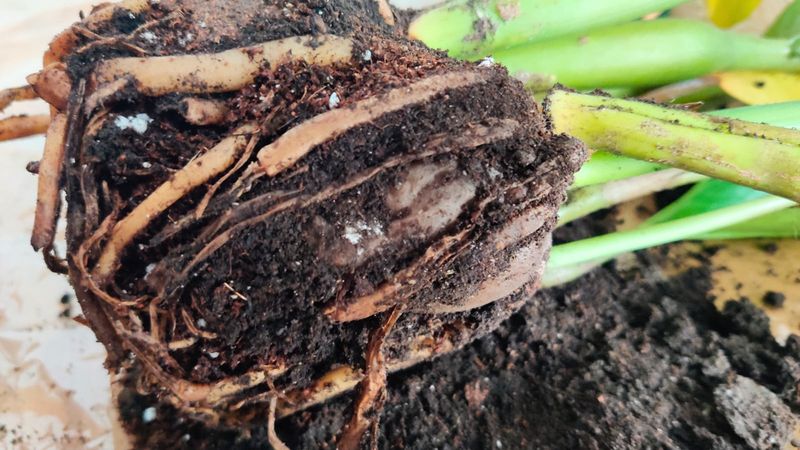
Soft, dark, or foul-smelling roots are a sign that something has gone wrong below the soil surface, and a plant with damaged roots simply cannot move water from the soil up through its stems and leaves the way a healthy plant can.
Root rot is caused by water mold pathogens that thrive in warm, constantly wet conditions, which makes Florida gardens and containers a fairly common environment for this kind of problem to develop.
A plant affected by root rot may wilt during the day and not recover in the evening the way a heat-stressed plant typically does. The leaves may also turn yellow, look dull, or drop earlier than expected.
The soil may smell sour or musty when you dig near the base of the plant, which is a clue that the root zone has been sitting too wet for too long.
Removing the plant from its container and gently inspecting the roots can confirm whether rot is involved. Healthy roots are typically firm and light-colored, while damaged roots feel soft and appear brown or black.
For container plants, repotting into fresh, well-draining mix and trimming away affected roots may help the plant recover.
Reducing watering frequency and improving air circulation around the container are also practical steps that support root health going forward in Florida’s humid climate.
4. The Potting Mix Is Repelling Water
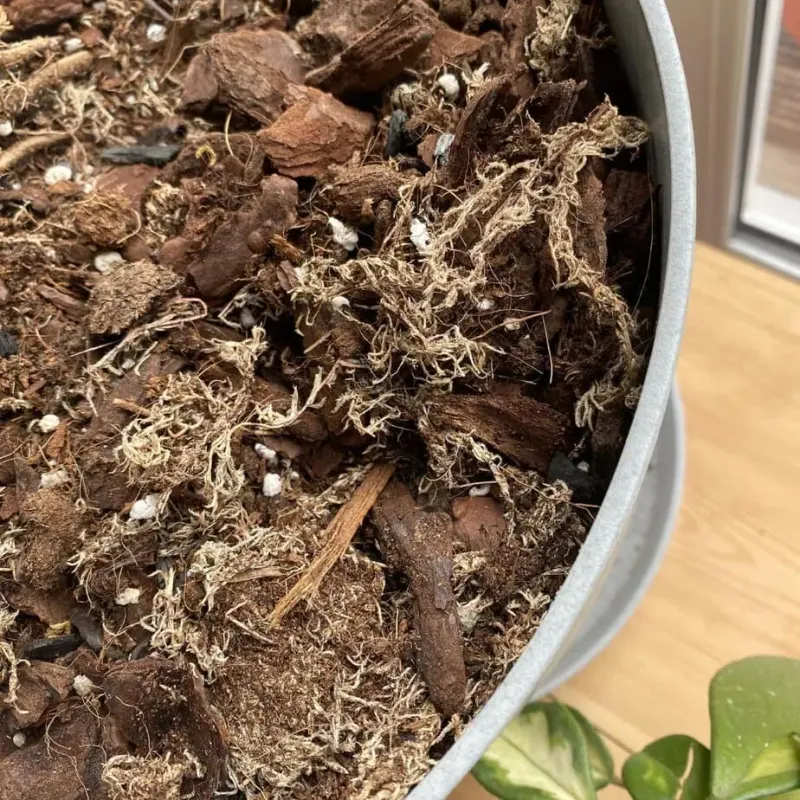
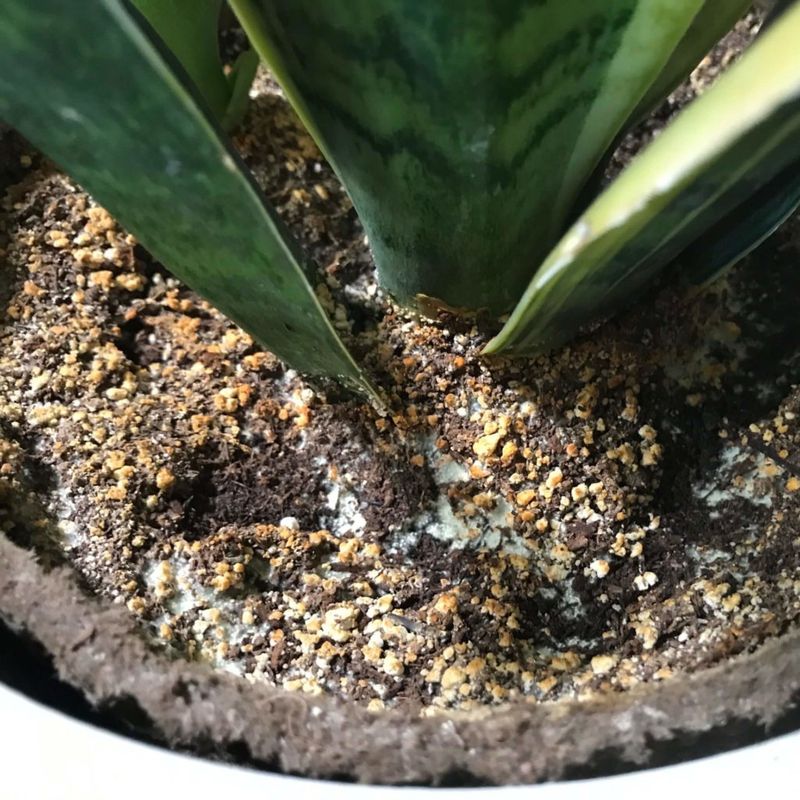
A container that has gone completely dry during a stretch of Florida heat can develop a surprising problem: the potting mix itself starts to repel water instead of absorbing it.
Some organic materials in commercial potting mixes can become hydrophobic when they dry out too much.
When that happens, water poured on top simply channels around the edges of the root ball and runs straight out the drainage holes without ever soaking into the center where the roots actually live.
From the outside, the pot looks like it was watered. The saucer may even collect a small amount of runoff.
But the root ball in the middle can stay bone dry while the gardener assumes the plant has received enough moisture.
This mismatch between appearance and reality is one reason Florida patio plants sometimes wilt repeatedly even after what seems like regular watering.
A simple way to check for this issue is to press your finger into the center of the potting mix an hour after watering. If it still feels dry while the edges feel damp, the mix may be repelling water.
Slow, repeated watering or briefly submerging the entire pot in a bucket of water can help rehydrate the mix evenly.
Refreshing old potting soil each season is also a practical habit for Florida container gardeners who want consistent moisture distribution around their plant roots.
5. Heat Is Pulling Moisture Faster Than Roots Can Replace It
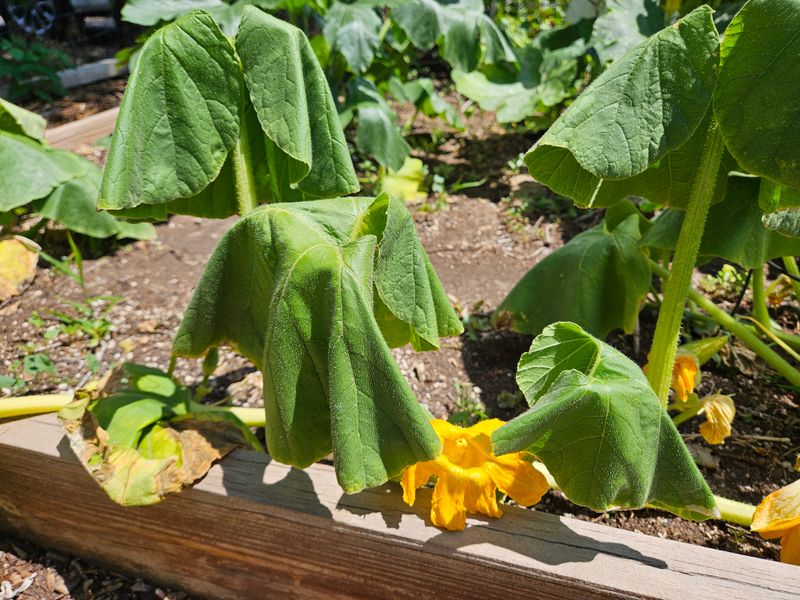
On a hot Florida afternoon, some plants droop even when the soil has plenty of moisture available. This temporary wilting happens because the leaves are losing water through transpiration faster than the roots can pull replacement moisture up through the stems.
It is not a sign that the plant is in serious trouble, but it can look alarming if you are not expecting it.
Florida summers regularly push afternoon temperatures into the nineties, and the combination of heat, humidity, and direct sun creates intense demand on a plant’s water-moving system.
Vegetables like squash, basil, and peppers are especially noticeable midday wilters.
Shrubs and young trees planted in full sun exposure can also show this kind of temporary stress during the hottest hours of the day.
The key difference between heat-related wilting and a more serious root problem is recovery time. A plant that is simply reacting to afternoon heat will typically perk back up on its own once temperatures drop in the late afternoon or evening.
A plant that stays limp into the following morning likely has a deeper issue worth investigating.
Watering during the early morning rather than midday helps Florida plants stay better hydrated through the hottest part of the day.
Adding shade cloth over sensitive vegetables during peak summer heat can also reduce the intensity of midday stress noticeably.
6. Root-Knot Nematodes Are Limiting Water Uptake
Some wilting problems in Florida have nothing to do with how much water a gardener applies and everything to do with what is living in the soil around the roots.
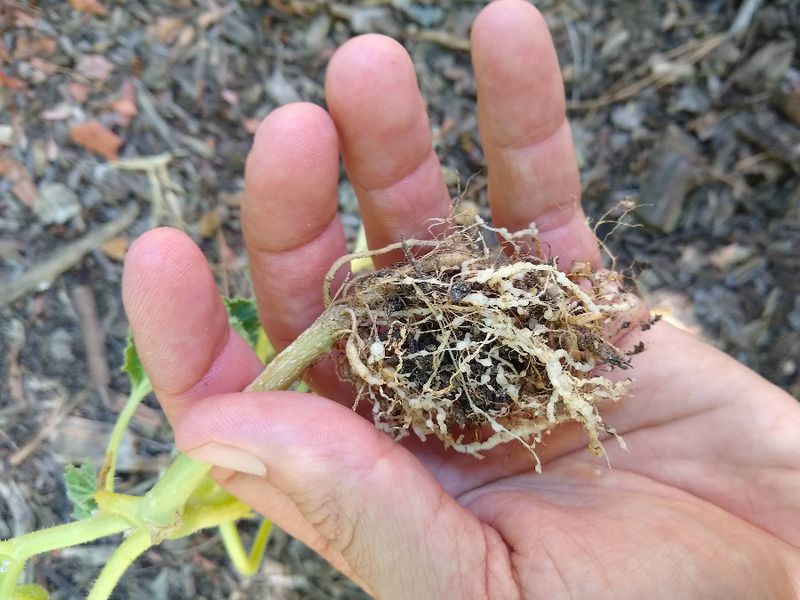
Root-knot nematodes are microscopic roundworms that invade plant roots and cause the formation of small swollen galls along the root tissue.
These galls interfere with the root’s normal ability to absorb water and nutrients from the surrounding soil.
Florida’s warm, sandy soils create nearly ideal conditions for root-knot nematodes to thrive year-round. Vegetables like tomatoes, peppers, beans, and okra are particularly susceptible, but ornamental plants and shrubs can also be affected.
A plant dealing with nematode damage may look drought-stressed even when it has been watered on a regular schedule, and the wilting may seem to worsen gradually over the growing season as root damage accumulates.
Pulling a plant from the soil and examining the roots closely can reveal the characteristic knots or galls that point to nematode activity. Healthy roots are smooth, while nematode-affected roots feel bumpy or swollen along their length.
Rotating crops each season, choosing resistant plant varieties, and incorporating organic matter into Florida’s sandy soil are practical management strategies.
Solarizing garden beds during the hottest summer months by covering moist soil with clear plastic can also help reduce nematode populations before replanting a new crop or garden bed.
7. Transplant Shock Is Stressing The Root System
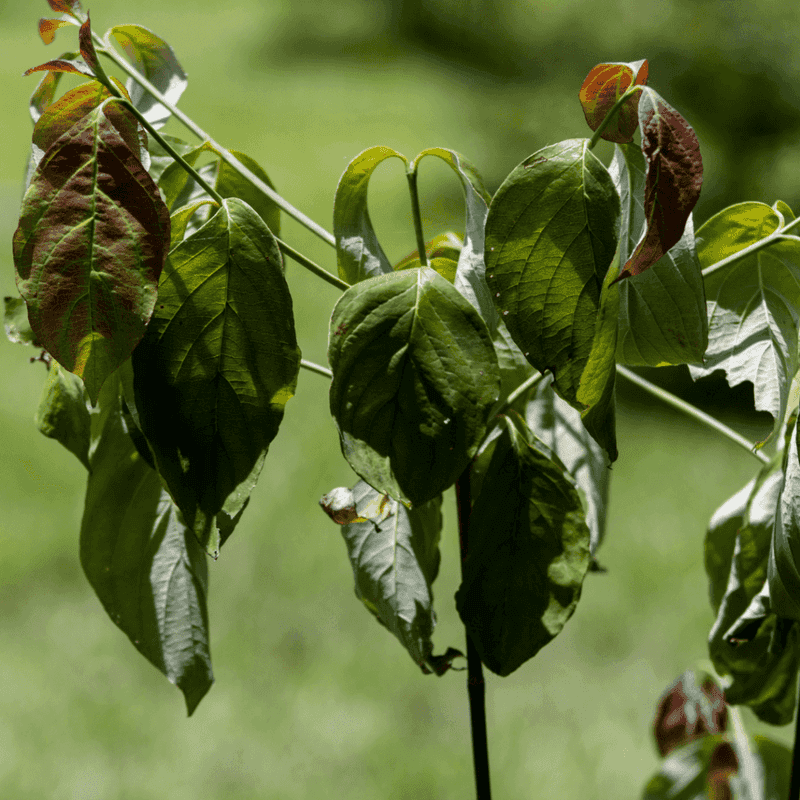
Newly planted shrubs, flowers, and vegetables often go through a period of visible stress right after being placed in the ground, and wilting is one of the most common signs of that adjustment.
When a plant is moved from a container or nursery setting into a new location, its root system has to re-establish contact with the surrounding soil before it can reliably absorb water.
Until that connection strengthens, the plant may droop even when moisture is available nearby.
In Florida, transplant shock can be more intense during the warmer months because high temperatures increase the demand on a root system that is still finding its footing.
Planting during the cooler months of fall or late winter gives new plants a gentler environment to recover in, but spring and summer planting is common for many Florida gardeners who are eager to get vegetables and annuals established quickly.
Providing steady, consistent moisture rather than heavy repeated drenching gives transplants the best chance to settle in without additional stress.
Keeping the root ball at the correct depth, avoiding fertilizer immediately after planting, and shading newly installed plants from intense afternoon sun during the first week or two can all support recovery.
Patience matters here. A newly planted shrub or vegetable may take several weeks to look fully healthy, and adding more water each time it droops slightly can sometimes make the adjustment period longer rather than shorter.
8. Light Watering Has Created Shallow Roots
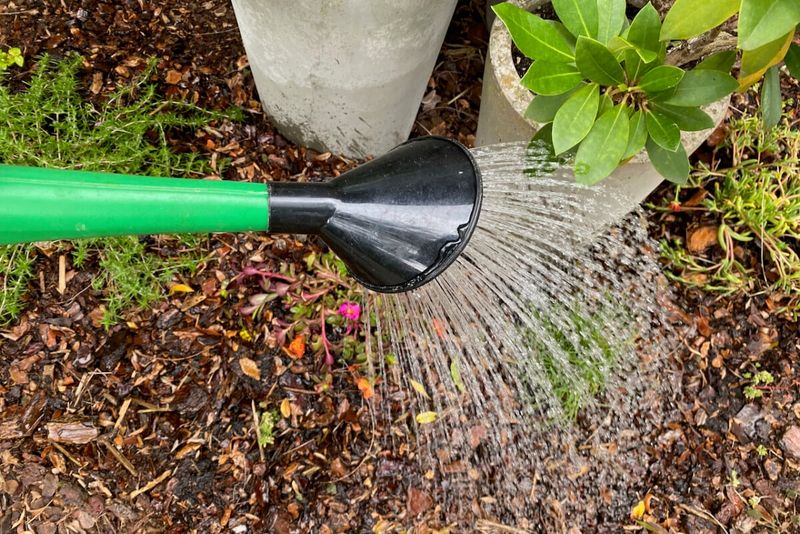
Quick, light watering sessions that only moisten the top inch or two of soil can quietly train plant roots to stay near the surface rather than growing deeper into the ground.
This might not seem like a problem at first, but shallow-rooted plants in Florida face a real disadvantage during the summer because the upper layer of sandy soil dries out very quickly between waterings and after the morning sun begins to warm the ground.
A plant with roots concentrated close to the surface has less access to the more stable moisture found deeper in the soil profile.
During hot Florida afternoons, that shallow root zone can dry out within hours of a light watering session, leaving the plant without enough moisture to stay upright even though it was technically watered earlier in the day.
Vegetable gardens and landscape beds in sandy Florida soil are especially prone to this pattern when irrigation is set to run frequently but briefly.
Shifting to a less frequent but deeper watering approach encourages roots to follow moisture downward into the soil, building a root system that is more resilient during dry stretches.
Watering slowly and thoroughly so that moisture reaches several inches below the surface gives roots a reason to grow deeper.
Over time, this adjustment can make a noticeable difference in how well Florida plants hold up during the hottest and driest stretches of the growing season.