4 Maryland Plants Behind Dropping Firefly Numbers And Their Replacements
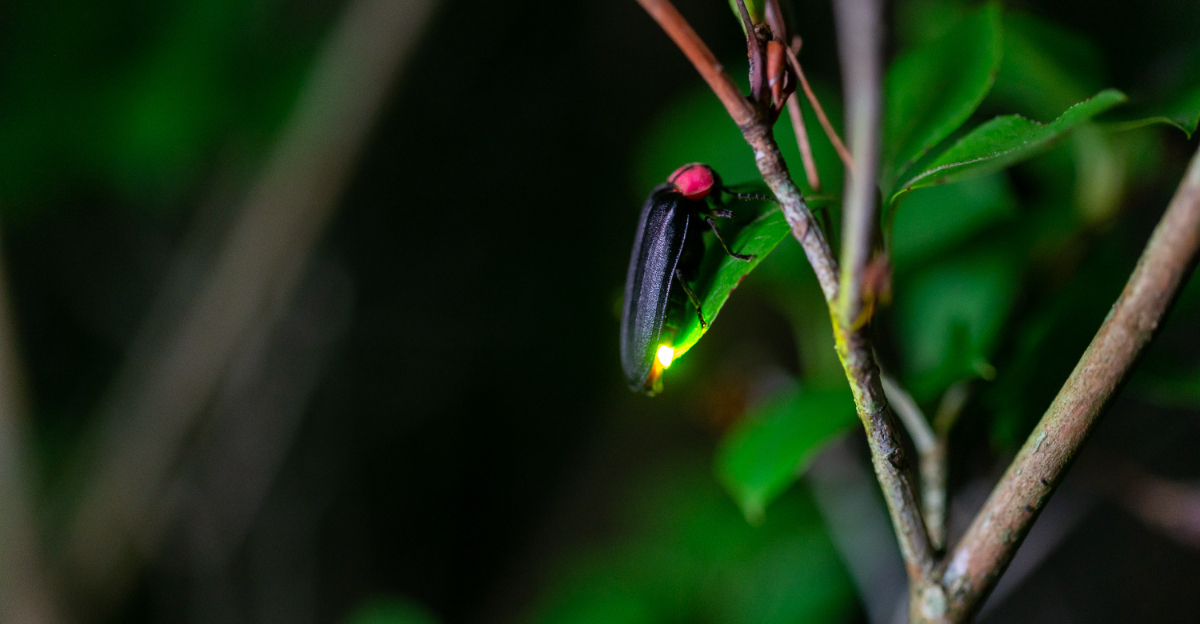
Maryland summers used to mean one thing after dark, the yard lighting up like it had its own electricity. Fewer yards look that way now.
Firefly populations across the state have been declining for years, and the culprit is often sitting right in the garden bed.
Some of the most popular ornamental plants in Maryland landscaping do something quietly destructive.
They replace the layered, moisture-rich native habitat that firefly larvae need to survive. Just tidy, well-mulched ground with nothing worth living in, and nothing worth glowing for.
The plants that replaced native species did not come with a warning label, but the effect has been the same either way.
The right swaps exist, they are available, and they work. Your July evenings might depend on making them.
1. English Ivy
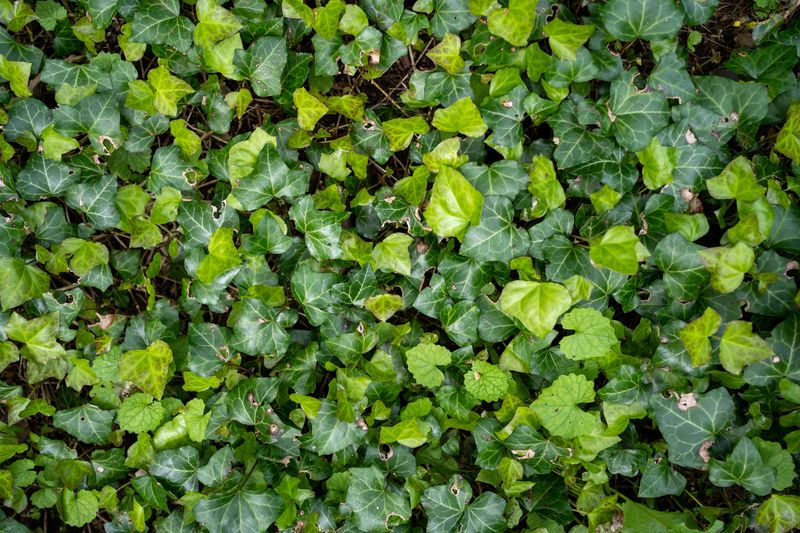
Picture a perfectly manicured yard blanketed in glossy English ivy. It looks tidy, low-maintenance, and lush, but underneath that green carpet, firefly larvae are struggling to survive.
English ivy forms such a dense mat that it blocks firefly larvae from burrowing into moist soil. Larvae need soft, accessible ground to hunt earthworms and small insects during their underground phase.
When ivy takes over, it eliminates that access completely. Firefly populations across Maryland have been declining, and habitat loss from invasive groundcovers like English ivy is consistently named as a contributing factor.
Ivy also creates a monoculture that strips away biodiversity. Fewer insects, fewer prey, and less moisture in the soil means fewer fireflies making it to adulthood.
Removing English ivy is hard work but absolutely worth it. Pulling it by hand or using a hoe to sever the root mat gives native plants a fighting chance to return.
Once cleared, plant native groundcovers like wild ginger or green-and-gold in its place. These low-growing natives keep soil moist, support insect diversity, and let firefly larvae move freely through the earth.
Firefly numbers tend to respond when habitat improves, and removing invasive groundcover is one of the most direct ways to start that process.
English ivy might look harmless hanging in a pot at the garden center. But once it hits the ground in a Maryland yard, it becomes one of the most damaging threats to your local firefly population.
2. Japanese Barberry
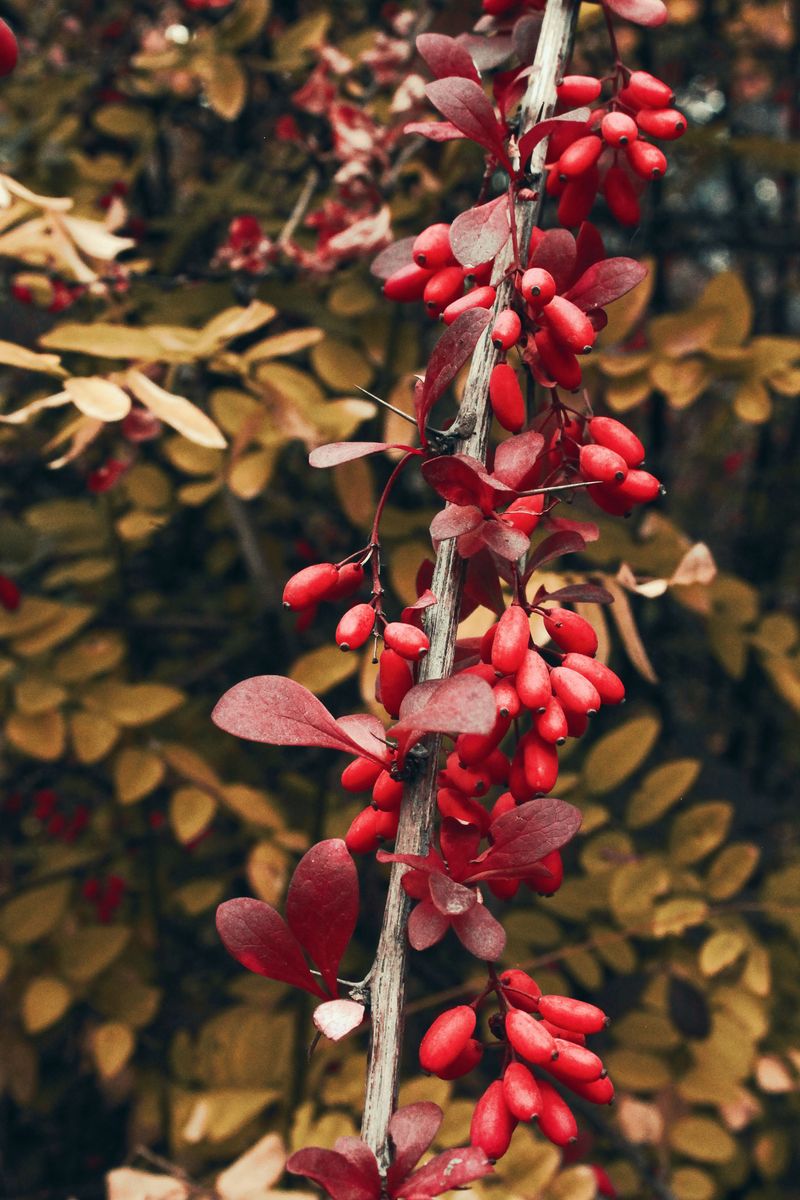
Japanese barberry looks stunning in fall with its fiery red leaves and bright berries. Gardeners love it for color, but ecologists cringe every time one gets planted near a natural area.
This thorny shrub alters soil chemistry by raising pH levels wherever it establishes, which can disrupt the microhabitat firefly larvae depend on.
Barberry also creates dense, impenetrable thickets that push out native shrubs and wildflowers. Without that native plant layer, the insects fireflies eat simply stop showing up in meaningful numbers.
There is another sneaky problem with this plant. Its dense canopy traps leaf litter and creates humid microclimates that harbor blacklegged ticks, which adds a health risk on top of the ecological one.
Pulling barberry out requires thick gloves and patience. The thorns are brutal, and the roots run deep, so cutting it back repeatedly is often more practical for larger infestations.
Your Maryland Garden Changes Every Week. Your Plan Should Too.
Gardening in Maryland changes quickly throughout the season. Every Friday you’ll receive a simple weekly plan showing exactly what to plant, prune, fertilize, harvest, and protect so you never miss the right timing.
Replacing barberry with native shrubs like spicebush or arrowwood viburnum restores the understory structure that fireflies need. Both plants support caterpillars, beetles, and other insects that form the base of the firefly food web.
Spicebush in particular is a powerhouse native. It feeds spicebush swallowtail caterpillars, supports native bees, and keeps soil conditions ideal for ground-dwelling insects including firefly larvae.
Swapping out barberry is one of the highest-impact changes a Maryland homeowner can make for local firefly numbers.
3. Burning Bush
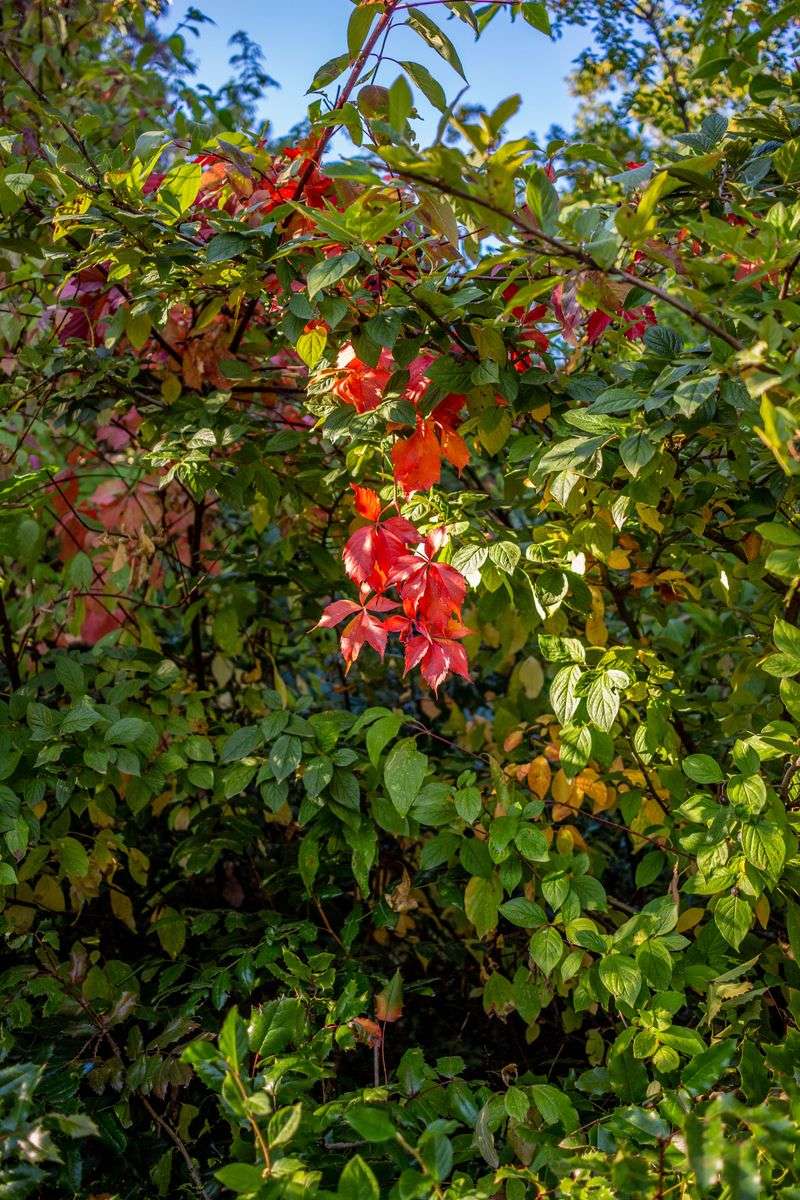
Every fall, burning bush turns heads with its electric red foliage. It is one of the most popular ornamental shrubs sold at garden centers, and it is also one of the most ecologically destructive plants in the Mid-Atlantic region.
Birds eat its berries and spread seeds into forests, stream banks, and meadows. Once established in natural areas, burning bush outcompetes native shrubs that fireflies depend on for shelter and prey availability.
Firefly adults need shrubby edges and tall grasses to perch, signal, and mate. When burning bush takes over those edges, the structural diversity that makes habitat work for fireflies collapses.
The plant also shades out native wildflowers and ferns that keep forest floors moist and insect-rich. Dry, simplified understories produce far fewer of the soft-bodied invertebrates that firefly larvae hunt underground.
Removing burning bush is straightforward compared to some invasives. Cutting it to the ground and treating the stump prevents resprouting, and most homeowners can tackle a few shrubs over a weekend.
Native alternatives like highbush blueberry and Virginia sweetspire offer stunning fall color without the ecological damage. Both support native insects, provide food for birds, and thrive in Maryland’s climate without spreading aggressively.
Virginia sweetspire turns deep burgundy and red in autumn. It rivals burning bush for visual impact while actually supporting the ecosystem instead of dismantling it.
Making the swap keeps your yard beautiful and gives Maryland firefly populations a real shot at recovery.
4. Japanese Honeysuckle
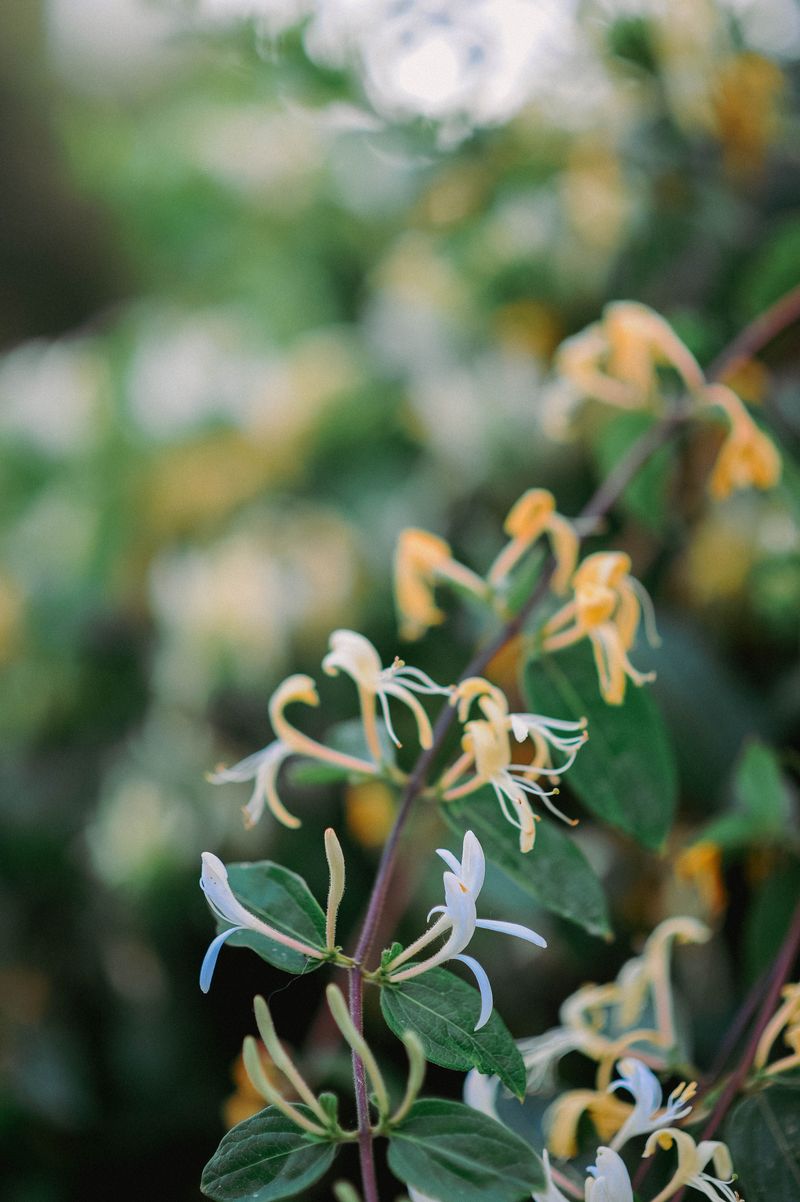
Japanese honeysuckle smells incredible on a warm summer evening. That sweet fragrance is part of why so many people let it grow unchecked along fences and forest edges across Maryland.
The problem is that this vine grows aggressively, climbing over and smothering native shrubs and small trees. It can completely overtake the shrubby edges and woodland margins that fireflies use for mating and shelter.
Firefly adults spend their brief above-ground lives in vegetation. They need native plants that support the insects they eat as larvae, and Japanese honeysuckle simply does not offer that ecological value.
This vine also stays green late into winter, which sounds nice but actually prevents native plants from getting the light they need to reestablish. Over time, it creates a monoculture that shuts down insect diversity entirely.
Cutting vines at the base and pulling as much root as possible is the best removal strategy. Repeating the process each season gradually weakens the plant until it stops resprouting.
Replacing it with coral honeysuckle, a native alternative, gives you similar beauty without the ecological chaos. Coral honeysuckle blooms in red and orange tubular flowers that hummingbirds absolutely love.
Unlike its invasive cousin, coral honeysuckle supports native insects, grows at a manageable pace, and does not spread into natural areas. It is a genuinely satisfying swap that rewards you with wildlife activity all season long.
Choosing native over invasive honeysuckle is one small decision that helps bring flickering lights back to Maryland summers.
5. Winterberry Holly
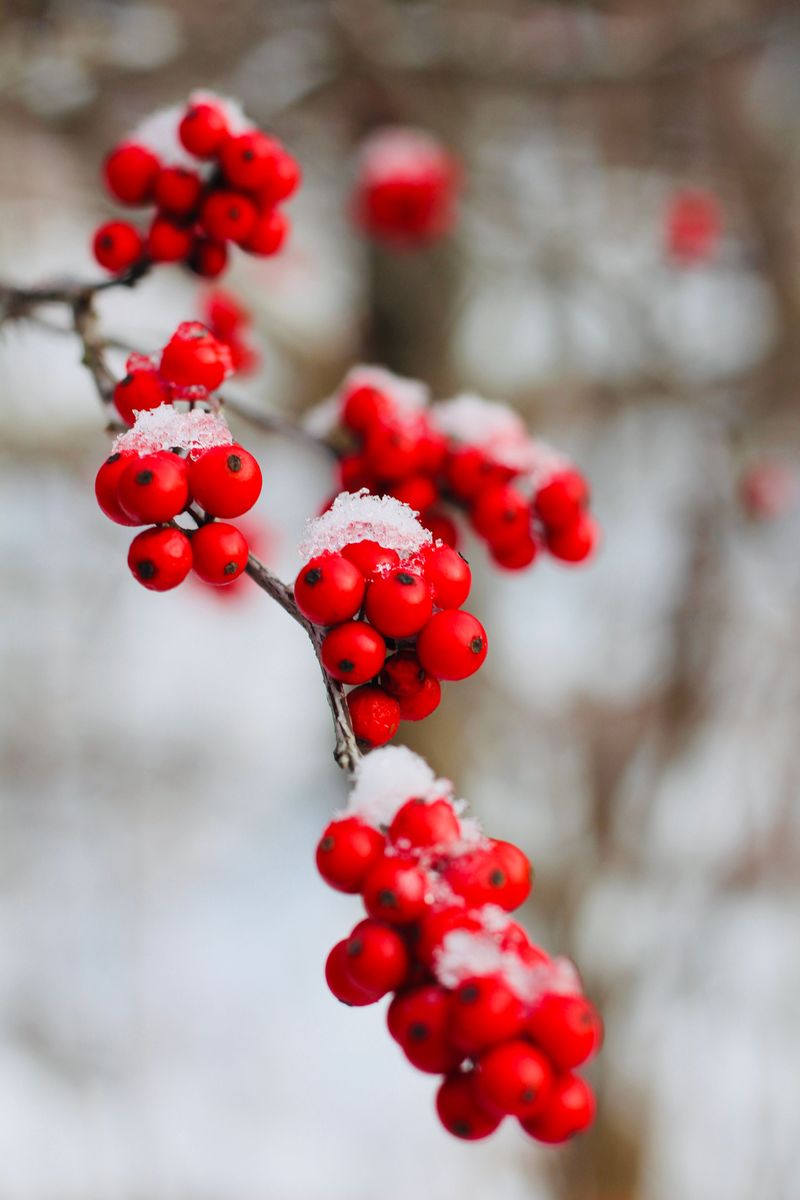
Bare branches loaded with fire-engine red berries in the heart of winter. That is winterberry holly, and it is one of the most striking native shrubs a Maryland gardener can plant.
Unlike its invasive look-alikes, winterberry holly is a true native that supports the entire food web fireflies depend on. It thrives in moist, low-lying areas, which happen to be prime firefly habitat.
Planting winterberry near wet spots, rain gardens, or stream edges helps maintain the soil moisture that firefly larvae need during their underground years. Moist, organic-rich soil is essential for a healthy firefly population.
The shrub also supports dozens of native bee species during its summer bloom period. More native bees mean a more robust insect community, which directly benefits firefly larvae hunting for prey.
Birds flock to winterberry berries from November through February when other food sources are scarce. That wildlife activity keeps the surrounding ecosystem active and interconnected throughout the year.
Growing winterberry requires planting both a male and female shrub for berry production. One male plant can typically pollinate several females, so you do not need a huge space to get a spectacular winter display.
It grows in full sun to partial shade and tolerates clay soil better than most ornamentals. That adaptability makes it a low-effort, high-reward addition to nearly any Maryland yard.
Winterberry holly proves that going native does not mean sacrificing beauty. It delivers four-season interest while actively rebuilding the habitat that supports Maryland firefly numbers.
6. Coral Honeysuckle
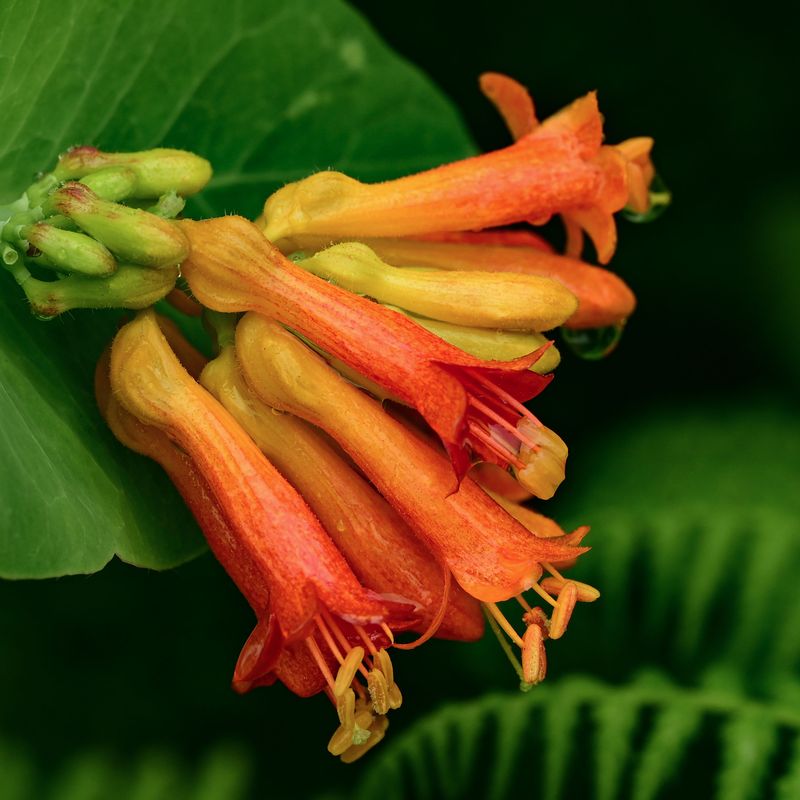
Coral honeysuckle is the native answer to one of Maryland’s most persistent invasive vine problems. Where Japanese honeysuckle takes over and smothers, coral honeysuckle plays nice with its neighbors.
This well-behaved native vine blooms from spring through fall with clusters of tubular red and orange flowers. Hummingbirds and native bees are drawn to it constantly, which keeps insect activity high throughout the growing season.
High insect activity matters for fireflies. Larvae need a steady supply of soft-bodied prey underground, and a yard buzzing with native pollinators tends to support the full insect community that makes that possible.
Coral honeysuckle grows on trellises, fences, and arbors without strangling nearby plants. It is a thoughtful climber that adds vertical interest without the ecological aggression of its invasive counterpart.
In Maryland, it performs best in full sun to partial shade with moderate moisture. Once established, it is surprisingly drought-tolerant and requires minimal maintenance beyond occasional shaping.
The vine also produces small red berries in fall that native birds eagerly consume. Thrushes, warblers, and other songbirds help spread the seeds naturally, unlike invasive honeysuckle which spreads far too aggressively.
Swapping out Japanese honeysuckle for coral honeysuckle along your fence line is a straightforward weekend project. Remove the old vine, amend the soil with compost, and plant a few rooted starts of the native species.
Within a season or two, you will have a lush, flowering vine that supports wildlife, looks gorgeous, and helps restore the habitat conditions that bring fireflies back.
7. Christmas Fern
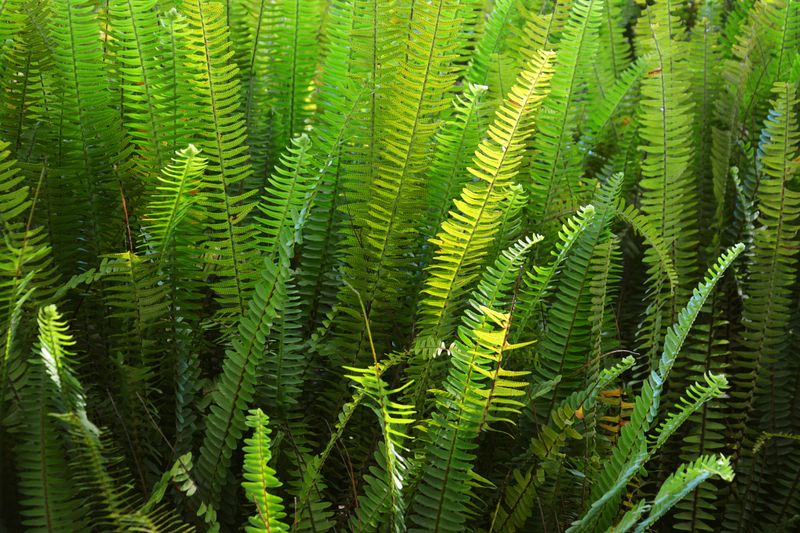
Christmas fern earned its name because its fronds stay green straight through December. That evergreen quality makes it one of the most useful native groundcovers for Maryland gardens replacing invasive ivy.
Unlike English ivy, Christmas fern does not form a smothering mat that blocks soil access. Its arching fronds shade the ground gently, keeping moisture in without compacting or sealing the soil surface.
That open soil structure is exactly what firefly larvae need. They burrow through loose, damp earth hunting snails, worms, and other soft prey during their multi-year underground development.
Christmas fern grows naturally in shaded woodland settings, making it perfect for the north-facing slopes and tree-lined borders where ivy tends to take over. It spreads slowly and politely without crowding out neighboring plants.
The fern also provides shelter for ground-dwelling insects and small invertebrates that form the base of the firefly food chain. A yard with layered native plantings like this one supports far more biodiversity than a tidy monoculture ever could.
Planting is simple. Choose a shady spot with moist, well-drained soil, and space plants about eighteen inches apart. They establish quickly and need almost no care once settled in.
Over time, Christmas fern naturalizes beautifully, creating a lush woodland floor that feels both wild and intentional. It pairs well with native wildflowers like wild ginger, Virginia bluebells, and woodland phlox.
Choosing Christmas fern over invasive groundcovers is one of the most direct ways to improve firefly habitat in a Maryland yard.
8. Serviceberry
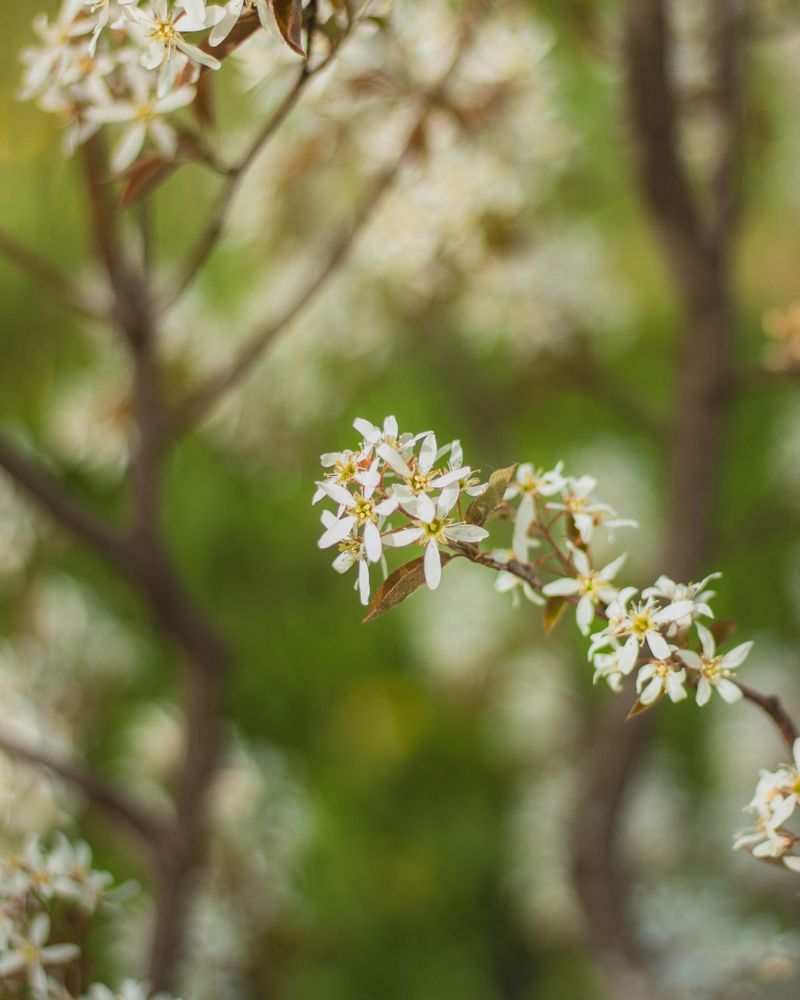
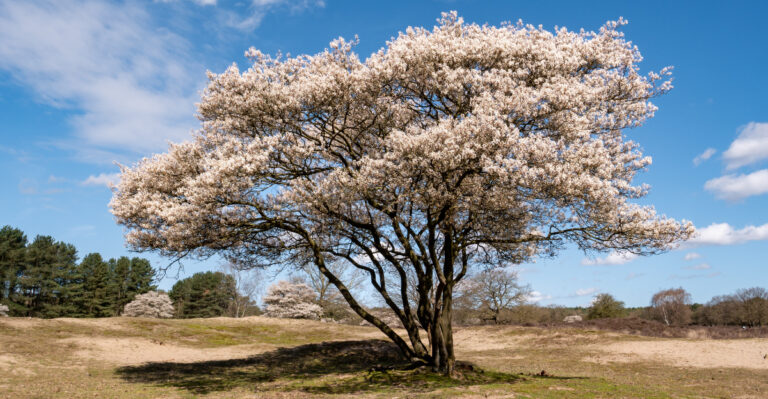
Serviceberry blooms before almost anything else in spring, bursting into white flowers while the landscape is still waking up. It is one of the most ecologically valuable small trees a Maryland homeowner can plant.
This native tree supports over a hundred species of butterfly and moth caterpillars. That insect abundance directly feeds the food chain that firefly larvae depend on during their underground years.
Firefly populations thrive in yards with structural diversity, meaning a mix of trees, shrubs, and groundcovers. Serviceberry fits perfectly into that middle layer, bridging the gap between tall canopy trees and low native plantings.
Its edible berries ripen in early summer and taste like a blueberry crossed with an almond. Birds go absolutely wild for them, and the wildlife activity that follows keeps the surrounding habitat lively and interconnected.
Serviceberry tolerates a wide range of conditions, from full sun to partial shade, and adapts to both moist and dry soils. That flexibility makes it one of the easiest native trees to establish in a suburban Maryland yard.
The fall foliage turns shades of orange, red, and gold, giving you seasonal interest from April through November. Few ornamental trees offer that kind of year-round payoff with such minimal effort.
Replacing invasive shrubs like burning bush or barberry with serviceberry transforms a yard from an ecological trap into a functioning habitat. Native insects return, predator populations stabilize, and firefly numbers begin to recover.
Planting serviceberry is one of the most rewarding steps toward restoring the Maryland firefly numbers that so many of us grew up chasing on summer nights.