These Are The Georgia Yard Mistakes That Attract Kudzu Bugs To Your Home Every Fall
Nothing ruins a pleasant fall afternoon quite like noticing insects gathering around the house. At first it may only be a few.
Then more start appearing on walls, around windows, and near entry points. Once that happens, it becomes difficult to ignore them every time you step outside or look out the window.
The frustrating part is that these seasonal visitors do not always appear by chance. Conditions around a property can influence what attracts them and where they decide to gather.
Small details that seem unimportant during summer can become much more noticeable once the seasons begin changing.
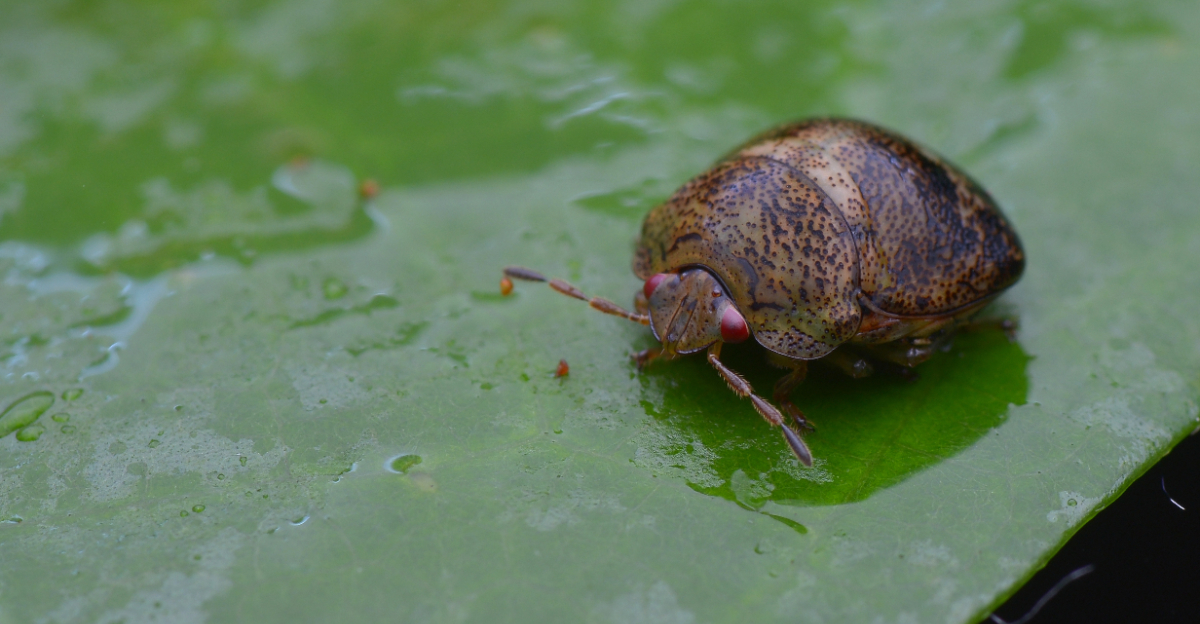
Kudzu bugs are a familiar sight in Georgia during fall. They often show up in large numbers and can quickly become a nuisance around homes.
What surprises many homeowners is that certain yard mistakes may be making the problem worse without them even realizing it.
1. Allowing Kudzu Vines To Grow Near Your Property
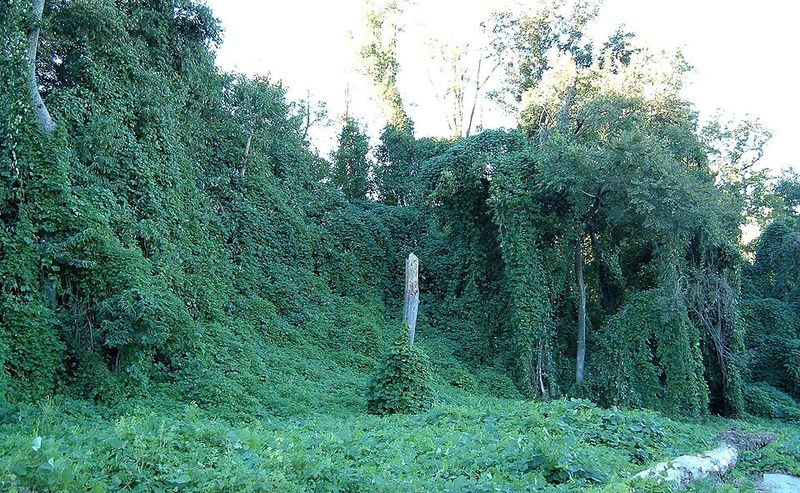
Kudzu vines are basically a five-star hotel for kudzu bugs. These insects get their name from this plant for a reason.
Kudzu is their preferred host, and wherever it grows unchecked, large bug populations are sure to follow.
If kudzu is creeping along your fence line or spreading toward your home, you are giving these pests a breeding ground just steps from your siding. Bugs feed and reproduce on kudzu all summer long.
By fall, they are ready to migrate, and your house is the closest warm shelter around.
Cutting kudzu back aggressively before late summer is one of the most effective steps you can take. Repeated mowing, pulling, or treating with an approved herbicide can reduce the vine over time.
One season of effort rarely solves it, so staying consistent each year matters.
Even reducing the vine coverage near your home’s perimeter by a significant margin can lower bug pressure noticeably. You don’t have to clear every acre.
Focus on the 30 to 50 feet closest to your house.
2. Growing Soybeans Too Close To The House

Soybeans in a backyard garden sound like a great idea until kudzu bugs find them. These pests absolutely love legumes, and soybeans rank among their top feeding plants.
Planting them near your foundation is one of the fastest ways to draw a swarm straight to your walls.
Kudzu bugs pierce soybean stems to feed on plant fluids. Large numbers can weaken plants quickly.
More importantly, once they finish feeding as summer winds down, they start looking for a place to overwinter. Your house, sitting right next to their food source, becomes the obvious next stop.
If you want to grow soybeans, move the garden bed as far from your home as your yard allows. Even pushing it 40 to 50 feet away reduces the chance that bugs migrate directly onto your siding when temperatures drop.
Inspect soybean plants regularly starting in mid-summer. Early detection gives you more options before populations explode.
Row covers can help protect plants while also limiting bug access. Removing spent plants promptly after harvest also eliminates a lingering food source that keeps bugs hanging around longer into the season.
Your Georgia Garden Changes Every Week. Your Plan Should Too.
Gardening in Georgia changes quickly throughout the season. Every Friday you’ll receive a simple weekly plan showing exactly what to plant, prune, fertilize, harvest, and protect so you never miss the right timing.
Small adjustments in garden placement and timing can genuinely reduce how many kudzu bugs end up clustered on your home come fall.
3. Leaving Wisteria Untended Around Yard Structures

Wisteria looks beautiful draped over a pergola or garden shed, but leaving it untended creates a serious kudzu bug problem. Wisteria is a legume, and kudzu bugs readily feed on it when kudzu and soybeans aren’t available nearby.
An overgrown wisteria-covered structure near your home is essentially a feeding station sitting right outside your door.
Untended wisteria grows thick and dense fast. Thick vine growth gives bugs excellent shelter from predators and weather.
Once they settle in, populations can build steadily through summer without much notice until fall arrives.
Pruning wisteria back regularly keeps growth manageable and reduces the dense canopy bugs prefer. Cutting it back at least twice a year, once after spring bloom and again in late summer, limits the shelter and feeding opportunities the plant provides.
Keep pruned growth off the ground and dispose of it promptly.
Structures like pergolas and sheds that sit close to your home’s exterior walls are especially risky. Bugs move easily from a vine-covered structure to your siding when they begin their fall migration.
If wisteria is climbing on or near your home itself, that risk jumps considerably.
4. Ignoring Kudzu Bug Activity During Late Summer
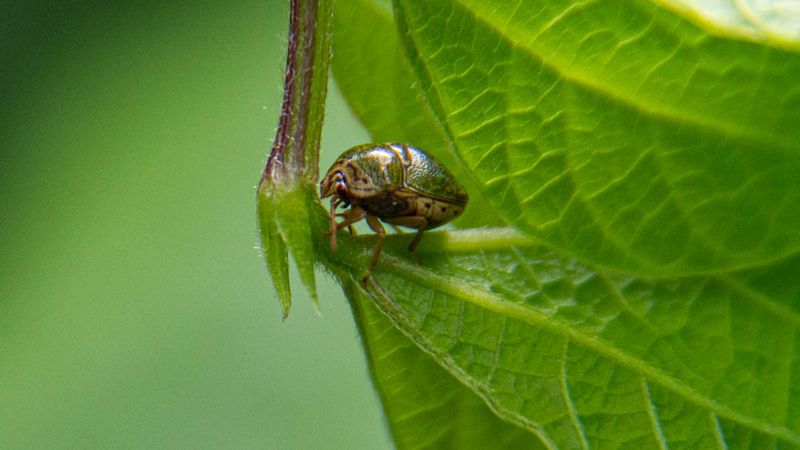
Late summer is when kudzu bugs shift gears. Feeding slows down and they start preparing to find overwintering sites.
Most homeowners don’t notice or don’t think much of the small clusters appearing on plants during August and September. That window is actually your best chance to act.
Catching activity early gives you real options. Populations that look small in late August can become enormous by October if nothing is done.
Bugs cluster on host plants before moving, so treating those plants when numbers are still manageable is far more effective than reacting after swarms reach your walls.
Walk your yard every couple of weeks starting in mid-August. Look along fence lines, on legume plants, and near any kudzu growth.
Even small clusters of these olive-green bugs should prompt action. A targeted insecticide application to host plants during this window can reduce the number of bugs that eventually migrate toward your home.
Sealing gaps in your home’s exterior is also smart to do during late summer before migration peaks. Check window screens, door sweeps, and any cracks around utility penetrations.
Bugs can squeeze through surprisingly small openings.
5. Allowing Large Populations To Build Up Before Fall
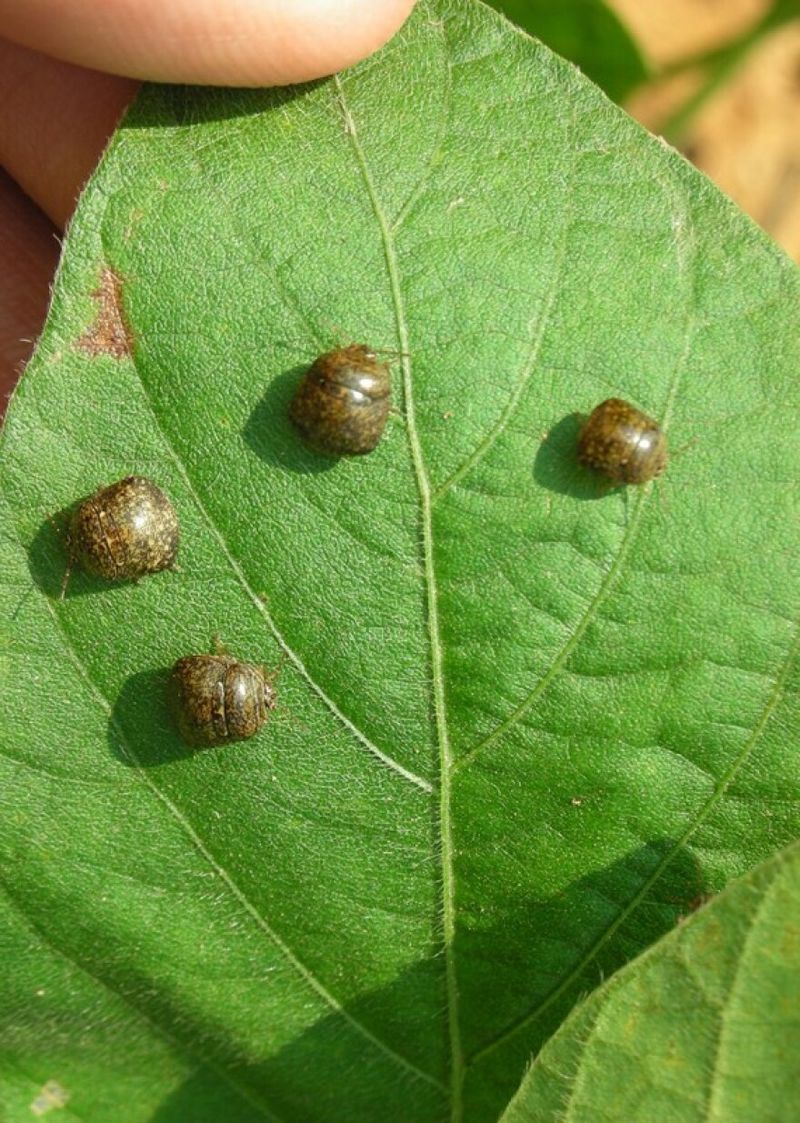
Waiting until you notice hundreds of bugs on your siding is waiting too long. By that point, a large population has already built up through summer, fed heavily, and is now actively searching for a place to spend the winter.
Reacting at that stage is much harder than preventing the buildup in the first place.
Populations grow fast when conditions are right. Kudzu bugs can reproduce twice in a single season under warm conditions.
Each generation adds more adults to your yard. Left unchecked, what starts as a handful of bugs in spring can turn into thousands by early fall.
Monitoring matters more than most people realize. Check host plants monthly from spring onward.
Early-season populations are far easier to manage. If you spot egg masses or nymphs on plant stems during summer, that is your signal to act before adults multiply again.
Reducing host plants near your home is the most reliable long-term strategy. Fewer food sources mean smaller populations.
Combine that with barrier sprays around your home’s foundation and entry points starting in early September. Pyrethroid-based products applied around windows, doors, and the foundation perimeter can reduce how many bugs successfully enter your home.
Reapplying after rain is important since these products break down with moisture.
6. Overlooking Sunny Walls Where Kudzu Bugs Gather
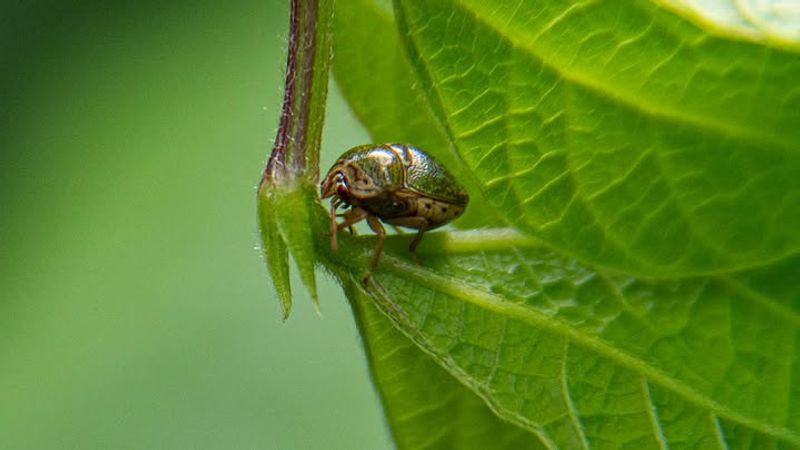
South- and west-facing walls get the most afternoon sun, and kudzu bugs know it. When fall temperatures drop, these bugs seek out warm surfaces to absorb heat before overwintering.
A sunny wall is like a magnet, and light-colored siding makes it even more attractive.
Homeowners often overlook these walls when doing fall prep. Bug activity there can look minor at first, just a few dozen insects moving slowly in the sun.
But those numbers grow quickly as temperatures continue to fall and more bugs migrate from nearby host plants and neighboring properties.
Check your sunniest exterior walls regularly starting in early September. Pay close attention to areas near windows, vents, and where siding meets trim.
Bugs work their way into gaps from these warm surfaces. Catching them before they find an entry point is far easier than dealing with them inside your walls or living spaces.
Applying a residual insecticide to these surfaces in early fall creates a treated barrier that bugs contact when they land. Focus especially on the south and west faces of your home.
Reapply every two to three weeks during peak migration since sun and weather degrade the product. Combining surface treatment with physical exclusion like fresh caulk around window frames and door trim gives you the strongest protection where bugs are most likely to gather.
7. Waiting Too Long To Address Nearby Infestations
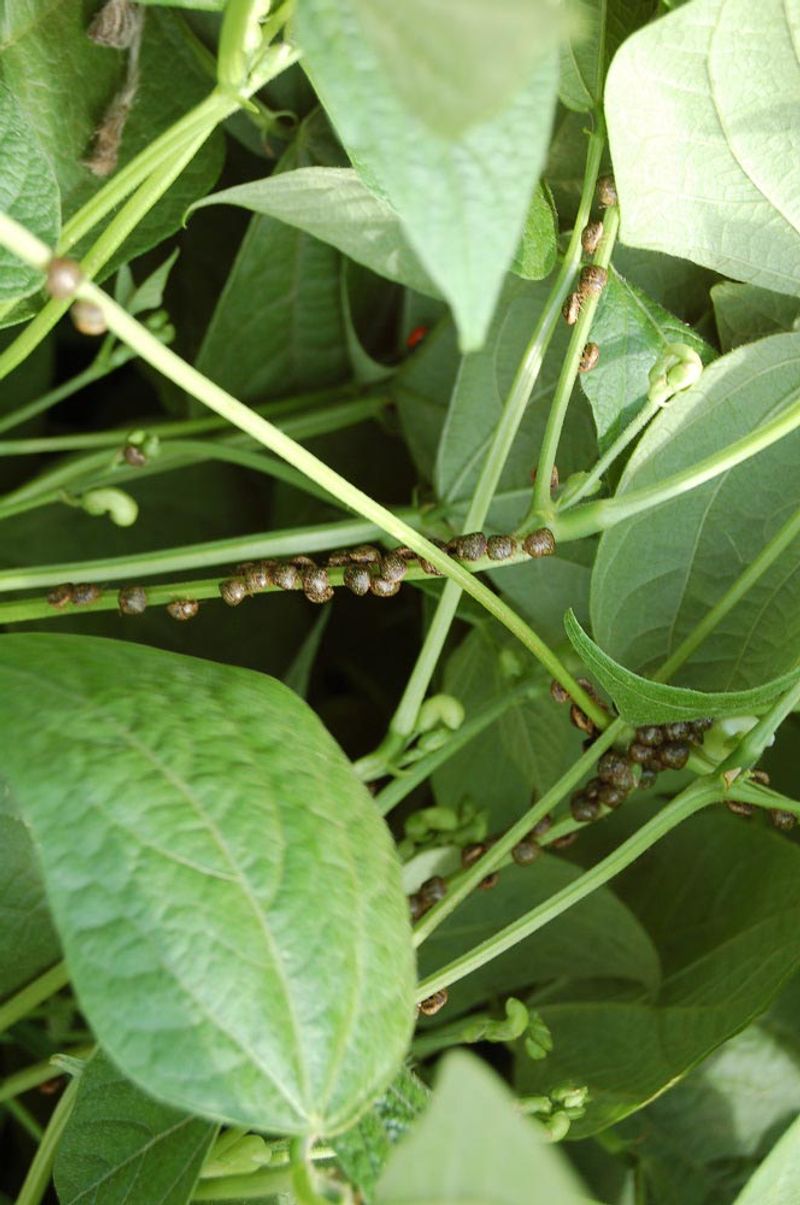
Your neighbor’s untreated kudzu patch or neglected garden is your problem too. Kudzu bugs don’t respect property lines.
A heavy infestation next door will absolutely spill onto your property when fall migration begins, no matter how well you manage your own yard.
Addressing your own yard early is still worth doing, but ignoring what’s happening nearby is a mistake. Large populations from adjacent properties can overwhelm even a well-prepared home.
The closer the infestation, the harder it is to keep bugs from reaching your walls.
Talk to neighbors early in the season if you notice heavy bug activity on their property. Many people aren’t aware of the problem or don’t know what to do about it.
A shared approach to reducing host plants or treating affected areas benefits everyone on the block.
On your own property, creating a treated perimeter becomes even more critical when nearby infestations are large. Focus barrier spray applications on the sides of your home facing the heaviest source of bug activity.
Refresh treatments more frequently during peak migration weeks in September and October. Inside, make sure every gap is sealed before bugs start pressing against your exterior.
Check attic vents, crawl space screens, and any area where exterior materials meet.