The Georgia Native Vine That Gulf Fritillary Butterflies Depend On
Most climbing vines never get a second glance before they are pulled from a yard. Plenty end up in the trash simply because they spread over fences or nearby plants.
Hidden among them is one native vine that quietly helps keep bright orange butterflies coming back each season. Colorful flowers matter, but they are only part of the story.
Before clearing an unfamiliar plant, stop and take a closer look. Georgia has one native vine these butterflies rely on long before they visit blooming flowers.
Leaving it in place can make your yard much more welcoming during butterfly season. Ordinary plants sometimes have surprising value.
Giving this overlooked vine another chance may reward you with more colorful visitors every summer without changing the look of your garden.
1. Purple Passionflower Makes Their Life Cycle Possible
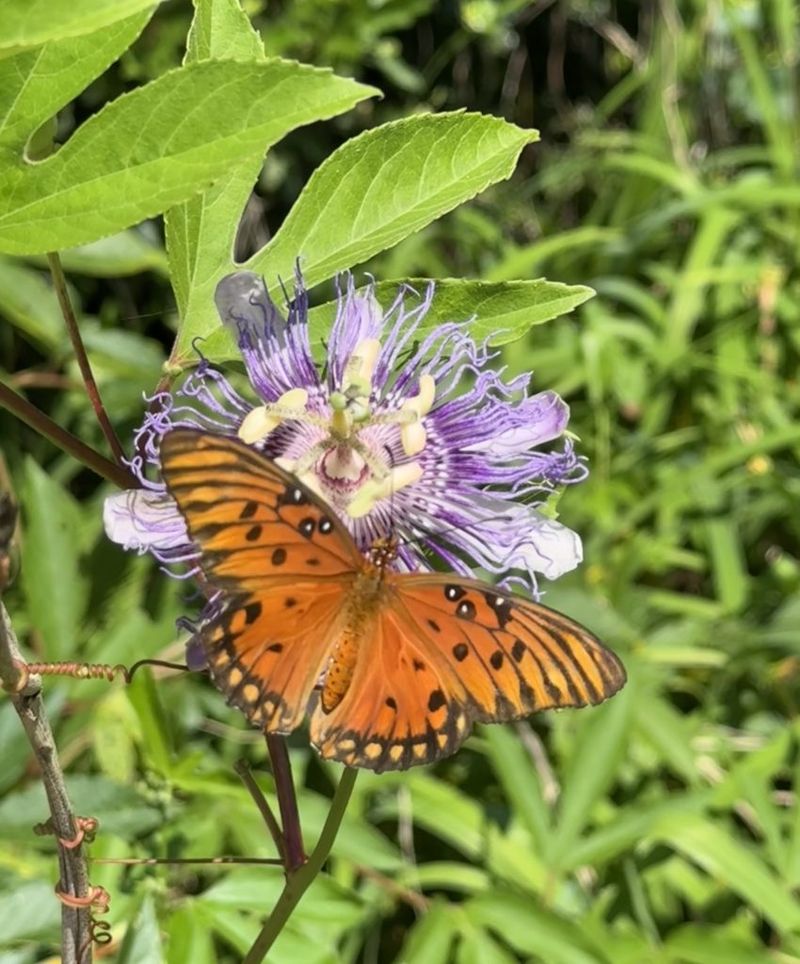
No other plant does what Purple Passionflower does for Gulf Fritillary butterflies. It is not just a food source.
It is the entire foundation of their survival from egg to adult.
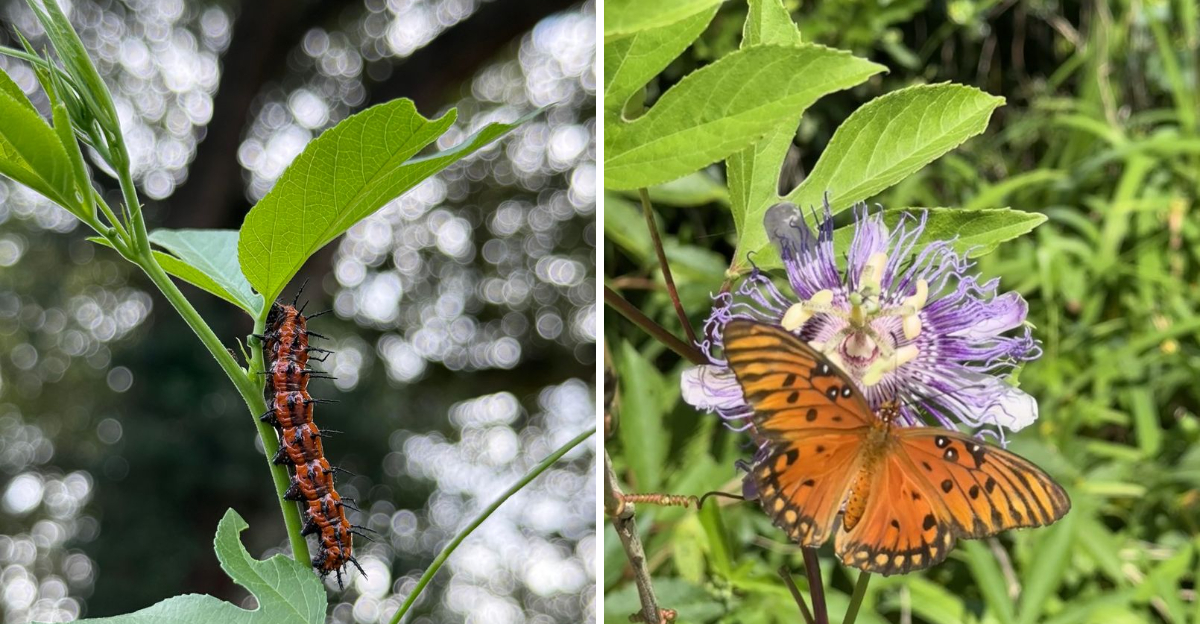
Female Gulf Fritillaries lay their eggs directly on the leaves and stems of Passionflower vines. When the eggs hatch, the spiny orange caterpillars begin feeding on the foliage right away.
Without access to this plant, the larvae cannot survive.
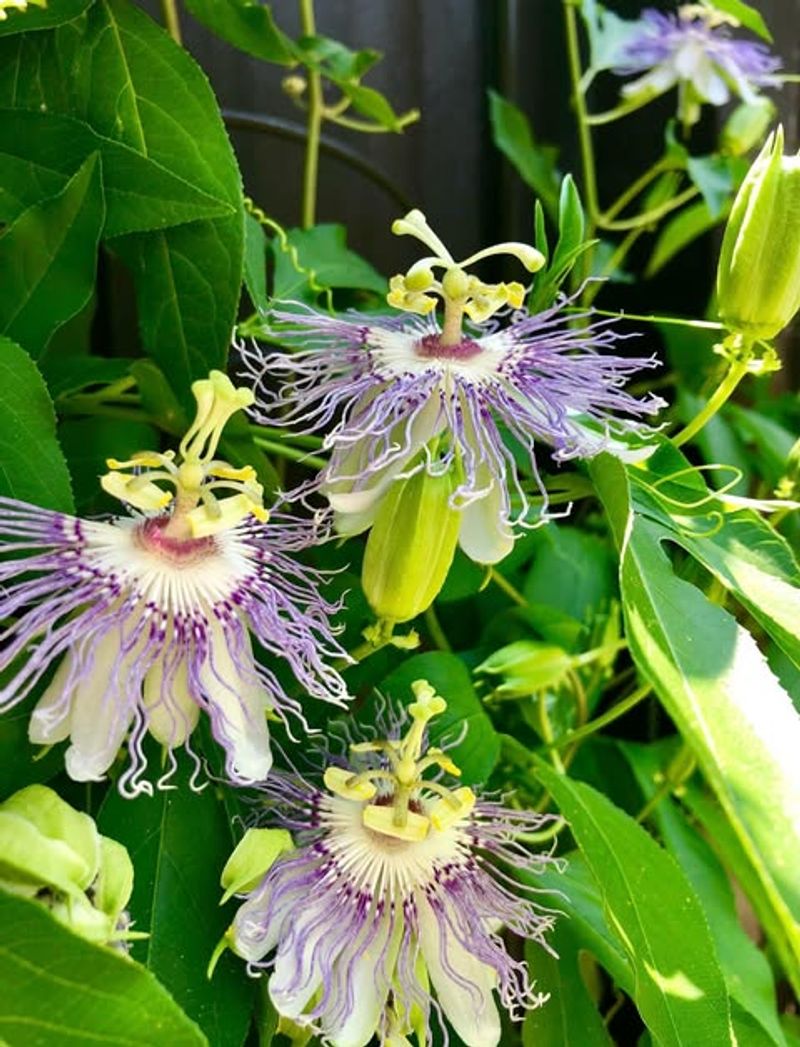
Purple Passionflower, known scientifically as Passiflora incarnata, is native to the southeastern United States. It grows naturally in fields, roadsides, and woodland edges across Georgia.
Its purple and white blooms are genuinely striking, almost tropical-looking, which surprises many first-time growers.
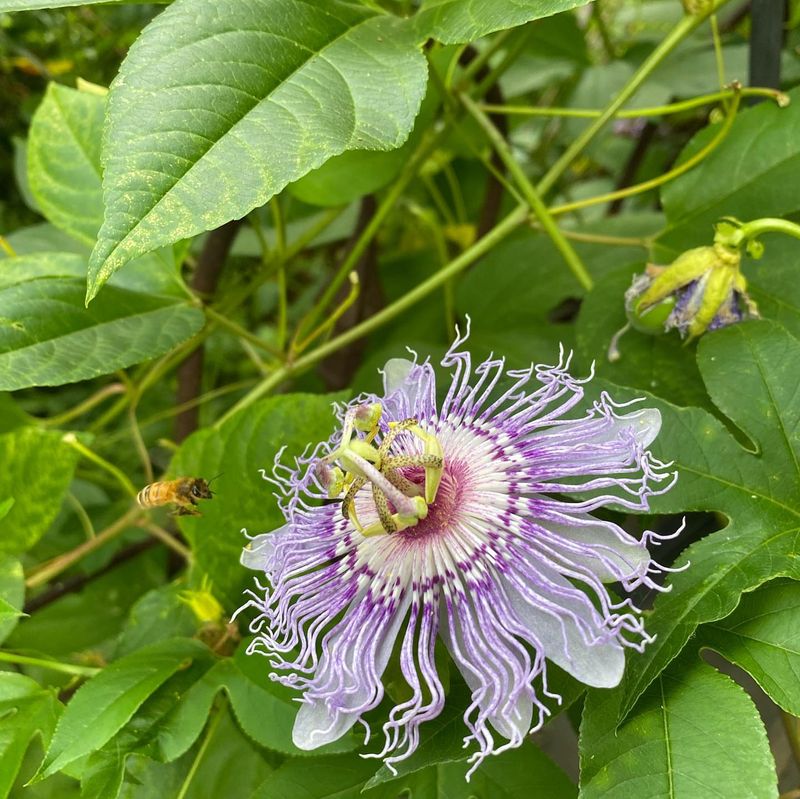
Beyond butterflies, the vine also attracts bees and other native pollinators. Hummingbirds occasionally visit the flowers too.
Planting it adds real biodiversity value to a yard, not just visual appeal.
One important note: Gulf Fritillaries do not use ornamental Passionflower species the same way. Native Passiflora incarnata is what they prefer and depend on most reliably.
Non-native varieties may not support the full life cycle as effectively.
Adding even one healthy vine to your yard can attract breeding adults within a single season.
2. Plant It Where It Gets Plenty Of Sunshine
Sunlight is not optional for Purple Passionflower. Full sun is where this vine truly performs.
Aim for at least six hours of direct sun each day, and more is generally better.
Shaded spots tend to produce fewer blooms and slower overall growth. A vine tucked under a tree canopy may survive, but it will not thrive the way one planted in open sun does.
Bloom production drops noticeably in low-light conditions.
South-facing fences and open garden borders are ideal locations in most home landscapes. Raised beds along sunny walls also work well.
The key is consistent, uninterrupted light throughout the growing season.
Soil quality matters too, though Passionflower is more flexible than many plants. It tolerates sandy, clay-heavy, and even somewhat poor soils better than most garden vines.
Good drainage is more important than rich soil.
Avoid planting in low spots where water pools after rain. Soggy roots can weaken the vine over time, especially during humid Southern summers.
Slightly elevated ground or sloped areas tend to drain more reliably.
Your Georgia Garden Changes Every Week. Your Plan Should Too.
Gardening in Georgia changes quickly throughout the season. Every Friday you’ll receive a simple weekly plan showing exactly what to plant, prune, fertilize, harvest, and protect so you never miss the right timing.
Once established, this vine handles heat and dry spells reasonably well. It evolved in Southern conditions, so it is naturally suited to the climate.
3. Give The Vines Something Strong To Climb
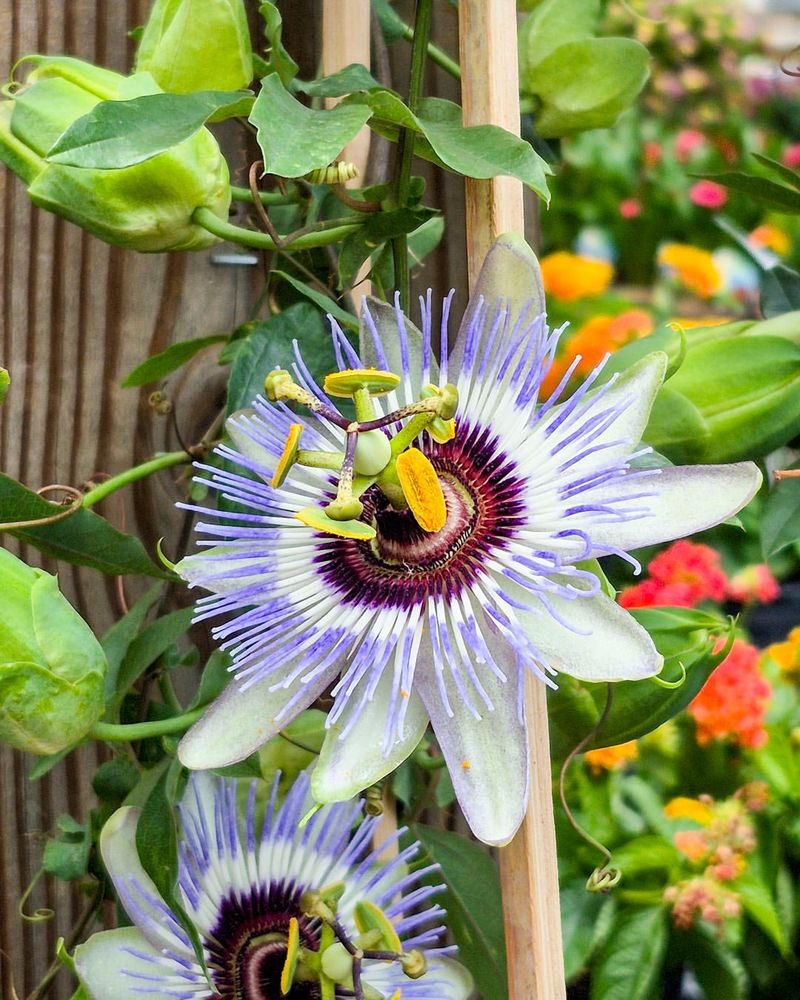
Passionflower vines are climbers by nature. They send out curling tendrils that grip onto surfaces and pull the plant upward.
Without something solid to grab, the vine tends to sprawl along the ground instead of growing vertically.
A sturdy trellis, wooden fence, or wire support works well in most garden setups. Chain-link fencing is surprisingly effective because the vine can weave through the gaps easily.
Metal or wood arbors also make strong anchor points.
Avoid lightweight plastic trellises if possible. Mature Passionflower vines can get heavy, especially after a full growing season.
A flimsy support may bend or tip under that weight, which can stress the plant and disrupt butterfly habitat.
Spacing matters when setting up a support. Give the vine room to spread laterally, not just grow straight up.
A wider trellis allows more foliage surface area, which means more potential feeding and egg-laying space for caterpillars.
Positioning the support near a sunny wall can also help. Walls absorb heat during the day and radiate it at night, which can extend the active growing period slightly in cooler stretches of the season.
Gulf Fritillary females often prefer to lay eggs on tender new growth near the tips of the vine. Vertical growth encourages more of that fresh foliage.
4. Skip Insect Sprays Around The Vine
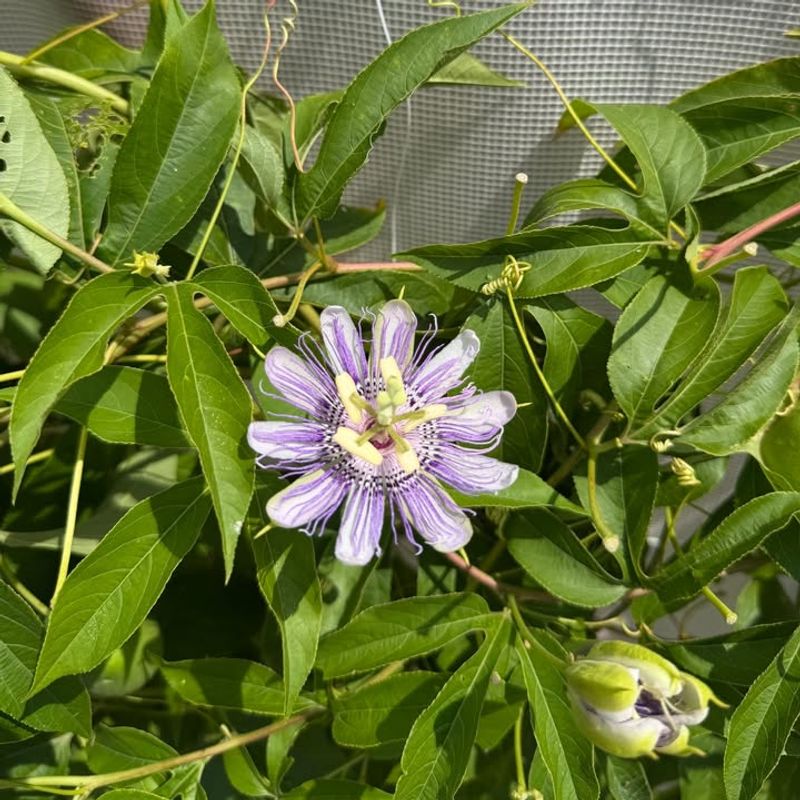
Pesticides and butterfly gardens do not mix. Even products labeled as safe for gardens can harm caterpillars, eggs, and adult butterflies that land on treated foliage.
Keeping sprays away from the vine is non-negotiable if attracting Gulf Fritillaries is the goal.
Broad-spectrum insecticides are especially problematic. They affect a wide range of insects without distinguishing between pests and beneficial species.
One application near a Passionflower vine can wipe out an entire generation of caterpillars before they have a chance to develop.
Organic sprays like neem oil and spinosad are sometimes considered safer alternatives, but they can still harm caterpillars and other beneficial insects when applied directly. Caution is warranted even with products marketed as natural.
Aphids and other small insects sometimes appear on Passionflower vines. Before reaching for any spray, check whether the problem is severe enough to warrant treatment.
A moderate aphid presence rarely causes lasting damage to a healthy vine.
Natural predators like ladybugs and parasitic wasps often manage pest populations on their own given enough time. Spraying can eliminate those helpful insects along with the pests, which sometimes makes the original problem worse.
Creating a spray-free zone around your Passionflower vine, even just a buffer of several feet, gives caterpillars and adults a safer environment.
5. Leave Eggs And Caterpillars Undisturbed
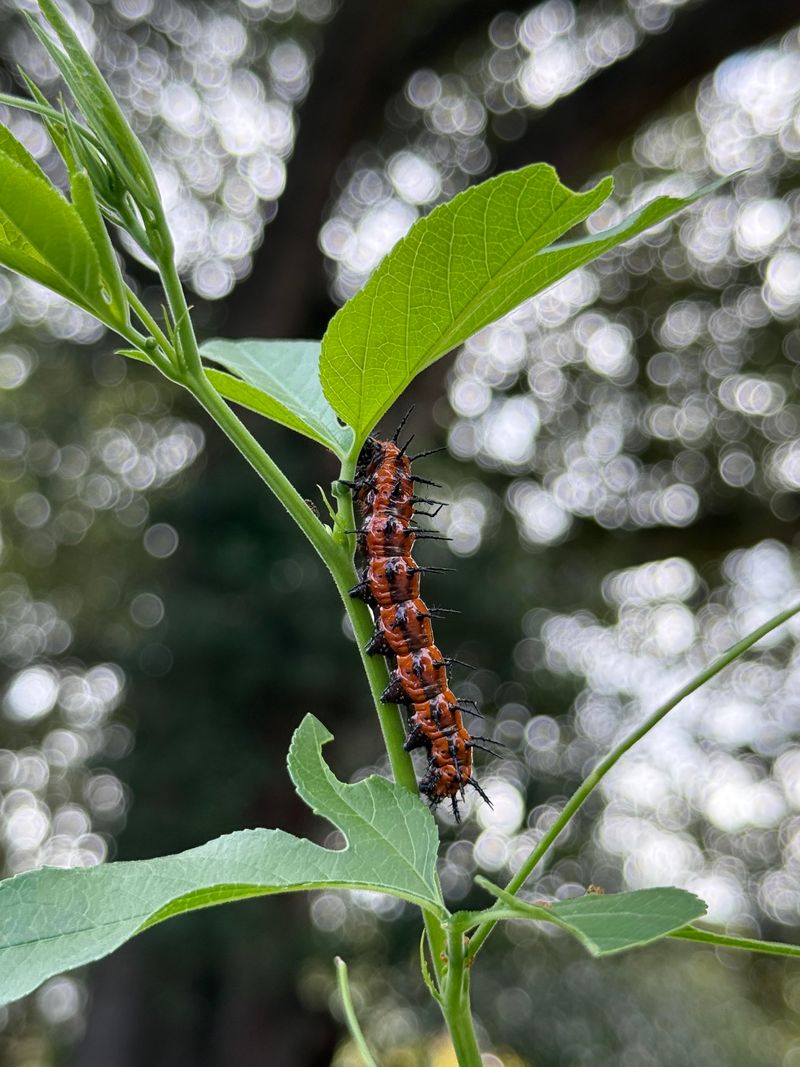
Spotting small spiny caterpillars on your Passionflower vine is actually a good sign. It means Gulf Fritillaries found your plant and chose it for breeding.
That is exactly what you want to happen.
Gulf Fritillary caterpillars are orange with black spines. They look intimidating, but those spines are soft and harmless to people.
Do not let their appearance trigger concern. They are doing exactly what they are supposed to do.
Resist the urge to remove eggs or caterpillars from the vine. Even well-meaning interference can disrupt the life cycle.
Moving caterpillars to a different plant rarely works because they need Passionflower specifically to survive.
Some gardeners worry that caterpillars will strip the vine bare. That can happen during heavy feeding periods, but healthy established vines typically recover and push out new growth within a few weeks.
Young or newly planted vines may take longer to bounce back.
If defoliation is a concern, consider planting more than one vine. Multiple plants spread the feeding pressure and give caterpillars more options.
It also increases the overall habitat value of your garden space.
Check the vine regularly during summer months. You may spot eggs, young caterpillars, and larger ones all at the same time.
6. Water New Plants Until They Take Hold
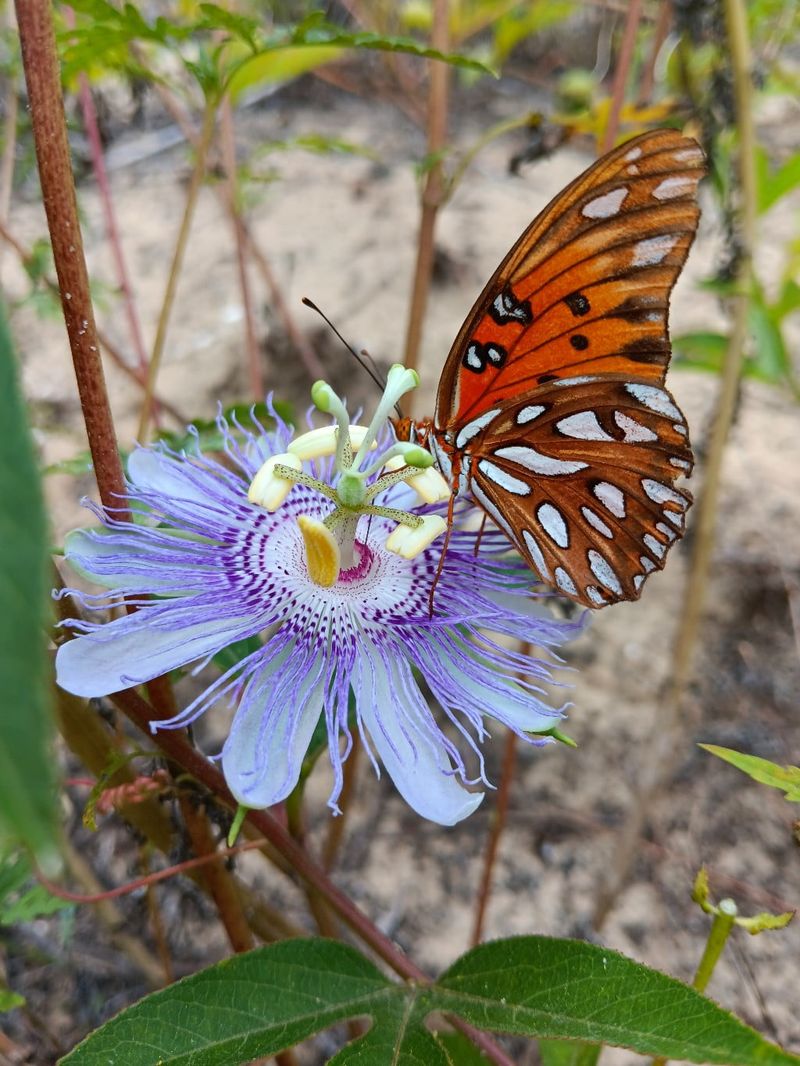
New Passionflower vines need consistent moisture to get established. Without enough water in those first weeks, roots struggle to anchor properly and growth stalls before the plant can build real strength.
Water deeply two to three times per week during the first month after planting. Shallow, frequent watering encourages surface roots, which makes the plant more vulnerable during dry stretches.
Deep watering pushes roots downward where moisture is more stable.
Sandy soils dry out faster than clay-heavy ones. In sandier garden beds, check soil moisture more frequently and water more often if needed.
Clay soils hold moisture longer but can become waterlogged, so watch for pooling around the base of the plant.
Mulching around the base of a new vine helps retain soil moisture between watering sessions. A two to three inch layer of wood chips or shredded leaves works well.
Keep mulch a few inches away from the main stem to avoid trapping excess moisture directly against it.
Once a Passionflower vine is established, which typically takes one full growing season, it becomes considerably more drought-tolerant. Supplemental watering during extended dry periods is still helpful, especially in the heat of a Southern summer.
Consistent care in the first season sets up the vine for long-term health.
7. Cut Back Old Growth In Late Winter
Late winter is the right time to cut Passionflower vines back hard. Pruning before new growth emerges encourages the plant to push out fresh, vigorous shoots in spring.
Old woody stems from the previous season can be reduced significantly without harming the plant.
Gulf Fritillary caterpillars prefer tender new growth over older, tougher leaves. A vine that gets pruned in late winter produces a flush of soft foliage in spring, which is exactly what egg-laying females look for when they arrive.
Cut stems back to within a foot or two of the ground if the vine has become overly woody or tangled. Passionflower is resilient and typically regrows aggressively once temperatures warm.
In most parts of Georgia, regrowth begins reliably in mid to late spring.
Avoid heavy pruning in fall or early winter. Cutting back too early can stimulate new growth that gets damaged by cold snaps.
Late winter, just before the last expected frost in your area, is generally the safer window for major pruning.
Light cleanup throughout the growing season is fine. Removing crossing stems or directing growth along a trellis does not stress the plant.
Saving the major cutback for late winter keeps the vine productive and manageable year after year.