Watering Habits Arizona Homeowners Have That Draw Scorpions Straight To Their Doors
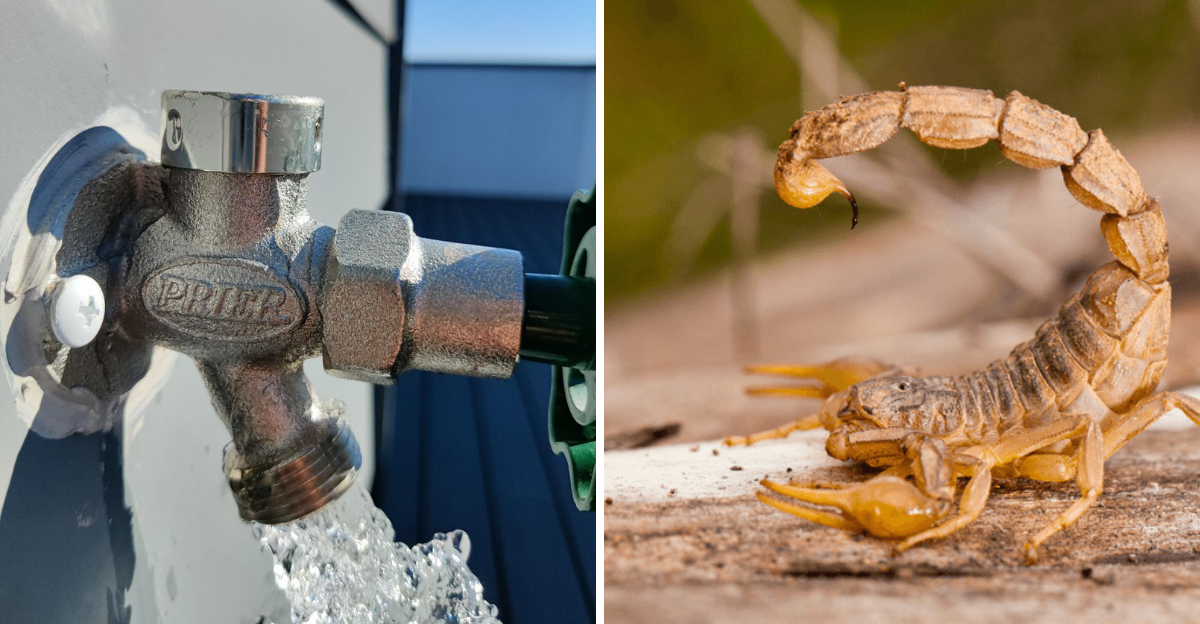
Nothing gets attention faster than spotting a scorpion near the house. It is the kind of discovery that can change the way you look at a patio, walkway, or entryway for days afterward.
Even people who spend plenty of time outdoors tend to feel a little less comfortable once they know one has been nearby.
The frustrating part is that scorpions do not always appear for the reasons people expect. Many focus on obvious hiding places, clutter, or gaps around the home.
Those things certainly matter, but everyday habits can sometimes play a role as well. A routine that seems completely unrelated to scorpions may be creating conditions they find surprisingly attractive.
Arizona homeowners often pay close attention to watering during hot weather, especially when trying to keep plants healthy through the toughest part of the season.
Certain watering habits can have unintended effects and may help explain why scorpions keep showing up closer to the house than expected.
1. Watering Too Frequently Creates Damp Hiding Spots Near Foundations
Watering every single day might feel like the right thing to do, especially when summer heat feels relentless. But frequent watering keeps the soil near your foundation consistently wet, and that moisture does not go unnoticed by scorpions.
Scorpions are drawn to cool, damp spaces. Wet soil right against your foundation creates exactly that kind of environment.
Cracks, gaps, and tiny openings in the foundation become easy entry points once scorpions are already hanging around that zone.
Cutting back on watering frequency is one of the simplest fixes available. Most desert-adapted plants actually prefer deep, infrequent watering over shallow daily sessions.
Watering deeply every few days allows soil to dry out between cycles.
Dry soil near the foundation gives scorpions far less reason to linger. Moving sprinkler heads a few feet away from the house can also help reduce saturation close to the structure.
Even a small buffer of dry ground acts as a deterrent.
Check the soil near your foundation before each watering session. If it still feels damp a few inches down, skip that day.
2. Leaky Irrigation Lines Provide Moisture Scorpions Seek Out
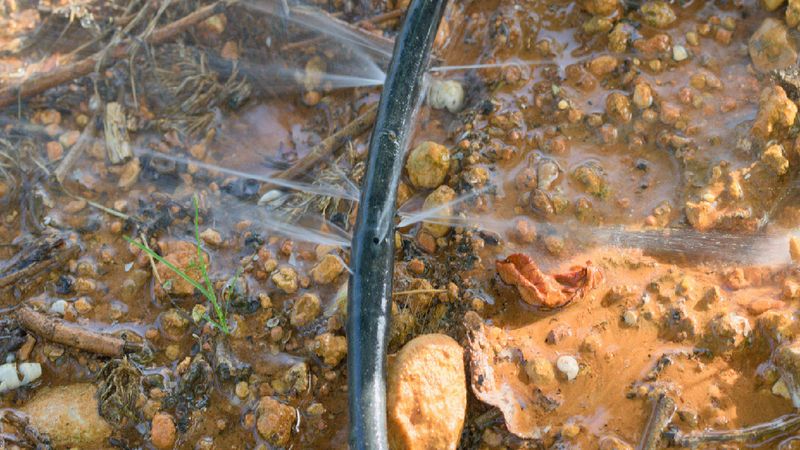
A slow drip from a cracked irrigation line might seem harmless, but that steady trickle creates a reliable moisture source in an otherwise dry environment. Scorpions are opportunistic, and they will find that wet spot fast.
Leaky lines often go unnoticed for weeks. Homeowners assume the system is running fine, while underground or low-lying leaks quietly soak the surrounding soil.
That constant dampness attracts not just scorpions, but also the insects they feed on.
Walk your irrigation lines regularly and look for soft, unusually wet patches in the soil. Green patches that stay bright when nearby areas fade can also signal a slow leak underground.
Catching these early saves water and reduces scorpion-friendly conditions.
Replace cracked emitters and split tubing as soon as you spot damage. Drip irrigation is excellent for water efficiency, but only when the system is fully intact.
A well-maintained system delivers water directly to roots without saturating surrounding soil.
Your Arizona Garden Changes Every Week. Your Plan Should Too.
Gardening in Arizona changes quickly throughout the season. Every Friday you’ll receive a simple weekly plan showing exactly what to plant, prune, fertilize, harvest, and protect so you never miss the right timing.
Scheduling an irrigation audit once or twice a year is a smart habit in the desert. A professional can identify hidden leaks and pressure issues that are easy to miss.
3. Overwatering Ground Covers Can Increase Shelter Around Entry Points
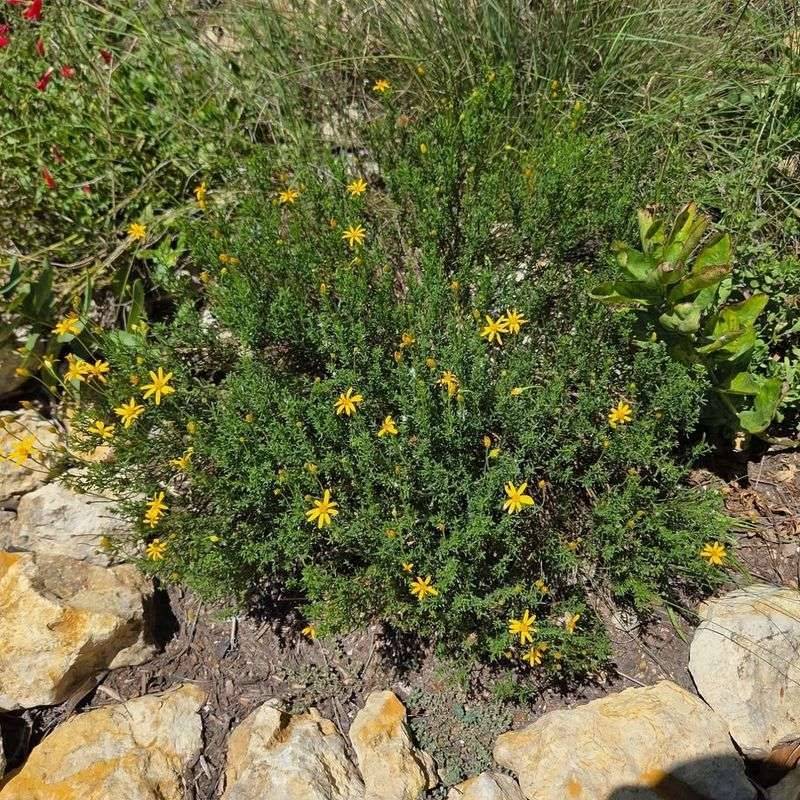
Ground covers look great and keep soil temperatures down, but overwatering them turns a nice landscape feature into a scorpion welcome mat. Dense, low-growing plants hold moisture close to the ground, and that shaded dampness is prime scorpion territory.
When ground cover grows thick and stays wet, it creates a sheltered microclimate right at soil level. Scorpions rest during the day and prefer spots that are cool, dark, and humid.
Overgrown, overwatered ground cover checks every one of those boxes.
Pay close attention to how close your ground cover sits to doorways, garage entries, or window wells. Scorpions do not need much of a gap to squeeze indoors.
If damp ground cover butts right up against a threshold, you are narrowing the distance between outside and inside considerably.
Pull back ground cover a foot or so from entry points. Let the soil in that buffer zone stay dry.
Trimming plants back regularly also reduces the density that makes ground cover so appealing as a hiding spot.
Water ground covers deeply but infrequently, just like other desert plants. Allow the top layer of soil to dry out before watering again.
4. Wet Mulch Against The House Creates Favorable Conditions
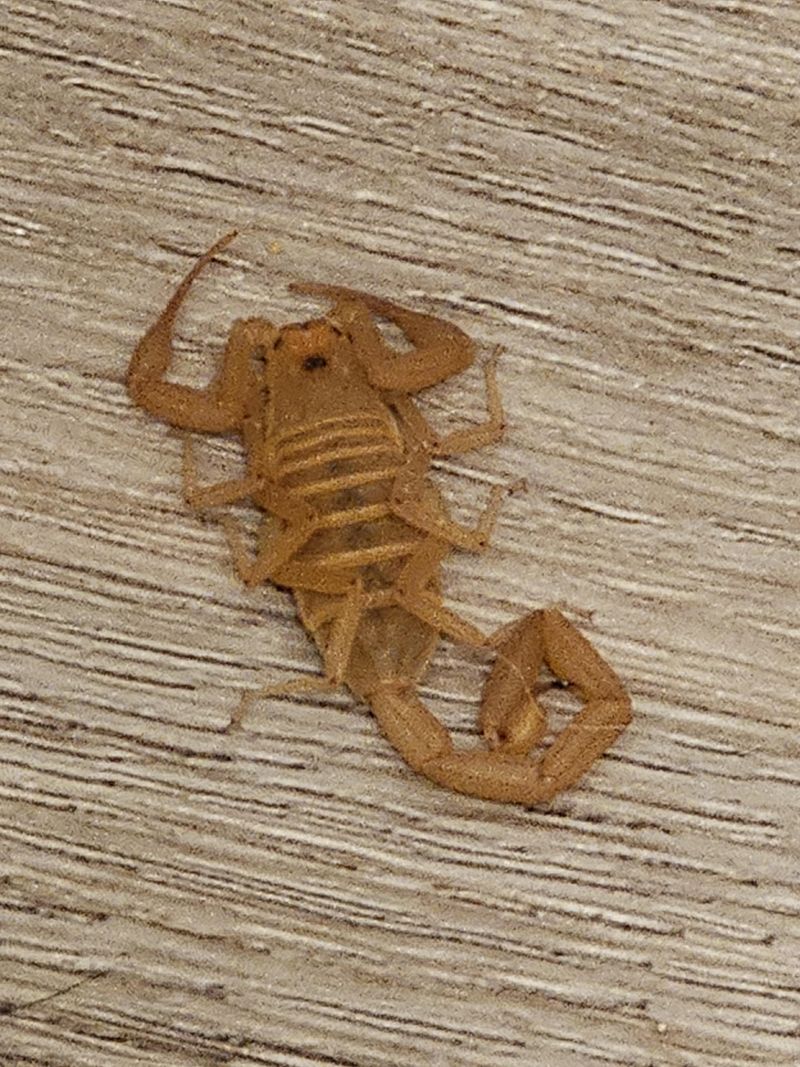
Mulch is a fantastic tool for retaining soil moisture and regulating temperature, but when it presses directly against your home and stays soaking wet, it becomes a scorpion magnet.
Wet wood mulch holds heat and moisture in a way that closely mimics natural desert debris piles.
Scorpions hide under rocks, bark, and leaf litter in the wild. Wet mulch stacked against a wall mimics that environment almost perfectly.
Worse, it gives them direct access to the exterior of your home, where they can probe for entry points.
Pull mulch back at least six inches from your exterior walls. Create a dry gravel or bare soil buffer between the mulch and the structure.
Gravel does not retain moisture the same way organic mulch does, making it a smarter choice right next to the foundation.
Watch how your irrigation system hits the mulch. If sprinklers are soaking it regularly, adjust the spray direction or reduce run time in that zone.
Mulch that dries out between waterings is far less inviting than mulch that stays consistently damp.
Rake and turn your mulch periodically. Scorpions prefer undisturbed areas, and regular disturbance makes the space less comfortable.
5. Damp Areas Near Walls Can Become Regular Scorpion Hideouts
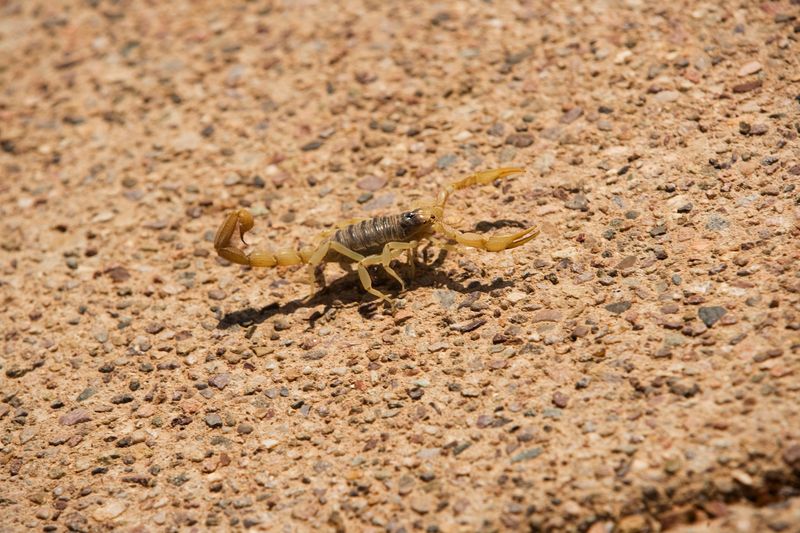
Shaded corners near exterior walls stay cooler than open areas. Add consistent moisture from nearby irrigation or runoff, and those corners become reliable scorpion hangouts.
Scorpions return to the same spots night after night when conditions stay favorable.
It is not always obvious where moisture is pooling near walls. Check shaded north-facing walls, corners near downspouts, and areas where irrigation spray drifts closer than intended.
Wet stucco at the base of walls is a clear sign moisture is accumulating where it should not be.
Redirect irrigation emitters so spray does not reach the wall itself. Fix gutters and downspouts that dump water too close to the structure.
Proper drainage channels water away from walls rather than letting it soak into surrounding soil.
Concrete and stucco absorb moisture, and that damp surface cools quickly at night. Scorpions press against cool, moist surfaces for relief from desert heat.
Keeping walls dry removes that draw entirely.
Check these spots after each watering cycle. If the ground near a wall stays wet for hours, that zone needs adjustment.
Raising sprinkler heads, shortening run times, or installing French drains can all help move moisture away from vulnerable wall areas.
6. Saturated Planting Beds Give Scorpions More Places To Hide

Planting beds packed with shrubs and perennials can be beautiful, but when they are chronically overwatered, they become layered hiding zones for scorpions. Wet soil, dense foliage, and limited airflow create conditions that are hard for scorpions to resist.
Scorpions do not just pass through planting beds. They nest in them, especially when the environment stays consistently moist.
Insects that scorpions feed on, including crickets and roaches, also thrive in saturated beds, which doubles the attraction.
Reduce watering frequency in planting beds close to the house. Most established desert shrubs handle dry spells well.
Allowing the top few inches of soil to dry out between waterings keeps the bed healthier and dramatically less hospitable to scorpions and their prey.
Space plants with airflow in mind. Tightly packed beds trap humidity at ground level.
Trimming lower branches and thinning crowded areas lets sunlight and air reach the soil, which speeds drying after each watering session.
Check the beds closest to your home first. Beds that sit within a few feet of exterior walls or entry points carry the highest risk.
Adjusting those specific zones, even if you maintain heavier watering further out in the yard, can reduce scorpion pressure near the home significantly.
7. Fixing Water Leaks Can Make The Area Less Appealing To Scorpions
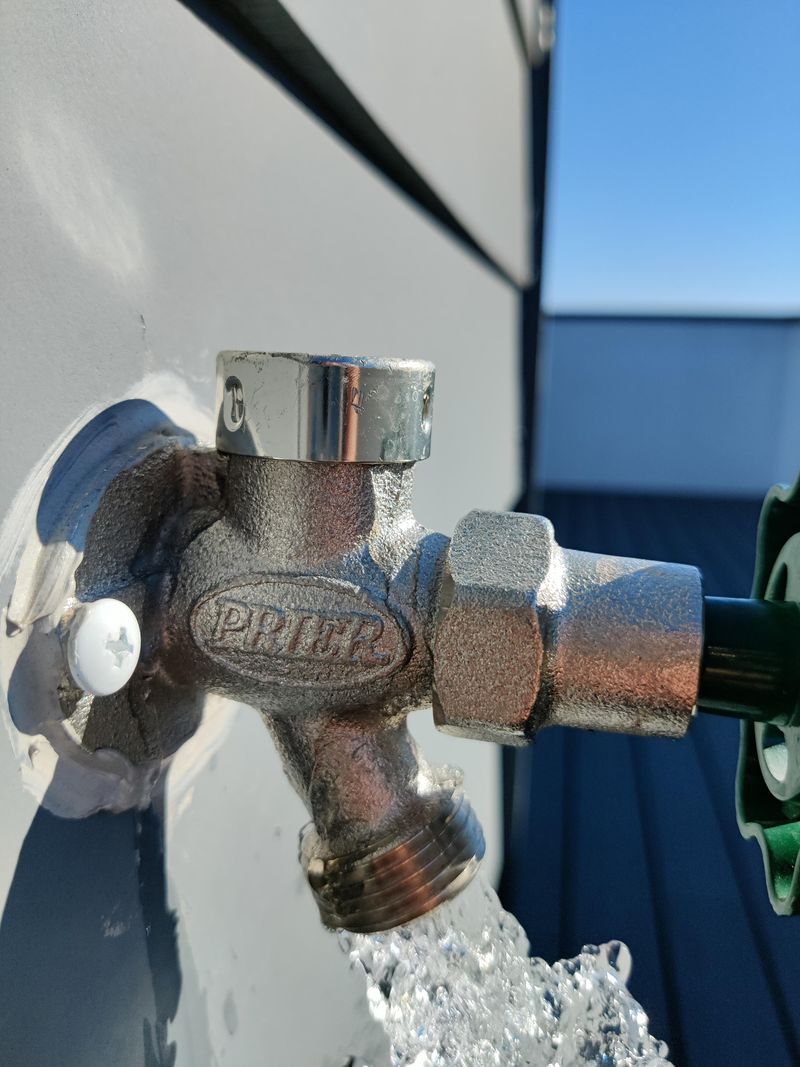
Water leaks are easy to ignore when they seem small. A dripping hose bib, a cracked emitter, or a slow seep from a pipe joint might not seem urgent.
But in a dry desert climate, even minor leaks create localized wet zones that scorpions actively seek out.
Fixing leaks removes a moisture source that scorpions depend on. Without reliable water nearby, they have less reason to stay close to your home.
Repairing leaks is one of the most direct ways to make your yard less comfortable for them.
Start with a visual check of all outdoor plumbing connections. Look at hose bibs, irrigation valves, and any exposed pipe near the foundation.
Wet soil in an otherwise dry area is a strong clue that something is leaking nearby.
Replacing worn washers, cracked emitters, or damaged tubing is inexpensive and straightforward. Most repairs can be completed with basic tools in under an hour.
Addressing them promptly prevents minor drips from soaking into the soil over days or weeks.
After repairs, monitor the previously wet areas to confirm they are drying out. Dry soil in those spots means the fix worked.
8. Nighttime Watering Keeps Soil Wet During Peak Scorpion Activity Hours
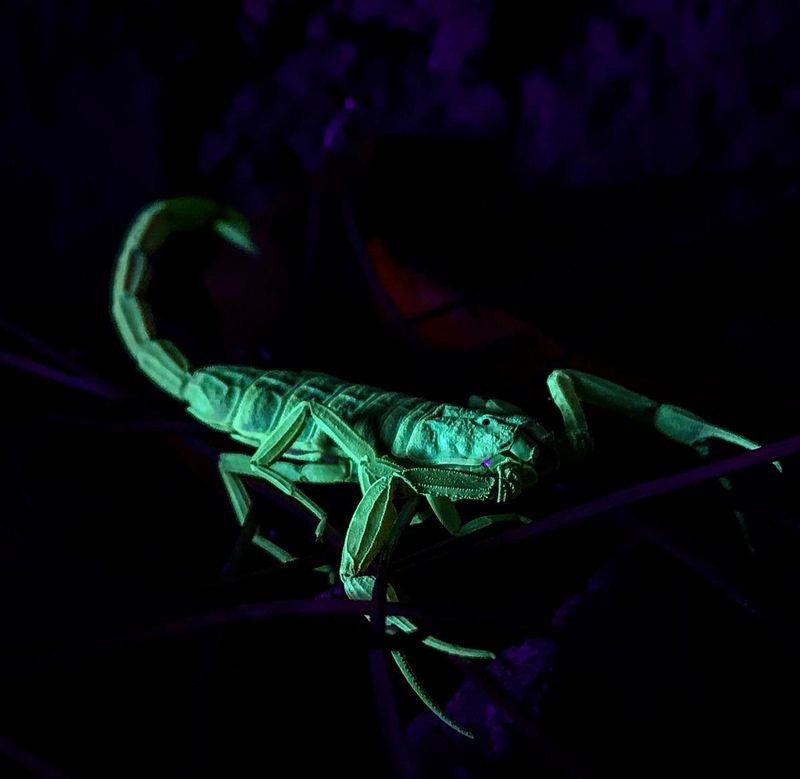
Scorpions are nocturnal. Watering at night seems water-efficient since less evaporates, but it keeps soil wet precisely when scorpions are most active and most likely to be moving through your yard looking for moisture.
Wet soil at night acts like a signal. Scorpions detect moisture through sensory receptors and will gravitate toward damp zones while hunting.
Nighttime watering essentially refreshes that signal right when scorpion activity peaks.
Shifting your watering schedule to early morning changes the dynamic significantly. Soil wetted in the early hours has the entire day to begin drying.
By evening, the surface layer is much drier, which makes the yard less attractive to scorpions moving around after dark.
Check your irrigation timer settings. Many homeowners set timers years ago and never revisit them.
Switching a late-night cycle to a pre-dawn or early morning window is a quick adjustment that costs nothing and can make a real difference.
Morning watering also benefits plants. Water absorbs before afternoon heat spikes, reducing stress on roots and foliage.
Healthier plants with drier nighttime soil conditions means your yard is working smarter on two fronts at once.
Pairing a schedule change with reduced watering frequency compounds the benefit.