Why Fire Ant Mounds Take Over Virginia Yards With Every Summer Storm
Bare feet sink into wet grass, and the yard smells like iron and fresh mud. Then you see them.
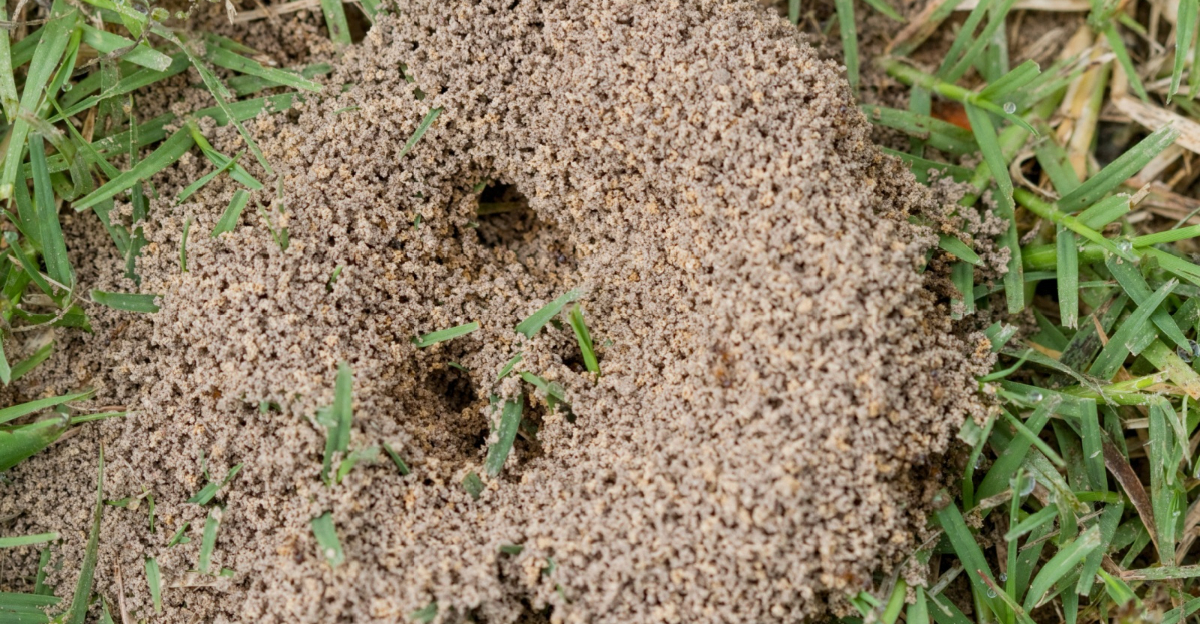
Dozens of pale dirt towers rising from the lawn like something restless clawed its way up overnight. Virginia did this to you.
Rain falls and fire ants treat your property like a permitted construction zone, moving with purpose and precision. Why does every storm trigger a full-scale ant uprising?
The science is far more fascinating than you’d expect. Fire ants aren’t just enduring the flood, they’re using it to their advantage.
Water pressure forces entire populations upward and they respond with remarkable speed. Each mound you see represents a calculated response, not chaos but pure strategy.
You live in Virginia long enough and you learn this game has rules nobody ever warned you about.
They regroup, rebuild, and spread further unless you understand exactly what drives them. Keep reading, because what you discover next will genuinely surprise you.
Rain Pushes Fire Ant Colonies To The Surface
After a hard summer rain, fire ant mounds seem to appear out of nowhere. The ground gets flooded fast, and these ants have no choice but to move up.
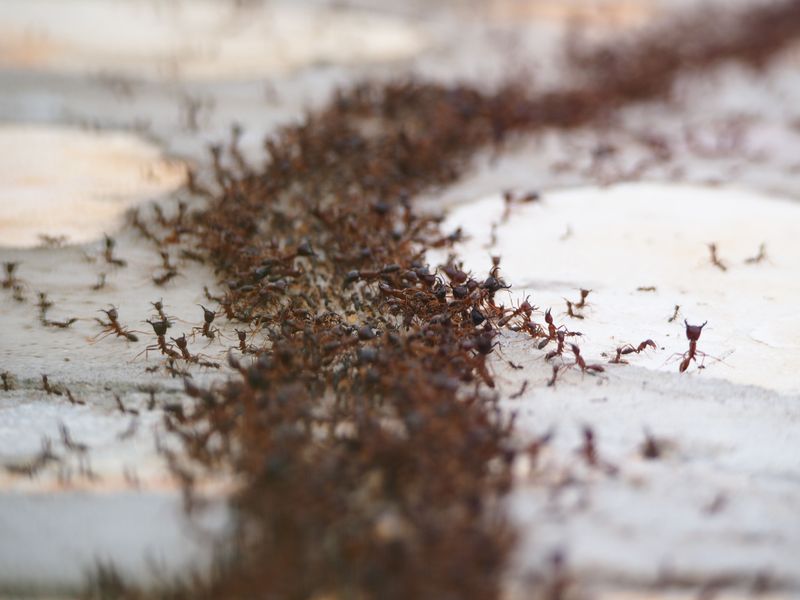
Water fills the tunnels deep inside a colony almost instantly. The ants sense the rising moisture and begin relocating their entire operation toward drier ground above.
Think of it like a basement flood, but for bugs. Every worker ant grabs larvae, eggs, and supplies to carry upward.
Workers instinctively move toward the queen and protect her during relocation. Her presence drives the entire operation, so she is always among the first to reach higher ground.
What looks like a fresh mound is actually a rescued colony rebuilding its home. The storm did not create new ants, it just forced existing ones into view.
Fire ant mounds in Virginia yards become highly visible right after rainfall because the ants pack soil tightly near the surface. This creates those dome-shaped hills that seem to appear from nowhere.
The mound also acts as a solar collector, absorbing heat to help regulate colony temperatures. This is especially useful during the cooler mornings that often follow a summer storm.
Ants are surprisingly clever engineers when conditions demand it. Knowing this pattern helps homeowners act faster after each storm.
Spotting new mounds early gives you the upper hand before the colony settles back in.
Wet Soil Makes Mound-Building Faster Than You Think
Damp soil is basically the perfect building material for fire ants. It moves easily, sticks together well, and lets them construct fast.
Dry, hard ground slows their progress significantly. But after summer storms, that same yard turns into a soft, workable surface that ants can reshape in hours.
Fire ants are remarkably efficient builders when conditions are right. A colony can raise a new mound structure in less than a day when the ground is moist enough.
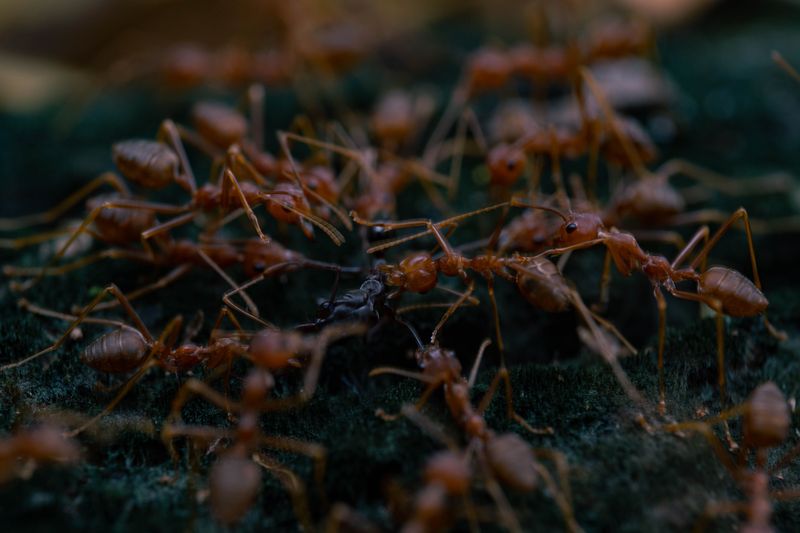
Each worker ant moves individual grains of soil using its mandibles. Multiply that effort by thousands of workers and you get rapid construction.
Your Virginia Garden Changes Every Week. Your Plan Should Too.
Gardening in Virginia changes quickly throughout the season. Every Friday you’ll receive a simple weekly plan showing exactly what to plant, prune, fertilize, harvest, and protect so you never miss the right timing.
Wet soil also allows deeper tunneling underneath the visible mound. The underground network extends well below the visible mound and spans a wider area than most homeowners expect.
This matters because treating only the surface mound misses most of the colony. The real action happens below where you cannot see it.
Fire ant mounds in Virginia yards grow taller and wider during rainy summer weeks. Homeowners often notice the size doubling between one storm and the next.
Loose, post-storm soil also makes it easier for ants to create ventilation shafts. These shafts help regulate heat and humidity inside the mound.
For liquid drench treatments, damp soil is your ally. The moisture helps the solution travel deeper into the tunnel system than dry, compacted ground ever would.
Bait treatments are different. Apply those when soil is dry and ants are actively foraging, since wet bait loses effectiveness quickly.
One Colony Creates Multiple Mounds Across Your Yard

Spotting one mound and thinking the problem is contained is a common mistake. A single fire ant colony can maintain several mounds at the same time.
These satellite mounds are all connected underground. Workers, eggs, and even queens move between them through hidden tunnels beneath your grass.
This network strategy protects the colony from predators and bad weather. If one mound gets damaged or treated, the colony simply shifts to another location.
Rain accelerates this spreading behavior noticeably. Flooded tunnels push ants outward in multiple directions, creating new surface mounds as they go.
You might treat three mounds and feel victorious, only to find two new ones the next morning. That is the satellite system at work.
Fire ant mounds across Virginia yards multiply faster in summer because the warm, wet conditions support rapid colony expansion. The ants are not randomly wandering.
Chemical signals guide each worker with remarkable precision, producing results that look a lot like a coordinated plan.
Each mound serves a specific function within the colony structure. Some house the queen, others store food, and some act as nurseries for developing larvae.
Understanding this layout changes how you approach treatment. Targeting just the visible mound without addressing the underground network rarely solves the problem long-term.
A thorough yard inspection after every major storm helps map the full colony footprint. Treating all visible mounds at once gives you a far better outcome.
Rain Triggers Swarming And New Colony Formation
Not every flying ant you see after a storm is a harmless nuisance. Some are fire ant reproductives, also called alates, ready to start brand new colonies.
Rain acts like a biological alarm clock for these winged ants. Warm, humid air following a storm is the exact signal they need to take flight.
A single mating flight can result in dozens of new queens landing across your neighborhood. Each one carries everything needed to establish a fresh colony from scratch.
Male alates die shortly after mating, but the queens survive and get to work immediately. Within hours, a newly mated queen can begin laying eggs underground.
This is why fire ant mounds across Virginia yards seem to multiply so persistently after summer storms. It is not just existing colonies spreading, it is entirely new ones starting up.
Swarming events often go unnoticed because the winged ants blend in with other flying insects. By the time you spot the first mound, the queen has already been underground for days.
Warm Virginia summers create near-perfect swarming conditions multiple times per season. Each major rain event can trigger another wave of colony formation.
Staying alert after storms and watching for unusual ant activity near soil helps catch new colonies early. Early intervention stops a new queen before her workforce grows too large to manage.
Multi-Queen Colonies Spread Far More Rapidly
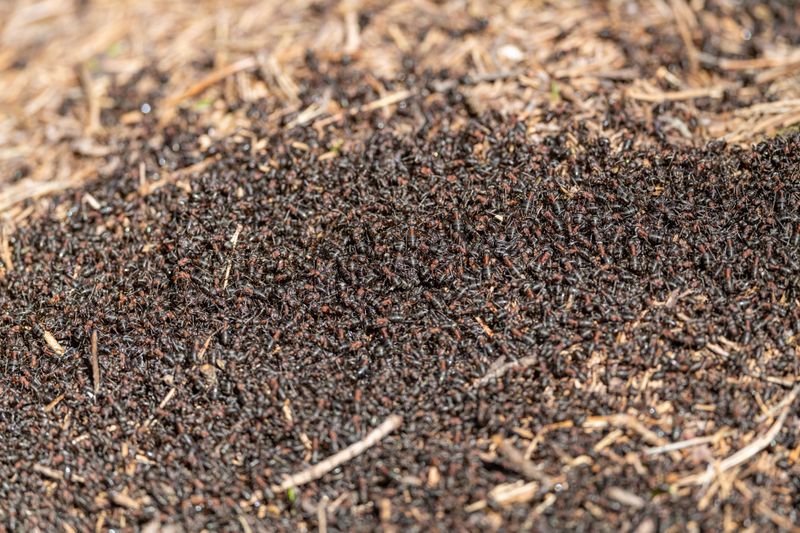
Not all fire ant colonies follow the same rulebook. Some colonies have just one queen, but others have dozens or even hundreds of unrelated queens, and that difference changes everything.
Multi-queen colonies, called polygyne colonies, spread in a totally different way than single-queen ones. Instead of mating flights, new queens simply walk to a nearby spot and start laying eggs.
This pedestrian expansion means new mounds pop up just a few feet from existing ones. After a summer storm softens the soil, this walking spread accelerates dramatically.
Single-queen colonies typically produce 40 to 80 mounds per acre. Polygyne colonies can harbor 200 to 800 or more mounds per acre, which explains why some yards seem completely overrun.
The workers from different mounds in a polygyne colony do not fight each other. They share resources and even exchange queens, making the whole network more resilient.
Standard treatments designed for single-queen colonies often underperform against polygyne setups. The sheer number of queens means eliminating one does not collapse the colony.
Fire ant mounds in multi-queen situations require a broader, more persistent treatment strategy. Baits that workers carry back to multiple queens tend to work better here.
Recognizing whether your infestation is polygyne helps you choose the right approach. Tight clusters of mounds appearing after each storm are a strong clue you are dealing with a multi-queen situation.
A Queen Needs Almost Nothing To Start A New Mound

A newly mated fire ant queen is remarkably self-sufficient. She lands after a mating flight carrying stored fat, fertilized eggs, and everything she needs to begin.
She needs no workers, no food source, and no existing structure to begin. Her body provides all the energy required to lay the first batch of eggs.
She seals herself into a tiny underground chamber and begins raising her first workers entirely alone. Those initial workers are small, but they start foraging immediately once they emerge.
Within weeks, a single queen can go from a lone ant in the dirt to running a colony of hundreds. By the end of summer, that number can climb into the thousands.
Summer storms help this process enormously by softening soil for easy digging. A queen can establish her founding chamber in moist post-storm ground with very little effort.
This low barrier to entry explains why fire ant mounds across Virginia yards seem to multiply so persistently each season. Every storm is a new opportunity for a queen to get started.
Shaded, moist areas near garden beds or lawn edges are favorite founding spots. These locations stay damp longer after rain, giving new queens more time to establish safely.
Keeping lawn edges trimmed and reducing excess moisture near borders limits ideal founding spots. Small adjustments to your yard can make it significantly less welcoming to a new queen looking for a home.
How To Protect Your Virginia Yard After Every Summer Storm
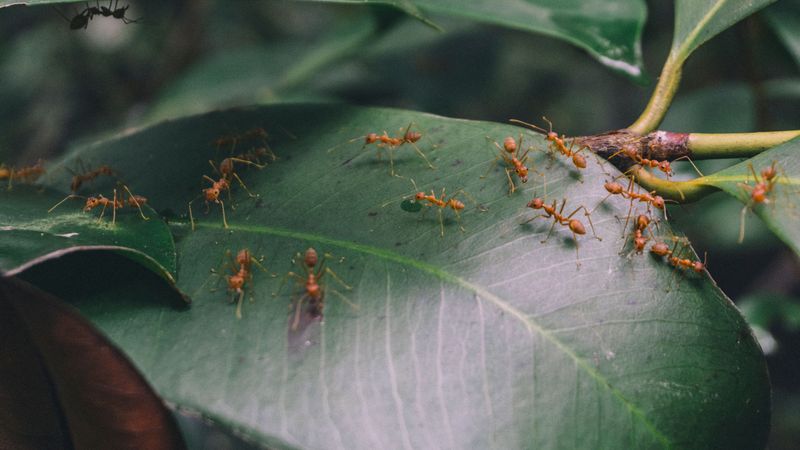
Armed with knowledge, you can actually get ahead of fire ant mounds instead of just reacting to them. A post-storm yard check should become part of your routine.
Walk your lawn within 24 hours after any significant rain event. Fresh mounds are easier to spot when the soil is still dark and damp.
Broadcast bait treatments across the full yard work better than treating individual mounds. Workers carry the bait back underground, reaching queens that direct mound treatments never touch.
Apply bait in the late afternoon or evening hours when ants are actively foraging. Morning application risks bait spoiling in the midday sun before ants retrieve it. Wet bait loses effectiveness quickly, so timing matters a lot.
Mound drench treatments work well for fast knockdown of visible colonies. Pour the solution slowly to allow deep penetration into the underground tunnel system.
Combining a broadcast bait with targeted mound treatments gives you the best results. This two-step approach addresses both the visible problem and the hidden colony below.
Repeat treatments are almost always necessary in Virginia because summer storms keep triggering new activity. A single treatment rarely holds for an entire season.
Staying consistent is the real secret to managing fire ant mounds in your yard long-term. Every storm is a reminder to check, treat, and stay one step ahead of these persistent insects.