What It Really Means When Carpenter Bees Start Visiting Your Missouri Porch
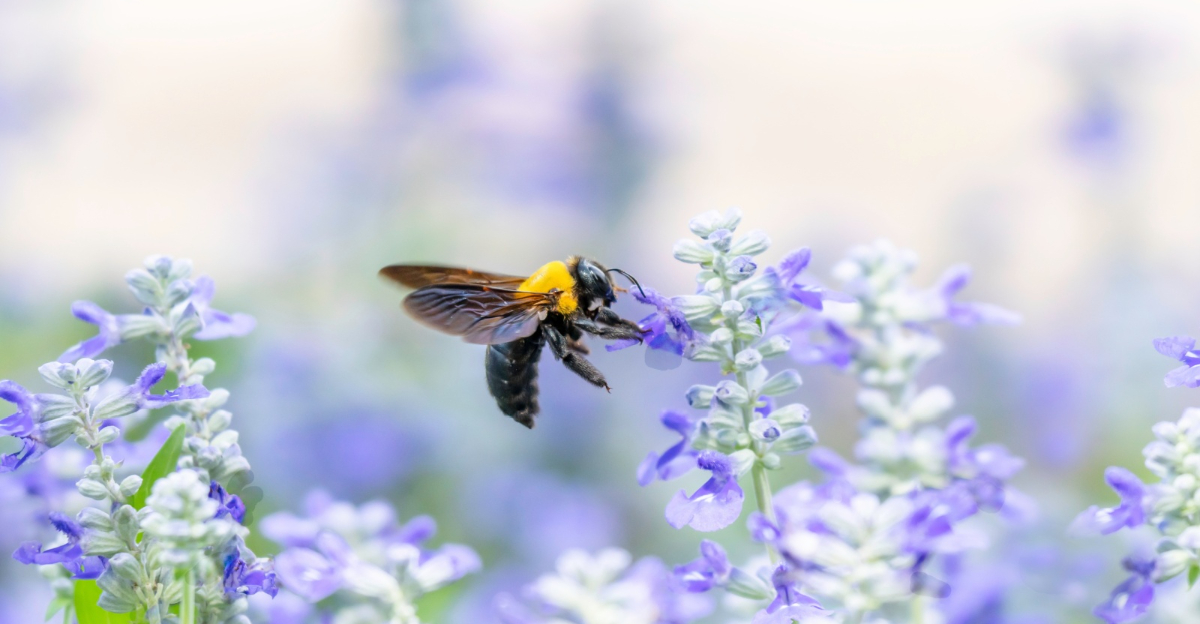
It floated three inches from my face, jet black and the size of a grape, silent in that curious way. Not a bumblebee, not a wasp.
A carpenter bee, and it had absolutely claimed my porch. I stepped back and it followed. I stepped left and it tracked me. Carpenter bees in Missouri don’t just show up.
They choose you. Your wood, your exposed grain, your untreated fascia. This is a diagnosis, not a coincidence.
Why does your porch keep making the shortlist? Missouri homeowners deal with this every year, and most ignore it while a few panic.
The smart ones learn what the bee is actually telling them and act before the damage compounds. What follows is everything that bold little visitor is trying to say.
Your Wood Is Unpainted Or Weathered
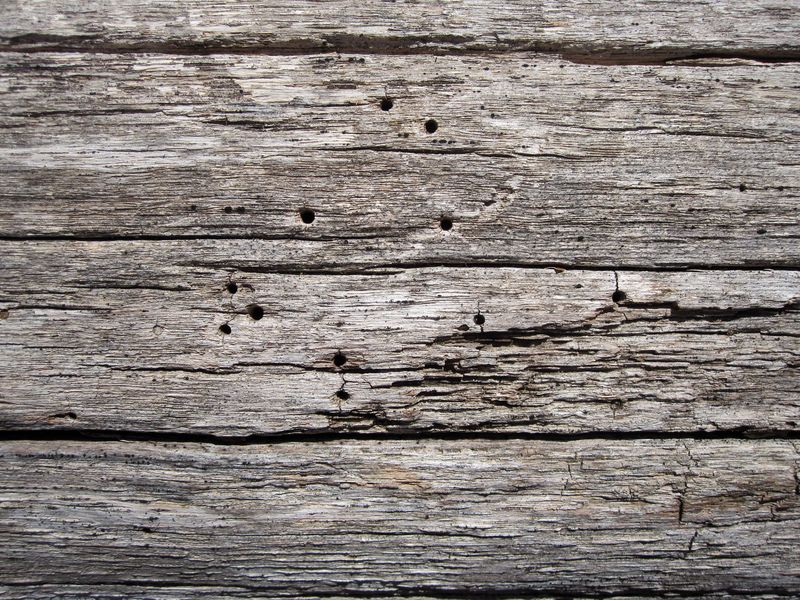
Bare wood is basically a welcome sign for carpenter bees. If your porch boards are unpainted, cracked, or graying from sun exposure, your porch becomes a highly appealing target for these insects.
Carpenter bees do not eat wood, but they love boring into it. Soft, exposed grain makes their job much easier than sealed or painted surfaces.
Weathered wood loses its protective barrier over time. Moisture seeps in, fibers loosen, and the surface becomes almost spongy in spots.
That texture is exactly what a nesting bee is looking for. Think of it as the difference between digging in dry clay versus loose garden soil.
Painted wood is not foolproof, but it does act as a deterrent. A smooth, sealed surface forces the bee to work harder, and many will move on to easier options.
Staining alone does not offer the same protection as a thick coat of exterior paint. Bees can still tunnel through lightly stained boards with minimal effort.
If you notice bees hovering near specific spots on your porch, check those boards closely. You may find small, round holes about the size of a dime already forming.
Repainting or sealing exposed wood is one of the simplest ways to reduce carpenter bee activity. Staying ahead of weathering each season keeps your porch less inviting to these persistent explorers.
It Is Nesting Season (Spring And Early Summer)
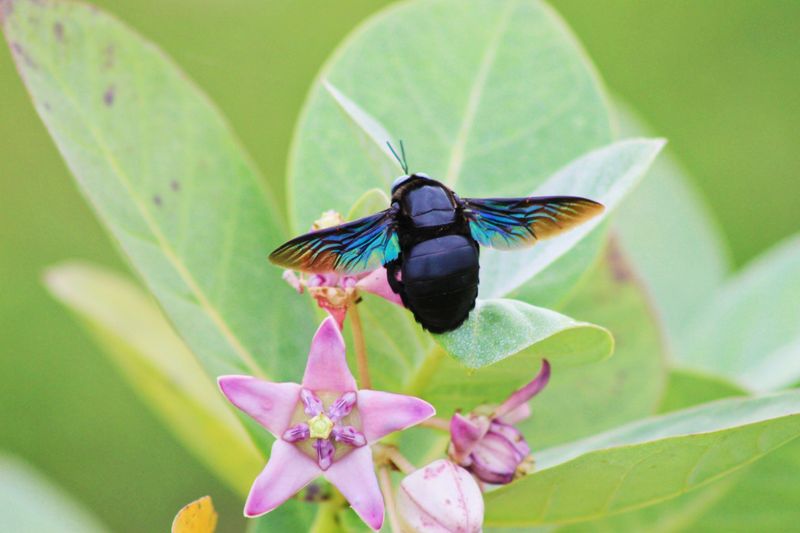
Every spring, like clockwork, carpenter bees emerge from their winter hideouts ready to nest. In Missouri, that window typically runs from late April through June, and it is peak activity time.
Seeing bees on your porch during this stretch is not a coincidence. They are actively scouting for the best location to raise the next generation.
Female carpenter bees do all the hard work. They bore tunnels, gather pollen, lay eggs, and seal off chambers with a paste-like substance called bee bread.
Males, on the other hand, mostly hover and bluff. They look intimidating but lack a stinger, so their big show is really just theater.
The timing of their visits matters a lot. If you spot them in early spring, nesting has likely just begun, and you still have time to intervene before tunnels deepen.
Your Missouri Garden Changes Every Week. Your Plan Should Too.
Gardening in Missouri changes quickly throughout the season. Every Friday you’ll receive a simple weekly plan showing exactly what to plant, prune, fertilize, harvest, and protect so you never miss the right timing.
Once eggs are laid and chambers are sealed, the process is much harder to reverse. Acting quickly in early spring gives you the most options.
Temperature plays a big role too. Carpenter bees become active when daytime temps consistently reach the mid-60s to 70 degrees Fahrenheit.
Watching the calendar alongside the thermometer helps you predict when these bees will show up. Being prepared before they arrive beats scrambling once the drilling starts.
You Have Softwood Construction (Pine, Cedar, Fir)
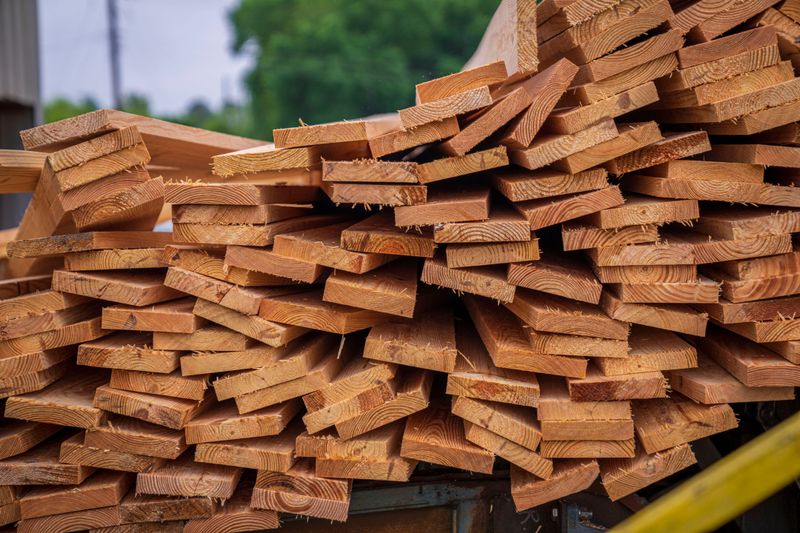
Not all wood is created equal in the eyes of a carpenter bee. Softwoods like pine, cedar, and fir are the top picks because they are simply easier to work with.
If your porch was built with any of these materials, you are living with prime real estate from a bee perspective. The softer the grain, the less effort required to bore a tunnel.
Cedar is especially popular in Missouri porch construction because it resists rot naturally. But that same fibrous, lightweight structure makes it a dream material for nesting insects.
Pine is another common culprit. It is affordable, widely available, and unfortunately quite soft, which means carpenter bees can get through it surprisingly fast.
Fir sits in a similar category. It holds paint well, but its grain structure offers little natural resistance to boring insects.
Hardwoods like oak or pressure-treated lumber are far less attractive to carpenter bees. The density makes tunneling much more labor-intensive, and bees prefer efficiency.
If your porch is already built from softwood, you are not out of luck. Painting, sealing, and filling old holes can significantly reduce the appeal.
Knowing your wood type helps you understand why bees keep coming back year after year. Swapping out the most damaged softwood boards for harder alternatives during repairs is a smart long-term move.
Old Tunnels Are Already In The Wood
Carpenter bees are creatures of habit, and old tunnels are a strong signal drawing new bees back to the same spot. If previous generations nested in your wood, new bees will find those same spots and move right in.
Each season, returning females often expand existing tunnels rather than starting fresh. What begins as a small entry hole can eventually become a network of branching galleries inside the wood.
The entry hole is always round and perfectly smooth, about half an inch across, roughly the size of a pencil eraser. Below it, you will usually find a small pile of sawdust-like frass, which is a telltale giveaway.
Tunnels run parallel to the wood grain and can stretch from six inches to well over a foot in established galleries. A single beam can weaken significantly over several seasons.
Filling old holes is one of the most effective prevention steps you can take. Steel wool, wood putty, or caulk packed into the opening discourages reentry and protects the structural integrity of the wood.
Timing matters when filling holes. Wait until late summer or fall, after the current season’s bees have emerged, to avoid trapping them inside. Leaving old tunnels open is an open invitation for the next spring.
Bees are strongly drawn back to previously used sites, likely guided by residual scent traces and the physical presence of an existing opening.
Sealing those entry points breaks the cycle and sends bees searching elsewhere. A little fall maintenance goes a long way toward protecting your porch.
The Wood Is Thick Enough To Tunnel Into (2 Plus Inches)
Thin boards do not attract carpenter bees the way thick ones do. These insects need enough depth to build a proper nesting gallery, and that requires wood that is at least two inches thick.
Structural posts, large beams, and thick deck boards are the most vulnerable. These pieces offer the space a female needs to create multiple egg chambers in a single tunnel.
A standard nesting tunnel starts with a vertical entry hole, then turns and runs horizontally with the grain. That right-angle design requires significant depth to work properly.
Thinner boards, like one-inch fence slats or decorative trim, are usually passed over. They simply do not offer enough room for a complete nesting setup.
This is why porch fascia boards, railings, and overhead beams take the most damage. They are often the thickest exposed wood elements on a residential structure.
Replacing thick structural pieces is expensive and disruptive. That is why prevention is far more practical than waiting for damage to reach a critical level.
Wrapping thick beams with aluminum flashing or vinyl covers is one approach some homeowners use. It removes the exposed wood surface entirely, leaving bees with nothing to bore into.
Understanding wood thickness as a factor helps you prioritize where to focus your protective efforts. Your thickest boards deserve the most attention, not just the ones that look the most weathered.
Males Are Patrolling And Defending Territory
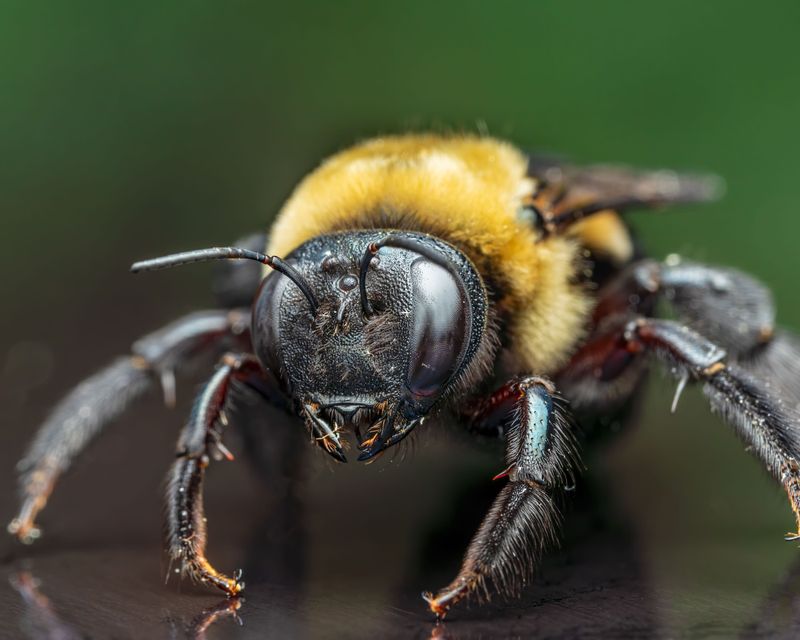
That bee flying straight at your face when you walk outside? That is almost certainly a male, and he is all bark and no bite.
Male carpenter bees have no stinger, so their dramatic hovering is pure performance. Males emerge slightly before females each spring.
Their job is to stake out territory, chase away rivals, and position themselves near nesting sites to attract mates.
They are incredibly bold and will fly directly toward humans, pets, and even passing birds. The behavior can feel threatening, but there is zero sting risk from a male.
Female carpenter bees are the ones capable of stinging, but they rarely do unless directly handled. They spend most of their time focused on nesting, not confrontation.
Watching male behavior can actually help you locate nesting activity. They hover near the entry points females are using, so tracking their flight path often leads you straight to the problem area.
Males tend to patrol the same small zone repeatedly throughout the day. They are surprisingly predictable, which makes them easy to observe once you know what to watch for.
Some homeowners hang decoy wasp nests or use reflective tape near porch areas to disrupt territorial behavior. Results vary, but these options are worth trying before reaching for chemical treatments.
Learning to read male patrol behavior turns a startling encounter into useful information. Knowing where they hover most tells you exactly where your porch needs attention.
Flowers Are Nearby Providing A Food Source
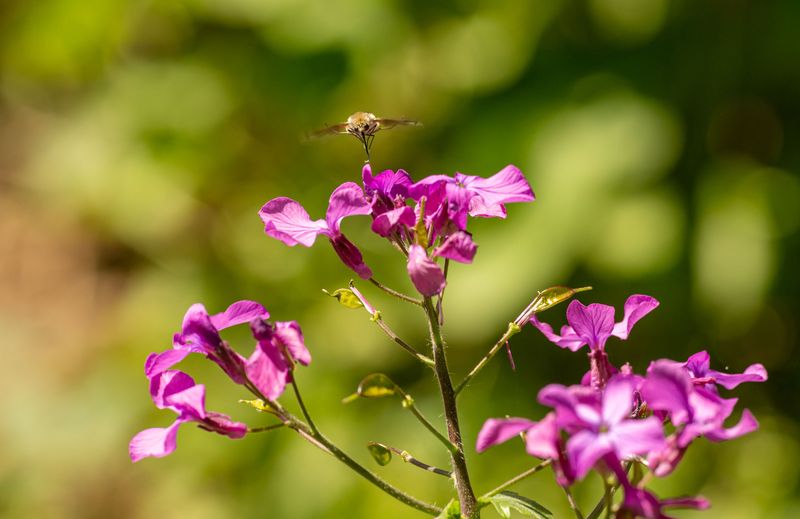
Carpenter bees are pollinators first and nesters second. If your porch sits next to a flower bed, a blooming shrub, or a garden full of native plants, you have created a neighborhood they cannot resist.
These bees are especially drawn to open, tubular flowers like coneflowers, black-eyed Susans, and wisteria. Missouri gardens are often full of exactly these kinds of blooms in late spring and summer.
The proximity of food to nesting material is a big deal for any animal. Having both within a few feet of each other makes your porch an all-inclusive destination.
Carpenter bees are actually fantastic pollinators. They use a technique called buzz pollination, vibrating their bodies at a specific frequency to shake pollen loose from flowers.
Some plants, like tomatoes and blueberries, benefit greatly from this method and produce far better yields when buzz pollinators are present.
So while these bees may frustrate homeowners, they are doing meaningful ecological work nearby.
You do not have to remove your garden to reduce bee activity near the porch. Relocating the most attractive plants a bit farther from the structure can help shift where bees spend most of their time.
Planting a separate pollinator garden away from the house gives them a destination that does not involve your railings. It is a compromise that works well for both sides.
When carpenter bees start visiting your Missouri porch near blooming flowers, it signals a thriving outdoor space. Redirect their attention, and everyone benefits from the arrangement.