Dwarf Conifers That Thrive In Tight North Carolina Garden Spaces
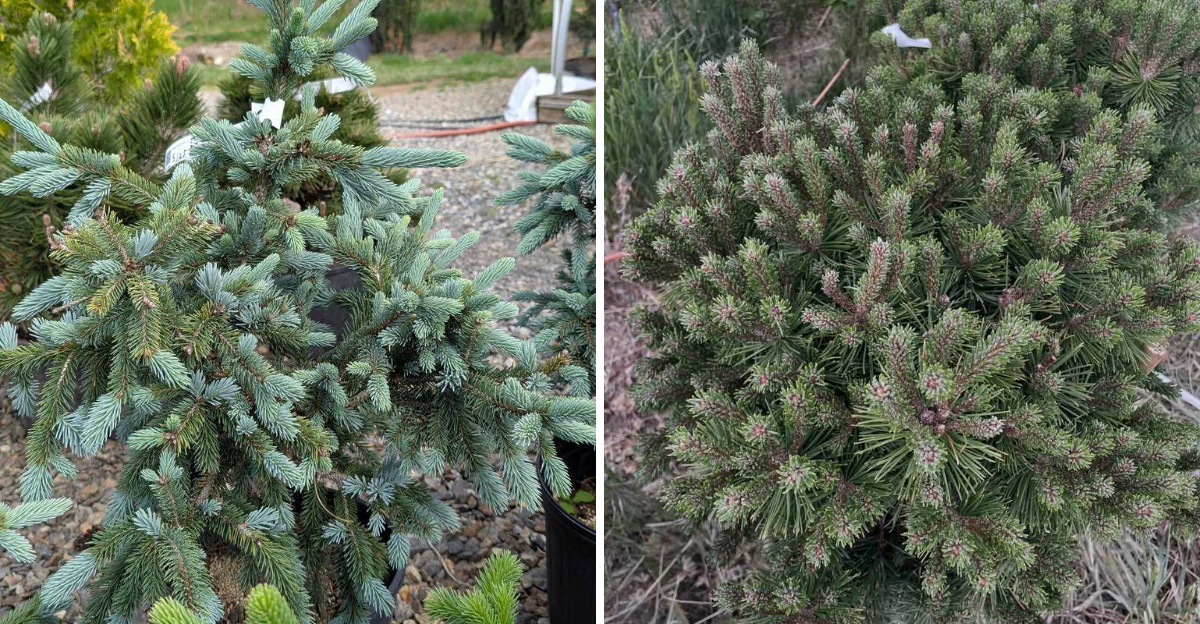
Small garden spaces in North Carolina come with a specific challenge that larger properties never have to worry about.
Every plant choice carries more visual weight, and anything that outgrows its spot creates a problem that is expensive and disruptive to correct after the fact.
Dwarf conifers solve a lot of those problems elegantly, offering year-round structure, interesting texture, and a wide range of forms that work beautifully in tight borders, foundation plantings, and container arrangements.
The key is selecting varieties that are genuinely suited to North Carolina’s heat and humidity rather than ones bred for cooler climates that struggle here past their first or second summer.
The right selections stay exactly the size they are supposed to stay and look better with each passing year.
1. Dwarf Alberta Spruce
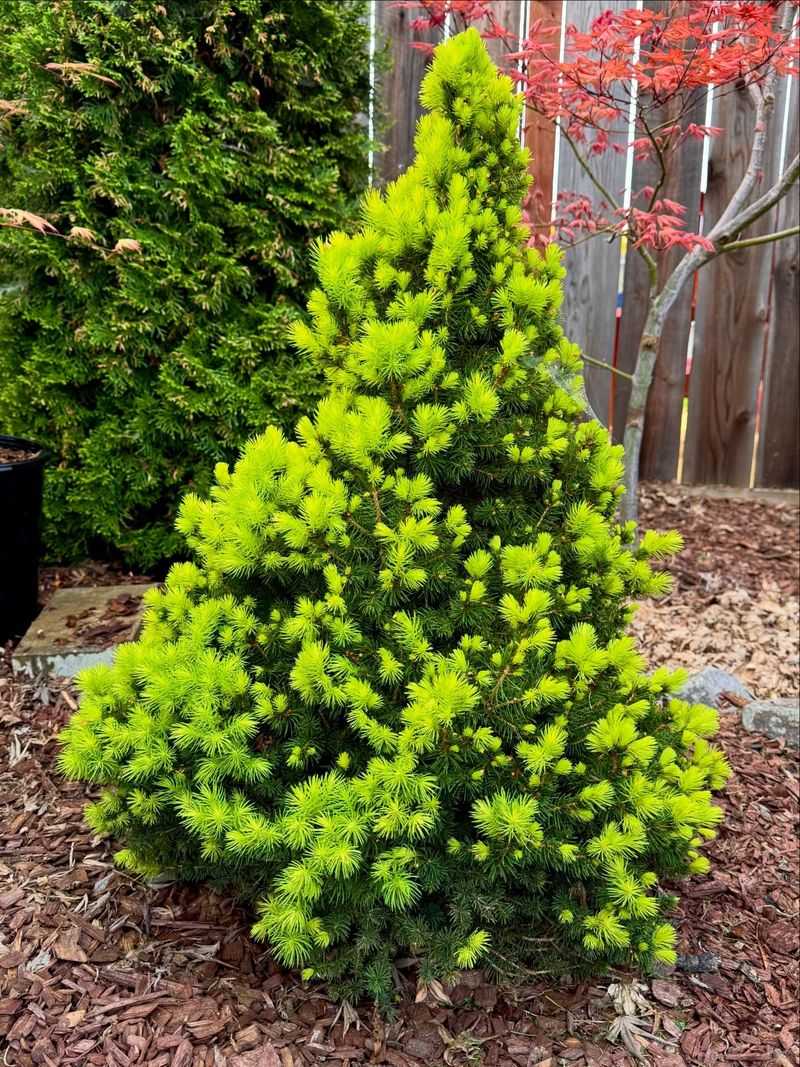
Few plants pull off “naturally perfect” the way Dwarf Alberta Spruce does. Its tight, symmetrical cone shape looks almost sculpted, yet it grows that way all on its own without any pruning.
That alone makes it a standout choice for homeowners who want a polished look without a lot of effort.
This slow grower typically adds only two to four inches per year, eventually reaching six to eight feet tall over many decades. In a tight North Carolina garden, that kind of patience is a real asset.
You get a strong visual anchor without worrying about it outgrowing its space anytime soon.
Picea glauca ‘Conica’ thrives in full sun and prefers well-drained, slightly acidic soil, which is very common across North Carolina’s Piedmont and mountain regions.
It handles the region’s clay-heavy soils better when amended with compost and planted on a slight raised berm to prevent standing water around the roots.
Watering deeply once a week during dry spells keeps it healthy through hot Carolina summers. Mulching around the base helps lock in moisture and keep soil temperatures steady.
Avoid planting it in areas with reflected heat from walls or pavement, as prolonged heat stress can cause needle browning on the inner branches.
Spider mites can occasionally be an issue during dry, hot stretches, but a strong blast of water from the hose usually handles them without chemicals.
Overall, this conifer is one of the most reliably low-maintenance choices available for small North Carolina gardens.
2. Hinoki Cypress
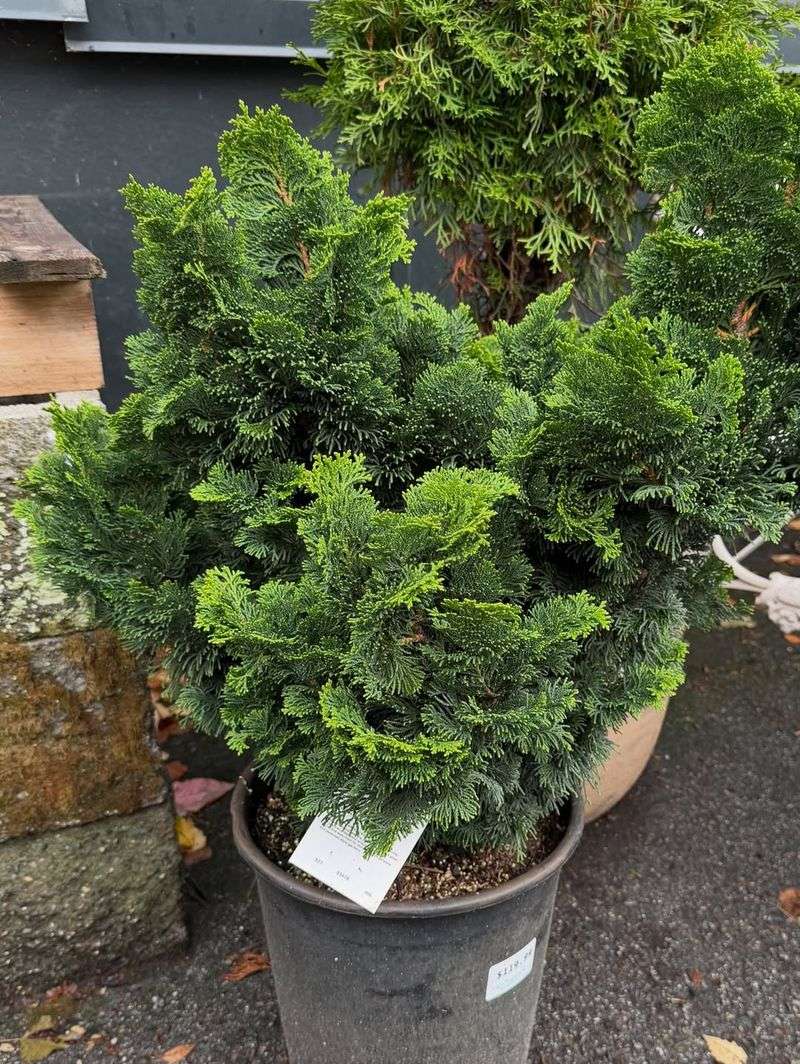
There is something almost meditative about Hinoki Cypress. Its dark, fan-shaped foliage fans out in elegant horizontal layers, giving it a look that feels both ancient and refined.
Gardeners who love Japanese-inspired landscapes often reach for this plant first, and it is easy to understand why.
Chamaecyparis obtusa ‘Nana’ is one of the slower-growing dwarf selections, typically reaching only two to three feet tall and wide over ten years.
That makes it ideal for tucking into tight corners, planting along narrow borders, or even growing in a large container on a patio. Its compact footprint never feels like a compromise.
In North Carolina, this cypress does best with partial to full sun and well-drained soil. It appreciates some afternoon shade in the hotter parts of the state, particularly in the Sandhills and coastal plain where summer heat lingers well into September.
Your North Carolina Garden Changes Every Week. Your Plan Should Too.
Gardening in North Carolina changes quickly throughout the season. Every Friday you’ll receive a simple weekly plan showing exactly what to plant, prune, fertilize, harvest, and protect so you never miss the right timing.
A little shade protection goes a long way in keeping the foliage looking its richest green.
Consistent moisture is key during the first two growing seasons while the roots establish. After that, it becomes reasonably drought-tolerant and needs far less attention.
Mixing organic compost into the planting hole gives the roots a healthy start and improves drainage in dense clay soils.
One fun detail many gardeners notice is a faint, pleasant fragrance when the foliage is brushed or trimmed. It is a small sensory bonus that makes working around this plant genuinely enjoyable.
Hinoki Cypress is a quiet showstopper that earns its place in any small garden.
3. Japanese Garden Juniper
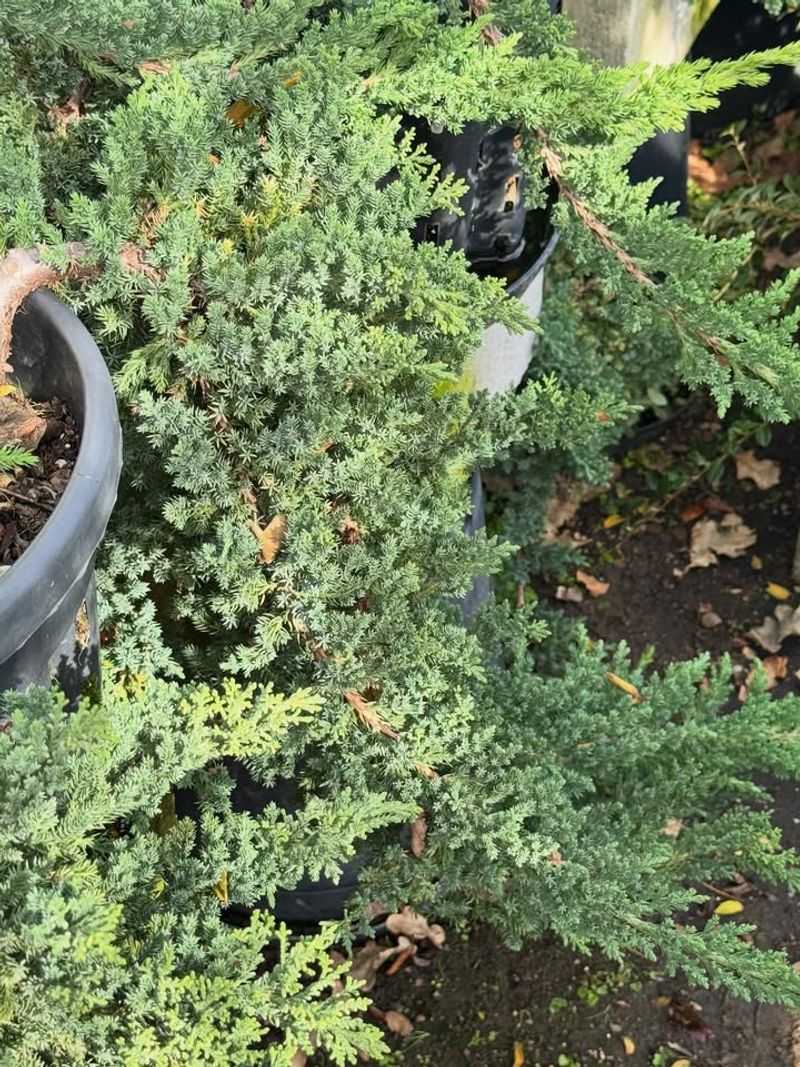
Tough, adaptable, and effortlessly beautiful, Japanese Garden Juniper is the kind of plant that makes a small space feel intentional. It spreads low and wide, hugging the ground in a dense mat of blue-green needles that stay vibrant all year long.
Gardeners who struggle with slopes, rocky patches, or awkward garden edges will find this plant an instant solution.
Juniperus procumbens ‘Nana’ typically grows six to twelve inches tall while spreading two to four feet wide over time. That low profile makes it excellent for ground-level interest without blocking sightlines or crowding neighboring plants.
It works beautifully along walkways, at the base of retaining walls, or spilling over the edges of raised beds.
Full sun is where this juniper truly thrives. It handles North Carolina’s summer heat with ease and is notably drought-tolerant once established, which is a huge benefit during the state’s occasional dry stretches.
Sandy or loamy soils suit it perfectly, though it adapts to clay if drainage is improved at planting time.
One of the best things about this plant is how little maintenance it requires. No regular pruning is needed, and it rarely deals with serious pest or disease issues.
An annual light trim to shape wayward branches is all most gardeners ever do with it.
Did you know this juniper is actually native to Japan’s coastal cliffs and rocky hillsides? That rugged origin explains why it handles tough conditions so gracefully.
For tight North Carolina spaces that need reliable, year-round ground coverage, this is a top-tier pick.
4. Dwarf Japanese White Pine
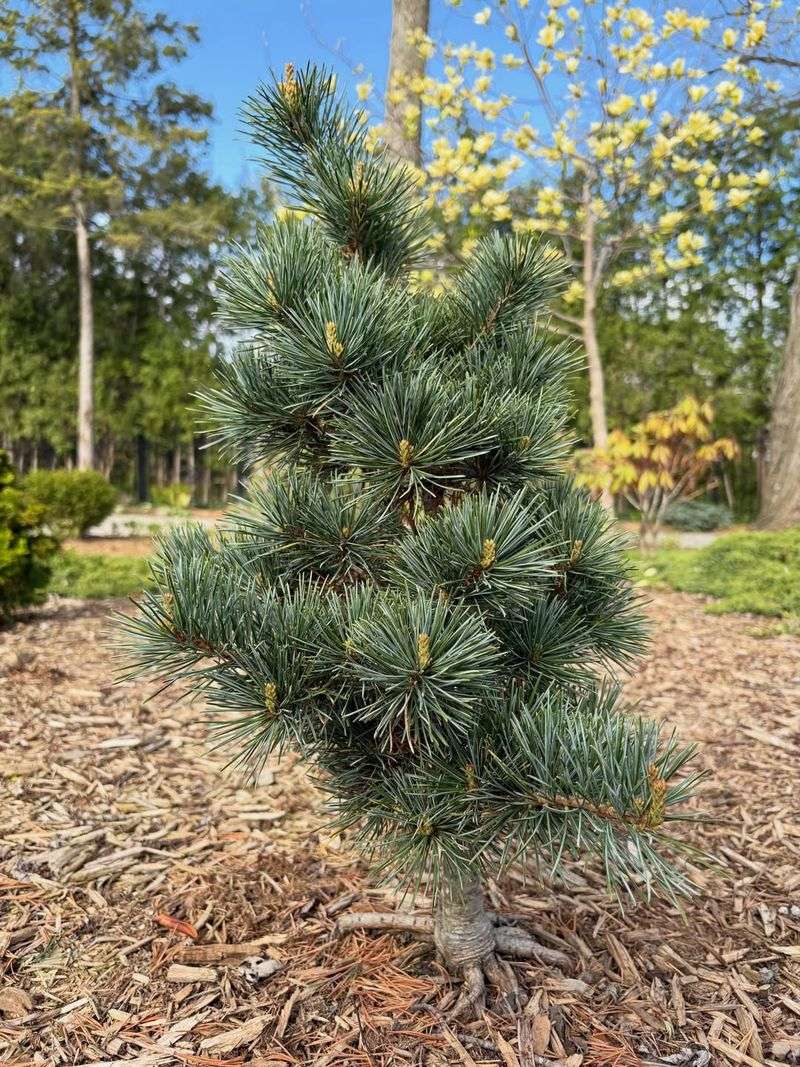
Sculptural, silvery, and quietly dramatic, Dwarf Japanese White Pine brings an artistic quality to small gardens that few other conifers can match.
Its twisted blue-green needles and gnarled branching pattern give it the look of a centuries-old bonsai, even when it is only a few years old.
For gardeners who want something with genuine character, this is the one.
Pinus parviflora ‘Glauca’ is a slow grower, adding roughly three to six inches per year and reaching six to ten feet tall over many decades. That measured pace makes it well-suited to containers, raised beds, and compact planting areas across North Carolina.
Its relatively small size at maturity means it rarely becomes a maintenance burden.
This pine prefers full sun and well-drained, slightly acidic soil. It handles North Carolina’s Piedmont and mountain conditions quite well but benefits from some wind protection, especially in exposed locations.
Planting near a fence, wall, or larger shrub helps shield it during winter storms without blocking the sun it needs.
Container growing is a fantastic option for this pine on patios or decks. Use a deep pot with good drainage holes and a quality potting mix blended with coarse sand or perlite.
Water consistently during dry periods but never allow the roots to sit in soggy soil, as that is the fastest way to stress this plant.
Fertilizing lightly in early spring with a slow-release formula designed for conifers gives it a gentle nutritional boost. Avoid heavy feeding, which can push weak, floppy growth that disrupts its naturally elegant form.
5. Mugo Pine
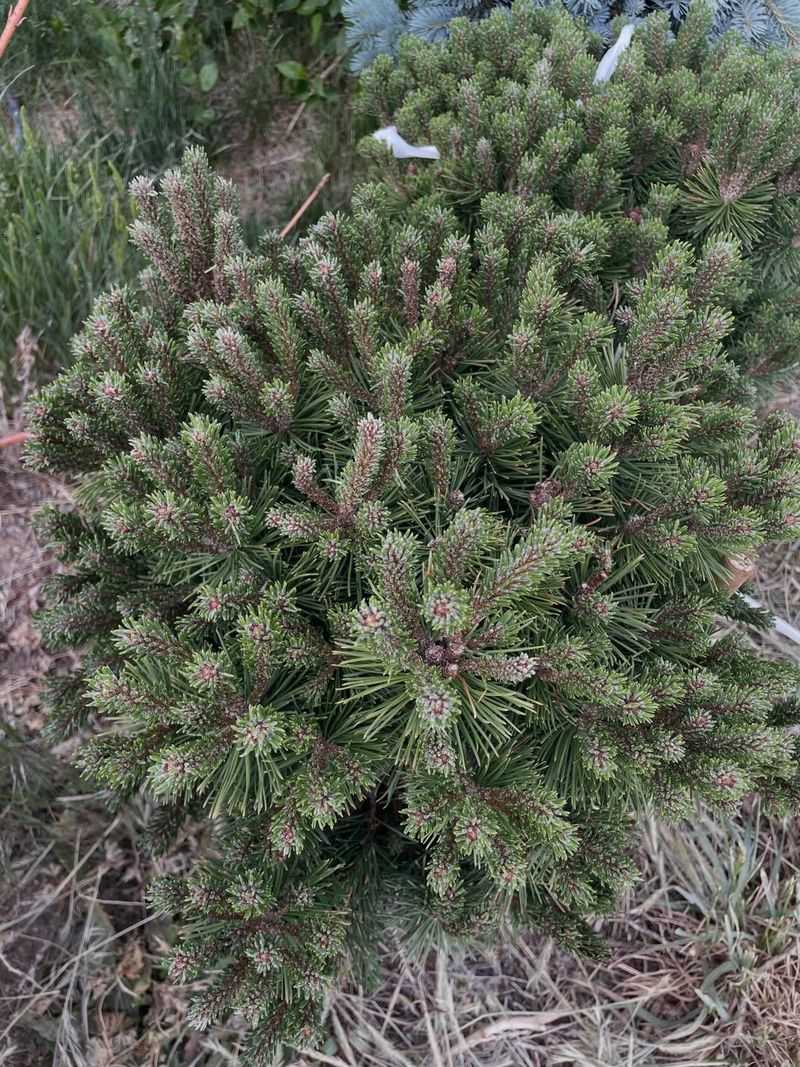
Round, dense, and endlessly reliable, Mugo Pine ‘Minima’ is the kind of plant that anchors a garden without demanding any attention.
Its naturally mounded form looks tidy in all four seasons, and the deep green needles hold their color even through cold North Carolina winters.
Gardeners who want structure without fuss keep coming back to this one.
Pinus mugo ‘Minima’ is one of the most compact selections in the mugo family, staying under two feet tall and wide for many years. That restrained growth habit makes it a natural fit for rock gardens, border edges, and the tightest planting strips.
It also works well in containers, where its rounded silhouette becomes a focal point rather than background filler.
Full sun brings out the best in this pine, though it tolerates partial shade without losing much of its appeal. North Carolina’s varied soils are generally fine for mugo pines as long as drainage is adequate.
Sandy soils in the eastern part of the state suit it particularly well, while clay soils in the Piedmont benefit from amendment before planting.
Watering needs are modest once established, making this a smart pick for busy homeowners or gardeners in drier microclimates.
A two-inch layer of mulch around the base reduces moisture loss and keeps roots cooler during peak summer heat. Avoid mulching directly against the trunk to prevent bark issues over time.
Pinching the new candle growth in spring is an optional technique that keeps the plant even more compact. It takes just a few minutes each year and helps maintain that satisfying, cushion-like shape that makes Mugo Pine so appealing in small spaces.
6. Picea Omorika ‘Nana’
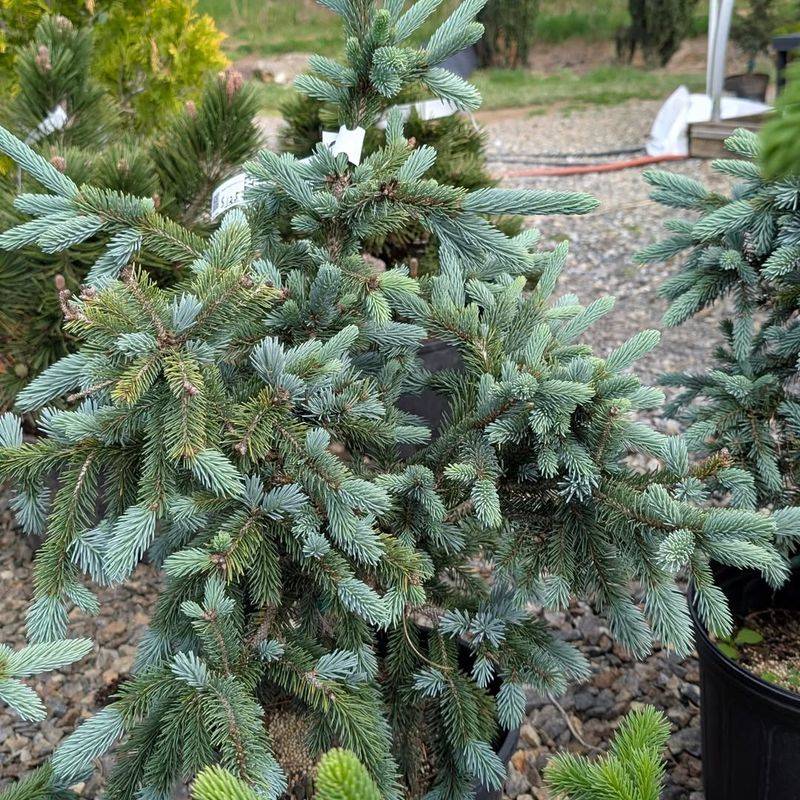
Narrow, elegant, and surprisingly tough, Dwarf Serbian Spruce is one of those plants that seems almost too good to be true for small gardens. Its naturally slim profile takes up minimal horizontal space while still delivering strong vertical presence.
For tight garden spots where width is a real constraint, this spruce is a remarkable solution. Picea omorika ‘Nana’ grows slowly, typically reaching three to five feet tall and only two to three feet wide over a decade.
The two-toned needles, green on top and silvery white underneath, catch light in a way that makes the plant shimmer slightly in a breeze. That subtle visual movement adds life and energy to otherwise static planting areas.
Unlike many conifers, Serbian Spruce tolerates a wider range of soil conditions, including heavier clay soils that are common throughout North Carolina’s Piedmont.
It also handles both sun and partial shade reasonably well, giving gardeners more flexibility in placement than many other dwarf evergreens offer.
North-facing garden corners and shaded side yards that stumped other plants are often where this spruce shines brightest.
Regular watering during the first growing season helps roots spread quickly and deeply. After establishment, it becomes fairly self-sufficient and needs only occasional deep watering during extended dry spells.
Avoid overhead watering when possible, as keeping foliage dry reduces the risk of fungal issues in humid North Carolina summers.
Spacing at least three feet from walls and structures ensures proper air circulation around the plant. That small buffer makes a meaningful difference in long-term plant health and keeps the foliage looking clean and full from base to tip.
7. Dwarf Hinoki Cypress
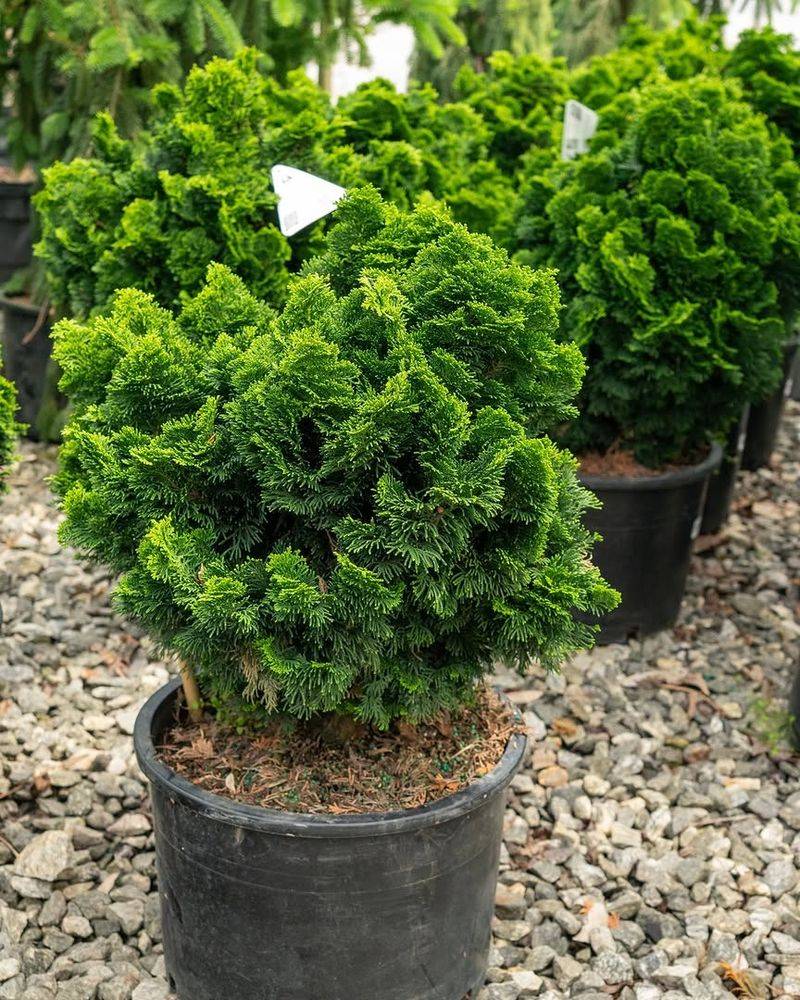
Chamaecyparis obtusa ‘Nana Gracilis’ has a personality all its own. The foliage arranges itself in tight, shell-like clusters that catch light at different angles, creating a texture that looks almost hand-crafted.
Up close, it is genuinely fascinating to study, and from a distance, it brings a refined, layered look that elevates any small garden space.
Growth is wonderfully slow, typically six inches or less per year, eventually reaching four to six feet tall over many years.
That kind of predictable, measured growth makes it one of the most trustworthy choices for containers, entryway plantings, and small foundation beds across North Carolina.
You can tuck it into a space and trust it will stay proportional for a long time. Partial to full sun suits this cypress well, though afternoon shade during the hottest months is genuinely helpful in the warmer parts of the state.
The Sandhills and coastal plain regions of North Carolina can push summer temperatures high enough to stress the foliage, so placing this plant where it gets morning sun and filtered afternoon light is a smart strategy.
Well-drained, slightly acidic soil is the ideal growing medium, and mixing in quality compost at planting time gets roots off to a strong start. Container-grown plants need consistent watering since pots dry out faster than garden beds.
Checking soil moisture every few days during summer keeps the plant comfortable and the foliage looking lush.
Light trimming in late spring after new growth hardens off helps maintain its naturally tidy shape. A little shaping goes a long way, and the fresh-cut foliage releases a pleasant, faintly sweet fragrance that many gardeners find genuinely delightful.