8 Beginner Gardening Tips That Will Make You A Better Grower In Michigan
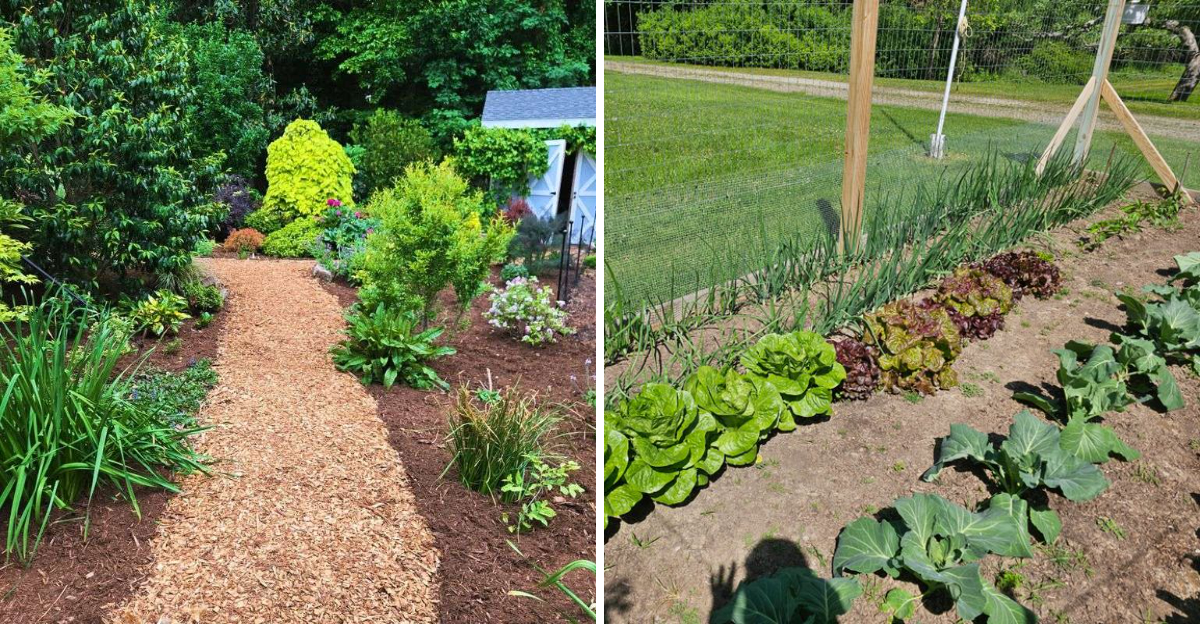
Starting a garden in Michigan comes with a learning curve that experienced growers often forget they went through themselves.
The short season, unpredictable spring frosts, heavy clay soils in many parts of the state, and summer humidity that arrives almost without warning all create a growing environment that rewards preparation and punishes guesswork.
The good news is that the fundamentals of gardening well in Michigan are genuinely learnable, and getting a handle on even a few of them early makes an enormous difference in how the season goes.
These eight tips are not generic advice relabeled for the state. They are grounded in the specific conditions Michigan gardens actually face and the practical adjustments that make real differences in what you are able to grow and harvest.
1. Start With Native Plants
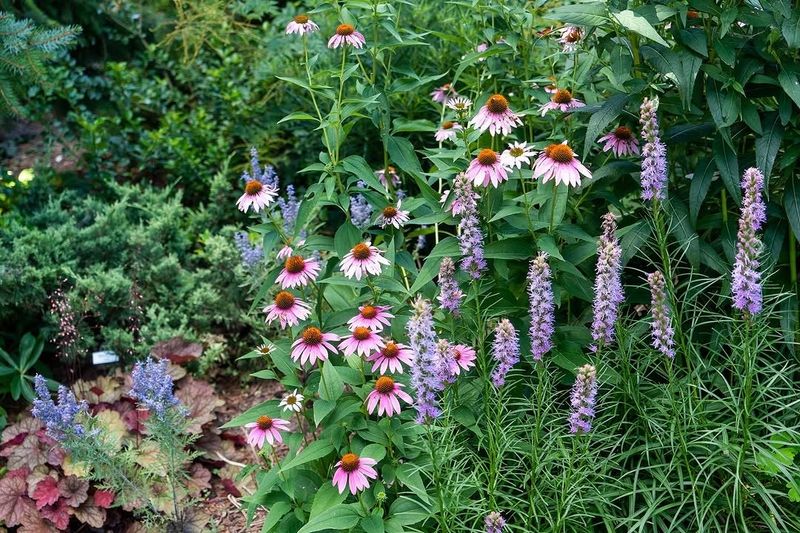
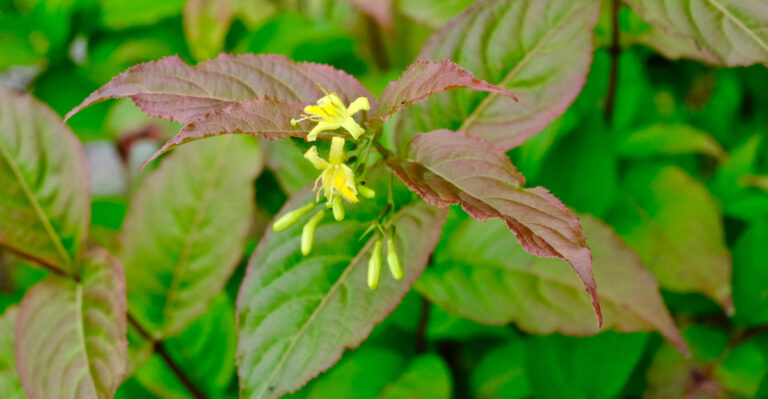
There is a secret that experienced gardeners have known for years: native plants simply work better. Choosing species like Northern Bush Honeysuckle, Wild Bergamot, and Black-Eyed Susan gives beginners a real advantage right from the start.
These plants evolved right here in Michigan, which means they already know how to handle the local weather, soil, and rainfall patterns without needing much help from you.
Native plants are also incredibly supportive of local wildlife. Bees, butterflies, and birds are naturally drawn to them, which makes your garden feel alive and buzzing with activity.
You get a beautiful outdoor space while also doing something genuinely good for the local ecosystem, which is a pretty great deal for a beginner.
One of the biggest wins with native plants is how little maintenance they need once they are established. You spend less time watering, fertilizing, and fighting off problems.
Michigan winters can be brutal, but native plants are built for exactly that. They bounce back in spring without much fuss, and they tend to spread naturally over time, filling in bare spots and making your garden look fuller each year.
Starting with natives also builds your confidence fast because you see real results without feeling overwhelmed.
For anyone just getting started in a garden, native plants are the smartest first step you can take toward a thriving, low-stress outdoor space.
2. Test Your Soil Early
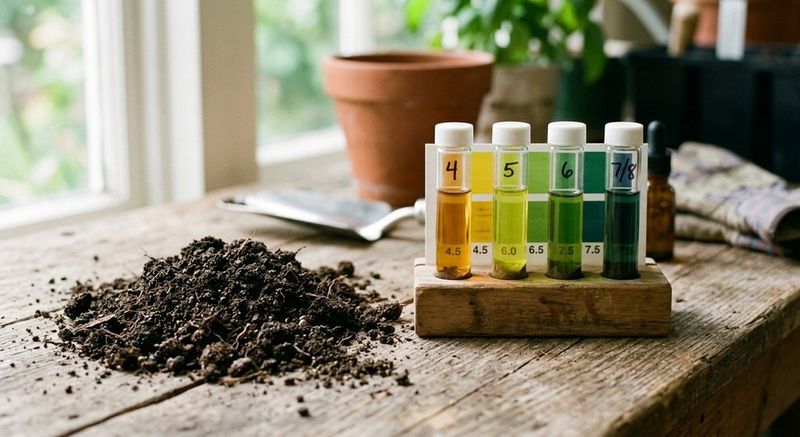
Most new gardeners focus on picking out plants and buying pretty pots, but the real foundation of a great garden starts underground. Testing your soil before you plant anything is one of the smartest moves a Michigan beginner can make.
Your soil tells you everything you need to know about what will grow well and what will struggle right from the start.
Michigan soils vary a lot depending on where you live. Parts of the Lower Peninsula have heavy clay soil that holds water and can become waterlogged, while areas near the Great Lakes often have sandier soil that drains too fast.
A basic soil test, available through Michigan State University Extension or your local garden center, measures pH levels, nutrient content, and drainage quality.
That information takes all the guesswork out of choosing plants and amendments. If your soil pH is off, even the best plants will have trouble absorbing nutrients.
Your Michigan Garden Changes Every Week. Your Plan Should Too.
Gardening in Michigan changes quickly throughout the season. Every Friday you’ll receive a simple weekly plan showing exactly what to plant, prune, fertilize, harvest, and protect so you never miss the right timing.
For example, most vegetables prefer a pH between 6.0 and 7.0, and if your soil is too acidic or too alkaline, plants show signs of stress even when you water and fertilize regularly.
Adding lime raises pH, while sulfur lowers it, and knowing which one you need saves you money and frustration. Compost is also a fantastic all-around soil improver that works in both clay and sandy soils.
Think of soil testing as reading the instruction manual before building something big. It gives you the knowledge to garden smarter, not harder.
3. Plant At The Right Time
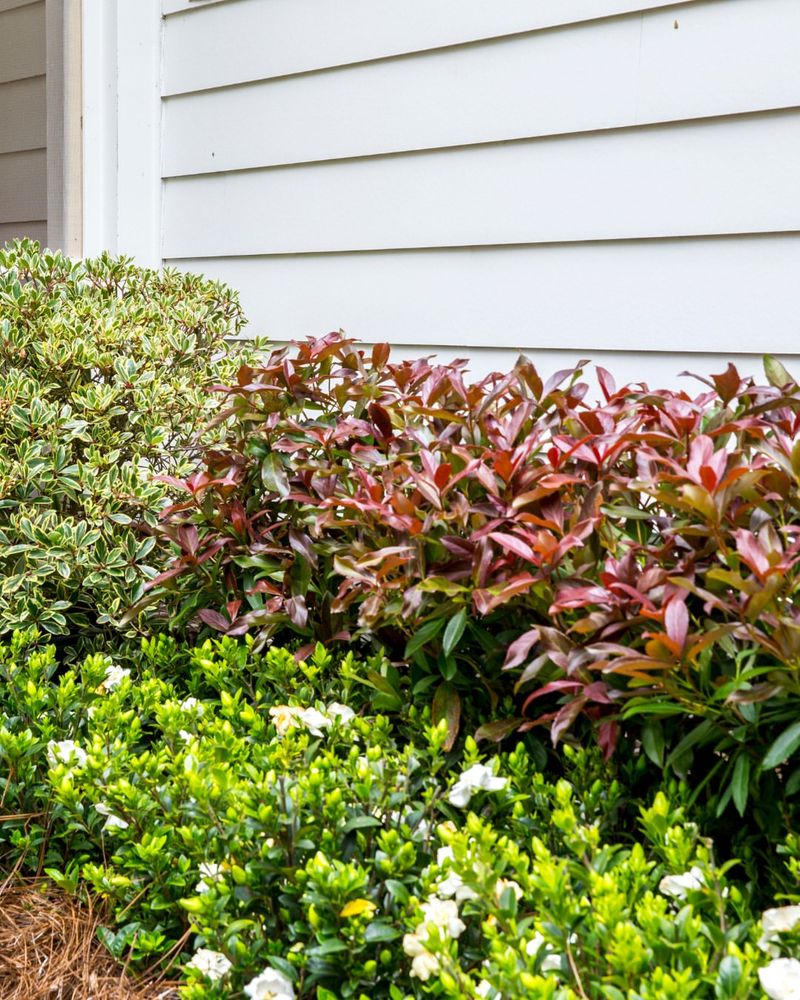
Timing really is everything in a Michigan garden. The state has a wide range of climate zones, and frost dates can vary by several weeks depending on whether you are gardening in the Upper Peninsula or down near the Ohio border.
Planting too early means your seedlings face late spring frosts, and planting too late means your plants run out of warm growing days before they can fully mature.
For most of Michigan, the last average spring frost falls somewhere between late April and mid-May.
That means cool-season vegetables like lettuce, spinach, and peas can go in the ground as early as April, while warm-season crops like tomatoes, peppers, and cucumbers need to wait until after that last frost date has safely passed.
The Michigan State University Extension website is a fantastic free resource for finding exact planting windows based on your specific county.
Fall planting is something a lot of beginners overlook, and that is a missed opportunity. Garlic, for example, is best planted in Michigan in October, right before the ground freezes.
Many perennial flowers and shrubs also establish better when planted in early fall because cooler temperatures reduce stress and allow roots to grow strong before winter arrives.
Keeping a simple planting calendar on your fridge or phone makes it easy to stay on track throughout the season.
Once you understand natural rhythm here, gardening starts to feel less like guesswork and more like working with nature on its own schedule.
4. Use Mulch Effectively
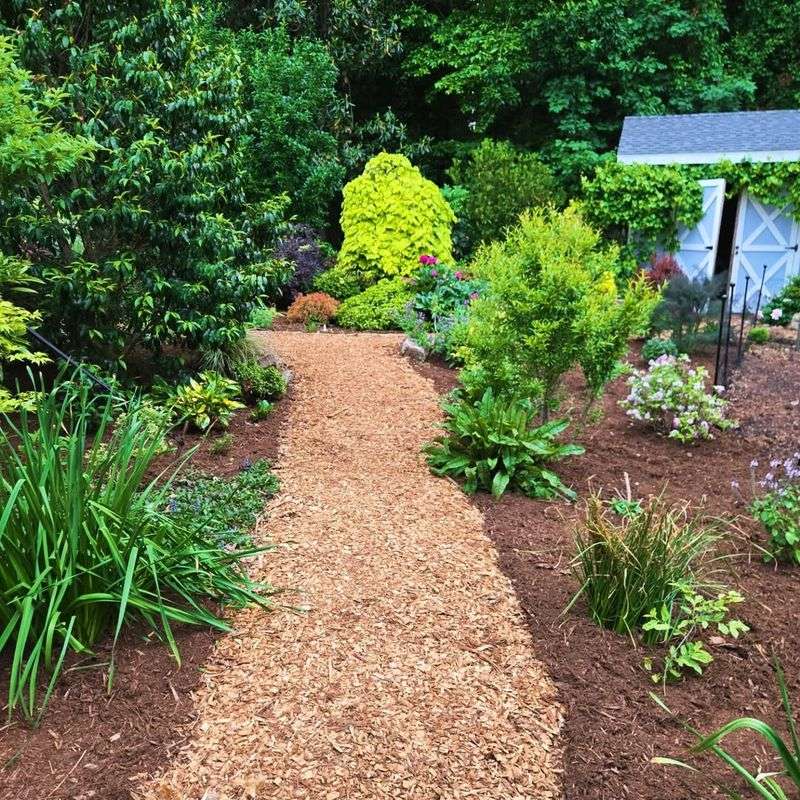
A bag of mulch might not sound exciting, but it is honestly one of the most powerful tools in a beginner gardener’s toolkit. Applied correctly, mulch does several important jobs at once.
It holds moisture in the soil, keeps roots cool during Michigan’s hot summer stretches, and suppresses weeds so you spend less time pulling and more time enjoying your garden.
The sweet spot for mulch depth is right around two to three inches. Go thinner and it does not do much good.
Go thicker and you risk blocking water from reaching the roots. Organic options like shredded wood chips, straw, or leaf mulch are excellent choices because they break down slowly over time, adding nutrients back into the soil as they decompose.
That means your garden gets a slow, steady boost of organic matter with zero extra effort on your part.
One detail that trips up a lot of beginners is piling mulch right up against plant stems or tree trunks. Michigan’s humid summers create perfect conditions for rot and fungal issues when mulch stays pressed against plant bases for weeks at a time.
Always leave a small gap of a few inches around stems and trunks to allow air circulation. Refresh your mulch layer once a year, usually in spring before things heat up, to keep it working at full strength.
It is a simple habit that pays off big time in healthier plants, fewer weeds, and less watering throughout the entire growing season.
5. Water Consistently
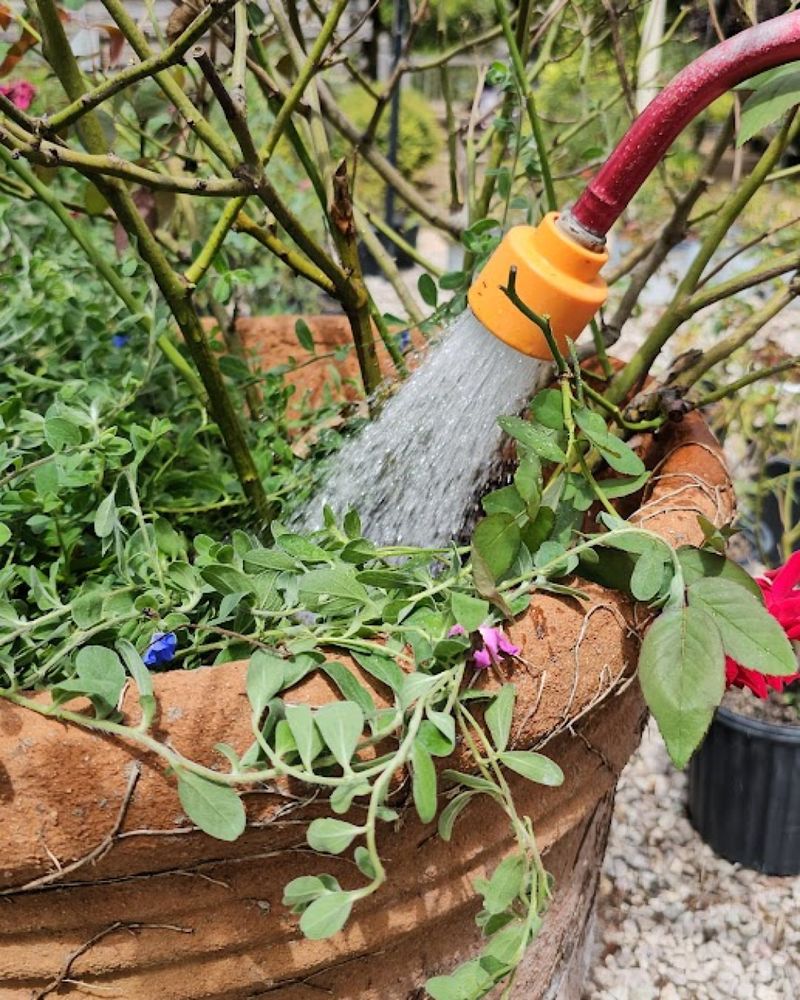
Water is life for any garden, but how you water matters just as much as how often you do it. A lot of beginners make the mistake of watering a little bit every single day, which actually encourages shallow root growth.
Plants start depending on that surface moisture and never develop the deep, strong roots they need to handle occasional dry spells or heat waves in July and August.
Deep, infrequent watering is the approach that works best in Michigan gardens. Aim for about one inch of water per week, delivered in one or two longer sessions rather than a daily sprinkle.
This pushes roots deeper into the soil where moisture stays more consistent.
A simple rain gauge placed in your garden helps you track how much water your plants are getting from both rainfall and your hose, so you never overwater or leave them thirsty. Michigan’s soil types add another layer to the watering equation.
Clay soils hold water longer, so they need less frequent watering to avoid soggy conditions that stress roots. Sandy soils drain quickly and may need watering more often during dry stretches.
Soaker hoses and drip irrigation systems are worth every penny because they deliver water directly to the root zone, reducing evaporation and keeping foliage dry, which lowers the risk of fungal problems.
Morning is the best time to water because it gives leaves a chance to dry out before evening. Consistent, smart watering habits are what separate a struggling garden from a thriving one.
6. Monitor For Pests Regularly
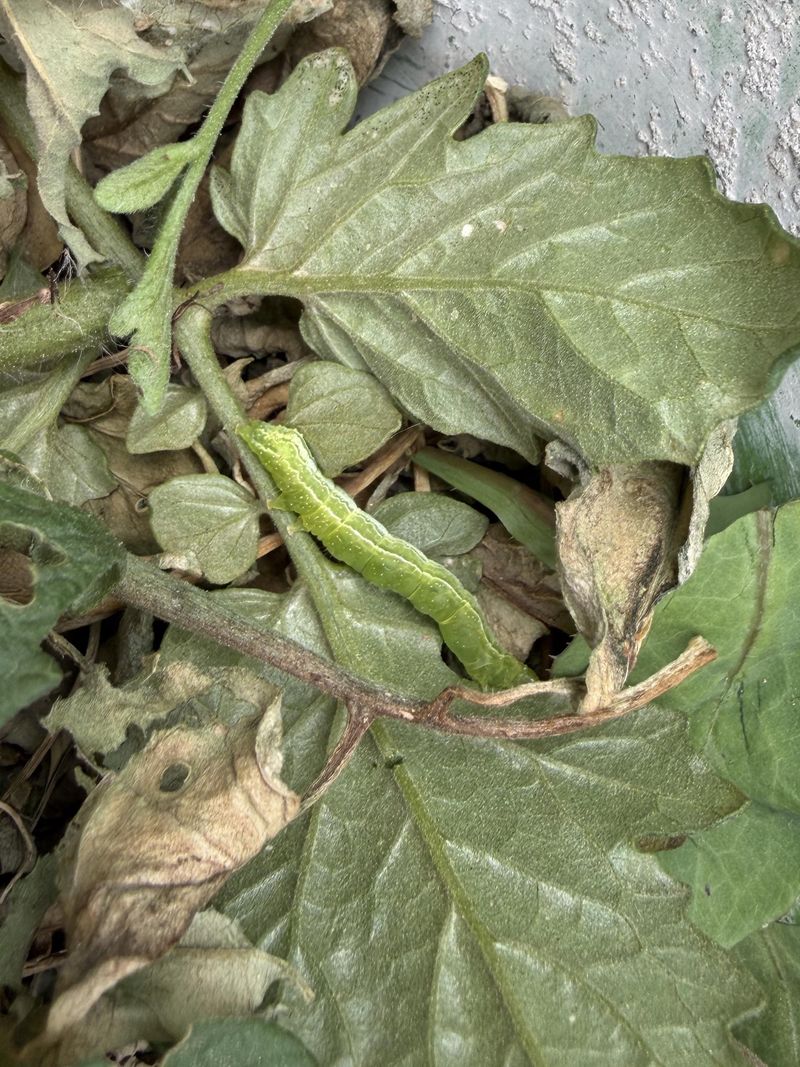
Every Michigan gardener will eventually meet some unwanted visitors, and the sooner you spot them, the easier they are to handle. Japanese beetles, squash vine borers, aphids, and cucumber beetles are among the most common pest problems in gardens.
They can move fast and spread quickly if you are not paying attention, but catching them early makes all the difference between a minor inconvenience and a major setback.
Getting into the habit of walking through your garden two or three times a week is the single best pest prevention strategy you can adopt.
Flip leaves over and check the undersides, which is where many insects lay eggs and hide during the day.
Look for holes in leaves, sticky residue, wilting stems, or discolored patches, all of which are signs that something is feeding on your plants. The earlier you catch a problem, the more options you have for dealing with it safely and effectively.
Many pest issues can be handled without reaching for heavy chemicals. Aphids, for example, can often be knocked off plants with a strong spray of water.
Japanese beetles can be hand-picked in the early morning when they are less active and dropped into soapy water.
Floating row covers placed over squash plants early in the season physically block squash vine borers before they become a problem.
Encouraging natural pest predators like ladybugs and lacewings by planting flowers nearby also helps keep pest populations in check. A watchful eye is your most valuable garden tool of all.
7. Prune At The Right Time
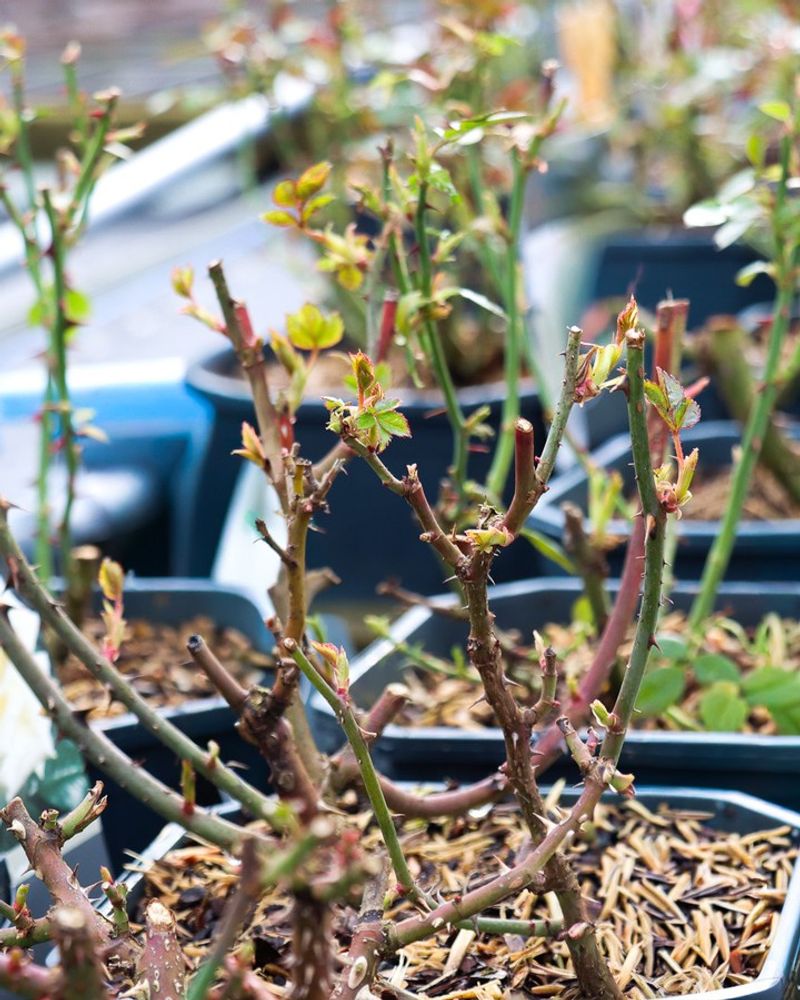
Pruning sounds intimidating to most beginners, but once you understand a few key principles, it becomes one of the most satisfying parts of gardening. The most important thing to know is whether your plant blooms on old wood or new wood.
Get that wrong and you could accidentally remove all the buds before they ever get a chance to open, which is a frustrating mistake that is completely avoidable with a little research upfront.
Plants that bloom on old wood, like lilacs and forsythia, set their flower buds during the previous growing season.
That means you need to prune them right after they finish blooming in spring, giving them the entire summer and fall to develop new buds for next year.
Pruning these plants in late fall or early spring removes those buds and you end up with a healthy-looking shrub that produces very few flowers.
On the other hand, plants that bloom on new wood, like butterfly bush and most roses, can be pruned in early spring before growth begins.
For perennials and ornamental grasses, timing your pruning with Michigan’s seasons makes a big difference.
Many gardeners leave seed heads and stems standing through winter because they provide food for birds and add visual interest to a snow-covered garden.
Cutting them back in early spring, just as new growth begins pushing up from the base, gives plants a clean start. Sharp, clean tools also matter because ragged cuts invite disease.
A good pair of bypass pruners kept clean and sharp is all you really need to prune with confidence in a Michigan garden.
8. Start Small And Learn
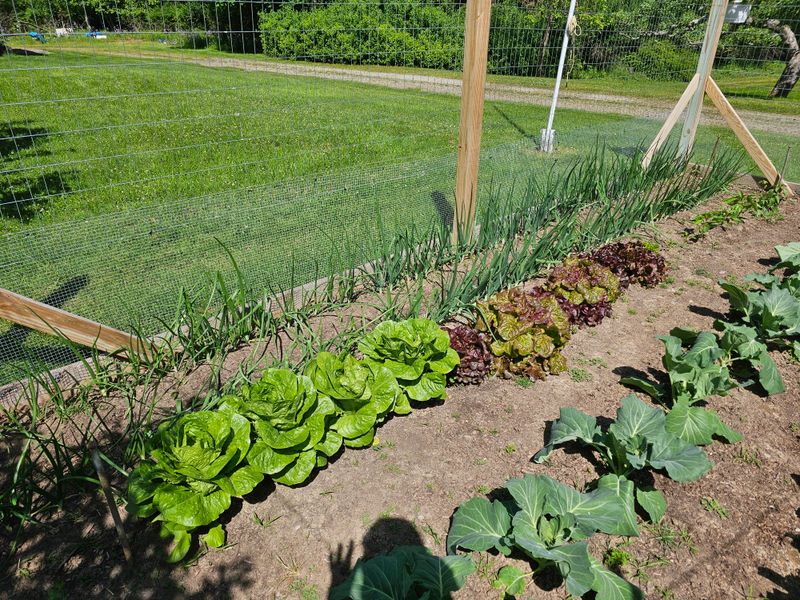
Every experienced Michigan gardener started somewhere small, and there is real wisdom in that approach. Jumping into a large garden right away might feel exciting, but it can also feel overwhelming fast.
Managing too many plants, too many problems, and too much space all at once leads to burnout, and that is the last thing you want when you are just starting to fall in love with growing things.
Starting with one raised bed or a small in-ground plot of about four by eight feet gives you a manageable space where you can really pay attention to what is happening.
You learn how your specific soil behaves, how much water your plants actually need, and which pests show up in your yard.
That hands-on experience in a small space teaches you more than any book or video ever could, and it builds real confidence that carries over when you expand later.
Picking just three to five plants in your first season also keeps things focused. Choose things you actually enjoy eating or looking at, because that personal connection keeps you motivated to check on them, water them, and care for them consistently.
Tomatoes, zucchini, and basil are popular starter combinations for vegetable gardeners because they are relatively forgiving and produce results you can actually enjoy at the dinner table.
Keeping a simple journal where you note what worked, what did not, and what surprised you creates a personal record that becomes incredibly valuable in future seasons. Small beginnings grow into big, beautiful gardens over time.