The Spots In Michigan Yards Where Grubs Are Most Likely Destroying Roots Underground
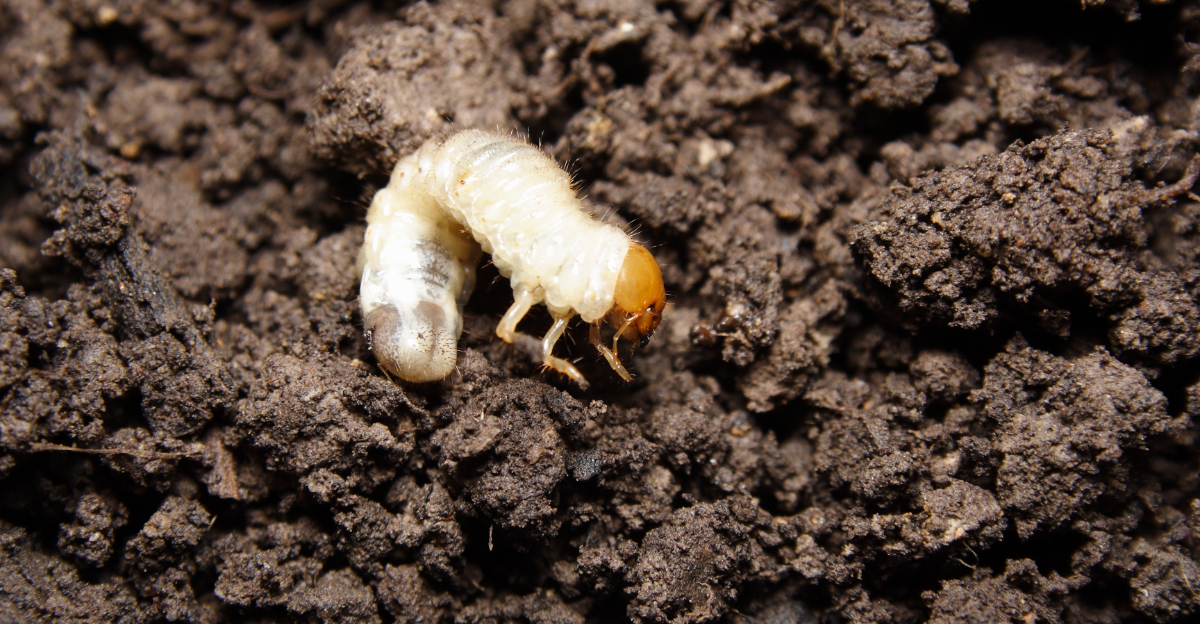
Grub damage is one of those problems that tends to look like something else entirely until the situation has already become serious.
Patches of turf that feel spongy underfoot, grass that pulls up without any resistance, and areas that turn brown despite regular watering are all signs that something is happening below the surface rather than above it.
In Michigan yards, grubs do not distribute themselves evenly across a lawn. They concentrate in specific locations based on soil moisture, turf density, and the egg-laying preferences of the beetles responsible for them.
Knowing which spots in your yard are most vulnerable and what conditions make those areas attractive gives you a significant advantage in catching grub activity before the root damage reaches a point that requires full lawn renovation.
1. Patchy Or Thinning Lawn Areas
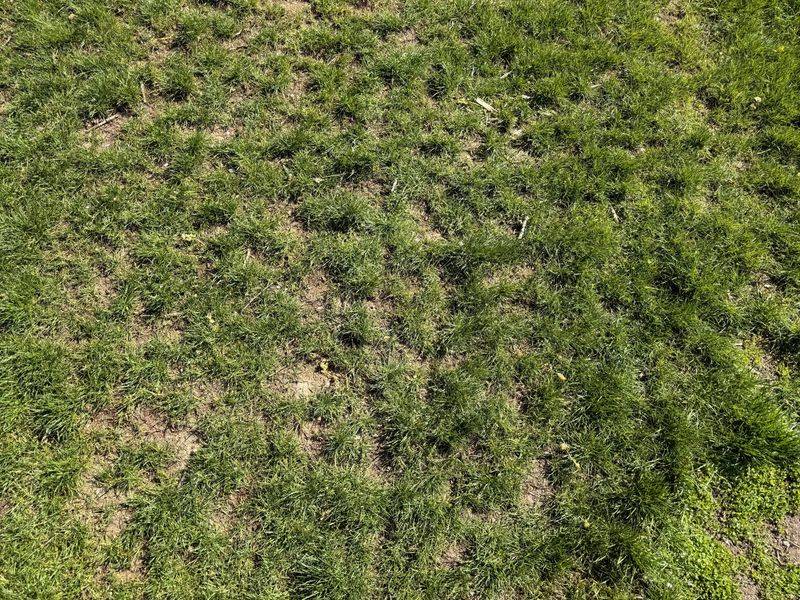
Brown patches that seem to appear out of nowhere are often one of the first signs that grubs are feeding underground. When white grub larvae chew through grass roots, the turf loses its ability to absorb water and nutrients.
The grass above slowly weakens, turns yellow or brown, and eventually lifts away from the soil like a loose rug.
Michigan homeowners often mistake these patches for drought stress or lawn fungus, which delays treatment. The best way to check is simple: grab a section of thinning turf and try to pull it up.
If it peels back easily with little root resistance, grubs are likely the cause hiding just a few inches below.
A good inspection involves cutting a one-square-foot section of sod about three inches deep and counting the grubs inside. Finding five or more grubs per square foot in Michigan lawns typically signals a level that warrants treatment.
Early fall and late summer are the best times to check, as young grubs are still close to the surface and actively feeding. Catching the problem at this stage gives you the best chance of restoring your lawn before roots suffer too much damage.
Regular monitoring of thin or discolored zones keeps you one step ahead all season long.
2. Moist, Fertile Soil Pockets
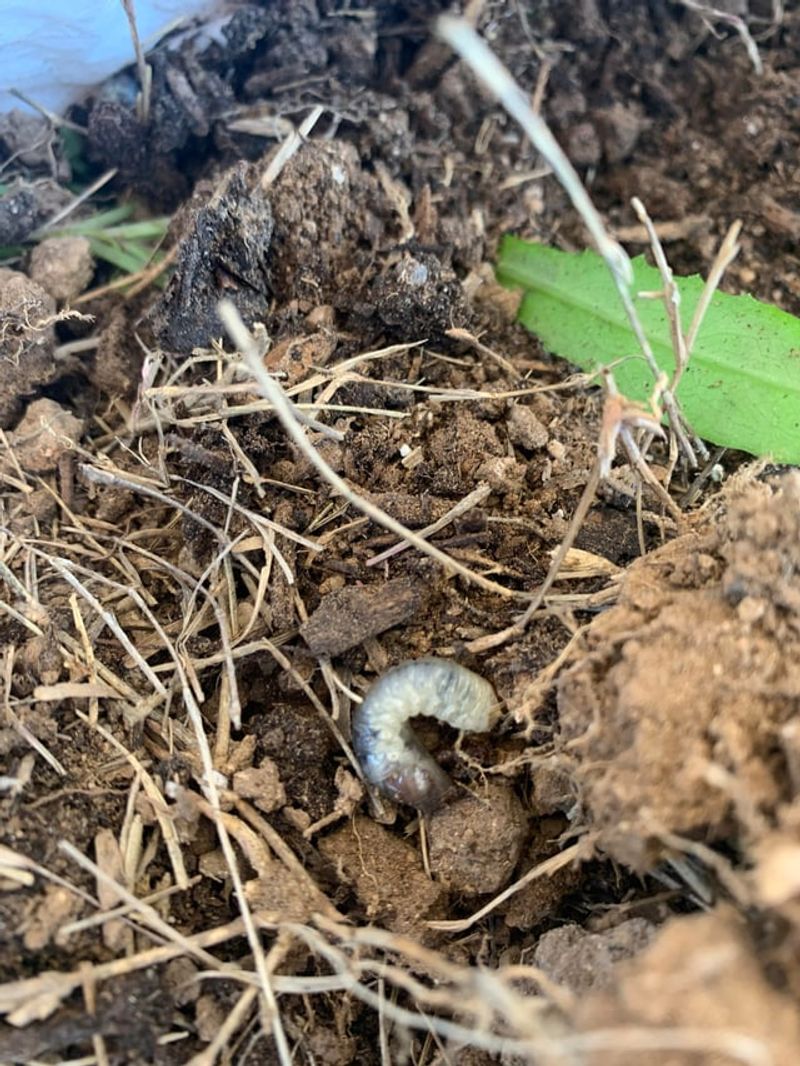
Grubs are not random in where they settle. They actively seek out soil that is moist, nutrient-rich, and easy to burrow through, making over-irrigated or heavily fertilized lawn areas prime real estate for these root-munching larvae.
Michigan lawns with automatic sprinkler systems or low-lying spots that stay consistently wet after rain are especially attractive to egg-laying beetles in midsummer.
Female beetles prefer to lay their eggs in soft, moist soil because it keeps the eggs from drying out and gives newly hatched grubs an immediate food source.
Areas near downspouts, garden hose drip zones, or spots that never fully dry out between waterings are high-risk locations worth monitoring closely.
Reducing unnecessary irrigation during July and August, which is peak egg-laying season in Michigan, can make your soil less inviting to beetles looking for a place to deposit eggs.
Allowing the top inch or two of soil to dry between watering cycles discourages egg survival without harming your established grass.
Your Michigan Garden Changes Every Week. Your Plan Should Too.
Gardening in Michigan changes quickly throughout the season. Every Friday you’ll receive a simple weekly plan showing exactly what to plant, prune, fertilize, harvest, and protect so you never miss the right timing.
Adding organic compost thoughtfully rather than over-fertilizing also helps maintain soil health without creating overly rich conditions that attract pests.
Smart watering habits paired with routine soil checks in these fertile pockets can significantly reduce grub populations before they reach damaging levels. Healthy roots start with smart moisture management all season long.
3. Under Trees And Shrubs
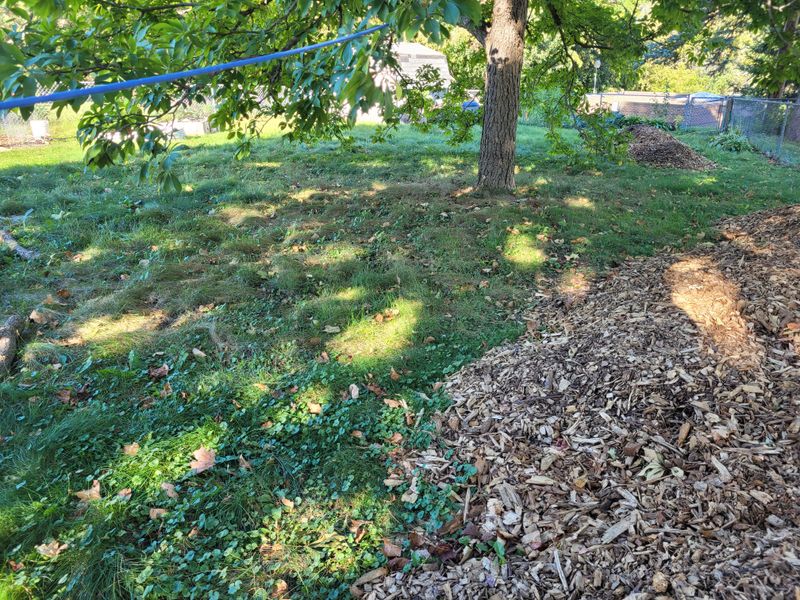
Shaded spots beneath trees and large shrubs might look peaceful, but underground they can be surprisingly active with grub activity.
The soil in these areas tends to stay cooler and moister than open lawn sections, creating exactly the kind of environment white grubs prefer when feeding on roots through late summer and fall.
Tree roots and grass roots often share the same soil layer, and grubs feeding in these zones can stress both.
Turf growing under tree canopies is already competing for light and nutrients, so added root damage from grubs pushes it over the edge faster than open lawn areas would experience.
Homeowners often overlook these shaded zones when scouting for grub damage because the grass there already looks thin due to low light.
Aerating the soil beneath trees in early spring helps reduce compaction and makes it easier to spot grub activity. Pulling back a section of turf near the drip line of a tree, where feeder roots are most concentrated, gives you a clear view of what is happening underground.
Beneficial nematodes work well in shaded areas since they thrive in moist conditions and move easily through loose soil.
Treating these spots in late summer when grubs are still young and close to the surface gives nematodes the best chance of reaching them before they burrow deeper for winter. Consistent monitoring under every canopy pays off big.
4. Recent Sod Or Seed Installations
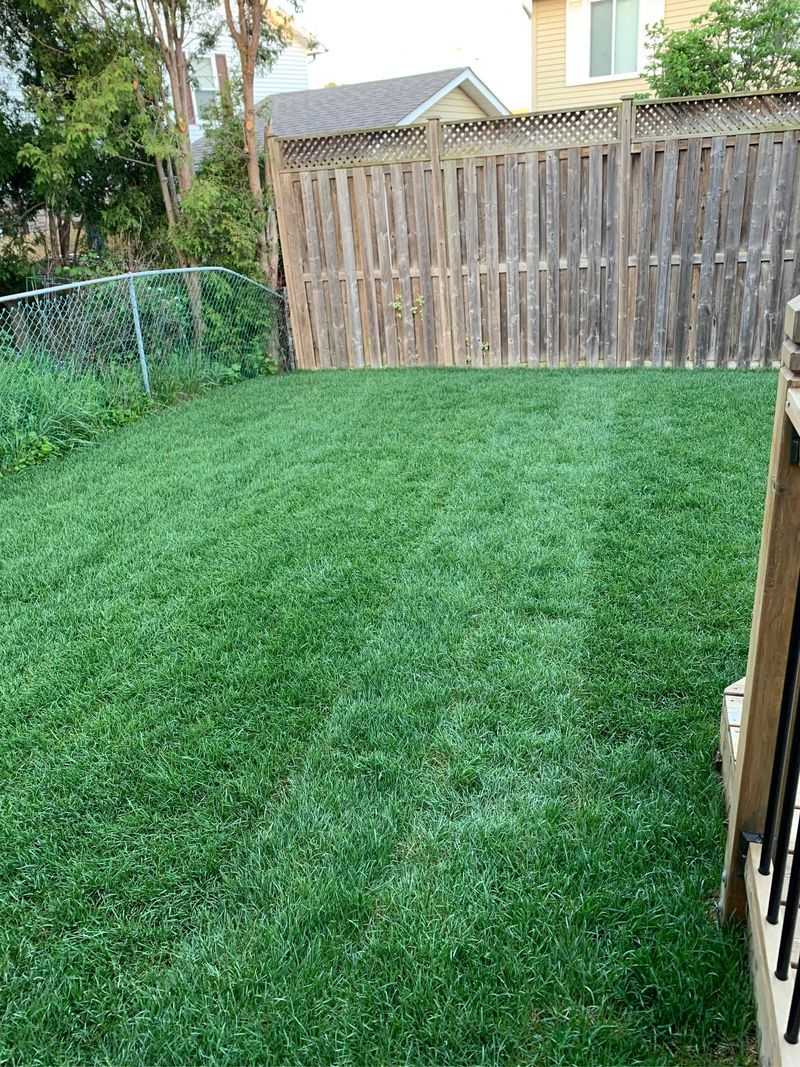
Freshly laid sod and newly seeded lawn areas are like an open invitation for grubs. The roots are short, tender, and incredibly easy to sever, making young turf far more vulnerable to grub feeding than an established lawn with a deep, dense root system.
Michigan summers align almost perfectly with the egg-hatching cycle of Japanese beetles and June beetles, which means sod installed in late spring or early summer often faces its first grub threat within weeks of being laid.
Young grass simply does not have the root depth to survive even moderate grub populations.
A well-established lawn might tolerate three to four grubs per square foot without visible stress, but new sod can show serious damage with just two or three per square foot.
Checking new sod installations every two weeks during August and September is a smart habit for Michigan homeowners.
Gently lifting a corner of a sod section to look for larvae takes only a minute and can save you from having to re-install the entire area.
Preventive biological treatments applied at installation time, such as milky spore or beneficial nematodes, give young roots a protective buffer during the most vulnerable growth period.
Keeping new sod properly watered without over-saturating the soil also helps roots develop quickly so they become more resistant to feeding pressure. Starting strong sets your new lawn up for long-term success.
5. Low-Lying Depressions And Swales
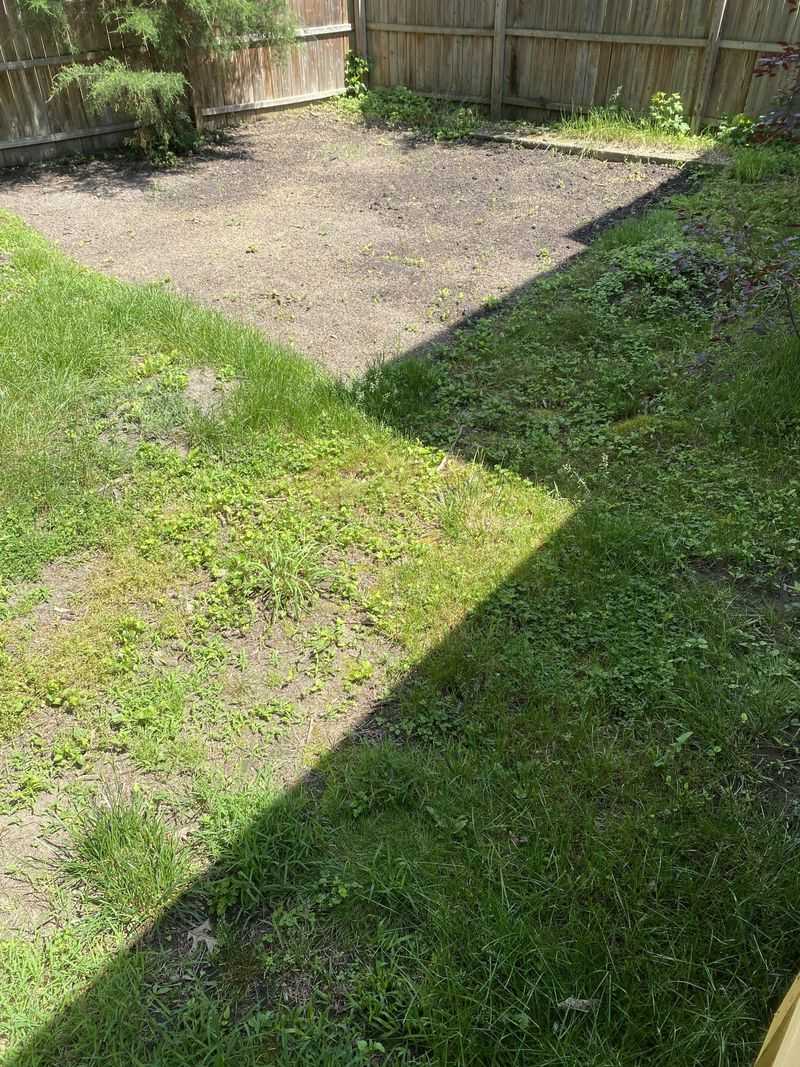
Water always finds the lowest point in a yard, and so do grubs. Low-lying depressions, drainage swales, and areas where water pools after heavy rain create consistently moist soil conditions that grubs absolutely love.
In Michigan, spring snowmelt and summer thunderstorms keep these zones saturated far longer than the rest of the lawn.
The combination of excess moisture and organic material breaking down in these spots produces rich, soft soil that is easy for grub larvae to tunnel through while feeding.
Grass growing in low areas is already under stress from waterlogging, and grub root damage on top of that stress accelerates turf decline quickly.
What looks like a drainage problem from the surface might actually be a grub problem just a few inches below.
Improving drainage in these zones is one of the most effective long-term strategies for reducing grub pressure.
Adding topsoil to level out depressions, installing French drains, or redirecting downspouts away from low spots can dramatically reduce the moisture levels that attract egg-laying beetles.
Aerating compacted low areas also helps water move through the soil profile faster rather than pooling near the surface. Once drainage improves, grass roots grow deeper and stronger, making the turf more resilient even if a few grubs are present.
Tackling the moisture problem first makes every other grub management strategy you use significantly more effective over time.
6. Edges Near Garden Beds
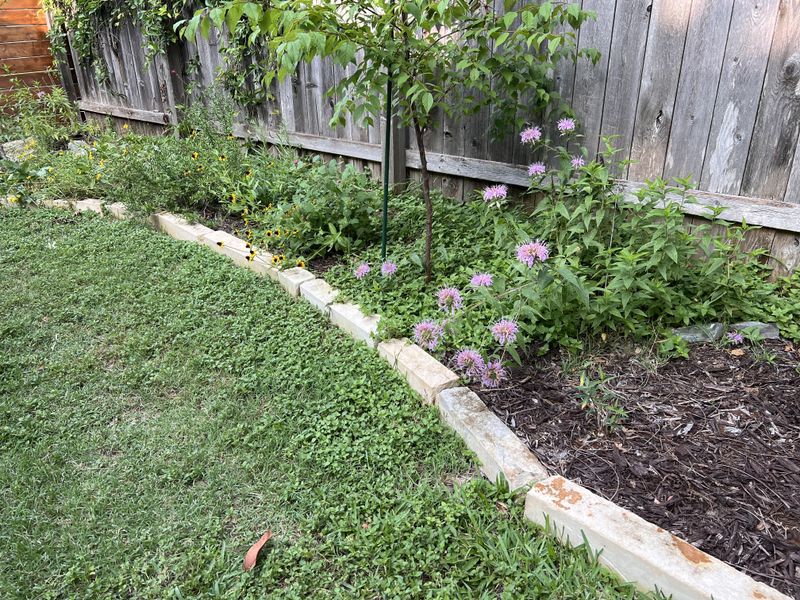
The strip of turf running along garden bed edges is one of the most overlooked hotspots for grub activity in Michigan yards.
This narrow transition zone combines moist mulch, rich organic soil, and grass roots all in one tight space, which makes it extremely attractive to beetles searching for egg-laying sites.
Mulch retains moisture exceptionally well, and that moisture seeps into the adjacent soil along bed edges. Grub larvae hatching near these edges have immediate access to both grass roots and the organic matter breaking down in the garden bed itself.
Homeowners often notice thinning or browning grass right along these borders and assume the mulch is smothering the turf, when the real culprit is feeding happening just below the surface.
Pulling back a few inches of mulch along the garden bed edge and checking the soil beneath is a quick way to confirm grub presence.
Targeted applications of beneficial nematodes along these borders work really well because the consistently moist soil in this zone keeps nematodes active and mobile.
Keeping mulch at a depth of two to three inches rather than piling it thick also reduces the moisture retention that draws beetles in. Trimming back overgrown bed edges so air can circulate and dry the soil slightly further reduces the appeal of this zone.
A little attention to these borders goes a surprisingly long way in protecting surrounding turf roots all season.
7. Areas With Heavy Thatch Build-up
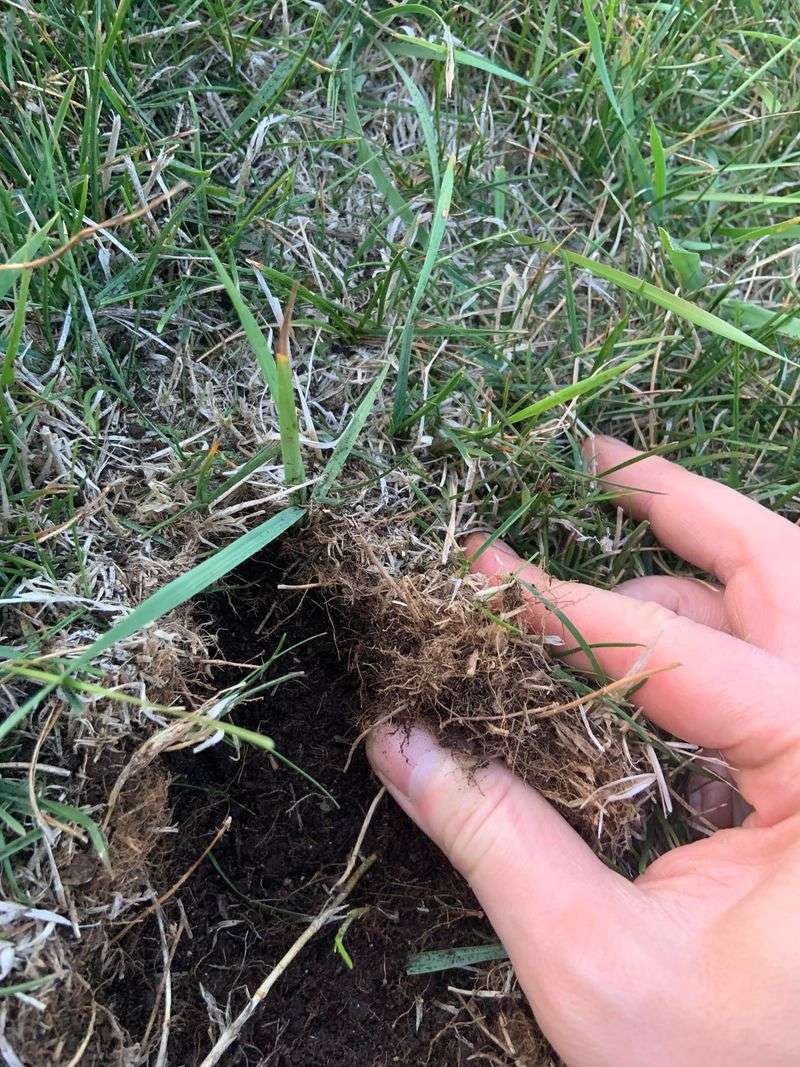
Thick thatch is more than just a lawn care nuisance. That spongy layer of old grass stems, roots, and organic debris sitting between your green turf and the soil below actually creates a cozy shelter zone for grub larvae.
When thatch builds up beyond half an inch in Michigan lawns, it traps moisture and warmth in a way that supports grub survival through their most active feeding stages.
Grubs do not live inside the thatch itself, but the layer acts as insulation that keeps the soil beneath it at a more stable temperature and moisture level. This makes the root zone directly below thick thatch a preferred feeding ground.
Lawns with heavy thatch also tend to have shallower root systems because roots do not need to grow as deep when moisture is readily available near the surface, making them easier targets for grub feeding.
Dethatching Michigan lawns in early fall removes this protective layer and exposes grubs to temperature swings, natural predators, and drying conditions that reduce their survival rate.
Core aeration is equally valuable because it improves soil structure, encourages deeper root growth, and breaks up the environment grubs depend on near the surface.
Running a thatch rake or mechanical dethatcher over problem areas every one to two years keeps the layer thin and the root zone healthier. A well-aerated lawn with minimal thatch is simply a much harder environment for grubs to thrive in long-term.
8. Frequent Pet Or Foot Traffic Zones
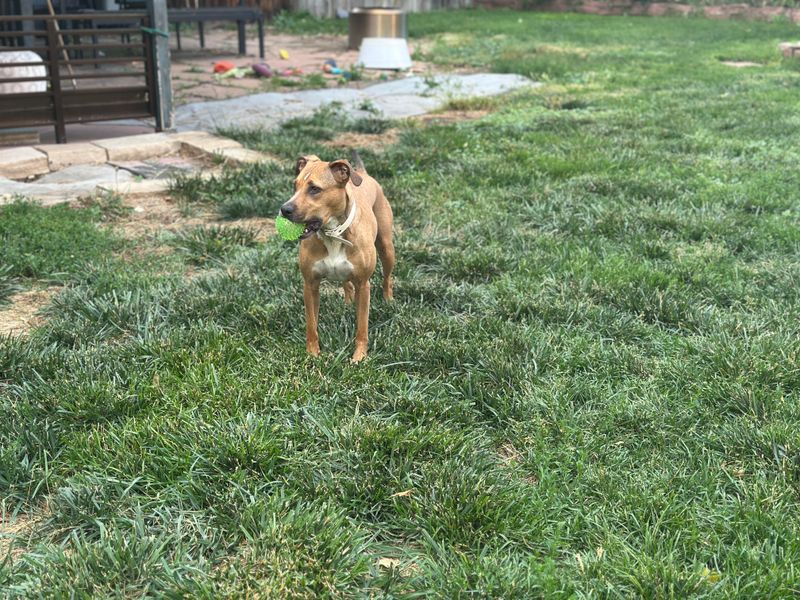
High-traffic areas in a Michigan yard take a beating from both above and below. Constant foot traffic or pet activity compacts the soil, which stresses grass roots and pushes them toward the surface rather than growing deeper.
Shallow, stressed roots are much easier for grubs to sever, so these zones often show grub damage faster and more severely than undisturbed parts of the lawn.
The worn paths where dogs run, kids play, or people regularly walk are easy to spot because the grass is already thin and struggling.
What many homeowners do not realize is that compacted soil also holds moisture differently, creating pockets of dampness just below the surface that can attract egg-laying beetles during the summer.
Grubs hatching in these zones find a ready supply of weakened roots with minimal effort.
Aerating compacted traffic zones in early fall is one of the most effective ways to restore root depth and reduce grub vulnerability.
Overseeding after aeration fills in bare spots with fresh, vigorous grass that develops a stronger root system over the following season.
Installing stepping stones or mulched paths in the highest traffic areas removes turf from the equation entirely in spots where grass simply cannot compete.
Rotating where pets spend time in the yard, if possible, also gives stressed turf a chance to recover.
Stronger, deeper roots in these zones are the best natural defense against grub feeding pressure throughout the growing season.
9. Lawns With Previous Japanese Beetle Or June Beetle Activity
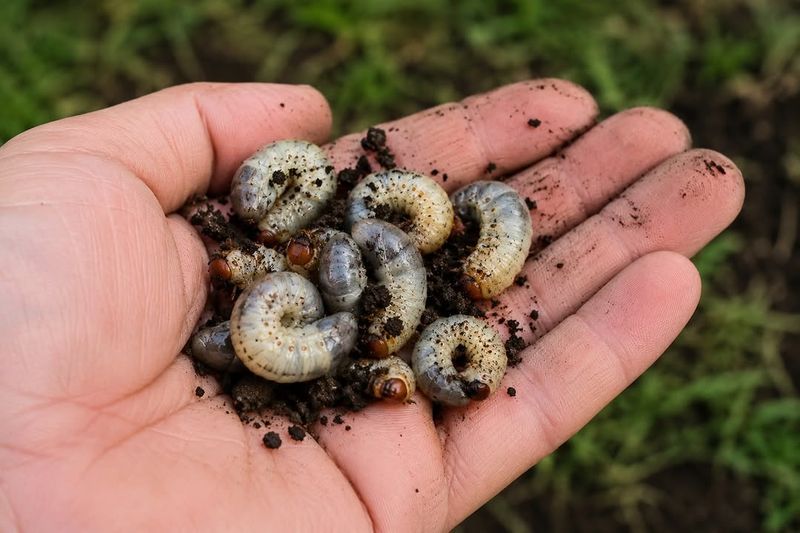
Where adult beetles feed and swarm in summer, grubs will almost certainly follow underground the next season.
Japanese beetles and June beetles are creatures of habit, and lawns that attracted large numbers of adult beetles in previous years are very likely to experience grub problems in the same locations the following season.
Adult female beetles return to the same types of turf to lay eggs year after year, especially if the soil conditions that worked before have not changed.
In Michigan, Japanese beetle adults typically emerge in late June through August, and females begin laying eggs in the soil within days of mating.
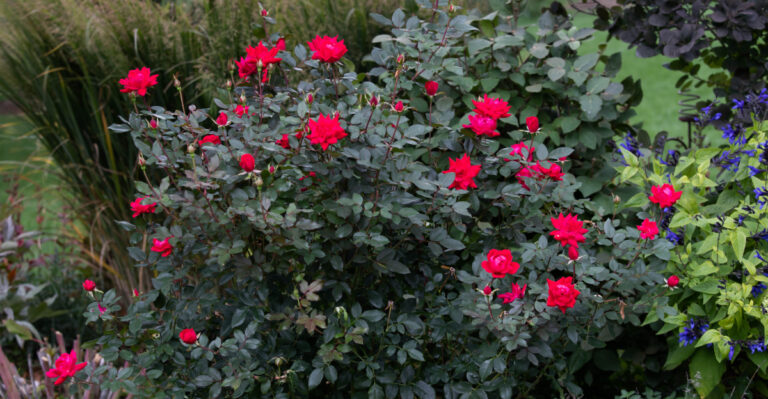
If you saw heavy beetle feeding on roses, lindens, or ornamental plants near your lawn last summer, the soil beneath that turf deserves a close inspection the following August and September.
Tracking beetle activity with pheromone traps can help you map out which zones of your yard are most at risk each season, though traps should be placed away from the lawn to avoid drawing more beetles in.
Applying beneficial nematodes or milky spore to historically infested areas in late summer targets young grubs before they have time to cause significant root damage.
Maintaining a strong, diverse lawn with deep roots also makes turf more tolerant of some grub presence without showing visible stress.
Staying aware of beetle patterns year to year turns seasonal observation into a genuinely powerful lawn protection strategy for Michigan homeowners.