How Georgia Gardeners Feed Clematis For Bigger And Brighter Flowers
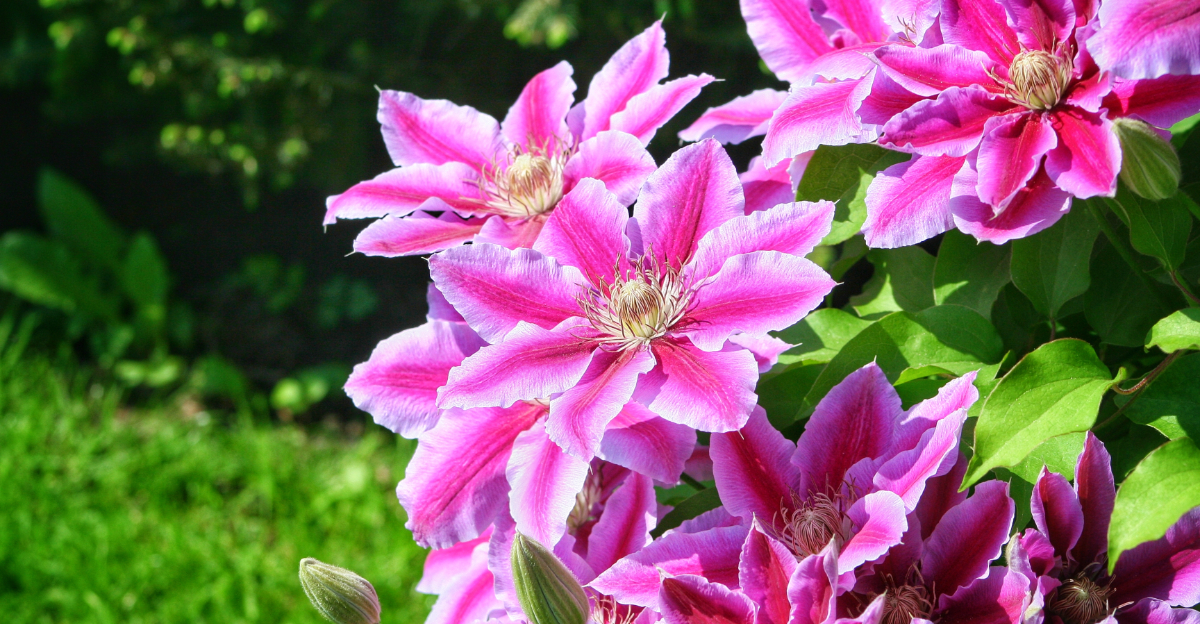
Two clematis vines. Same fence. Same Georgia neighborhood. Same amount of sun and rain.
One of them is loaded with blooms every season, the kind of display that stops people on the sidewalk.
The other looks healthy enough but barely produces flowers, and the gardener behind it has been frustrated for years without knowing exactly why.
The difference almost never comes down to variety selection or pruning mistakes. It comes down to feeding. Specifically, what gets applied, when it goes on, and in what amount.
Georgia clematis has very specific nutritional preferences that most gardeners either guess at or ignore entirely.
Feed too much and the vine goes green with no blooms. Feed at the wrong time and the nutrients wash away before the plant can use them. Feed nothing and the vine coasts along at a fraction of what it is capable of.
Have you been treating your clematis the same way you treat every other plant in the garden? These eight feeding habits separate the spectacular vines from the forgettable ones.
1. Start With A Soil Test
Guessing at soil chemistry is one of the most expensive habits a gardener can have.
The fertilizer goes down, the money goes out, and the plant stays mediocre because the conditions were never right for the nutrients to be absorbed in the first place.
Clematis prefers slightly alkaline to neutral soil, somewhere between 6.5 and 7.0 on the pH scale. Georgia soils, particularly in the red clay Piedmont regions, run acidic by nature.
That gap between what the plant prefers and what the soil provides explains a lot of disappointing seasons.
A basic soil test costs just a few dollars and tells you the pH, phosphorus levels, and potassium content in your garden bed.
That small investment replaces guesswork with an actual plan. If the pH sits too low, adding garden lime raises it gently over time without shocking the root zone.
Phosphorus is the nutrient most directly tied to flower production.
Potassium strengthens the whole plant. Knowing where your soil stands on both of those nutrients means you choose the right fertilizer rather than grabbing whatever is on the shelf based on the label design.
Georgia gardeners who test first and adjust before the season starts are the ones with the most reliable bloom performance year after year.
The test costs less than a bag of fertilizer. It is also considerably more useful than a bag of fertilizer applied to the wrong soil.
2. Feed In Early Spring Growth
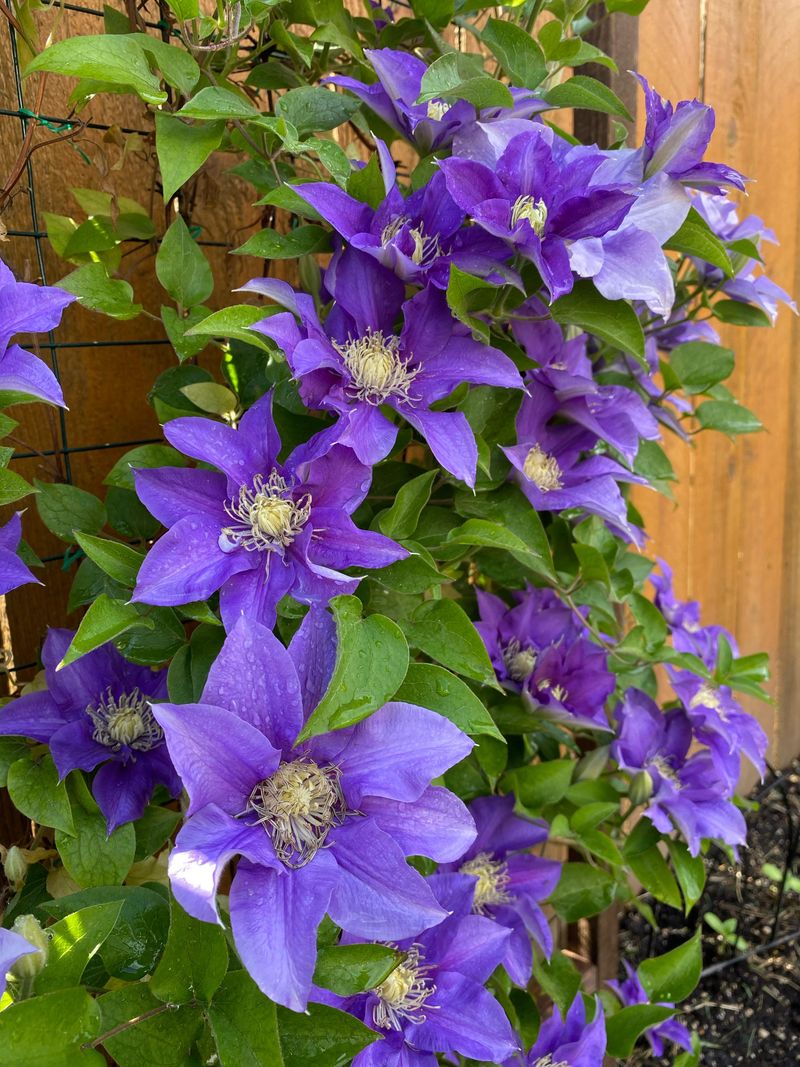
Late February and early March bring something exciting to Georgia gardens.
Clematis vines start pushing out tiny green shoots, the plant stretching after a long rest, reaching toward whatever warmth is available. That moment is the cue to act.
Early spring feeding is the single most important feeding of the year for clematis. The plant is actively building new stems, leaves, and the flower buds that will open in the coming weeks.
Giving it a balanced fertilizer exactly when that growth begins gives it the fuel needed to perform at its best.
Your Georgia Garden Changes Every Week. Your Plan Should Too.
Gardening in Georgia changes quickly throughout the season. Every Friday you’ll receive a simple weekly plan showing exactly what to plant, prune, fertilize, harvest, and protect so you never miss the right timing.
Waiting until the plant shows visible new growth before applying anything is the right approach. Feeding too early, before roots are actively working, means nutrients can wash through the soil before the plant has a chance to use them.
Georgia winters stay unpredictable enough that letting the plant signal its own readiness is smarter than going by the calendar alone.
A slow-release granular fertilizer works especially well at this stage. It delivers nutrition steadily across weeks as growth accelerates, rather than dumping everything at once.
Scratch it lightly into the soil around the base, keeping it several inches away from the main stem, and water it in thoroughly after applying.
Plants that get this first feeding correctly timed produce more stems and more buds. Everything that follows in the season builds on that early momentum.
3. Use Balanced Fertilizer Lightly
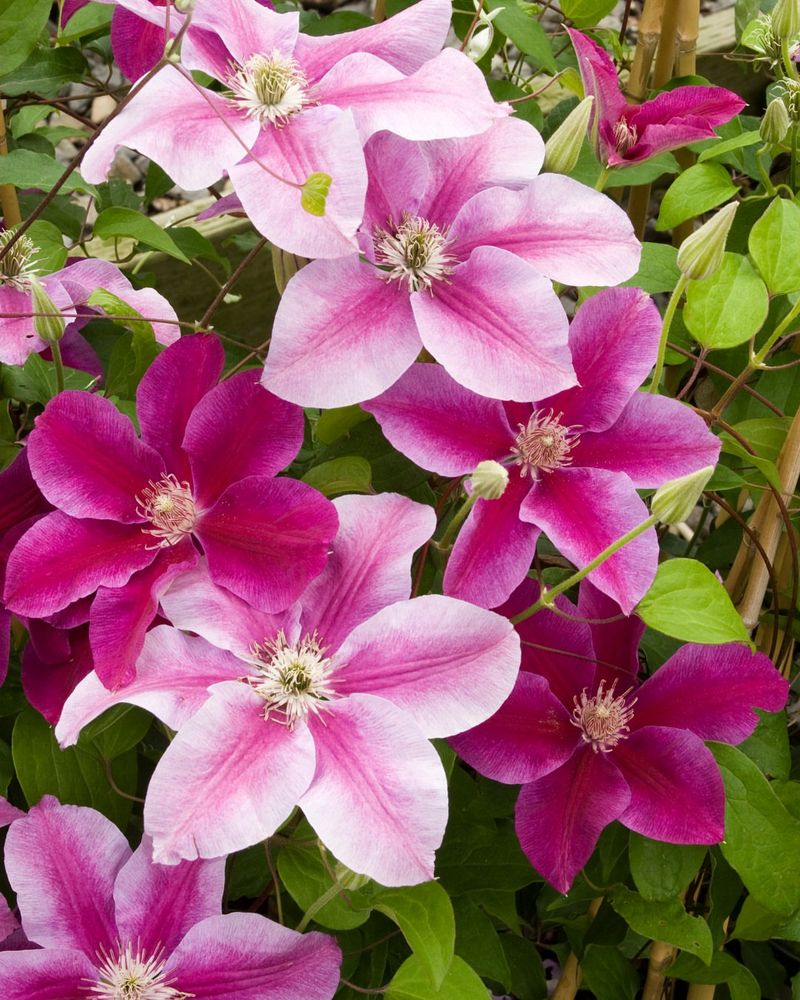
Remember, more fertilizer does not produce more flowers.
That lesson is available to anyone who has watched their clematis shoot up three feet of lush green growth without a single bloom to show for all that effort. Excess nitrogen does that. It loves leaves far more than it loves flowers.
A balanced fertilizer, something like a 10-10-10 formulation, works well for clematis because it provides equal parts nitrogen, phosphorus, and potassium.
Nitrogen supports stem growth. Phosphorus encourages blooming. Potassium strengthens the overall plant. Equal amounts keep any one of those from dominating the others.
The critical word is light. Half the amount listed on the fertilizer label is a good starting point for clematis. The plant is not a heavy feeder and responds far better to steady, moderate nutrition than to large doses applied occasionally.
Too much fertilizer at once can scorch roots when concentrated salts pull moisture in the wrong direction.
Liquid fertilizer appeals to many Georgia gardeners because the amount is easier to control. A diluted liquid feed applied every few weeks during the growing season gives the plant consistent, gentle nutrition without any risk of overloading the root zone.
Whichever form gets used, reading the label carefully and resisting the urge to add extra is the discipline that pays off.
Clematis rewards restraint with blooms. It punishes generosity with leaves. The vine has strong opinions about this arrangement.
4. Water Before Fertilizer Touches Soil
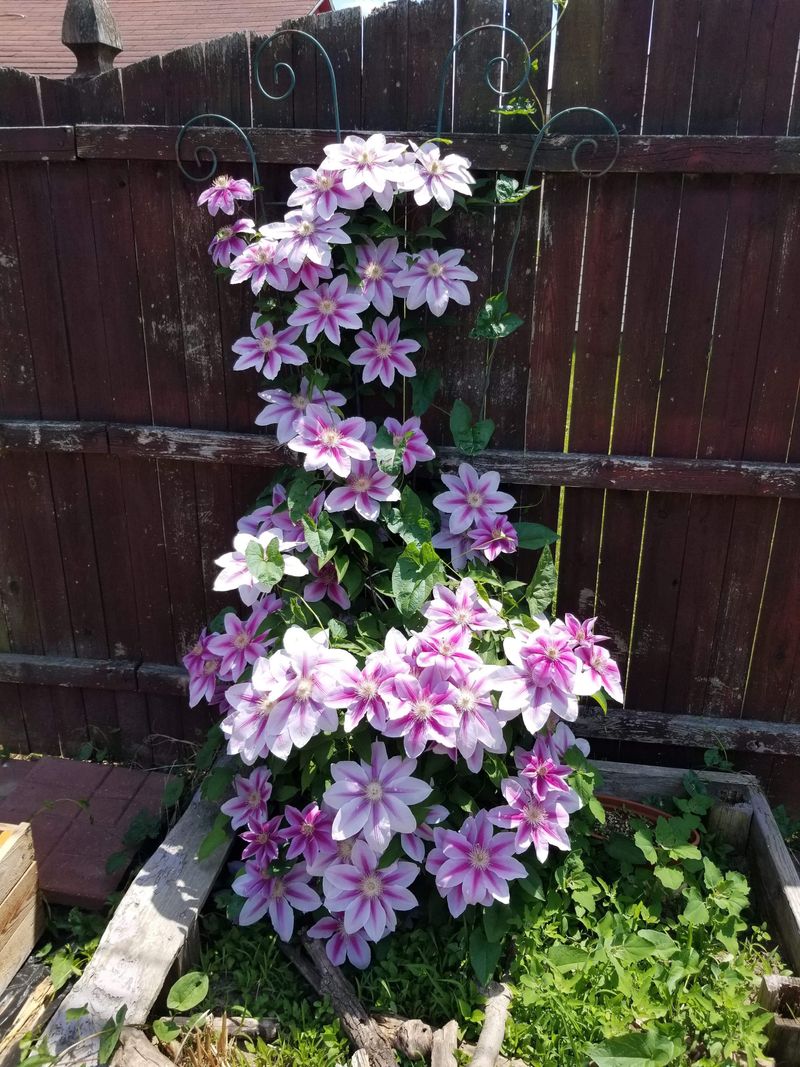
A warm Georgia morning, soil bone dry from a week without rain, and a gardener sprinkling fertilizer around the base of the clematis anyway. That combination is how root burn happens, and the vine does not recover from it quickly.
Moist soil is what makes fertilizer application safe and effective. When soil is wet, fertilizer dilutes as it moves toward the roots, delivering nutrition gently and evenly.
When soil is dry, fertilizer salts concentrate against root tissue and pull moisture out rather than delivering it. The result looks like drought stress and takes weeks to resolve.
A thorough soaking at least an hour before applying any fertilizer sets things up correctly. Georgia clay soils absorb water slowly, so allowing enough time for moisture to penetrate several inches down matters more than just wetting the surface.
After the fertilizer goes on, a second light watering helps activate granular products and begins moving nutrients into the soil profile.
Without that follow-up, granular fertilizer sits on the surface, dries out, and either blows away or creates surface burn during the next hot afternoon.
This two-step habit, water first, fertilize second, water lightly again, costs no extra time and protects both the plant and the investment in the product being applied.
Roots that stay healthy throughout the season absorb nutrients far more efficiently, which translates directly into stronger growth and better bloom production across every feeding cycle.
5. Keep Roots Cool With Mulch
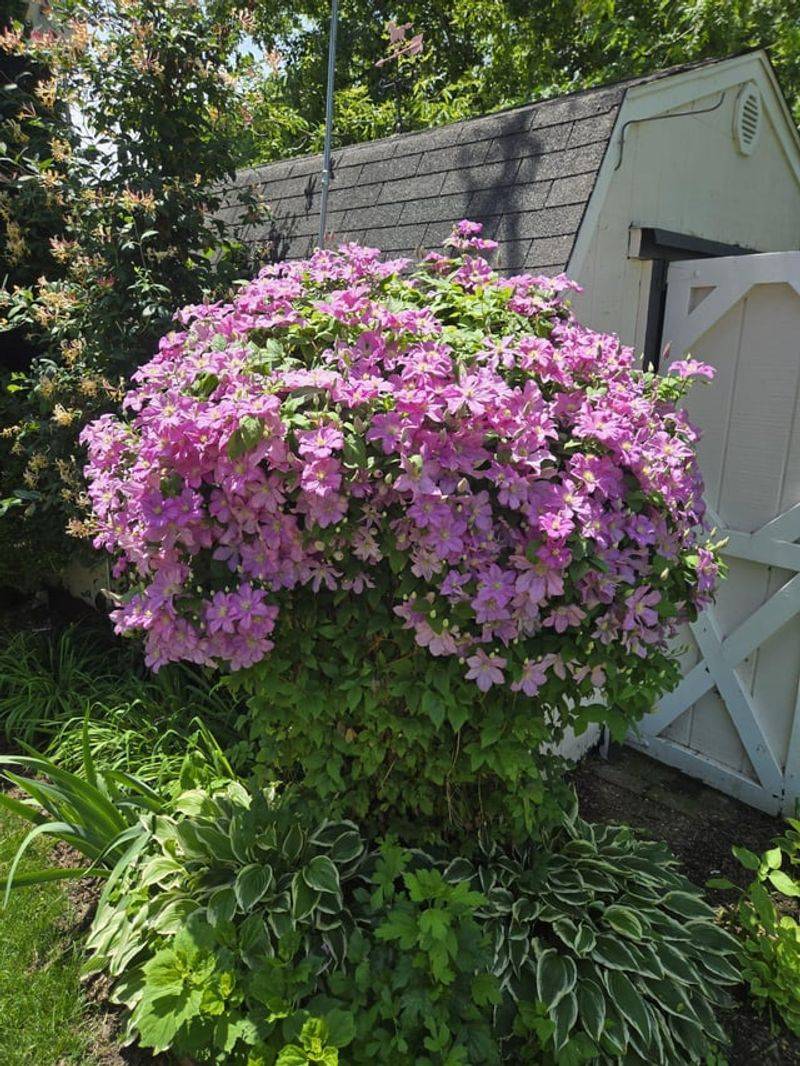
Georgia clematis has a well-known preference that most gardeners repeat like a gardening proverb. Keep the roots cool and the head in the sun.
The vine genuinely grows best that way, and mulch is the tool that makes it possible throughout a Georgia summer.
A two to three inch layer of mulch around the base of the vine insulates the root zone from the surface heat that builds through July and August.
Soil temperature under mulch runs several degrees cooler than bare ground, which keeps the plant focused on growing and blooming rather than managing heat stress at the roots.
Moisture retention is the other major benefit. Georgia summers swing between heavy downpours and dry stretches without much warning.
Mulch holds moisture in the soil between those events, keeping roots consistently hydrated. Consistent soil moisture also helps fertilizer absorb more evenly across the root zone rather than concentrating in dry spots.
Shredded bark, pine straw, and wood chips all work well. Pine straw is a popular choice across Georgia because it stays affordable and widely available at most garden centers throughout the season.
One placement detail matters considerably. Keep the mulch pulled back from the main stem itself rather than piling it up against the base.
That gap allows airflow around the stem and prevents the moisture retention that invites problems right at the soil line.
Refreshing the mulch layer each spring before heat builds is one of the better low-effort investments available to any Georgia clematis grower.
6. Feed Again After The First Bloom
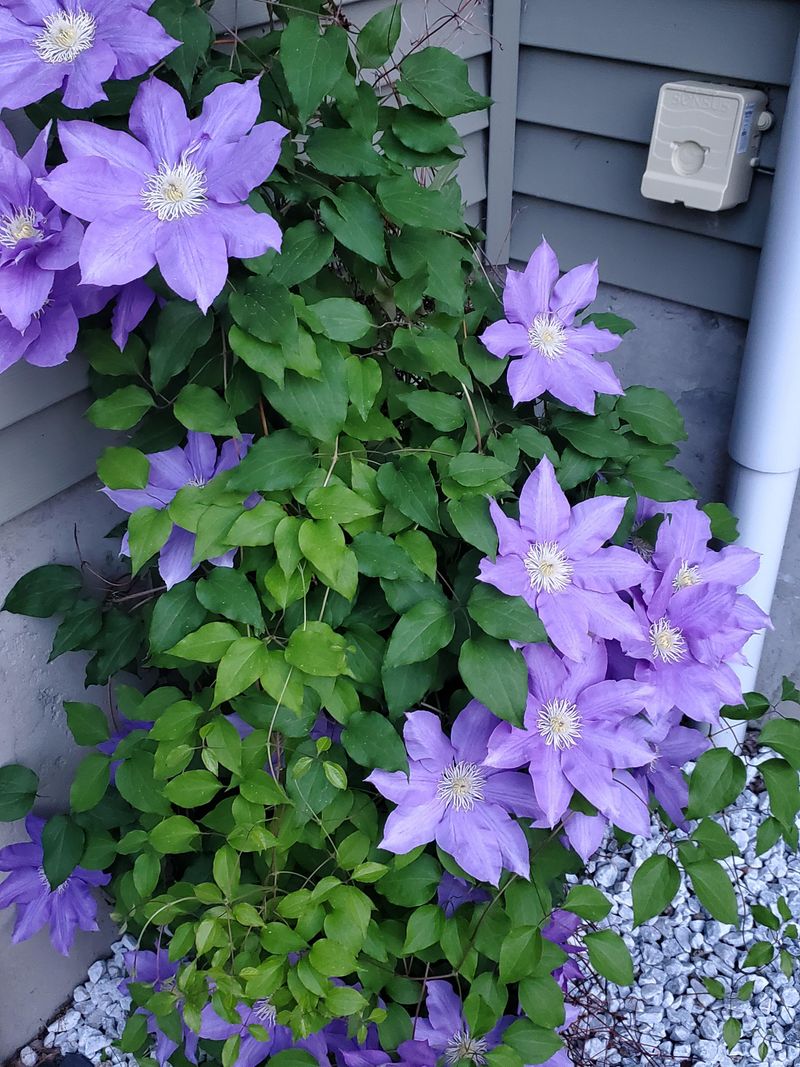
Many gardeners celebrate that first flush of clematis flowers and then walk away from the vine entirely, assuming the performance is finished for the year.
For repeat-blooming varieties, that moment after the first bloom fades is actually when action pays off most.
Post-bloom feeding works because the plant just spent considerable energy producing all those flowers. A gentle nutritional boost helps it recover, rebuild reserves, and redirect energy toward setting the next round of buds.
Not a heavy meal at this stage, just a measured supplement that supports recovery rather than pushing aggressive new growth.
A low-nitrogen formula or a bloom-boosting fertilizer with higher phosphorus suits this second feeding well.
The goal is encouraging flower production rather than leafy growth at this later stage of the season. Diluted liquid fertilizer works particularly well here because the amount stays easy to control.
Not every clematis will respond to post-bloom feeding with a second flush. Group 1 varieties, which bloom on old wood in early spring, generally do not rebloom.
Group 2 and Group 3 varieties have a much better track record of producing a second show in late summer or early fall with the right encouragement.
Checking the variety name and bloom group before committing to this feeding step prevents wasting effort on a plant that was never going to rebloom regardless of what went into the soil.
Knowing the plant well enough to feed it correctly is what separates a good season from a great one.
7. Stop Pushing Growth In Late Heat
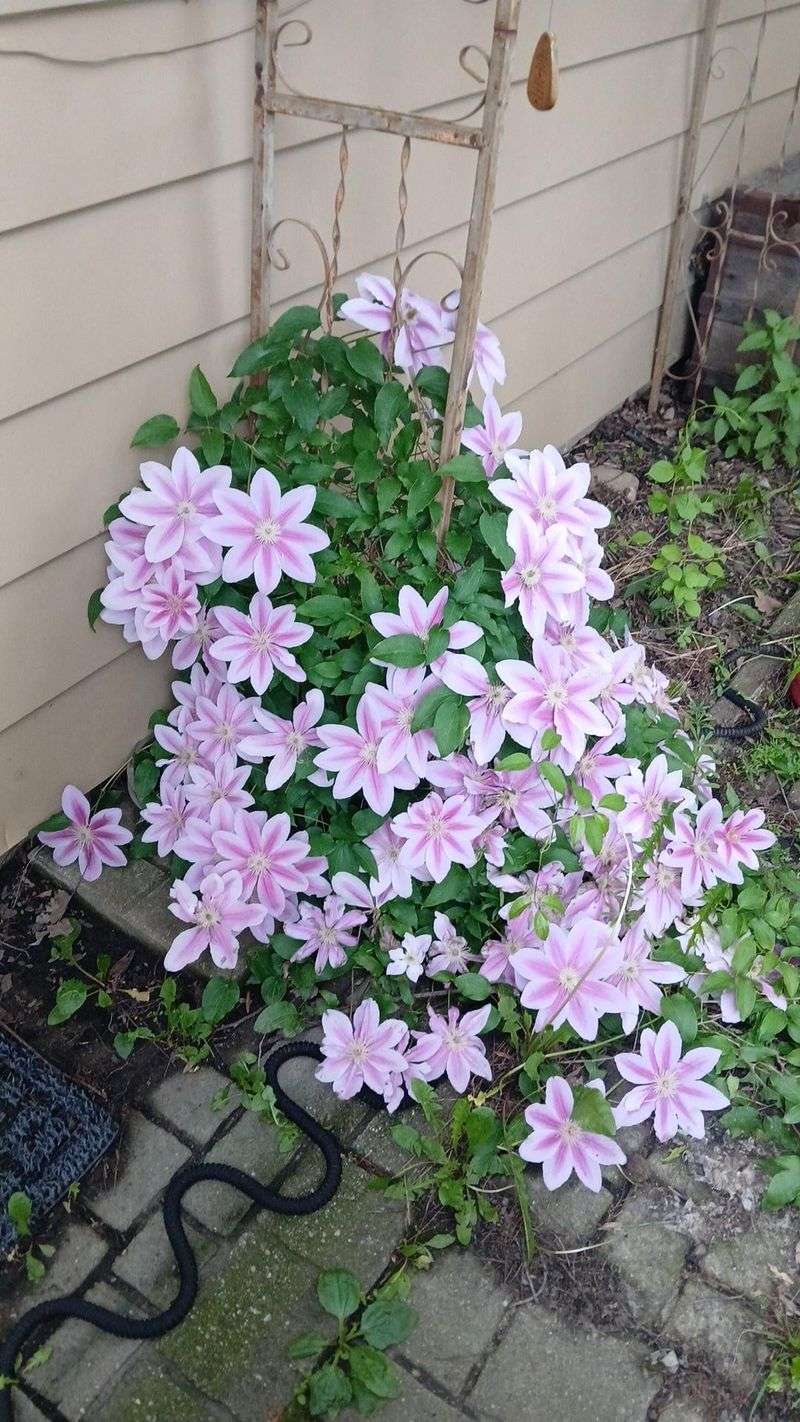
August in Georgia is not a time for pushing anything hard. The heat is relentless, the humidity is thick, and most plants are doing everything they can to hold their current form together.
Clematis is no exception, and heavy fertilizing during peak heat is exactly the wrong response to that situation.
Fertilizing during intense summer stress encourages the vine to push out soft new growth at the worst possible moment.
That tender new tissue is vulnerable to heat stress and attracts insects that specifically target young, soft plant material. The result is more problems than the feeding was supposed to solve.
Late summer fertilizing also stimulates growth that does not have time to harden off before cooler temperatures arrive.
Georgia falls can come quickly after a long hot stretch, and stems that are still actively growing when temperatures drop show more cold sensitivity than stems that had time to mature fully.
Holding off on any fertilizer applications once daytime temperatures consistently stay above ninety degrees is the smart move.
Keeping soil moist and the mulch layer intact is the more useful focus during those weeks. The plant rests and conserves energy better without the added metabolic demand that fertilizing creates.
Once temperatures drop back into the eighties and cooler, the vine picks back up naturally. That recovery is the right moment to consider a final light feeding for varieties known to produce autumn blooms in Georgia conditions.
Patience during August pays dividends in September. The vine remembers the rest period and responds accordingly.
8. Match Feeding To Clematis Type
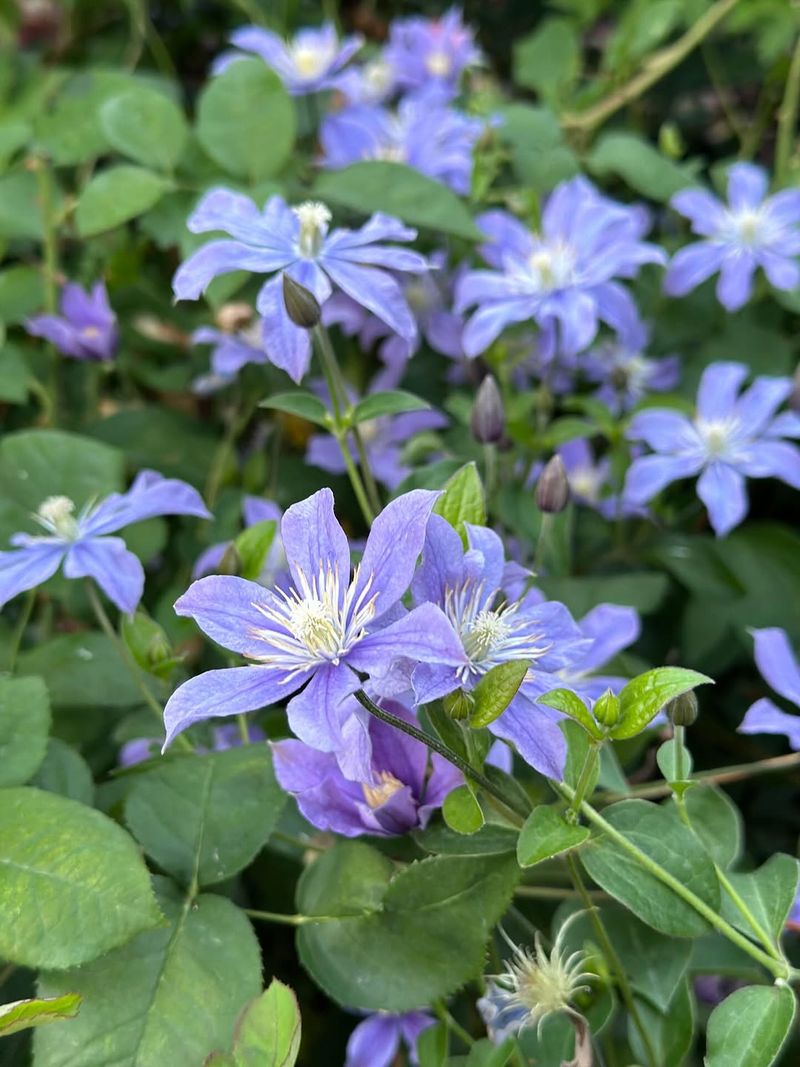
Not every clematis follows the same rules, and treating them as if they do is the reason so many Georgia gardeners get inconsistent results despite putting genuine effort into their feeding routine.
Three bloom groups exist, each with its own flowering habit, pruning style, and nutritional needs. Group 1 clematis blooms in early spring on stems that developed the previous year.
These varieties need very little fertilizer overall. A light feeding in early spring as new growth begins is typically sufficient.
Over-fertilizing Group 1 varieties pushes leafy growth at the expense of flower buds already set on old wood from the previous season.
Group 2 varieties bloom twice, first on old wood in late spring and again on new growth in late summer. These plants benefit from careful feeding in early spring and a light boost after the first bloom fades.
Balanced fertilizer applied in moderate amounts throughout the growing season suits their two-stage blooming habit well.
Group 3 clematis blooms entirely on new growth produced each season and gets cut back hard in late winter.
Since these varieties push out all new stems every year from scratch, they have a stronger appetite for nutrients early in the season. A steady, moderate feeding schedule from spring through midsummer supports that vigorous annual regrowth.
Looking up the variety name and confirming the bloom group before setting a feeding plan takes about two minutes and changes how every feeding decision gets made afterward.
The vine already knows which group it belongs to. The gardener just needs to catch up.